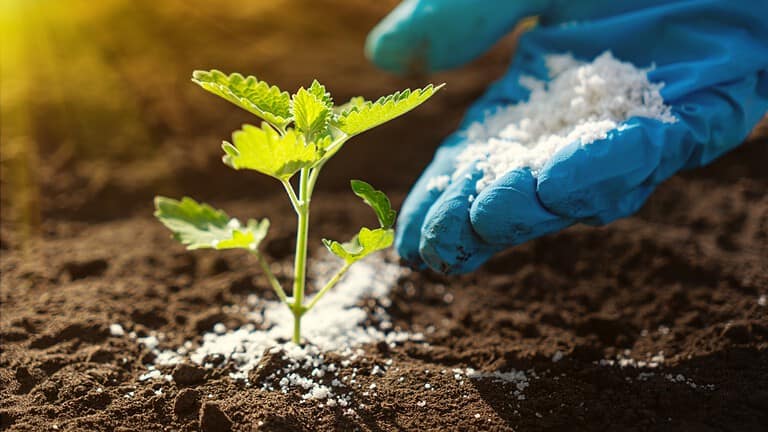
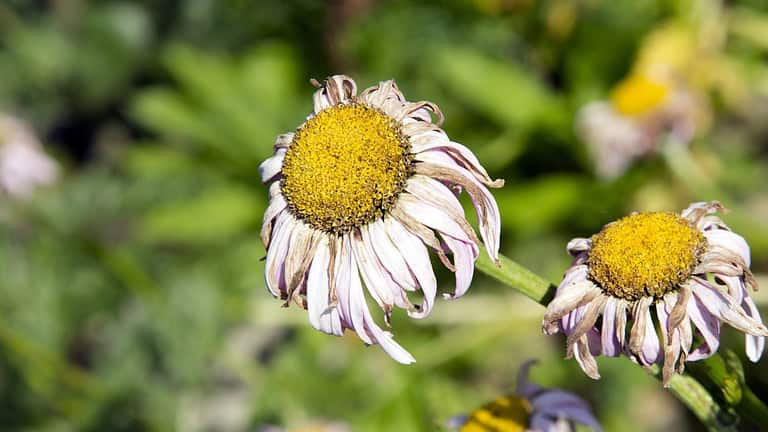
Good soil makes all the difference in a garden. You can water, weed, and fuss over your plants all you want, but if the soil isn’t up to par, they’re not going to thrive. I’ve had seasons where my plants looked sad no matter what I did, only to realize my soil was missing key nutrients.
The good news? Fixing it is easy, and you don’t need fancy fertilizers or expensive treatments. A lot of the best soil boosters are things you already have—kitchen scraps, natural minerals, and even worm poop (yep, it works). Adding the right stuff back into the soil keeps it rich and balanced, so your plants actually have what they need to grow strong.
Advertisement
Manure for a Natural Fertilizer

Manure is one of the best natural fertilizers out there, packed with nitrogen, phosphorus, and potassium—everything plants need to thrive. It improves soil texture, boosts microbial activity, and helps retain moisture. Just make sure it’s aged or composted before using it fresh manure can burn plants and smell awful.
Spread a thin layer over your garden and work it into the topsoil, or mix it with compost for a more balanced blend. If you’re growing vegetables, stick to manure from plant-eating animals like cows, horses, and chickens—avoid pet waste, as it can carry harmful bacteria.
Mulch to Lock in Moisture
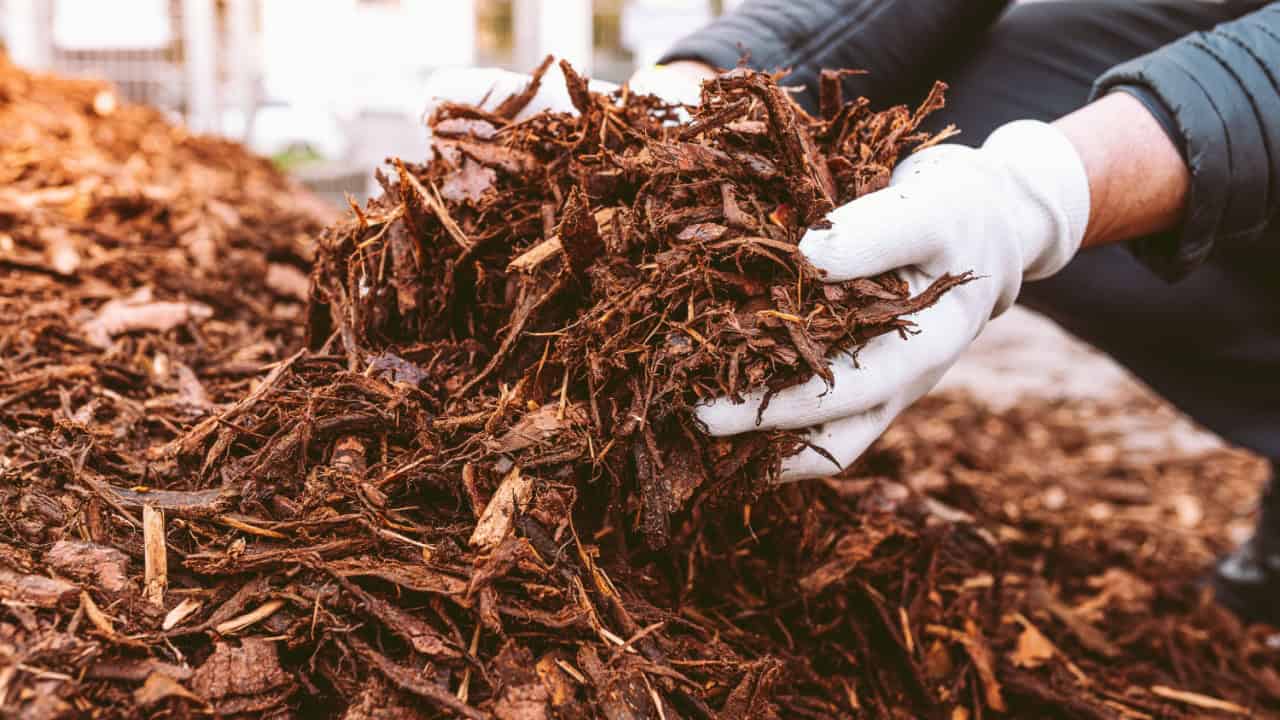
A good layer of mulch keeps the soil from drying out too fast, blocks weeds, and slowly adds organic matter as it breaks down. It also helps regulate soil temperature, which keeps plants happier during extreme weather. Straw, shredded leaves, wood chips, and even grass clippings all make great mulch options.
Spread a few inches of mulch around your plants, but don’t pile it up against the stems—too much can trap moisture and cause rot. If you’re using wood mulch, let it age a bit first, as fresh mulch can pull nitrogen from the soil while it decomposes.
Worm Castings for Healthy Soil
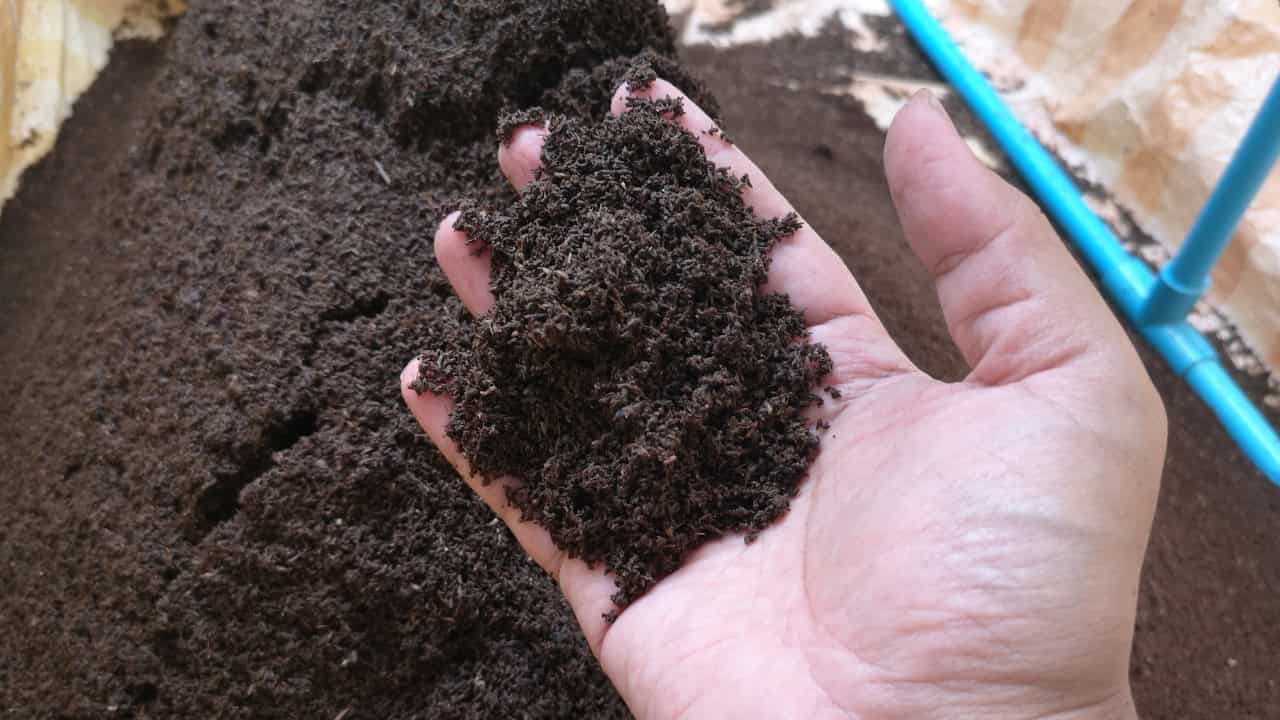
Worm castings might not look like much, but they’re packed with nutrients and beneficial microbes that help plants grow stronger. They improve soil structure, boost water retention, and make nutrients more available to plant roots. Basically, they’re tiny powerhouses for your garden.
Mix worm castings directly into the soil or sprinkle them around the base of plants as a slow-release fertilizer. You can also steep them in water overnight to create a nutrient-rich “worm tea” for watering. It’s an easy, odor-free way to improve soil health without needing chemical fertilizers.
Compost for a Nutrient Boost
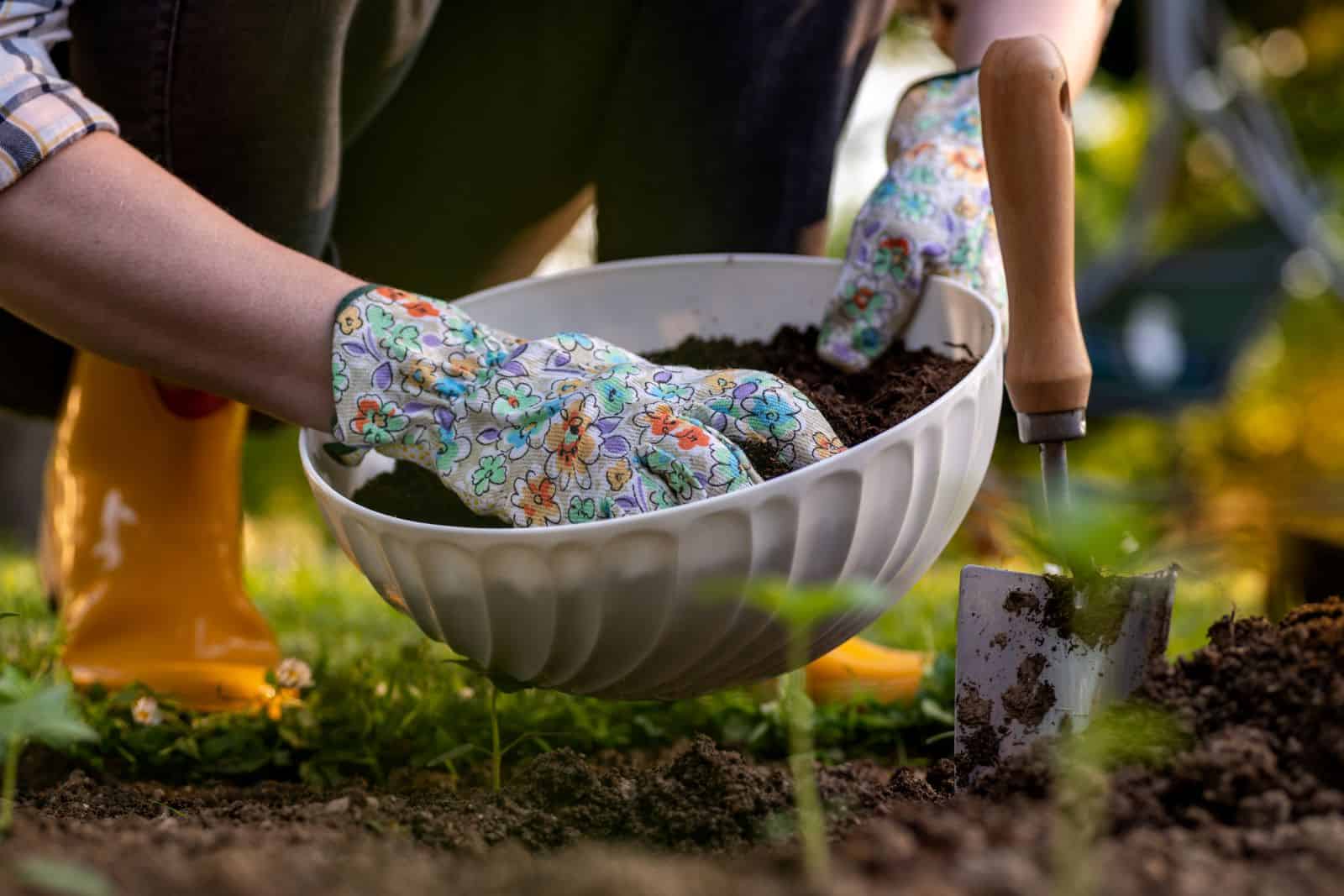
Compost is one of the easiest ways to give your soil a steady supply of nutrients. It improves texture, helps retain moisture, and feeds the microbes that keep plants healthy. Whether you’re using kitchen scraps, grass clippings, or leaves, compost adds organic matter that breaks down over time, creating rich, fertile soil.
The best part? You don’t need a fancy compost bin. A simple pile in the corner of the yard works just fine. Just be sure to turn it occasionally to keep things aerated and avoid tossing in anything greasy or meat-based—it’ll attract critters you don’t want digging around in your garden.
Coffee Grounds to Feed Acid-Loving Plants
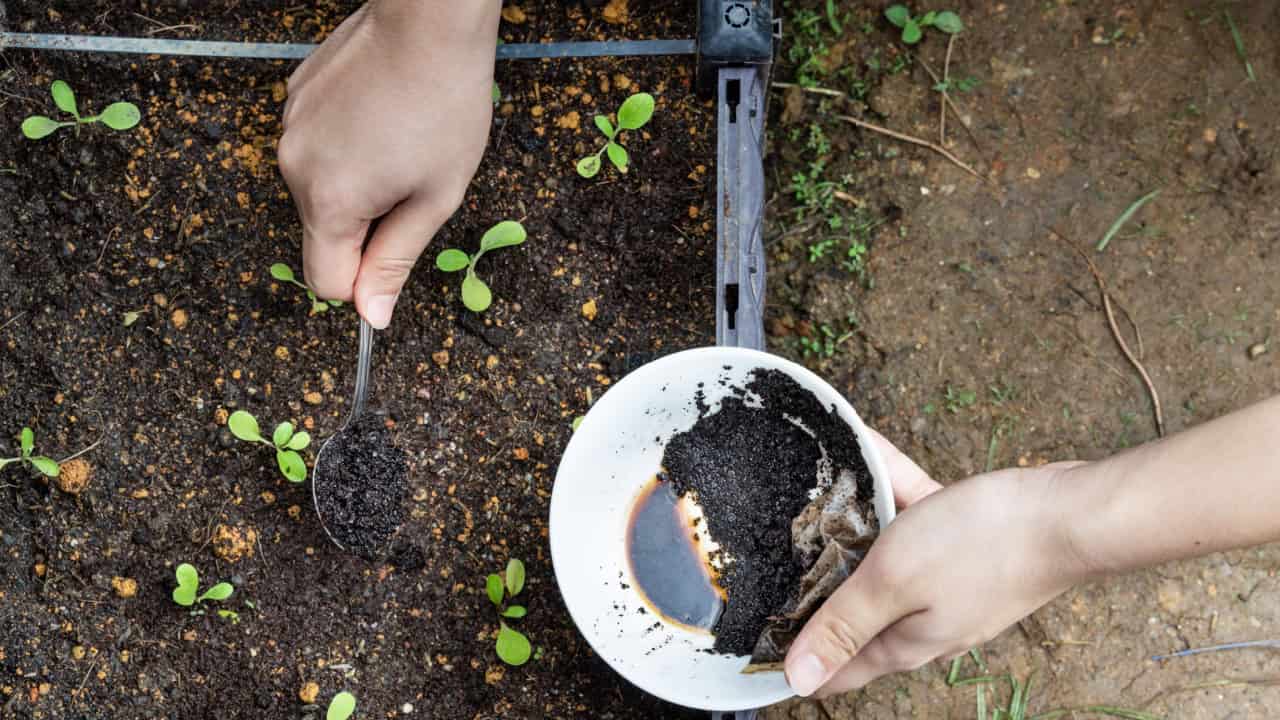
Used coffee grounds are a simple way to add organic matter to your soil while giving acid-loving plants like tomatoes, blueberries, and azaleas a little extra love. They provide nitrogen, improve drainage, and help keep the soil from drying out too fast.
Sprinkle coffee grounds directly onto the soil or mix them into compost for a slow-release boost. Just don’t go overboard—too much can make the soil overly acidic and compacted. If you’re unsure, mix them with other organic materials to keep everything balanced.
Eggshells for Extra Calcium
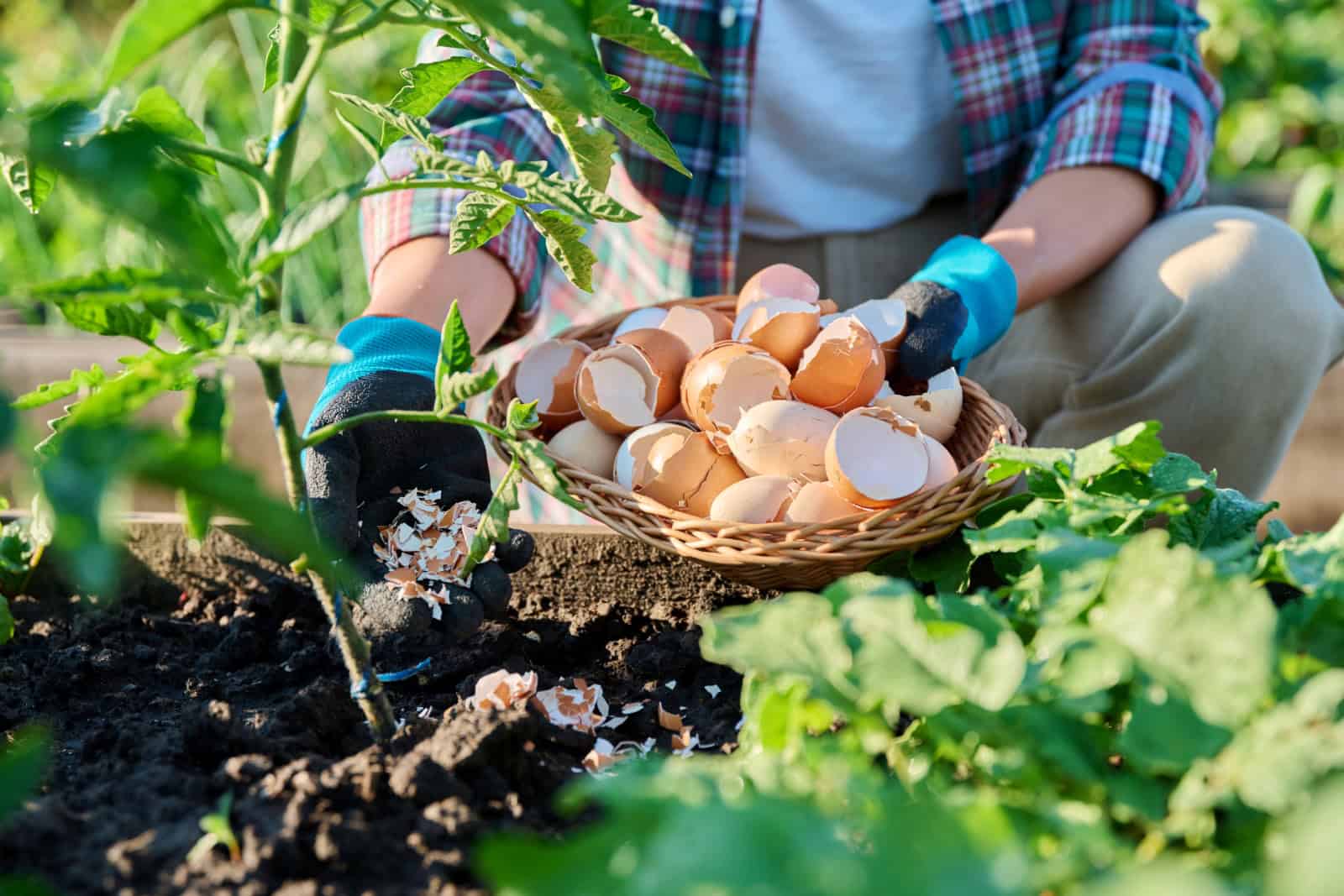
Eggshells break down slowly, but they’re a great source of calcium, which helps prevent issues like blossom end rot in tomatoes and peppers. Crushed shells improve soil structure and give plants the nutrients they need for strong cell walls and steady growth.
Let the shells dry out, then crush them into small pieces before sprinkling them around your plants. You can also mix them into the compost or steep them in water overnight to make a natural calcium tea for your garden. Either way, it’s an easy way to use up something you’d normally toss.
Wood Ash to Balance pH
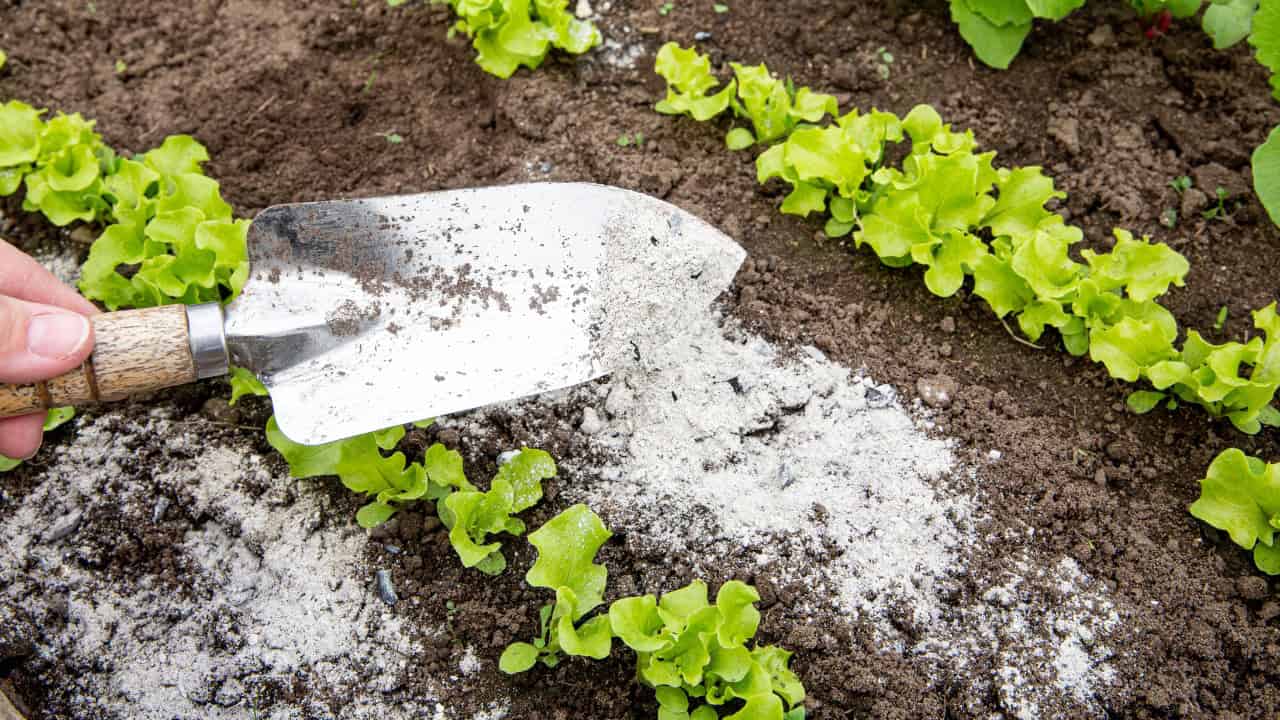
If your soil is too acidic, wood ash from a fireplace or fire pit can help bring it back into balance. It contains potassium and small amounts of phosphorus, which help plants develop strong roots and better resistance to disease.
Sprinkle a light layer over the soil and mix it in, but don’t overdo it—too much can throw off the pH and make it hard for plants to absorb nutrients. Avoid using ash from treated or painted wood, as it can contain chemicals that aren’t good for your garden.
Epsom Salt for Magnesium Boost

If plants are looking weak or yellow, they might need a little magnesium—something Epsom salt can fix fast. Magnesium helps with photosynthesis and nutrient absorption, making it especially useful for tomatoes, peppers, and roses.
Dissolve a tablespoon of Epsom salt in a gallon of water and use it to water your plants once a month. For a slower release, sprinkle a small amount directly into the soil before watering. Just don’t overdo it—too much magnesium can throw off other nutrients in the soil.
Banana Peels for a Potassium Kick
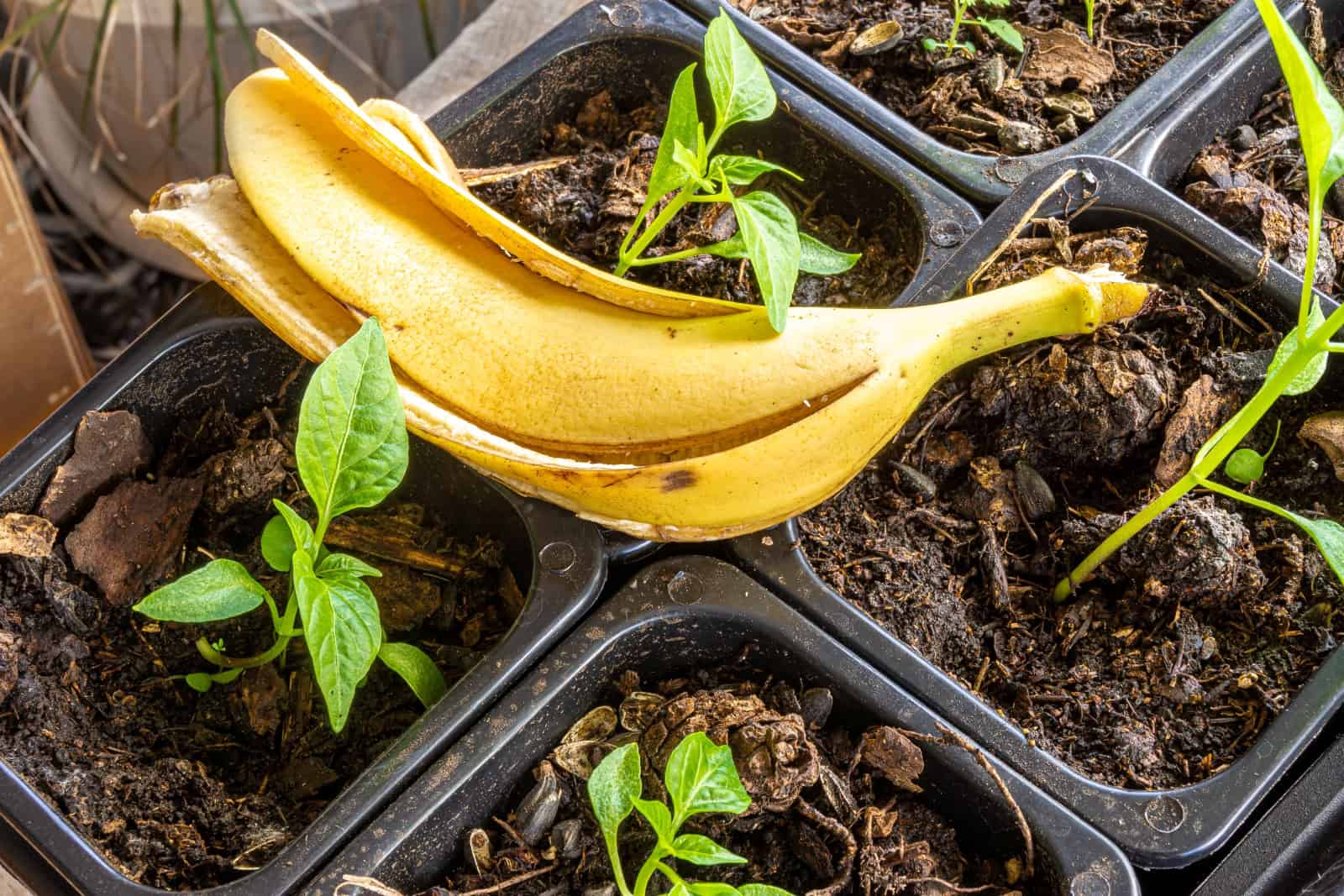
Banana peels break down quickly and add potassium and phosphorus to the soil, both of which help plants develop strong roots and produce more flowers and fruit. Instead of tossing them in the trash, chop them up and bury them around your plants.
For an even faster boost, soak banana peels in water for a few days, then use the nutrient-rich water to feed your garden. Just be sure to keep the peels buried or covered—nothing attracts fruit flies faster than rotting bananas sitting out in the open.
*This article was created with the help of AI.