
That late-night rustling in your yard might make you nervous, but those masked visitors could be doing more good than you realize. While raccoons often get a bad rap for tipping over trash cans or raiding gardens, these intelligent creatures play several important roles in maintaining a healthy backyard ecosystem.
Before you consider them as merely a nuisance, let’s explore the surprising ways these nocturnal neighbors contribute to your yard’s health and biodiversity.
Nature’s Clean-Up Crew

Raccoons are excellent sanitarians, cleaning up fallen fruit, rotting vegetation, and carrion that could otherwise attract less desirable pests or spread disease. Their scavenging habits help prevent the accumulation of decomposing organic matter that might harbor harmful bacteria or fungi.
During fall, they’ll clean up fallen apples, pears, and other fruit that could otherwise become breeding grounds for wasps or problematic insects. This natural clean-up service extends to cleaning up dead animals and other organic debris that might otherwise create unpleasant odors or attract flies. Their thorough foraging helps maintain a cleaner, healthier yard environment while reducing the likelihood of pest infestations that thrive on decaying matter.
Soil Aerators and Fertilizers

While searching for grubs and earthworms, raccoons naturally aerate your soil through their digging behavior. Though this might occasionally appear messy, this turning of the soil helps improve soil structure and water penetration. Their droppings also contribute valuable nutrients back to the soil, acting as a natural fertilizer. The process of foraging for insects and grubs helps break up compacted soil, allowing better root growth for your plants.
Plus, their digging can help incorporate organic matter deeper into the soil profile, improving overall soil health. This natural soil amendment service is particularly beneficial in areas where the ground tends to become compacted, such as under trees or in rarely disturbed corners of your yard.
Natural Pest Control
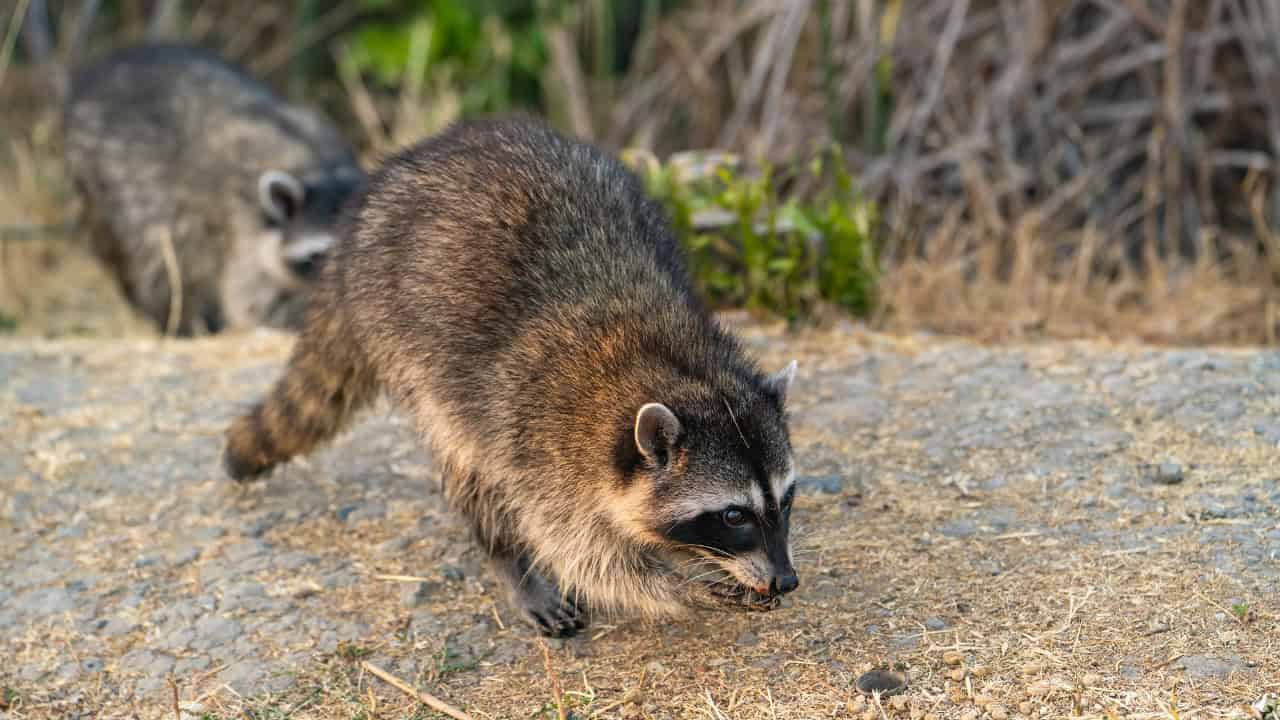
Raccoons have a diverse diet that includes many garden pests. They’re particularly fond of grubs, including Japanese beetle larvae, which can damage lawn roots and lead to brown patches. They also consume mice, rats, and other small rodents that might otherwise damage your garden or infiltrate your home.
Their appetite for insects extends to crickets, beetles, and other potentially harmful bugs. While their foraging might occasionally disturb some turf, the long-term benefits of pest control often outweigh any temporary yard disruption. In fact, areas regularly visited by raccoons often show fewer problems with destructive grub populations and other underground pests.
Seed Dispersers

Despite their reputation as garden raiders, raccoons actually play a crucial role in seed dispersal and plant diversity. As they move through different areas, they spread seeds through their droppings, helping to maintain and increase plant diversity in your yard and surrounding areas.
Their omnivorous diet means they consume a wide variety of fruits and berries, and their movement patterns help distribute these seeds to new areas where they can germinate. This natural seeding service can lead to the establishment of native plants that provide food and shelter for other beneficial wildlife.
Ecosystem Indicators
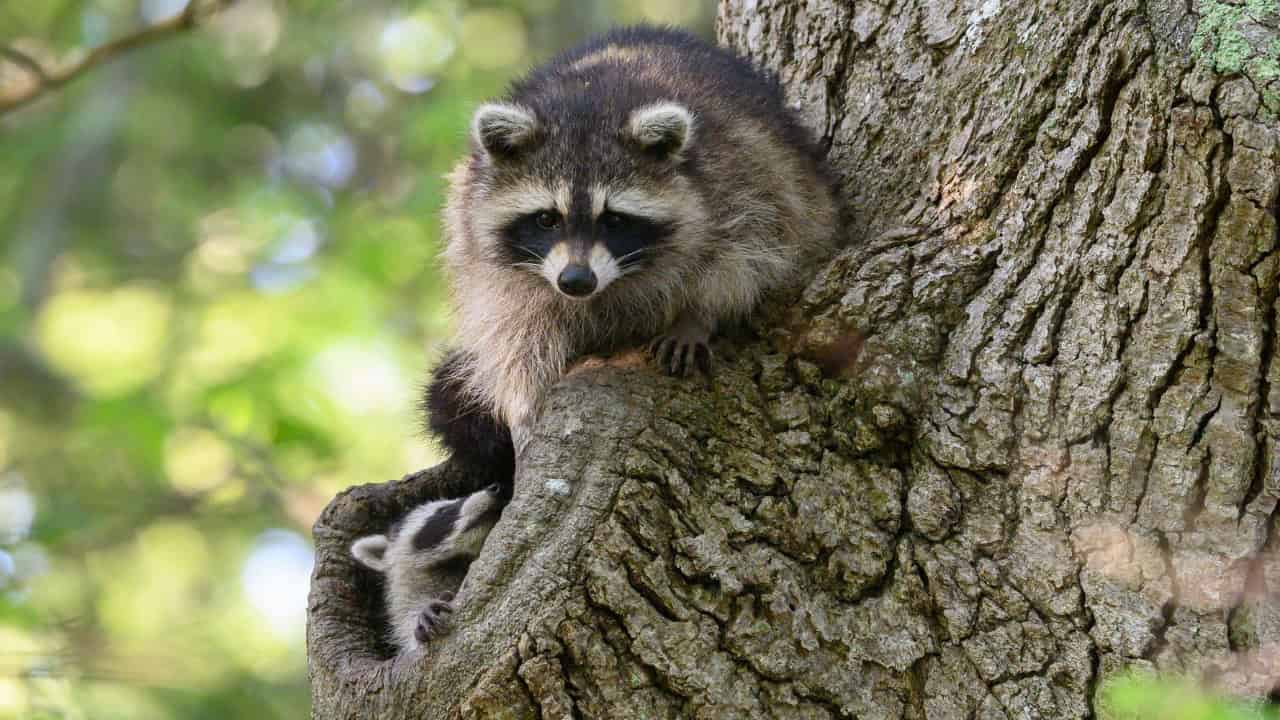
The presence of raccoons in your yard can actually be an indicator of a healthy, diverse ecosystem. These adaptable animals require a variety of food sources and habitat features to thrive, so their regular visits suggest your yard provides good wildlife habitat. They’re particularly attracted to yards with healthy populations of insects and other small creatures, indicating a robust food web.
Their presence can also suggest that your yard maintains enough natural features and biodiversity to support wildlife. Like many urban-adapted species, raccoons help maintain important ecological processes in human-modified landscapes, bridging the gap between wild and developed areas.
Insect Population Control

Raccoons are particularly effective at controlling various insect populations that could otherwise become problematic. Their foraging behavior helps keep in check populations of harmful insects like cutworms, army worms, and various beetles. They’re especially good at finding and consuming ground-dwelling insects that other predators might miss.
This natural form of insect control helps maintain balance in your garden ecosystem without the need for chemical pesticides. Their thorough searching behavior means they often find and consume insect larvae and eggs, preventing future pest outbreaks before they can occur. This service is particularly valuable in organic gardens where chemical controls aren’t an option.
Natural Grub Control Specialists

Unlike many other urban wildlife species, raccoons are particularly adept at locating and consuming white grubs that live beneath your lawn. Their sensitive paws can detect grubs several inches below the surface, and their strategic digging allows them to efficiently remove these destructive pests. While this feeding behavior might temporarily disturb small patches of turf, it prevents far more extensive damage that grubs would cause to your lawn’s root system.
A single raccoon can consume hundreds of grubs in one night, providing more effective control than many chemical treatments. This natural grub management helps prevent the development of larger pest problems, including the attraction of moles and other grub-feeding animals that might cause more extensive yard damage.
Wetland and Water Feature Maintainers

If you have a pond or water feature in your yard, raccoons can actually help maintain its health. Their habit of washing food and foraging in shallow water helps prevent the buildup of organic matter and can reduce mosquito larvae populations. While searching for aquatic insects, crayfish, and other water-dwelling creatures, they help maintain the balance of small water ecosystems.
Their activity around water features can also help prevent the overgrowth of certain aquatic plants and algae through their foraging and movement patterns. This natural maintenance service is particularly valuable for backyard ponds and rain gardens, where their activities can help maintain proper ecological function.
Native Plant Supporters
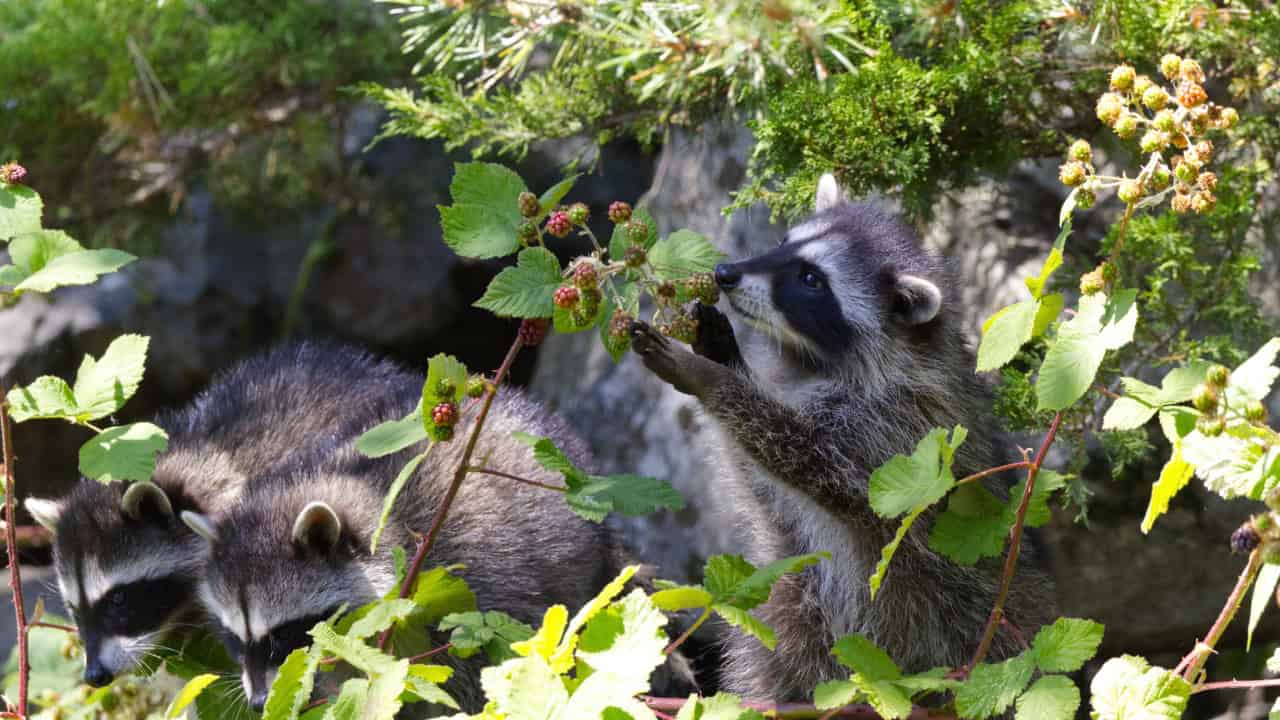
Through their foraging and seed dispersal activities, raccoons actually help maintain and promote native plant populations. When they consume native fruits and berries, they spread these seeds throughout the area, often depositing them in ideal growing conditions with their droppings.
This natural planting service helps maintain genetic diversity among plant populations and can help establish new patches of beneficial native species. Their digging activities can also create small disturbances that many native plants need for successful seed germination. This role in plant dispersal and establishment becomes increasingly important in urban and suburban areas where natural processes are often disrupted.
*This article was created with the help of AI.