# 9 Top Vegetables to Grow in Containers for Small Spaces
Do you live in an apartment or a house with a limited garden space and wish you could grow your own vegetables? Well, you’re in luck! You don’t need an expansive backyard to grow your own fresh produce. All you need are a few pots, the right amount of sunlight, and a little bit of patience. This post will help you discover the top 9 vegetables you can easily grow right in your small garden, balcony, or even indoors.
Advertisement
1. Tomatoes
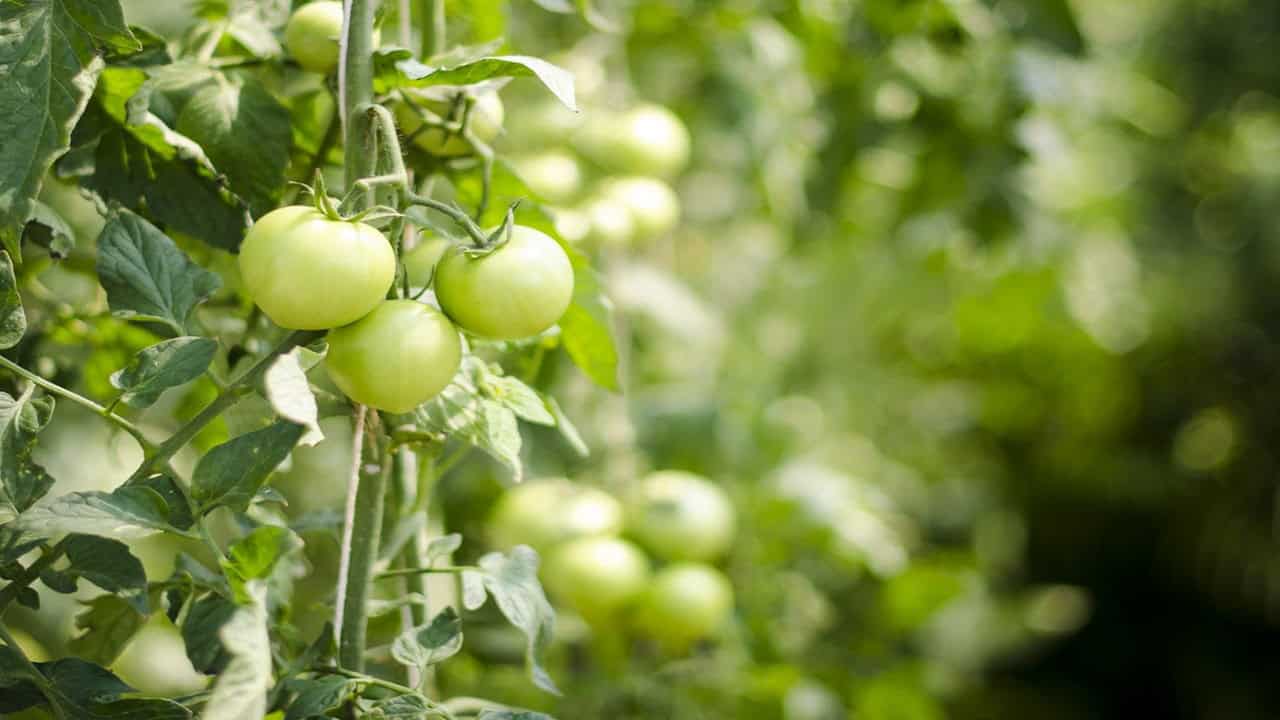
Tomatoes are one of the most popular choices when it comes to container gardening. They come in a variety of sizes, from small cherry tomatoes to larger beefsteak varieties, and they thrive in containers as long as they get plenty of sunlight and water.
When choosing your tomato plants, pick a variety suitable for container gardening, like ‘Patio’, ‘Tiny Tim’, or ‘Roma’. These varieties are known for their compact size and high yield. Use a large container with a diameter of at least 18 inches and ensure it has good drainage. Remember to provide support with a stake or a tomato cage as the plant grows.
2. Lettuce
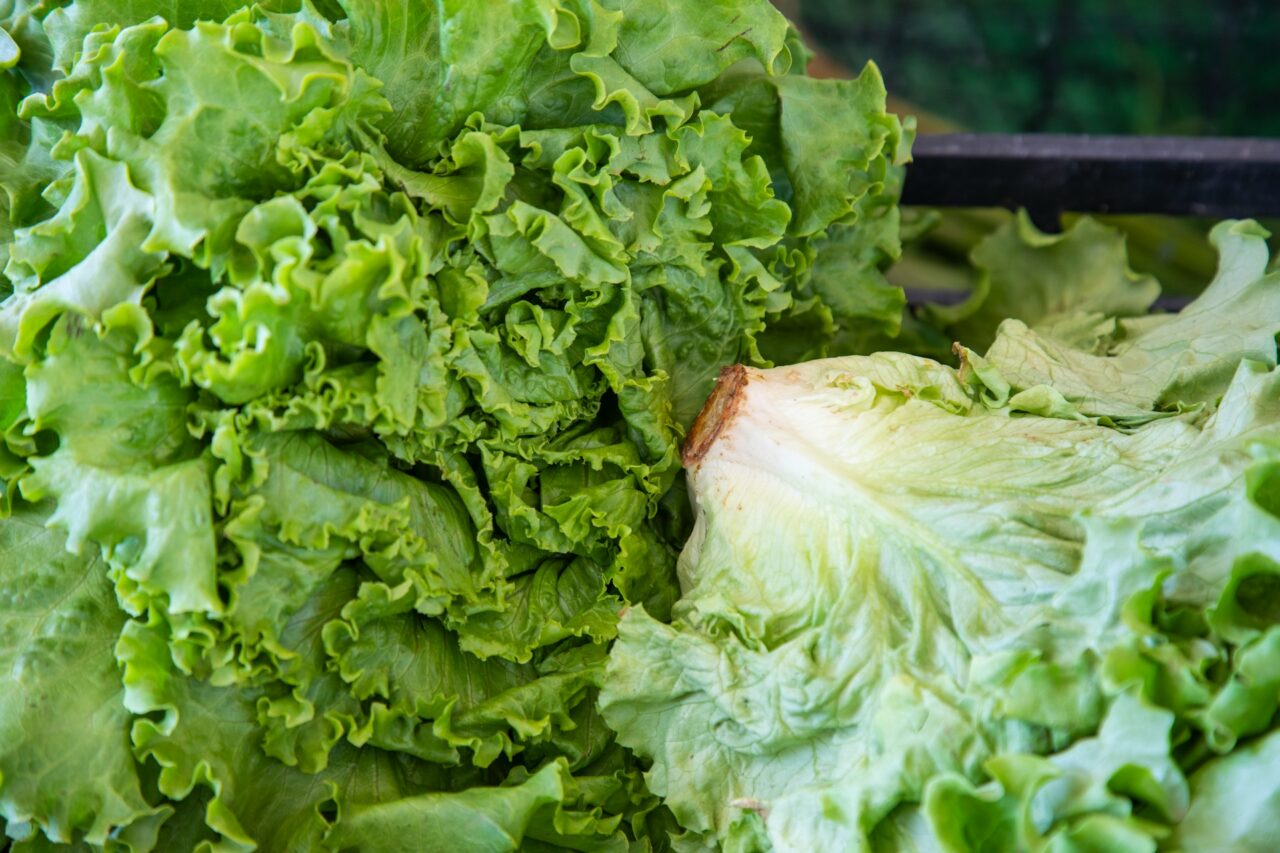
Lettuce is a cool-weather crop that grows well in containers. It is quick to mature, often ready to harvest in just a few weeks, making it an excellent choice for beginners. Plus, it’s perfect for small spaces because it doesn’t require a lot of depth to grow.
Choose a wide, shallow container and sow the lettuce seeds directly into the container. You can either grow one type of lettuce or mix different varieties for a colorful salad bowl. Keep the soil moist and harvest the outer leaves as needed, allowing the inner leaves to continue growing.
3. Radishes

Radishes are another quick-growing vegetable that are ideal for container gardening. They are known for their peppery flavor and crisp texture, adding a nice crunch to salads and other dishes.
Plant radish seeds directly into a deep container, as radishes grow underground. They will need about 6 hours of sun each day, and consistent watering to prevent them from becoming too spicy. You can start harvesting radishes as soon as they reach their mature size, usually in just 3-4 weeks.
4. Peppers
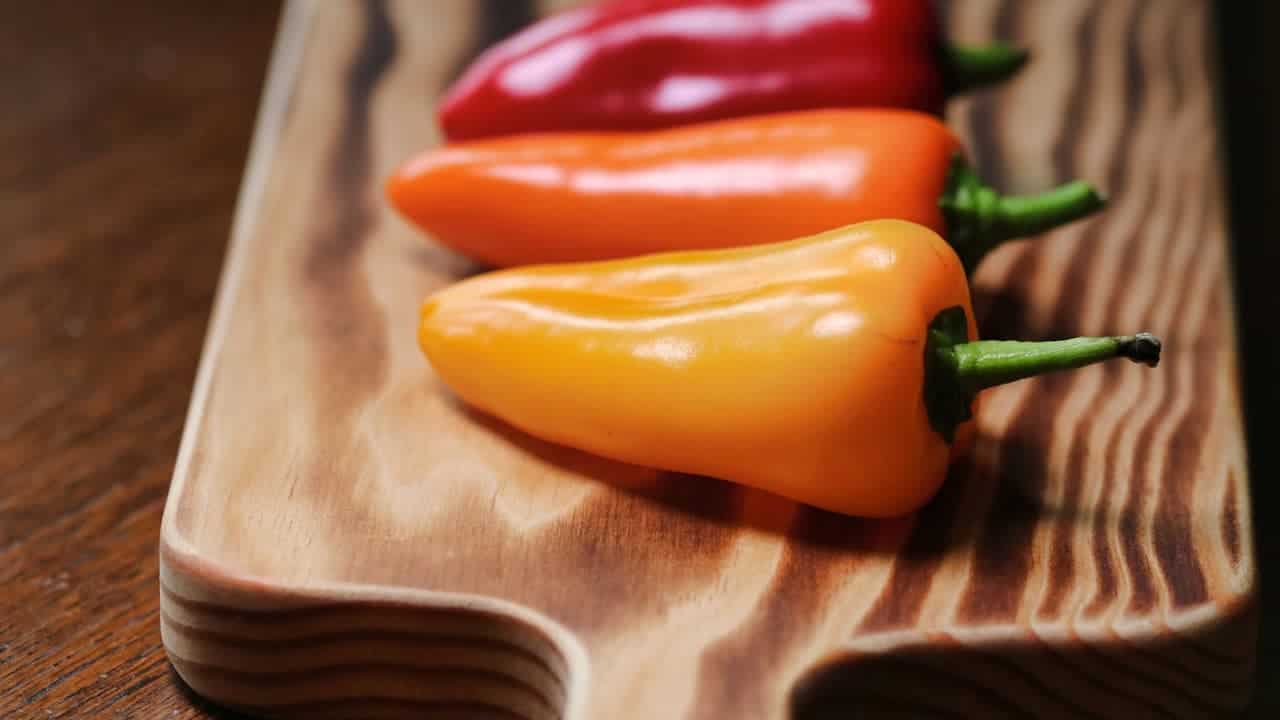
Peppers, both sweet and hot varieties, are perfect for growing in pots. They need a warm, sunny spot to thrive, and can produce a generous harvest from just a single plant.
Start seeds indoors in late winter or buy young plants from a nursery. Move them to a large pot once the weather warms up. Peppers require consistent moisture, so make sure the soil never dries out completely. Depending on the variety, peppers can take 60-90 days to mature.
5. Beets

Beets are a versatile vegetable that can thrive in containers. They are known for their sweet, earthy flavor and vibrant color, and both the root and the leaves can be eaten.
Choose a container that is at least 12 inches deep to accommodate the growing beetroot. Sow the seeds directly into the container and thin the seedlings once they emerge to give each plant enough space to grow. Beets need consistent moisture and can be harvested when they reach the desired size.
6. Carrots
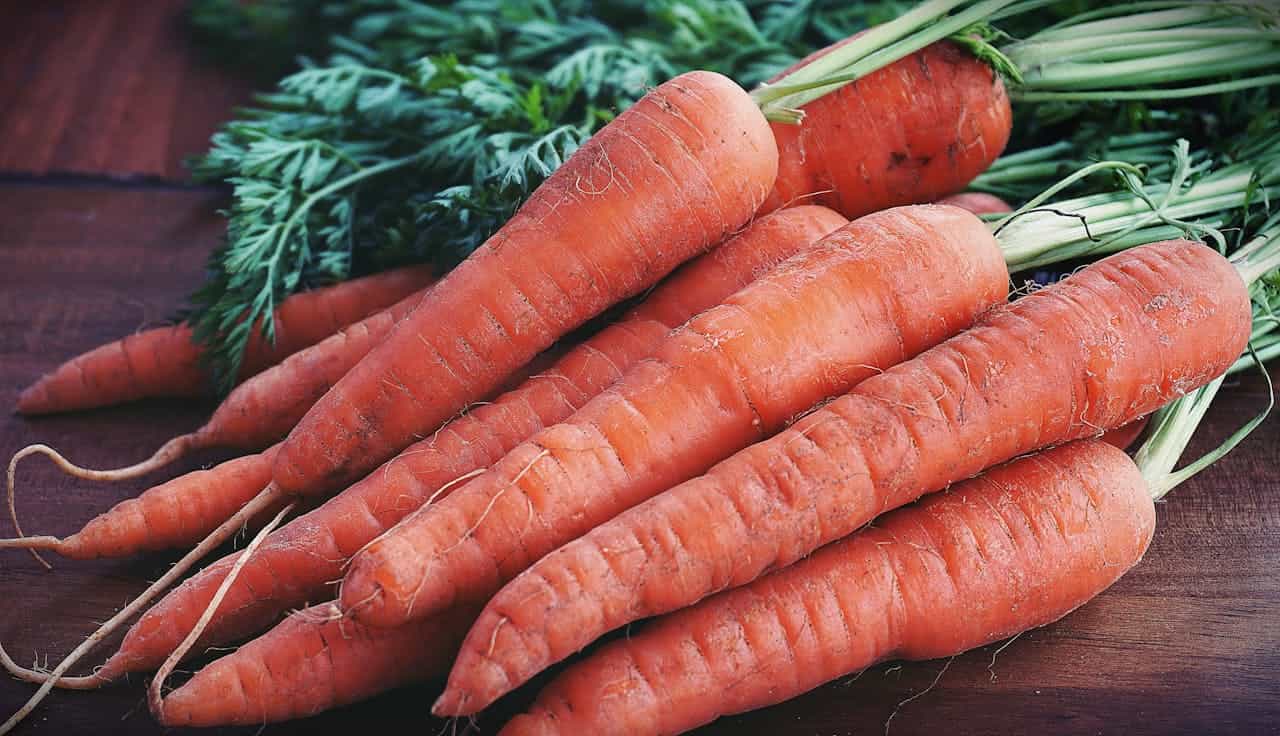
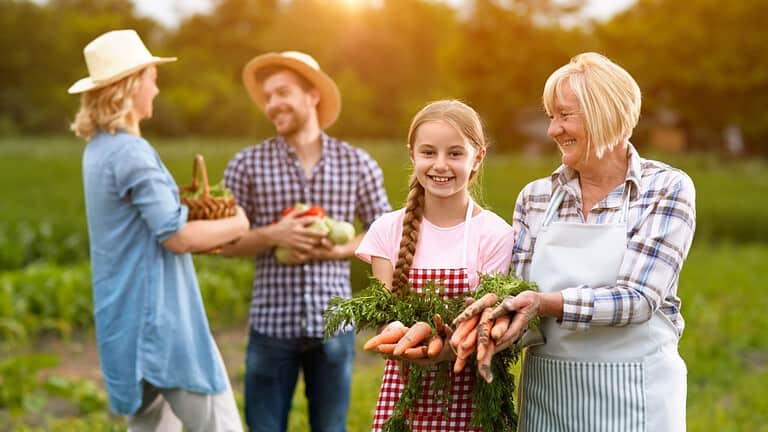
Carrots are another root vegetable that grows well in containers. They come in a variety of colors and sizes, from traditional orange to purple, yellow, and white.
Choose a deep container to accommodate the length of the carrot variety you choose. Sow the seeds directly into the container and thin the seedlings to give each carrot room to grow. Carrots prefer cooler temperatures and consistent moisture. They are ready to harvest when they reach the desired size.
7. Spinach
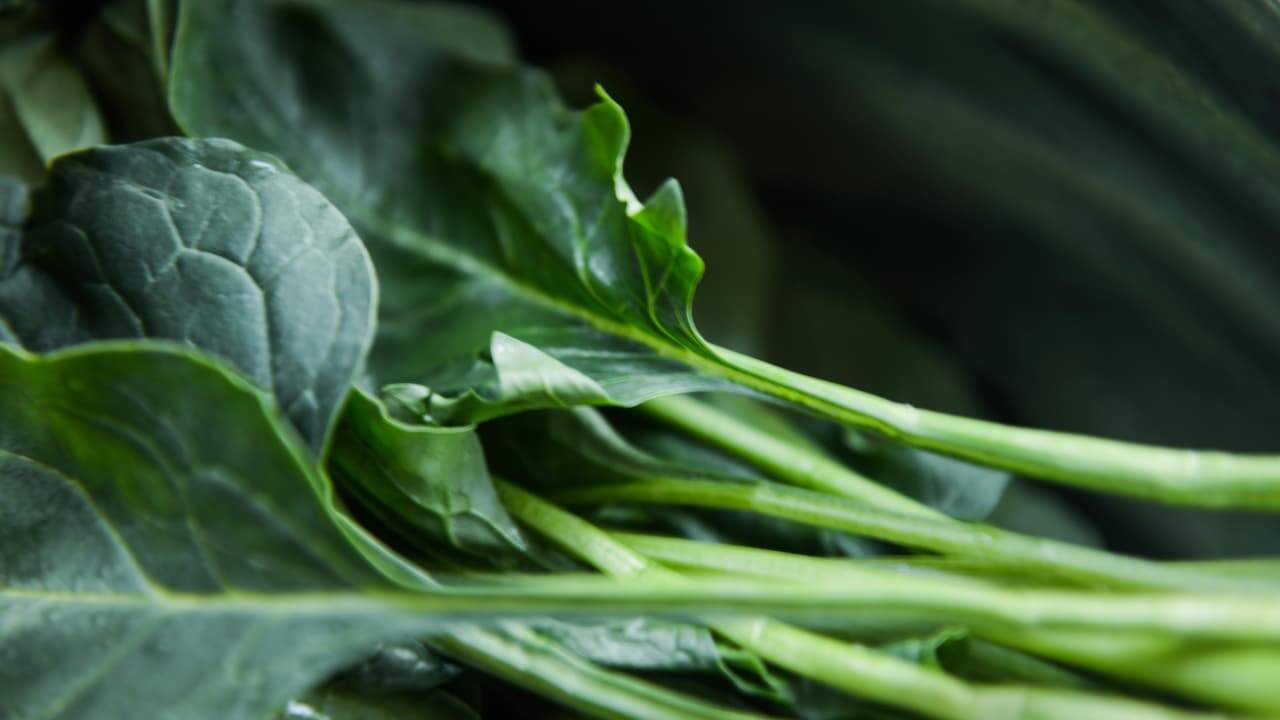
Spinach is a nutrient-rich, leafy green that grows well in containers. It is a cool-weather crop that can withstand frost, making it a great choice for early spring and late fall gardening.
Choose a wide, shallow container for growing spinach. Sow the seeds directly into the container, and keep the soil moist. Spinach can be harvested as baby leaves for a tender salad ingredient, or allowed to grow to full size for cooking.
8. Cucumbers
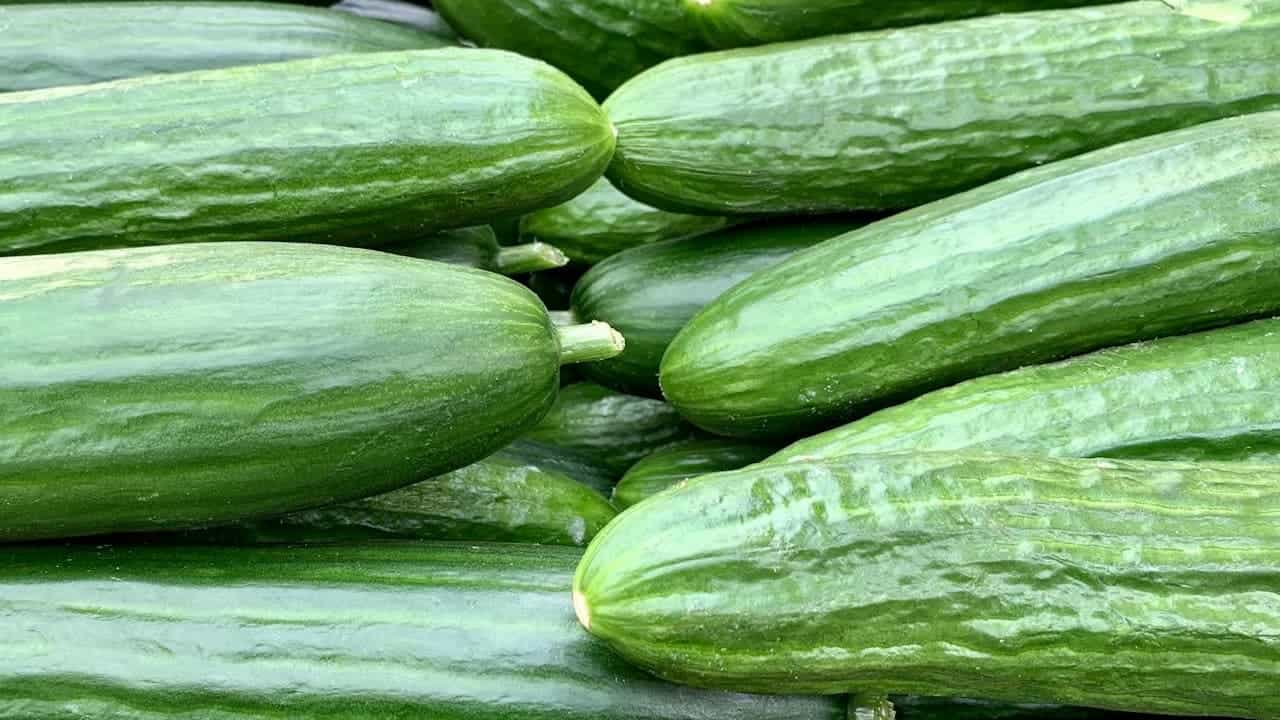
Cucumbers are a heat-loving vegetable that can produce a bountiful harvest in a container. They come in both bush and vine varieties, with bush varieties being better suited for container gardening.
Choose a large, deep container and provide a trellis or stake for support. Cucumbers need full sun and lots of water, especially when they are producing fruit. Harvest cucumbers when they reach the desired size to encourage more fruiting.
9. Zucchini
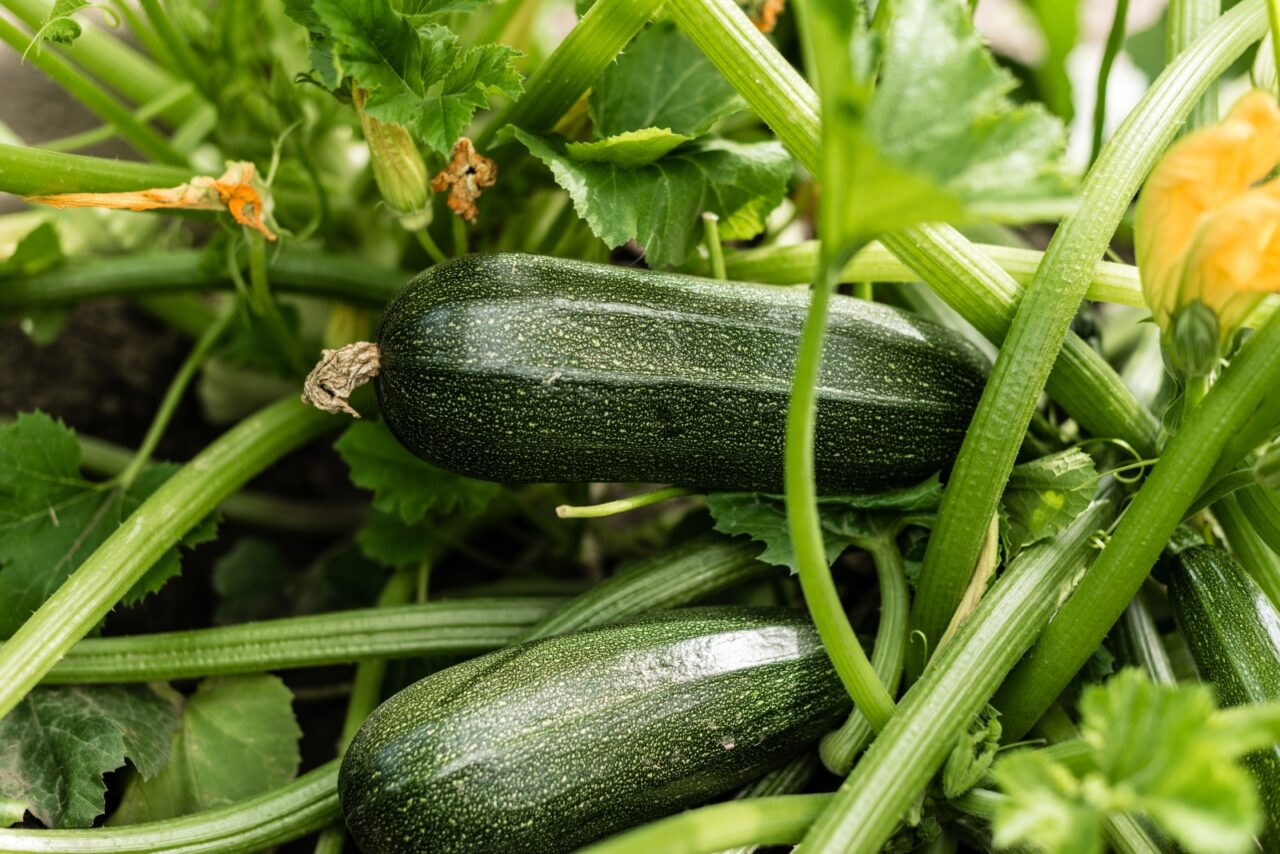
Last but not least, zucchini is a prolific summer vegetable that can thrive in a container. It is known for its mild flavor and versatile use in cooking.
Choose a large container and provide a stake for support as the plant grows. Zucchini needs full sun and consistent moisture. Harvest the fruit when it’s about 6-8 inches long to encourage more production.