Houseplants make a space feel more alive, but some of the most common ones can be bad news for pets. You’d think a plant sold in every nursery would be harmless, but plenty of popular picks can cause anything from an upset stomach to serious health problems if a curious cat or dog decides to take a bite.
I’ve had my fair share of “uh-oh” moments, realizing too late that a plant wasn’t as pet-friendly as I thought. Some just cause mild irritation, but others can lead to real trouble. If you’ve got pets, knowing which plants to keep out of reach (or skip altogether) can save you a lot of stress—and a surprise vet bill.
Advertisement
ZZ Plant

ZZ plants can handle just about anything—low light, irregular watering, and even a bit of neglect—but they aren’t pet-friendly. Their shiny, waxy leaves contain calcium oxalate, which can cause irritation if chewed. Symptoms include swelling around the mouth and eyes, drooling, vomiting, and stomach pain.
Most cases aren’t severe, but the discomfort can last a while. If you have a pet that likes to nibble, it’s best to keep this one out of reach. A pothos or cast iron plant can give you a similar easy-care vibe without the risk.
Calla Lily
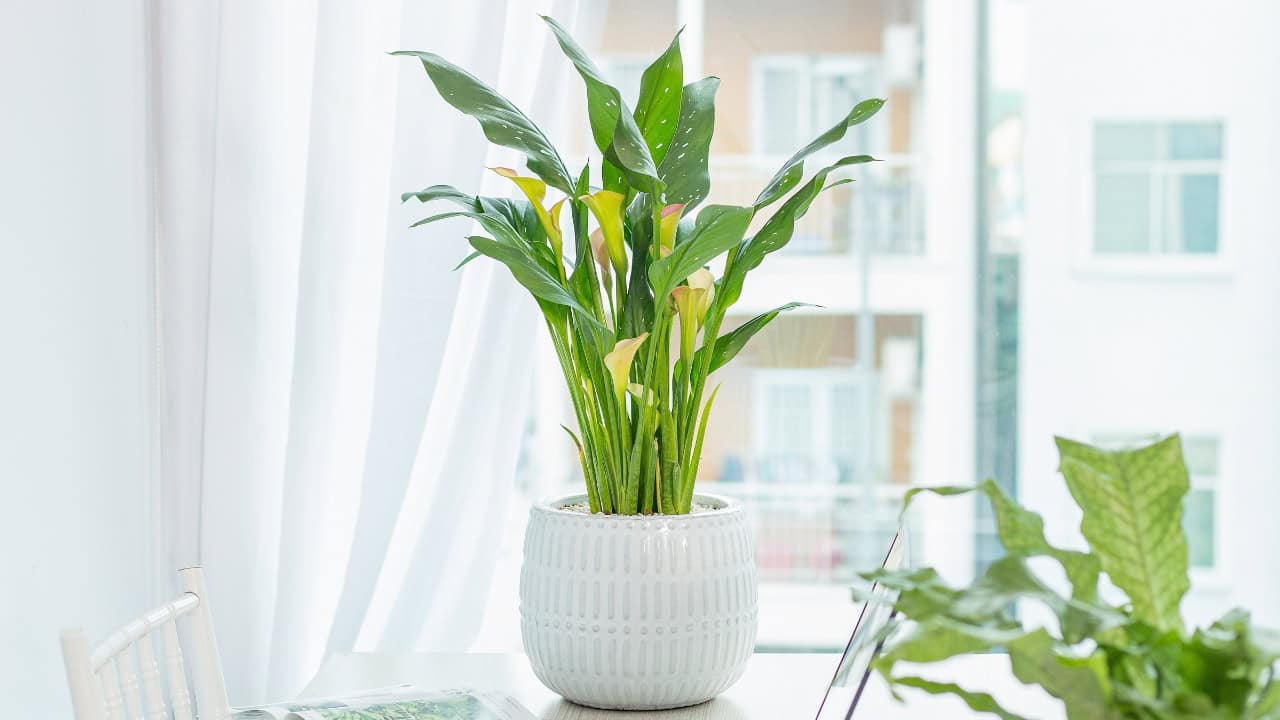
Calla lilies are beautiful, but they can be dangerous for pets. Their elegant, tubular flowers contain calcium oxalate crystals, which cause intense mouth irritation if chewed. Drooling, difficulty swallowing, and a burning sensation in the mouth are common symptoms.
In rare cases, if a pet eats a large amount, it can lead to more serious issues like vomiting, breathing difficulties, and even kidney or liver damage. While mild reactions usually pass on their own, it’s safest to keep these flowers far away from pets—especially curious cats.
Snake Plant

Snake plants are one of the easiest houseplants to grow, but they aren’t safe for pets. Their leaves contain saponins, which can cause drooling, nausea, vomiting, and diarrhea if ingested. The reaction is usually mild, but some pets may have stronger symptoms, especially if they eat a lot.
Since snake plants are tall and upright, they’re easier to keep out of reach than trailing plants. But if your pet is persistent, a pet-safe alternative like a parlor palm or spider plant might be a better fit.
Asparagus Fern

Asparagus ferns may look soft and delicate, but they can cause major irritation if touched or eaten. Their sap can trigger allergic reactions, leading to itching and skin rashes. If pets eat the berries, they may experience vomiting, diarrhea, and abdominal pain.
This plant is best kept out of reach, especially since its trailing growth makes it easy for pets to grab. If you want a similar look without the risk, consider a Boston fern—it’s safe for pets and just as lush.
Monstera
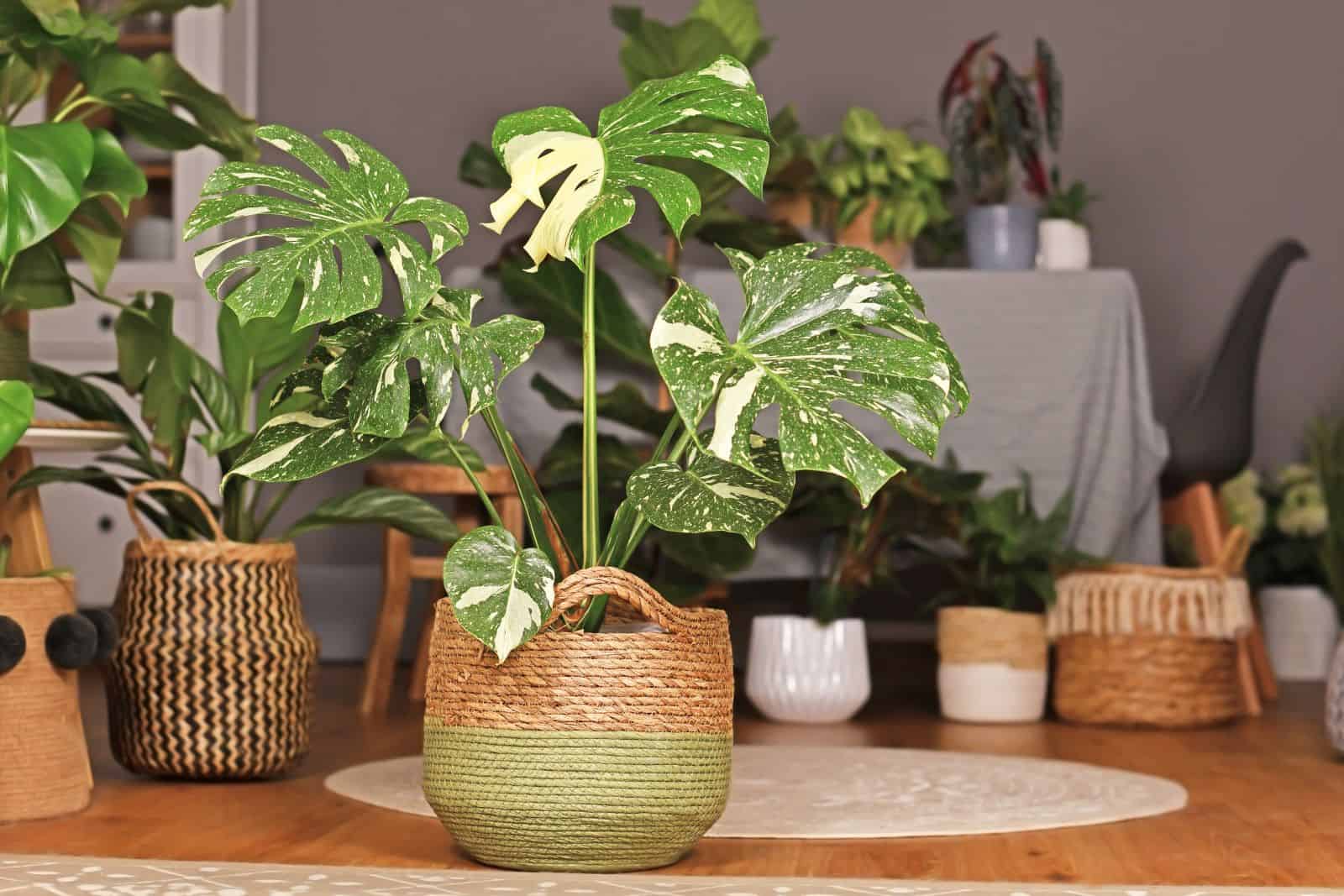
Monstera plants are a favorite for their large, hole-filled leaves, but they aren’t pet-friendly. Like philodendrons, they contain calcium oxalates, which can cause intense mouth irritation, swelling, and difficulty swallowing. In severe cases, pets may struggle to breathe.
Most pets won’t eat enough monstera to cause life-threatening symptoms, but even a small bite can be painful. If you love the look but need a safer option, consider a Calathea or a parlor palm—they bring a similar tropical feel without the risk.
Jade Plant

Jade plants are popular for their thick, fleshy leaves and sturdy, tree-like shape, but they’re not as harmless as they look. If a dog or cat chews on one, it can cause vomiting, lethargy, and loss of coordination. In rare cases, it can lead to a slowed heart rate or seizures.
The exact toxin in jade plants isn’t known, but the symptoms can range from mild to severe depending on how much is eaten. Since these succulents are easy to knock over, it’s best to keep them out of reach, especially if you have a curious pet that likes to munch on leaves.
Sago Palm
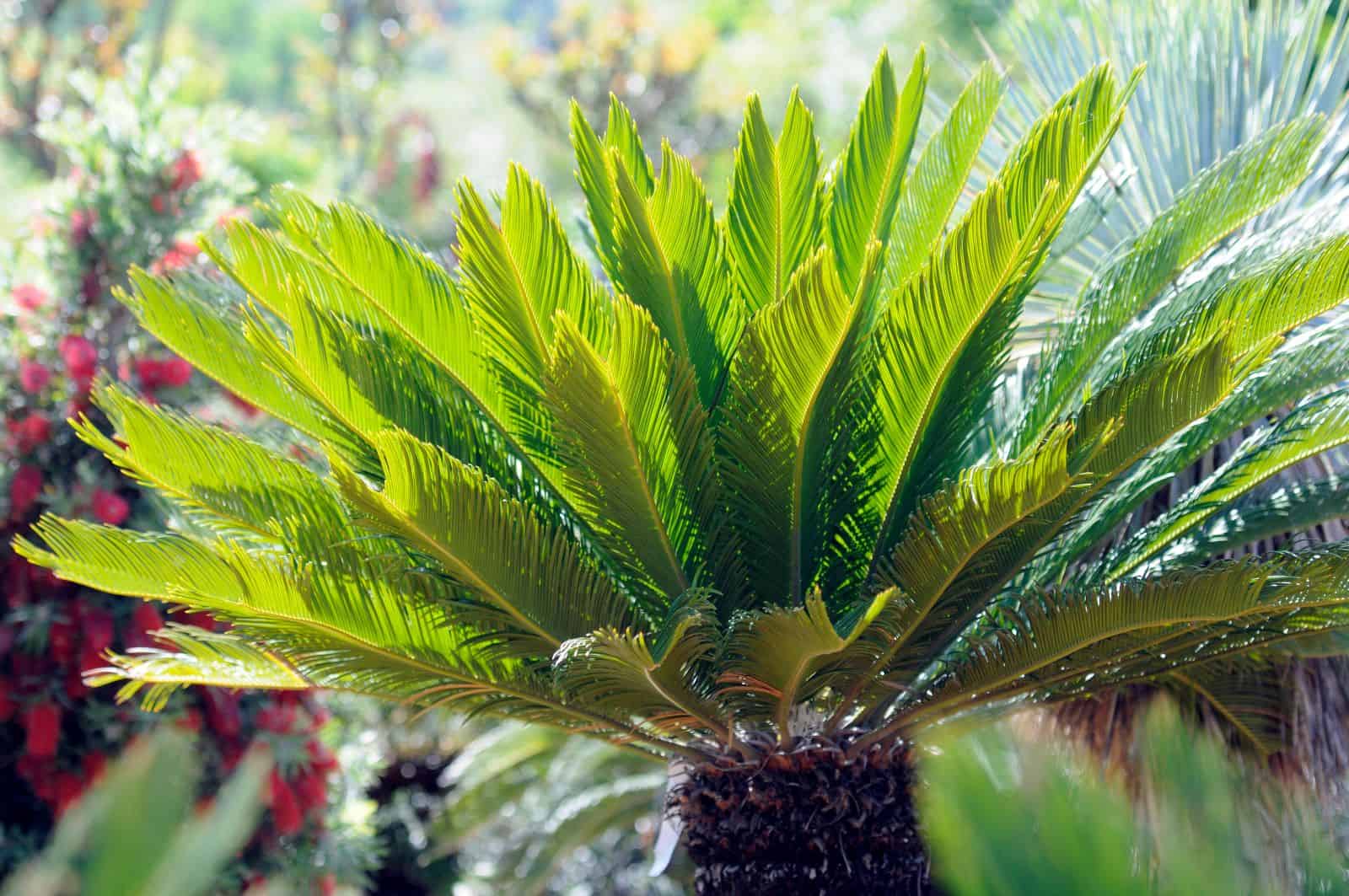
Sago palms might look like small, decorative palm trees, but they’re actually cycads—and they’re extremely toxic to pets. Every part of the plant is dangerous, but the seeds are the worst. Even a small amount can cause serious symptoms like vomiting, bloody diarrhea, liver failure, and in some cases, death.
The toxin, cycasin, attacks the liver and can cause internal bleeding and organ damage. If you think your pet has eaten any part of a sago palm, it’s an emergency. Immediate vet care is critical since early treatment is the only way to prevent permanent damage.
Aloe Vera

Aloe vera is known for its healing properties, but while the gel is safe for humans, the rest of the plant is toxic to pets. It contains saponins, which act like soap in the digestive system and can cause vomiting, diarrhea, and lethargy if eaten. Some pets may also experience changes in urine color or, in rare cases, tremors.
Mild cases usually pass with supportive care, but severe dehydration from vomiting and diarrhea can become dangerous. If you grow aloe indoors or in your yard, keep it somewhere pets can’t reach, especially since its thick leaves can be tempting to chew on.
Philodendron

Philodendrons are some of the easiest houseplants to grow, but they come with a hidden risk for pets. Their leaves contain calcium oxalate crystals, which can cause intense mouth pain, swelling, and drooling if chewed. In more serious cases, it can lead to vomiting and difficulty swallowing.
While philodendron toxicity is usually mild to moderate, it’s still unpleasant for pets. Keeping them out of reach or choosing a non-toxic alternative like a pothos look-alike (such as a maranta or calathea) is a safer option for pet-friendly homes.
*This article was created with the assistance of AI.