Clutter has a way of creeping up before you even realize it. One day, the house feels fine, and the next, there’s a junk drawer that won’t close, a closet stuffed to the brim, and a pile of “I’ll deal with it later” sitting in the corner. I’ve been there. And the truth is, it’s usually not just stuff causing the problem—it’s the habits that keep the mess from actually going away.
It’s easy to think decluttering is just about getting rid of things, but if certain habits don’t change, the clutter comes right back. Maybe you move things from one spot to another instead of getting rid of them. Maybe you hold onto stuff out of guilt or keep adding more because you might need it someday. I’ve made all those mistakes too, and I know how frustrating it can be. The good news? Once you recognize what’s keeping your home cluttered, it’s a whole lot easier to fix.
Advertisement
Shuffling Clutter
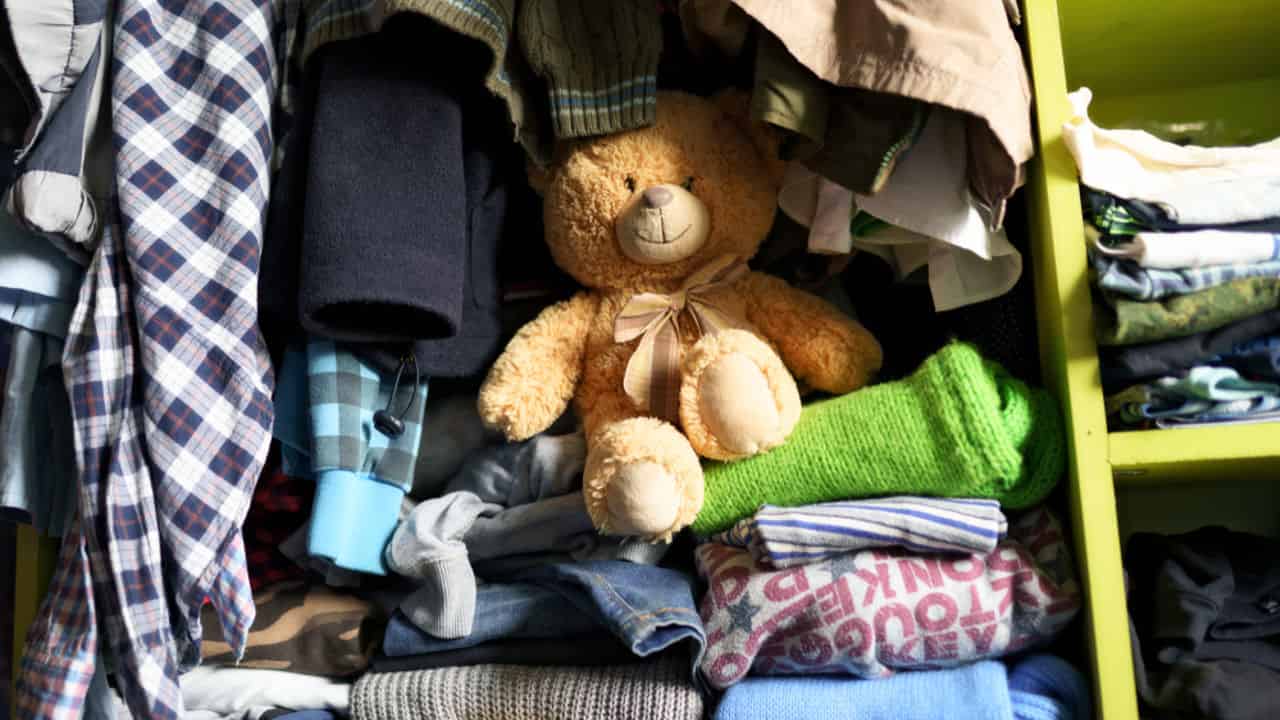
Moving things from one room to another isn’t decluttering—it’s just relocating the mess. Shoving stuff into a closet or drawer might make a space look better for now, but it doesn’t solve the problem. Before you know it, you’re out of hiding spots, and the clutter comes right back out.
If you don’t need it, use it, or love it, it doesn’t need a new spot—it needs to go. Instead of shifting things around, create a donate, sell, or toss pile and follow through. If you wouldn’t buy it again today, that’s a good sign you don’t need to keep it.
Keeping Stuff “Just in Case”
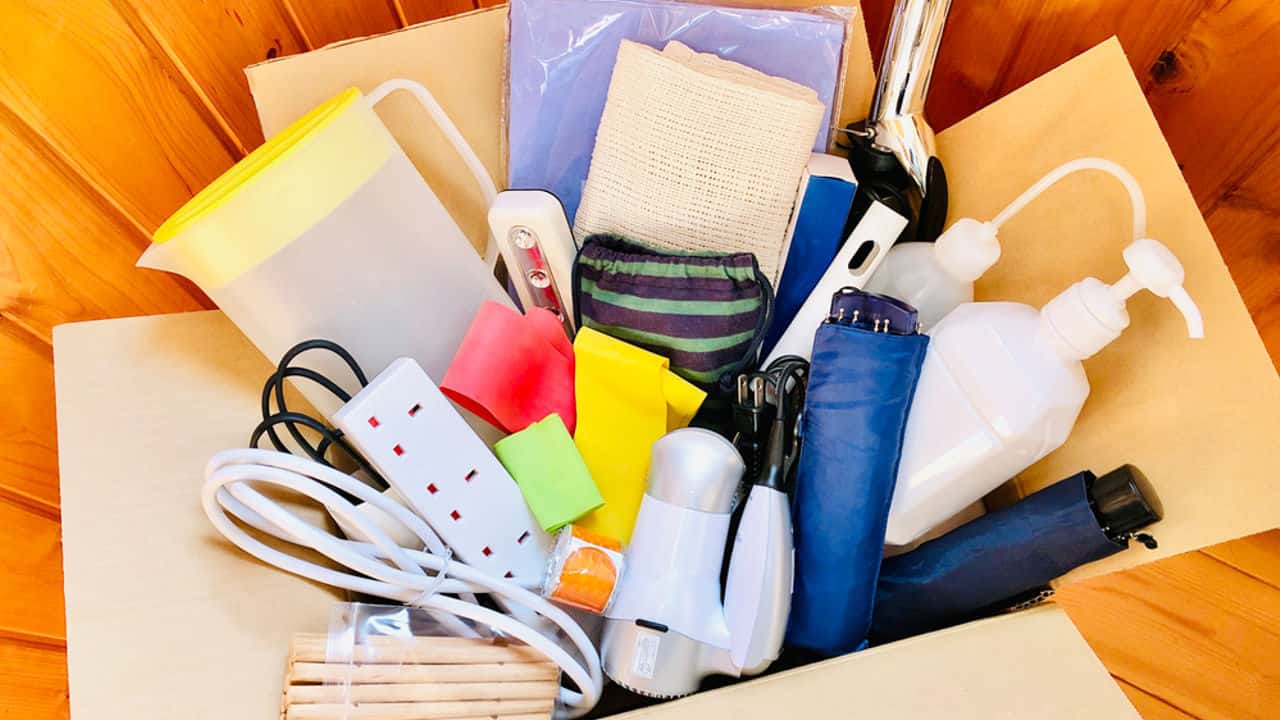
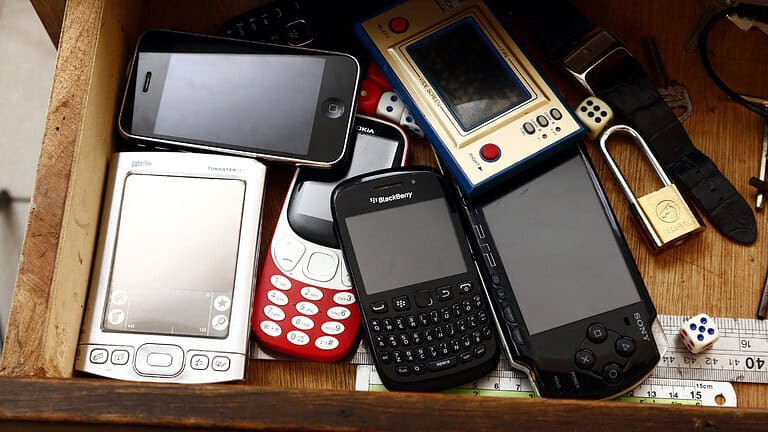
Holding onto things because you might need them one day is how clutter takes over. That extra set of dishes, the pile of old cables, the pants that haven’t fit in years—if they’ve been sitting untouched, chances are they’re not suddenly going to become useful. The “just in case” mindset turns your home into storage for things you don’t actually use.
If you haven’t used something in over a year, it’s probably safe to let it go. Be honest with yourself: if that random gadget or box of craft supplies hasn’t come in handy yet, it’s just taking up space. Give yourself a deadline—if you don’t use it by then, donate or toss it.
Buying More Storage Won’t Fix It

Bins, baskets, and shelves seem like a good solution, but they just make clutter look more organized. The problem isn’t a lack of storage—it’s having too much stuff. When you buy more containers instead of getting rid of things, you’re just shuffling clutter around instead of dealing with it.
Before buying a single storage bin, sort through what you have. Be ruthless—if it’s broken, outdated, or never used, get rid of it. Once you’ve cut down to what you actually need, then figure out the best way to store it. The goal is to keep less, not hide more.
Decluttering Without a Plan

Jumping from one pile to another, tackling random spots around the house—it’s exhausting and frustrating. Without a strategy, it’s easy to lose steam or get distracted. You might make progress in one area while another gets worse, leaving your home in a constant state of half-finished mess.
Pick a method that works for you. Declutter one room at a time, tackle a specific category (like clothes or books), or set a timer and focus for short bursts. Whatever you choose, commit to it. Don’t stop halfway and don’t move on until you’ve finished the area you started.
Letting “Guilt Clutter” Take Over

Keeping something just because it was a gift or cost a lot of money doesn’t mean it belongs in your home forever. If it’s not useful, meaningful, or adding value to your life, it’s just clutter. Letting guilt control what stays in your home is a guaranteed way to keep things you don’t actually want or need.
The money is already spent, and the person who gave you that gift wouldn’t want it to become a burden. Find a way to rehome it—sell it, donate it, or pass it on to someone who will actually use it. Your space should be filled with things you want, not things you feel obligated to keep.
Holding Onto Broken or Unusable Items
Keeping things that are broken, missing parts, or completely unusable just adds to the clutter. That busted vacuum in the garage, the cracked coffee mug, the “someday” pile of clothes that need mending—if they’ve been sitting for months (or years), chances are you’re not actually going to fix them.
If something is worth fixing, set a deadline to repair it. If you don’t get around to it by then, admit it’s not a priority and get rid of it. Hanging onto things “just in case” you might fix them someday only takes up space and adds unnecessary stress.
Letting Paper Pile Up

Stacks of old mail, receipts, kids’ artwork, and random papers seem harmless at first, but before you know it, they take over countertops, desks, and drawers. Ignoring the pile doesn’t make it go away—it just makes sorting through it later even more overwhelming.
Instead of letting paper pile up, handle it as soon as it comes in. Toss junk mail immediately, go paperless where possible, and set up a system for important documents. For sentimental paper clutter (like artwork or greeting cards), pick a few to keep and let go of the rest.
A “To Donate” Pile Isn’t Decluttering
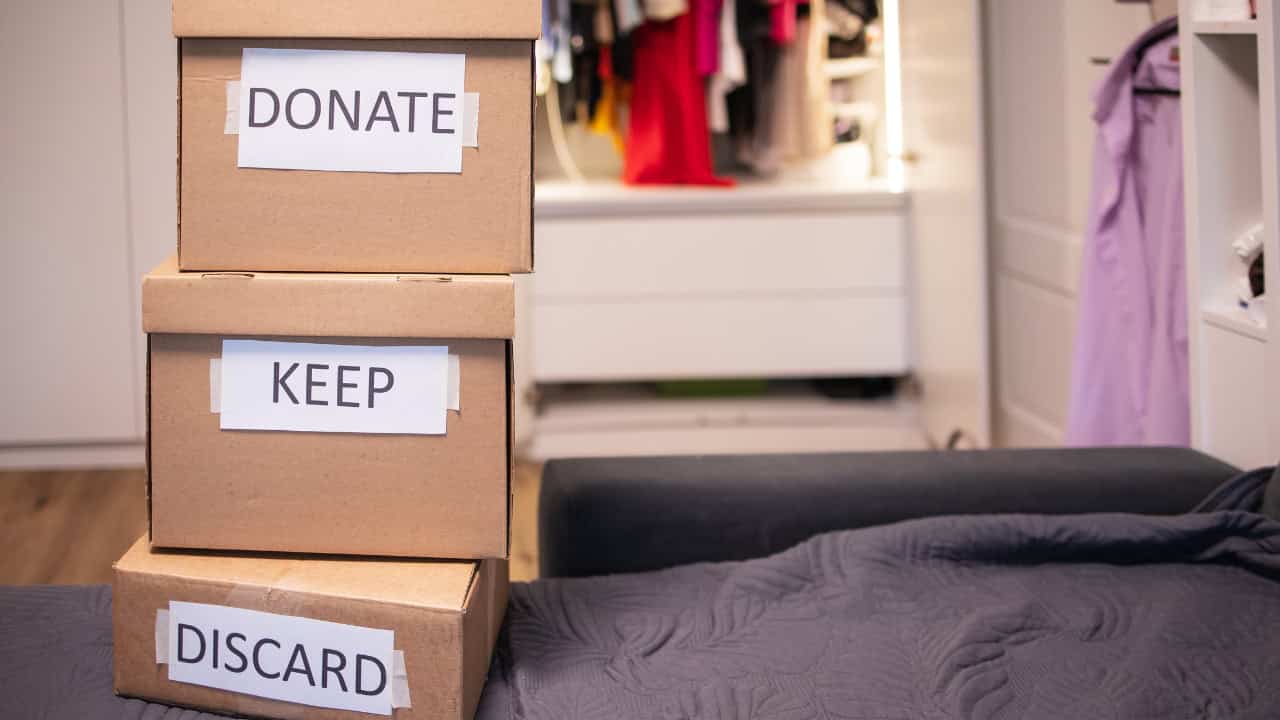
Bagging up things to donate or sell is great, but if they sit in your garage or trunk for months, they’re still part of the problem. Decluttering means actually getting rid of stuff—not just setting it aside with good intentions.
Once you decide to get rid of something, make a plan to drop it off or sell it within a week. Set a reminder or schedule a donation pickup if needed. If you haven’t sold something within a set time, donate it instead. The goal is to remove clutter, not store it in a different way.
Not Setting Limits On New Things

Decluttering doesn’t work if you’re constantly bringing in more. A great purge can quickly be undone if new clothes, gadgets, and impulse buys keep filling up your space. Without limits, the cycle of clutter never stops.
For everything new that comes in, something old has to go. Before buying something, ask yourself if you really need it or if you already own something similar.
*This article was created with the assistance of AI.