For the longest time, I thought I was cleaning my kitchen right. I’d load up the counters with cleaner, scrub every surface, and call it a day. But then I started noticing sticky streaks, weird smells, and appliances that just weren’t holding up like they should. Turns out, some of the cleaning habits I thought were helping were actually making things worse.
It’s easy to make mistakes without realizing it. I’ve learned a lot through trial and error (and a few cleaning disasters), and fixing these little mistakes has made a huge difference. Some are just small tweaks, while others will save your kitchen from getting dirtier the more you clean it.
Advertisement
Scrubbing Stainless Steel the Wrong Way
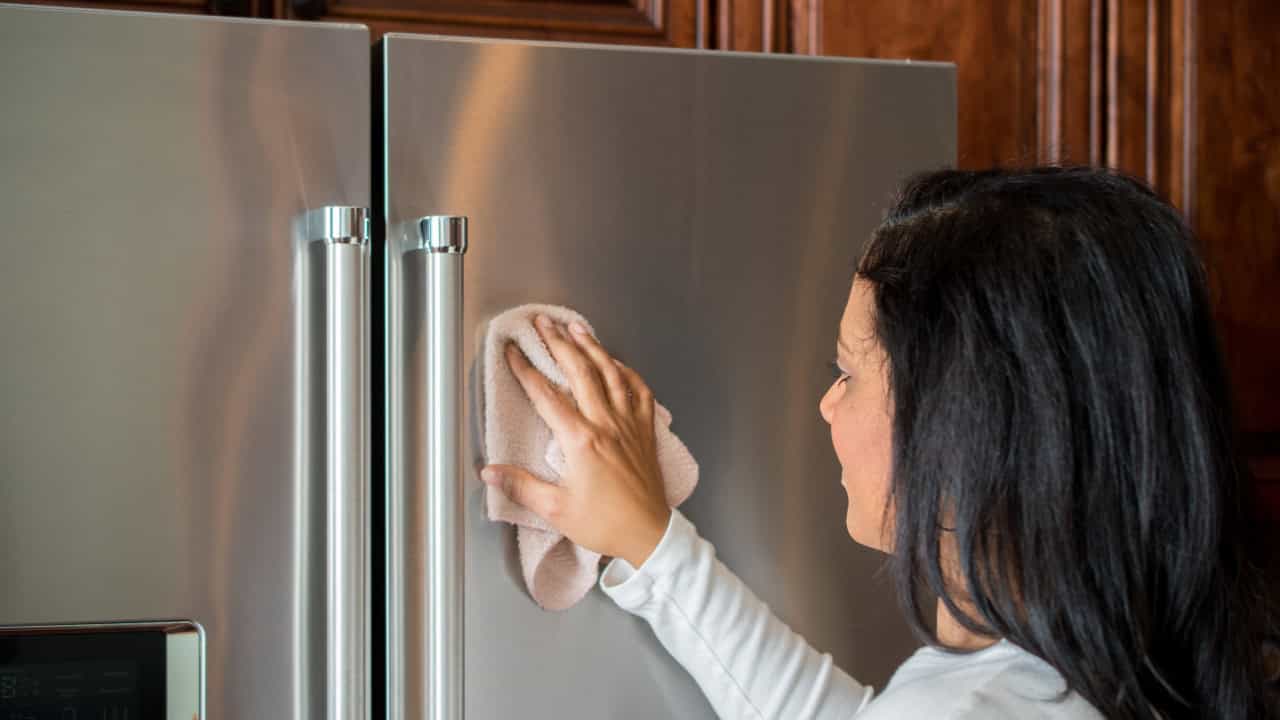
I used to wipe down my fridge and wonder why it looked worse than before I cleaned it. Turns out, I was scrubbing against the grain, leaving behind streaks and tiny scratches that drove me crazy. Stainless steel has a natural grain, just like wood, and if you don’t clean it the right way, it never looks truly clean.
Now, I only wipe in the direction of the grain with a soft cloth and a little vinegar or dish soap. If I want that extra shine (or just to keep fingerprints from taking over), a couple of drops of olive oil does the trick.
Using Too Much Cleaner
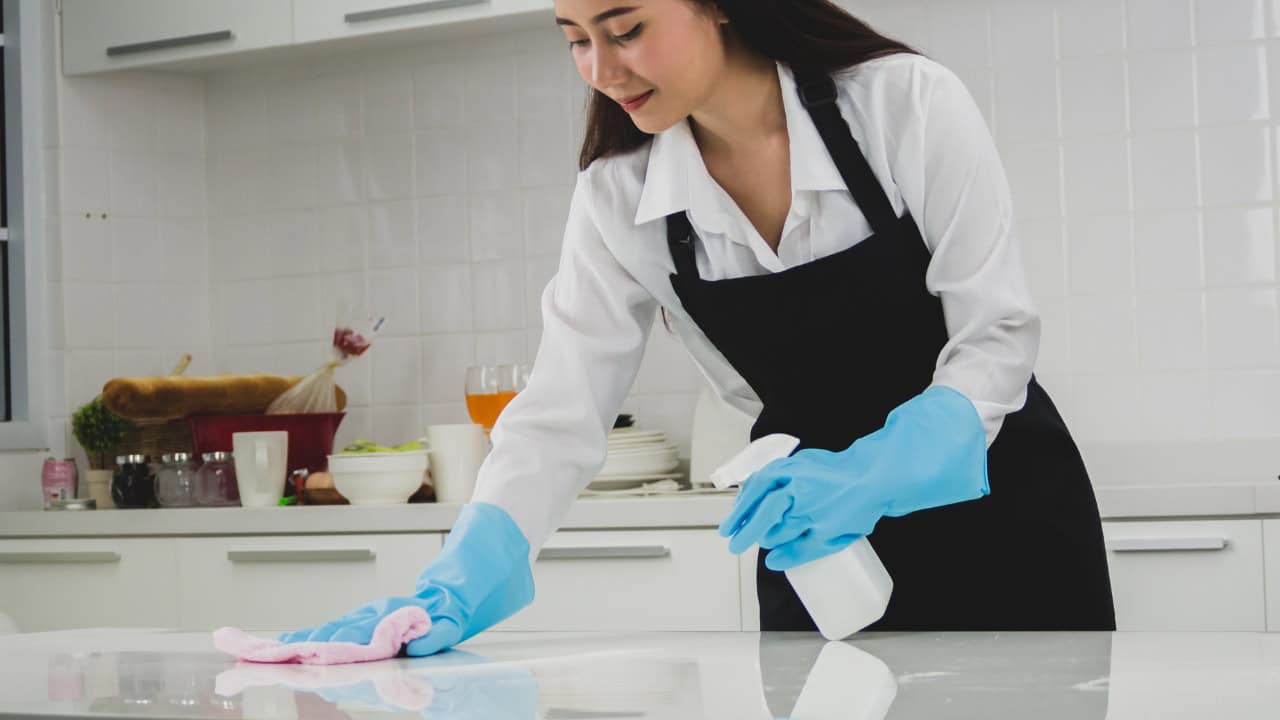
Dumping extra cleaner on your counters doesn’t make them any cleaner—it just leaves behind a sticky film that attracts more dirt. If you’ve ever wiped down a surface and felt it still tacky afterward, that’s why. Too much product doesn’t get wiped away, and over time, it builds up and makes everything look dull.
The fix is easy: use just enough to get the job done, and always go back over with a damp cloth to remove any leftover residue. For things like glass and stainless steel, using less cleaner actually gives you better results—no streaks, no smudges, just clean.
Using Too Much Water on Wood
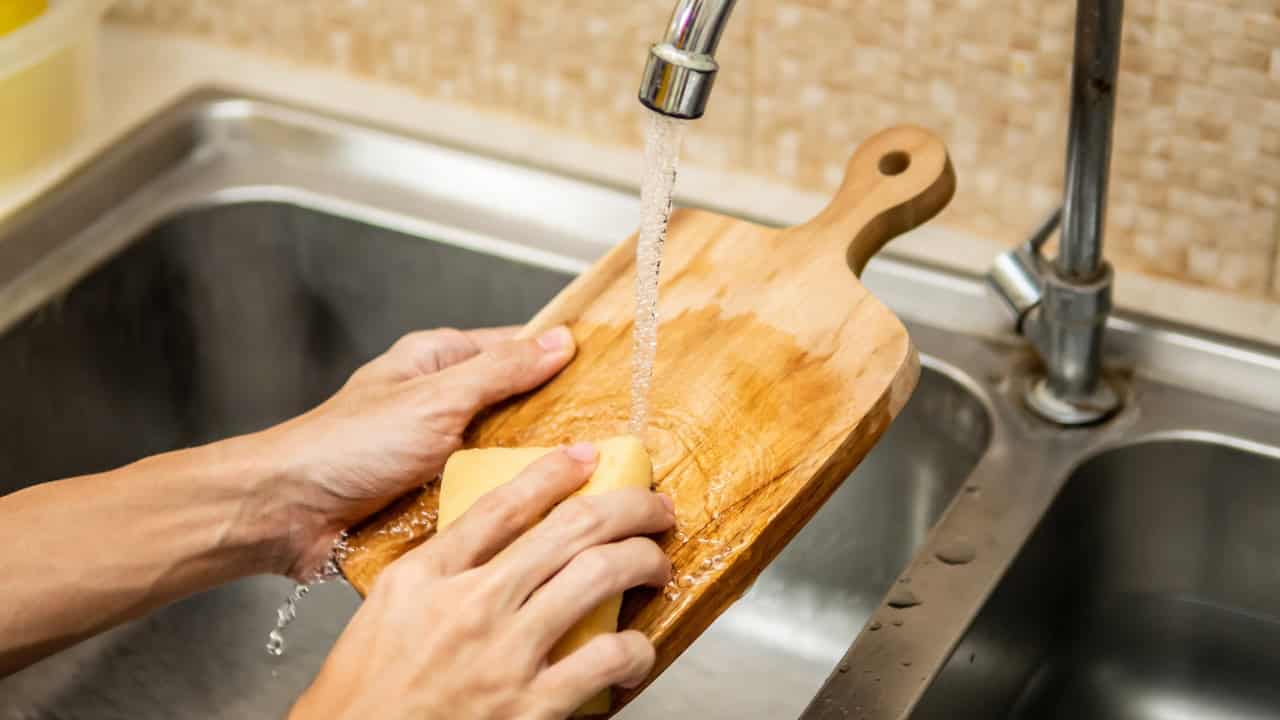
I learned the hard way that wood and water don’t mix. Too much moisture can make cabinets swell, butcher blocks crack, and cutting boards look rough. I used to scrub my wooden surfaces like they were indestructible, and let’s just say… they didn’t stay looking nice for long.
Now, I keep it simple—just a damp cloth with a little dish soap. If my cutting boards need extra love, I scrub them with salt and half a lemon. And when my butcher block starts looking dry, a little food-safe mineral oil brings it back to life.
Ignoring Your Coffee Maker
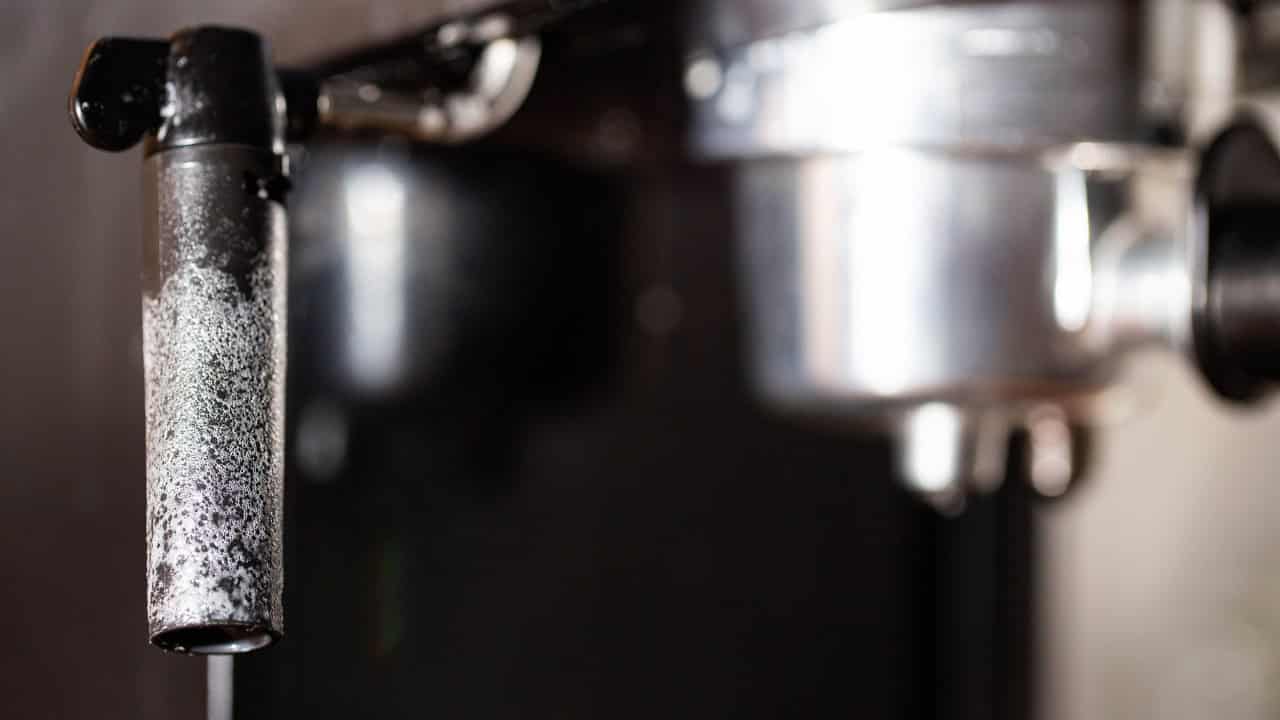
I don’t function without coffee, so when my morning cup started tasting off, I knew something was up. Turns out, coffee makers need regular cleaning (who knew?). Between hard water buildup and leftover coffee oils, my machine was brewing coffee through layers of gunk.
Now, I run white vinegar and water through it every few weeks, then follow up with plain water to rinse it out. I also give the pot and filter basket a good scrub. It takes five minutes, and my coffee tastes like it’s supposed to again—strong and smooth, not weird and stale.
Overlooking Your Sink Drain
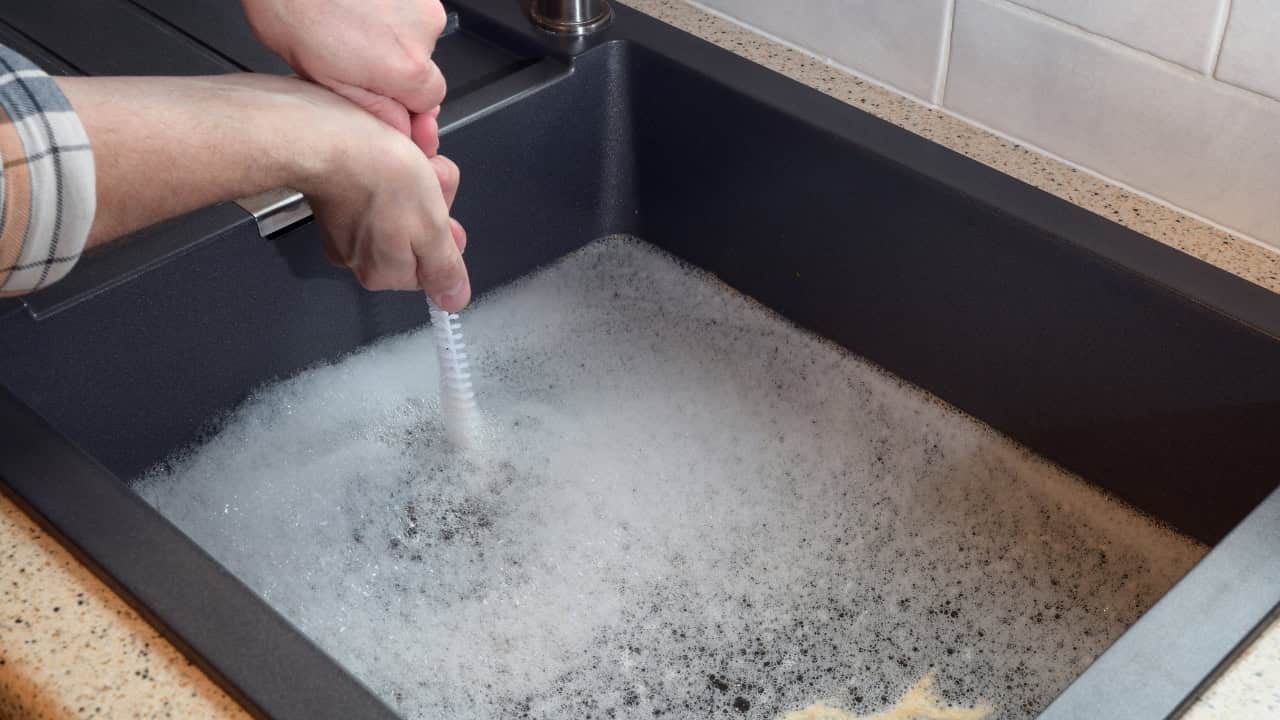
If your kitchen sink has a mystery smell, chances are it’s coming from the drain. Food bits, grease, and who-knows-what get trapped down there, and before you know it, you’ve got a slow drain and a stinky sink. Even if the water’s draining fine, that buildup can cause problems later.
Once a week, pour boiling water down the drain to break up grease, then follow with a mix of baking soda and vinegar. Let it fizz for a few minutes, then rinse with more hot water.
Forgetting to Clean Small Appliances
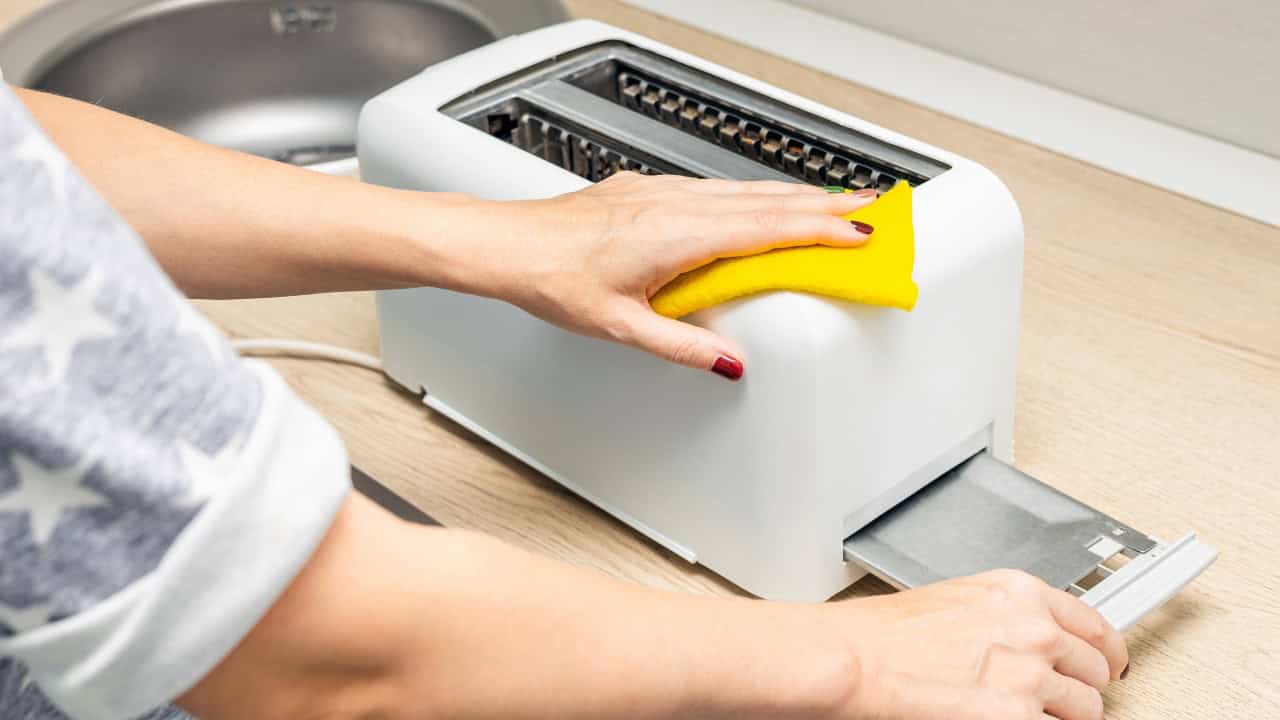
It’s easy to remember to wipe down the counters, but when was the last time I actually cleaned my toaster? Or my air fryer? Crumbs and grease pile up fast, and I’ve definitely had that moment where I smell something burning and realize… yeah, it’s time to clean that.
Now, I make it part of my routine. I shake out the toaster every week, rinse my blender as soon as I use it (before everything turns to cement), and take apart the air fryer basket for a proper scrub. It keeps everything working like it should and saves me from any surprise smells.
Neglecting Your Cabinets
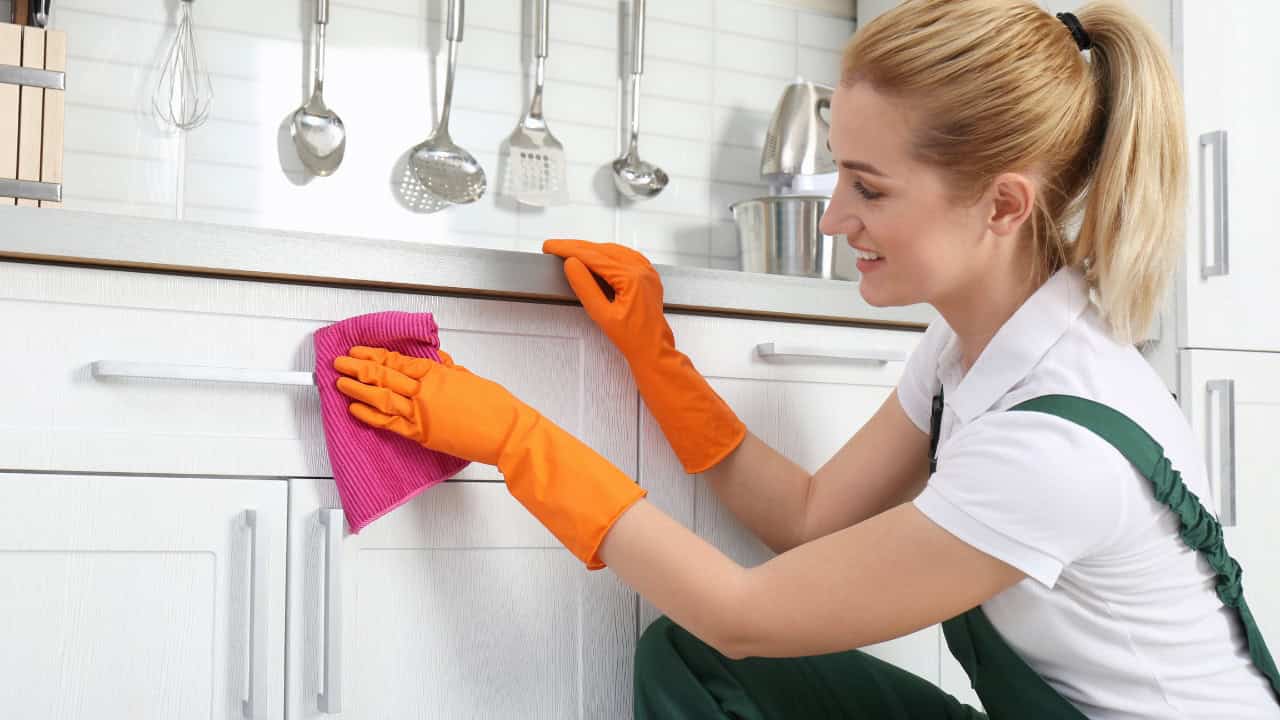
Cabinet doors and handles get covered in grease and grime, especially near the stove. If they feel sticky or look dull, they’re overdue for a cleaning. Letting that buildup sit too long makes it even harder to remove, and over time, it can wear down the finish on your cabinets.
A quick wipe-down with warm, soapy water once a week keeps grease from piling up. For tough spots, a little vinegar and water cuts through the grime without ruining the wood or paint. And don’t forget the handles—those might be the dirtiest spots in your whole kitchen.
Using the Wrong Cleaner on Stone Countertops
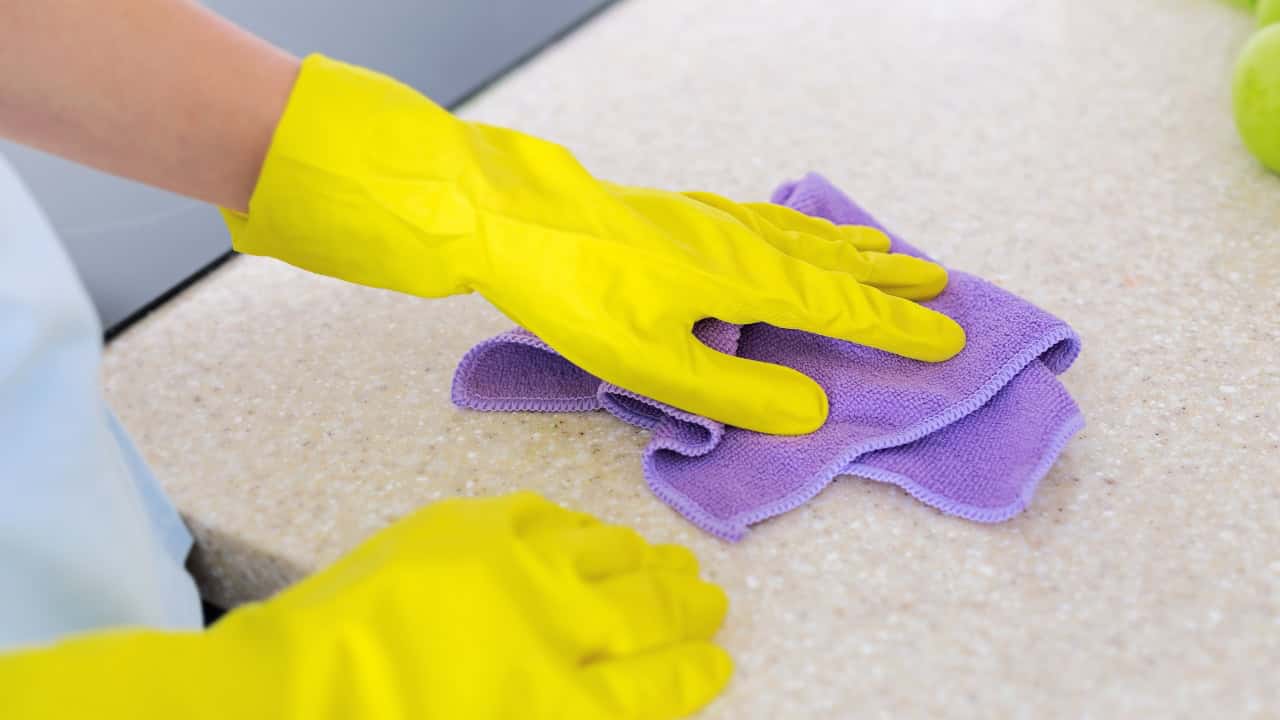
I love my granite counters, so the last thing I want is to ruin them. I used to grab whatever cleaner I had, but then I found out that vinegar and other acidic cleaners can wear down the sealant, making stone countertops more prone to stains. Not exactly what I was going for.
Now, I stick to warm water and mild dish soap for everyday cleaning. If something needs a little extra scrubbing, I use a cleaner made for stone. And once a year, I take five minutes to reseal them. It’s an easy step that keeps them looking good and prevents stains from setting in.
Cleaning With a Dirty Sponge
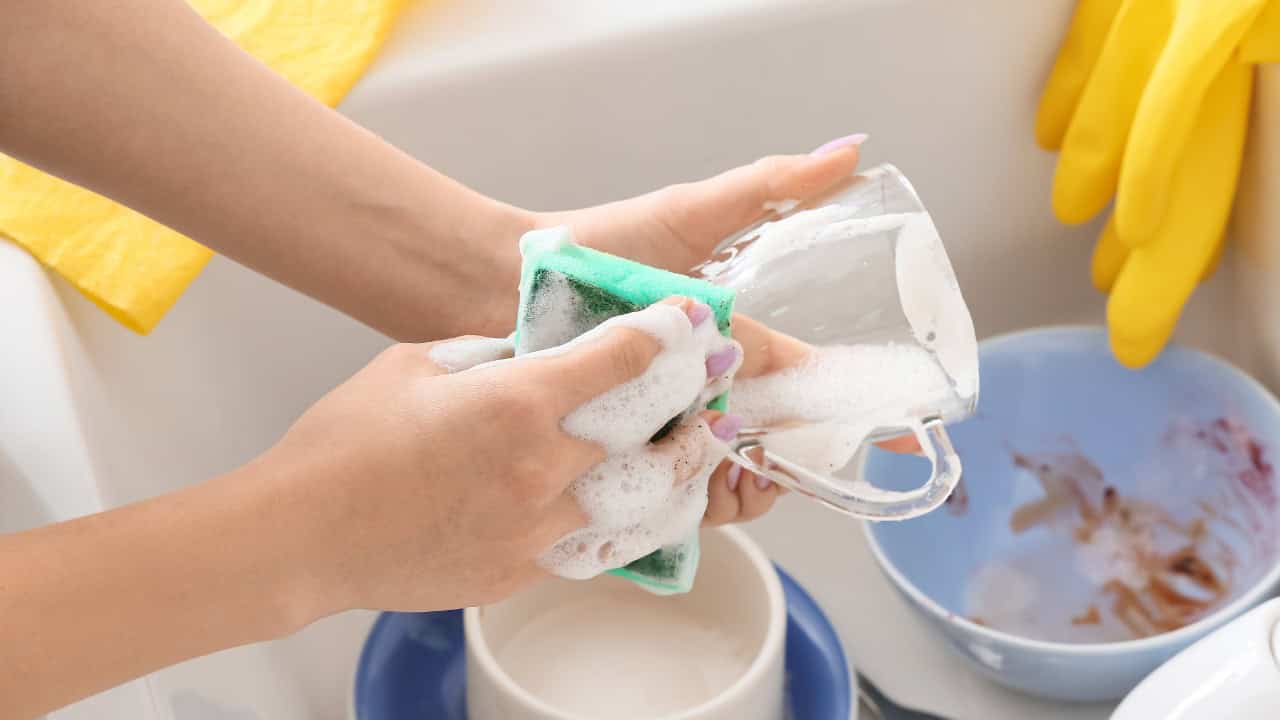
A dirty sponge is basically a germ sponge. If you’re using the same one for weeks, you’re probably wiping bacteria all over your counters instead of getting rid of it. Sponges soak up food, grease, and moisture, making them the perfect place for bacteria to grow. If they start to smell, they’re way overdue for the trash.
Run your sponge through the dishwasher every few days or zap it in the microwave for 30 seconds to kill bacteria. Even with regular cleaning, swap it out every two weeks—sooner if it looks gross or starts to stink. A fresh sponge makes all the difference.
*This article was created with the help of AI.