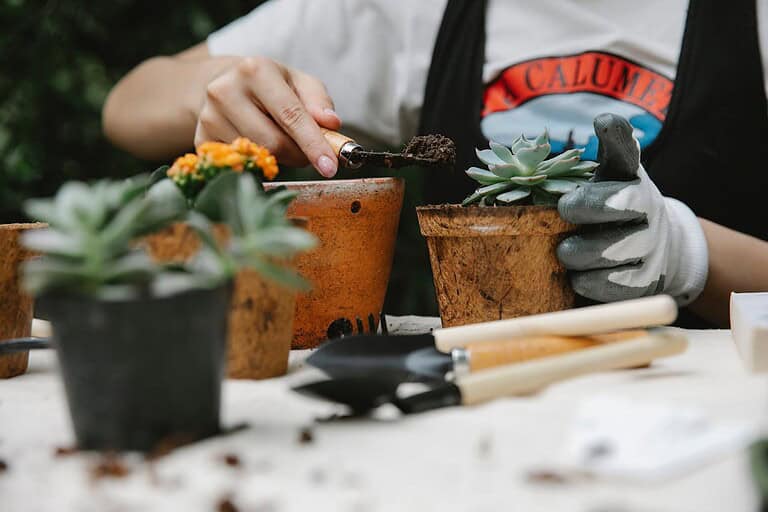
If you’re a tea lover, imagine the satisfaction of sipping a cup of tea made from herbs you’ve grown yourself. Growing your own tea garden not only gives you access to fresh, chemical-free herbs, but it also adds a touch of greenery to your home or backyard. Moreover, the process of nurturing your plants and watching them grow can be incredibly therapeutic. This post will reveal the nine best herbs to grow for your own tea garden, and how to care for them to ensure a bountiful harvest.
1. Chamomile
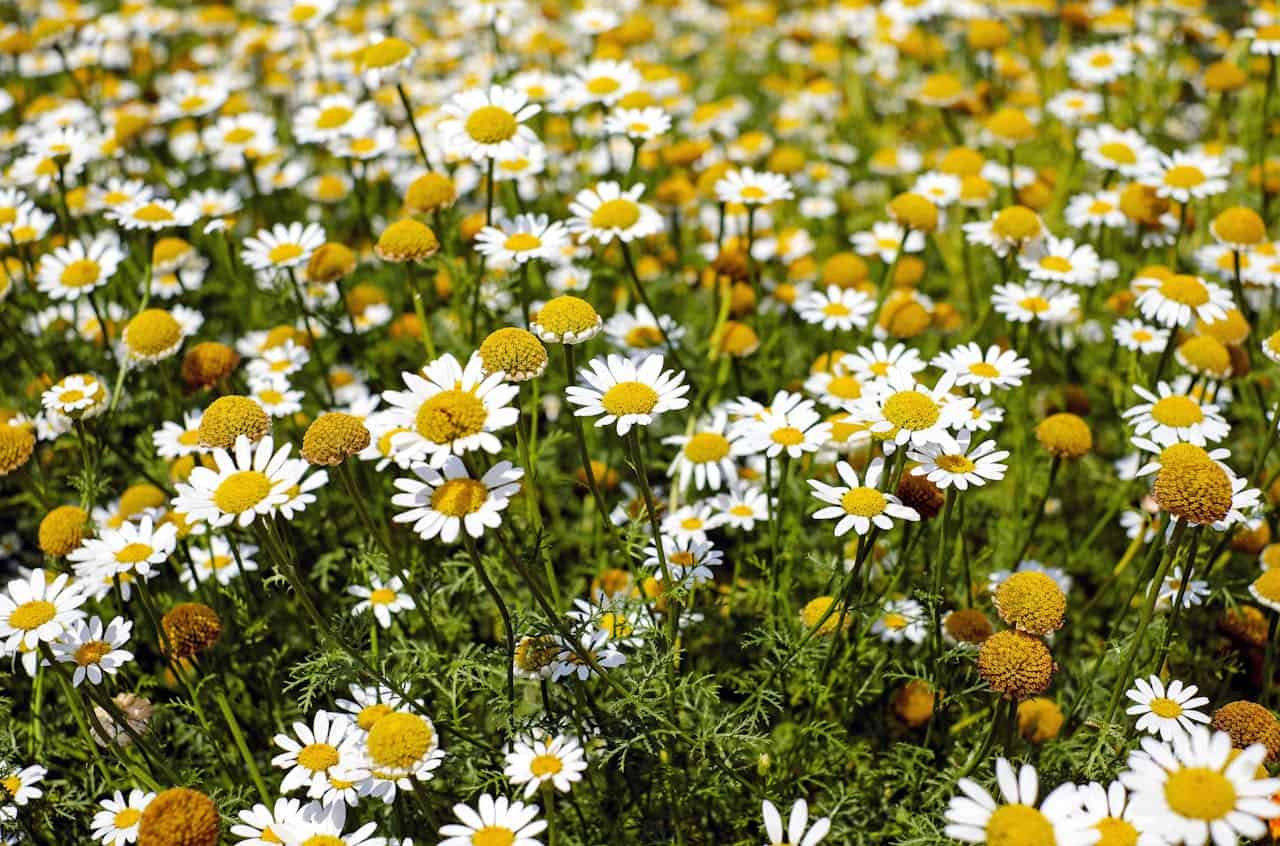
Chamomile is a popular herb known for its calming properties. It’s a hardy, easy-to-grow perennial that loves full sun and well-drained soil. The flowers are the ones used for tea, and they have a sweet apple-like flavor that’s soothing and refreshing.
Advertisement
Chamomile plants can be grown from seeds or seedlings. They enjoy a good, regular watering but don’t like to be waterlogged. Harvest the flowers once they are in full bloom, and dry them out before storing. A cup of chamomile tea before bed can help you sleep better.
2. Mint

Mint is another great choice for your tea garden. It’s easy to grow, and there are various types to choose from like peppermint, spearmint, and apple mint. Mint tea is refreshing, and it’s known for its digestive benefits.
Mint is a fast grower and can take over your garden if it’s not kept in check. It grows best in a sunny location with moist soil. You can harvest mint throughout the growing season by picking the leaves as needed. Dried or fresh, mint leaves make a delicious tea.
3. Lemon Balm

Lemon balm, a member of the mint family, is an excellent herb for tea. It has a mild lemon flavor and is known for its calming effects. It can help reduce stress and anxiety, and improve sleep.
Lemon balm enjoys a sunny spot but can tolerate partial shade. It’s a perennial plant that comes back year after year. You can harvest the leaves all summer long. When making tea, use fresh leaves for a light lemony flavor.
4. Lavender

Lavender is well-known for its aromatic and calming properties. Lavender tea can help reduce stress, anxiety, and insomnia.
Lavender plants prefer full sun and well-drained soil. They are drought tolerant, making them a good choice for low-water gardens. Harvest the flowers in the morning after the dew has dried. Dry the flowers before using them in tea.
5. Rosemary

Rosemary is not just for cooking, it also makes a refreshing, aromatic tea. It’s rich in antioxidants and known for its memory-boosting properties.
Rosemary prefers full sun and well-drained soil. It’s a perennial plant, so it can be harvested year-round in warmer climates. For the best flavor, harvest in the morning after the dew has dried.
6. Thyme

Thyme is a flavorful herb with medicinal properties. Thyme tea can help soothe a sore throat and boost immunity.
Thyme prefers full sun and well-drained soil. It’s a drought-resistant plant that can be harvested throughout the year. The leaves and flowers can be used fresh or dried for tea.
7. Sage

Sage is a versatile herb with a warm, savory flavor. Sage tea can help soothe a sore throat and improve digestion.
Sage prefers full sun and well-drained soil. It’s a hardy perennial that can be harvested throughout the year. Use the leaves fresh or dried for tea.
8. Lemongrass

Lemongrass is a tropical plant that makes a citrusy, refreshing tea. It’s known for its digestive benefits and ability to relieve anxiety.
Lemongrass prefers full sun and well-drained soil. It’s a fast grower that can be harvested throughout the growing season. Use the stalks fresh or dried for tea.
9. Echinacea
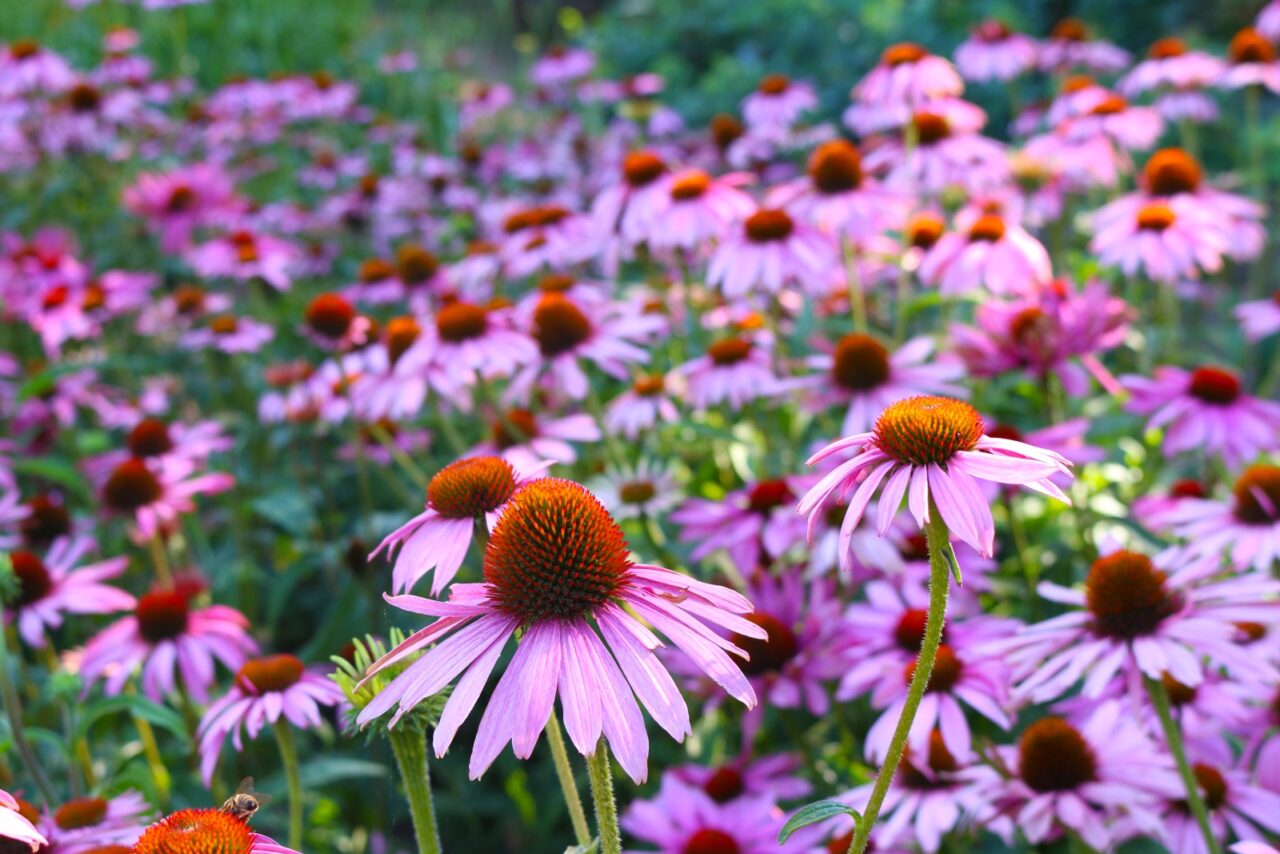
Echinacea is a beautiful flowering plant that makes a sweet, floral tea. Echinacea tea is known for its immune-boosting properties.
Echinacea prefers full sun and well-drained soil. It’s a perennial plant that can be harvested throughout the year. Use the flowers, leaves, and roots fresh or dried for tea.