People have been growing heirloom vegetables for decades, even centuries, chosen for their unbeatable flavor and their ability to thrive without all the modern shortcuts. They’re open-pollinated, which means you can save the seeds and grow them again next year, just like your grandparents probably did. It’s gardening the way it was meant to be: simple, sustainable, and full of flavor.
Heirlooms don’t just taste better. They’re tough, too, and can stand up to pests and weather better than those grocery store hybrids. If you’re ready to plant a delicious garden, these nine heirloom vegetables are a great place to start.
Advertisement
Cherokee Purple Tomato
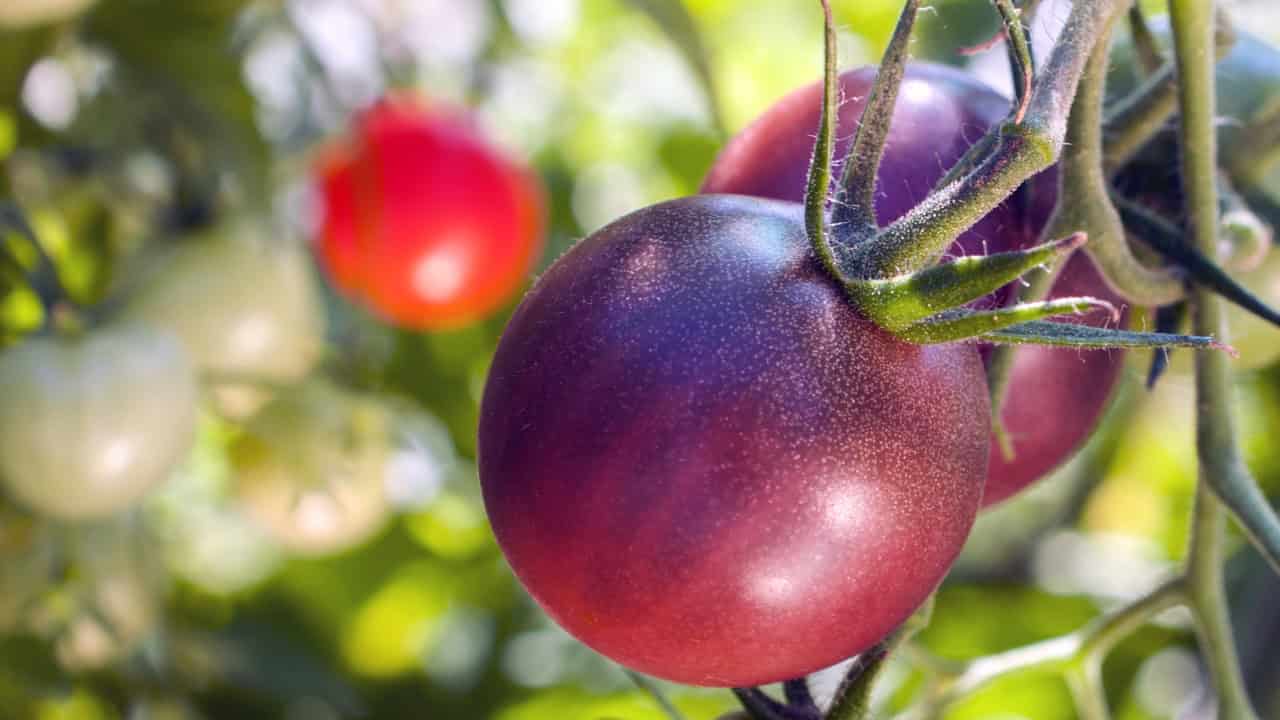
Cherokee Purple tomatoes have a deep, smoky flavor and beautiful dusky-red color. These plants can grow up to nine feet tall, so sturdy support is a must—think tall stakes or heavy-duty trellises. They thrive in full sun and are suited for zones 2 through 11.
The fruits are large and juicy, perfect for slicing onto sandwiches or adding to fresh salads. Keep the soil consistently moist but well-drained, and don’t forget to feed them with a balanced fertilizer throughout the growing season.
Clemson Spineless Okra
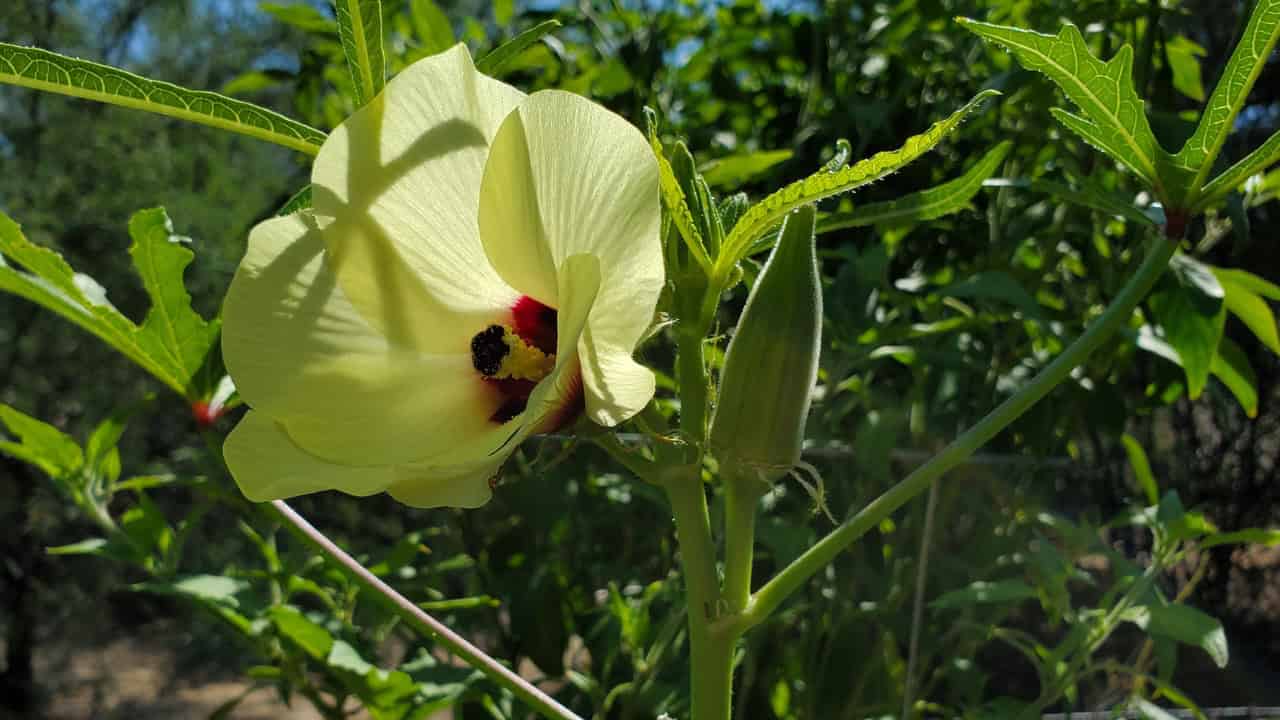
Clemson Spineless okra is a garden favorite for its tender pods and easy-to-harvest design—no spiny surprises here! These plants grow four to five feet tall and thrive in full sun, making them a great option for zones 3 through 11. They’re heat-loving and handle summer like pros, but they do need consistent watering to keep the pods tender.
Plant them in rich, well-draining soil, and they’ll reward you with a steady supply of okra for frying, pickling, or stews. Harvest the pods when they’re about three inches long for the best texture. Left too long, and they’ll get tough and woody, so keep an eye on them during peak season.
Black Beauty Zucchini
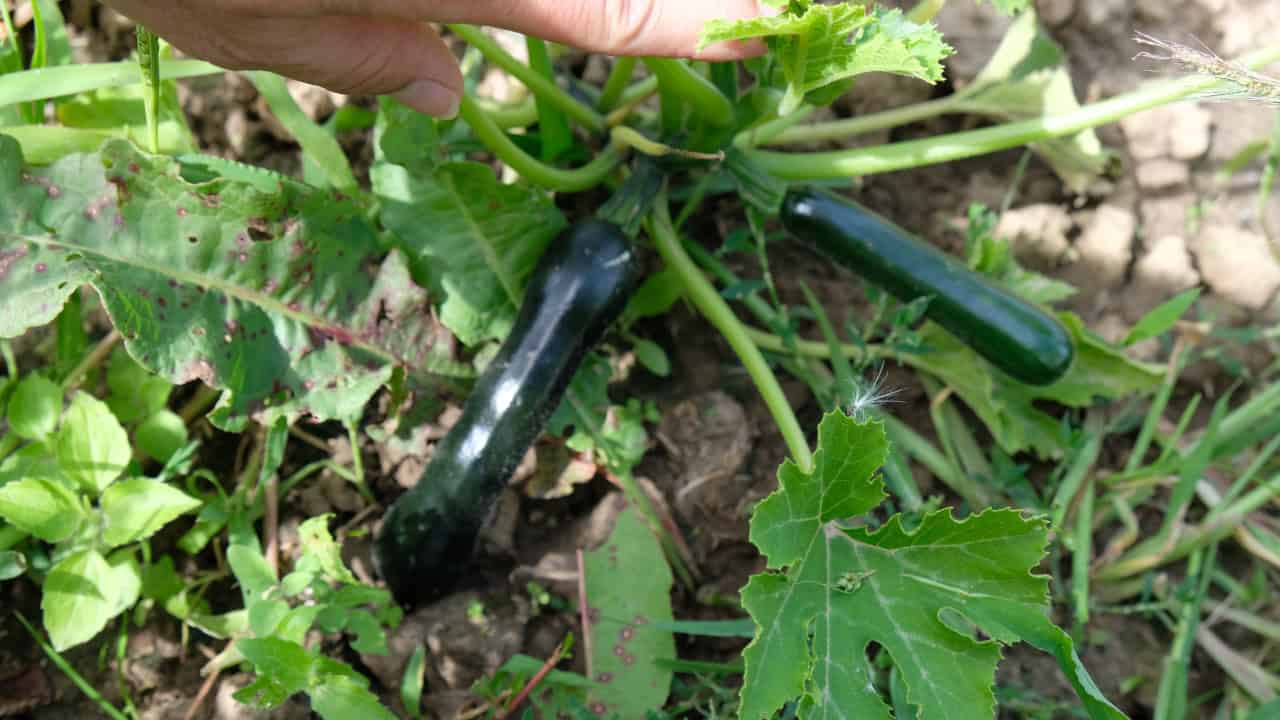
Black Beauty zucchini is reliable and productive, even if you’re short on space. These compact plants grow about two feet tall but spread out with lush, leafy growth. They thrive in full sun and are perfect for zones 2 through 11. With the right care, they’ll produce tender, dark-green zucchinis all summer long.
For the best harvest, keep the soil moist and rich in organic matter. Zucchini grows fast, so check daily once fruits start forming—they can go from snack-sized to baseball bats overnight! Regular picking encourages the plant to keep producing.
California Wonder Bell Pepper
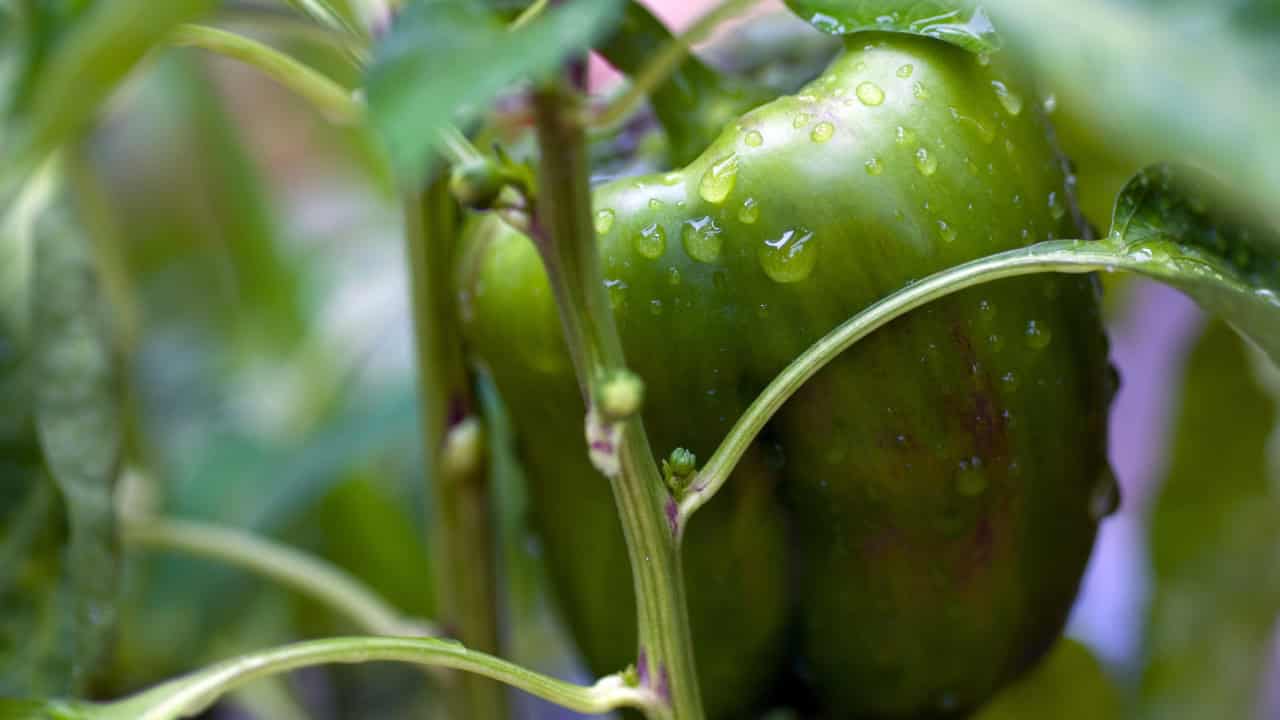
California Wonder bell peppers are a must-have if you love fresh, homegrown crunch. These bushy plants grow 18 to 30 inches tall and do well in zones 2 through 11, as long as they’re soaking up plenty of sun. They can be picked green or left to ripen into sweeter red peppers.
Peppers like warm soil, so don’t rush to plant them until after the last frost. Keep the soil consistently moist, but don’t overwater—it’s a balancing act! Add a little compost or fertilizer during the growing season, and you’ll have crisp, juicy peppers that are perfect for snacking, stuffing, or tossing into fajitas.
Cherry Belle Radish
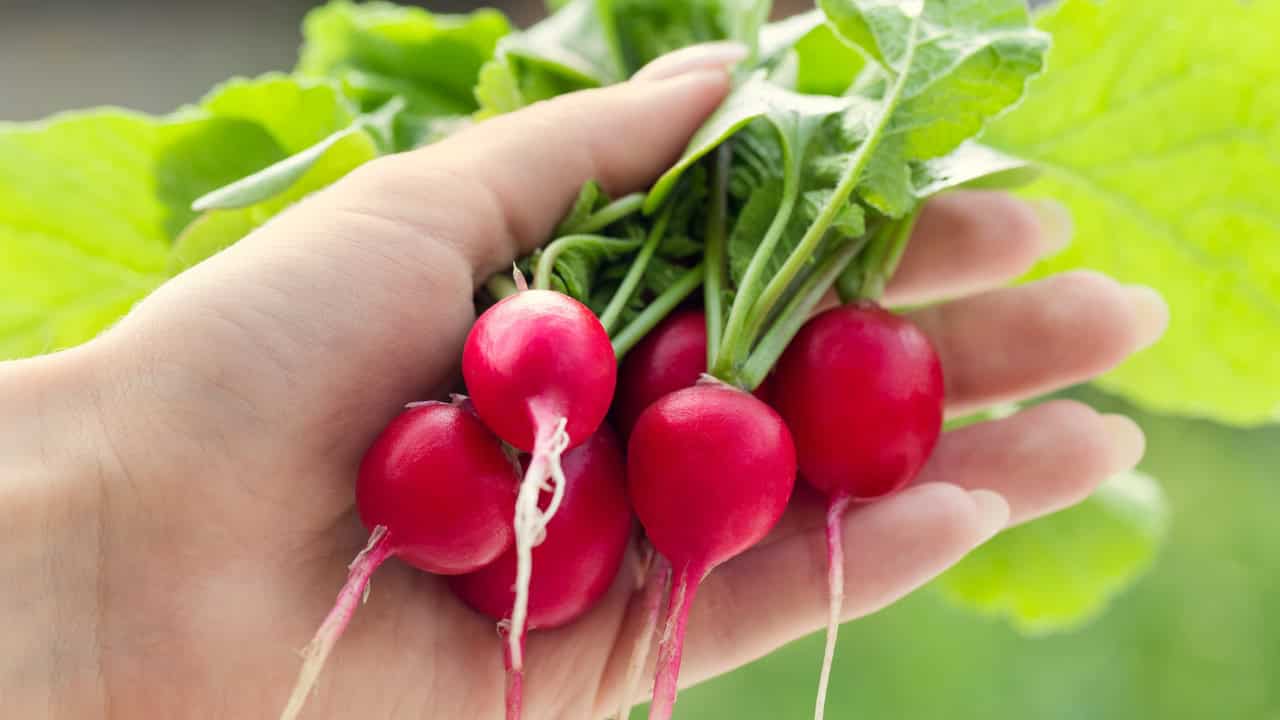
Cherry Belle radishes are one of the quickest and easiest crops you can grow, making them a great choice for beginners. These petite plants only reach about three inches tall and do well in zones 2 through 11. They thrive in full sun to partial shade, so you can tuck them into almost any spot in your garden.
The best part? They’re ready to harvest in just three to four weeks. Radishes love loose, well-draining soil, and consistent watering helps keep them from turning woody.
Brandywine Tomato
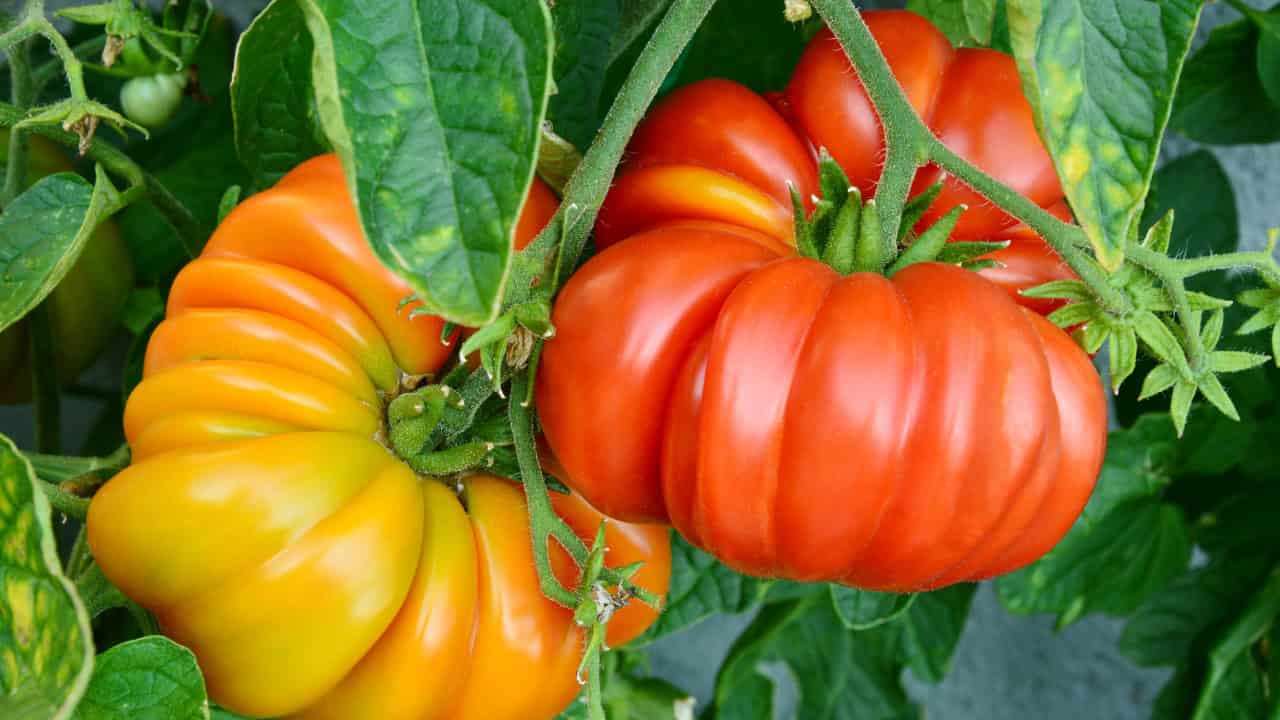
Brandywine tomatoes are perfect if you’re chasing that rich, homegrown flavor that’s a million times better than anything from the store. These tall plants, reaching up to six feet, love soaking up full sun and grow well in zones 2 through 11. They need sturdy cages or trellises to keep them upright, especially once those big, juicy fruits start weighing them down.
The key to thriving Brandywines is consistent care. Keep the soil moist but not soggy, and feed them with a nutrient-rich fertilizer to support their growth. Watch out for pests like aphids and hornworms, and prune the lower leaves to improve airflow.
Black Beauty Eggplant
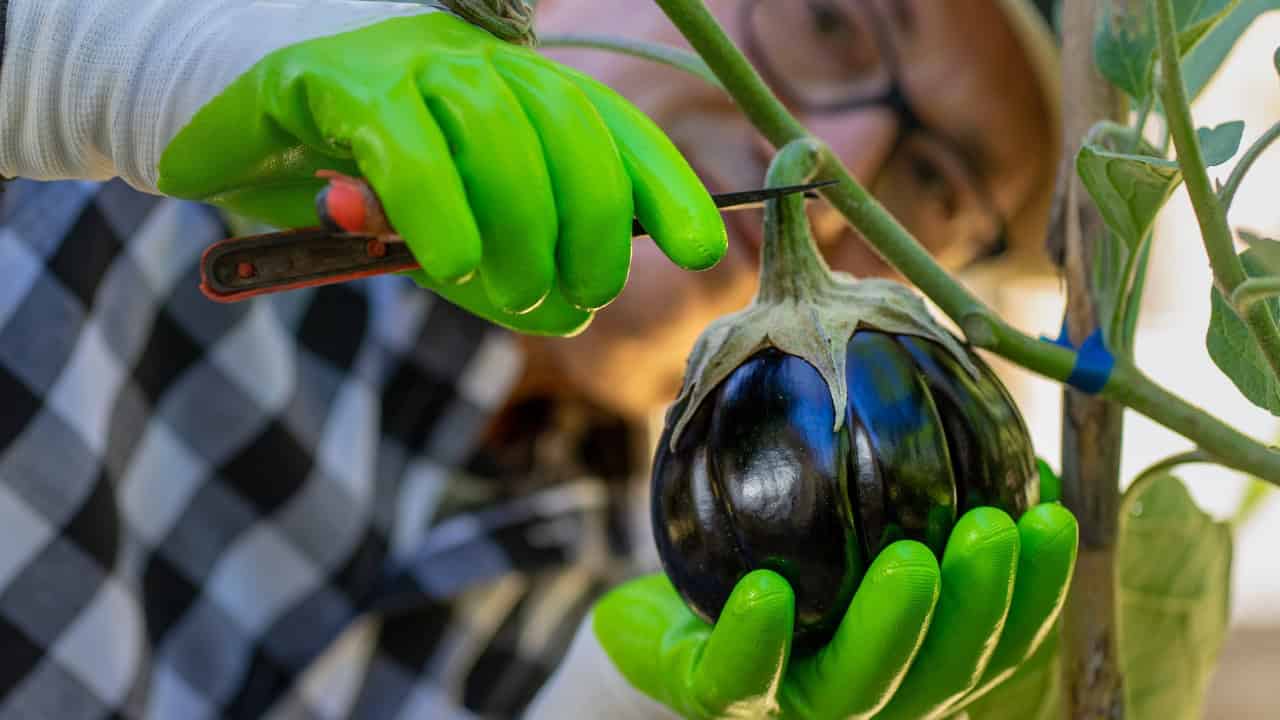
Black Beauty eggplants are a staple in any garden that loves Mediterranean or Asian-inspired dishes. Compact and manageable, they grow 24 to 30 inches tall and thrive in zones 3 through 11. They need full sun and warm soil, so wait until after the last frost to plant them directly outdoors or in large pots.
To get the best harvest, keep the soil evenly moist and rich in organic matter. Eggplants love warmth, so a layer of dark mulch can help retain heat around the roots. Keep an eye out for flea beetles—they’re tiny but can do real damage.
Golden Bantam Corn
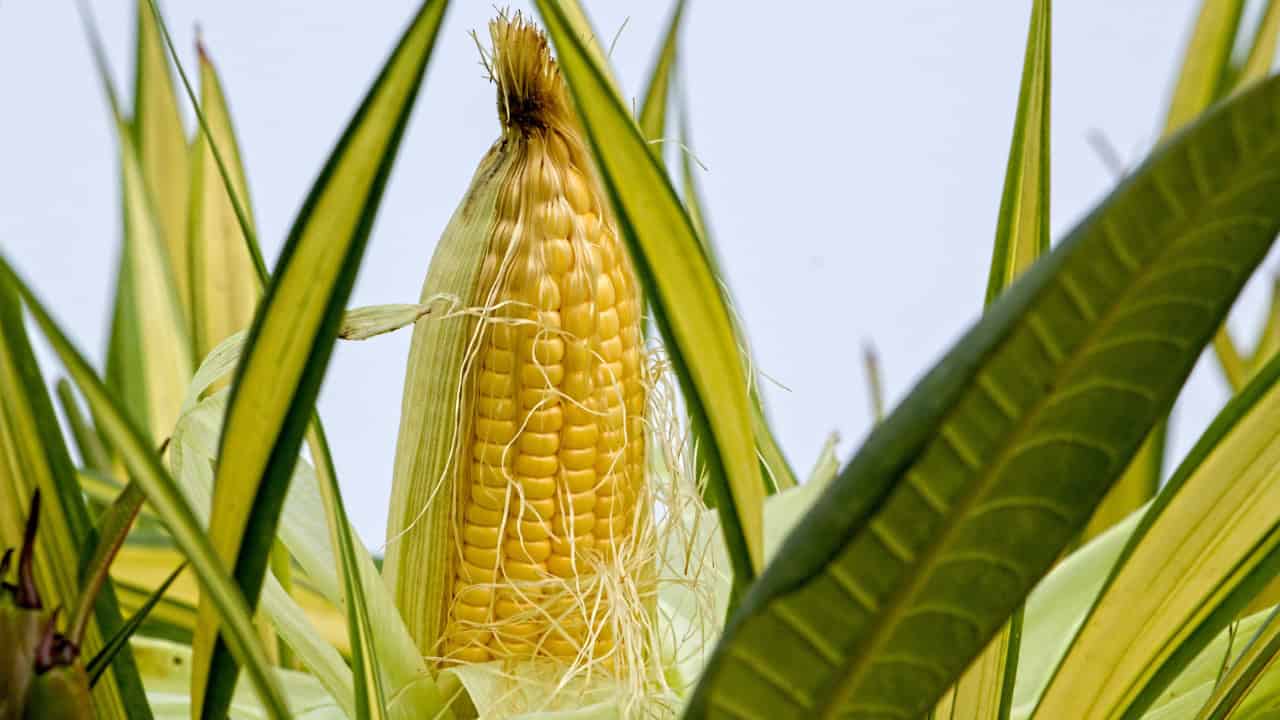
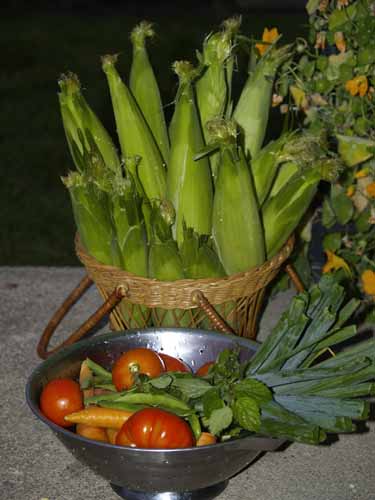
Golden Bantam corn is a sweet, buttery classic that’s as good fresh off the cob as it is for freezing or canning. These tall plants, reaching about five feet, thrive in full sun and grow best in zones 2 through 11. They’ll need a bit of space—plant them in blocks rather than single rows to ensure proper pollination.
Corn grows fast but needs consistent watering, especially as the ears start forming. Keep the soil fertile with compost or a balanced fertilizer, and don’t forget to protect young plants from hungry critters like birds or squirrels. Harvest when the kernels are plump and milky—you’ll know they’re ready when the silks turn brown but are still soft to the touch.
Jackson Wonder Bush Bean
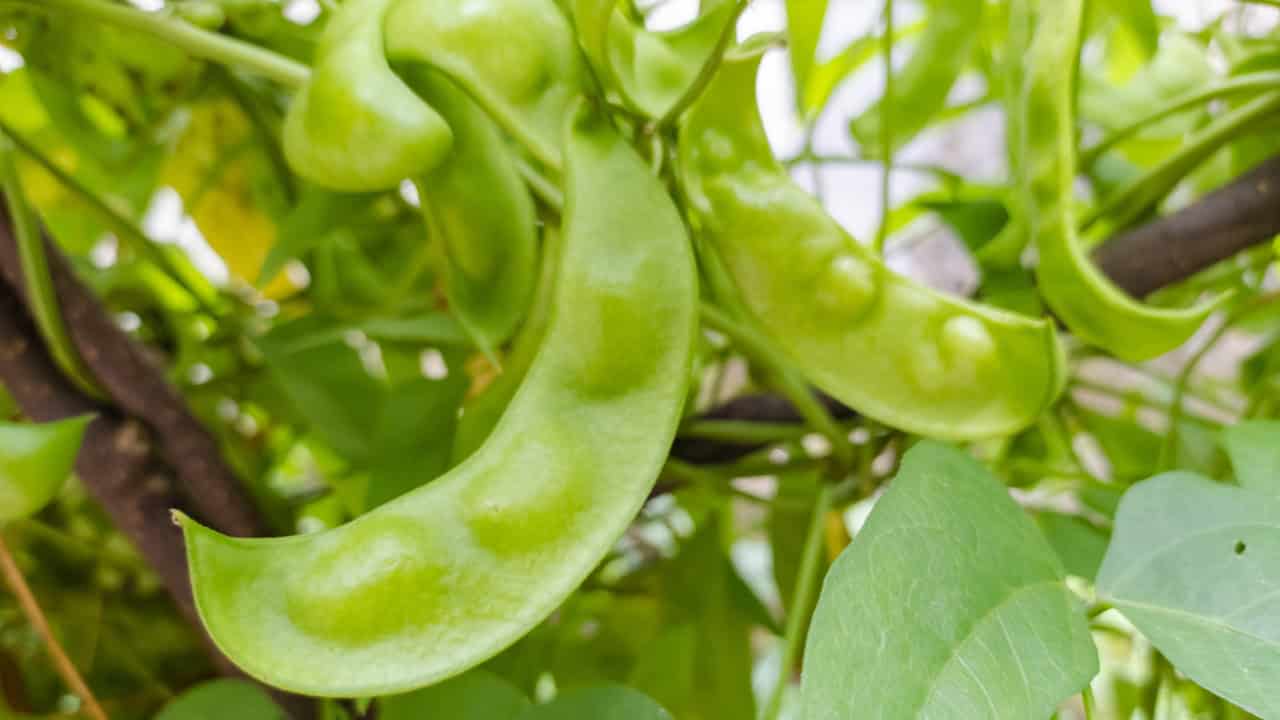
Jackson Wonder bush beans are a compact, easy-to-grow option that’s great for small spaces. These plants grow just 18 to 24 inches tall, making them ideal for garden beds or large containers. They thrive in full sun and do well in zones 2 through 11, producing beautiful speckled beans that are perfect for fresh eating or drying for soups and stews.
Bush beans are low-maintenance, but they do appreciate consistent watering and well-draining soil. Avoid overhead watering to keep diseases at bay, and harvest regularly to encourage more production.
*This article was created with the assistance of AI.