Garden advice gets passed around like an old family recipe—except some of it does more harm than good. I can’t tell you how many times I’ve heard people say things like, “Put gravel in the bottom of your pots for better drainage” or “Dish soap is a safe way to kill bugs.” It sounds logical, but a lot of these so-called tricks actually make gardening harder, not easier.
I’ve fallen for a few of these myself, and I know how frustrating it is to follow bad advice and end up with struggling plants. If you’ve been doing any of these things, don’t worry—you’re not alone. Let’s look at some of the biggest gardening myths so you can give your plants what they actually need.
Advertisement
Watering in the Sun Will Scorch Your Plants

A lot of people think watering plants in the middle of a hot, sunny day will fry their leaves. The idea is that water droplets act like little magnifying glasses, burning the plant. That’s not how it works. Water evaporates quickly in the heat, making it less effective, but it won’t hurt your plants. The real risk is wasting water and not hydrating the roots properly.
Water early in the morning or later in the evening when the sun isn’t blazing. This gives your plants time to soak up the moisture before it evaporates. If you must water during the day, aim for the soil, not the leaves. A deep soak at the base of the plant is always better than a quick sprinkle.
Talking to Plants Helps Plants Grow Faster
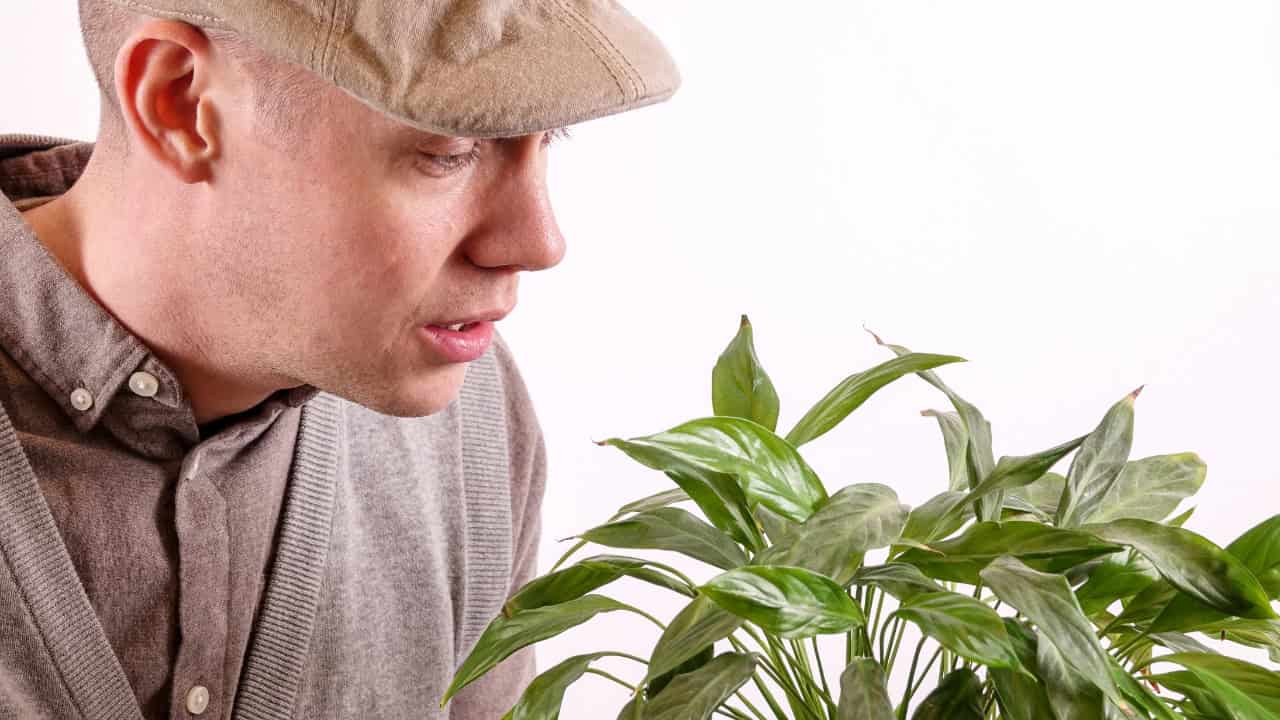
People love the idea that chatting with their plants makes them thrive. While it’s true that plants respond to their environment, they don’t need words of encouragement to grow. If anything, it’s the carbon dioxide from your breath and the extra attention that helps—not the conversation itself.
Instead of talking to your plants, focus on what they really need: good soil, the right amount of water, and proper light. If chatting with them reminds you to check for pests or water them when needed, then by all means, keep talking. But don’t expect your words alone to work miracles.
Adding Sand Fixes Clay Soil

Mixing sand into heavy clay sounds like an easy fix for drainage problems, but it actually makes things worse. When sand and clay mix, they form a dense, cement-like texture that can compact even more, making it harder for roots to grow.
To improve drainage in clay soil, add compost, aged manure, or shredded leaves. These materials break up the clay over time, making the soil more breathable and easier for roots to spread. Raised beds or aeration techniques can also help if your soil is particularly stubborn.
Dish Soap Is a Safe Pesticide
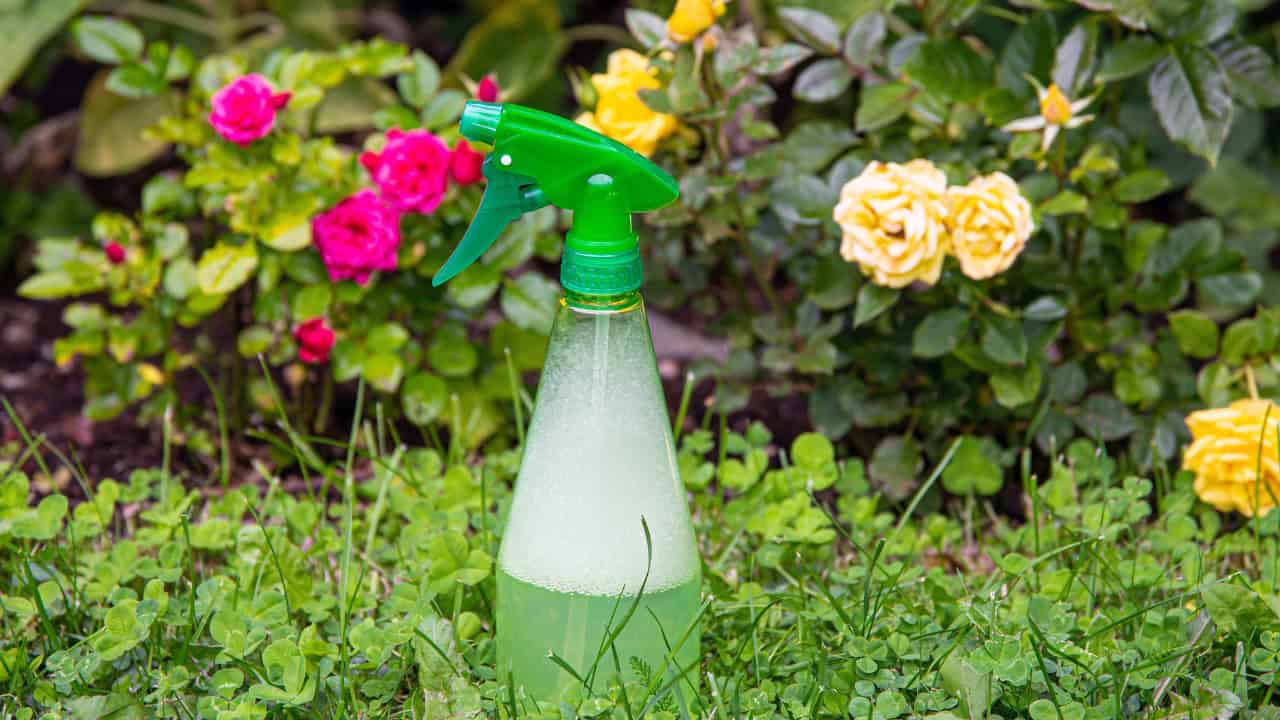
A lot of people use dish soap to kill pests on their plants, thinking it’s a gentle, natural solution. The problem is that many dish soaps contain harsh detergents and chemicals that can strip plant leaves of their natural protective coating. Over time, this can lead to leaf burn and weaken the plant.
If you need a safe pest solution, look for insecticidal soap specifically made for plants. These are formulated to kill pests without damaging leaves. You can also make a simple DIY spray using pure castile soap and water—just avoid anything with degreasers or antibacterial additives.
Deer-Resistant Plants Will Stop Deer
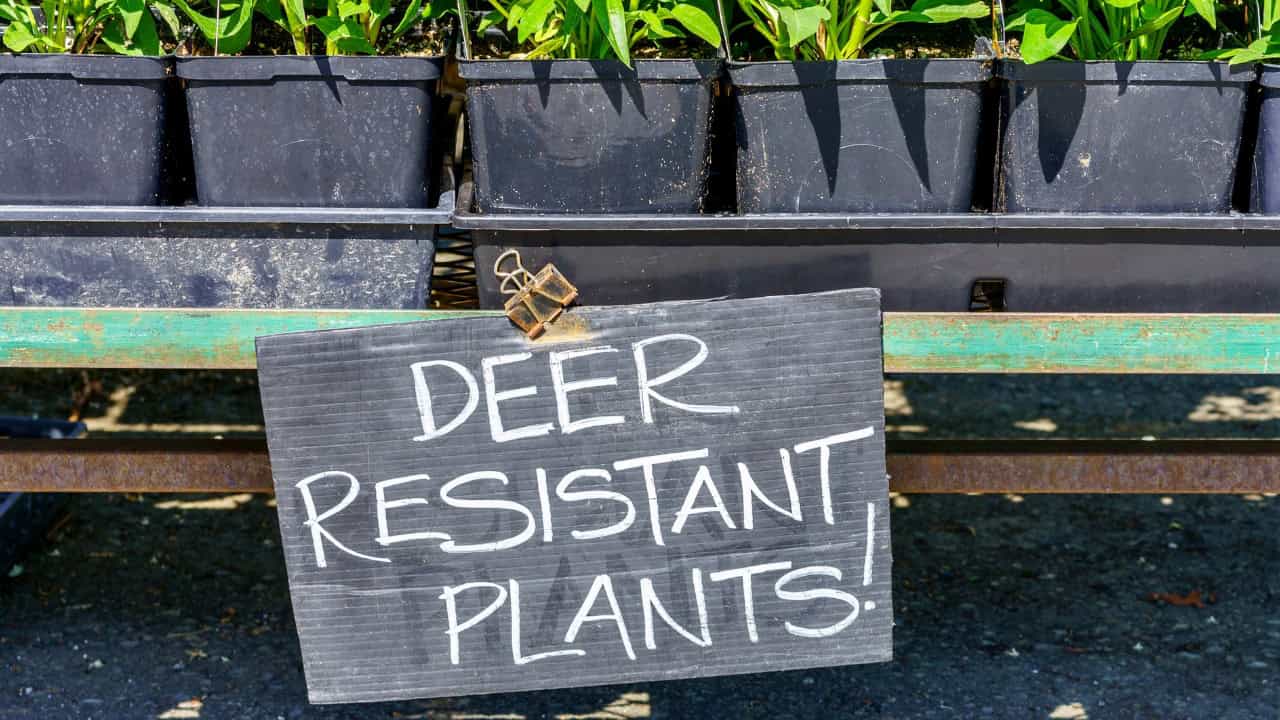
Planting strong-smelling or unappetizing plants along the edge of your yard might slow deer down, but it won’t keep them out completely. When food is scarce, deer will eat almost anything, even plants they normally avoid. And once they learn your yard has food, they’ll keep coming back.
If deer are a problem, a physical barrier like a tall fence is the best solution. Motion-activated sprinklers or strong-smelling deterrents like garlic or rotten eggs can also help. Just be prepared to switch things up—deer get used to the same tricks over time.
Planting by the Moon Will Guarantee Success
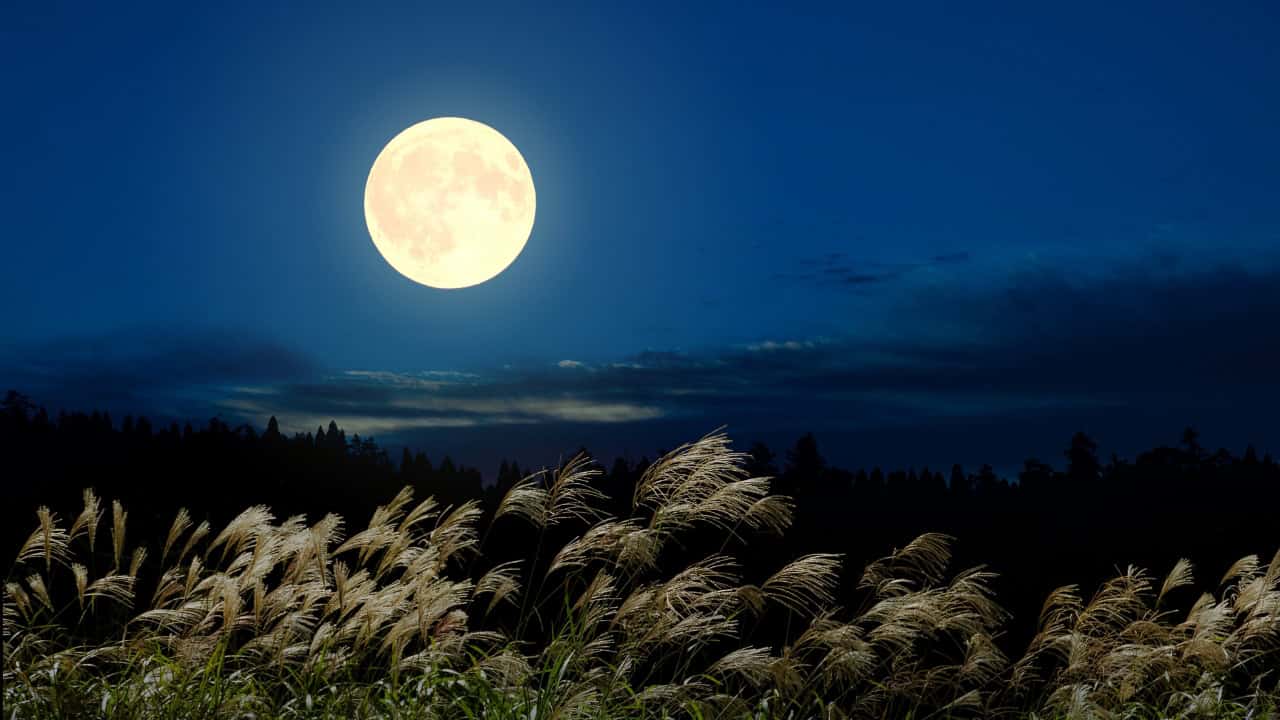
The idea that planting by moon phases leads to better growth has been around forever. While there’s some logic to it—moon cycles affect tides and soil moisture—it’s not a magic formula for success. Weather, soil quality, and proper care matter way more than the moon’s position.
Instead of worrying about moon phases, focus on timing that actually benefits your plants. Pay attention to frost dates, soil temperature, and seasonal weather patterns. Those factors will make a much bigger difference in how well your plants grow.
Gravel in Pots Helps Drainage
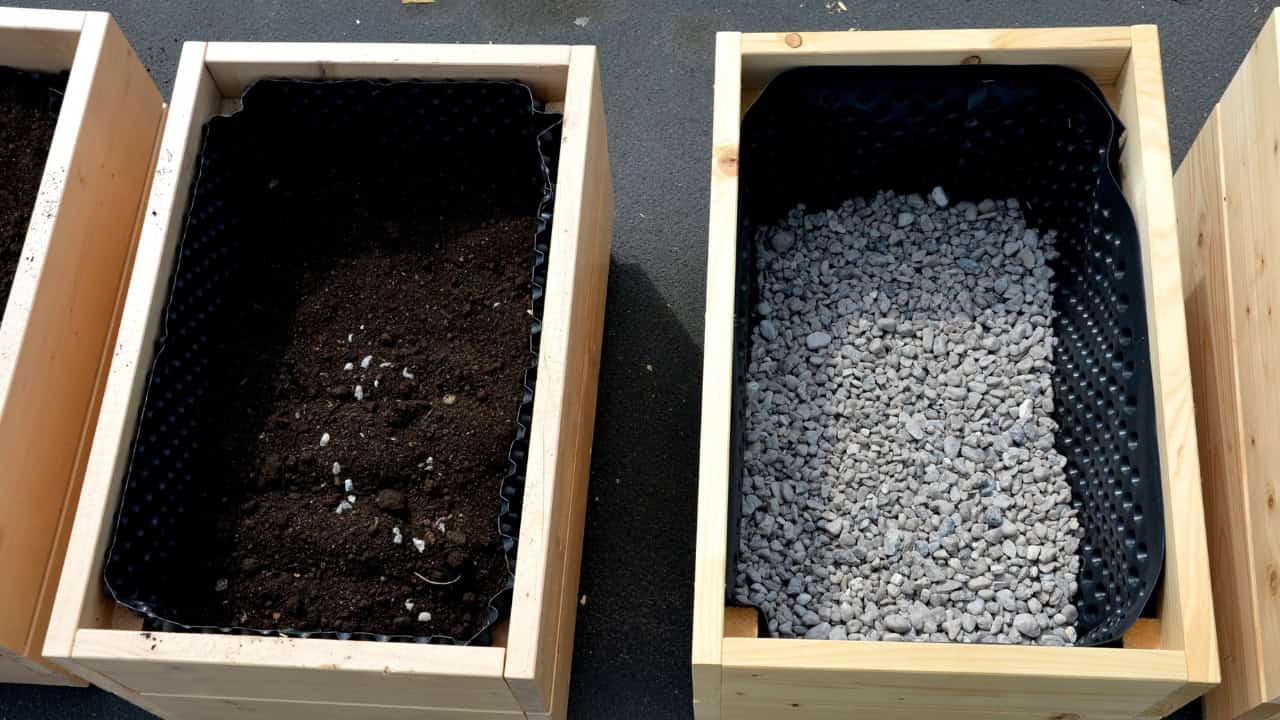
It seems logical—add a layer of gravel or rocks to the bottom of a pot, and extra water will drain faster. But that’s not how soil works. Instead of helping, the gravel actually creates a barrier that keeps water from draining properly. This can leave your plant’s roots sitting in water, leading to rot.
If drainage is a concern, use a well-draining potting mix instead of relying on gravel. Mixing in perlite, sand, or bark can help create airflow and prevent soggy roots. And always make sure your pot has a drainage hole—no amount of gravel will fix a container that doesn’t let water escape.
Drought-Tolerant Plants Never Need Water
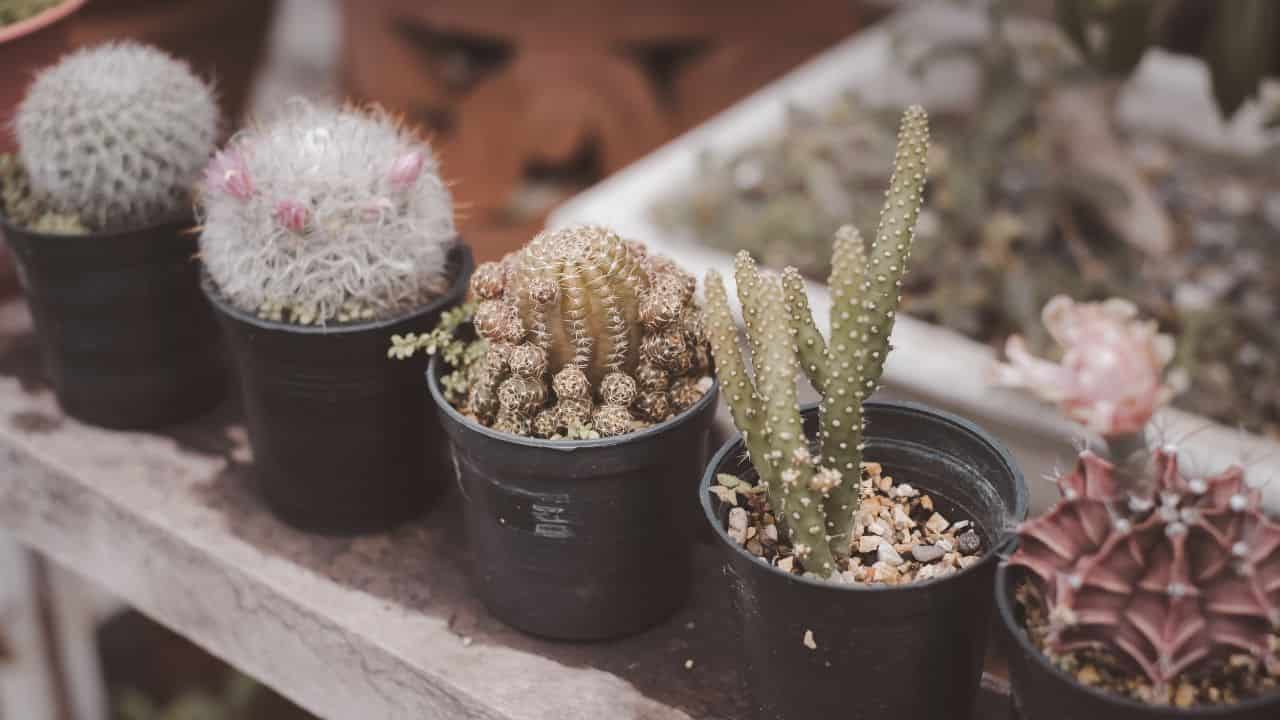
Just because a plant is labeled “drought-tolerant” doesn’t mean you can ignore it completely. These plants can survive with less water, but they still need a good soak now and then to stay healthy. If they go too long without water, they’ll get stressed, making them more vulnerable to disease and pests.
Check the soil before assuming your plant is fine. Even drought-resistant plants benefit from deep, occasional watering rather than frequent, shallow sprinkles. A deep soak encourages roots to grow deeper, making them even more resilient. If you’re in a hot, dry climate, these plants might still need a drink every couple of weeks.
Compost in the Hole Helps Roots Grow

It sounds like a great idea—add compost to the planting hole to give roots an extra boost. But if you put rich compost right in the hole, it can create a “comfort zone” where roots don’t want to spread out into the surrounding soil. This can lead to weaker plants that struggle to establish themselves.
Instead of packing compost into the hole, mix it into the surrounding soil. This encourages roots to grow outward and adapt to their environment. A thin layer of compost on top as mulch can also help keep moisture in and feed the plant over time.
*This article was created with the assistance of AI.