With the significant decline in pollinator populations worldwide, there’s never been a more crucial time to create a garden that attracts and nourishes these vital creatures. Bees, butterflies, and other pollinators are essential for pollinating a large percentage of the food crops we consume daily. But they do more than help our gardens grow – they also add movement and color, turning your backyard into a thriving, beautiful ecosystem. In this post, we’ll explore nine beautiful flowers that not only add charm and beauty to your garden but also attract these beneficial pollinators.
1. Sunflowers
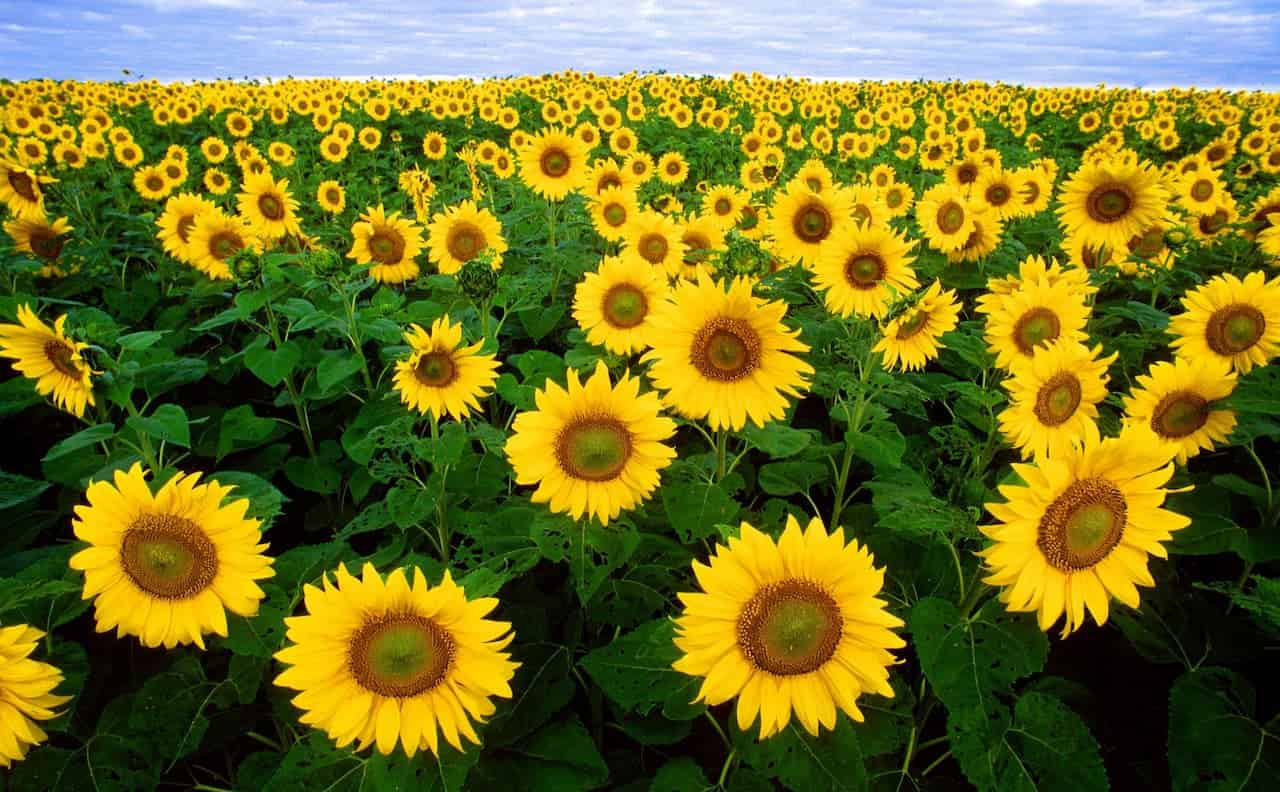
Sunflowers (Helianthus annuus) are a beacon for pollinators. These tall, sunny plants are native to North America and are renowned for their large, flamboyant yellow or orange blooms. The large seed heads provide an abundant food source for bees, butterflies, and birds.
Advertisement
Sunflowers are also incredibly easy to grow, making them a perfect choice for novice gardeners or those with less time to devote to their garden. They prefer full sun and well-drained soil but can tolerate a range of soil types. You can plant sunflower seeds directly into the ground in spring, and within a few months, you’ll have a towering sunflower attracting pollinators from miles around.
2. Lavender

Lavender (Lavandula) is renowned for its fragrant purple flowers and silvery-green foliage. It’s a favorite of bees and butterflies, who are particularly attracted to its sweet nectar.
Lavender is a hardy, drought-tolerant plant, which makes it a great choice for xeriscaping or low-water gardens. It prefers full sun and well-drained soil. Plant lavender near your patio or outdoor seating area to enjoy its delightful scent while watching the comings and goings of your garden’s pollinators.
3. Coneflowers

Coneflowers (Echinacea) are a staple in many pollinator gardens, and for a good reason. These robust, easy-to-grow perennials produce large, daisy-like flowers in a range of colors, including pink, purple, yellow, and white. They’re a favorite of bees and butterflies, who feast on their rich nectar.
Coneflowers are native to North America and are incredibly resilient. They prefer full sun but can tolerate some shade, and while they prefer well-drained soil, they can handle a range of soil conditions. Plant coneflowers in clumps to create a striking display that’s sure to attract a host of pollinators.
4. Bee Balm
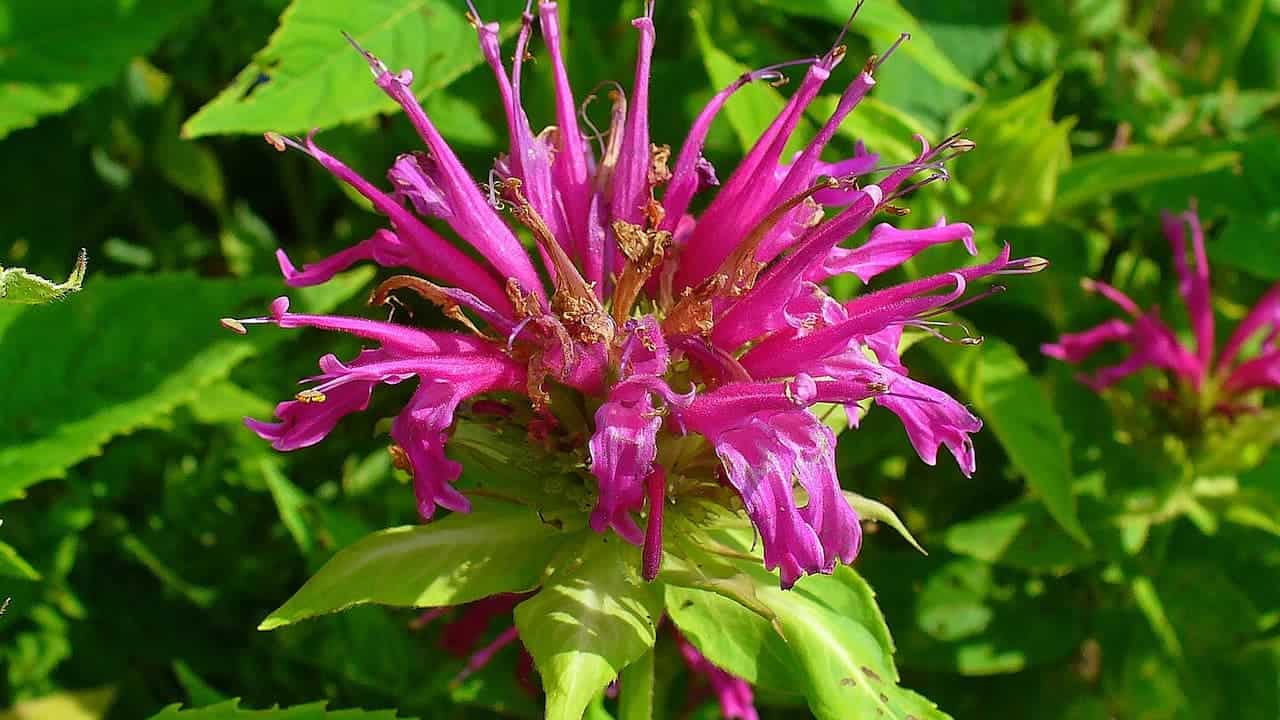
As the name suggests, bees love bee balm (Monarda). This native North American perennial produces unique, shaggy flowers in bright shades of red, pink, purple, and white. But it’s not just bees that love bee balm – hummingbirds and butterflies are also attracted to its sweet nectar.
Bee balm is a hardy perennial that prefers full sun and moist, well-drained soil. It’s also resistant to deer and rabbits, making it a great choice for gardens in rural areas. Plant bee balm in your garden and enjoy the buzzing and flitting of pollinators all summer long.
5. Zinnias
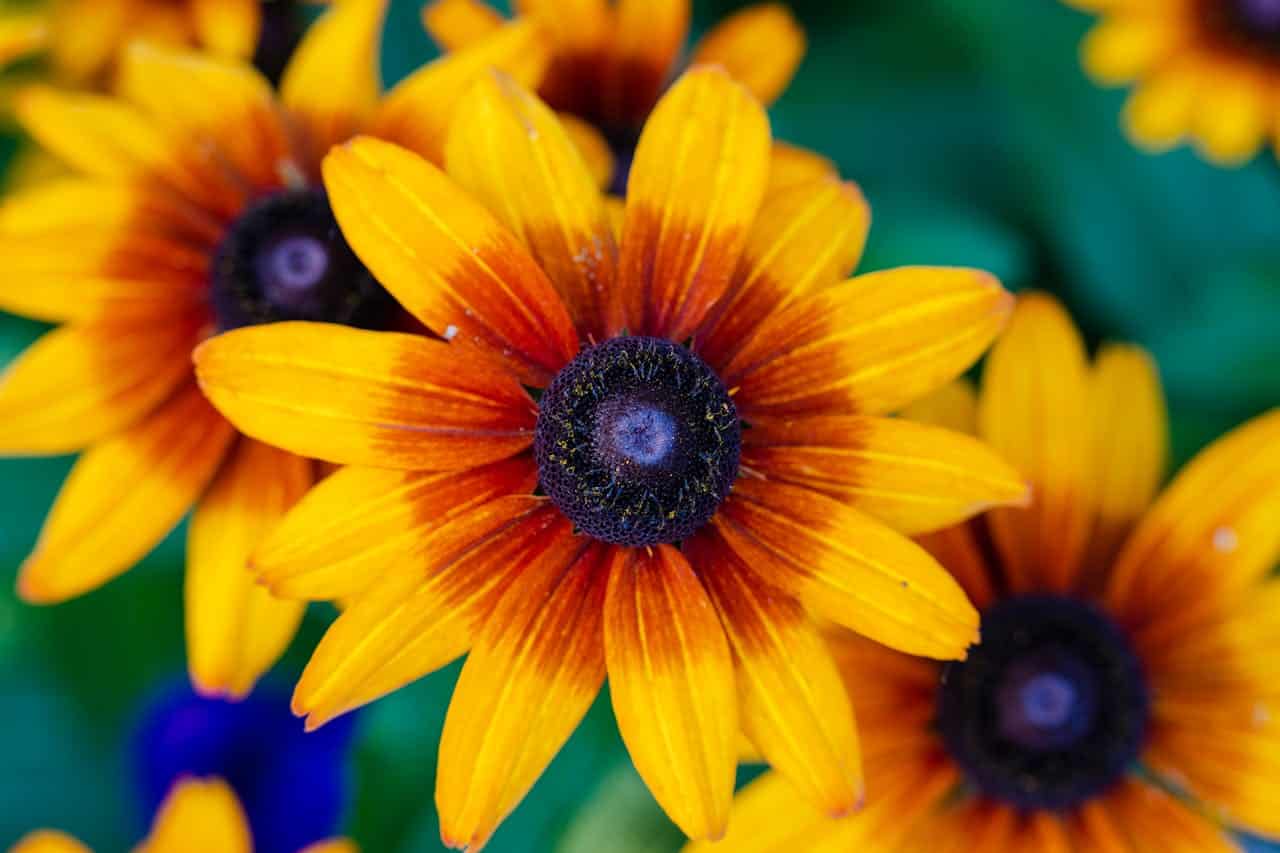
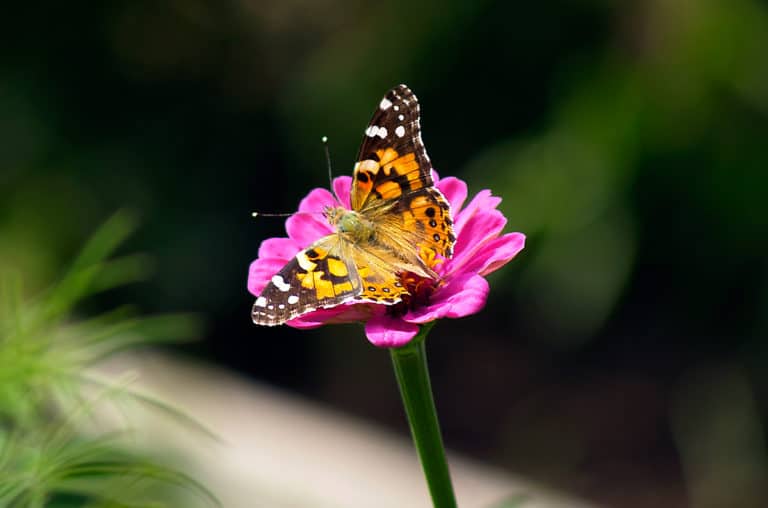
Zinnias are annuals that produce a riot of color from mid-summer to the first frost. These beautiful flowers come in a variety of colors, including pink, red, orange, yellow, and white, and are a magnet for bees, butterflies, and hummingbirds.
Zinnias are incredibly easy to grow from seed and prefer full sun and well-drained soil. They’re also drought-tolerant, making them a great choice for hot, dry climates. Plant zinnias in your garden for a burst of color and a flurry of pollinator activity.
6. Butterfly Bush
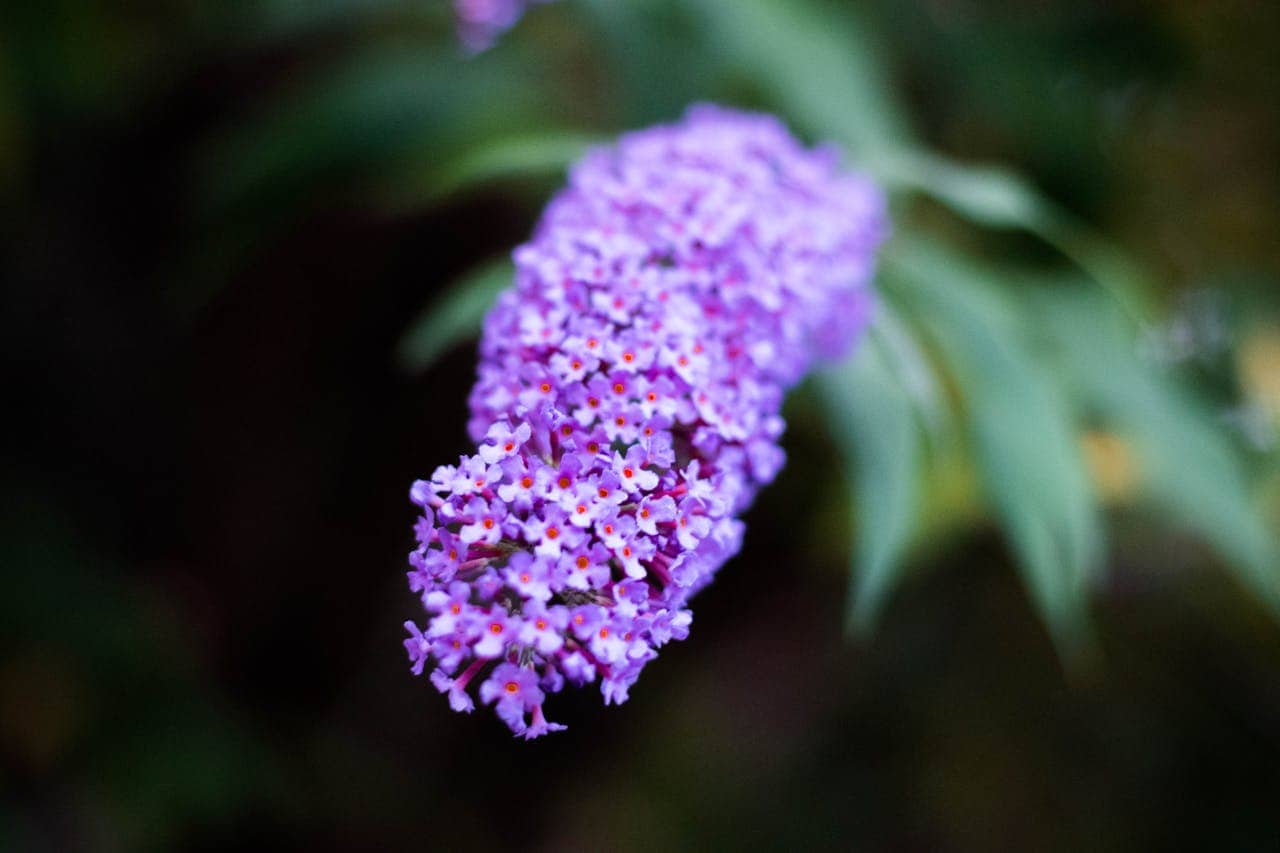
Butterfly Bush (Buddleia) is another plant that lives up to its name. This fast-growing shrub produces long, conical flower clusters that butterflies find irresistible. It also attracts bees and hummingbirds.
Butterfly Bush prefers full sun and well-drained soil. It’s also drought-tolerant and can handle a range of soil conditions. Plant Butterfly Bush in your garden for a stunning display of color and a constant flurry of butterfly activity.
7. Milkweed

Milkweed (Asclepias) is the only host plant for the Monarch butterfly, making it an essential plant for any pollinator garden. Milkweed produces clusters of pink, orange, or white flowers that attract a variety of pollinators, including bees, butterflies, and hummingbirds.
Milkweed is a perennial that prefers full sun and well-drained soil. It’s also drought-tolerant and can handle a range of soil conditions. Plant milkweed in your garden to support Monarch butterflies and enjoy a host of other pollinators.
8. Cosmos
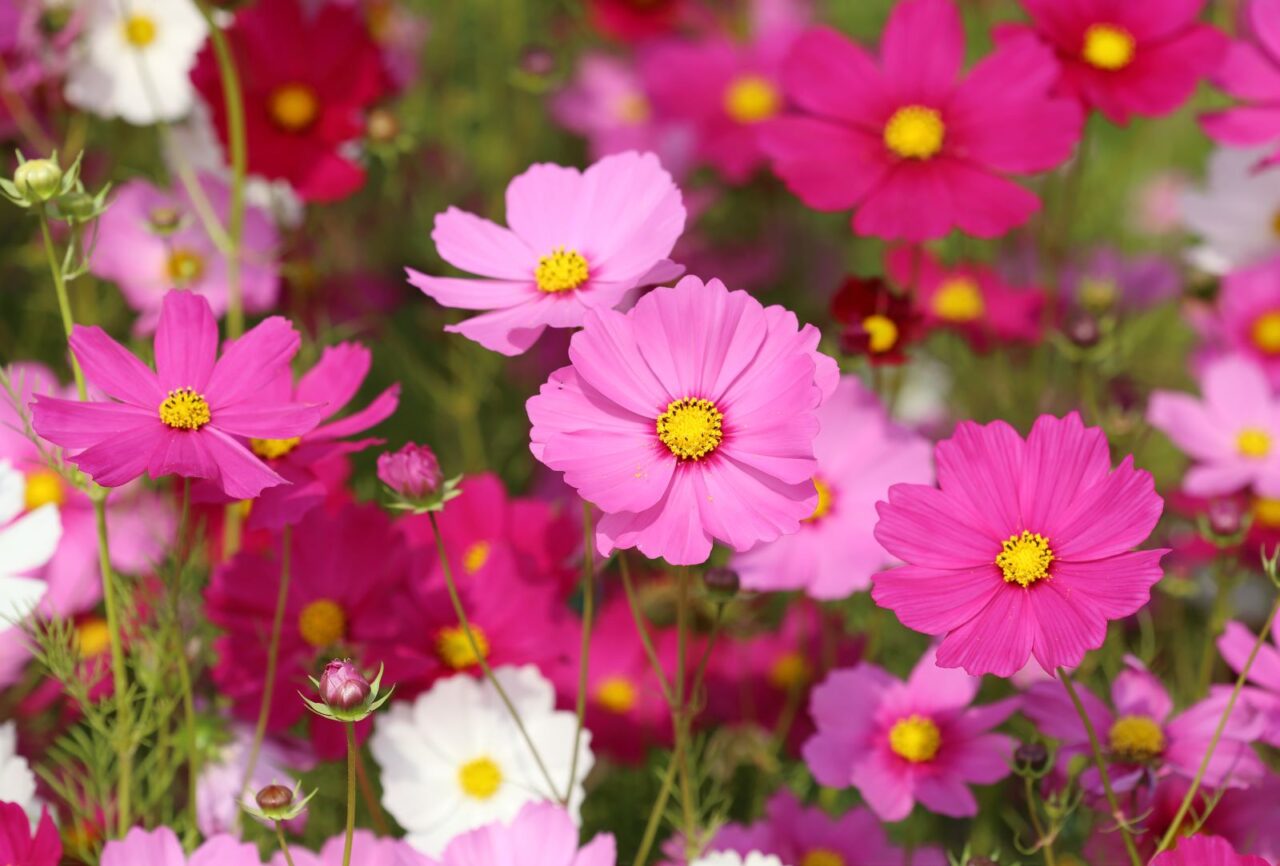
Cosmos are annuals that produce daisy-like flowers in shades of pink, purple, white, and yellow. They’re a favorite of bees, butterflies, and other pollinators, who are attracted to their sweet nectar.
Cosmos are incredibly easy to grow from seed and prefer full sun and well-drained soil. They’re also drought-tolerant, making them a great choice for hot, dry climates. Plant cosmos in your garden for a burst of color and a flurry of pollinator activity.
9. Goldenrod
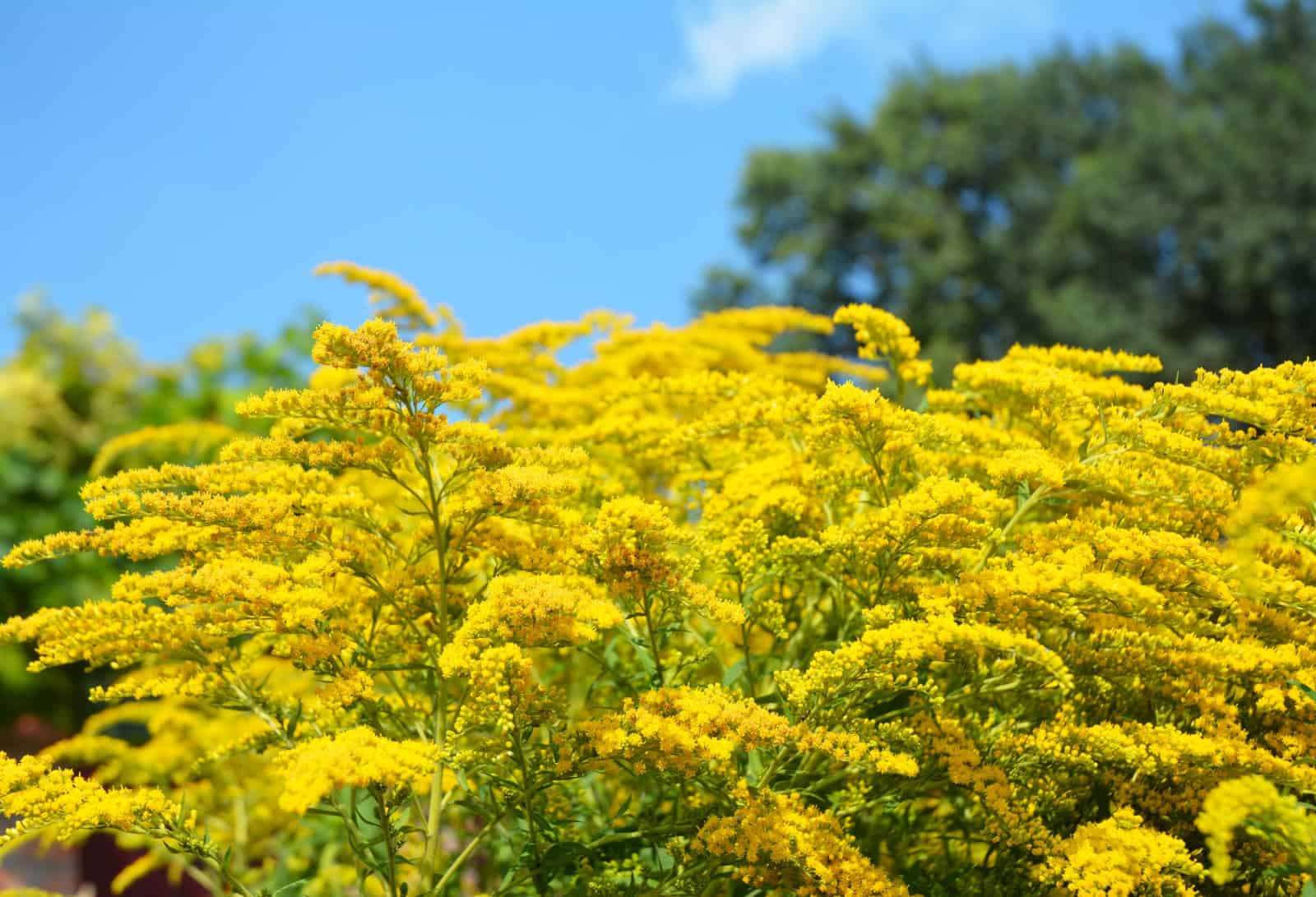
Goldenrod (Solidago) is a native North American perennial that produces bright yellow flower spikes in late summer and fall. It’s a favorite of bees, butterflies, and other pollinators, who are attracted to its rich nectar.
Goldenrod is a hardy perennial that prefers full sun and well-drained soil. It’s also drought-tolerant and can handle a range of soil conditions. Plant goldenrod in your garden for a striking fall display and a late-season food source for pollinators.