Every homeowner wants a comfortable living space without inflated energy bills. It’s easy to overlook areas where energy is wasted, but being aware of these issues can lead to significant savings and a more efficient home. By identifying and addressing these energy-wasting habits, you can improve your home’s efficiency and lower your monthly expenses.
Simple changes can make a big difference when it comes to energy usage. From adjusting your thermostat to sealing air leaks, there are practical steps you can take. Adopting these strategies not only benefits your wallet but also helps reduce your environmental footprint.
Advertisement
1. Seal air leaks around windows and doors
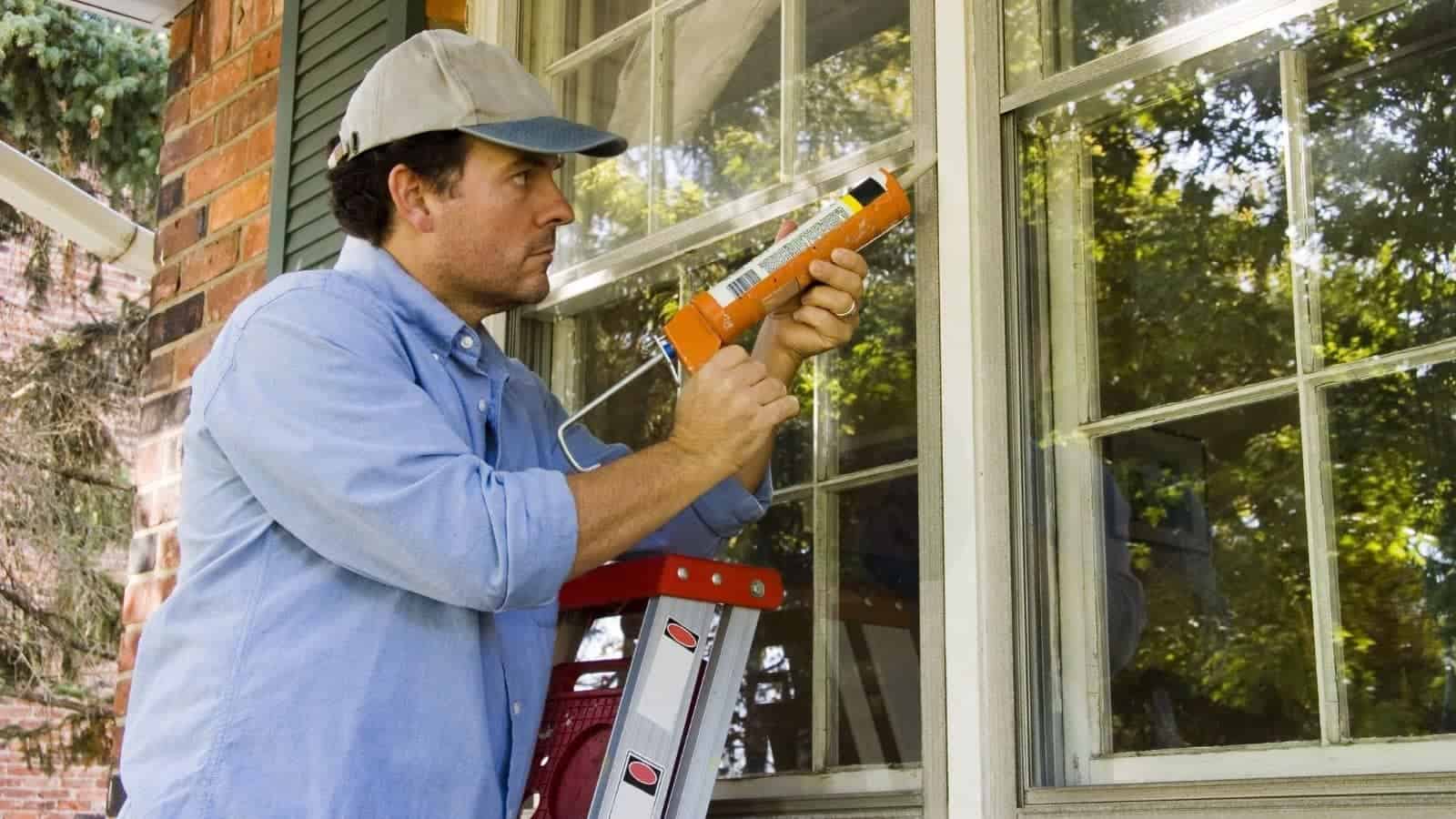
Air leaks around your windows and doors can let valuable heated or cooled air escape. This wasted energy can lead to higher utility bills.
To identify leaks, check for drafts by using your hand or a candle flame on still days. You can seal gaps with weatherstripping or caulk.
Don’t forget about outlets and vents; installing foam gaskets can add extra insulation. Addressing these small leaks can significantly improve your home’s energy efficiency.
2. Add insulation to attics and walls
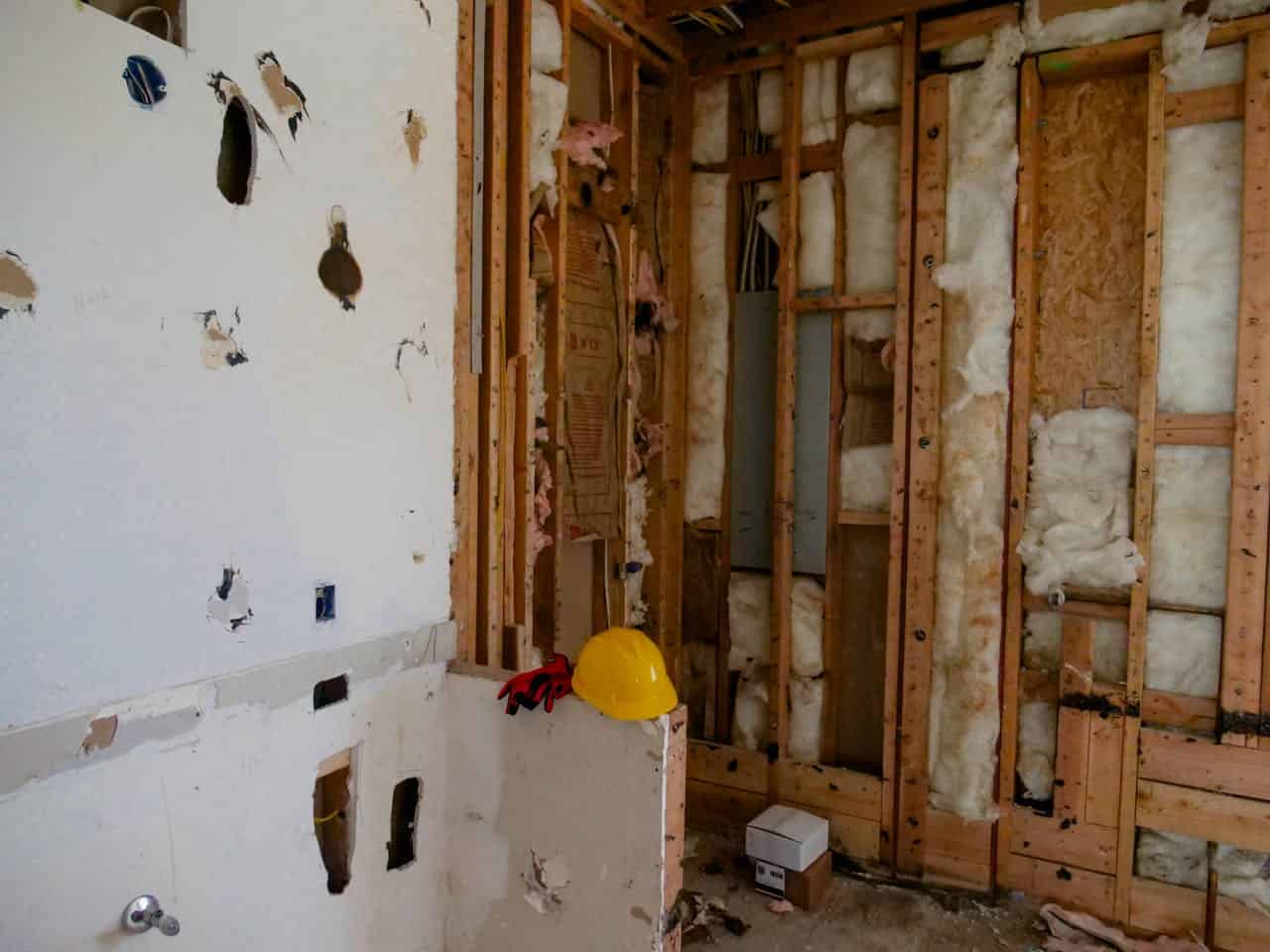
Adding insulation to your attic and walls can significantly enhance your home’s energy efficiency. A well-insulated attic prevents heat from escaping in winter and reduces heat from entering during summer.
You should aim for a recommended insulation level of R-38 or higher in your attic. Consider using blown-in cellulose insulation for effective coverage.
Don’t forget to seal any gaps and cracks in your walls. This extra step minimizes air leaks and maximizes comfort in your home.
3. Use a programmable thermostat

Installing a programmable thermostat is an easy way to enhance your home’s energy efficiency. You can set specific heating and cooling schedules based on your daily routine.
By adjusting the temperature when you’re away or asleep, you avoid unnecessary energy use.
Some models even allow you to control the settings remotely, ensuring comfort when you return home. Regularly checking your thermostat’s location can also help; it should be away from direct sunlight to function well.
4. Unplug devices in standby mode

Many devices in your home, like TVs and chargers, use energy even when they’re turned off. This is known as standby power or “vampire power.”
By simply unplugging these devices when not in use, you can significantly reduce unnecessary energy consumption.
Consider using smart power strips that automatically cut off power to devices when they’re not in use. This helps you save on your energy bill and contribute to a more sustainable home.
5. Clean dryer vents regularly
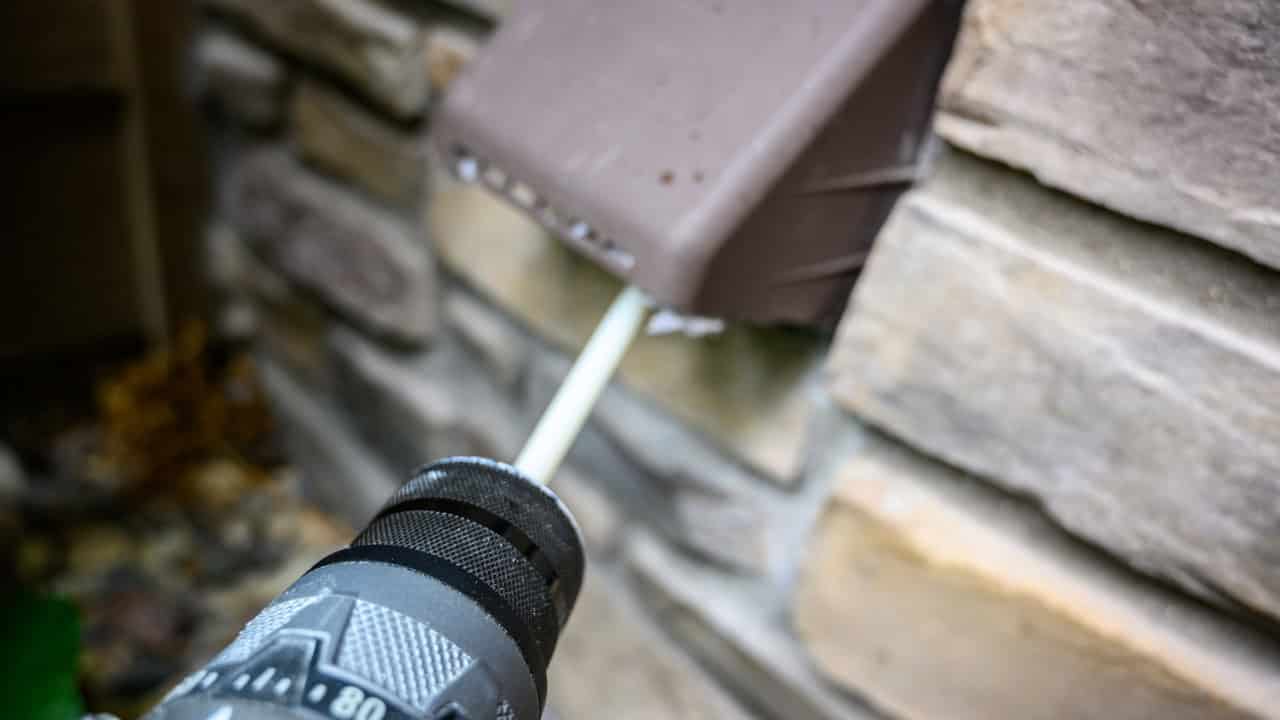
Cleaning your dryer vents regularly is essential for both safety and efficiency. Lint buildup can restrict airflow, making your dryer work harder and consume more energy.
You should clean your dryer vent at least once a year. If you do a lot of laundry, consider cleaning it more often. A simple cleaning can prevent fire risks and help your dryer run more efficiently.
Using a dryer vent cleaning kit can make this task easier. With a little effort, you can improve your dryer’s performance and save energy in the process.
6. Lower water heater temperature to 120°F

Setting your water heater to 120°F can lead to significant energy savings. For every 10°F reduction, you might save between 3% and 5% on your water heating costs. This adjustment is simple and makes a noticeable difference over time.
A temperature of 120°F is sufficient for most household needs, like washing dishes and taking showers. It also reduces the risk of scalding, making it a safer choice for your family.
If your dishwasher lacks a booster heater, check its requirements. Maintaining the right temperature helps with optimal cleaning while conserving energy.
7. Upgrade to ENERGY STAR appliances

Upgrading to ENERGY STAR appliances can significantly reduce your energy consumption. These appliances are designed to use less electricity and water, helping you save on utility bills.
You might notice that replacing old appliances with ENERGY STAR models not only lowers energy costs but also enhances the comfort of your home. You’ll benefit from advanced features while being more environmentally friendly.
Consider that many states offer incentives for upgrading to ENERGY STAR appliances. This can make it even easier to switch and enjoy the long-term savings.
8. Use smart power strips
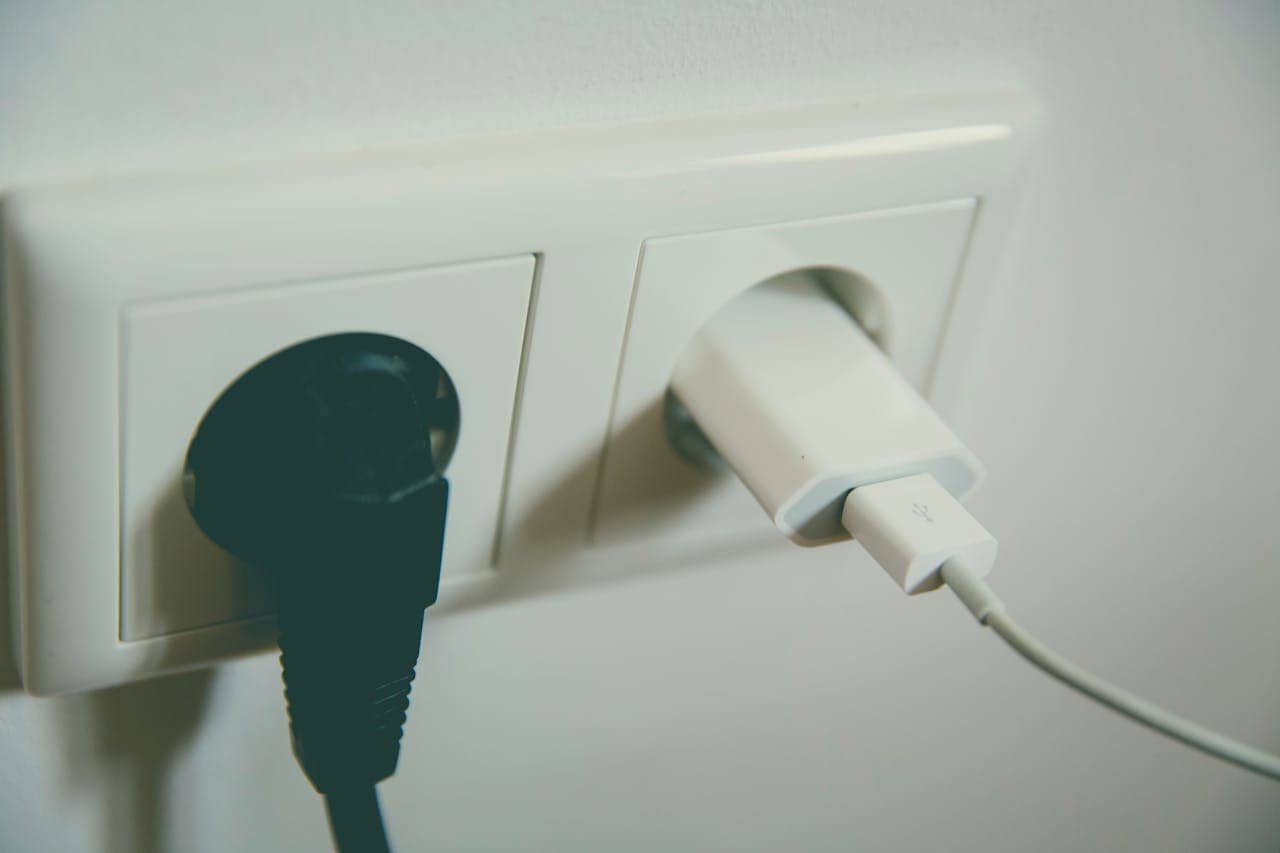
You might not realize it, but many devices continue to draw power even when they’re off. This is known as phantom load, and it can add up over time.
By incorporating smart power strips, you can easily cut off power to multiple devices with just one switch. It’s simple to set up in areas like your home office or entertainment center.
Smart power strips can also sense when devices are not in use and stop providing power, saving you energy. This small change can lead to lower energy bills and a more efficient home.
*This article was created with the help of AI.