Making your home more energy efficient doesn’t always mean undertaking major renovations or spending a fortune. There are simple, cost-effective tweaks you can implement that yield significant savings and reduce your environmental impact. These small changes can enhance your comfort while keeping your energy bills in check.
You might be surprised at how many easy upgrades can boost your home’s efficiency. From adjusting your daily habits to minor adjustments around the house, there are countless ways to create a more energy-friendly living space. With a bit of creativity and practical steps, you can make a difference without breaking the bank.
Advertisement
Seal drafty windows and doors
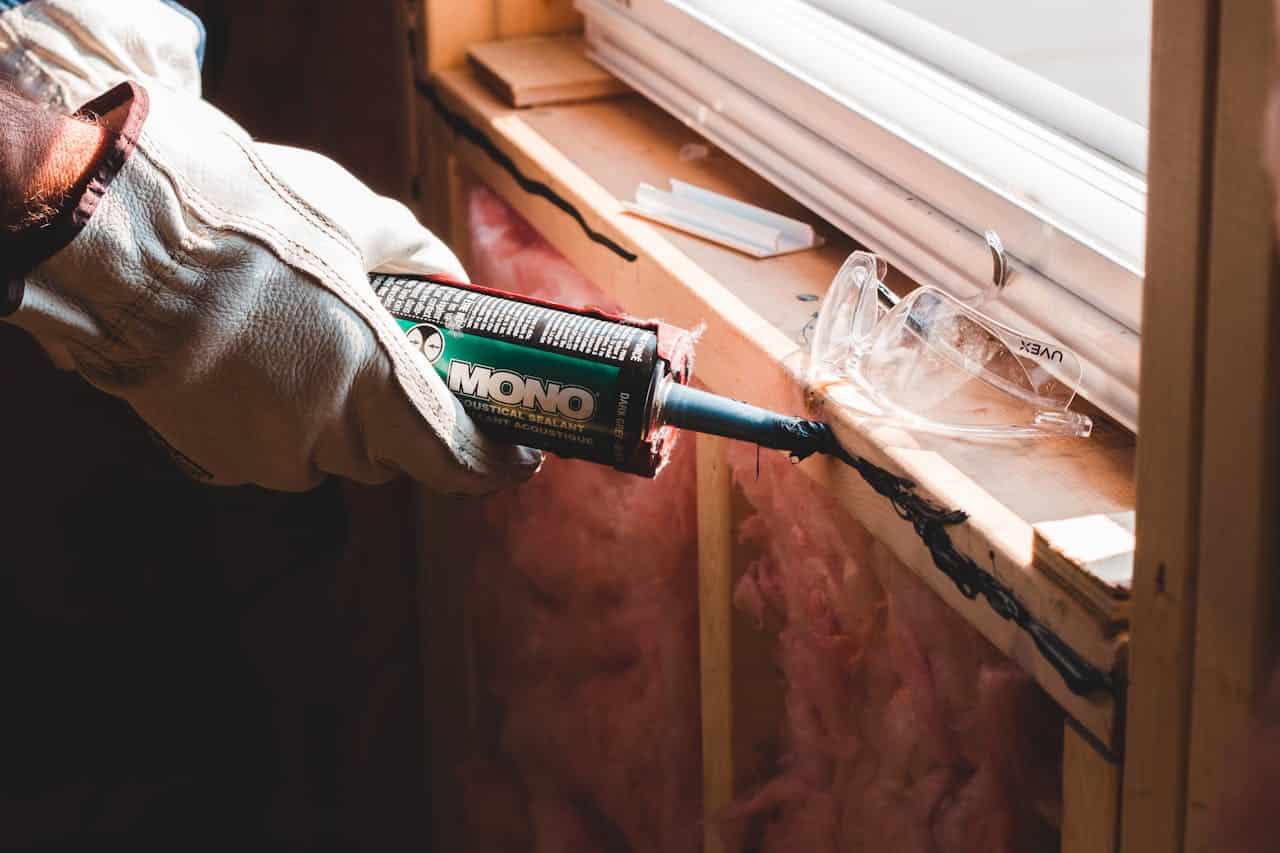
Drafty windows and doors can really wreak havoc on your energy bills. Start by applying window caulking in any cracks you find. It’s a quick and affordable fix.
Next, consider installing weatherstripping around doors. This helps block unwanted air flow. You might also look into using a draft stopper for extra protection. Simple steps can lead to noticeable savings.
Wrap Your Water Heater for Better Insulation
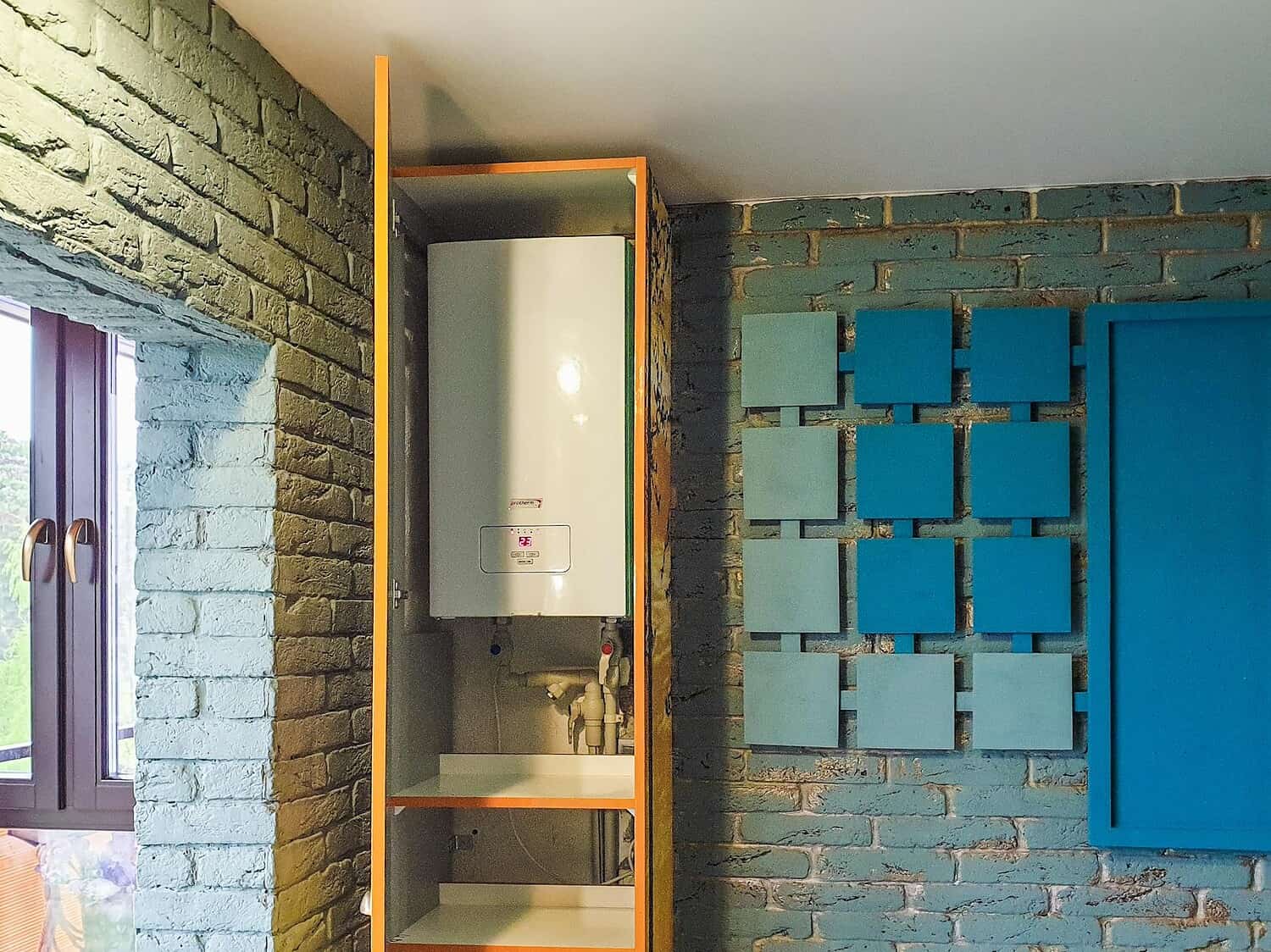
Wrapping your water heater is an easy way to boost energy efficiency. An insulation blanket can keep heat from escaping, so your heater doesn’t have to work as hard.
This simple upgrade can save you about 7% to 16% on your water heating costs. It’s a low-cost project that usually pays for itself within a year. Plus, it helps maintain a consistent temperature.
Use Ceiling Fans to Circulate Air Efficiently
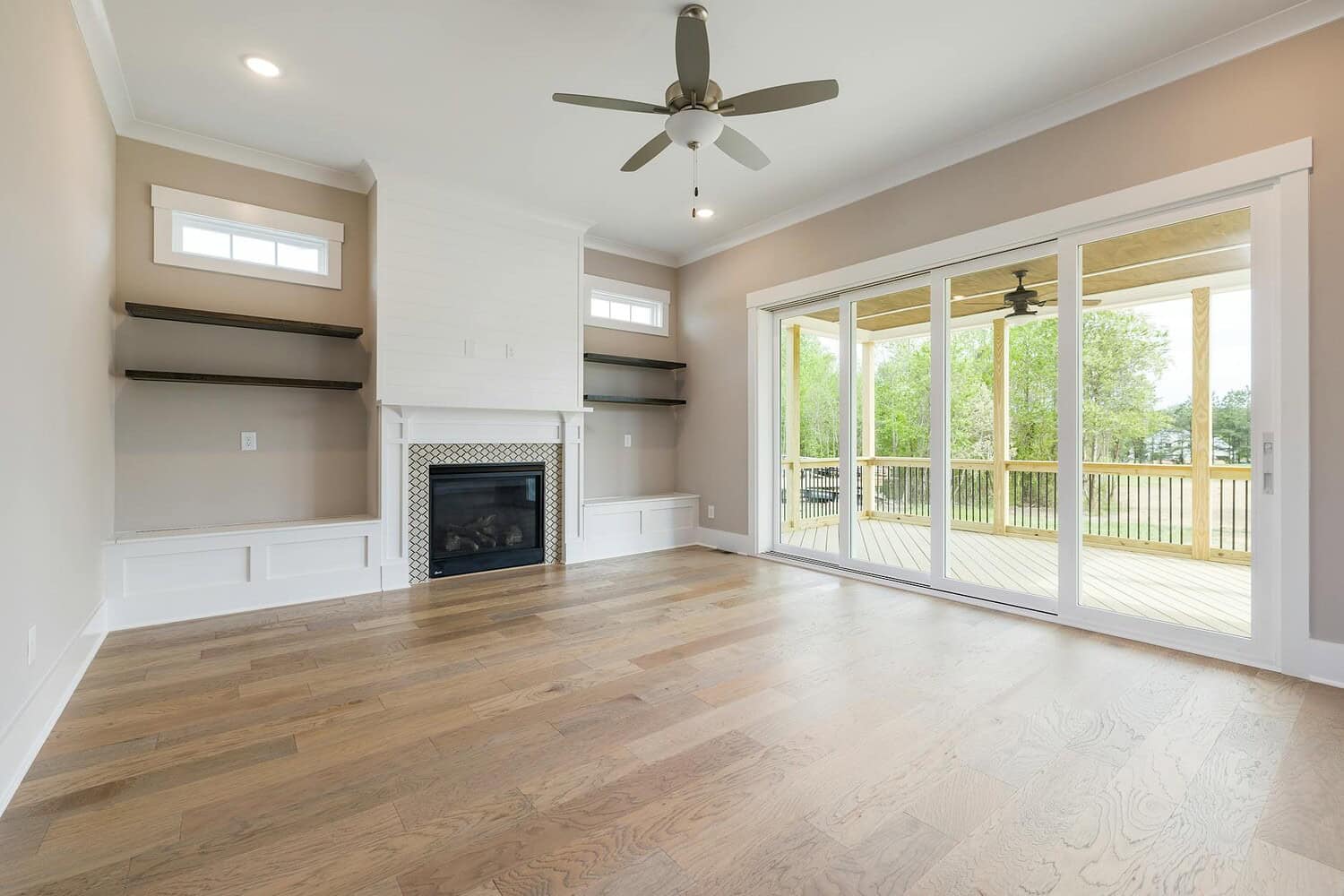
Ceiling fans are a simple way to increase comfort in your home. They help circulate air, making you feel cooler without actually lowering the temperature.
Running a ceiling fan allows you to raise your thermostat by about 4°F while still feeling comfortable. This can save you energy and keep your cooling costs down. Remember, fans cool people, not air. So, use them when you’re in the room and turn them off when you leave.
Run Large Appliances Like the Dishwasher at Night
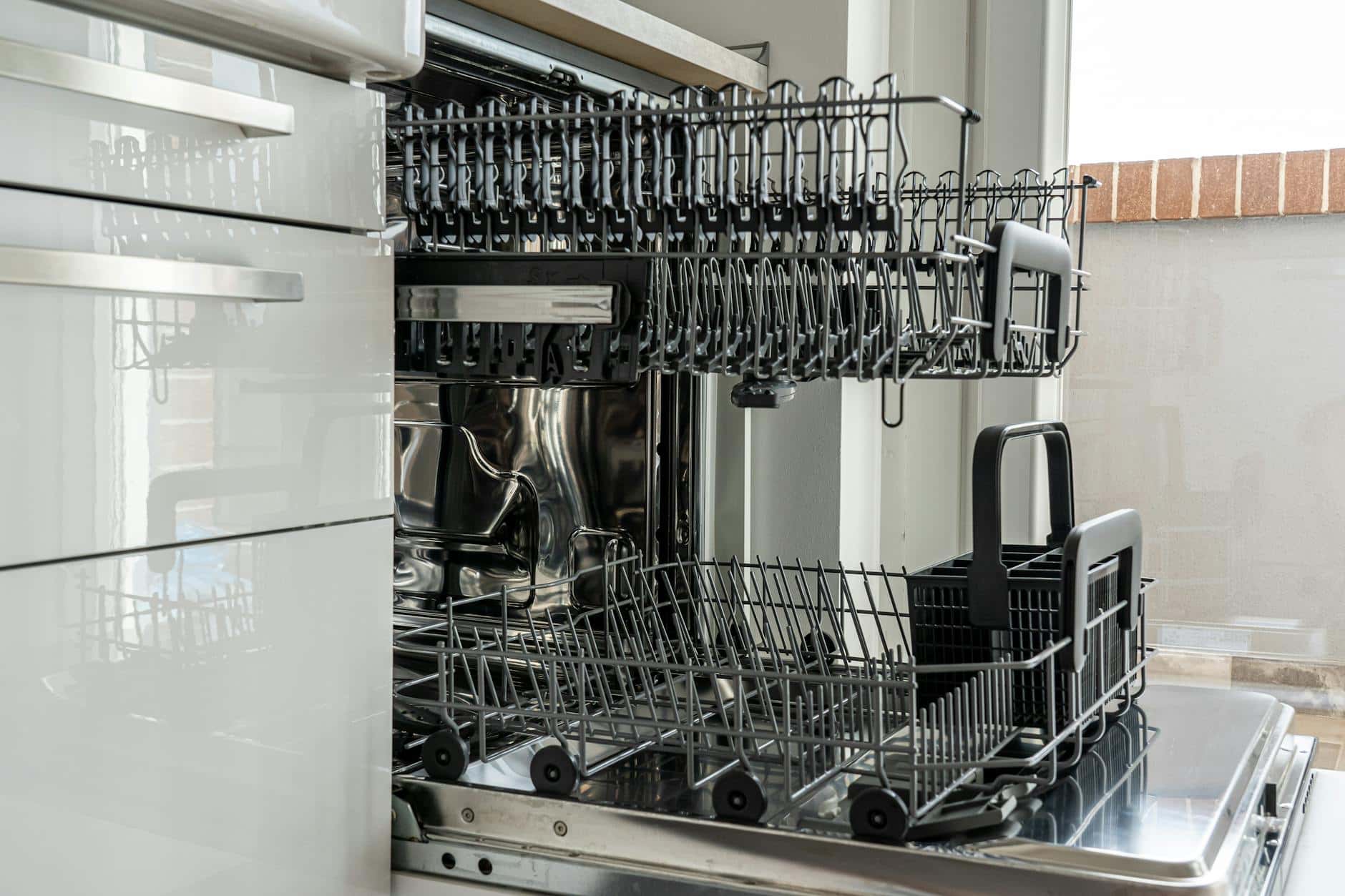
Running your dishwasher at night can save you money. Many energy providers charge less during off-peak hours, which usually include late evenings.
Plus, it helps reduce noise during the day when you might be more active at home. Set a timer or use a delay start feature to make it easy.
Switch to energy-saving LED bulbs
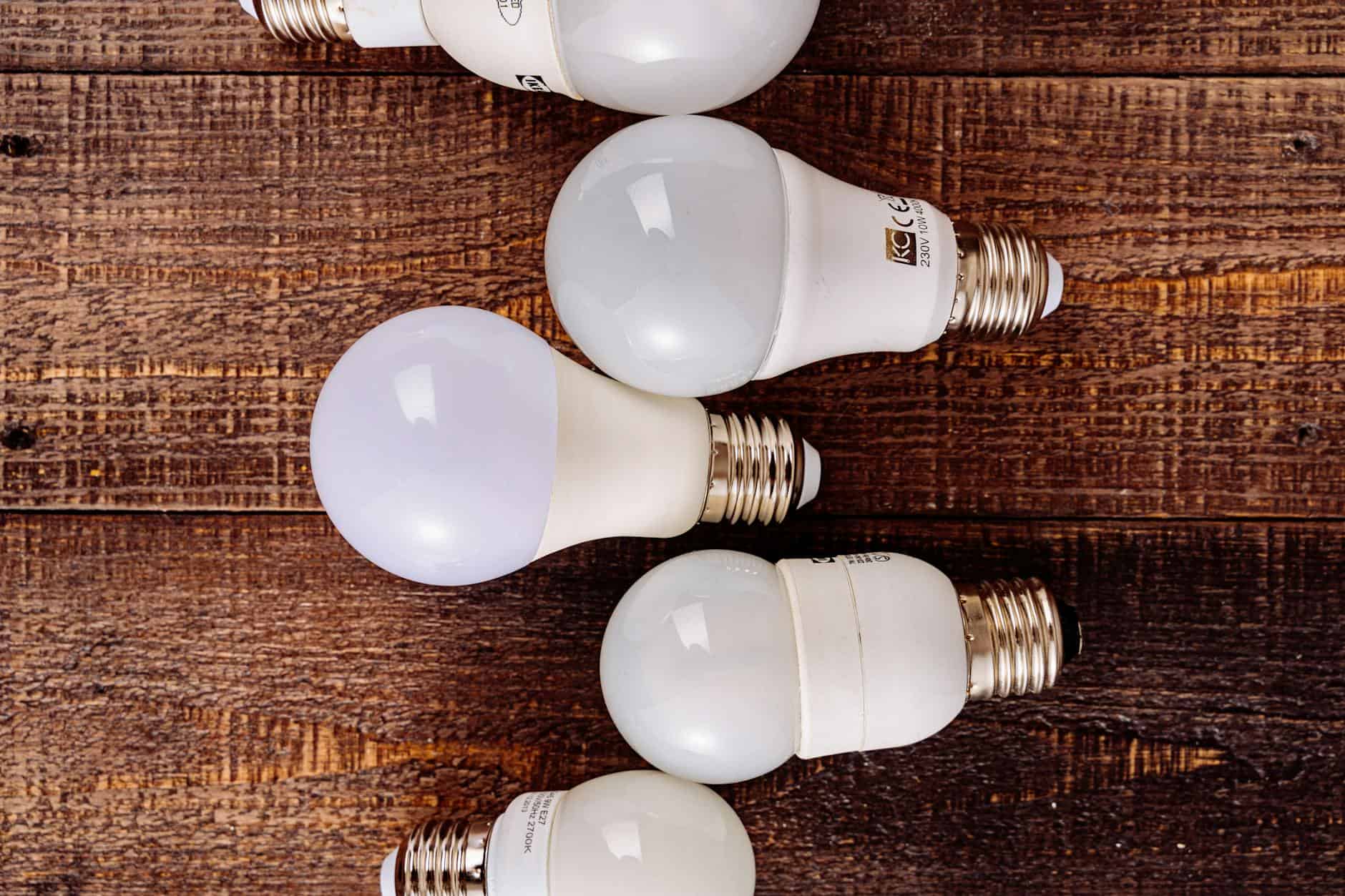
Switching to LED bulbs is an easy way to cut down on energy costs. These bulbs use up to 75% less energy than traditional incandescent bulbs.
Not only do they save energy, but they also last much longer. You’ll replace them less often, which means less hassle and more savings in the long run. Plus, the light quality is great!
Install a programmable thermostat
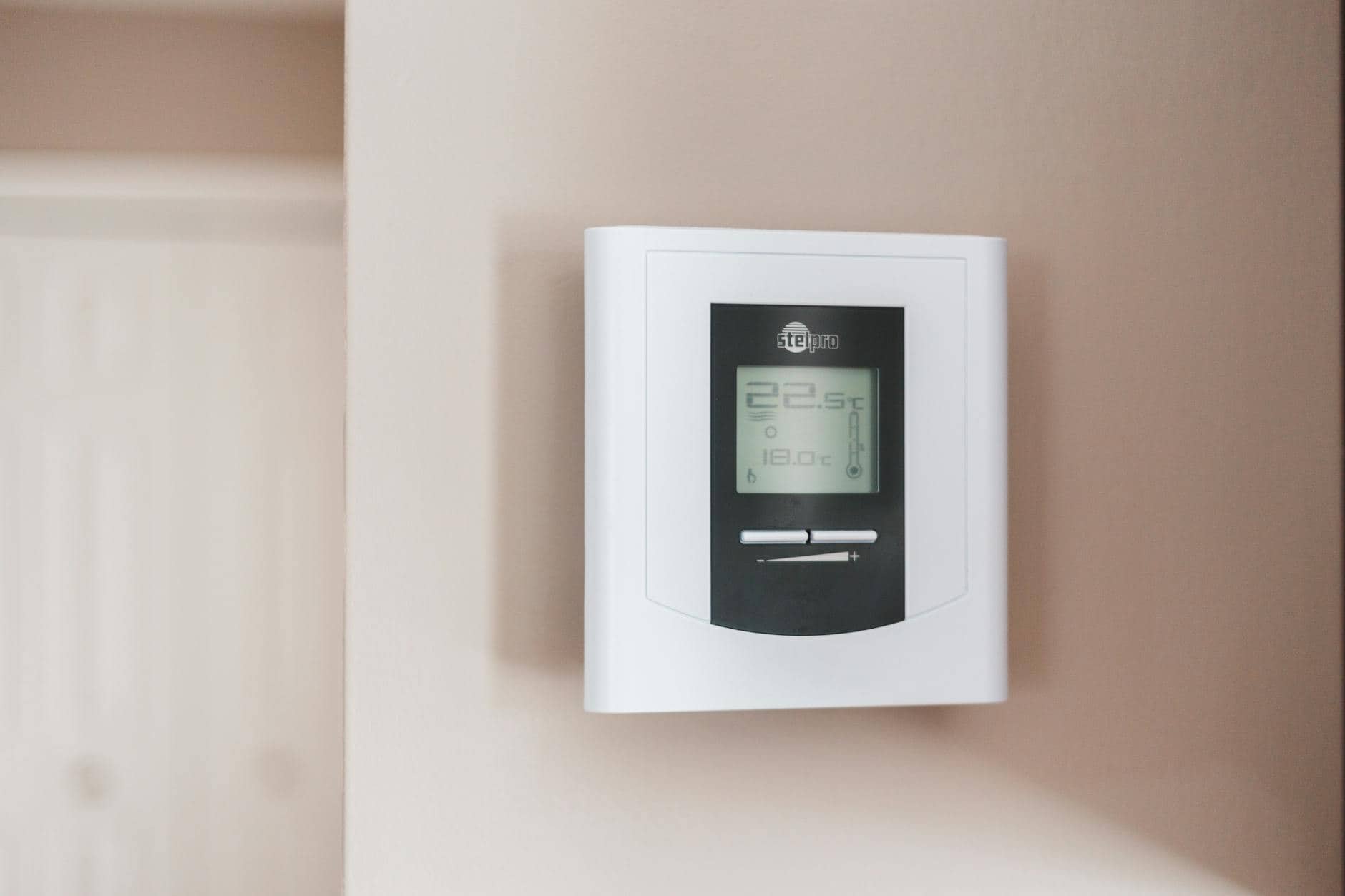
Installing a programmable thermostat is a smart move for your home. It lets you set different temperatures for various times of the day, so you’re not wasting energy when you’re out or asleep.
By adjusting the temperature automatically, you can save on heating and cooling costs. You could cut energy use by about 10% each year simply by setting it back when you’re not home. Plus, it adds convenience to your daily routine.
Use smart power strips to reduce standby power
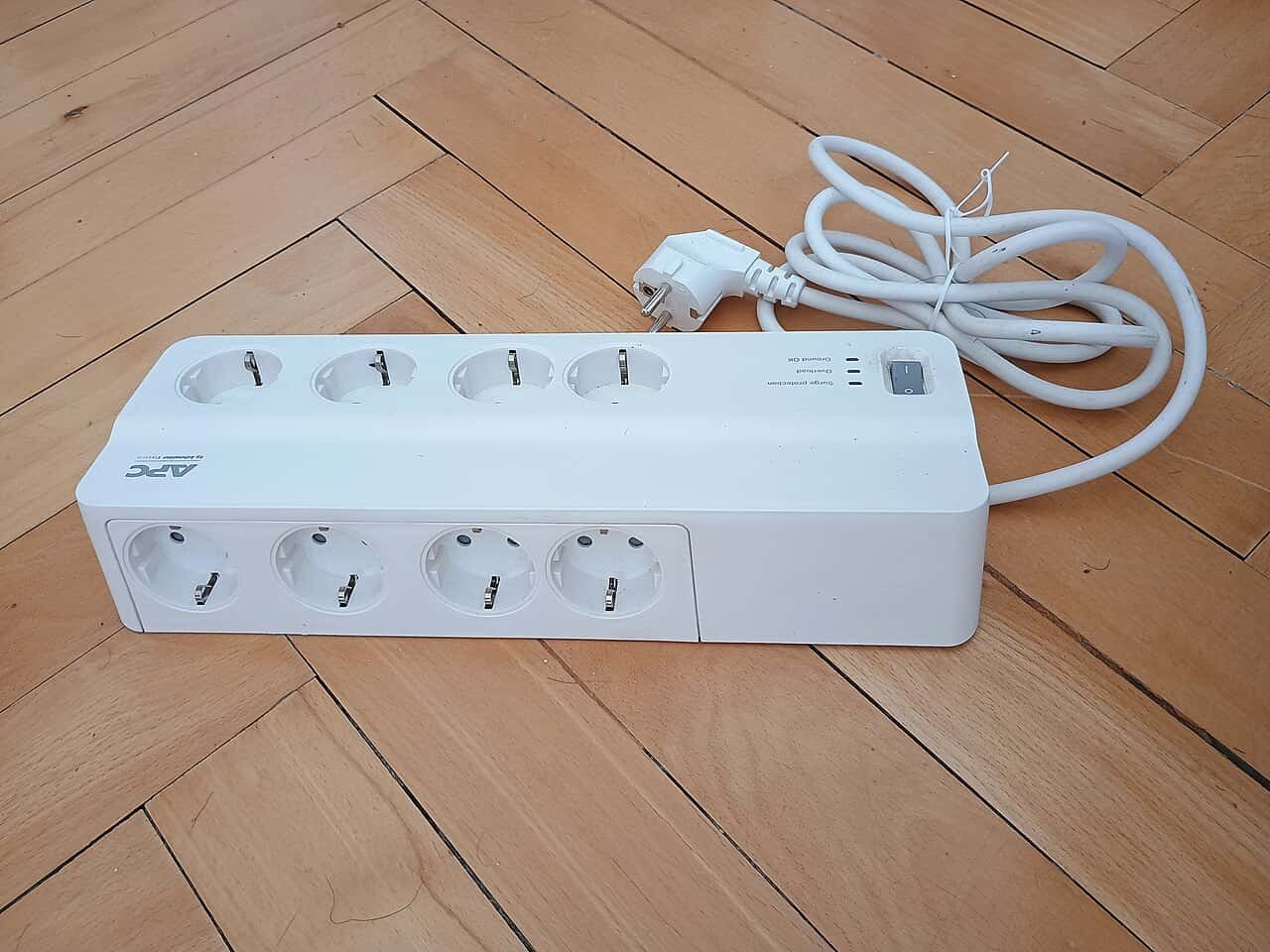
Smart power strips are a simple way to cut down on energy waste in your home. They can detect when devices are in standby mode and turn off power automatically.
This means no more phantom loads draining energy when your electronics aren’t in use. By using these strips, you can save on your electricity bill without making major upgrades. Plus, they’re easy to set up and convenient to use.
Apply weatherstripping to windows and doors
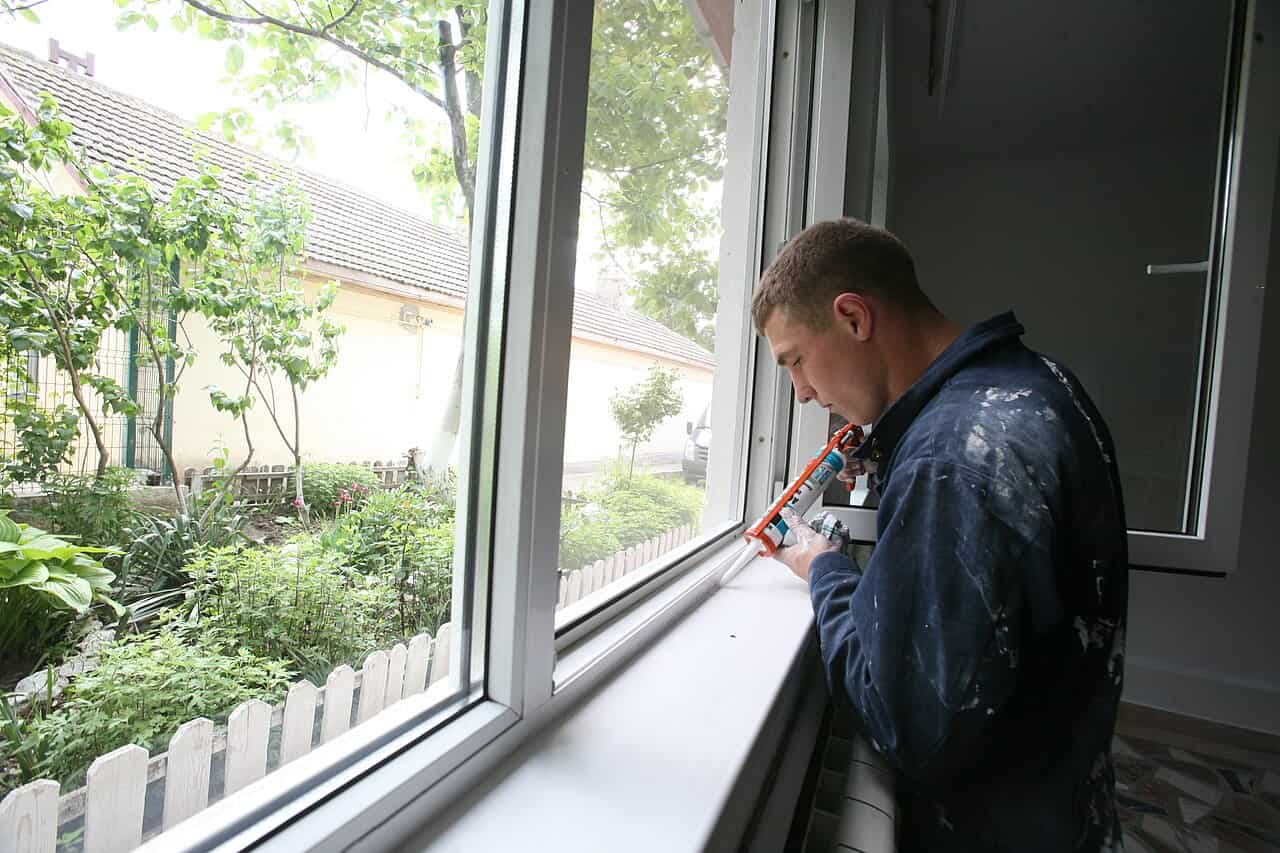
Adding weatherstripping to your windows and doors is a simple way to boost energy efficiency. It fills gaps that allow air to sneak in and out, keeping your home comfy year-round.
You can choose from various materials, such as foam, vinyl, or adhesive-backed strips. Installation is typically quick and easy, making it a perfect DIY project. With a little effort, you’ll notice a difference in your energy bills.