Growing your own vegetables can be an incredibly rewarding experience. Not only do you get the satisfaction of nurturing your plants from seed to mature plant, but you also get to enjoy the fruits (or veggies) of your labor. However, to maximize your yield and ensure a bountiful harvest, it’s crucial to plan your garden carefully. This post will guide you through the 8 steps to planning your vegetable garden for maximum yield.
1. Choose the Right Location

Your vegetable garden’s location can significantly affect its yield. Most vegetables need at least six hours of sunlight each day, so choose a spot that gets plenty of sun. Consider the quality of the soil as well – it should be well-draining to prevent waterlogged roots. For example, you might choose a slightly sloping spot or amend the soil with organic matter to improve its drainage.
Advertisement
Moreover, consider the convenience. You’ll need to water your plants, check them for pests, and harvest your crops regularly. Therefore, a location close to your house or a water source can make these tasks easier. Remember, a well-planned garden is not only productive but also easy to maintain.
2. Select Suitable Vegetables
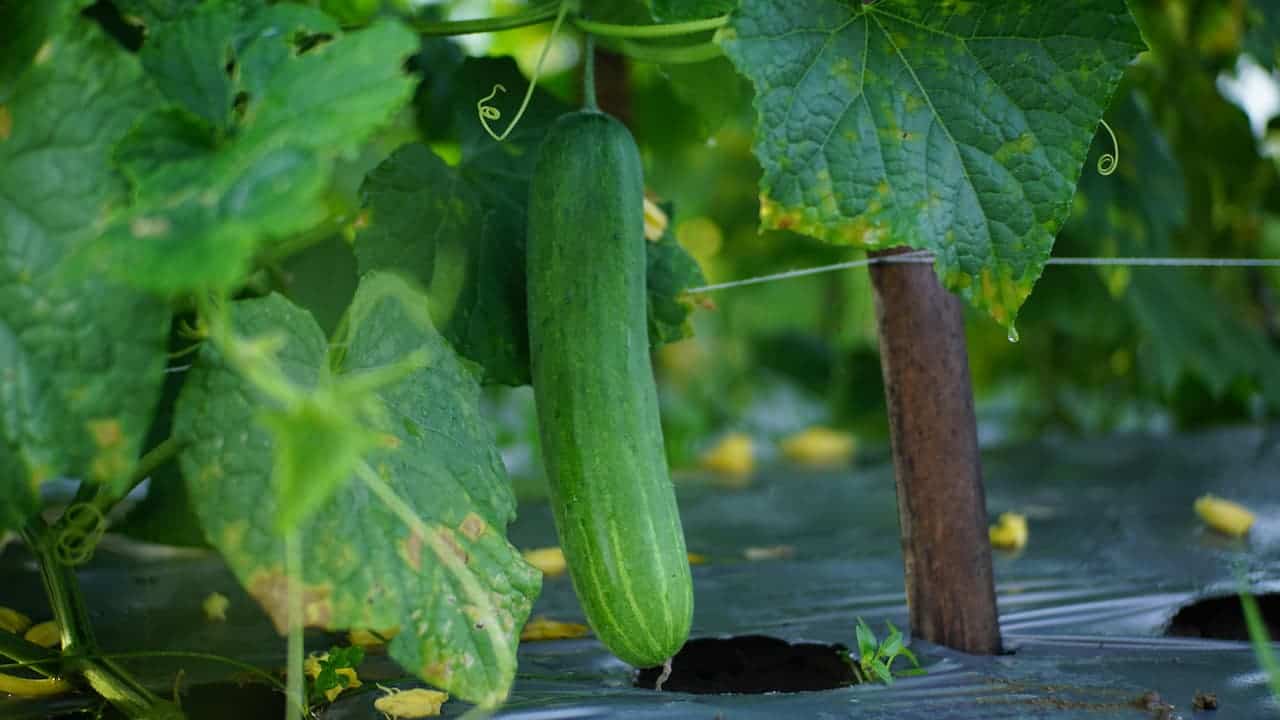
The choice of vegetables to grow is dictated by your taste preferences, the size of your garden, and your local climate. Some vegetables like tomatoes, peppers, and cucumbers require long, warm growing seasons. On the other hand, crops like kale, spinach, and peas can tolerate cooler temperatures.
Take time to research what vegetables grow best in your region and when to plant them. If you’re just starting, choose easy-to-grow vegetables like lettuce, radishes or zucchini. As you gain gardening experience, you can experiment with more diverse crops.
3. Plan Your Garden Layout

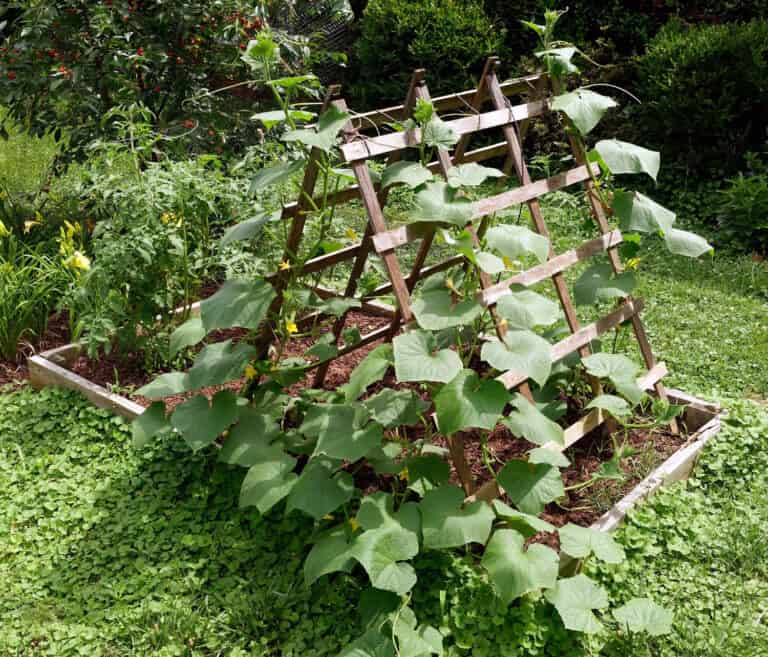
Once you’ve chosen your vegetables, it’s time to plan your garden layout. This is a crucial step because a well-planned garden can produce more vegetables than a haphazard one. There are several garden layout techniques you can use, such as row cropping, intensive cropping, or raised beds.
For example, in row cropping, plants are grown in a row with a walking path between each row, which is great for large vegetable gardens. On the other hand, intensive cropping is a method of growing vegetables closely together, which can increase yield and reduce weed growth. This method is ideal for smaller gardens.
4. Prepare Your Soil

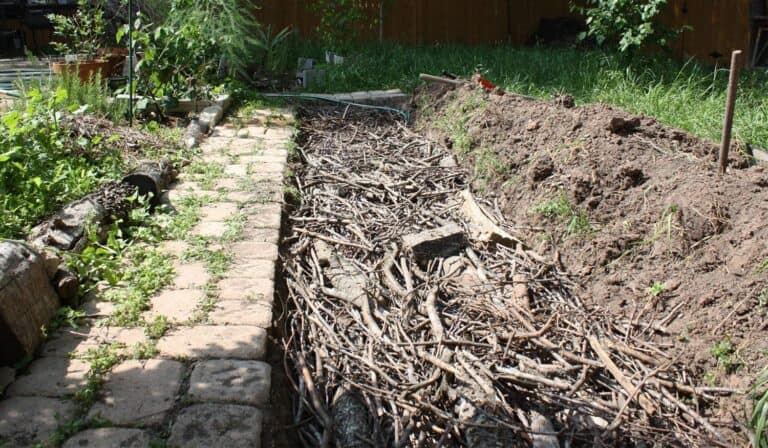
Good soil is the foundation of a productive vegetable garden. It should be rich in organic matter, well-draining, and have a balanced pH. You can improve your soil by adding compost or well-rotted manure, which will provide nutrients for your plants and improve soil structure.
In addition, consider having a soil test done to determine its pH and nutrient levels. This information can guide you in adjusting the soil conditions to suit the vegetables you plan to grow. For instance, if your soil is too acidic, you might need to add lime to raise the pH.
5. Plant at the Right Time

Timing is crucial when it comes to planting your vegetables. Plant too early, and your seedlings may be killed by a late frost. Plant too late, and your vegetables might not have enough time to mature before the first fall frost.
Use a planting calendar for your region to determine the best times to plant each vegetable. Also, remember to consider the length of your growing season. If it’s short, you might want to start some vegetables indoors or choose varieties that mature quickly.
6. Water Properly

Proper watering is key to a high-yielding vegetable garden. Most vegetables are not drought-tolerant and require regular watering to produce well. However, overwatering can lead to waterlogged soil and root diseases.
As a general rule, your vegetable garden should receive about an inch of water per week, either from rainfall or irrigation. The best time to water is early morning when evaporation rates are low. Also, consider using a drip irrigation system, which delivers water directly to the plant’s roots and minimizes water waste.
7. Manage Pests and Diseases

Pests and diseases can significantly reduce your vegetable garden’s yield if not properly managed. Common pests include aphids, slugs, and caterpillars, while diseases can range from fungal infections like powdery mildew to bacterial diseases like blight.
Monitor your garden regularly for signs of pests and diseases and take action as soon as you spot any problems. This might involve using organic or chemical pesticides, introducing beneficial insects that prey on pests, or practicing crop rotation to prevent disease buildup in the soil.
8. Harvest at the Right Time
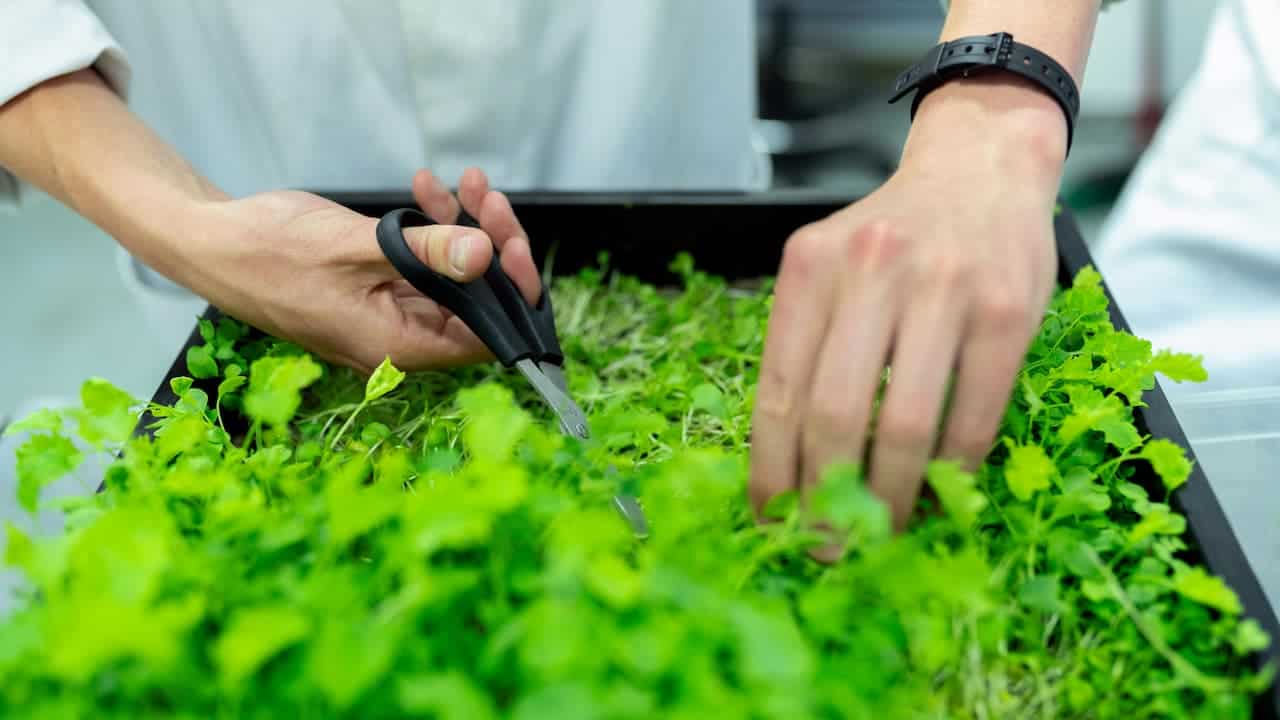
Lastly, to maximize your yield, it’s important to harvest your vegetables at the right time. Harvesting too early can result in underdeveloped vegetables, while harvesting too late can lead to overripe or spoiled produce.
Learn the signs of maturity for each vegetable you grow and harvest accordingly. For instance, zucchini should be harvested when they are about 6-8 inches long, while tomatoes should be picked when they are fully colored and slightly soft to the touch. Regular harvesting also encourages more production for crops like beans and cucumbers.
Good luck with your garden planning, and here’s to a bountiful harvest!