No matter how much you love your cat, you don’t want your whole house smelling like one. And yet, somehow, that smell just sticks. Maybe you clean the litter box religiously, but there’s still a lingering odor. Or maybe you’ve gone nose-blind to it, and a friend’s casual “Oh, you have a cat?” (before they even see one) makes you realize it’s worse than you thought.
The thing is, cat smells don’t just come from the litter box. Fur, dander, old accidents, and even the wrong cleaning habits can make odors hang around way longer than they should. If your house still smells like cat no matter what you do, chances are one of these reasons is to blame. The good news? Once you know the problem, fixing it is so much easier.
Advertisement
1. You’re Not Cleaning the Litter Box Enough
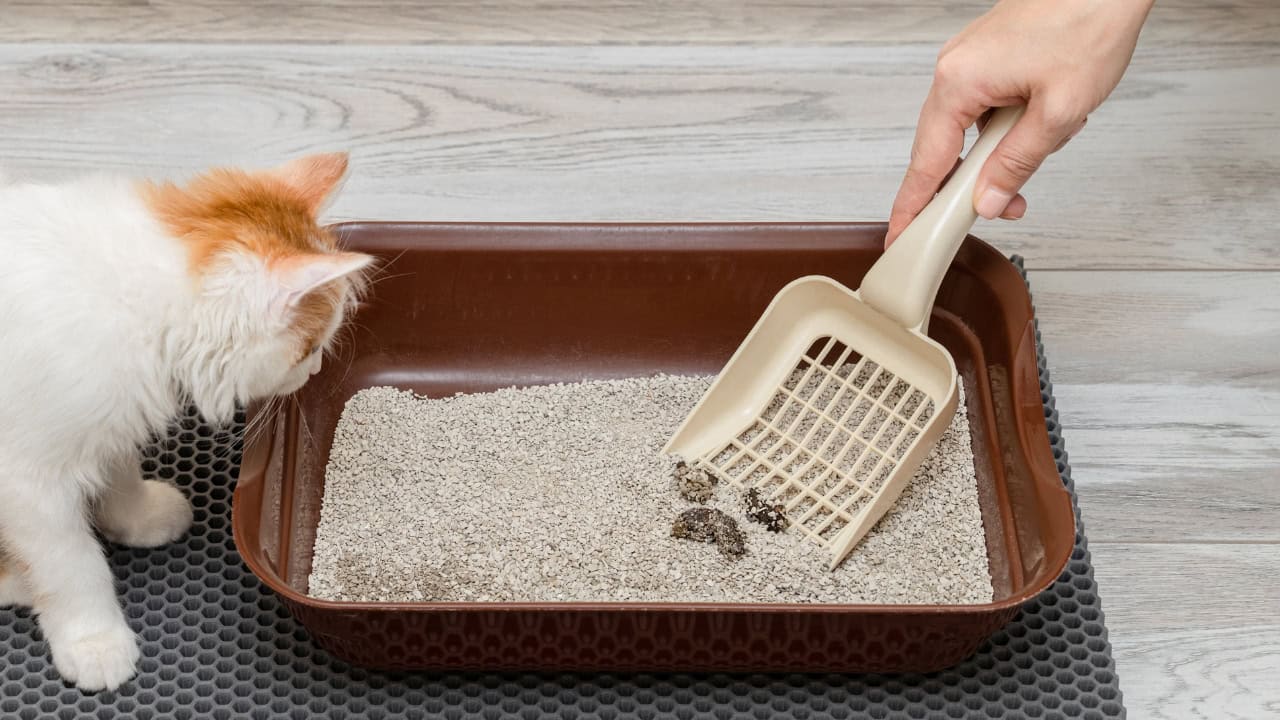
Even if you scoop every day, that box still holds onto smells. Urine soaks into the litter, and the longer it sits, the worse it gets. Plus, if you’re only topping off old litter instead of fully changing it, you’re basically just layering fresh litter over stink. Cats are picky, too—if the box smells bad, they might decide to go somewhere else.
Scoop at least once a day, no excuses. Fully dump the litter every week and scrub the box with warm water and mild soap. That plastic holds onto odors more than you think. If it’s been a while since you gave it a deep clean, that’s probably why your house still smells like cat.
2. The Litter You’re Using Stinks (Literally)
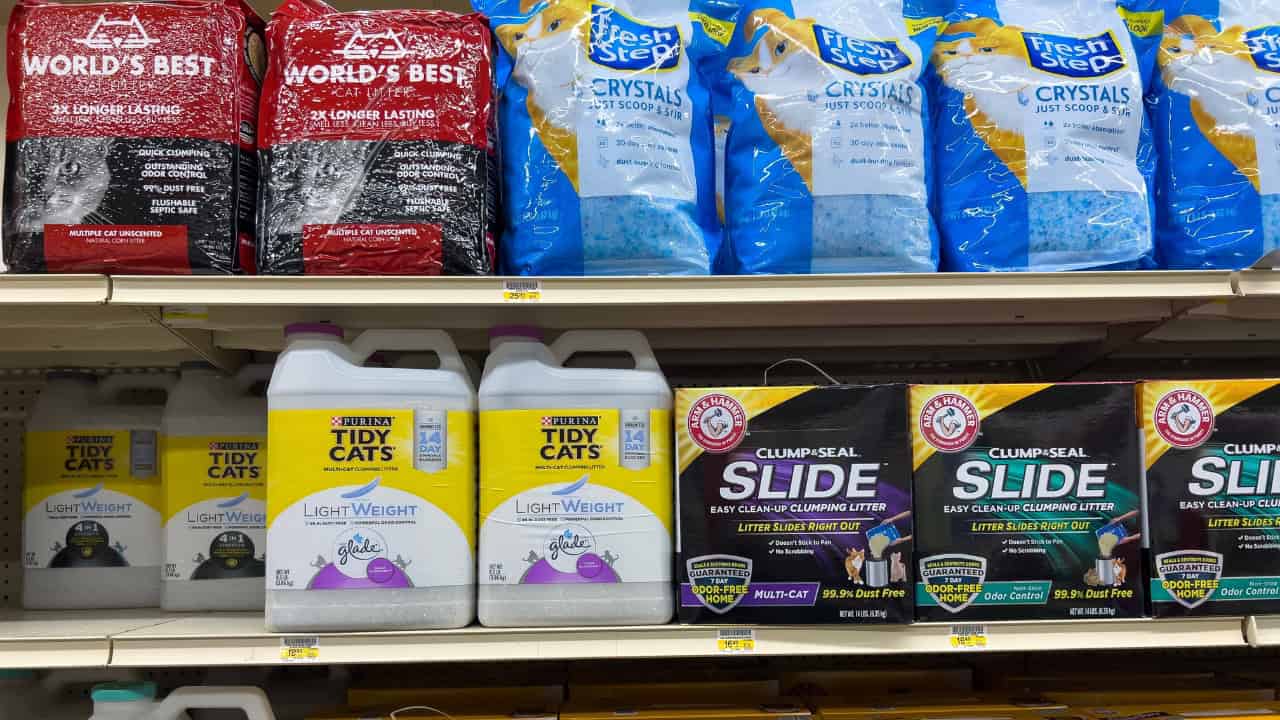
Not all litter actually traps odors. Some just let urine pool at the bottom, and scented litter? It usually just covers the smell instead of fixing it. And if your cat hates the perfume, they might start avoiding the box altogether, which only makes things worse.
Switch to a good clumping litter with odor control—look for something with activated charcoal or baking soda. Stick to unscented options since strong scents can be just as bad as cat pee. If you’re still using whatever litter was on sale, that might be your problem.
3. The Litter Box Itself Is the Problem
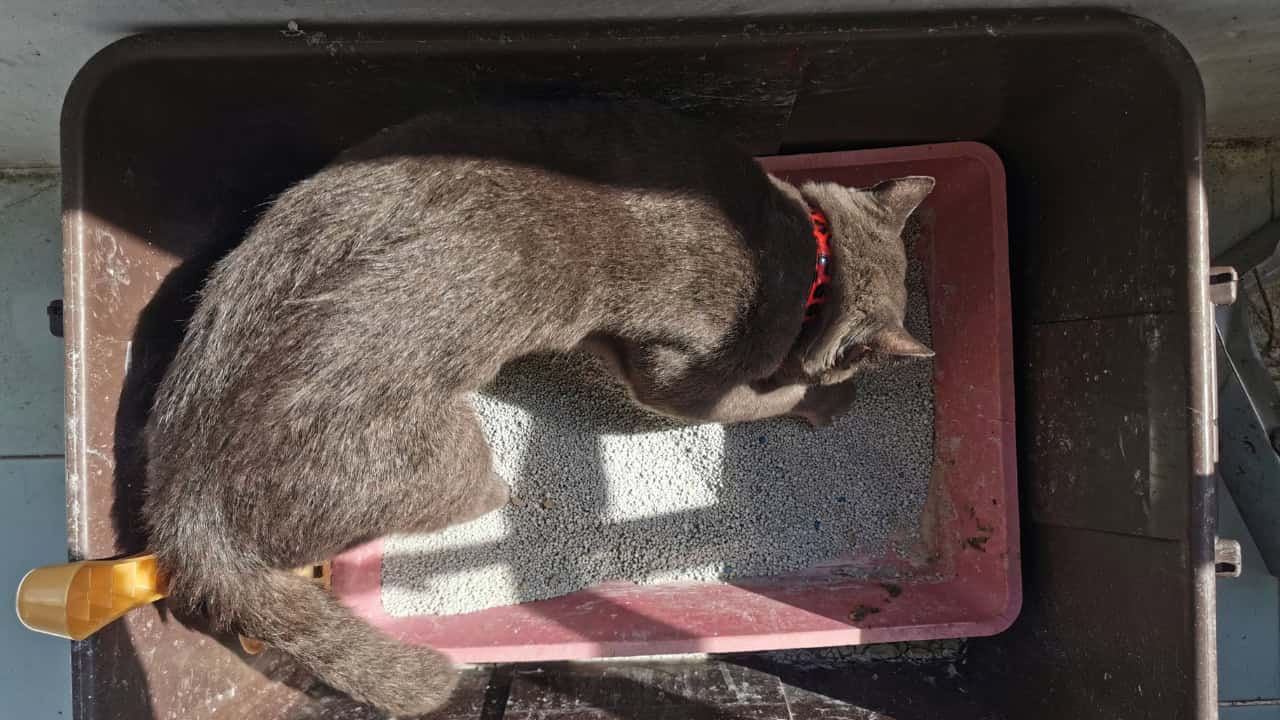
Even a clean litter box can smell if it’s old. Plastic absorbs odors over time, and if your cat has scratched up the inside, those tiny grooves hold onto bacteria. If you’ve had the same box for years, no amount of scrubbing will get rid of that smell.
Replace the box at least once a year. If it looks worn out or still smells even after cleaning, it’s time for a new one. Consider a stainless steel box since it won’t absorb odors. And if you’re using a covered box, make sure it actually has good ventilation—trapping moisture inside just makes everything worse.
4. Cat Pee Has Soaked Into Your Floors
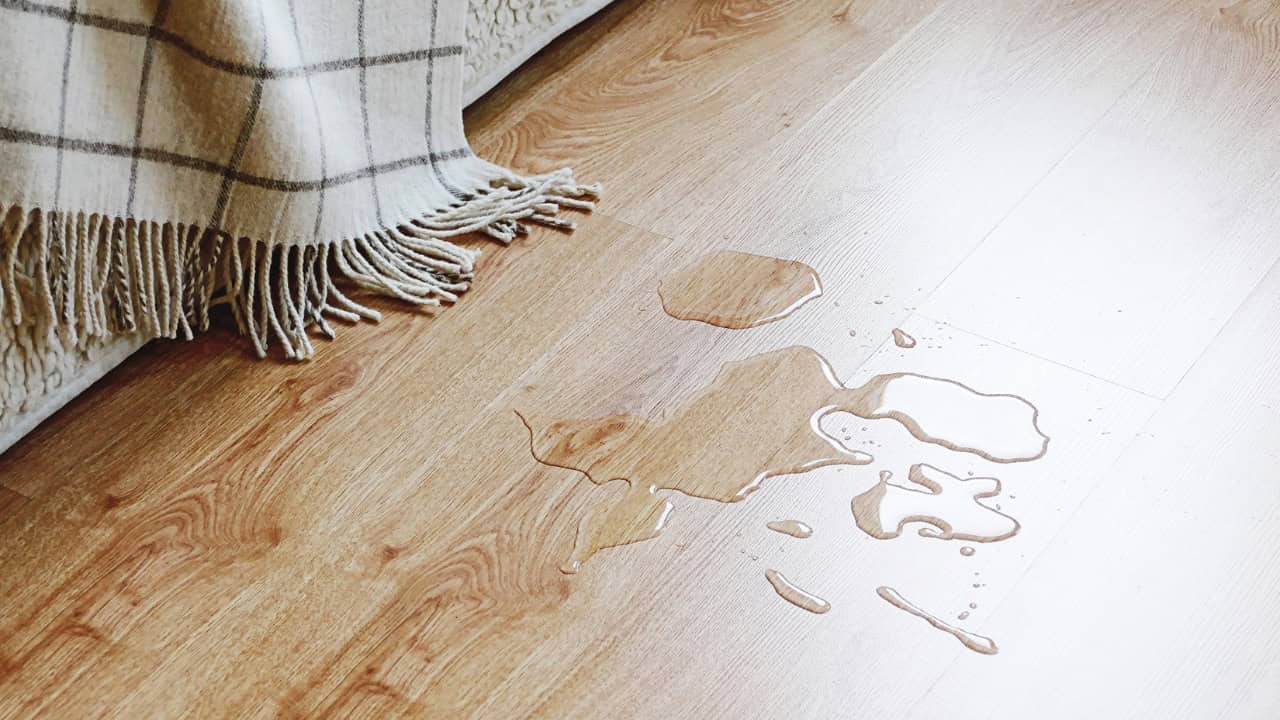
If your house still smells like cat even when the litter box is clean, chances are your cat has peed somewhere else. Carpets, rugs, and even hardwood floors can hold onto that smell forever if it’s not cleaned up the right way. Regular cleaning products don’t break down cat urine, so even if it looks clean, the smell might still be there.
Grab a blacklight and check for hidden spots—chances are, your cat has a favorite pee zone. Use an enzyme-based cleaner to actually break down the urine instead of just covering up the smell. If it’s really bad, you might need to deep clean carpets or reseal your floors. The sooner you deal with it, the less likely your cat will keep going back to the same spot.
5. Your Cat Is Marking Its Territory
If your house still smells like cat pee even when the litter box is spotless, your cat might be marking. This isn’t just a bad habit—it’s their way of claiming space, especially if they’re stressed or unneutered. Spraying is different from regular peeing, and the smell is way stronger. If you have multiple cats or recent changes in the house, that could be setting them off.
If your cat isn’t spayed or neutered, getting that done can help stop the spraying. Stress can also be a big trigger, so make sure they have plenty of safe spaces, scratching posts, and a consistent routine. If they’re still spraying, use an enzyme cleaner to remove every trace of scent—otherwise, they’ll just keep coming back to the same spot.
6. Your House Needs More Fresh Air
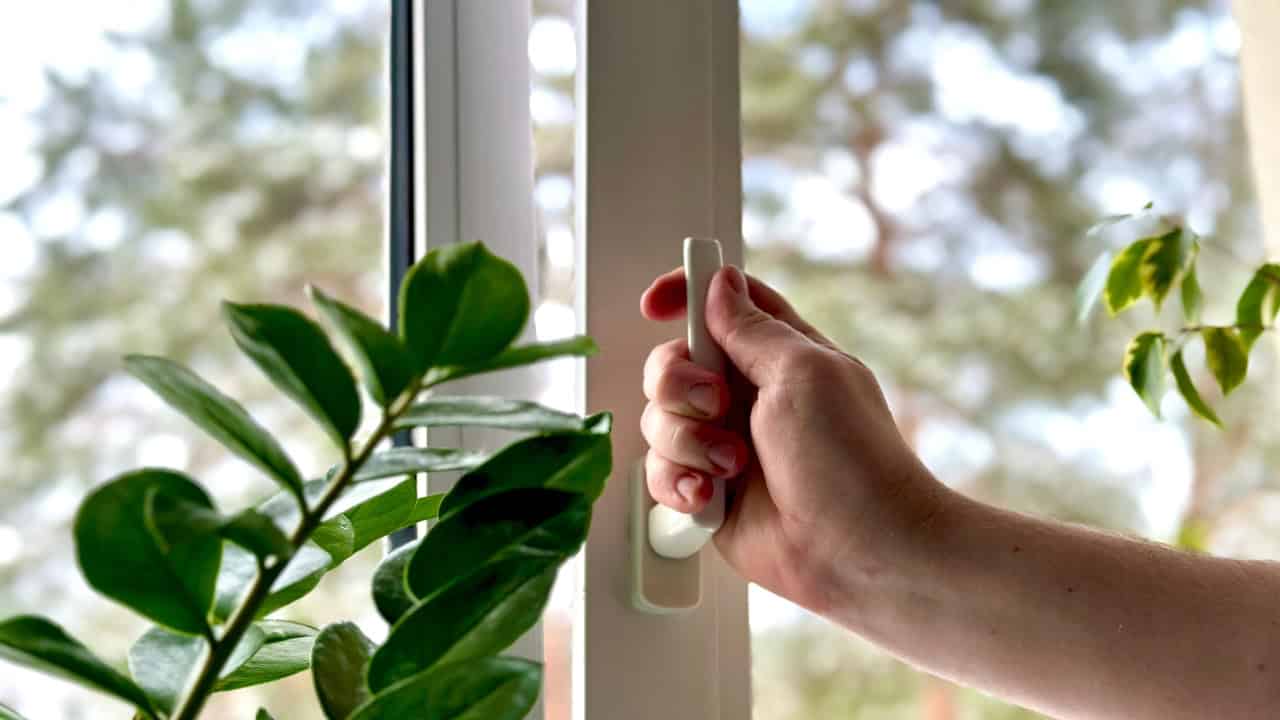
Cat smells can settle into your home if the air isn’t moving enough. Stale air traps pet odors, and if your windows stay shut most of the time, those smells just keep building up. Even if you clean regularly, poor air circulation makes everything feel stuffy and makes pet smells linger longer than they should.
Crack open some windows and let fresh air in whenever you can. If that’s not an option, a good air purifier with a HEPA filter helps pull pet dander and odors out of the air. Even running ceiling fans or placing a small fan near the litter box can help keep things from getting too stagnant.
7. Cat Hair Is Holding Onto the Smell
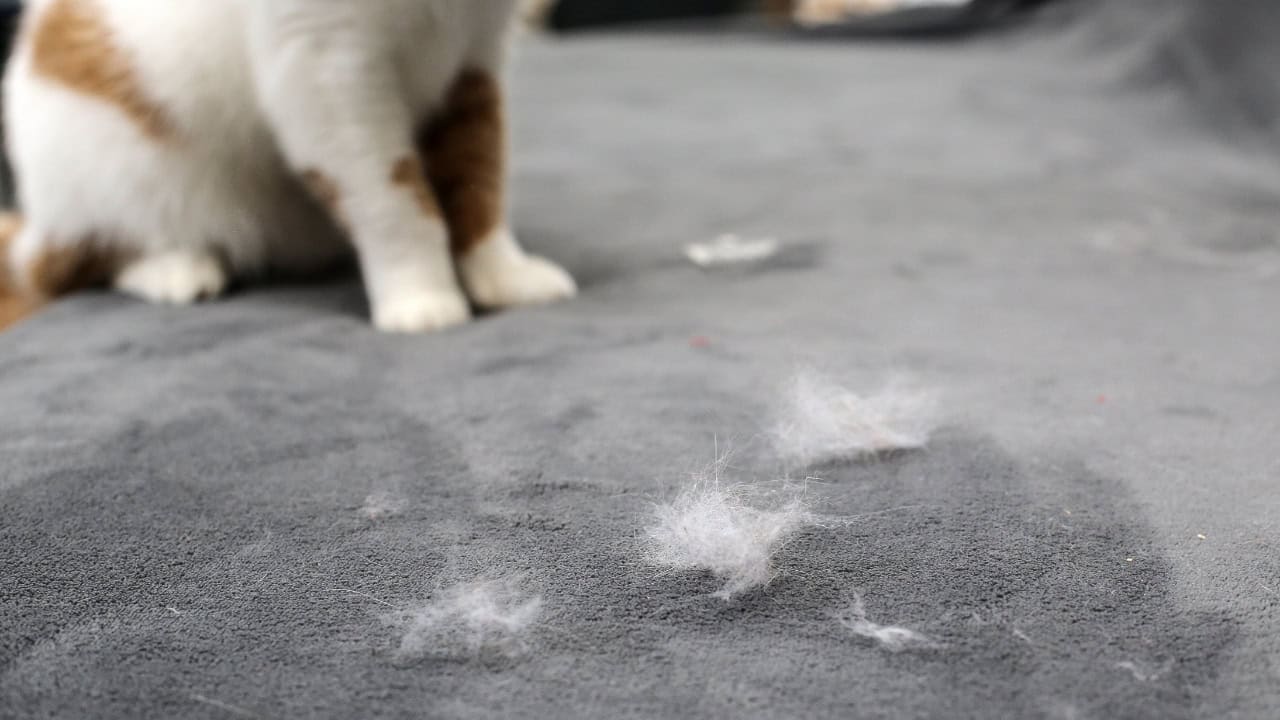
Your cat might not smell, but their fur and dander do. It gets stuck in carpets, couches, blankets, and even your clothes. Over time, those tiny hairs and skin flakes collect dust and odors, making everything smell a little… cat-ish. If you have soft surfaces all over the house, they’re probably holding onto more smells than you think.
Brush your cat regularly to cut down on shedding. Vacuum at least once a week—especially carpets, furniture, and anywhere your cat loves to nap. Wash pet beds, blankets, and even your couch cushions if possible. The more fur you get rid of, the less your house will smell like a cat lives there.
8. The Litter Box Is in a Bad Spot

Where you put the litter box matters. If it’s in a small, enclosed space with poor ventilation, smells will concentrate and get worse over time. Basements, closets, or bathrooms might seem like good spots, but moisture and lack of airflow can make the odor even stronger.
Keep the litter box in a well-ventilated spot where air can actually circulate. Avoid damp areas, since humidity makes smells stick around longer. If moving the box isn’t an option, try adding a small fan nearby to keep air moving and help odors from settling.
*This article was created with the assistance of AI.