That startled jump when you spot a snake in your garden is natural – we’ve all been there. But before you reach for that rake or call pest control, let me share some fascinating insights about why these slithering neighbors are actually wonderful allies for your yard.
These often-misunderstood reptiles play crucial roles in maintaining a healthy garden ecosystem, and having them around might be one of the best things for your outdoor space.
Advertisement
Natural Pest Control Specialists
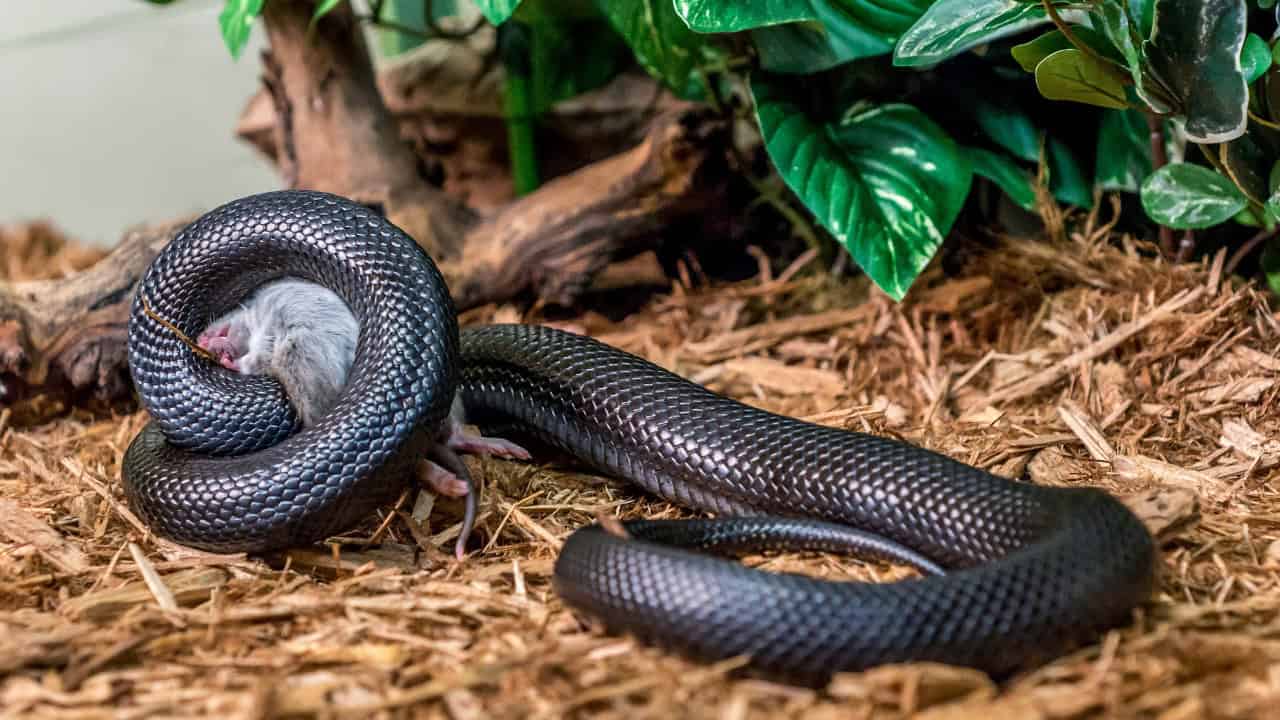
Snakes are nature’s pest control experts, targeting many of the creatures that can wreak havoc on your garden and home. Depending on the species, snakes feed on mice, rats, voles, and other rodents that can damage plants and potentially infiltrate your house.
A single snake can consume multiple rodents per week, providing more effective and chemical-free pest control than many commercial alternatives. This natural form of rodent management helps protect both your garden’s roots and your home’s foundation from destructive pests.
Most garden snakes can consume several mice per week, and considering that a single mouse can damage hundreds of plants in your garden, the protective value of these reptilian residents becomes clear. Their hunting patterns are particularly effective because they can follow rodents into their burrows, controlling populations at the source.
Guardians of Your Garden
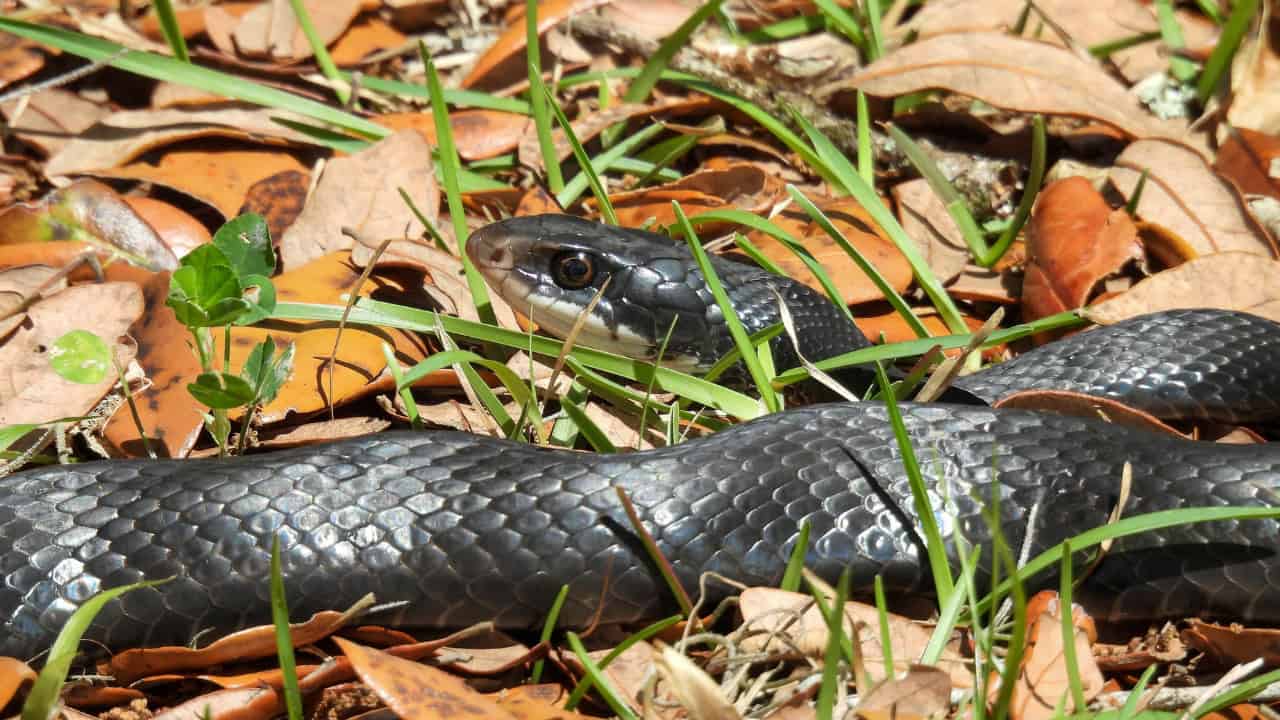
Beyond rodent control, many snakes have a taste for slugs, snails, and various insects that can devastate your plants. Garden snakes often feed on cutworms, grubs, and other harmful insects that attack your vegetables and flowers. This natural pest management helps maintain the health of your garden without the need for pesticides.
What’s particularly impressive is their ability to access areas of your garden that might be difficult to treat with conventional pest control methods. Some species of garden snakes are especially adept at controlling soft-bodied pests like slugs and caterpillars that can decimate young plants overnight. Their presence creates a natural deterrent effect, as many pest species will avoid areas where they detect snake activity.
Indicators of a Healthy Ecosystem
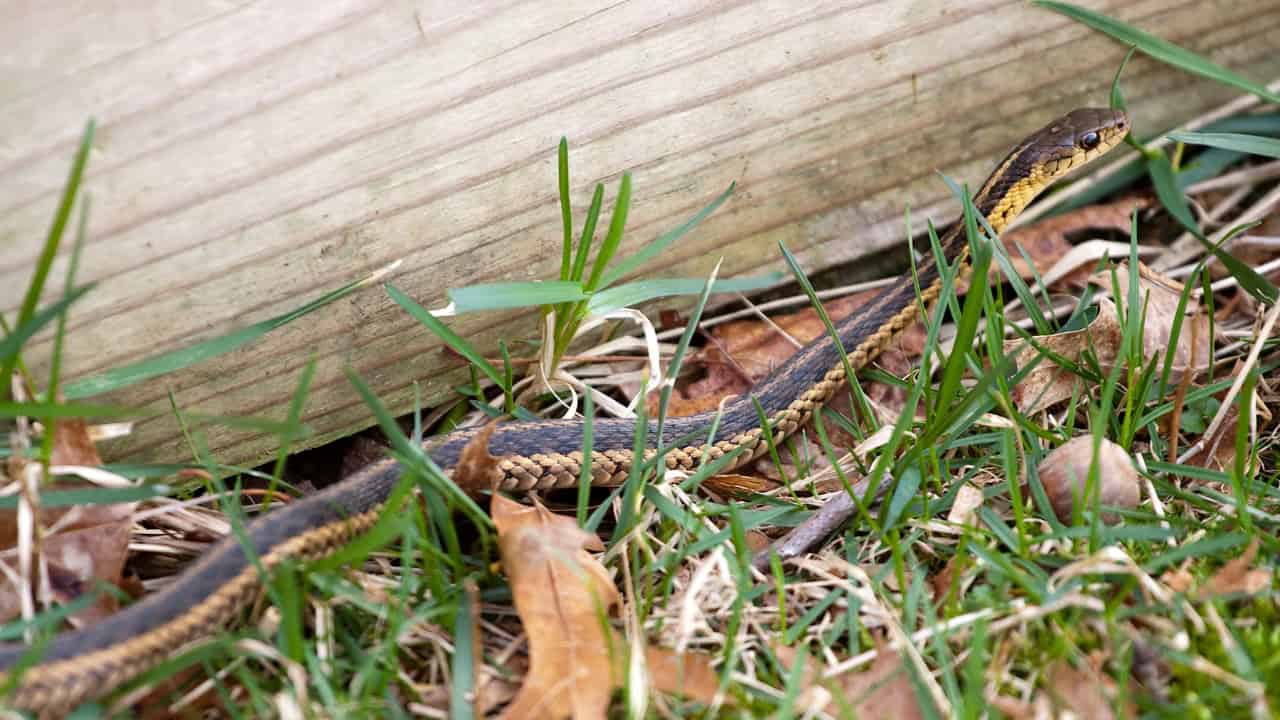
The presence of snakes in your yard is actually a positive sign – it indicates a balanced and thriving ecosystem. Snakes require specific habitat conditions and a reliable food source to survive, so their presence suggests your yard has achieved a healthy balance of various species. This biodiversity is crucial for maintaining a sustainable garden environment where beneficial insects, birds, and other wildlife can thrive alongside your plants.
When snakes choose to make your yard their home, it means you’ve created an environment that supports a complete food web, from the smallest insects to top predators. Garden snakes are particularly sensitive to environmental changes and chemical contamination, so their continued presence is a reliable indicator that your yard maintains the natural conditions necessary for a thriving ecosystem. Think of them as a living litmus test for your garden’s overall health.
Natural Balance Maintainers
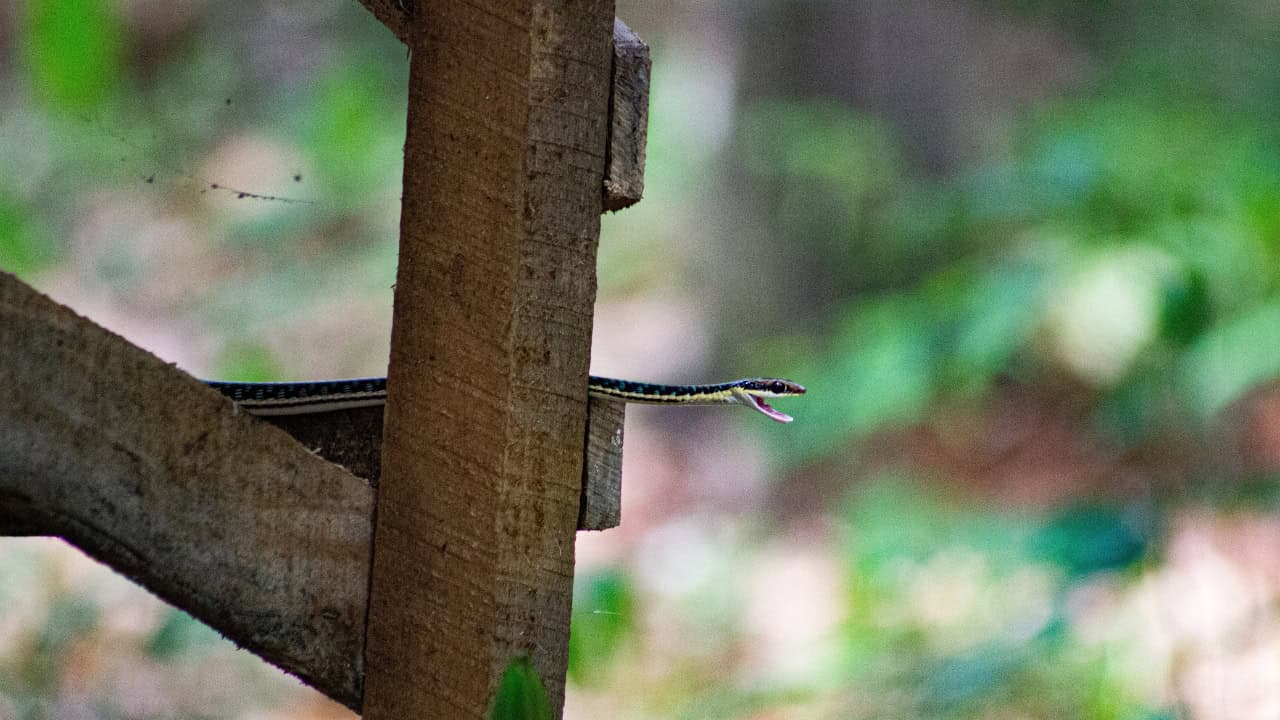
Snakes play a vital role in maintaining population balance among various species in your yard. By controlling rodent and insect populations, they prevent any single species from becoming too numerous and causing damage to your garden. This natural balancing act helps maintain a stable ecosystem where all species, including your garden plants, can thrive without any one population becoming problematic.
What’s particularly fascinating is how snakes adjust their hunting patterns based on prey availability, naturally focusing on whatever species is most abundant at the time. This self-regulating system is far more effective than human intervention, as snakes can respond to population changes much more quickly than we can observe them. Their presence helps prevent the boom-and-bust cycles of pest populations that can be so devastating to gardens.
Soil Health Contributors
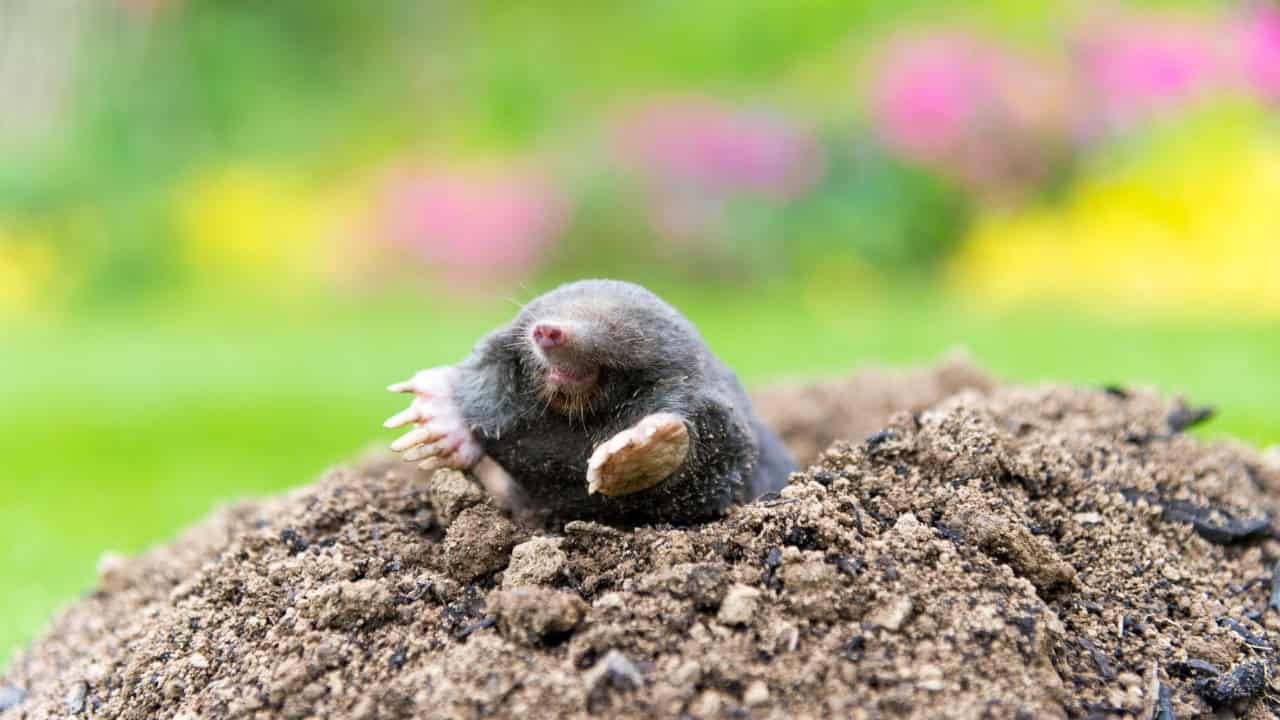
While not directly involved in soil maintenance, snakes contribute significantly to soil health through their hunting activities. By controlling populations of burrowing rodents that can disrupt root systems and soil structure, snakes help maintain the integrity of your garden’s soil. Their presence affects the entire soil food web – when snakes keep certain pest populations in check, it allows beneficial organisms like earthworms and soil microbes to flourish.
The reduced need for chemical pesticides also means healthier soil biology overall. Additionally, the burrows and tunnels created by snakes’ movement can improve soil aeration and water penetration, particularly in compacted soils. These natural channels become important pathways for root growth and water movement, contributing to better soil structure and plant health.
Beneficial to Local Wildlife

Snakes are an integral part of the food web, serving as both predator and prey in a complex ecological network. They provide food for many beneficial birds, including hawks and owls, which in turn help control rodent populations. This interconnected relationship helps maintain a diverse wildlife population in your yard, contributing to a more resilient and self-sustaining ecosystem. Beyond their role as prey, snakes also influence the behavior of other wildlife in beneficial ways.
Their presence can deter pest species from establishing themselves in your yard, while simultaneously attracting other beneficial predators. The diversity of wildlife that snakes help support also contributes to better pollination, seed dispersal, and overall garden health. Even the mere presence of snakes can create what ecologists call a “landscape of fear” that helps regulate pest behavior without direct predation.
Natural Aerators
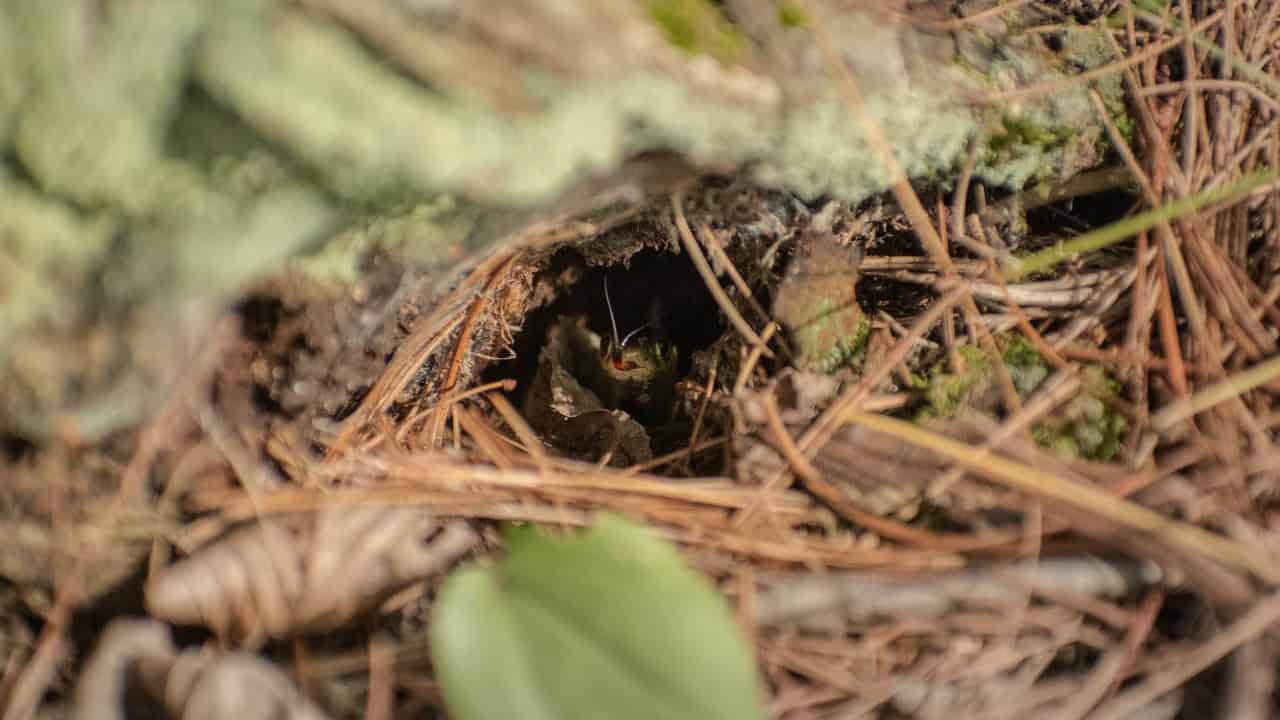
Through their movement and hunting activities, snakes help aerate soil and maintain healthy ground conditions in ways that are uniquely beneficial. As they pursue prey through existing burrow systems, they help maintain these natural channels in the soil, which can improve drainage and root growth conditions for your plants. Unlike mechanical aeration, which can be disruptive and needs to be repeated regularly, snake activity provides continuous, gentle soil maintenance.
Their movement patterns are particularly beneficial in compacted soils, where they create natural pathways for water infiltration and root growth. These channels also become highways for beneficial soil organisms like earthworms and helpful insects, further enhancing soil health. The network of tunnels they maintain helps prevent soil compaction and promotes better gas exchange in the root zone.
Educational Opportunities
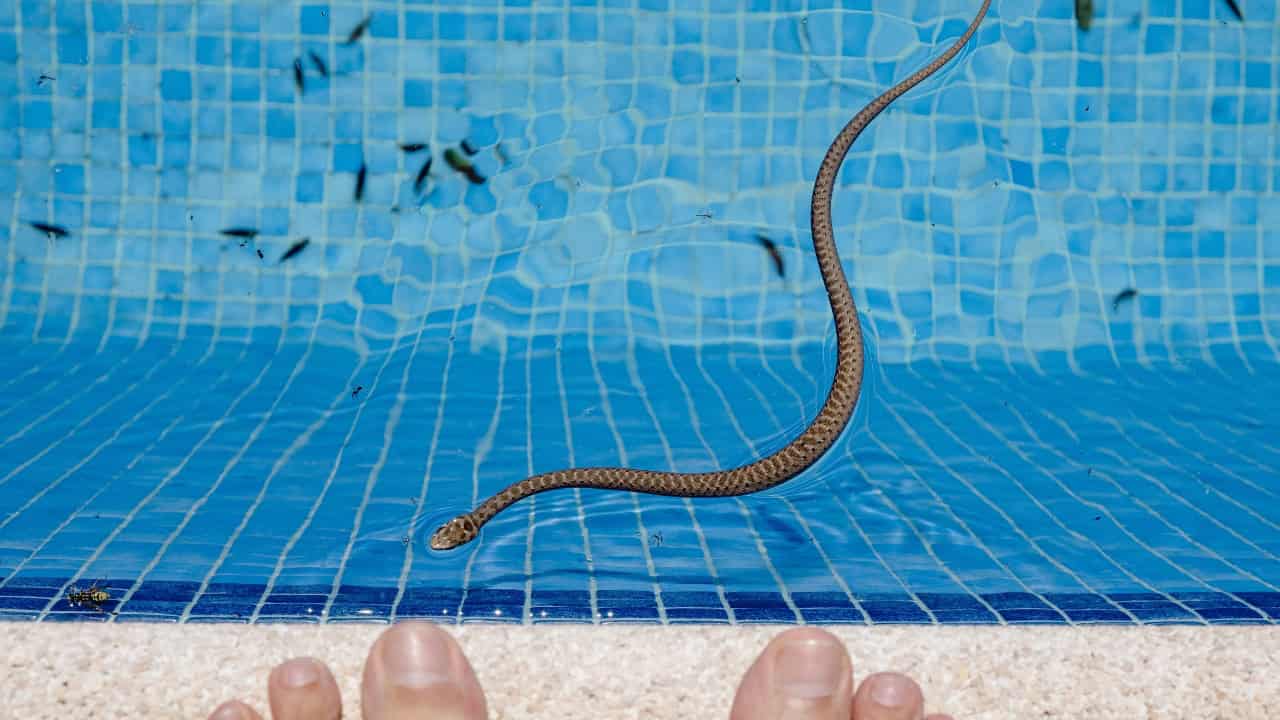
Having snakes in your yard provides invaluable opportunities to teach children and adults alike about nature, ecosystems, and the importance of biodiversity. Observing snakes from a safe distance can help people develop an appreciation for wildlife and understand the interconnectedness of different species in nature. These real-world encounters offer chances to learn about snake behavior, identification, and their ecological roles in ways that no textbook can match.
Children, in particular, can develop important critical thinking skills as they learn to distinguish between harmless garden snakes and species to avoid. These experiences often lead to broader discussions about conservation, habitat preservation, and the importance of maintaining backyard biodiversity. Such firsthand exposure to wildlife can foster a lifelong interest in nature and environmental stewardship.
*This article was created with the help of AI.