# 8 Organic Vegetable Gardening Methods for Healthy Crops
In this day and age, more and more people are realizing the importance of eating fresh, organic foods for healthier bodies and a more sustainable environment. Growing your own organic vegetables at home is an effective way to ensure you’re eating the freshest, most nutritious food possible. But how do you go about growing organic vegetables? This post will outline 8 organic vegetable gardening methods that can help you grow healthy crops, and get the most out of your home garden.
Advertisement
1. Soil Preparation

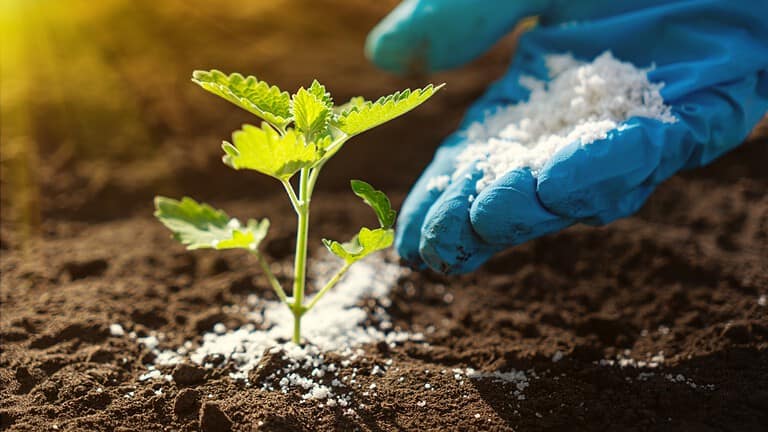
The foundation of every thriving garden is healthy, fertile soil. Organic gardening places heavy emphasis on creating a rich, living soil ecosystem. Start by enriching your soil with organic matter like well-rotted compost or manure. These materials improve soil structure, boost nutrient content, and stimulate beneficial microbial activity.
Add natural fertilizers like bone meal, blood meal, or fish emulsion to provide essential nutrients. Regularly test your soil’s pH and nutrient levels to ensure it’s in optimal condition. If necessary, adjust the soil’s pH using organic substances like lime (to raise pH) or sulfur (to lower pH).
2. Companion Planting
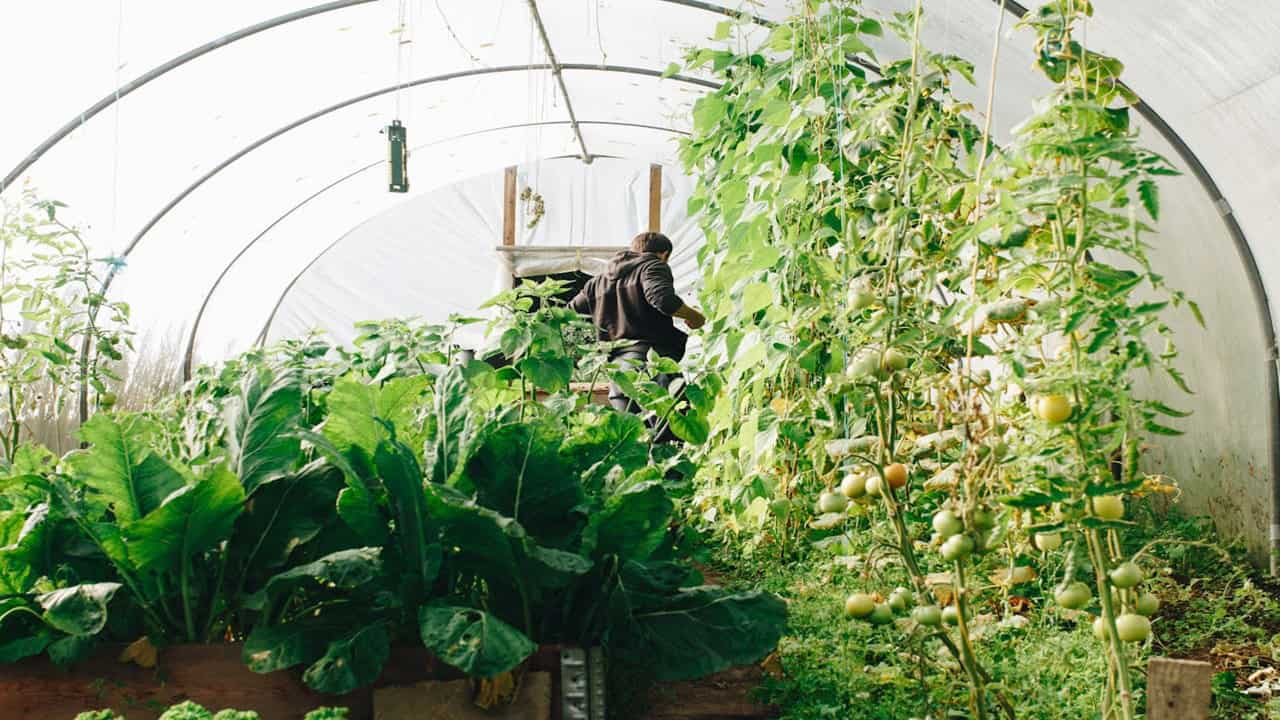
Companion planting is an organic gardening technique where certain plants are grown together for mutual benefit. For instance, marigolds can be planted near tomatoes to deter harmful nematodes. Likewise, beans, which fix nitrogen in the soil, can be planted with corn, which needs high levels of nitrogen.
Companion planting not only enhances crop yield but also aids in pest control and disease prevention. It can even improve the flavor of certain vegetables. For example, planting basil alongside tomatoes is said to enhance the flavor of both.
3. Natural Pest Control
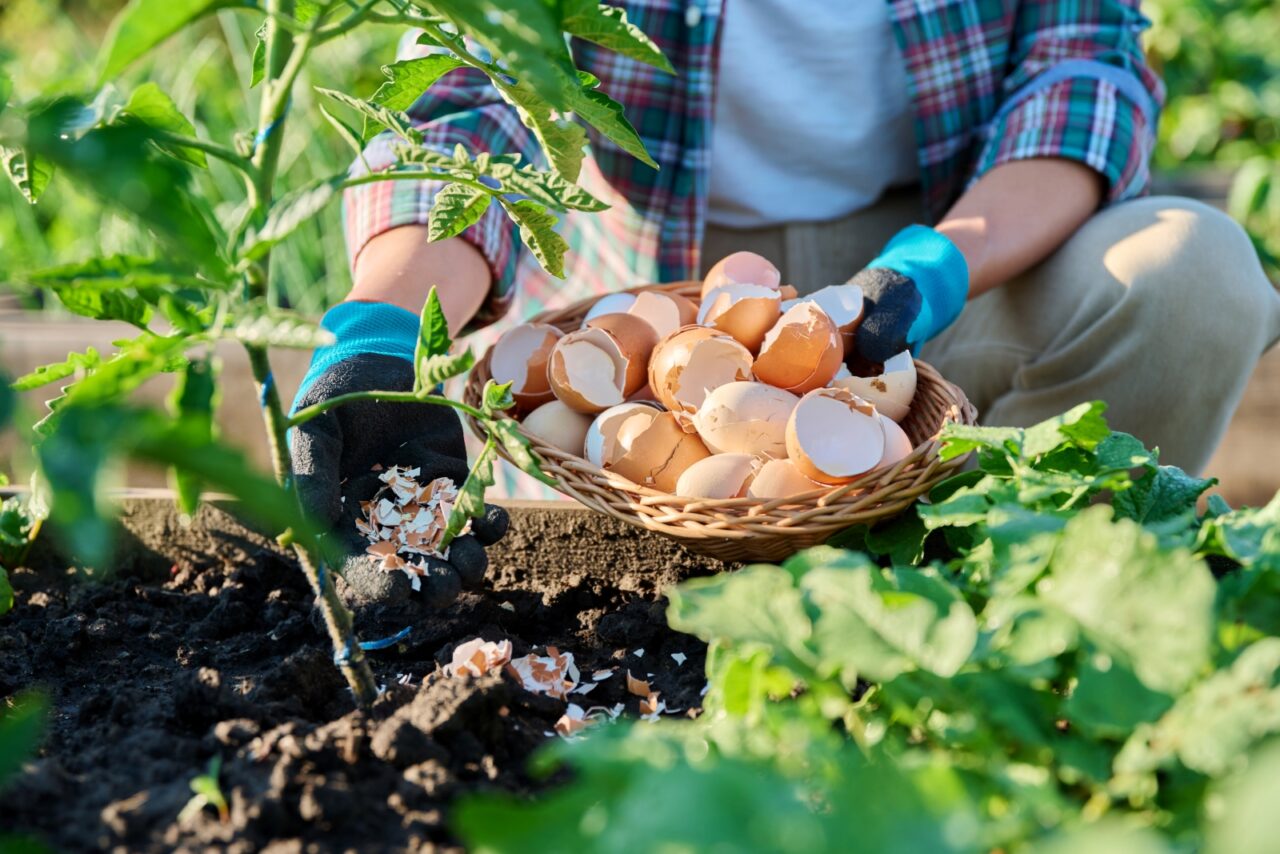
Organic gardening avoids synthetic pesticides, opting for natural methods of pest control. You can attract beneficial insects, like ladybugs and lacewings, that prey on harmful pests by planting flowers like marigolds or daisies in your vegetable garden.
Another organic method is to use homemade sprays made from ingredients like garlic, hot peppers, or soap. These sprays can deter pests without harming beneficial insects or contaminating your vegetables with harmful chemicals.
4. Crop Rotation
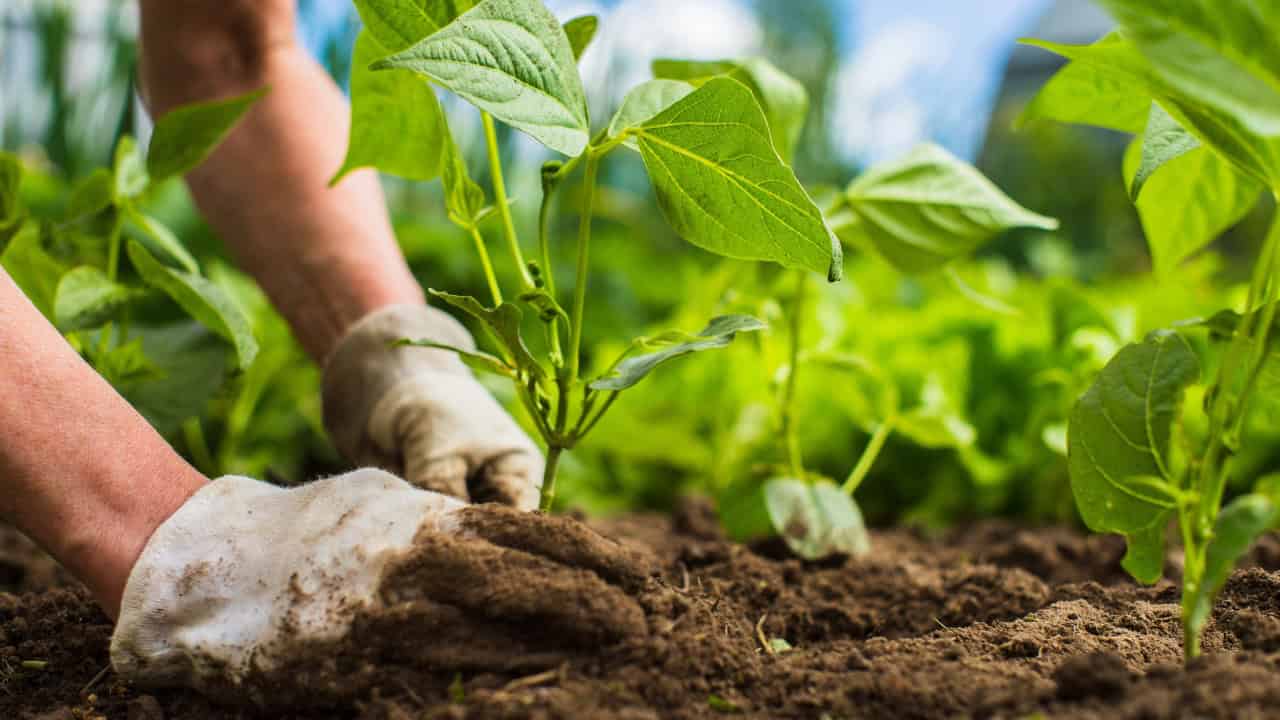
Crop rotation is an ancient technique that remains vital in organic gardening. It involves changing the location of your crops each year to prevent soil-borne diseases and pests from becoming established.
Crop rotation also helps maintain soil fertility. Different plants have different nutrient needs, and changing crops annually helps balance the nutrient demand on the soil. For instance, after a heavy feeder like tomatoes, plant a light feeder like beans, followed by a soil-building crop like green manure.
5. Green Manure

Green manure crops, such as clover or field peas, are grown specifically to be dug back into the soil. They improve soil structure, add nutrients, and suppress weeds.
Green manure crops are typically grown in the fall and dug into the soil in the spring before planting your vegetables. They can also be grown in between vegetable crops in a practice known as cover cropping.
6. Composting
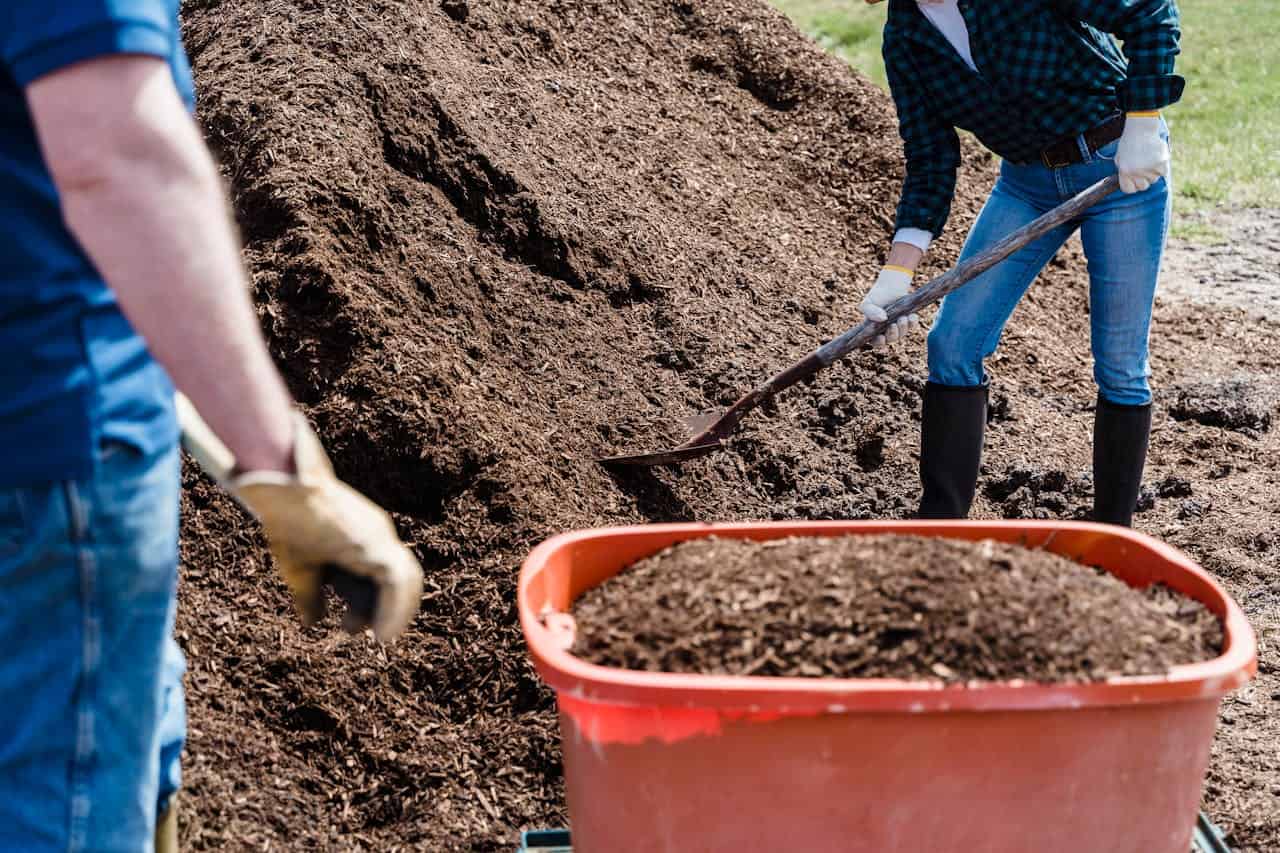
Composting is a key practice in organic gardening. It recycles kitchen and garden waste into a rich soil conditioner packed with nutrients.
Composting not only reduces the amount of waste going to landfill, but it also improves soil fertility, structure, and water-holding capacity. You can compost anything from vegetable peelings to coffee grounds to grass clippings.
7. Mulching

Mulching involves covering the soil surface around plants with organic materials like straw, grass clippings, or wood chips. Mulch conserves water by reducing evaporation, suppresses weeds, and adds organic matter to the soil as it breaks down.
Mulching also helps regulate soil temperature, keeping it cooler in the summer and warmer in the winter. Plus, it makes your garden look neat and well cared for.
8. Heirloom Seeds
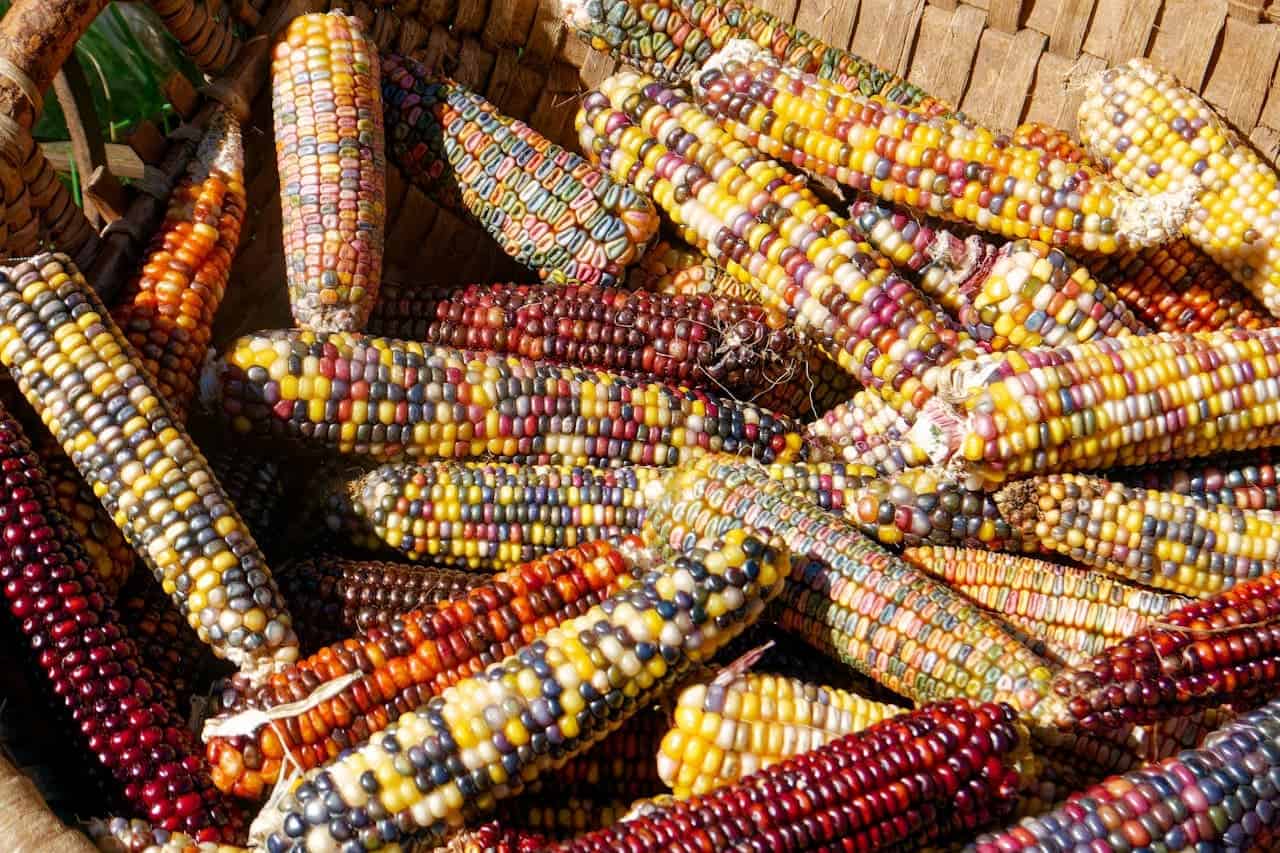
Lastly, in organic gardening, it’s recommended to use heirloom seeds, which are open-pollinated seeds that have been passed down through generations. Heirloom vegetables are renowned for their superior flavor and nutritional content compared to hybrid varieties.
Heirloom seeds also contribute to biodiversity and food security. Plus, they can be saved and replanted year after year, making them a sustainable and economical choice for home gardeners.