If you’ve ever considered adding a touch of greenery to your home, why not make it both beautiful and beneficial? Medicinal and aromatic herbs are not only a delight to the senses – with their tantalizing fragrances and lush foliage – but they also offer a host of health benefits, from boosting immunity to relieving stress. And growing these little powerhouses in your home garden is easier than you might think. In this blog post, we’ll explore eight must-grow medicinal and aromatic herbs that will transform your garden into a sanctuary of wellness and tranquility.
1. Basil

Basil is an aromatic herb that is a staple in many cuisines, particularly Italian. It’s not just its flavor that makes it a favorite, though. Basil is packed with antioxidants and has anti-inflammatory properties, making it a great addition to your home garden.
Advertisement
Basil is also a very low-maintenance herb to grow. It thrives in well-drained soil and plenty of sunlight. You can grow basil from seeds or from a small plant. Remember to harvest the leaves regularly to encourage growth. As a bonus, basil is a natural mosquito repellent, making your garden a more enjoyable place to unwind.
2. Lavender

Known for its soothing scent, lavender is a popular herb in aromatherapy for promoting relaxation and better sleep. It also has antiseptic and anti-inflammatory properties, making it a must-have in your medicinal garden.
Lavender is a hardy plant that prefers well-drained soil and plenty of sunlight. It’s also drought-tolerant, making it a good choice for beginners or those who don’t have a lot of time to devote to their garden. Lavender blooms in the summer, providing your garden with beautiful purple flowers that attract pollinators.
3. Rosemary

Rosemary is another aromatic herb that is often used in cooking. However, its benefits go beyond the kitchen. Rosemary is known for its memory-enhancing properties and its potential to boost the immune system.
Rosemary is a perennial plant that prefers a sunny location and well-drained soil. It can grow quite large, so make sure to give it plenty of space in your garden. Rosemary can be propagated from cuttings, so you can easily grow more plants once you have one.
4. Peppermint

Peppermint is a refreshing herb that is often used in teas and desserts. It’s also known for its soothing effects on the digestive system and its ability to relieve headaches.
Peppermint is a vigorous grower and can become invasive if not controlled. It’s best grown in containers to prevent it from taking over your garden. This herb prefers moist soil and partial shade to full sun. Harvest the leaves as needed for a fresh supply of peppermint.
5. Chamomile
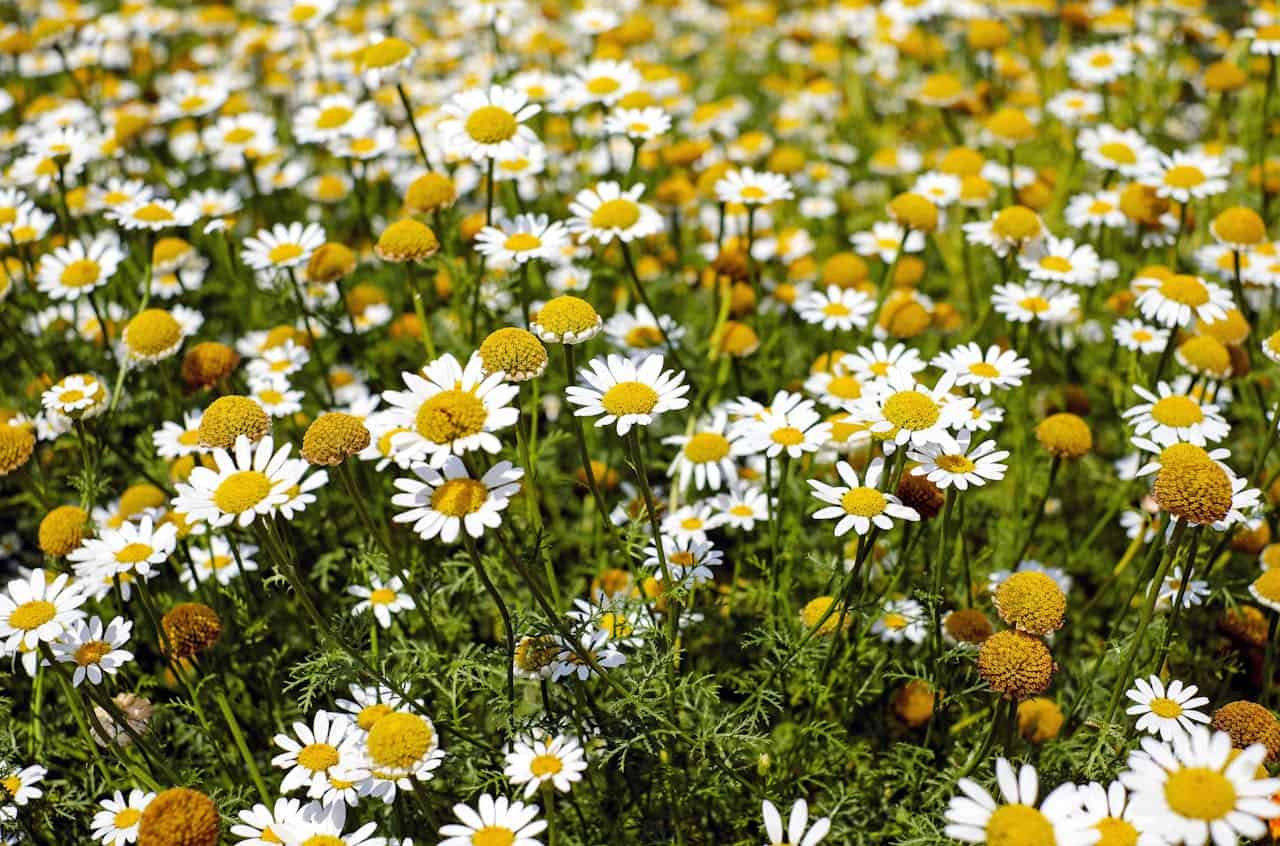
Chamomile is a small flowering plant that is often used in herbal teas for its calming effects. It’s also used to soothe skin irritations and to help with sleep.
Chamomile is an easy plant to grow from seeds. It prefers full sun but can tolerate partial shade. This plant likes well-drained soil and doesn’t require much watering. Chamomile flowers in the summer, adding a touch of beauty to your garden.
6. Echinacea
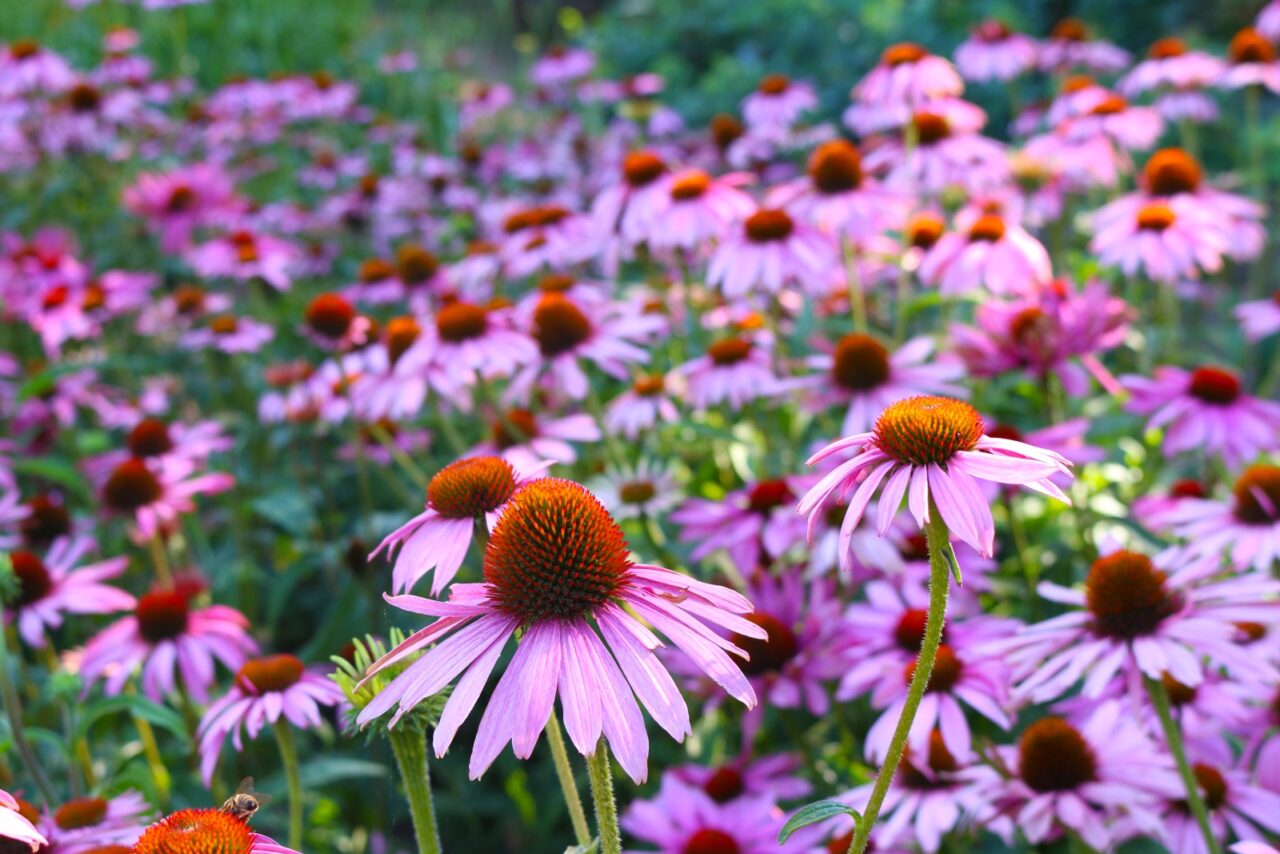
Echinacea, also known as coneflower, is a popular herb in natural medicine due to its immune-boosting properties. It’s often used to prevent and treat common colds.
Echinacea is a perennial plant that prefers full sun and well-drained soil. It’s drought-tolerant and easy to grow from seeds. Echinacea blooms in the summer and attracts pollinators to your garden.
7. Thyme

Thyme is a versatile herb that is used in cooking, aromatherapy, and natural medicine. It’s known for its antibacterial properties and its ability to help with respiratory issues.
Thyme is a low-growing perennial that prefers full sun and well-drained soil. It’s a hardy plant that can tolerate drought and frost, making it an excellent choice for beginners. Thyme can be propagated from cuttings or divisions.
8. Lemon Balm

Lemon balm is a fragrant herb that is often used in teas and desserts. It’s known for its calming effects and its ability to help with anxiety and sleep.
Lemon balm is a perennial plant that grows well in full sun or partial shade. It prefers well-drained soil and regular watering. Lemon balm can be invasive, so it’s best grown in containers to control its spread. This plant can be easily propagated from cuttings or divisions.