Home improvements can be a great way to enhance your living space and increase your property’s value. Yet, not all projects yield positive returns—some can actually lower your property’s worth. Understanding which renovations to avoid can save you from costly mistakes and frustration when it comes time to sell.
Making informed choices about upgrades is essential for maintaining or boosting your property value. You might be surprised to learn that some popular renovations may deter potential buyers or diminish your home’s overall appeal. Keeping these considerations in mind will help you make smart decisions for your investment.
Advertisement
1. Bright, non-neutral paint colors
Choosing bright, non-neutral paint colors for your home might seem fun and creative. However, it can affect your property’s appeal to potential buyers.
Many buyers prefer neutral tones, as they create a blank canvas. When they see bold colors, they might worry about the cost and effort of repainting.
Using standard colors can enhance your home’s desirability. It helps create a welcoming atmosphere, making it easier for others to envision themselves living there.
2. Overly personalized renovations

When you make renovations that reflect your personal taste too strongly, you risk alienating potential buyers. Custom colors, themes, or designs might not appeal to everyone.
For example, a bright pink bathroom or a home theater may seem like a fun idea for you, but it can turn others away.
Buyers often prefer neutral spaces that they can envision turning into their own. It’s best to stick with timeless designs and colors that have broader appeal.
3. Installing a swimming pool in a cool climate

Installing a swimming pool in a cool climate can present unique challenges. If you live in a region with cold winters, maintaining a pool may become costly and complicated.
In some cases, the investment might not yield a return when you decide to sell your home. The average costs of building and maintaining a pool can add up quickly.
Consider alternatives like a heated pool or alternatives for fun. You may find that outdoor activities or recreational options are more appealing for your property value.
4. Converting a bedroom into a specific-use room like a gym

Transforming a bedroom into a gym might seem appealing for your convenience. However, this change can impact your property’s value.
Many buyers still prioritize bedrooms when searching for a home. Removing this flexibility could deter potential buyers.
Additionally, relegating a bedroom to exercise space might reduce overall appeal. Consider retaining the option for future owners who may need an extra bedroom.
If you choose to go ahead, ensure the space remains functional as both a gym and a bedroom, if possible.
5. Luxuriously high-end kitchen upgrades that clash with the rest of the house

Choosing high-end kitchen upgrades can enhance your cooking space, but they might not always fit your home’s overall style. For instance, installing a sleek, modern kitchen island in a traditional home can create a jarring contrast.
Expensive appliances and finishes, like marble countertops, can also stand out if they don’t align with the rest of your décor. If your living space features rustic elements, a luxury kitchen may feel out of place.
Ultimately, it’s important to consider how your kitchen upgrades reflect the style of your entire home. Balance is key to maintaining a cohesive look.
6. Turning a garage into a living space
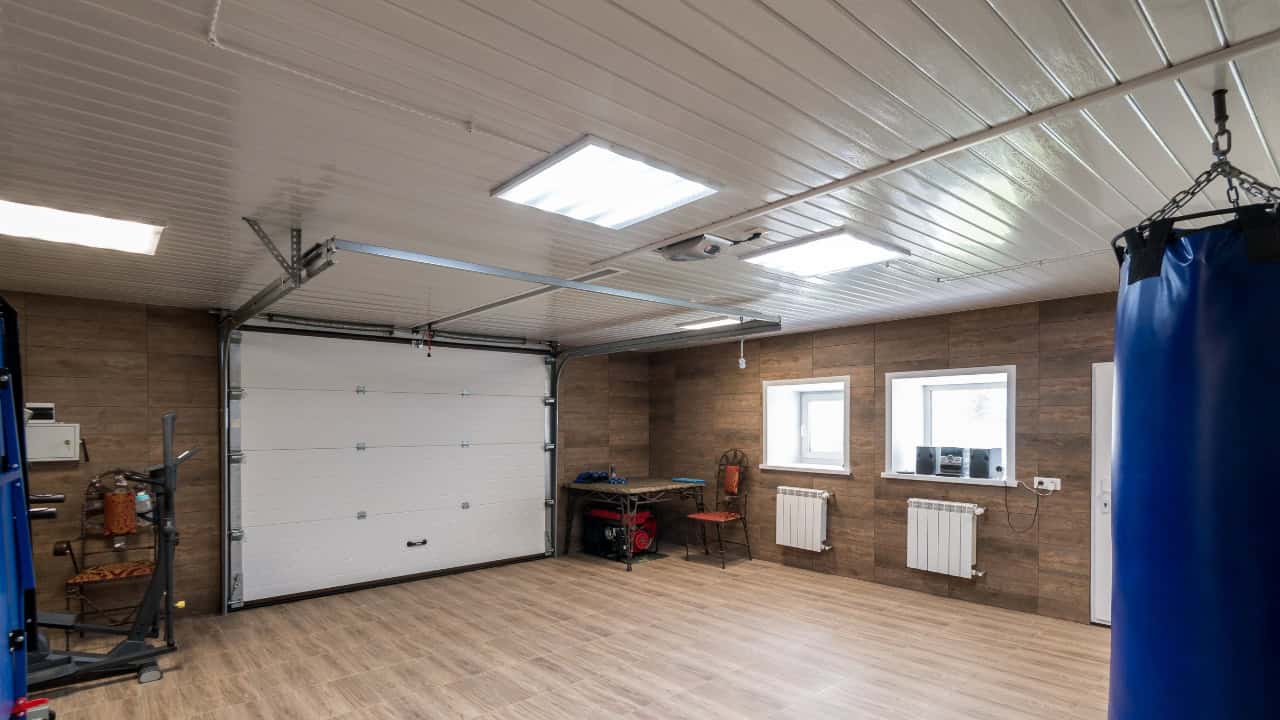
Converting your garage into a living space can be an appealing option. However, it might affect your property value negatively.
Potential buyers may view a garage as a key functionality for parking or storage. If they see it repurposed, they could be deterred by its loss.
Additionally, making significant renovations can incur expenses that don’t always translate to resale value. Costs can range from $7,200 to $20,000 depending on what you do.
Before you proceed, consider how this change aligns with your neighborhood’s market trends. It’s wise to evaluate how this space might be perceived by future buyers.
7. Elaborate landscaping that requires high maintenance

Choosing intricate landscaping can seem appealing, but it often comes with challenges. High-maintenance designs, like elaborate gardens or extensive water features, demand constant care.
Potential buyers may hesitate if they see a yard that requires significant upkeep. Many homeowners prefer low-maintenance options that fit their busy lifestyles.
Before investing in elaborate landscaping, consider how it might affect your property’s appeal in the long run. Simple, well-placed plants tend to attract more interest and can enhance your curb appeal without the added stress.
8. Adding a sunroom with mismatched design

Adding a sunroom can enhance your home, but its design must complement your existing architecture. If the style clashes with your house, it can turn potential buyers away.
A mismatched sunroom can disrupt the flow and harmony of your home’s exterior. This inconsistency may make your property less appealing, lowering its market value.
Consider materials, colors, and architectural details that align with the overall aesthetic of your home. A well-designed sunroom can be a great asset, while a poorly integrated one can detract from your property’s charm.
*This article was created with the help of AI.