Companion planting is a centuries-old gardening technique used to maximize the efficiency and health of your garden by strategically planting certain herbs together. By doing so, you can not only enhance the flavor and growth of your herbs, but also deter pests and improve soil health. In this blog post, we will explore eight herb companion planting combinations that can help you get the most out of your garden. These combinations are easy to implement, regardless of whether you’re a seasoned gardener or just starting out.
1. Basil and Tomatoes

Basil and tomatoes are a classic pairing, not just in the kitchen but also in the garden. Basil is said to enhance the flavor of tomatoes, and it also helps to repel pests such as mosquitoes and aphids that can damage your tomato plants.
Advertisement
Moreover, basil can provide a beneficial shade to the base of the tomato plants, helping to keep the soil moist and cool in hot weather. Just keep in mind the basil plants should be spaced about 10 to 15 inches apart to avoid competition for water and nutrients.
2. Dill and Cabbage
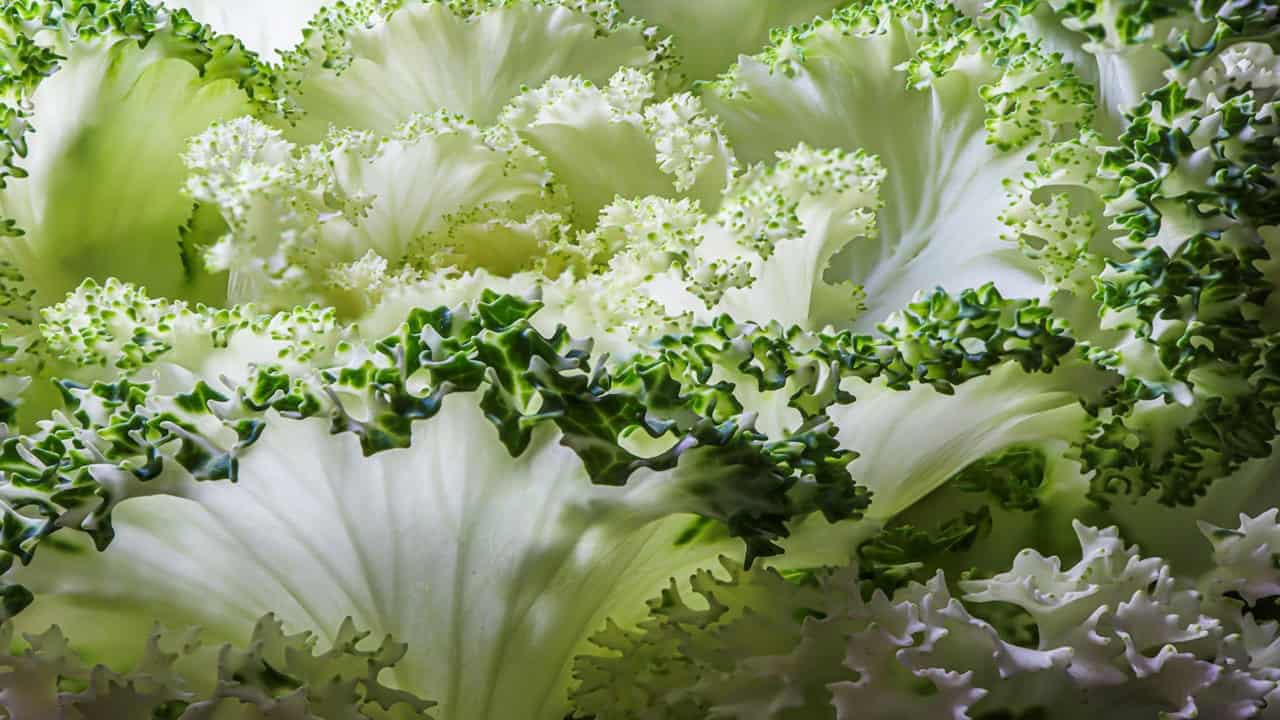
Dill and cabbage share a mutually beneficial relationship in the garden. Dill attracts beneficial insects like wasps and other predators that keep cabbage worms and other pests in check.
Additionally, dill’s strong scent can deter pests like aphids and spider mites that often target cabbage. It’s best to sow dill seeds directly into the cabbage patch to make the most of this beneficial relationship.
3. Rosemary and Beans
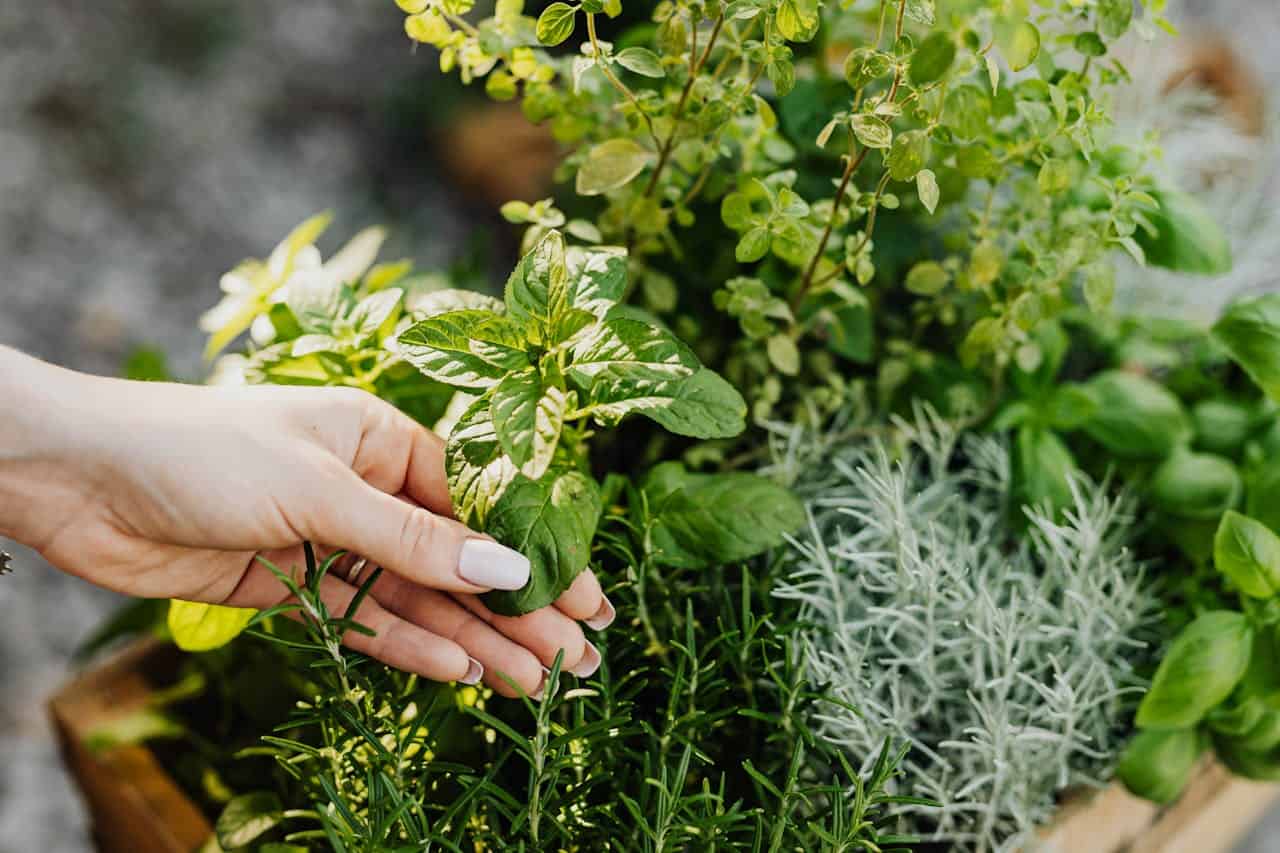
Planting rosemary alongside beans can help deter bean beetles, a common pest. Rosemary’s strong scent confuses and repels these pests, keeping your beans healthy and intact.
Moreover, rosemary is a perennial herb that can provide year-round interest in your vegetable garden. It’s drought-tolerant and prefers dry, well-drained soil, making it a good partner for beans, which also prefer these soil conditions.
4. Chives and Carrots

Chives are known to improve the flavor and growth of carrots. They also deter pests like aphids and carrot rust flies that can cause significant damage to carrot crops.
In addition, chives are a perennial herb that comes back every year, providing a constant companion for your carrots. Just ensure that chives are not crowding out your carrots, as both plants need their space to grow.
5. Parsley and Asparagus
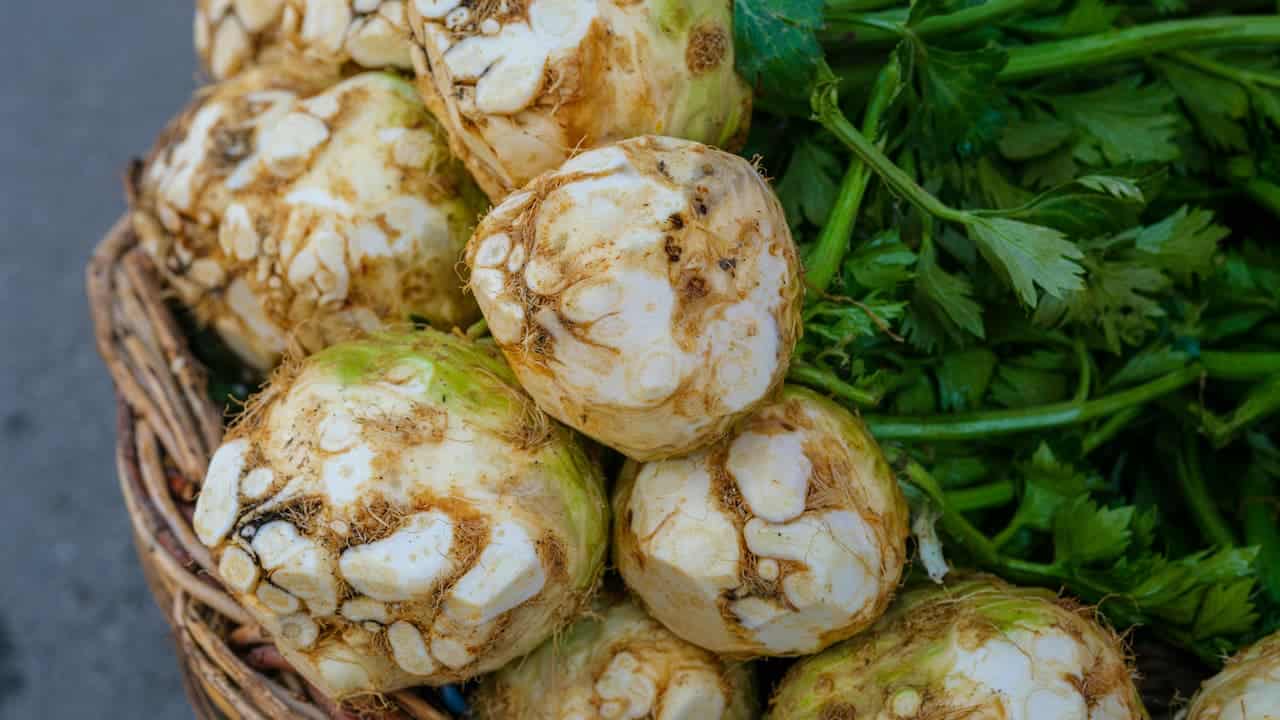
Parsley and asparagus make a great companion planting pair. Parsley helps to repel asparagus beetles, a common pest of asparagus plants.
Furthermore, since asparagus is a perennial plant and parsley is biennial (it lives for two years), they can coexist in the garden for a long time, providing prolonged benefits to each other. Just remember to allow enough space for asparagus to spread without crowding the parsley.
6. Mint and Broccoli

Mint is a good companion for broccoli because it helps deter cabbage moths, a common pest of broccoli. The strong scent of mint confuses these pests, preventing them from laying eggs on the broccoli plants.
However, mint can be invasive, so it’s best to plant it in a pot and then sink the pot into the ground to prevent the mint from taking over the garden. The pot should be near the broccoli plants for the maximum pest-deterrent effect.
7. Oregano and Peppers
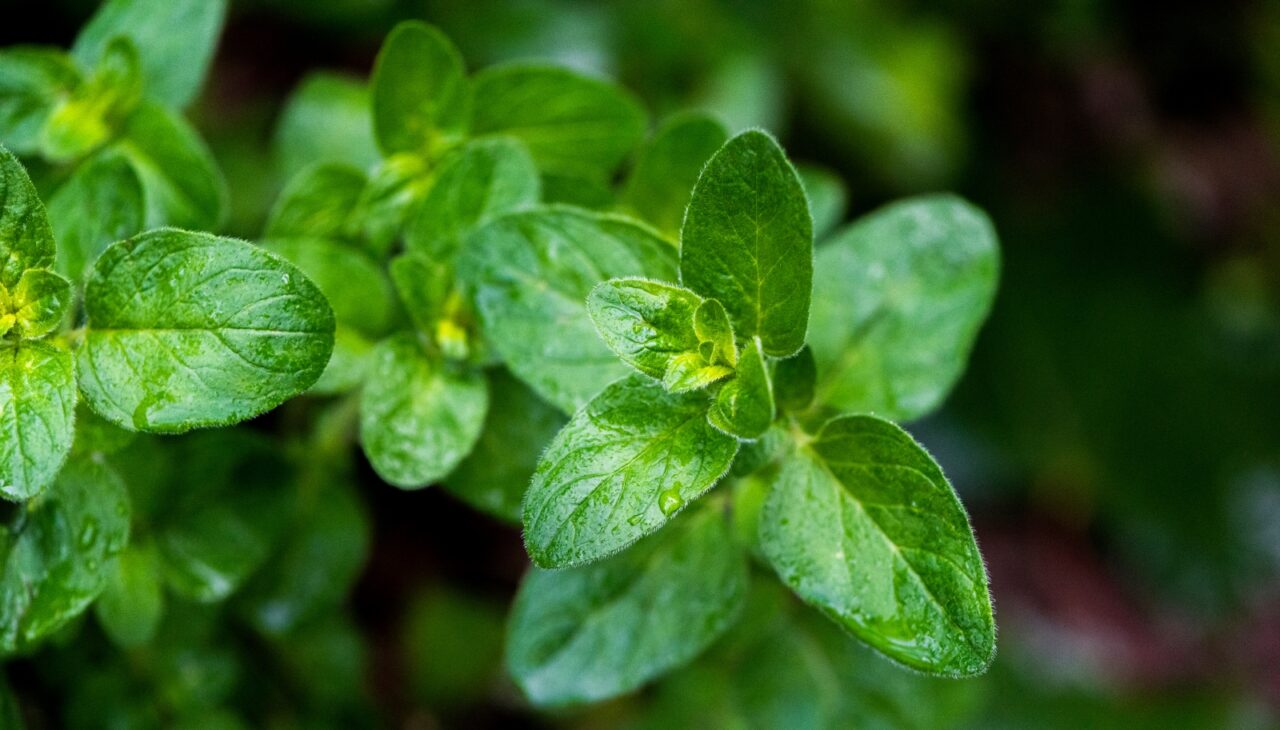
Oregano is a good companion for peppers. It helps deter pests like aphids, spider mites, and leafhoppers that often target peppers.
Meanwhile, oregano also enjoys the same growing conditions as peppers – full sun and well-drained soil. Therefore, planting these two together can save you time and effort in maintenance.
8. Thyme and Eggplants
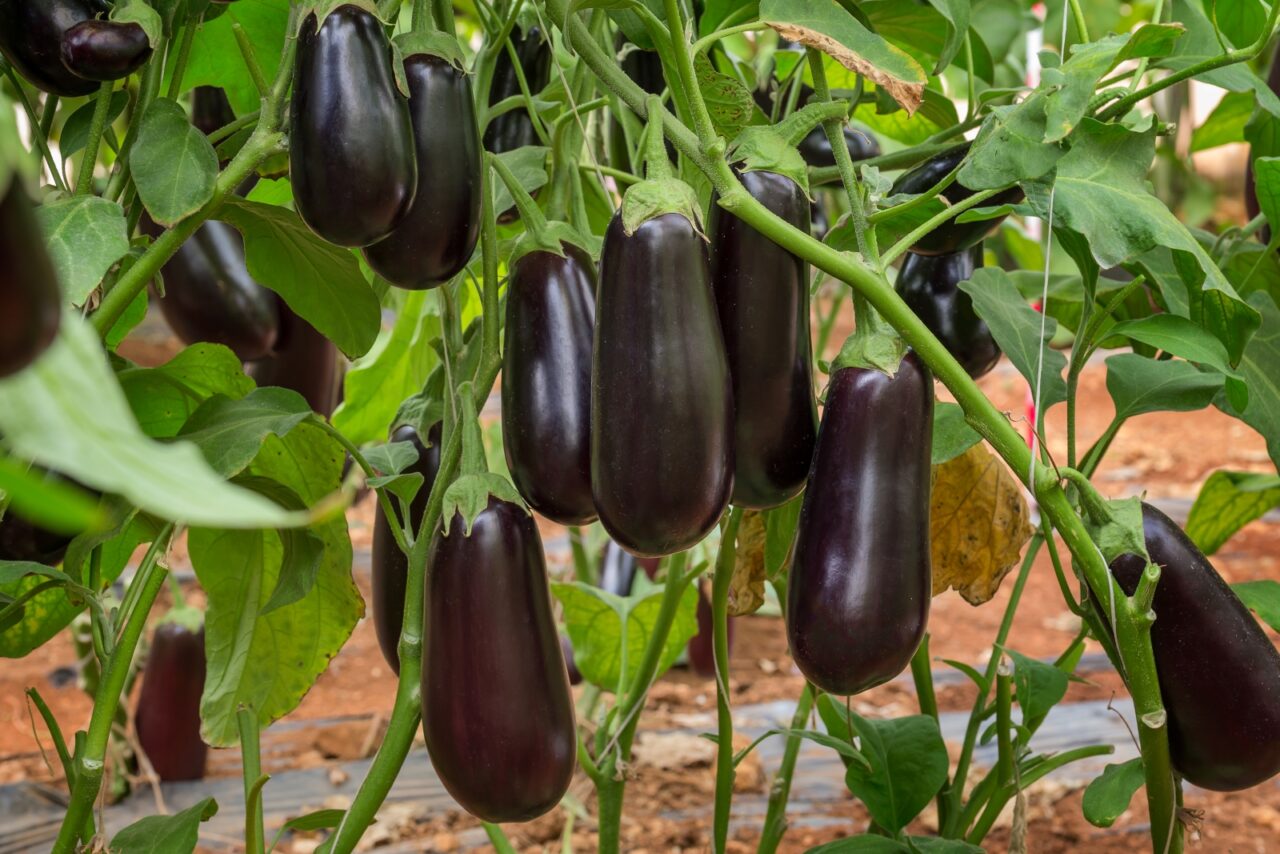
Thyme, with its strong scent, can deter pests like flea beetles that often cause harm to eggplants. It’s a good idea to plant thyme around the base of your eggplant plants to create an effective pest barrier.
Besides, thyme is a low-growing plant that can act as living mulch, helping to retain soil moisture and suppress weeds around your eggplant plants. Just ensure to trim the thyme regularly to prevent it from becoming too dense.