Microgreens have been a go-to for health enthusiasts and foodies alike, and for good reason. These tiny nutrition powerhouses not only pack a punch with flavor, but also are loaded with vitamins, minerals, and antioxidants. The best part? You can grow them right in the comfort of your home, regardless of the season. Here, we’ll explore 8 easy microgreens that you can grow indoors all year round, adding a fresh touch to your meals and a green corner to your living space.
1. Radish Microgreens
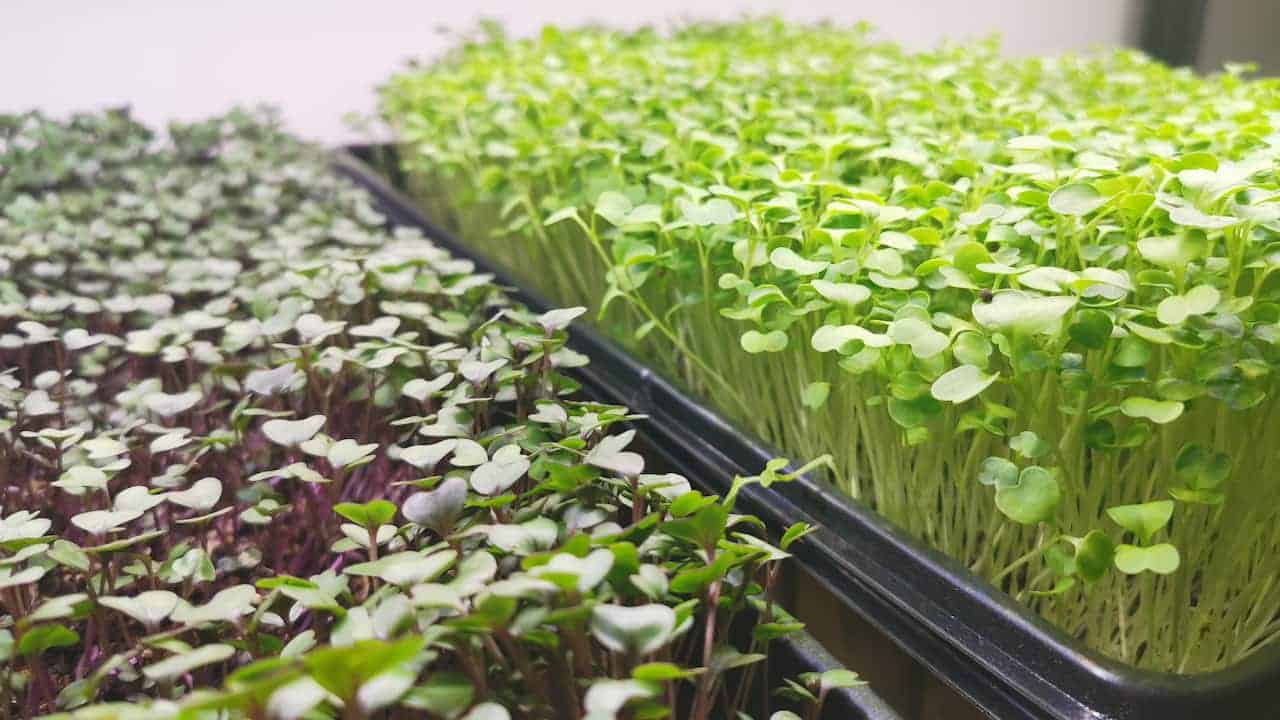
Radish microgreens are one of the fastest and easiest microgreens to grow. They sprout in just a few days, and in less than two weeks you can be harvesting their spicy, crisp shoots.
Advertisement
Radish microgreens are packed with vitamins A, B, C, E, and K, along with essential amino acids and antioxidants. They’re perfect for adding a peppery kick to salads, sandwiches, and stir-fries. They’re also great in wraps and sushi. All you need to start growing is a shallow container, some potting soil, and radish seeds.
2. Sunflower Microgreens
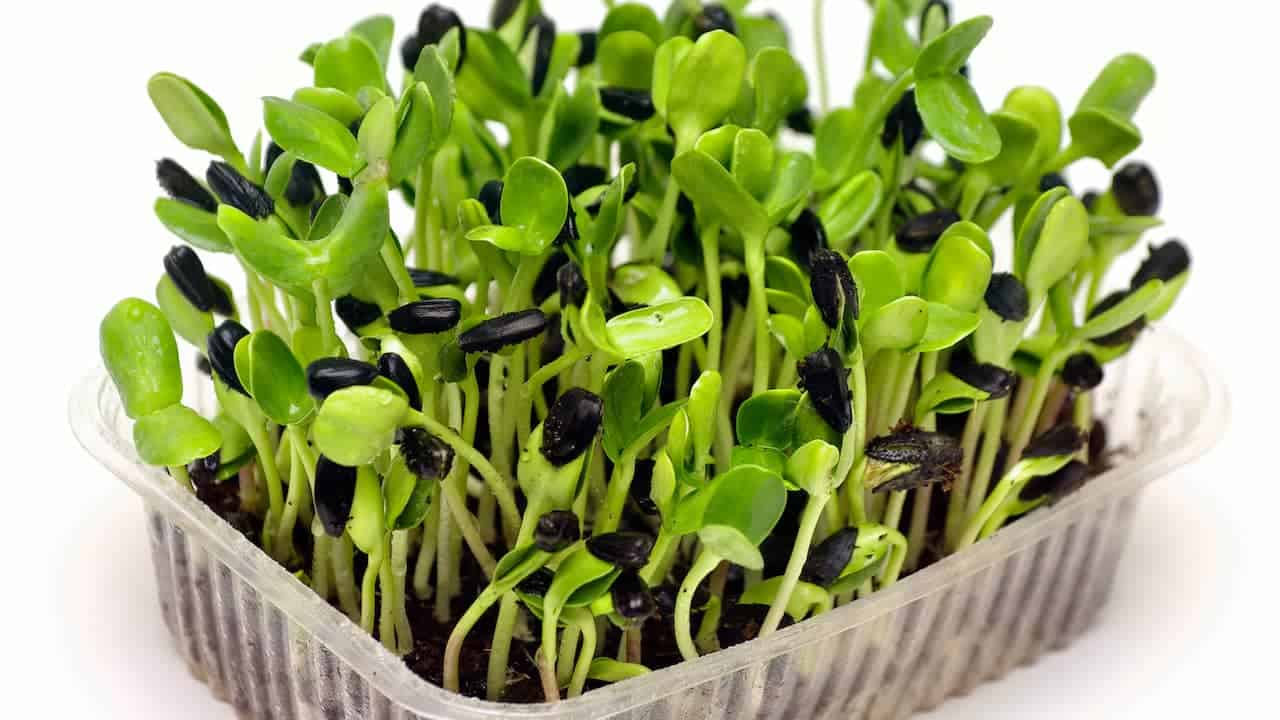
Sunflower microgreens are another quick and easy choice for indoor growing. They have a sweet, nutty flavor and a crunchy texture that makes them a great addition to a variety of dishes.
Sunflower microgreens are an excellent source of protein and they also provide a good dose of vitamins A, B complex, D, and E. They’re a fantastic choice for adding some green to your smoothies, but they’re equally delicious in salads and sandwiches. To grow them, you’ll need sunflower seeds (shell on), a tray, some potting soil, and a sunny spot.
3. Pea Shoots
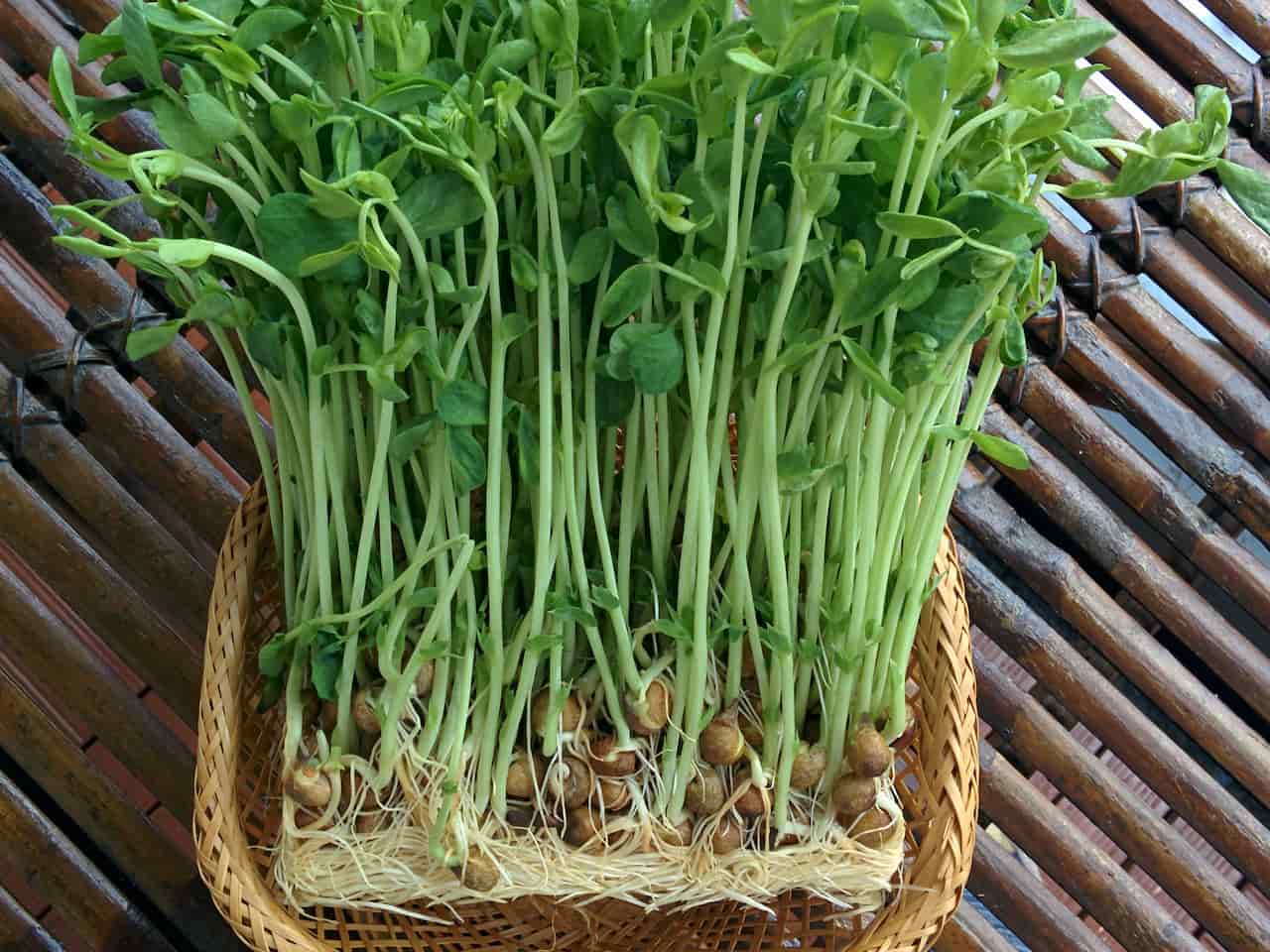
Pea shoots are a little more challenging to grow than some other microgreens, but their sweet, fresh flavor makes them well worth the effort.
Pea shoots are rich in vitamins A, C, and folic acid, and they’re also a great source of fiber. They’re fantastic in salads and stir-fries, and they can also be used to garnish soups and sandwiches. To grow them, you’ll need dried peas, a shallow container, and some potting soil.
4. Broccoli Microgreens
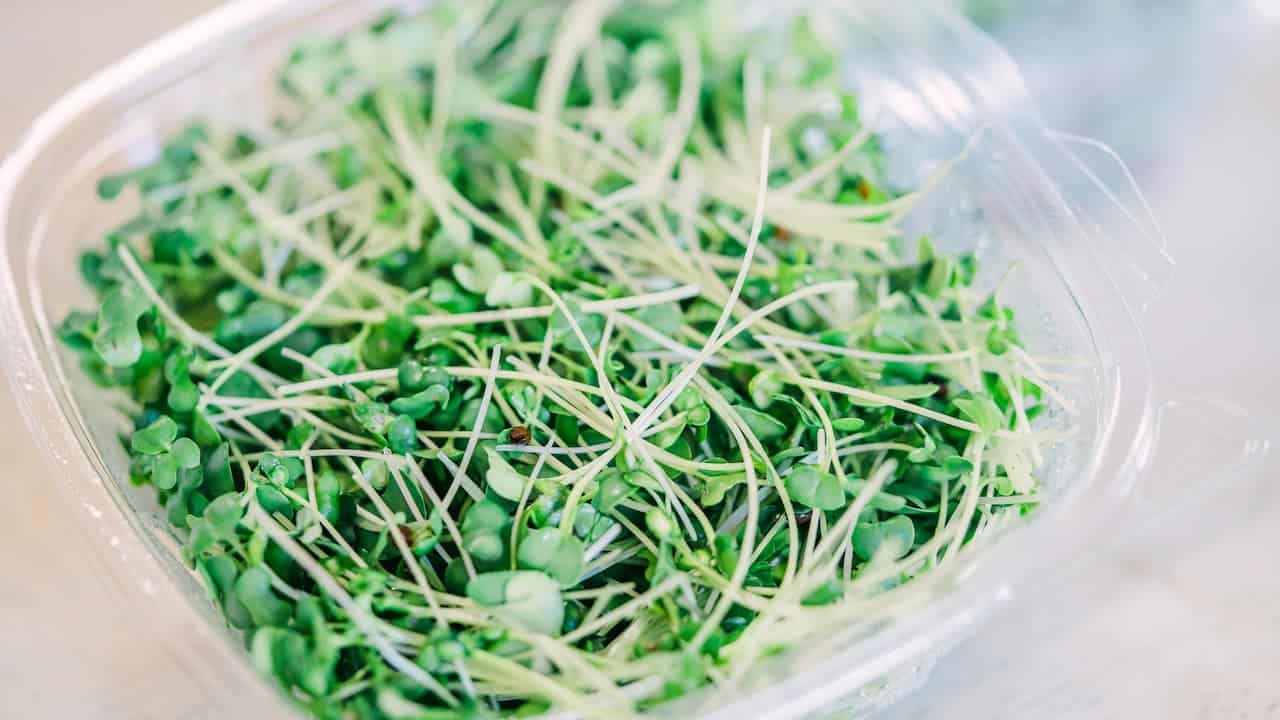
Broccoli microgreens have a mild, slightly bitter flavor that works beautifully in a wide range of dishes.
Broccoli microgreens are a nutritional powerhouse, packed with vitamins A, C, and E, along with calcium, iron, and potassium. They’re a great way to boost the nutritional content of your meals, and they’re also delicious. To grow them, you’ll need broccoli seeds, a shallow container, and some potting soil.
5. Kale Microgreens
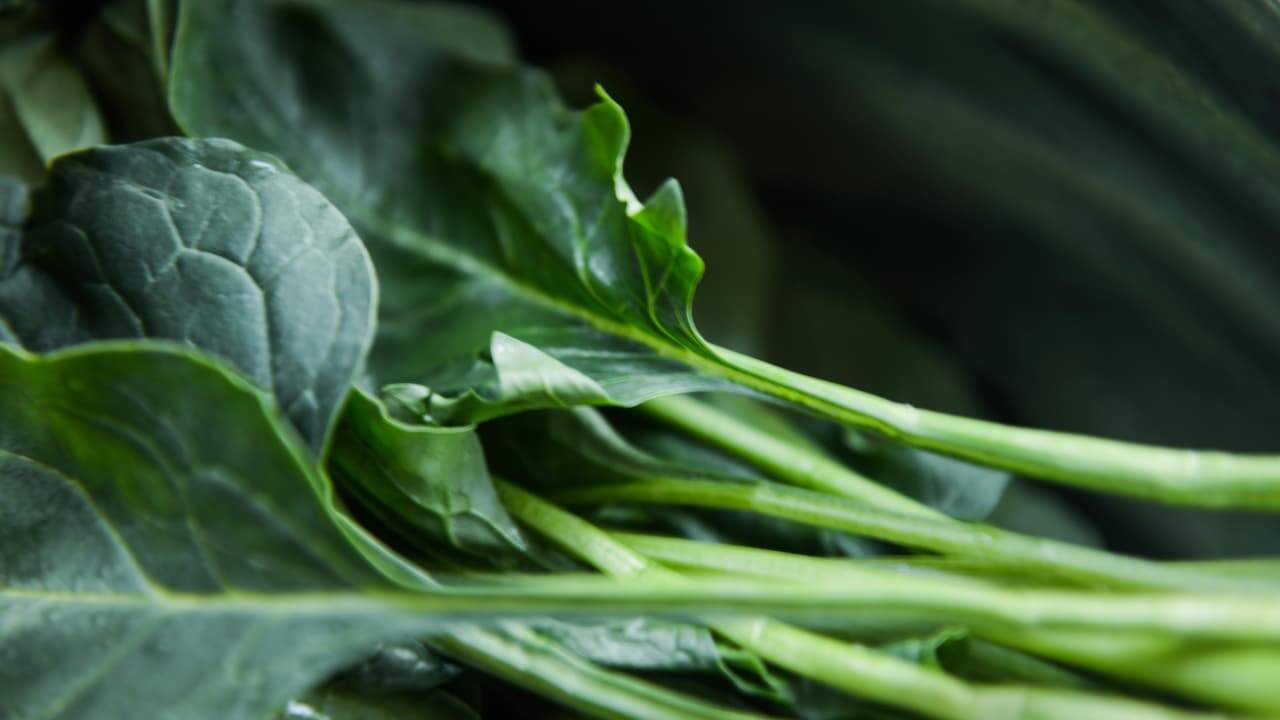
Kale microgreens are a fantastic way to enjoy the health benefits of kale without the tough, fibrous texture that some people find off-putting.
Kale microgreens are loaded with vitamins A, C, and K, as well as calcium, iron, and antioxidants. They’re perfect for adding a nutrient boost to salads, smoothies, and soups. To grow them, you’ll need kale seeds, a shallow container, and some potting soil.
6. Arugula Microgreens

Arugula microgreens are easy to grow and have a peppery flavor that’s perfect for spicing up your meals.
Arugula microgreens are packed with vitamins A, C, and K, as well as calcium, iron, and antioxidants. They’re a great way to add some zing to salads, sandwiches, and pizzas. To grow them, you’ll need arugula seeds, a shallow container, and some potting soil.
7. Beet Microgreens
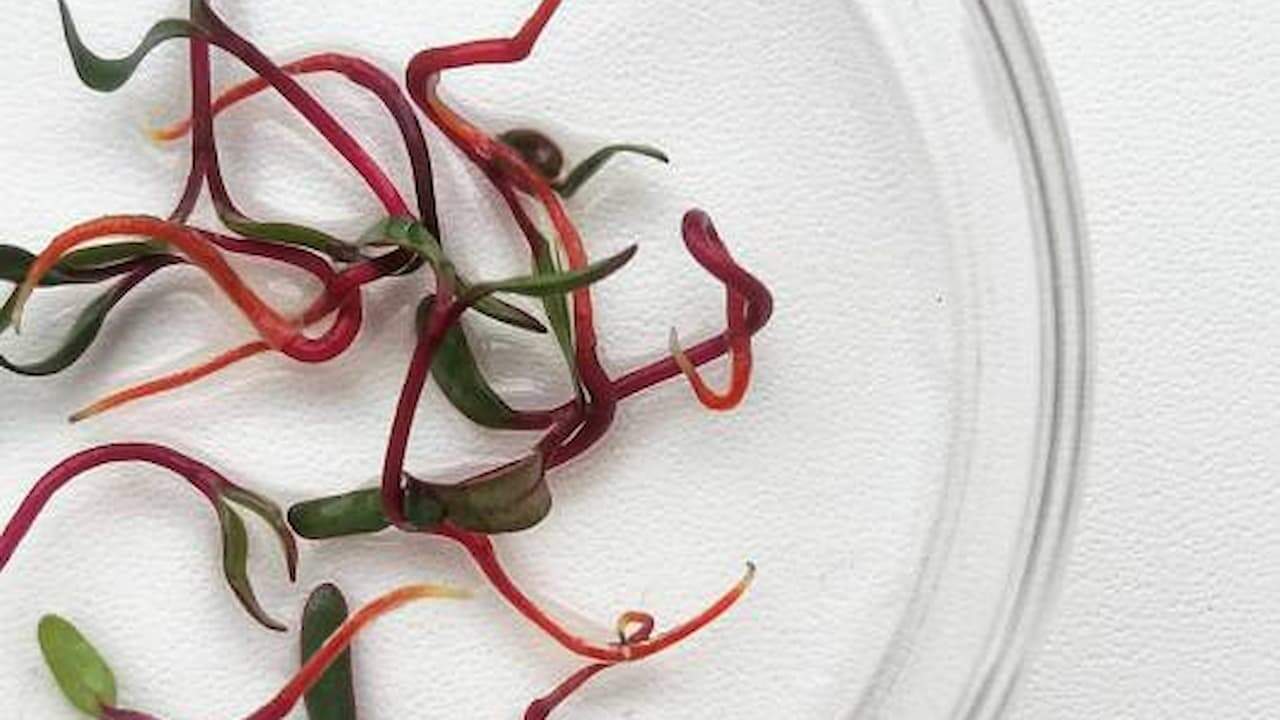
Beet microgreens have a sweet, earthy flavor that’s a wonderful complement to many different dishes.
Beet microgreens are a good source of vitamins A and C, as well as iron, magnesium, and antioxidants. They’re a colorful and flavorful addition to salads, sandwiches, and smoothies. To grow them, you’ll need beet seeds, a shallow container, and some potting soil.
8. Mustard Microgreens
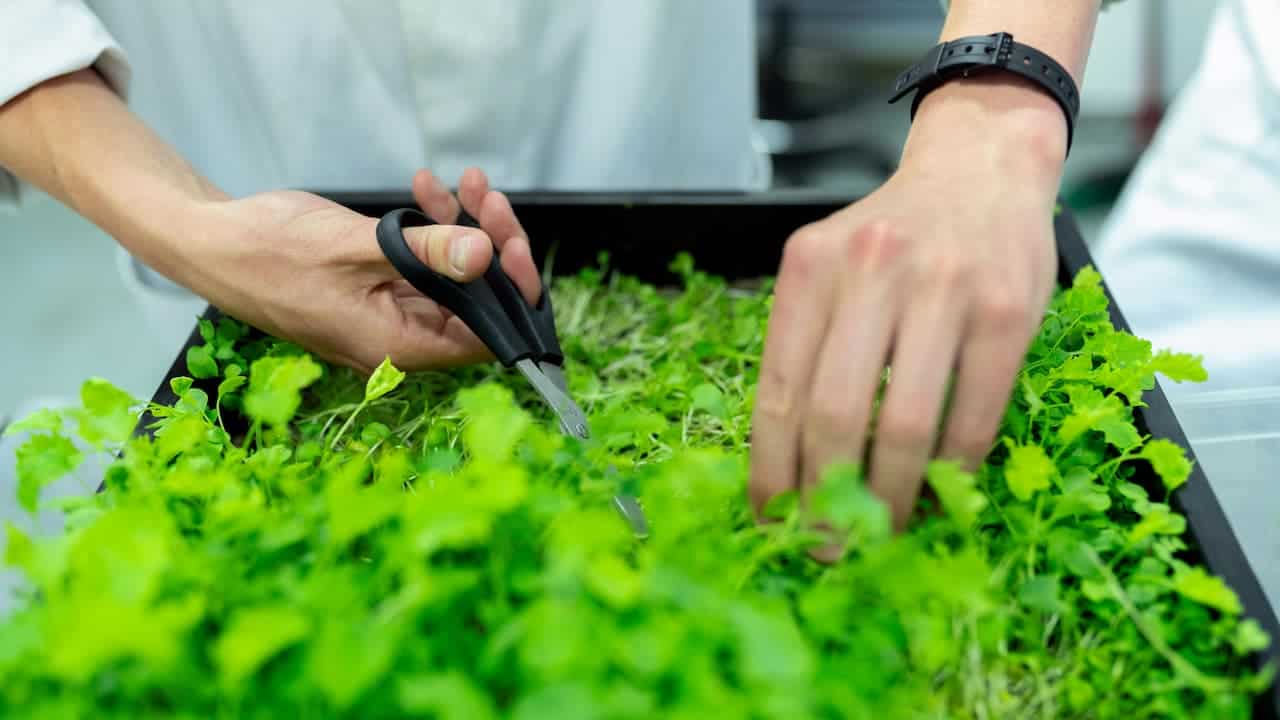
Mustard microgreens have a spicy, tangy flavor that can really liven up your meals.
Mustard microgreens are packed with vitamins A, C, and K, as well as calcium, iron, and antioxidants. They’re a great way to add some heat to salads, sandwiches, and stir-fries. To grow them, you’ll need mustard seeds, a shallow container, and some potting soil.