Taking on DIY home repairs can be a satisfying endeavor that saves you money. While many projects around the house can be completed safely, some can potentially lead to legal issues if not handled properly. It’s essential to be aware of which repairs could put you at risk of being sued.
Understanding the legal implications of your DIY efforts can help you avoid serious problems down the line. Some tasks require permits or licensed professionals to ensure compliance with building codes and safety standards. Being informed can protect both your home and your wallet.
Advertisement
1. Electrical Panel Replacement
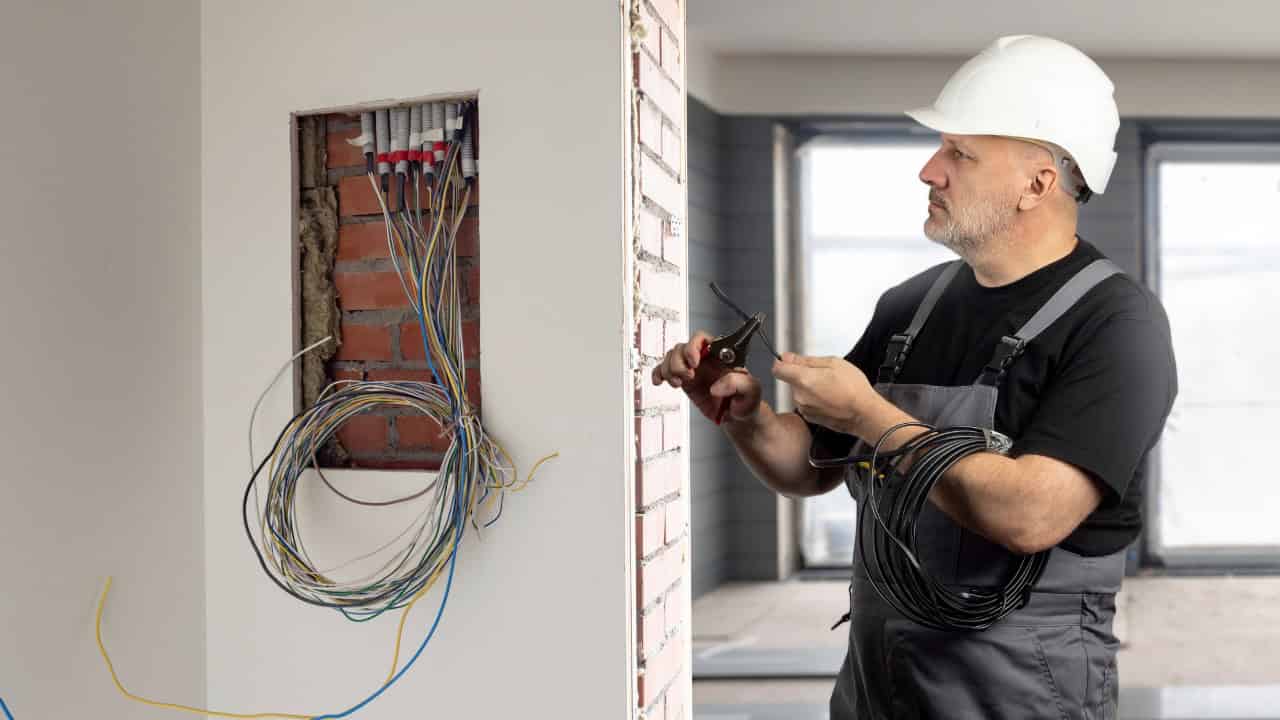
Replacing your electrical panel might seem like a straightforward task, but it can lead to serious legal and safety issues if not done properly. Many jurisdictions require licensed electricians to perform this work due to the complexity and risks involved.
If you attempt this yourself, you could face safety hazards and potentially costly mistakes. Each state has specific regulations, and failing to comply could leave you liable for damages.
When dealing with your electrical system, it’s best to trust the professionals. They have the training and expertise to ensure everything is up to code.
2. Faulty Wiring Repairs
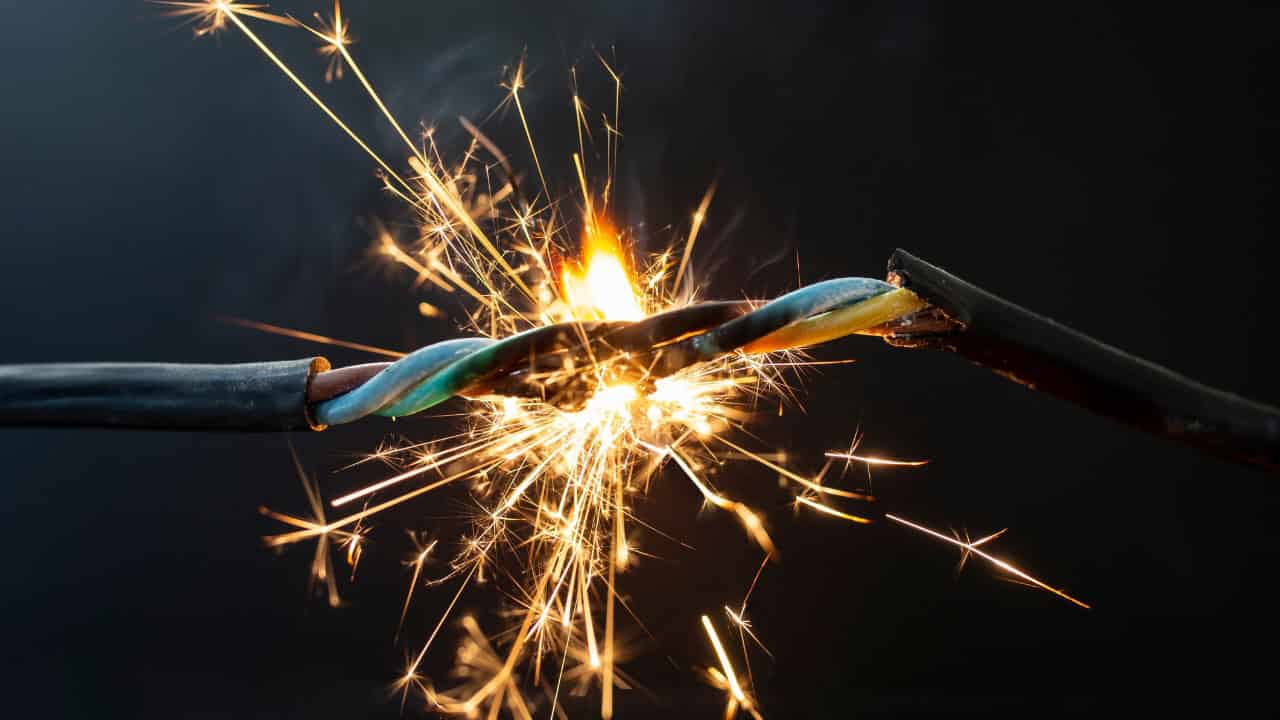
When it comes to electrical issues, handling faulty wiring can be risky. Attempting this repair without the proper training can lead to serious consequences.
For example, improper wiring can cause fires or electric shocks. If you tamper with wiring and something goes wrong, you could find yourself facing legal action.
It’s crucial to recognize when to call a licensed electrician. They have the expertise to ensure everything is safe and up to code. Prioritize your safety and avoid risky DIY wiring repairs.
3. Gas Line Adjustments
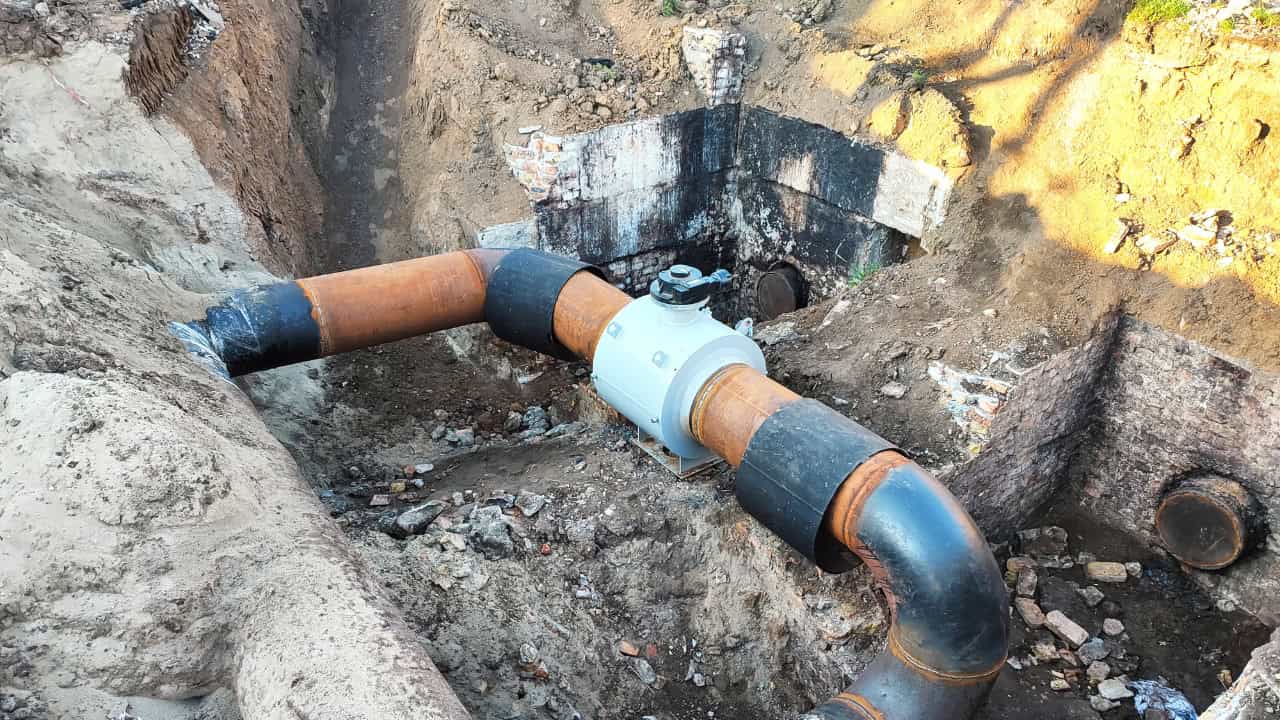
Making adjustments to gas lines is risky. You might think you can save money by doing it yourself, but the potential dangers are serious.
Gas leaks can lead to fires or even explosions, creating hazards for you and your neighbors. A licensed professional can ensure your gas line is safe and compliant with local regulations.
If something goes wrong, you could be held liable for damages. It’s best to leave gas line work to experts who understand the complexities involved.
4. HVAC System Overhauls
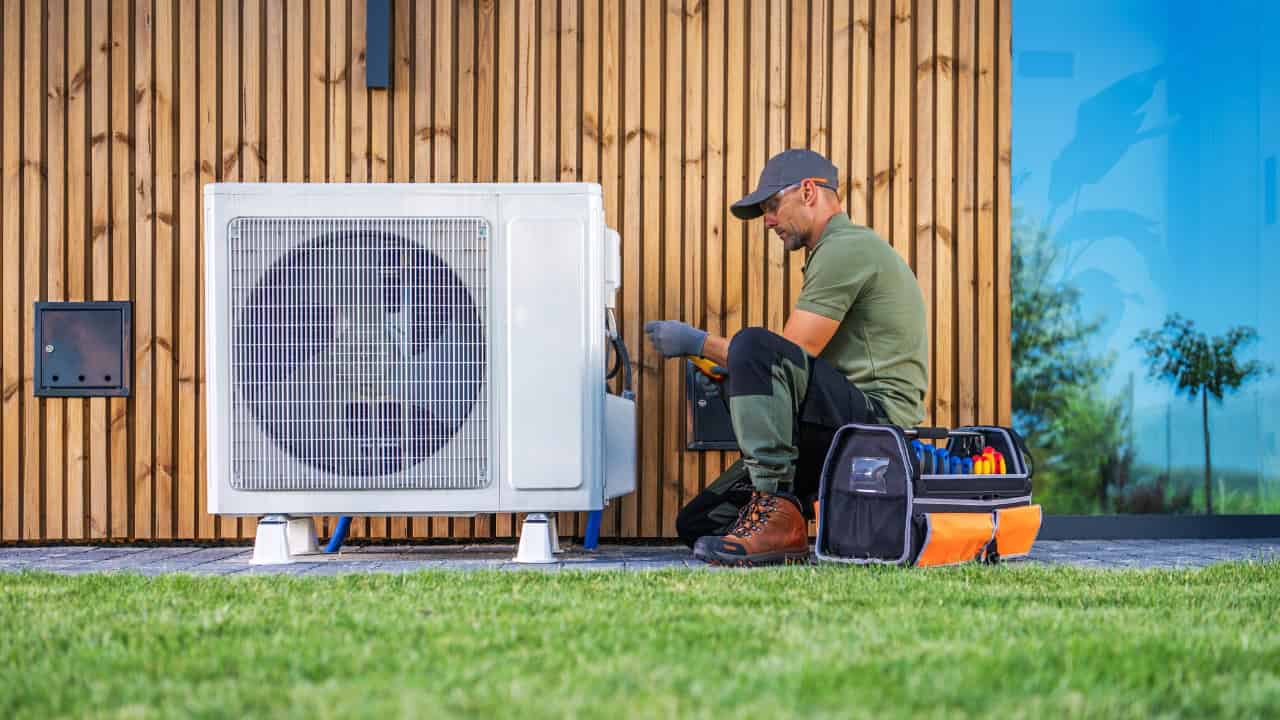
Taking on an HVAC system overhaul as a DIY project can lead to serious issues. If you incorrectly install or choose the wrong components, your home will not be heated or cooled properly.
Improper installations can also create safety hazards, including gas leaks or electrical problems. These mistakes may require costly repairs and could even result in liability claims if they affect others.
It’s often best to leave HVAC overhauls to professionals. They have the expertise to ensure your system operates efficiently and safely.
5. Pool Plumbing Fixes
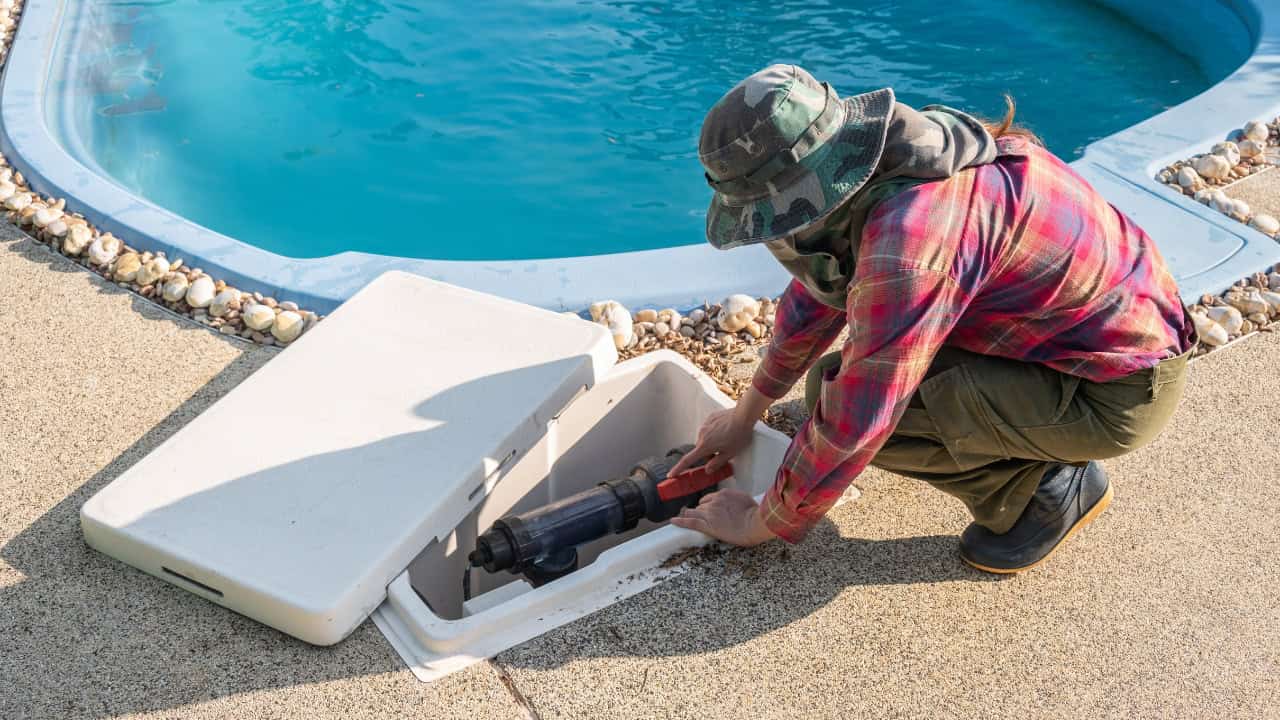
When tackling pool plumbing repairs, it’s important to know your limits. Small leaks or clogs can often be fixed with basic tools and a bit of patience. Be sure to identify the source of the leak before starting any repairs.
You might consider patching temporary holes to prevent water loss. Regularly check your pool’s pump and filters to catch issues early. Remember, tackling plumbing fixes incorrectly can lead to bigger problems, and that’s when you could face legal trouble. Always prioritize safety and, if in doubt, consult a professional.
6. Tree Removal Tasks
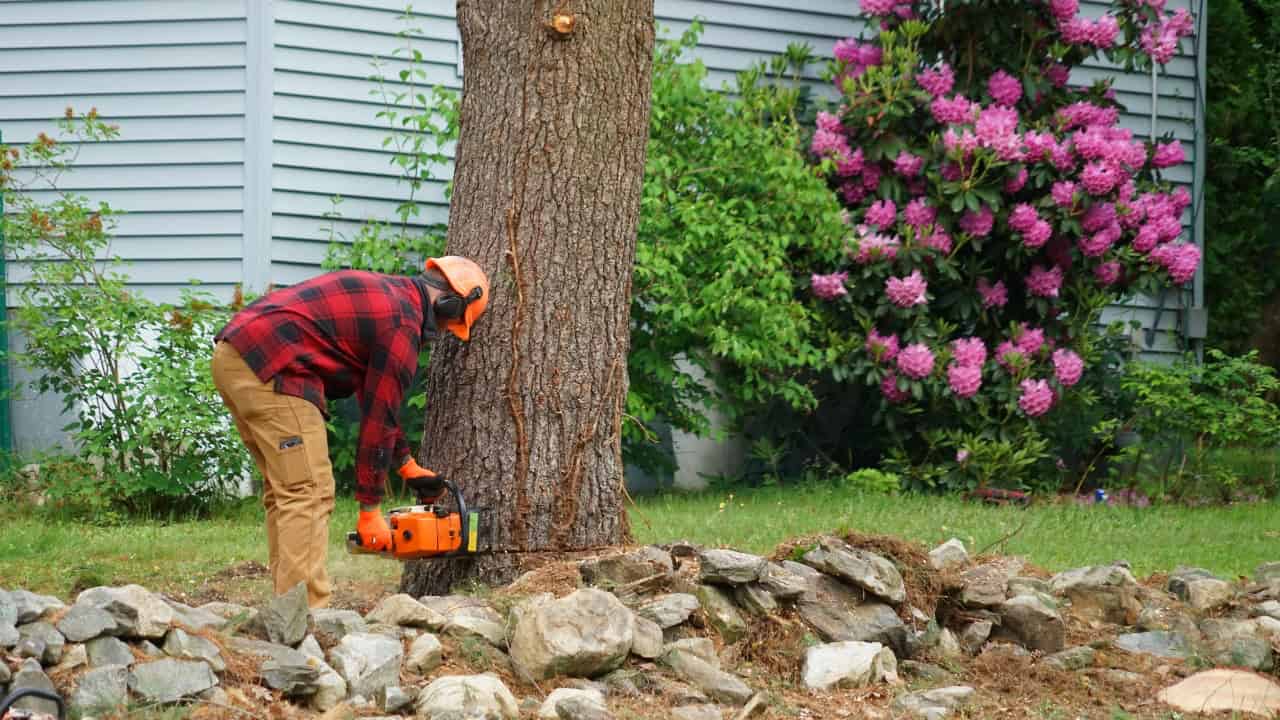
Removing a tree might seem like a manageable DIY project, but it carries significant risks. You could inadvertently damage your property or someone else’s during the process.
Mature trees can be unpredictable, and their weight makes them dangerous. Accidents may lead to injuries or even fatalities, which could result in legal action against you.
If you’re unsure, hiring a professional is a wise choice. They have the experience and tools to handle tree removal safely, minimizing the likelihood of costly mistakes.
7. Structural Foundation Repairs
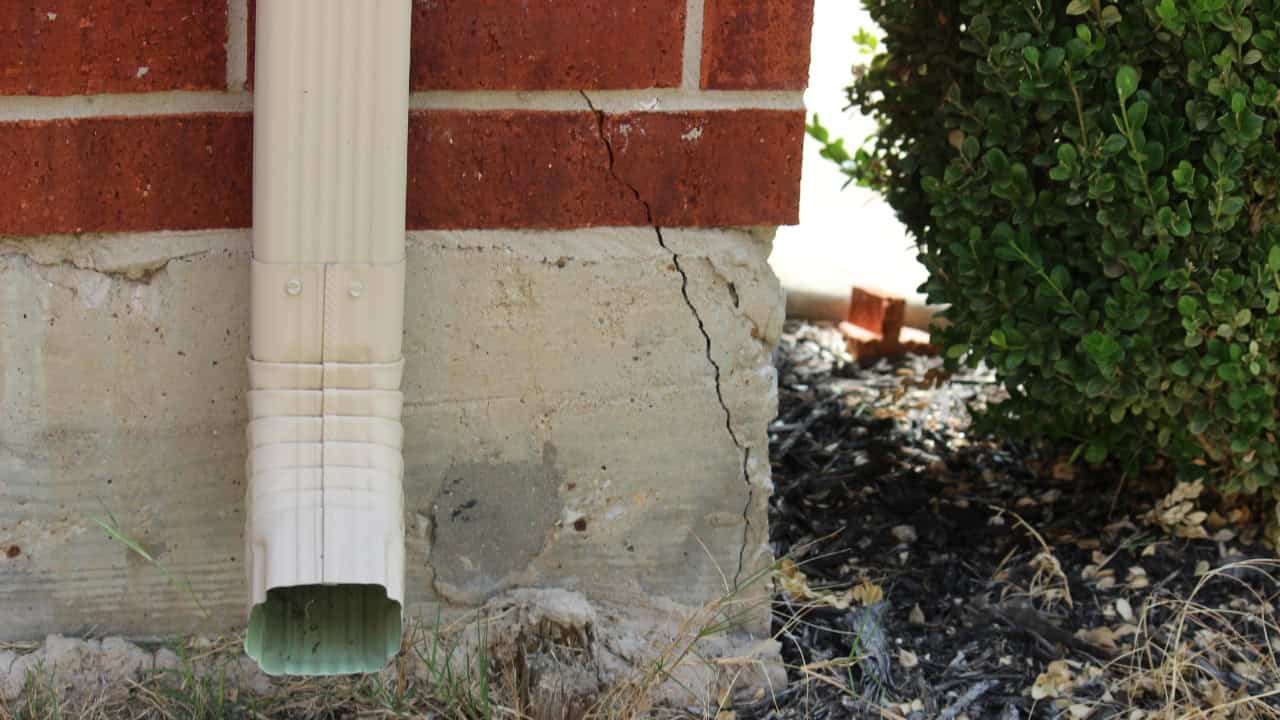
Handling structural foundation repairs can be tricky. If you notice large cracks or uneven floors, it’s essential to tread carefully.
DIY methods may seem appealing for minor issues, but significant problems often require professional help. You could inadvertently cause more damage, leading to higher repair costs.
Without proper expertise, you might also face legal consequences if someone is injured due to faulty repairs. It’s best to consult with a professional contractor who can ensure the job is done right and safely.
8. Building a Deck Without Permits
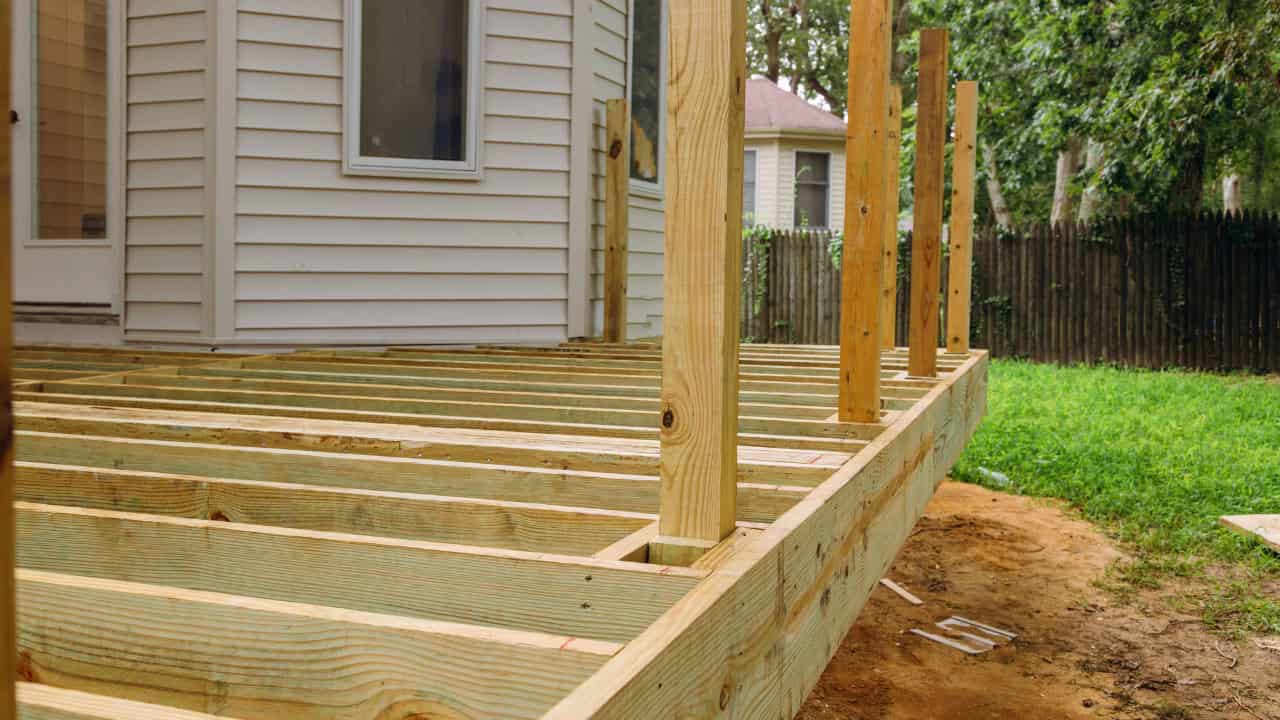
Building a deck can enhance your outdoor space, but skipping permits is risky. Many municipalities require permits, especially if your deck is attached to the house or exceeds a certain height.
If you proceed without the necessary permits, you could face penalties. In some cases, you may even have to remove the structure altogether.
Additionally, an improperly built deck may lead to safety hazards, which can result in legal troubles if someone gets hurt. Always check local regulations to protect yourself and your investment.
*This article was created with the help of AI.