Some DIY projects are easy wins—painting a room, swapping out a light fixture, or fixing a leaky faucet. But some home repairs come with legal strings attached, and messing with them can land you in serious trouble. Skipping permits, ignoring safety regulations, or taking on jobs that require a licensed pro can lead to fines, insurance headaches, and even problems when you try to sell your house.
It’s not just about avoiding trouble—it’s about keeping your home safe and making sure any upgrades hold up over time. Knowing when to put down the toolbox can save you a whole lot of stress (and money). Here’s what you need to know.
Advertisement
Leave Asbestos Alone
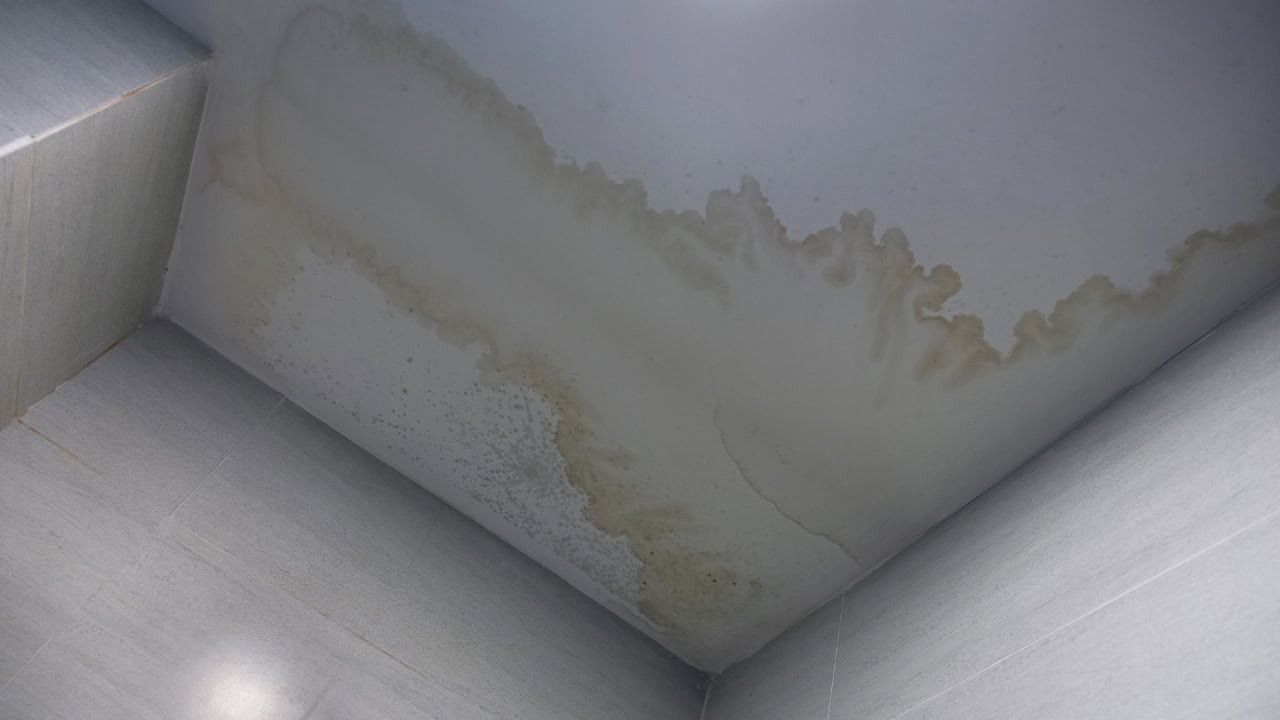
If your home was built before the 1980s, there’s a good chance asbestos is hiding somewhere—maybe in old insulation, ceiling tiles, or even flooring. While it’s not a danger if left undisturbed, cutting, sanding, or tearing into it can release harmful fibers into the air. That’s why most places require a licensed professional for asbestos removal.
Trying to DIY asbestos removal can land you in serious legal trouble, not to mention the health risks. Breathing in asbestos fibers can cause severe lung issues down the road. If you suspect you have asbestos, don’t mess with it—call in an expert who knows how to handle it safely.
A DIY Deck

Building a deck seems simple enough—just some wood, screws, and a little sweat, right? Not exactly. Most areas require a permit, and for good reason. A poorly built deck can collapse, causing serious injuries. Inspectors typically need to check the footings before construction starts to make sure everything is up to code.
Skipping the permit process can cause headaches later. If your deck isn’t built to code, you could be forced to tear it down. And if someone gets hurt because of faulty construction, you could be held liable. It’s one of those projects where cutting corners just isn’t worth it.
Tree Removal

Cutting down a tree might seem like a personal decision, but in many places, it’s not that simple. Some cities have rules against removing certain trees without approval, especially if they’re large, healthy, or considered protected species. And if a tree is close to power lines, structures, or your neighbor’s property, you may be required to hire a licensed professional.
Even if you’re allowed to remove a tree, it’s not always a DIY job. A falling tree can take out power lines, smash a roof, or cause serious injury. If you’re unsure whether a tree needs to come down, check with a certified arborist first—they can tell you if it’s necessary or if trimming is a better option.
New Doors and Windows Might Need a Permit
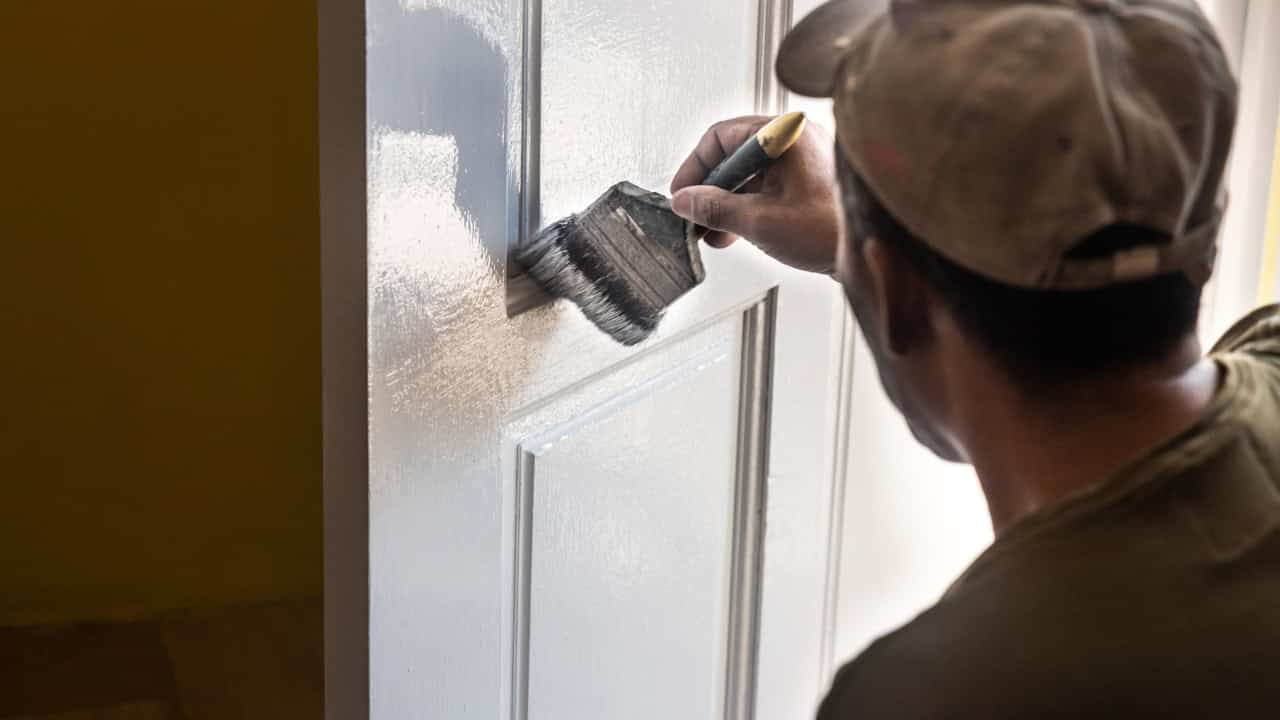
Cutting a hole in a wall to add a new door or window is a bigger deal than most people realize. Since it involves structural changes, most places require a permit to make sure the framing and support are done correctly. In some areas, even replacing existing windows or doors might require approval.
Skipping the permit process can lead to trouble down the road. If an inspector finds unapproved work, you could be forced to redo it—or worse, pay fines. Before making changes, check with your local planning department to make sure you’re following the rules.
Electrical Work
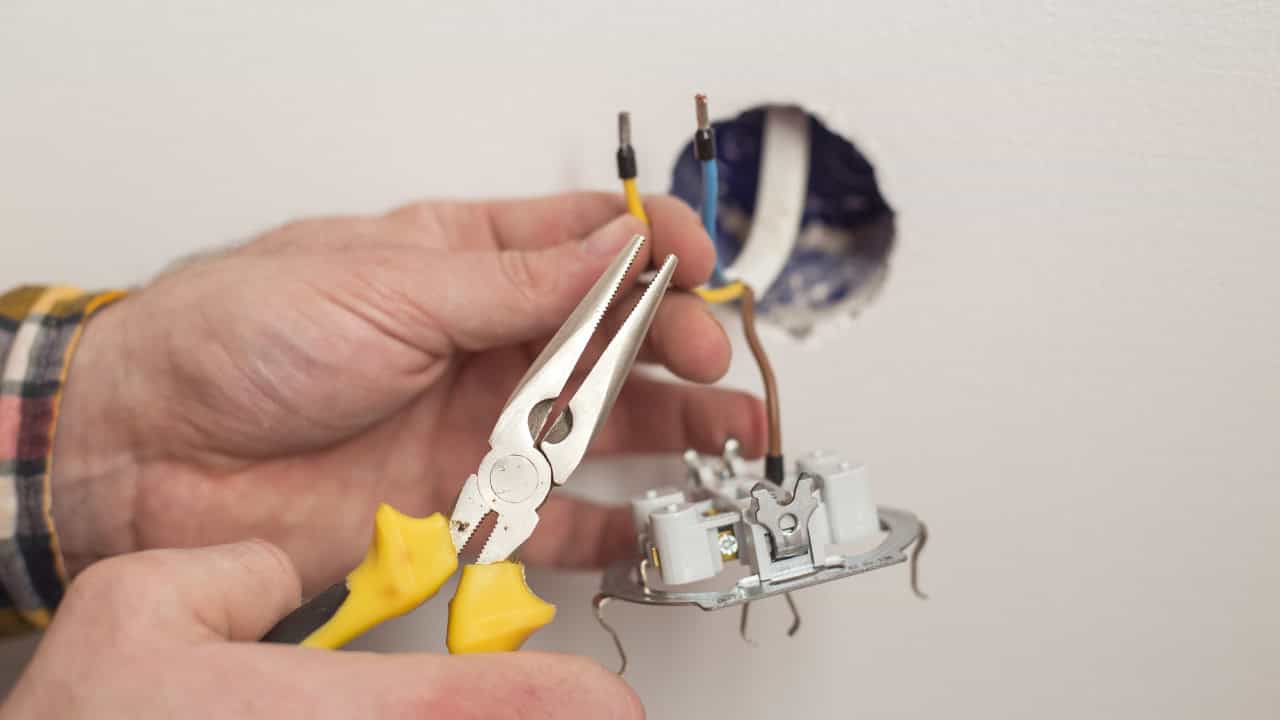
Electrical work isn’t something to play around with. Most places require a licensed electrician for big jobs like adding outlets, running new circuits, or rewiring anything beyond a simple light fixture. Sure, some homeowners can legally do their own work, but they have to prove they actually know what they’re doing. These rules aren’t just red tape—bad wiring can cause fires, shocks, or expensive code violations.
Even if you’re confident, skipping permits can cause headaches later. When it’s time to sell, buyers or inspectors might flag your DIY job, and that could mean costly fixes or legal trouble. Bottom line? If it involves wiring, don’t wing it.
Knocking Down Walls
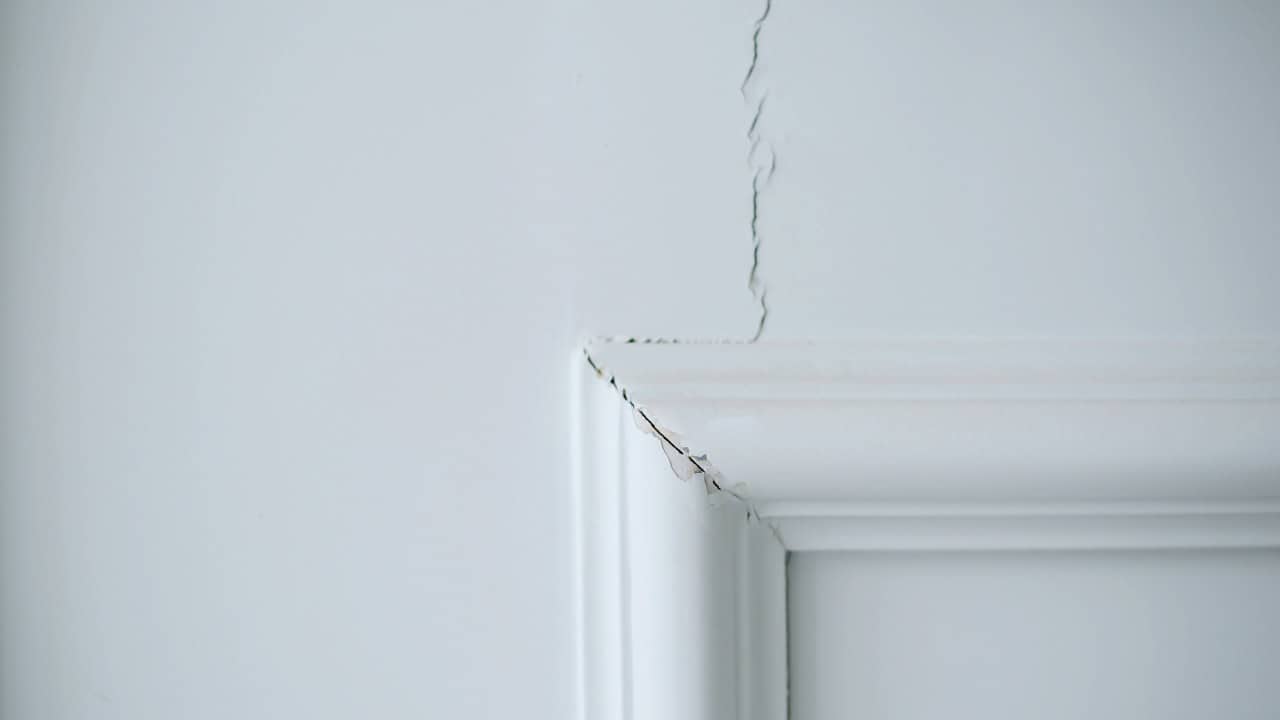
Taking out a wall might sound like a quick way to open up a space, but if it’s load-bearing, you could be messing with the entire structure of your home. That’s why most places require permits and an engineer’s approval before making big structural changes. Skip those steps, and you might end up with sagging ceilings or serious safety issues.
If you ever try to sell, buyers and inspectors will want proof that the work was done legally. If you can’t provide it, you might have to fix—or worse, undo—your changes. That’s a whole lot of trouble just to open up a room.
Some Plumbing Jobs
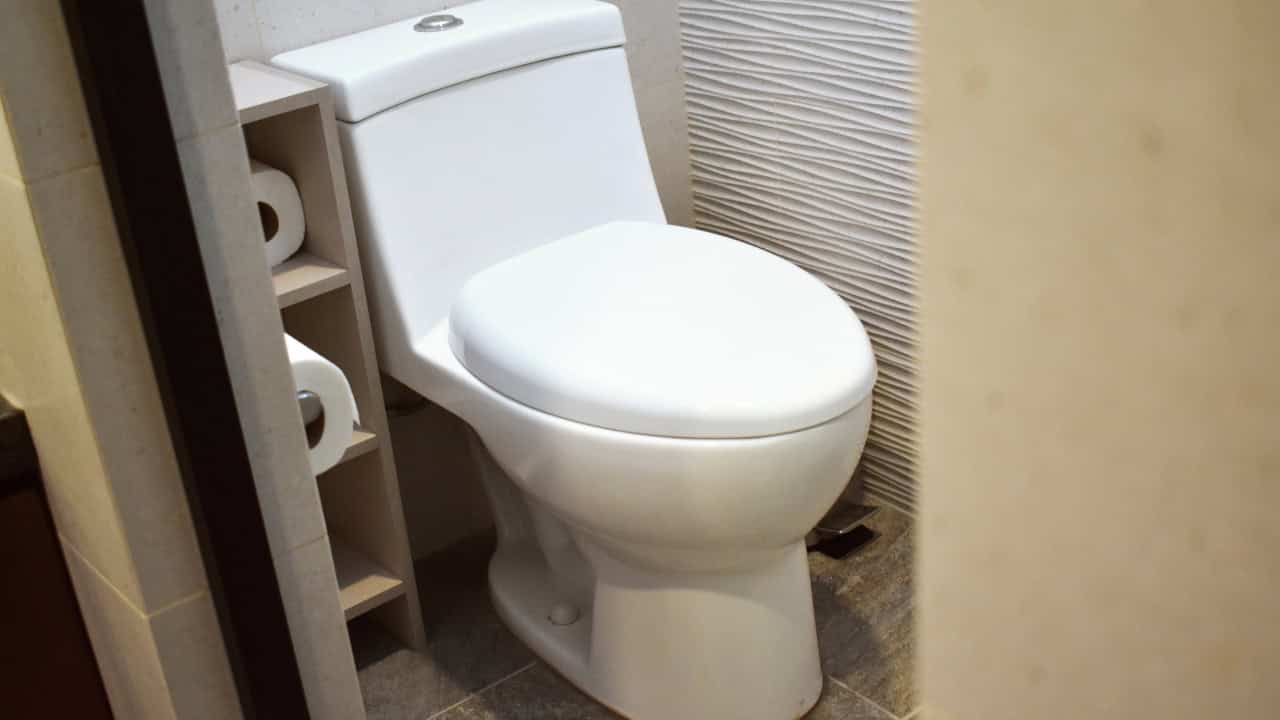
Replacing a faucet? Swapping out a toilet? Go for it. But when it comes to installing new pipes, moving fixtures, or dealing with sewer lines, you’re probably required to hire a licensed plumber. One wrong move can lead to leaks, water damage, or even contamination in your water supply. Not exactly a risk worth taking.
If your DIY plumbing isn’t up to code, it could cost you big time. Even if the work holds up for now, it might not pass inspection later—meaning you’ll have to pay someone to tear it out and do it right. That’s money better spent upfront.
Gas Lines
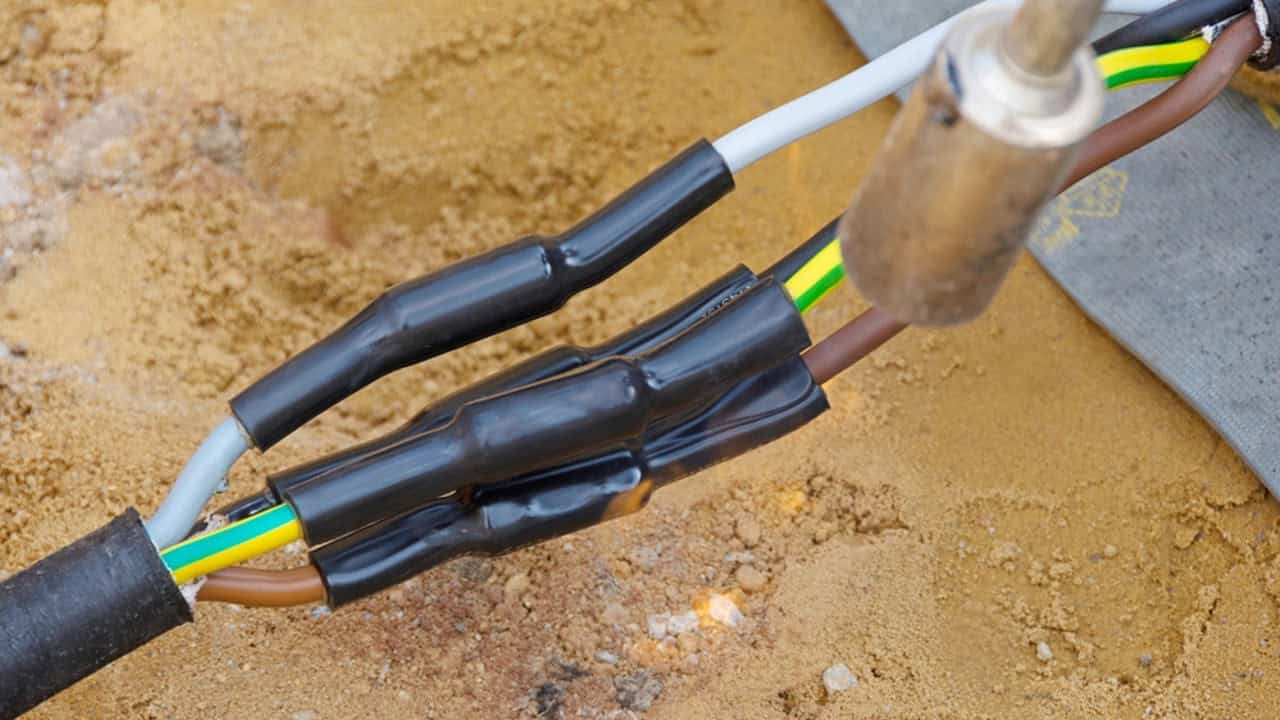
If a job involves a gas line, it’s not a DIY project. Most places require a licensed pro for anything involving gas—installing, moving, or even repairing lines. And for good reason. A small mistake can cause a gas leak, which can lead to carbon monoxide poisoning or, in the worst case, an explosion.
Even if everything seems fine at first, a slow leak can be dangerous over time. Gas companies and inspectors don’t mess around with this stuff. If they find unpermitted work, they could shut off your service or hit you with fines. Not worth the risk.
*This article was created with the help of AI.