They may look innocent on the surface, but these plants have secrets hiding beneath their beauty. From toxic sap to invasive roots, some of the most gorgeous plants in the garden come with a surprising dark side.
Before you plant that showstopper in your yard, you might want to know what it’s really capable of. Here are 8 stunning plants that aren’t quite as sweet as they seem.
Advertisement
Bleeding Heart – Beauty with a Tale of Unrequited Love
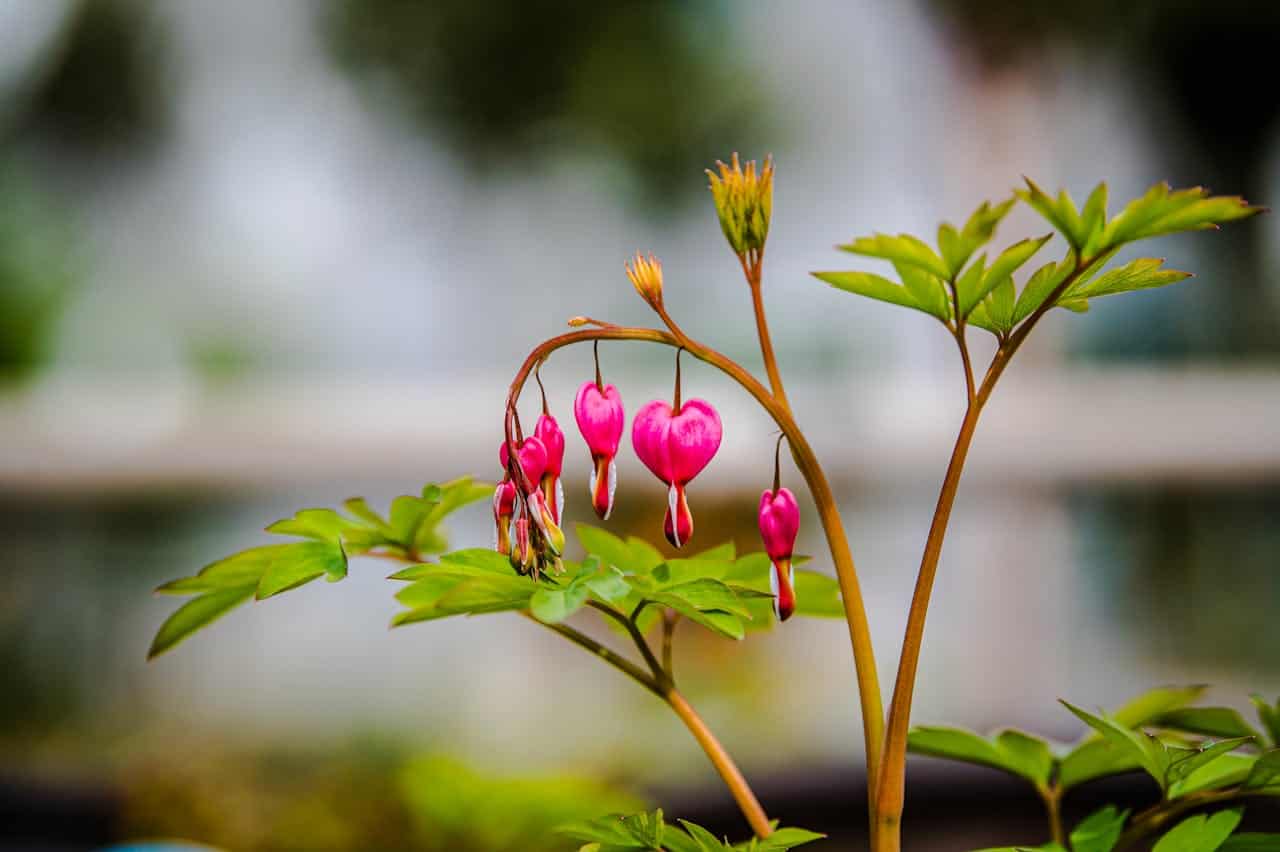
The Bleeding Heart is a stunning plant known for its heart-shaped flowers. Its beauty captivates, but it carries a poignant story.
In folklore, it symbolizes unrequited love. A prince falls for a princess, showering her with gifts, yet his affections go unnoticed. This tale adds a layer of depth to the plant’s enchanting charm.
Mandrake – Root of Mysterious Myths
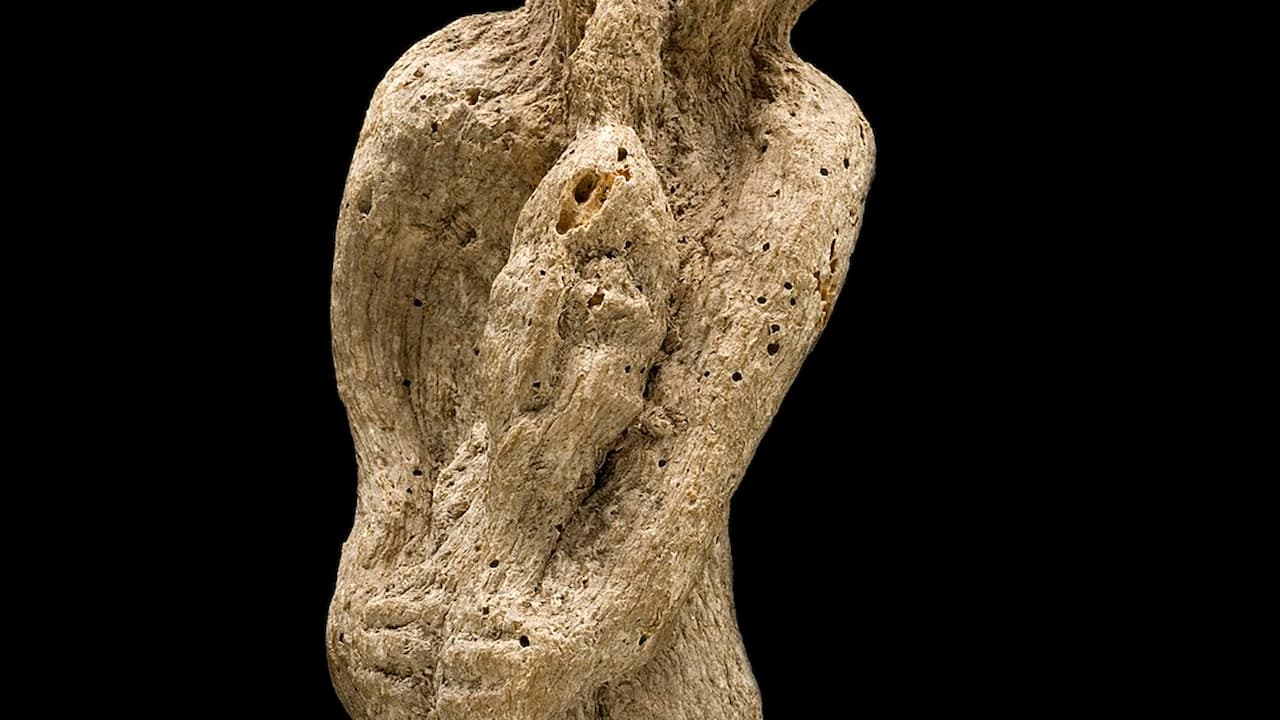
The mandrake plant is more than just a curious herb. Its root, often resembling a human figure, has captivated imaginations for centuries.
You might find it fascinating that cultures have long associated mandrake with magic and witchcraft, linking it to various myths and folklore. Its use in ancient medicine adds to its intriguing history, making it a plant full of secrets.
Belladonna – The Deadly Nightshade
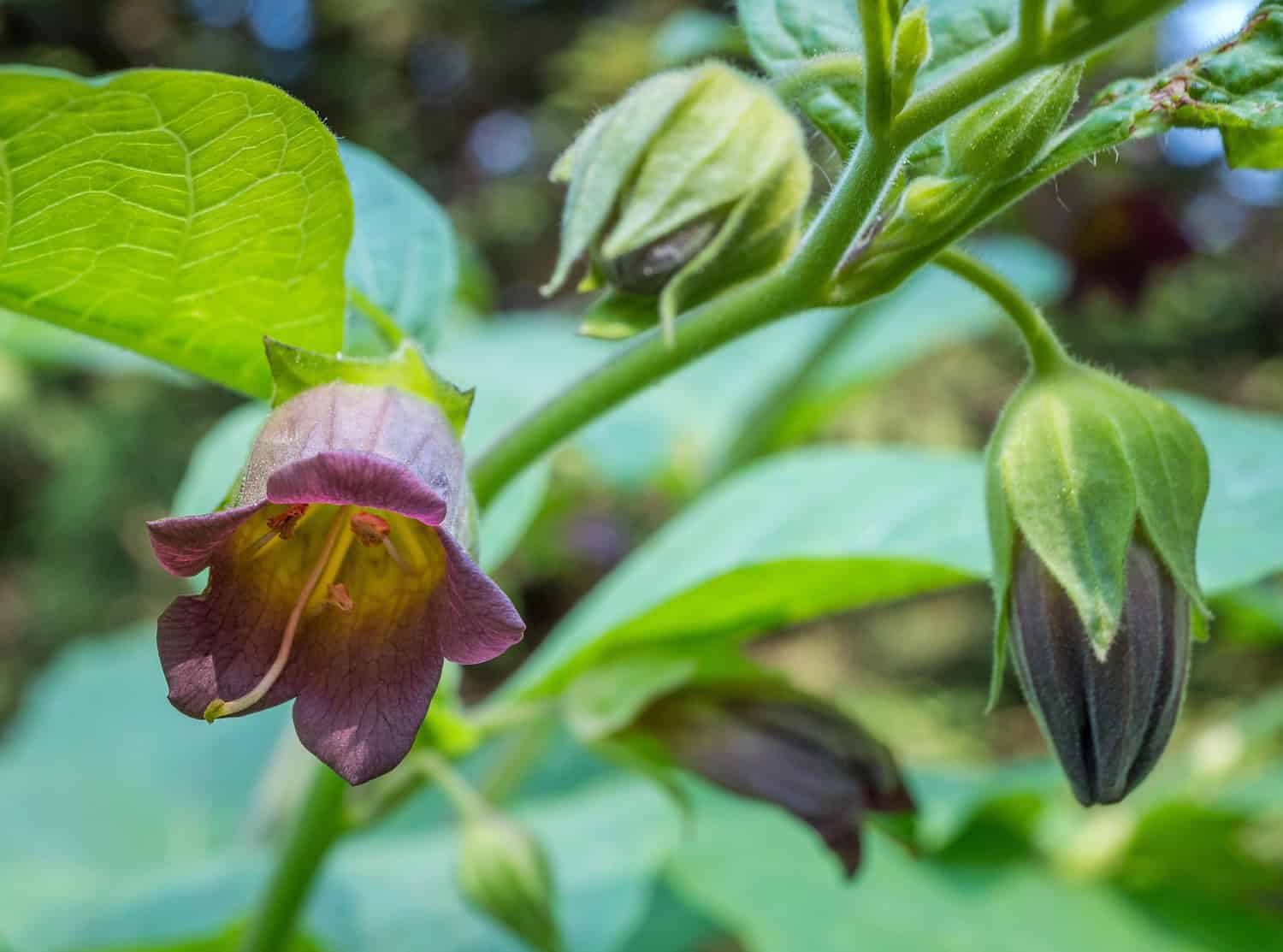
Belladonna, also known as deadly nightshade, is a fascinating yet dangerous plant. Its beautiful purple flowers might attract you, but this plant is highly toxic.
Historically, it has a dark reputation, often linked to poison and betrayal. You might even recall its mention in literature, like in Shakespeare’s “Romeo and Juliet,” where it plays a role in tragic endings.
Aconite – Also known as wolfsbane

Aconite, commonly called wolfsbane, is a striking plant with stunning blue or purple flowers. While its appearance might be captivating, it’s crucial to remember that this plant is highly toxic.
Historically, people have used aconite as a poison, earning it a place in literature and folklore. If you encounter it, enjoy its beauty from a safe distance.
Corpse Flower – Giant with a Haunting Scent
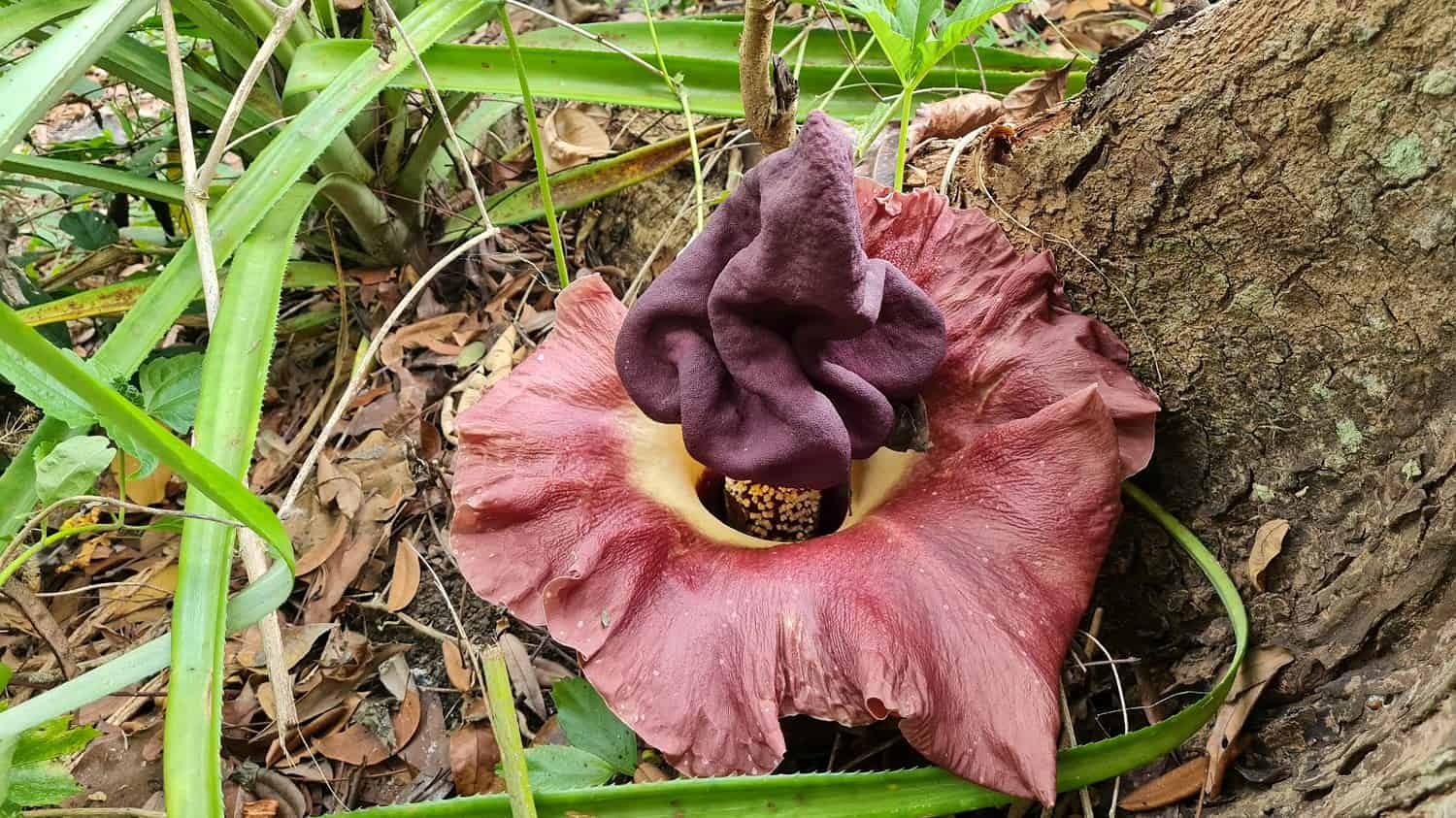
The corpse flower, or Amorphophallus titanum, is known for its impressive size and foul odor. When it blooms, it releases a scent reminiscent of rotting flesh, designed to attract pollinators like carrion beetles.
This unique plant can grow up to ten feet tall, making it a striking addition to any garden. Its rarity and unusual smell draw curious crowds whenever it blooms.
Carrion Flower – Attracts with its foul aroma
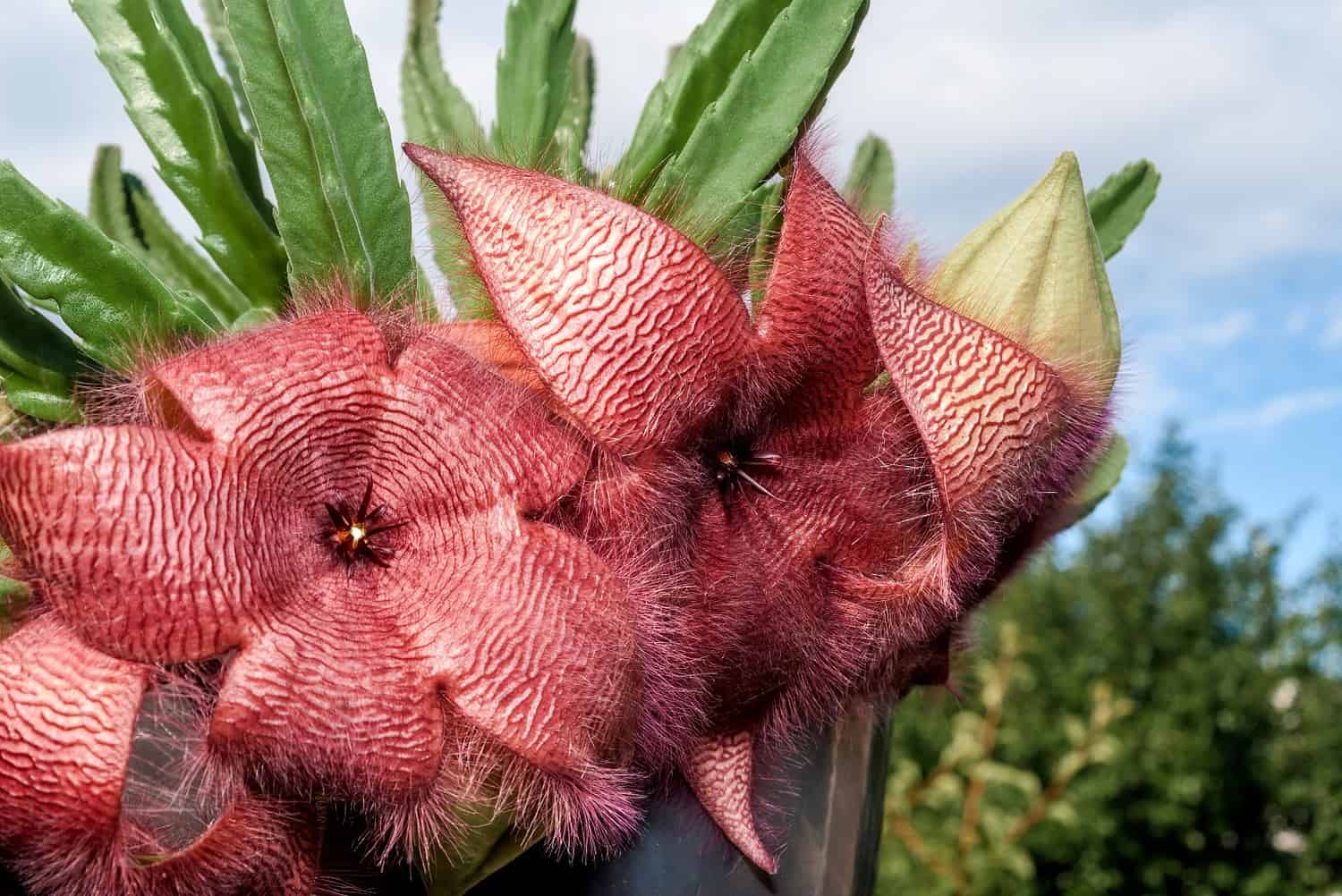
The carrion flower is quite unique, known for its strong scent resembling rotting flesh. This unusual odor is not a mistake; it’s an attraction method.
You’ll find that this foul aroma draws specific insects, like flies, which help pollinate the plant. Despite its unpleasant smell, the carrion flower is a fascinating example of nature’s survival techniques.
Raven ZZ Plant – Dark charm with toxic sap
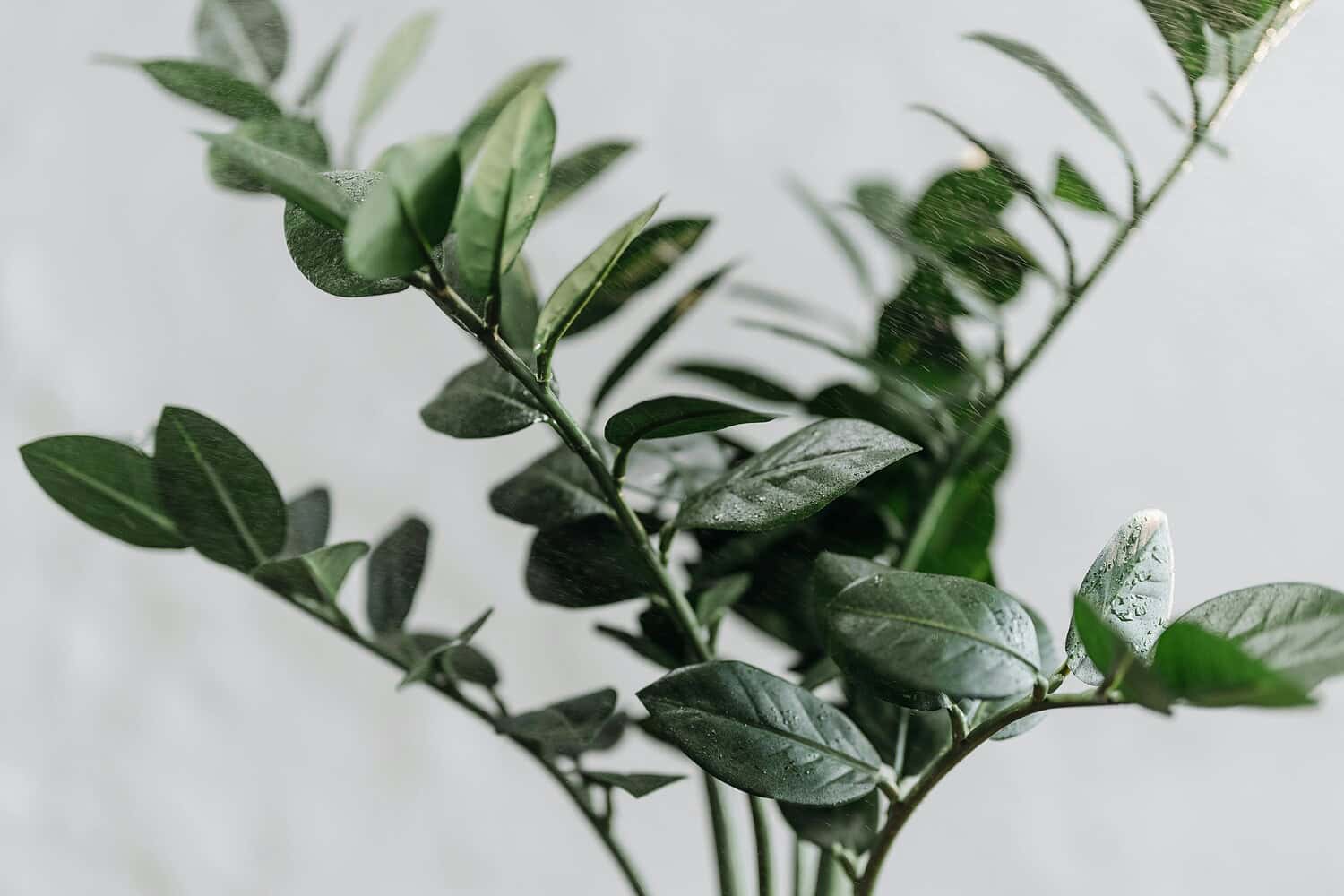
The Raven ZZ Plant adds a touch of elegance with its striking dark foliage. You’ll love how it stands out in any space.
However, be aware that its sap is toxic if ingested. Keep it away from pets and small children to ensure everyone stays safe. Enjoy the beauty, but handle with care!
Black Bat Flower – Mimics a Creature of the Night
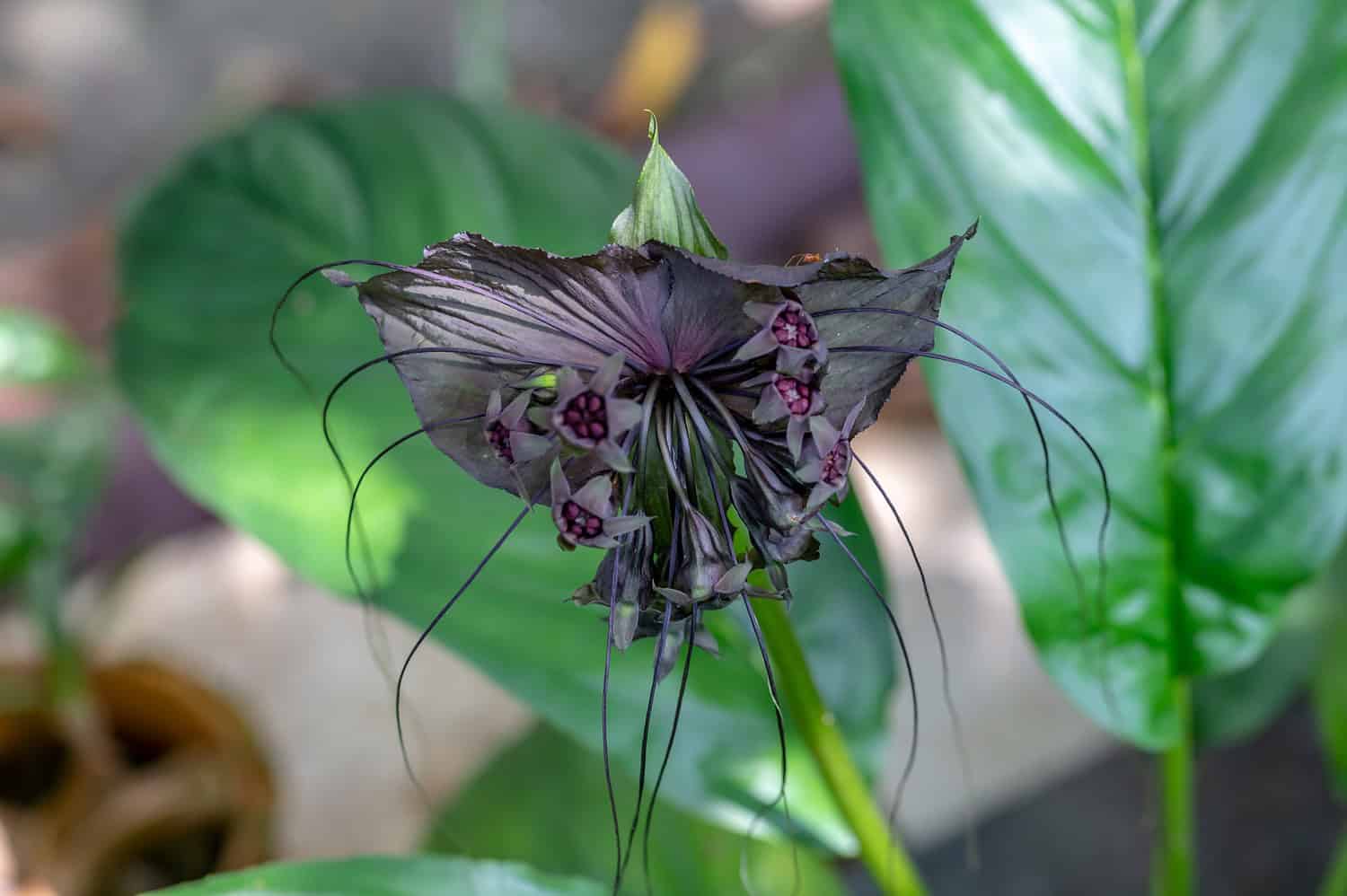
The Black Bat Flower is truly captivating. With its unique shape and dark, wing-like petals, it resembles a bat in flight. This striking appearance makes it a favorite among those who appreciate the unusual.
Despite its eerie look, this flower blooms during the day and thrives in warm, humid conditions. You might enjoy watching it flourish in your garden, adding an intriguing touch to your plant collection.