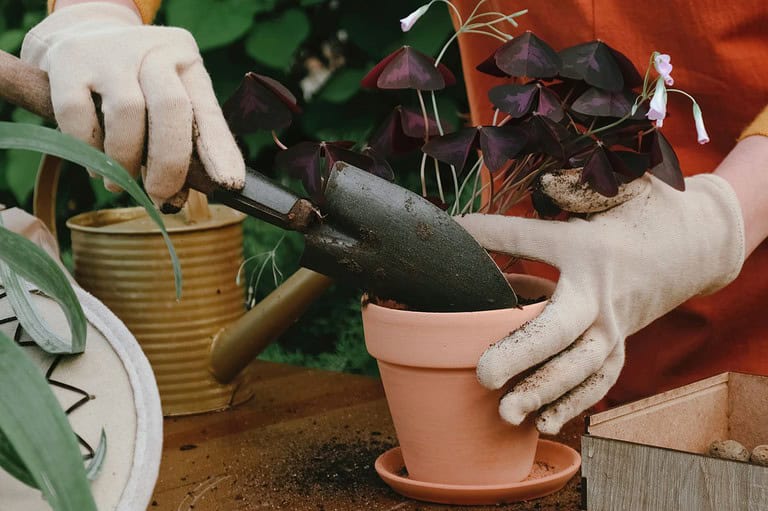
Plants are more than just decorative additions to your home or garden. They can serve unique purposes that go beyond aesthetics, such as helping you relax, providing companionship, or even offering a little surprise in their behavior. Discovering plants that either have fascinating traits or contribute to your well-being can truly transform your gardening experience.
In this article, you’ll learn about a selection of thirteen exceptional plants that can walk, aid your sleep, or exhibit unexpected characteristics. Exploring these remarkable varieties will not only expand your botanical knowledge but also inspire you to create a more dynamic and interactive green space. Dive in to find out how these plants can become valuable additions to your life.
Advertisement
Plants may droop at night, resembling sleep activity
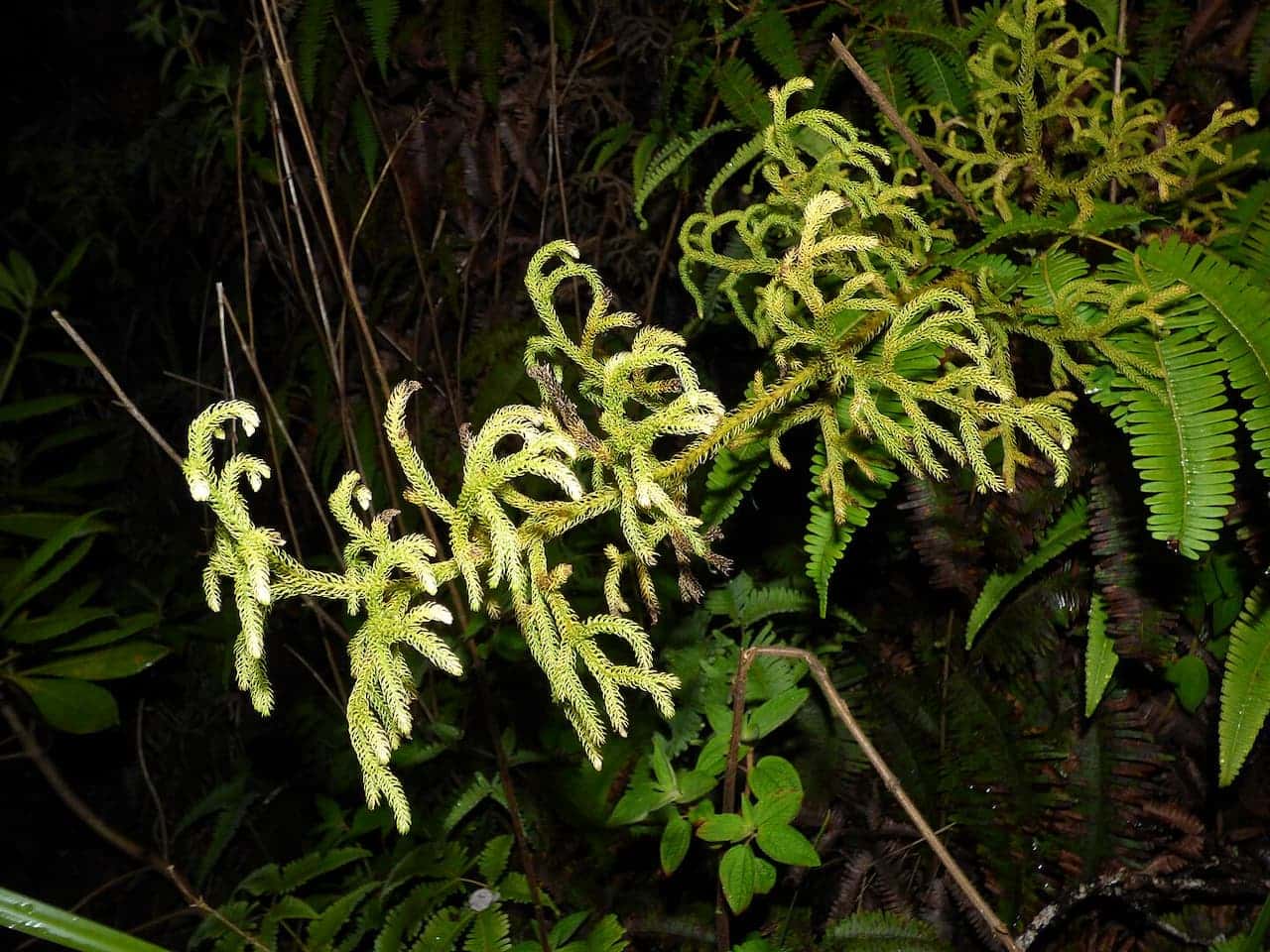
You may notice that some plants start to droop as night falls. This behavior mimics a sleep cycle, signaling a natural rhythm.
During the night, plants often lower their leaves to conserve energy. This movement is similar to animals resting, showcasing their unique adaptations.
Certain plants can ‘move’ towards light sources
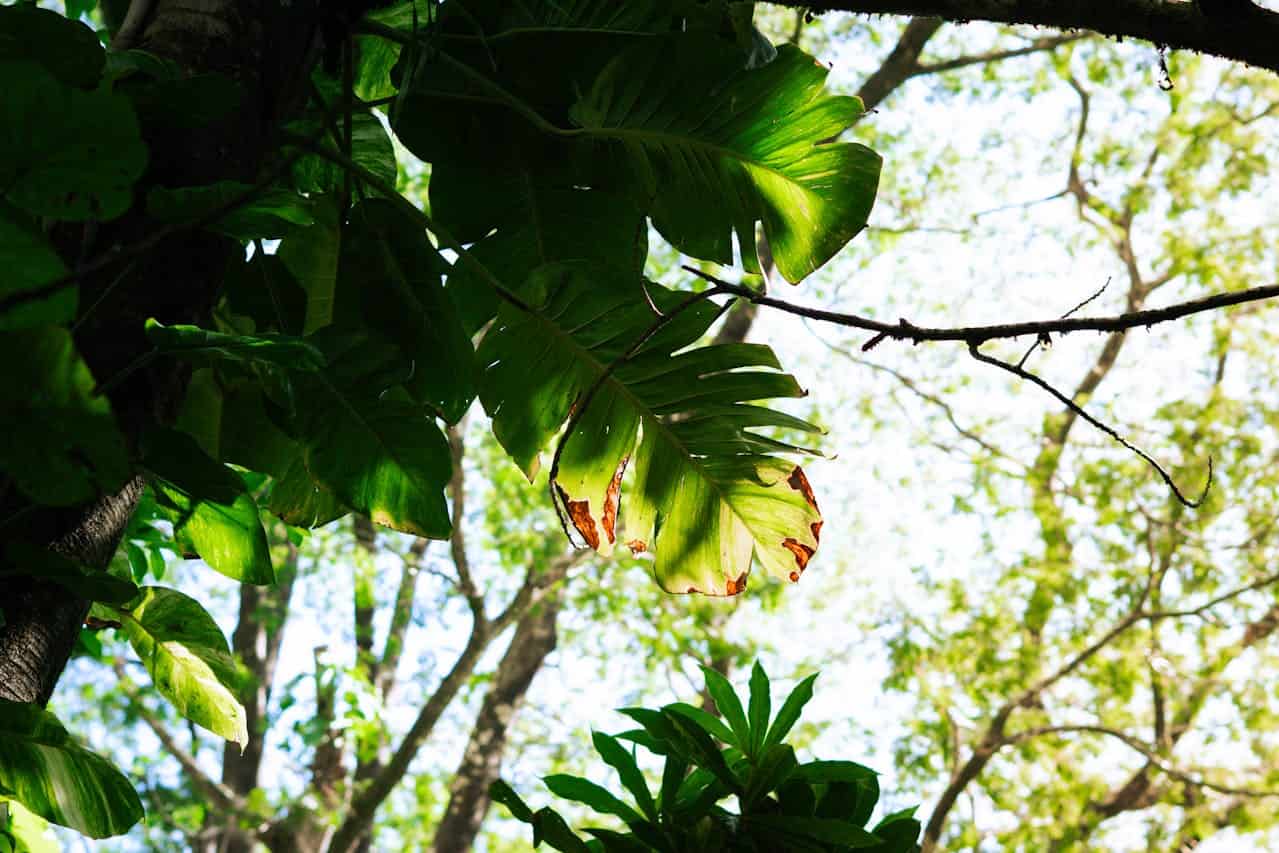
Many plants exhibit a fascinating ability to move towards light, a process known as phototropism. You may notice that houseplants tilt or bend toward windows where sunlight streams in.
This movement is driven by a hormone called auxin, which helps the plant grow more on the side that is away from the light. As a result, your plants can optimally capture sunlight for photosynthesis.
Plants Release Oxygen During Photosynthesis

During photosynthesis, plants take in carbon dioxide and water. Using sunlight, they convert these into glucose and release oxygen as a byproduct.
This process mainly occurs during the day when there is enough light for the plants to generate energy. So, the more plants around you, the better the air quality you enjoy!
Some plants close their leaves at night, resembling sleep
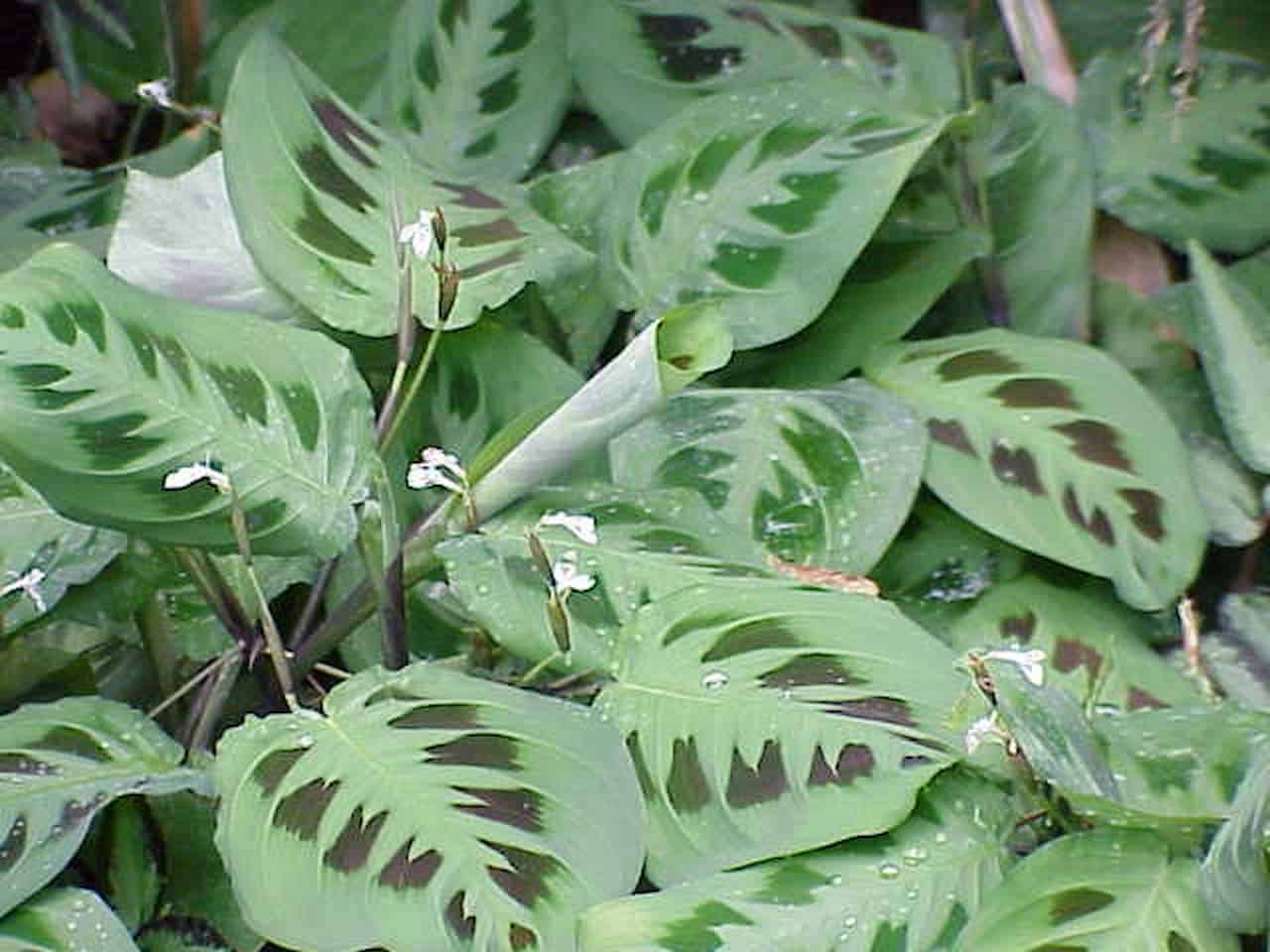
By closing up, they protect themselves from the cold and reduce water loss. It’s a fascinating example of how nature has adapted to daily changes in the environment.
Mimosa pudica responds to touch by closing leaves

When you touch the Mimosa pudica, known as the sensitive plant, its leaves quickly fold up. This fascinating reaction helps protect it from potential threats, like hungry insects.
The process is a defense mechanism called thigmotropism. It’s amazing how this small plant can sense touch and respond so dramatically!
Carnivorous plants like Venus flytraps ‘bite’ prey
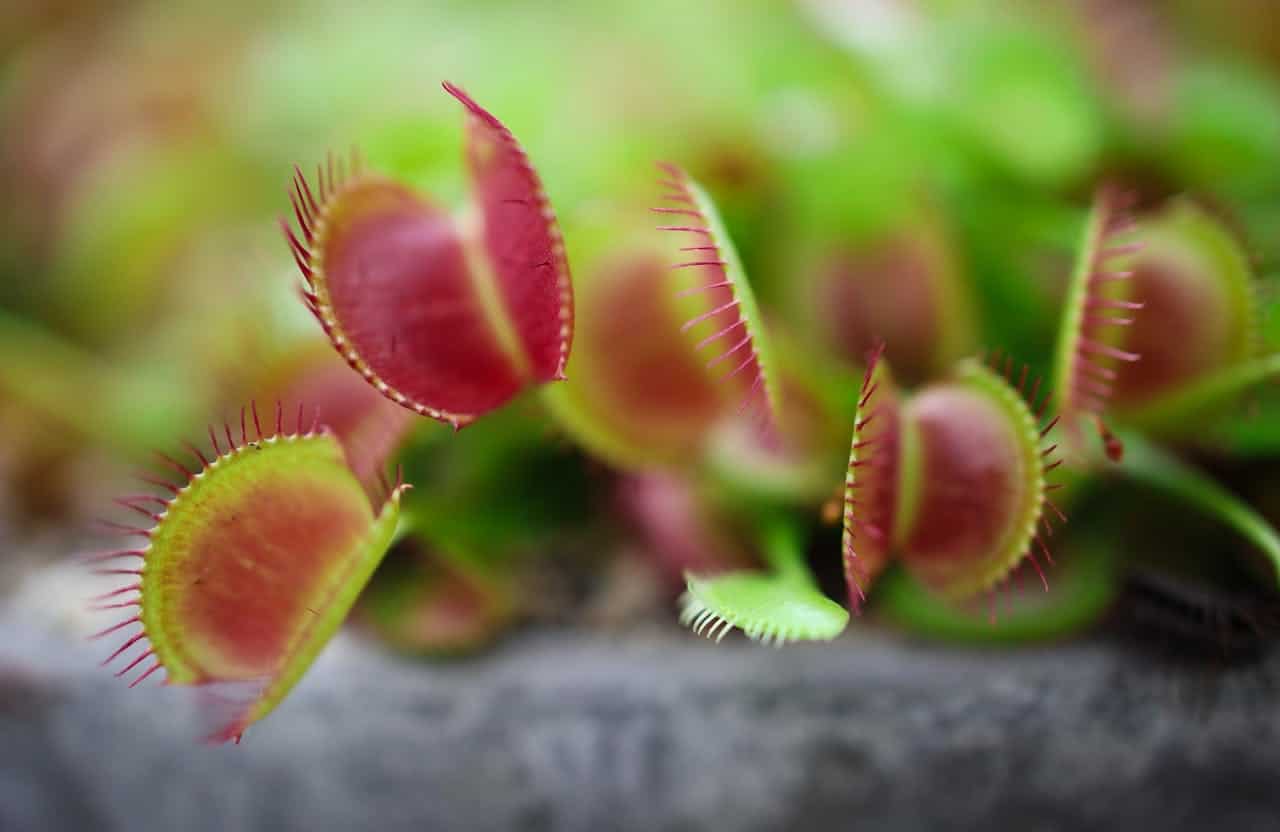
Venus flytraps are fascinating plants that capture their prey with a quick snap. When an insect brushes against their sensitive trigger hairs, the lobes close, trapping the unsuspecting victim.
These plants use enzymes to digest their food, absorbing nutrients after the meal. Watching a Venus flytrap in action is both exciting and educational!
Plants like ivy can deter some insects

Ivy is not just a beautiful addition to your garden; it can also help keep some insects at bay. Its thick leaves create a barrier that some pests find uninviting.
Planting ivy near entry points may deter unwanted visitors. Consider adding it to your outdoor space for both aesthetics and pest control.