As someone who helps people declutter their homes for a living, I’ve seen every possible way a decluttering project can go sideways. But it wasn’t until I found myself sitting in a pile of “maybe” items at 2 AM, surrounded by my three sleeping boys’ worth of outgrown clothes, that I truly understood the emotional complexity of letting go.
After years of helping others and finally mastering my own decluttering challenges, I’ve identified the core reasons why most decluttering efforts fail – and more importantly, how to overcome them. Let’s dive into the real obstacles that are keeping you stuck.
Advertisement
The Sentimental Tech Trap

I discovered this one while trying to organize my home office. There I was, staring at a drawer full of old phones, tablets, and chargers, telling myself I needed to keep them “just in case.” The reality? I was holding onto thousands of dollars worth of outdated technology that I hadn’t touched in years.
The Fix: I created a simple digital archive system. Before letting go of old devices, I backup important data to cloud storage and document serial numbers in a spreadsheet. This gives me the security of knowing I haven’t lost anything valuable while freeing up physical space.
The “Perfect Container” Paradox

You’ve probably done this too – spent hours browsing The Container Store or scrolling through organization videos, convinced that the perfect storage solution will solve your clutter problems. I once dropped $300 on organizing supplies before removing a single item from my home.
The Fix: I now follow what I call the “Subtract Then Sort” rule. No purchasing containers until after I’ve decluttered. This forces me to understand exactly what I’m keeping and what storage I actually need, not what I think might work.
The “Future Self” Fantasy
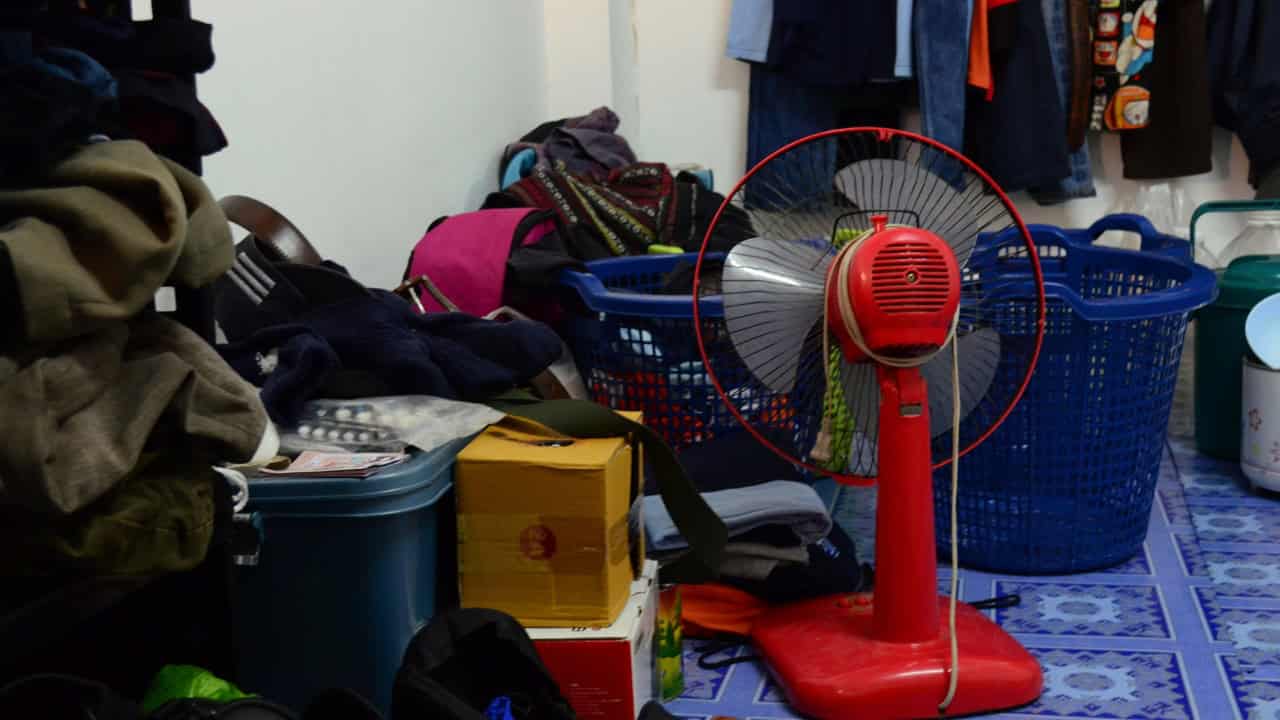
This was my biggest stumbling block. I kept holding onto clothes that didn’t fit, craft supplies for projects I’d never start, and kitchen gadgets for meals I’d never cook. I was storing items for some imaginary future version of myself who would somehow have more time, different interests, and maybe even a different body.
The Fix: I implemented the “Current Me” rule. Every item must serve who I am right now, not who I might become. This shifted my focus from potential to reality and made decisions much clearer.
The Guilt Inheritance

Growing up in a family that kept everything from the Great Depression era, I inherited not just items, but the guilt associated with letting things go. Each time I tried to declutter, I heard my great-grandmother’s voice warning about waste and want.
The Fix: I started practicing what I call “Gratitude Release.” Before letting go of inherited items, I take a photo, write down any associated memories, and thank the item for its role in our family’s story. This ritual helps honor the past while creating space for the present.
The All-or-Nothing Approach

I used to block out entire weekends for decluttering, convinced that I needed to tackle everything at once. These marathon sessions always ended the same way – with exhaustion, frustration, and a house that looked worse than when I started.
The Fix: I developed the “15/15 Method.” Fifteen minutes of focused decluttering followed by fifteen minutes of complete reset. This prevents the overwhelming mess that often derails bigger projects and makes it easier to stop at a natural breaking point.
The “But It Was Expensive” Burden

The money mindset was a huge obstacle for me. I kept holding onto items simply because I’d spent a significant amount on them, even though they no longer served any purpose in my life. That designer diaper bag that hurt my shoulder? Kept it for two years because it cost a fortune.
The Fix: I now calculate the “cost per use” rather than the purchase price. If something was expensive but isn’t being used, keeping it isn’t saving money – it’s wasting space. I also factor in the mental cost of keeping items that no longer serve me.
The Decision Fatigue Spiral

This last one is subtle but significant. I noticed that my decluttering efforts would start strong but fizzle out after an hour or two. The quality of my decisions would deteriorate, and I’d end up keeping things I shouldn’t or getting rid of things I’d later regret.
The Fix: I created what I call “Decision-Free Zones” – specific categories or areas where I’ve pre-made the decisions. For example, all broken items go immediately, magazines older than three months get recycled, and duplicate kitchen tools get donated. These automatic rules preserve my decision-making energy for more important choices.
The secret to successful decluttering isn’t about having more willpower or being naturally organized. It’s about understanding and addressing the psychological barriers that keep us holding onto things we don’t need. By identifying these obstacles and creating specific strategies to overcome them, you can finally break free from the cycle of failed decluttering attempts.
*This article was created with the assistance of AI.