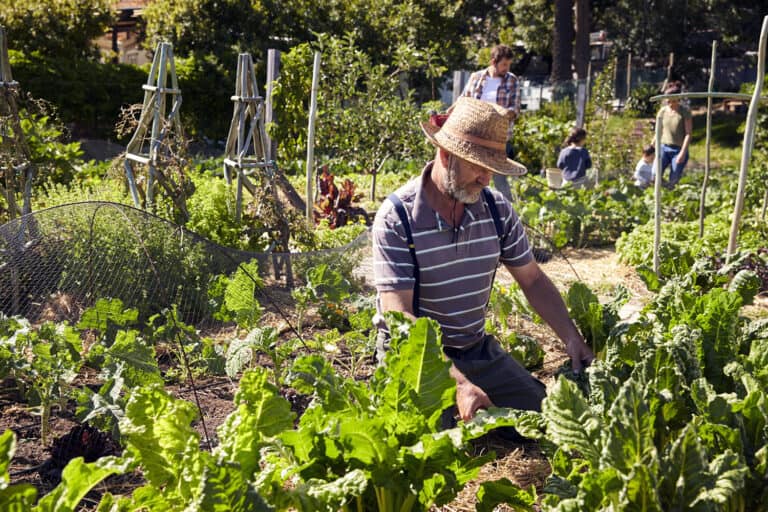
Gardening has always been a therapeutic activity for many, but traditional methods often require a lot of back-breaking work. Digging, tilling, and turning over soil can be strenuous, especially for those with physical limitations. No-dig gardening is a method that eliminates these exhausting tasks, making gardening an enjoyable and accessible hobby for everyone.
This approach preserves the natural soil structure, improves the soil’s fertility, and encourages beneficial soil life. Let’s unravel the top seven no-dig gardening tips for creating effortless beds.
Advertisement
1. Start with a Layer of Cardboard

To begin your no-dig garden, lay down a thick layer of cardboard on the ground. This serves as an excellent barrier against weeds and grass. Wet the cardboard thoroughly to help it break down faster and encourage worms to work their way up to the surface. When laying down your cardboard, overlap the pieces to make sure there are no gaps for weeds to poke through.
2. Layer Organic Materials

Next, layer organic materials on top of the cardboard. This can include compost, aged manure, straw, grass clippings, and leaves. These materials will decompose and create a nutrient-rich soil perfect for planting. Layering organic matter is like making a lasagna, alternating between green and brown materials. For instance, you can start with a layer of straw, followed by compost, then grass clippings and so on.
3. Add a Layer of Mulch

Mulch is a critical component in no-dig gardening. It helps retain moisture, suppress weeds, and eventually breaks down to add nutrients to the soil. You can use straw, wood chips, or leaves as mulch. Make sure to add a thick layer of mulch, approximately 2-3 inches, to maximize its benefits.
4. Wait for Nature to Do Its Work

After setting up your layers, patience is key. You need to give nature time to break down the materials and create a fertile and fluffy soil. This can take several months, so it’s best to start your no-dig bed in the fall to have it ready for spring planting.
5. Plant Directly Into the Bed

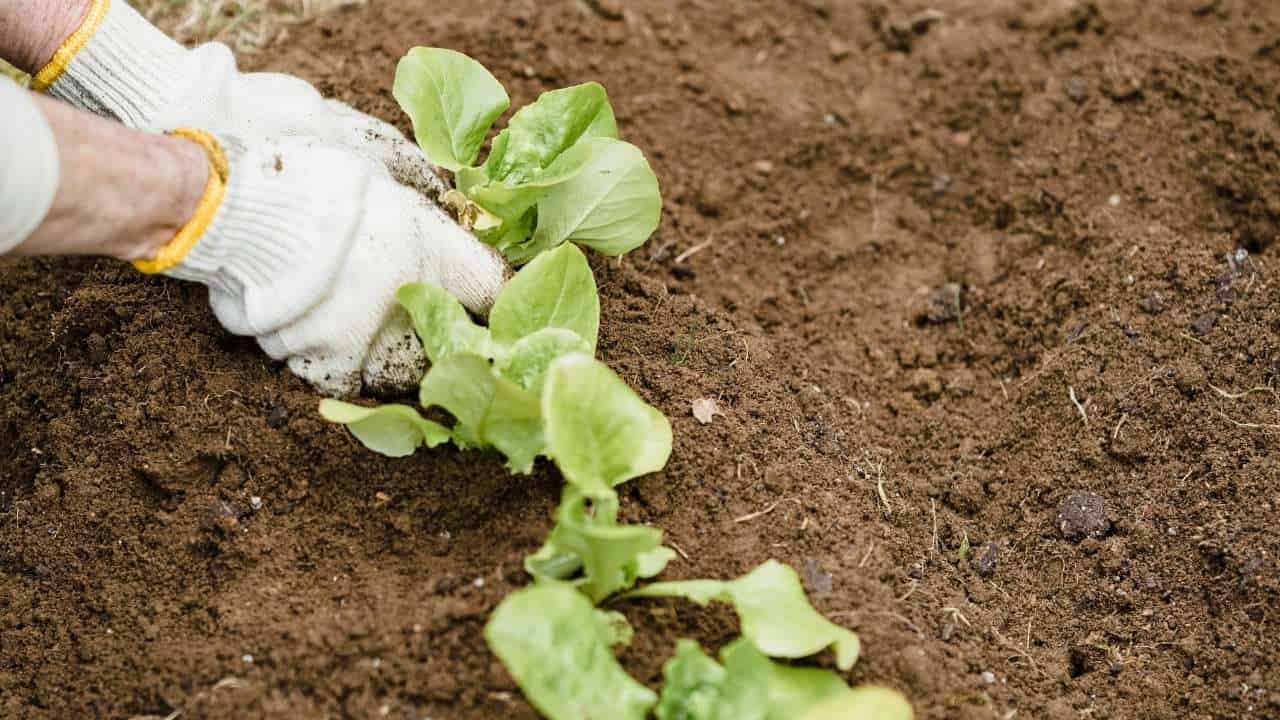
When it’s time to plant, simply move aside the mulch and plant directly into the bed. There’s no need to turn or till the soil. This preserves the soil structure and keeps beneficial organisms undisturbed.
6. Keep Adding Organic Matter

No-dig gardening is a continuous process. Keep adding organic matter to the surface to feed the soil and plants. This can be in the form of compost, grass clippings, or kitchen scraps. Just remember not to dig or till; just add to the top.
7. Practice Crop Rotation
Finally, practice crop rotation. This helps prevent the build-up of pests and diseases and maintains soil fertility. Try to avoid growing the same type of vegetables in the same spot year after year. Instead, rotate your crops to confuse pests and improve soil health.
To conclude, no-dig gardening is an easy, enjoyable, and efficient method that makes gardening accessible to everyone. It’s a gentle approach that works in harmony with nature, resulting in healthy and productive gardens. So why not give it a try? Your back and your plants will thank you!