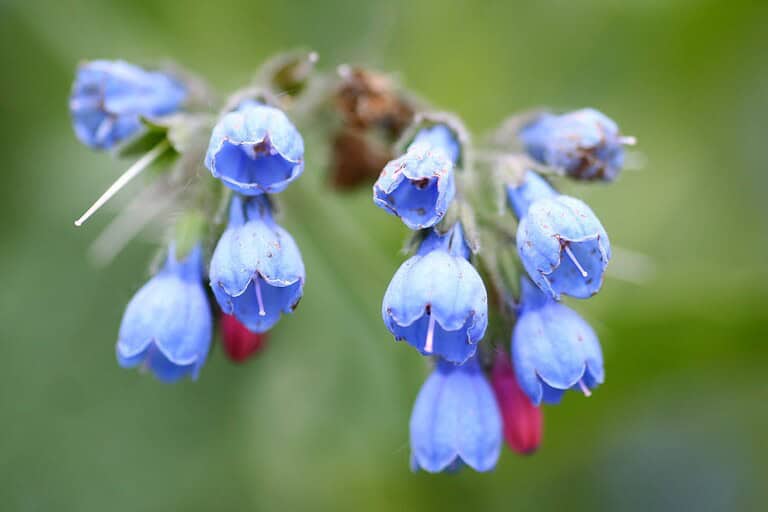
There’s something deeply satisfying about stepping outside to see a garden blooming with vibrant colors, rich textures, and intoxicating fragrances of different flowers. Your very own personalized flower garden can be a retreat from the world, a place where you can kick back and recharge. However, a gorgeous garden doesn’t just happen overnight; it requires careful planning and a keen eye for design. This blog post will guide you through seven essential steps for planning a stunning flower garden layout, ensuring that your plot not only captivates the eye but also soothes the soul.
1. Understand Your Garden’s Environment

Before you even begin to plan your garden layout, it’s crucial to understand the environment of your garden. This includes factors such as the amount of sunlight your garden receives, the quality of soil, and the climate of your area.
Advertisement
A garden that gets full sunlight, for example, will require flowers that are sun-loving, such as roses, marigolds, or zinnias. If your garden is predominantly shady, opt for flowers that thrive in lower light conditions like begonias, impatiens, or fuchsias. Regarding soil, some flowers prefer well-drained sandy soil, while others prefer rich, loamy soil. By understanding your garden’s conditions, you can select the right flowers that will thrive and bring your garden to life.
2. Choose a Garden Theme
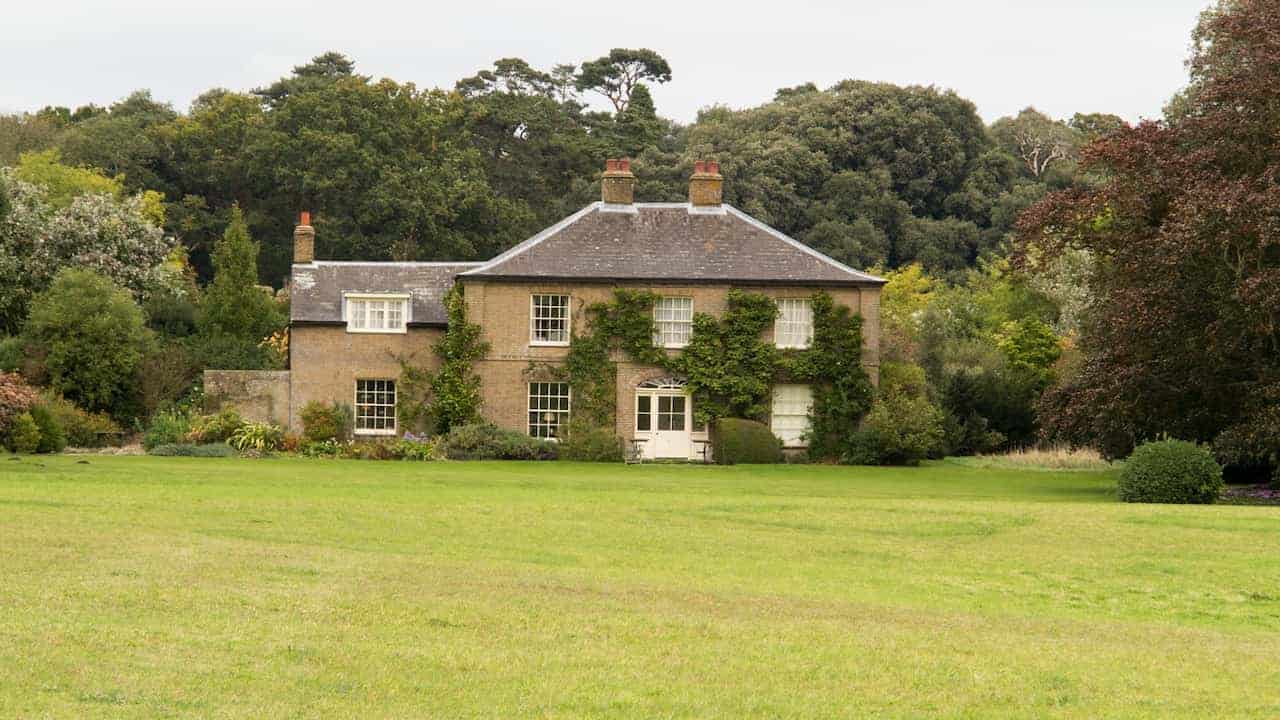
A garden theme can provide a cohesive look and feel to your garden. This goes beyond just choosing flowers of the same color. Your theme could be based on a particular style (like a cottage garden or a tropical garden), a color scheme, or even a specific group of plants (like a butterfly garden or a rose garden).
For example, a cottage garden might include traditional flowers like roses, lavender, and hollyhocks, while a tropical-themed garden might feature bright, exotic flowers like hibiscus, bird of paradise, and orchids. When choosing a theme, consider what resonates with you and what will work with your garden’s conditions. A well-chosen theme can turn your garden from a random assortment of flowers into a stunning, coherent display.
3. Sketch a Garden Layout

Creating a garden layout doesn’t require professional drawing skills. You can make a simple sketch on graph paper, marking out where you want your flower beds, paths, and other garden features to be. This will help you visualize your garden and make better decisions about what to plant where.
For example, you might want to have taller flowers at the back of a border and shorter ones at the front, or you might want to create a winding path with flowers on either side. A sketch can also help you estimate how many plants you’ll need, so you don’t end up buying too many or too few.
4. Select Your Flowers

Now comes the exciting part: choosing your flowers! Based on your garden’s conditions and your chosen theme, select a variety of flowers that will provide color and interest throughout the growing season.
Remember to consider the height, shape, and growth habits of each plant, as well as their bloom times. For example, if you want a continuous display of color, you could choose spring bulbs like tulips and daffodils, summer perennials like daylilies and phlox, and fall bloomers like asters and chrysanthemums.
5. Plan for Continual Blooms

One of the tricks to creating a stunning flower garden is to plan for continual blooms. This means choosing a variety of flowers that will bloom at different times, so you always have something beautiful to look at.
For example, you might start with spring bulbs like crocuses and daffodils, followed by early summer bloomers like peonies and iris, then midsummer flowers like roses and lilies, and finally late summer and fall flowers like dahlias and asters. This ensures that as one type of flower fades, another is ready to take its place.
6. Consider Plant Combinations
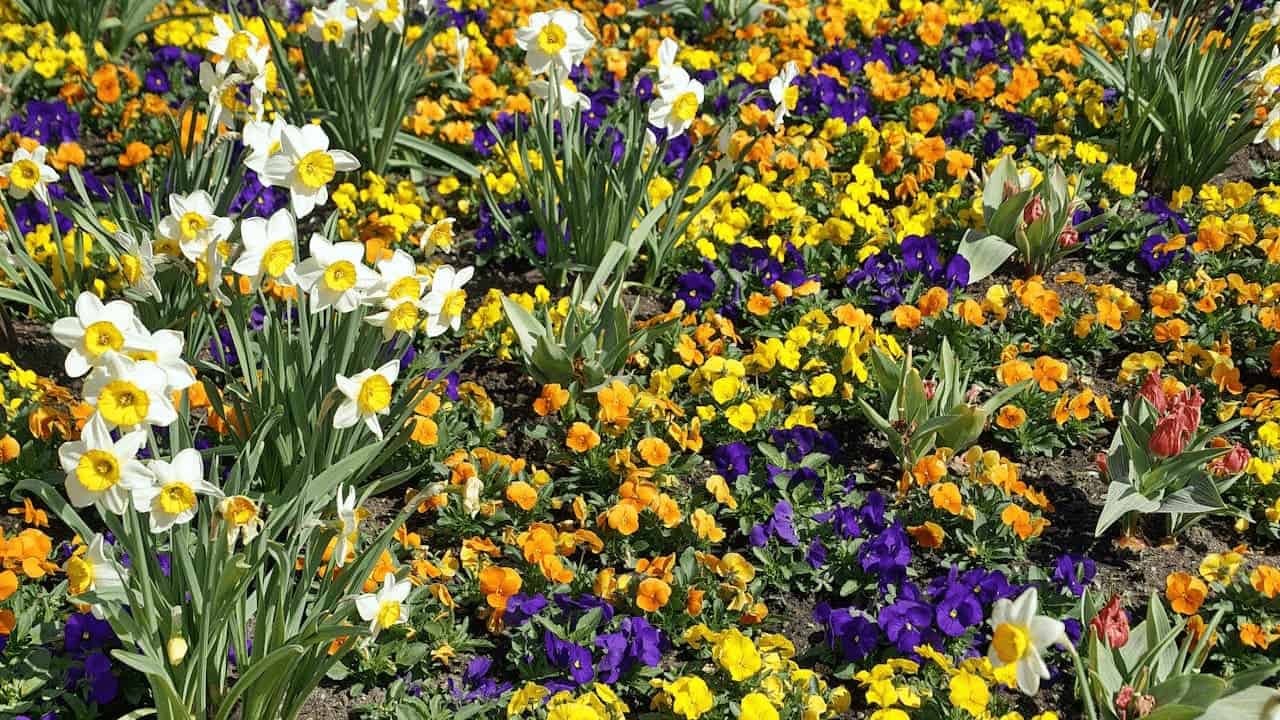
When planning your garden layout, consider how different flowers will look together. Certain color combinations can create different effects: for example, contrasting colors (like purple and yellow) can create a vibrant, energetic feel, while analogous colors (like red, orange, and yellow) can create a harmonious, warm feel.
Also consider the shapes and textures of different plants. For example, the spiky blooms of salvia can look striking next to the round blooms of peonies, and the delicate texture of baby’s breath can provide a beautiful contrast to the bold, large leaves of hostas.
7. Start Planting

Once you’ve chosen your plants and planned your layout, it’s time to start planting! Be patient and give your plants time to grow and fill in. Remember, a garden is a living, evolving thing, and it can take a few years for it to reach its full potential.
As you plant, keep in mind the needs of each plant in terms of spacing, light requirements, and watering needs. And don’t forget to mulch around your plants to help conserve water, suppress weeds, and improve the soil. Happy gardening!