
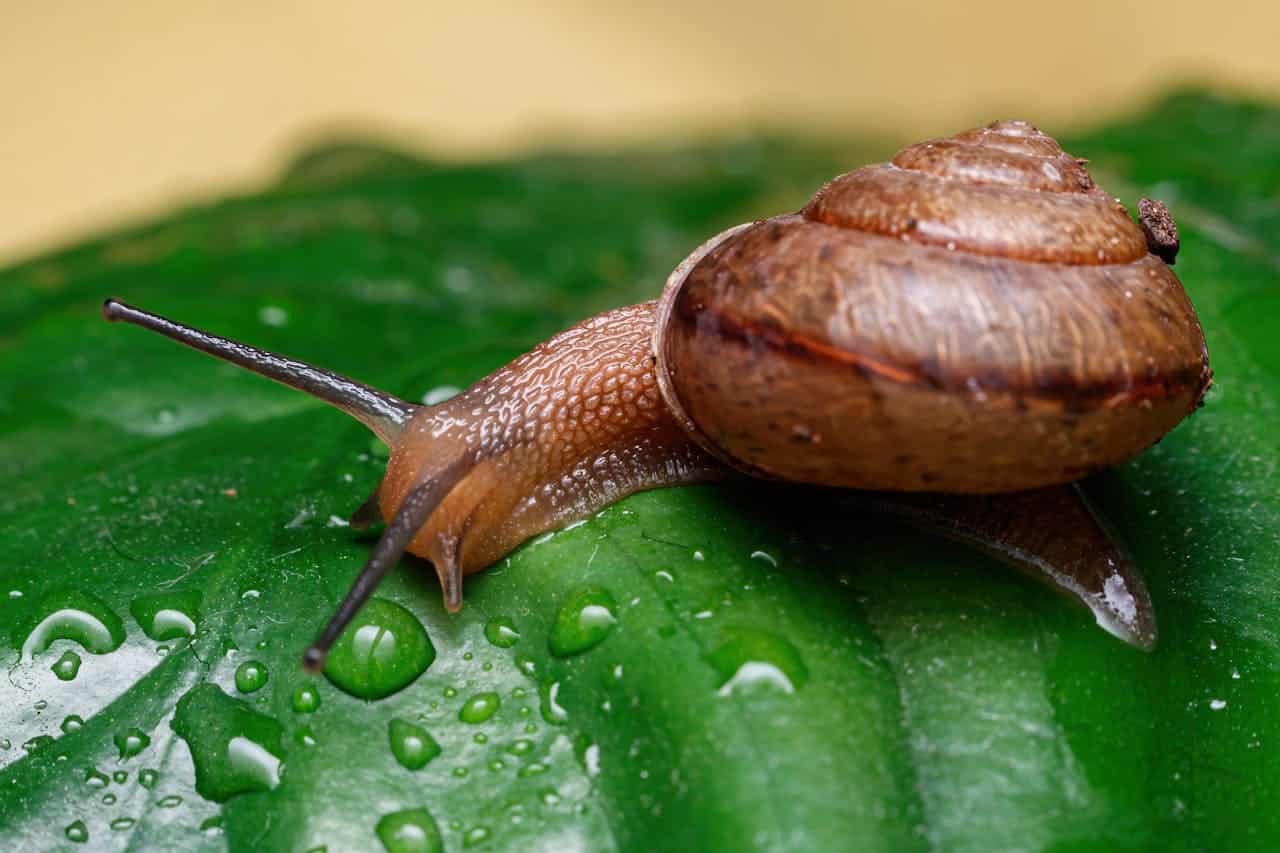
I’m always on the lookout for ways to protect my garden, especially when it comes to dealing with persistent pests like slugs and snails. These unwelcome guests have a knack for ruining budding crops just when they start to thrive. Keeping slugs and snails away can greatly help my plants flourish and produce a bountiful spring harvest.
Tackling this issue doesn’t have to be a daunting task. By exploring a variety of practical methods, I can effectively keep these pests at bay without resorting to harmful chemicals. Whether it’s using natural repellents or creating barriers, I’ve found several strategies that work well in maintaining a healthy, thriving garden.
Advertisement
1. Collect slugs at dusk
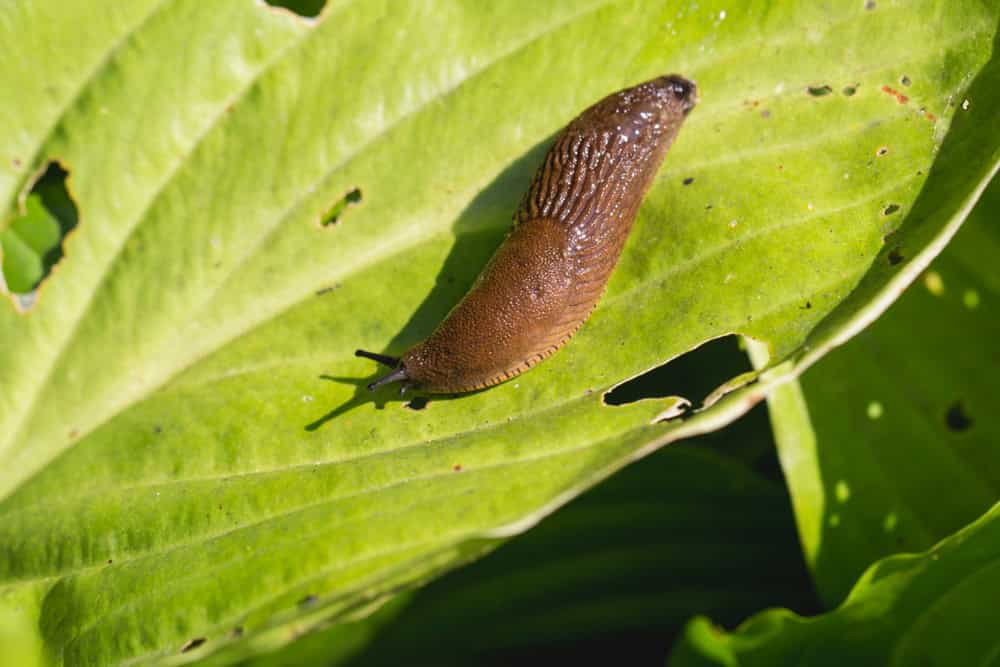
I find it really effective to head out at dusk when the slugs are most active. It feels like I’m on a little treasure hunt in my own garden. When the light starts to fade, these critters come out to feast, and that’s the perfect time to catch them in action.
Equipped with a torch and a small container, I’m able to collect a surprising number of slugs in just a few minutes. It’s a simple and organic way to cut down on the slug population. Plus, I get some fresh air and a little exercise in the process.
I just pop them into a container and relocate them far from my garden. It’s a small effort that makes a big difference for my crops.
2. Use coffee grounds as a barrier
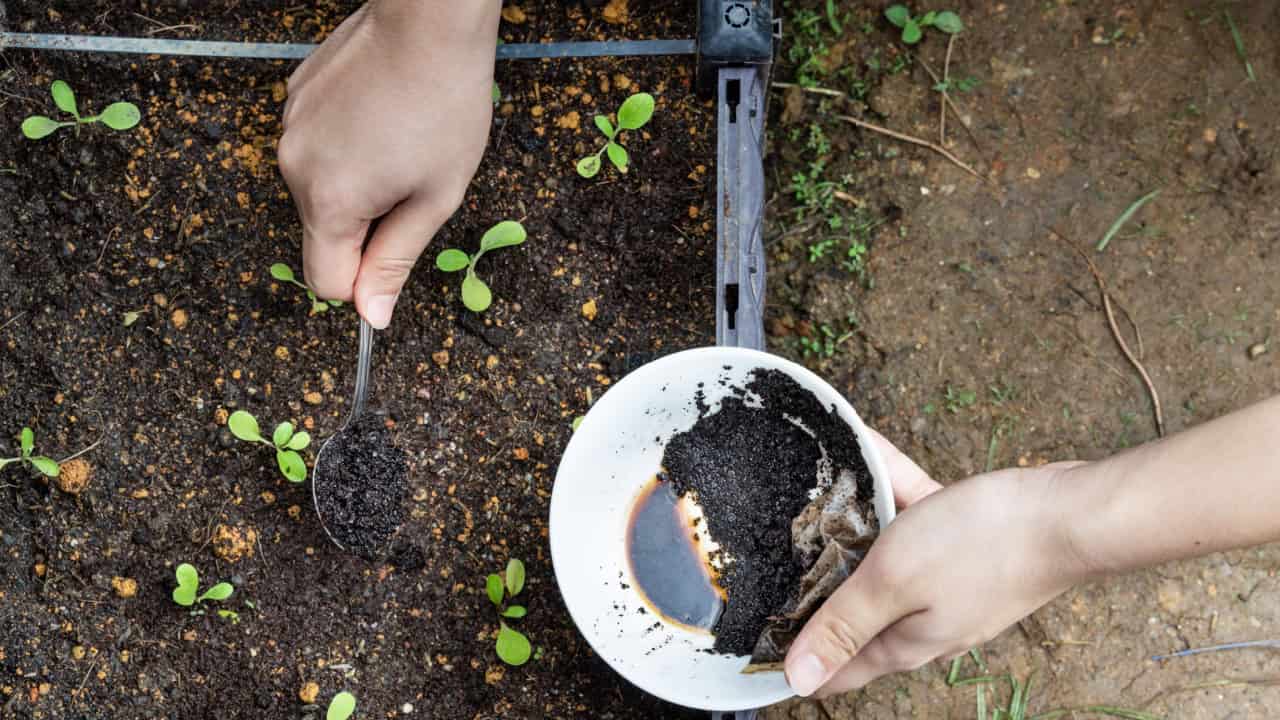
When I’m looking to keep slugs and snails at bay, coffee grounds are my go-to. They make a wonderful barrier around my plants. The caffeine in the grounds is toxic to these pests, which helps keep them away.
I simply scatter a layer of used coffee grounds around the base of my plants. This method can also improve the soil as the grounds decompose, adding organic material to the garden.
For a little extra protection, I sometimes spray cold coffee directly onto the plants or even use a coffee soil drench to deter these pesky critters. It’s a simple, eco-friendly way to protect my crops.
3. Plant garlic and onions
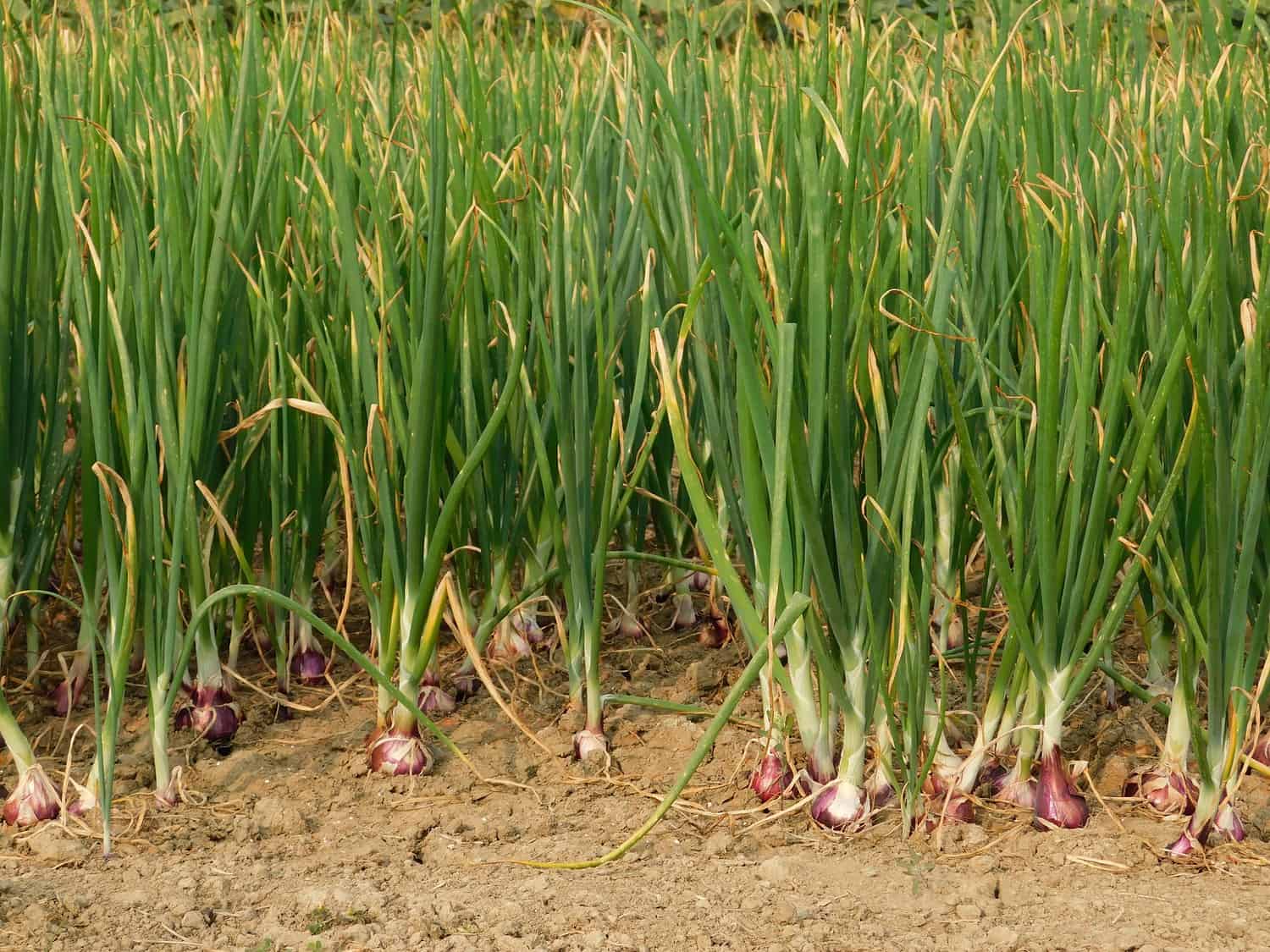
I always find that planting garlic and onions can be a smart move in keeping slugs and snails at bay. These pests generally dislike the strong smell and taste of these plants. It acts as a natural deterrent, making them less likely to munch on my crops.
While planting garlic and onions, I make sure to place them strategically around the more vulnerable plants. This creates a barrier that slugs and snails would prefer to avoid. Additionally, using garlic plants as a repellent can double as an effective strategy in an organic garden.
In my experience, this method is doubly beneficial since I get to harvest the garlic and onions later. They fit well into most garden plans, contributing to both pest control and culinary use. It’s satisfying to rely on nature’s defenses while enjoying the fresh bounty from my garden.
4. Set up beer traps

I find setting up beer traps is a simple and effective way to deal with slugs. It involves filling shallow containers with beer and placing them around the garden. The beer attracts slugs, which then fall in and can’t climb out.
I usually place the traps in shady spots where I notice the most slug activity. Burying the containers partially helps them blend in with the garden environment. It’s best to check and empty these traps regularly.
Adding a lid with small entry points can prevent rain from diluting the beer while allowing slugs to get in. This setup is ideal for attracting and trapping slugs and can also catch pillbugs. Detailed instructions for making beer traps can be found on Better Homes & Gardens.
5. Sprinkle crushed eggshells
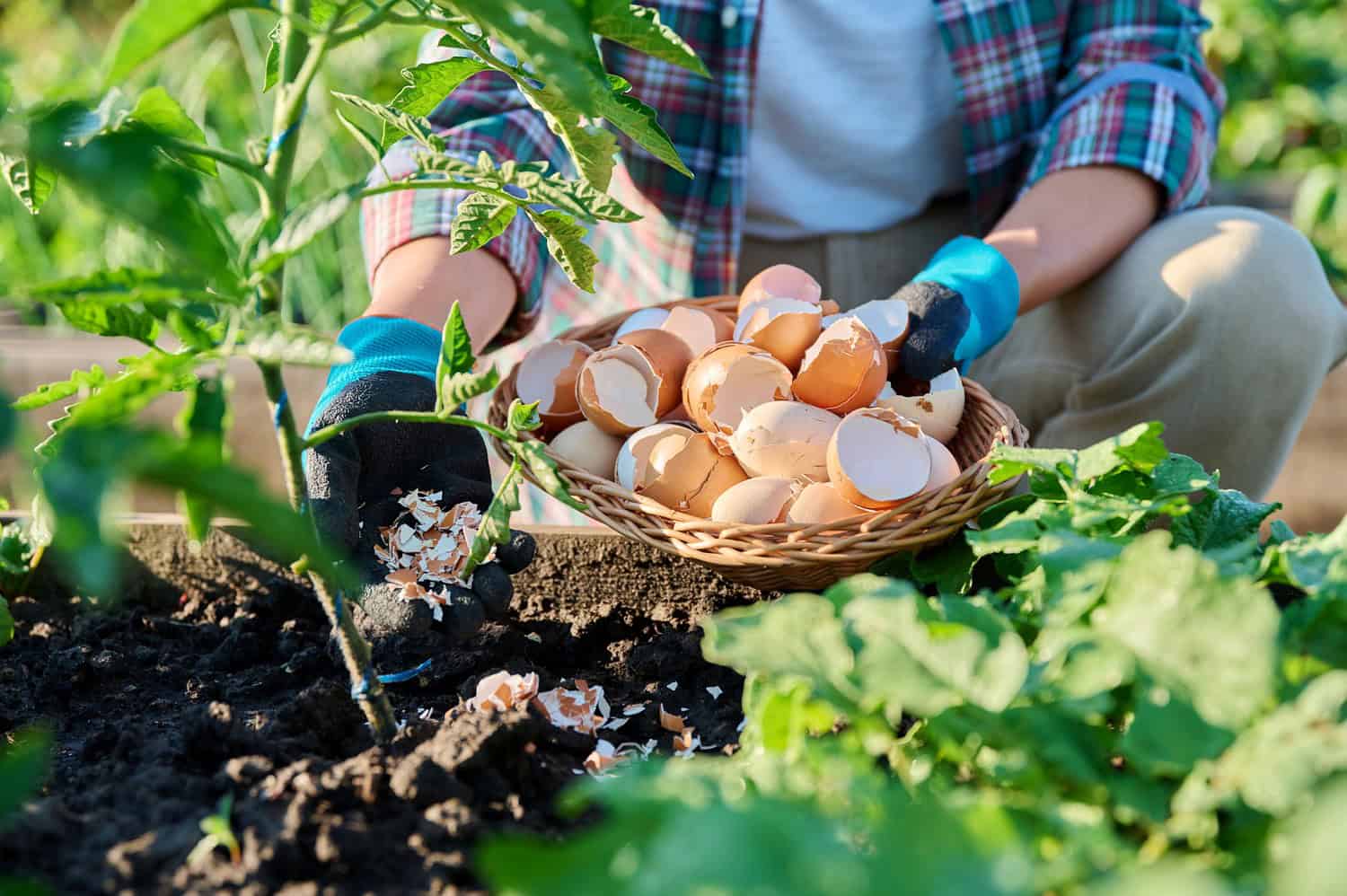
I like to use crushed eggshells to keep slugs and snails away from my garden. The sharp edges can be a great deterrent for these pests as they try to crawl over the shells. It’s an easy and natural way to protect my crops without using chemicals.
After I’ve used some eggs, I rinse the shells and let them dry. Once dry, I crush them into small pieces and sprinkle them around the base of my plants. Not only do they help with pest control, but they also add calcium to the soil.
I’ve heard this method isn’t foolproof, but I’ve found it to be effective in my garden. Slugs and snails seem to dislike the texture of the shells, making them less likely to munch on my plants. It’s a simple and cost-effective solution for me.
6. Apply copper tape around plants
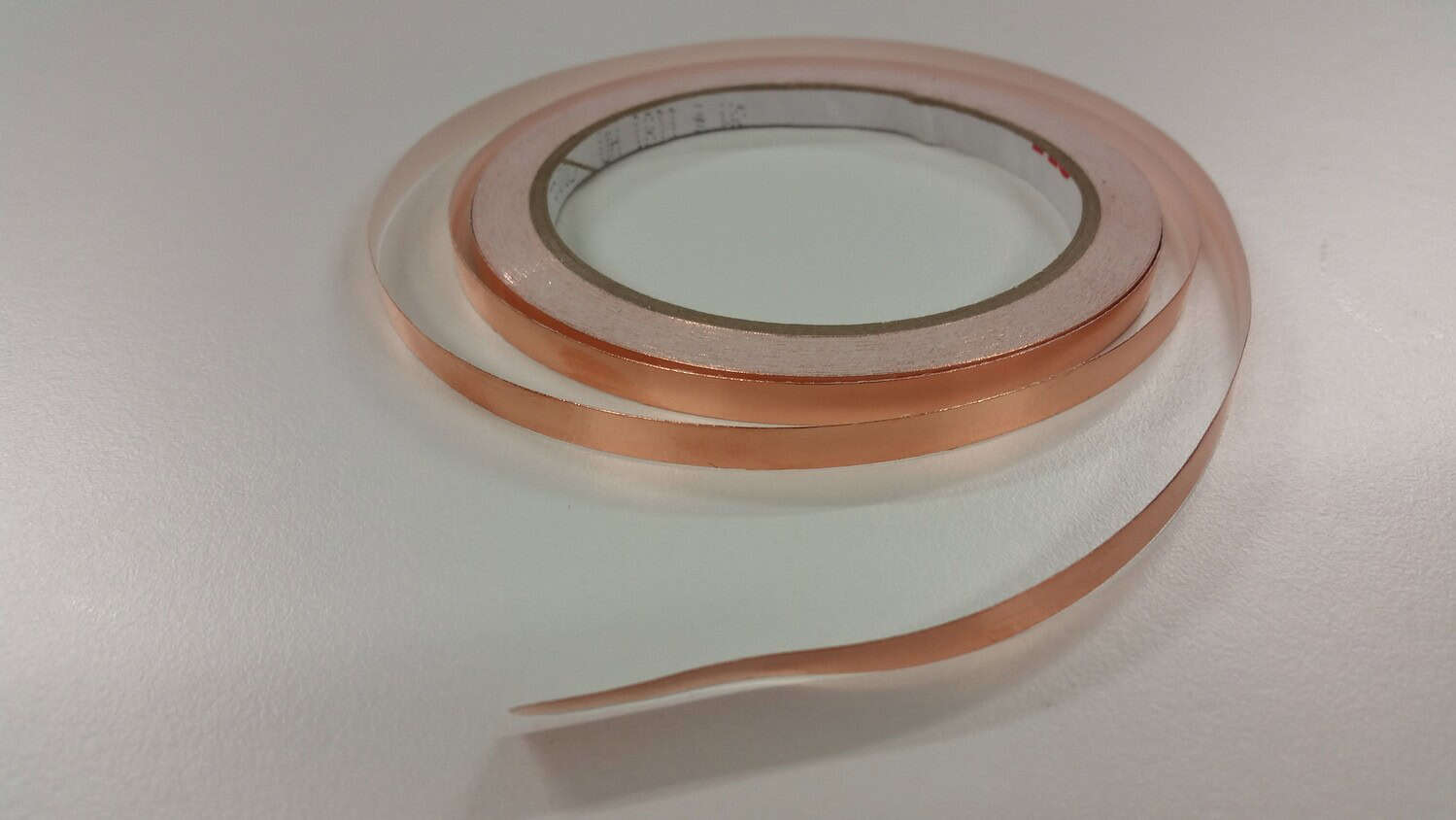
When I’m trying to keep slugs and snails away from my plants, I find using copper tape really effective. The metal reacts with the slime produced by these pests, creating a small electric shock that discourages them from crossing.
I wrap copper tape around the edges of my plant pots and garden beds. This acts like a barrier, making it tough for slugs to reach my veggies. It’s important to ensure the tape stays clean and dry for it to work best.
I often pair this method with other strategies for a more comprehensive approach. Using copper tape is an easy and non-toxic way to protect my garden from these pesky critters. It’s one of my go-to methods because it doesn’t involve any harmful chemicals.
7. Use wool pellets as mulch

I’ve had some great experiences with using wool pellets to keep slugs and snails away from my plants. These pellets create a barrier that irritates the slugs, making them stay clear of my crops.
Not only do wool pellets help with pests, but they also provide nutrients to the soil and improve aeration. It’s like hitting two birds with one stone—great for the plants, bad for those pesky slugs.
Mixing them into the soil is an easy task, and I love how natural and eco-friendly it feels. It’s just nice to know I’m keeping things organic while also protecting my crops from unwanted visitors.
It’s pretty cool that something as simple as wool can be so effective against these garden pests. Seeing how well this works, I’m definitely sticking with wool pellets for my garden.
*This article was created with the help of AI.