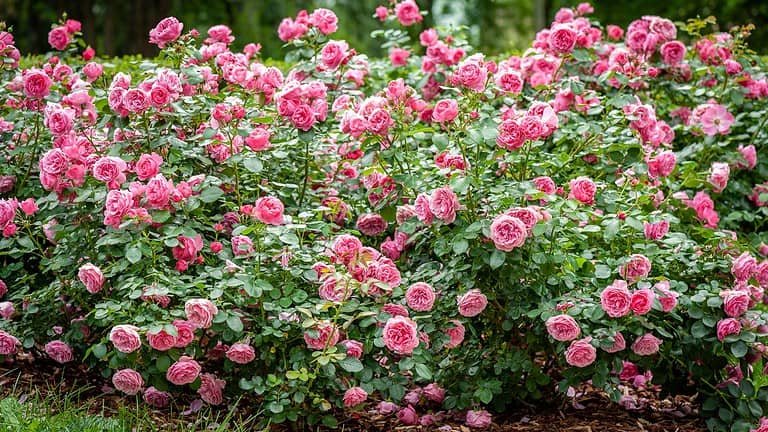
As any experienced gardener will tell you, maintaining a beautiful flower garden takes more than just watering and sunlight. You also have to contend with the various pests that view your carefully curated selection of flowers as a free buffet. These pests aren’t just an annoyance – they can cause serious harm to your plants and undo all your hard work in a matter of days. But don’t despair! With the right knowledge and tools, you can keep your garden pest-free without resorting to harmful chemicals. Here are 7 common flower garden pests and how to get rid of them organically.
1. Aphids

Aphids are small, soft-bodied insects that feed on plant sap. They come in a variety of colors including green, yellow, black, and red. Aphids can quickly multiply and infest your plants, causing the leaves to yellow and curl.
Advertisement
One organic method to control aphids is by introducing beneficial insects, such as ladybugs and lacewings, that feed on them. You can also make a homemade aphid spray by mixing a few drops of dish soap with water, and spraying it on the infested plants. The soap suffocates the aphids without harming your plants.
2. Japanese Beetles

Japanese beetles are a major threat to a variety of plants. These shiny, metallic blue-green pests chew on the leaves and flowers of your plants, leaving them skeletonized and unattractive.
Organic solutions include manually removing the beetles from your plants early in the morning when they are less active, and dropping them into a bucket of soapy water. You can also introduce predatory insects, like tachinid flies, into your garden, which lay their eggs on the beetles, eventually killing them.
3. Slugs and Snails
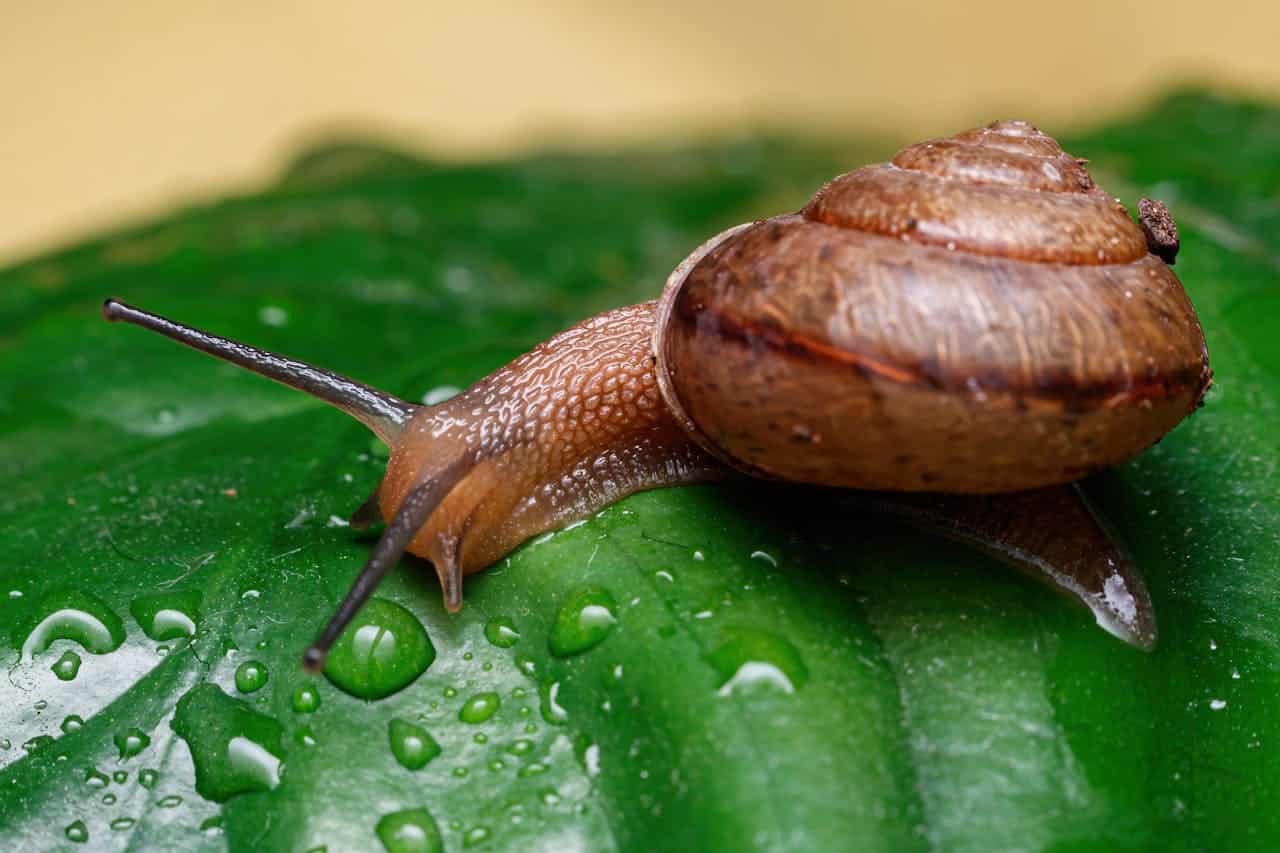
These slimy creatures love to munch on the leaves and stems of your plants, especially after a rainfall or during the night.
One organic way to deter them is by creating a barrier around your plants using crushed eggshells or diatomaceous earth which will injure their soft bodies. You can also use beer traps. Simply fill a shallow dish with beer and bury it in your garden, level with the soil. The slugs and snails will be attracted to the beer, fall in, and drown.
4. Caterpillars

While butterflies are a lovely addition to any garden, their larvae – caterpillars – can be quite destructive. They chew large holes in the leaves of plants and can defoliate an entire plant if left unchecked.
One effective organic control method is the manual removal of caterpillars. If the infestation is large, you can introduce natural predators, like birds and wasps, by creating a bird-friendly garden or by planting flowers that attract wasps.
5. Whiteflies
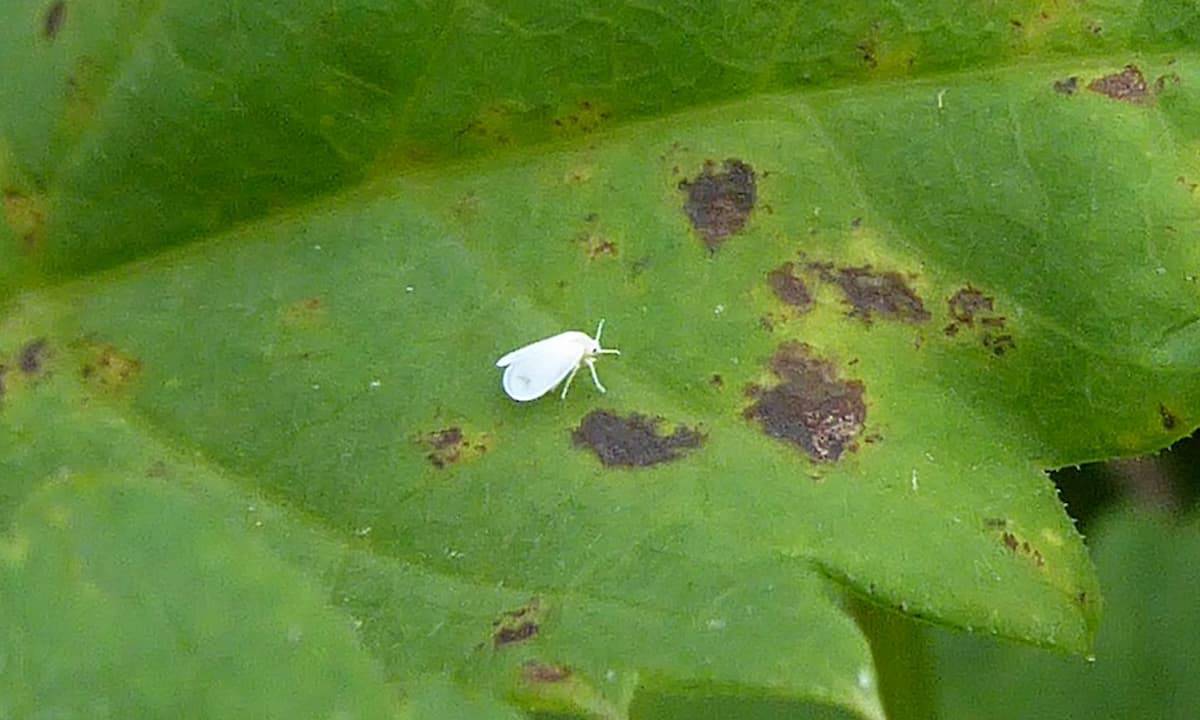
Whiteflies are tiny, white insects that suck the sap from plants leading to yellowing or wilting of leaves.
Encourage natural predators such as ladybugs, spiders, and lacewings into your garden to keep whitefly populations under control. You can also use yellow sticky traps to catch the adult flies.
6. Spider Mites
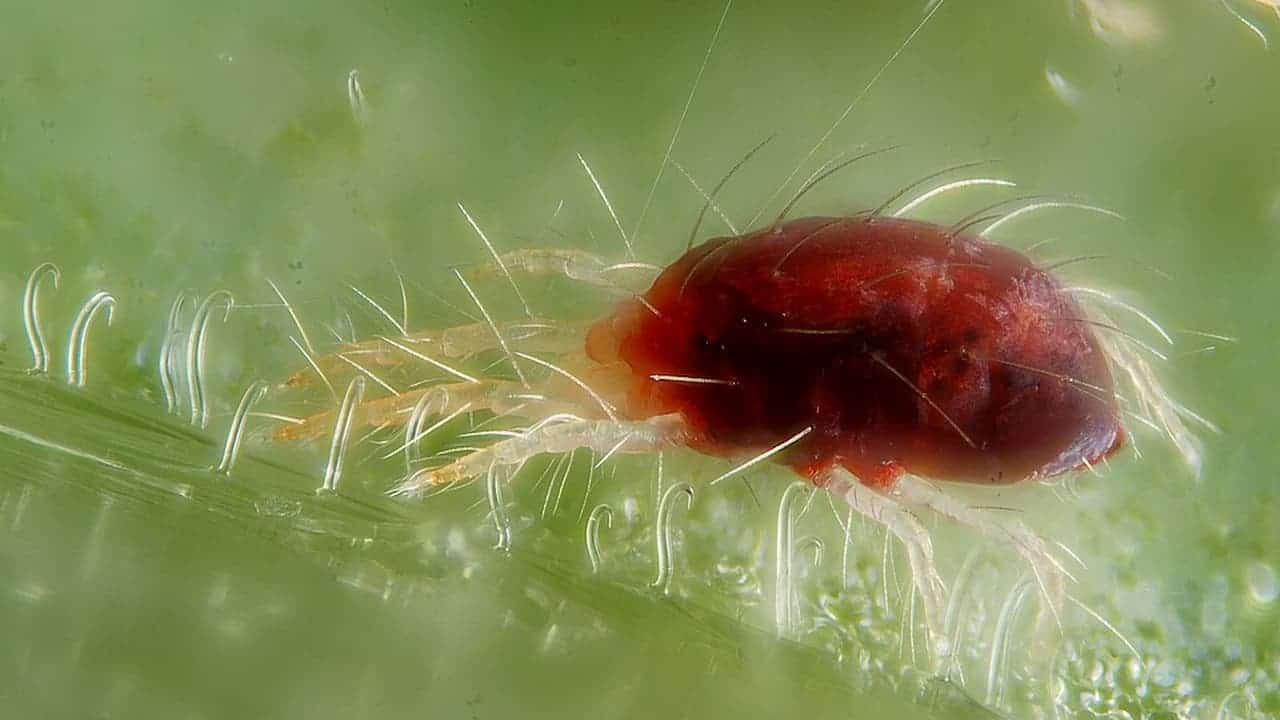
Spider mites are tiny, spider-like creatures that suck the sap from the underside of plant leaves, causing them to become speckled and eventually die.
Introduce beneficial insects like ladybugs and predatory mites to control spider mite populations. Regularly spraying your plants with water can also help by knocking the mites off the plants and maintaining humidity levels that mites dislike.
7. Garden Ants
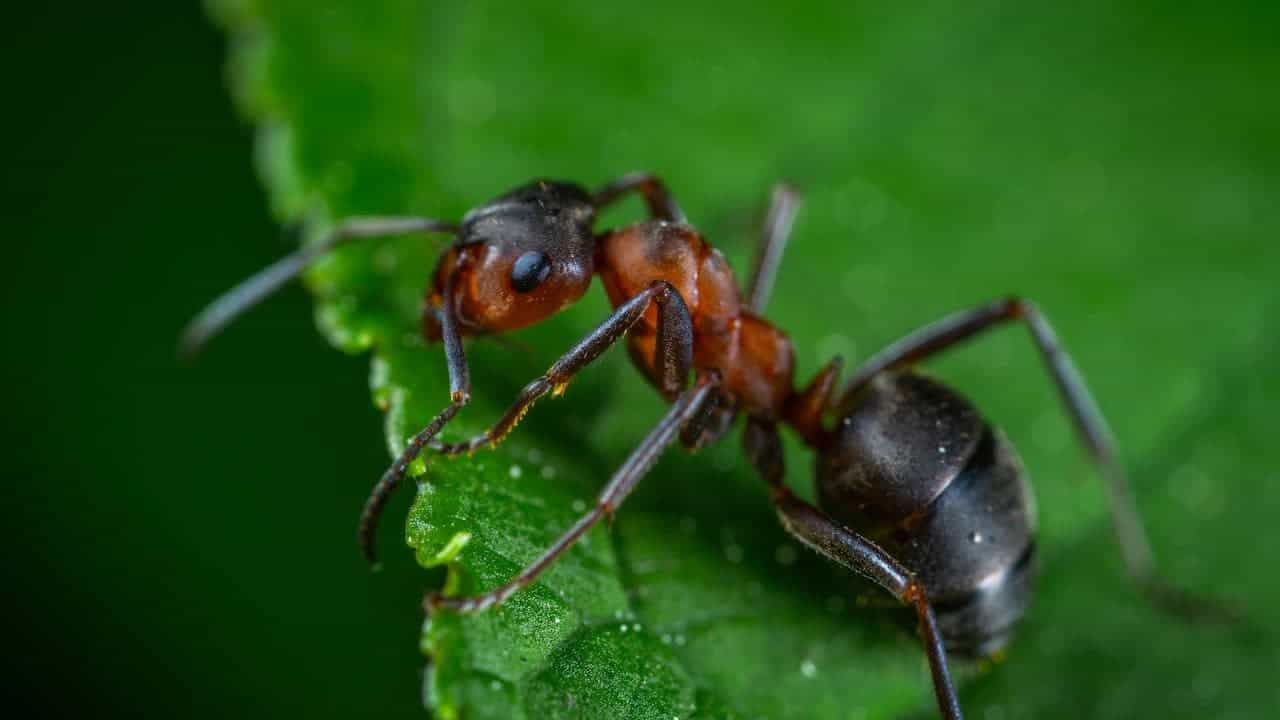
While ants are generally beneficial for the soil, they can become a nuisance when they farm aphids for their sweet secretions, protecting them from their natural predators.
To control ants organically, try using cinnamon as a barrier around your plants. Ants hate the smell of cinnamon and will avoid crossing it. You can also make a homemade ant bait using borax and sugar to kill the ant colony.