When it comes to maintaining a healthy, thriving garden, insects might not be the first thing that comes to mind. We often associate bugs with damage and destruction of our beloved plants. However, believe it or not, there are certain insects out there that can actually help to maintain your garden’s balance by acting as natural pest control agents. Harnessing the benefits of these insects can fortify your garden against harmful pests, reducing the need for artificial pesticides and promoting a healthier ecosystem. Here, we delve into seven beneficial insects that you should be attracting to your garden.
1. Ladybugs

These popular, polka-dotted insects are not just a joy to look at, they are also voracious predators of aphids, mealybugs, and mites. A single ladybug can eat up to 5000 aphids in its lifetime! They lay their eggs in aphid colonies, ensuring that the emerging larvae have an immediate food source.
Advertisement
To attract ladybugs to your garden, consider planting herbs like dill, fennel, and yarrow, or flowers like geraniums and marigolds. These plants produce pollen and nectar which ladybugs love. Remember, however, that ladybugs are sensitive to pesticides. So, ditch the chemicals if you want these helpful creatures in your garden.
2. Praying Mantises
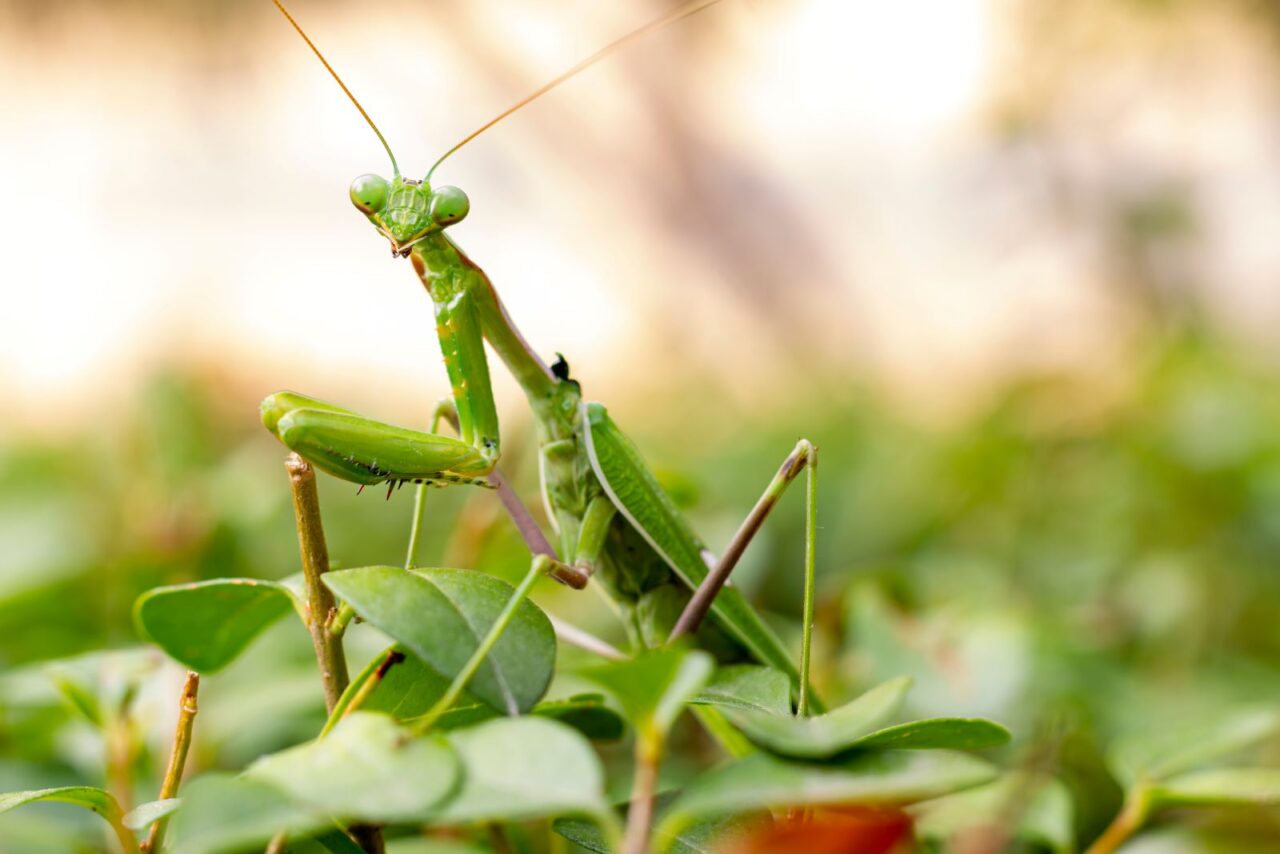
The praying mantis is a non-discriminatory predator that eats almost any insect it can catch, making it an excellent addition to your pest control arsenal. They particularly enjoy dining on moths, crickets, flies, and other insects that are harmful to plants.
Praying mantises are attracted to tall plants where they can stand and wait for their prey. Plant perennials like marigolds, cosmos, and dahlias to invite these helpful predators into your garden. Also, remember to keep pesticide use to a minimum as it can harm mantises.
3. Ground Beetles
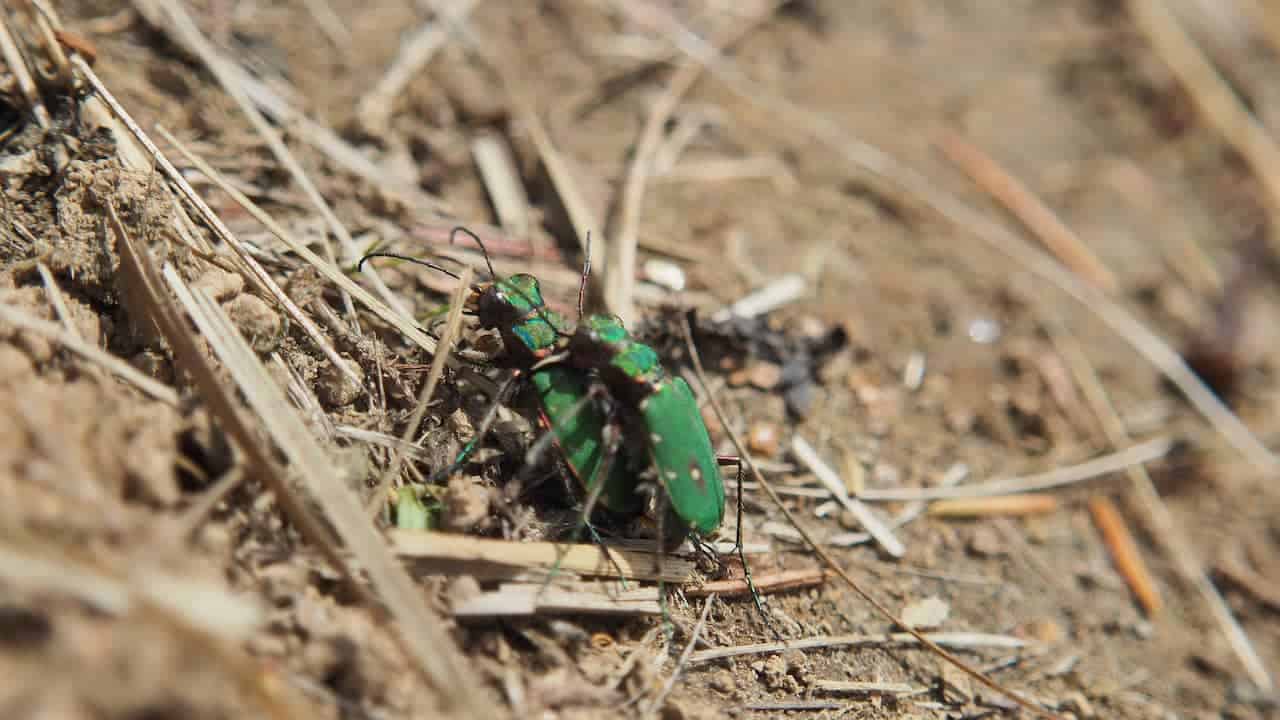
Ground beetles are nocturnal insects that prey on slugs, caterpillars, potato beetles, and other pests. There are thousands of ground beetle species, many of which are common in gardens.
To attract these beneficial beetles, leave some areas of your garden unmulched as they prefer the ground for hunting. You can also provide a habitat for them by placing flat stones or logs in your garden, under which they can hide during the day.
4. Lacewings
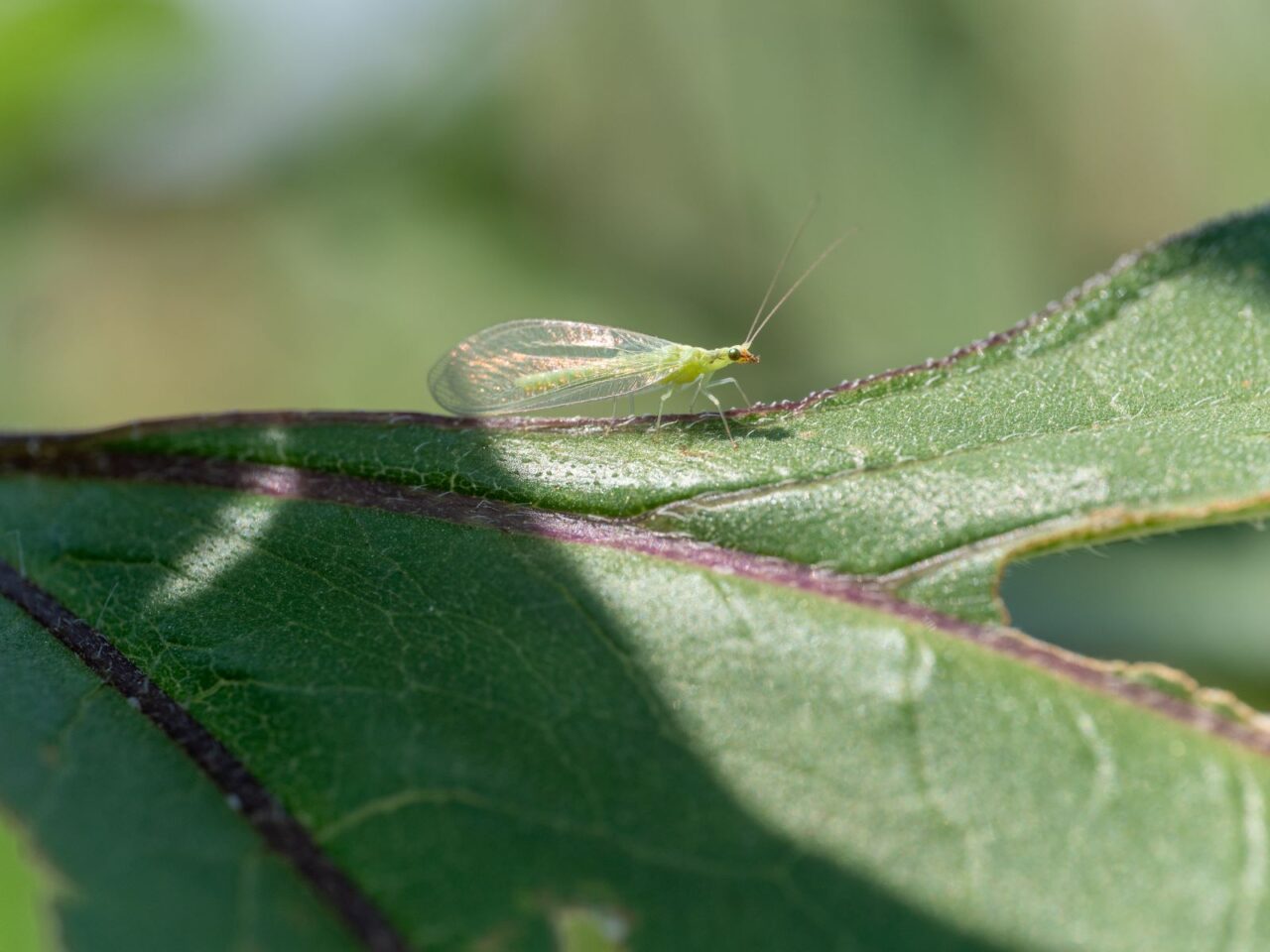
Lacewings, both green and brown, are excellent pest controllers. Their larvae feast on aphids, caterpillars, mealybugs, and pest eggs. Adult lacewings also contribute by pollinating plants as they feed on nectar and pollen.
To attract lacewings, consider planting dill, caraway, or fennel. You can also purchase lacewing eggs online to directly introduce them to your garden. As always, avoid using pesticides that can harm these beneficial insects.
5. Braconid Wasps
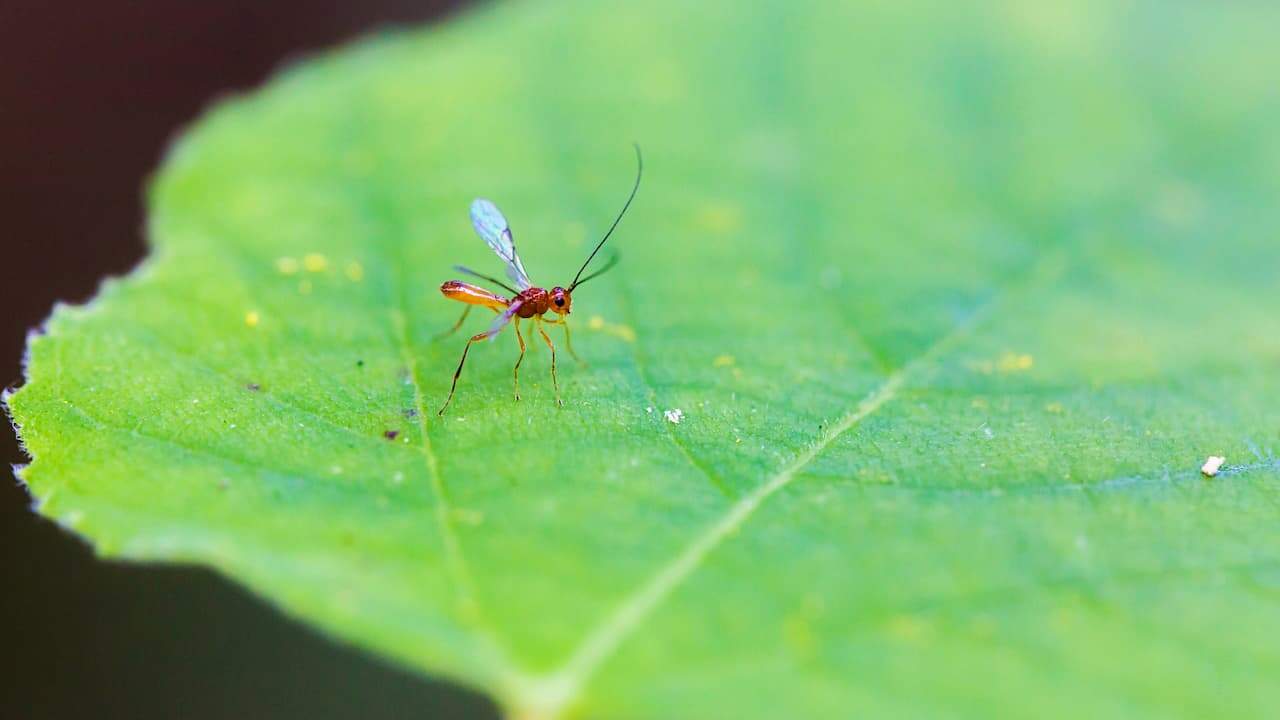
Don’t let the term ‘wasp’ scare you. Braconid wasps are tiny, non-aggressive insects that play a significant role in controlling garden pests. The female wasp lays her eggs inside host insects, commonly caterpillars or aphids. When the eggs hatch, the larvae consume the host, killing it.
Planting nectar-rich flowers like yarrow, dill, or parsley can attract these wasps. Remember, these wasps are harmless to humans and are interested only in the pests that harm your plants.
6. Spiders

While not technically insects, spiders are essential predators in any garden ecosystem. They feed on a variety of pests including mosquitoes, flies, moths, and beetles.
Spiders naturally inhabit most gardens. Promote their presence by reducing pesticide use and providing shelter through plants and garden debris where they can build their webs.
7. Tachinid Flies
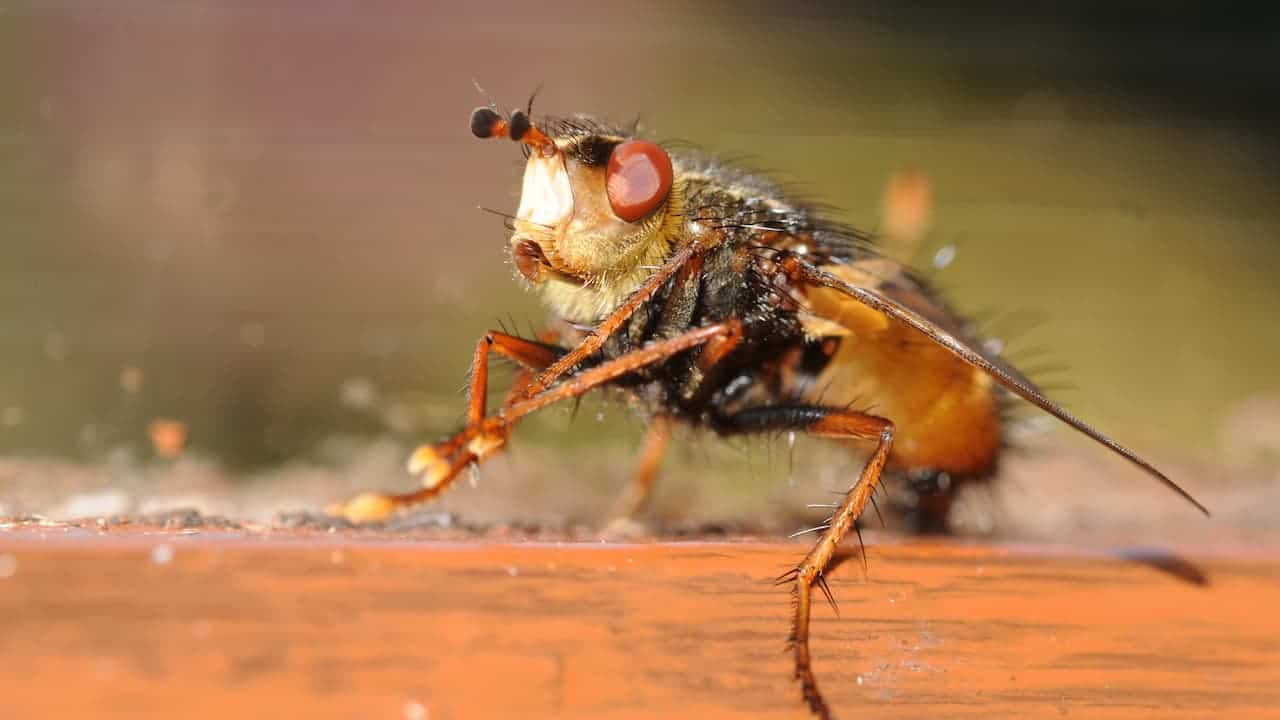
Tachinid flies are valuable allies in the garden. Their larvae parasitize a wide range of garden pests, including caterpillars, beetles, and bugs.
Attract these flies by planting herbs like dill, parsley, or flowers like Queen Anne’s lace. These plants provide the nectar that adult tachinid flies need for energy. As with all beneficial insects, avoiding pesticides is key to keeping them in your garden.
By welcoming these beneficial insects into your garden, you can encourage a healthier, more balanced environment. Not only will they help to keep pest populations under control, but they’ll also contribute to the overall biodiversity of your garden, making it a more vibrant and exciting place.