Gardening is not just a hobby, it’s a way of life for many. But did you know that the way you garden can have a significant impact on the environment? By adopting regenerative gardening practices, you can help to improve soil health, promote biodiversity, and reduce your carbon footprint. This not only leads to healthier, more productive plants, but also supports a greener, more sustainable planet. Let’s explore six regenerative gardening practices that can help you cultivate a greener garden.
1. Composting
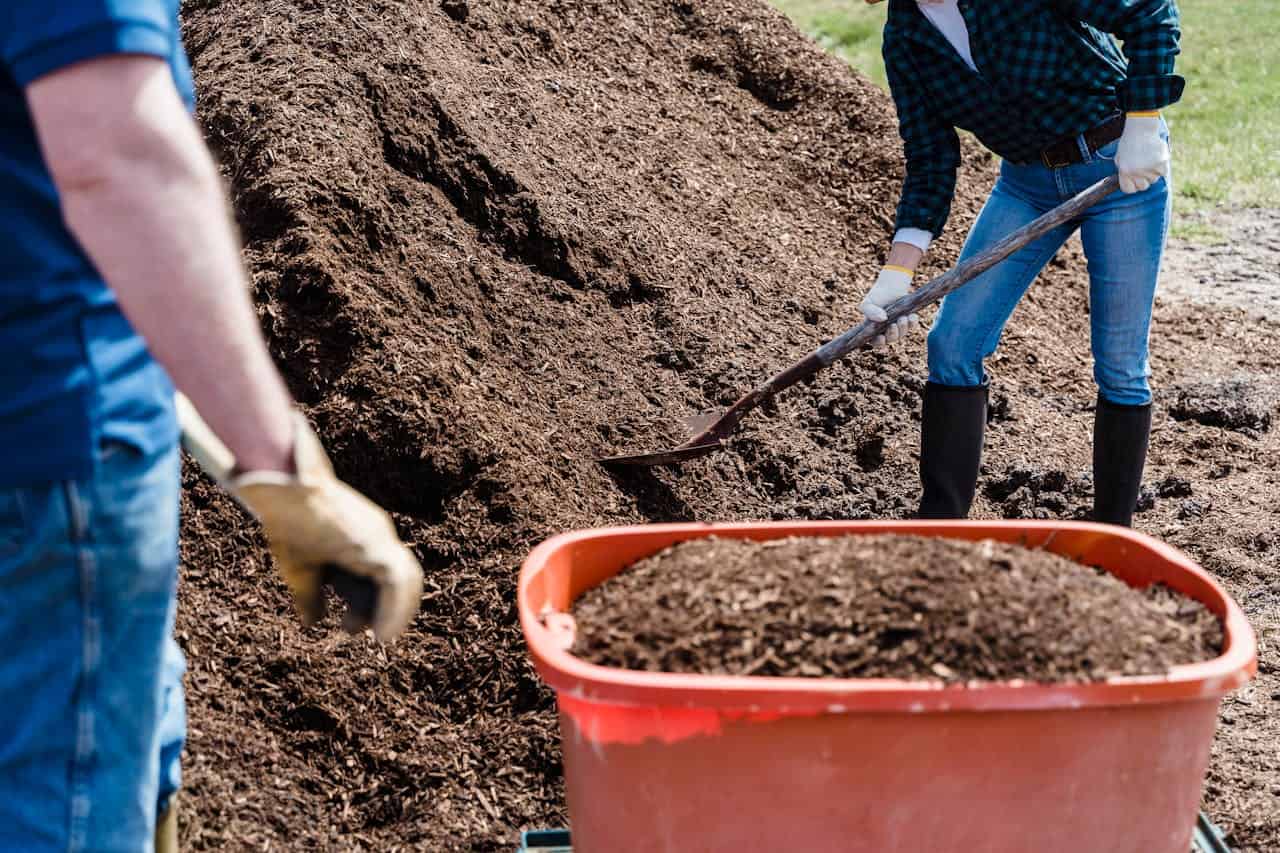
Composting is a natural process that transforms organic material, like kitchen scraps and yard waste, into nutrient-rich soil. It’s a key component of regenerative gardening because it reduces waste, enhances soil fertility, and encourages the growth of beneficial microorganisms.
Advertisement
You can start composting by setting up a compost bin in your backyard or even in your kitchen if you have limited outdoor space. Add a mix of green materials (like vegetable scraps and coffee grounds) and brown materials (like dried leaves and newspaper) to your compost bin. Turn the compost regularly to speed up the decomposition process and ensure even distribution of nutrients.
2. Crop Rotation

Crop rotation is a practice that involves changing the type of crops grown in a particular area each season or year. This practice helps to maintain soil fertility, prevent pest and disease infestations, and promote biodiversity.
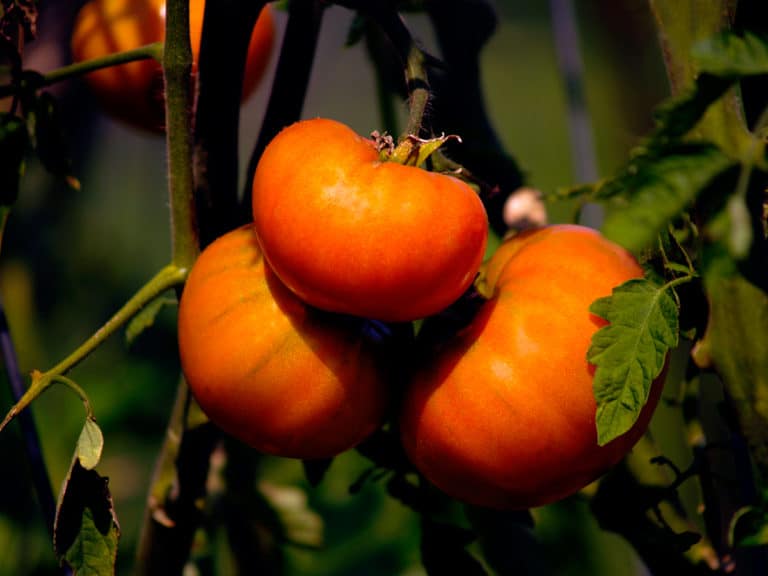
For example, if you grew tomatoes in one section of your garden this year, you could plant beans in that same section next year. Beans, like other legumes, are known to enrich the soil with nitrogen, which is beneficial for plants like tomatoes that are heavy feeders of nitrogen.
3. Cover Cropping

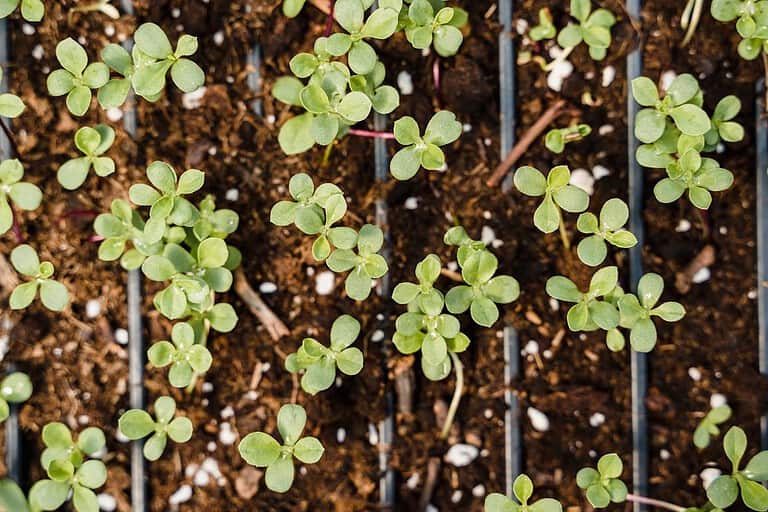
Cover cropping, or green manuring, is the practice of planting specific crops for the sole purpose of improving soil health. These crops cover the soil, preventing erosion, suppressing weeds, and enhancing soil fertility.
Consider planting cover crops like clover, rye, or vetch during the off-season. These crops are particularly effective at fixing nitrogen in the soil, controlling pests and diseases, and improving soil structure. Once they’ve done their job, you can mow or till them into the soil, providing even more organic matter and nutrients.
4. No-Till Gardening

No-till gardening is exactly as it sounds—the practice of gardening without disturbing the soil through tillage. This technique helps to maintain soil structure, conserve water, and reduce soil erosion.
When you till the soil, you disrupt the soil structure and kill beneficial microorganisms and earthworms. Instead, consider layering organic materials such as compost, shredded leaves, or straw on top of the soil. This will gradually improve the soil structure and fertility as these materials decompose.
5. Mulching
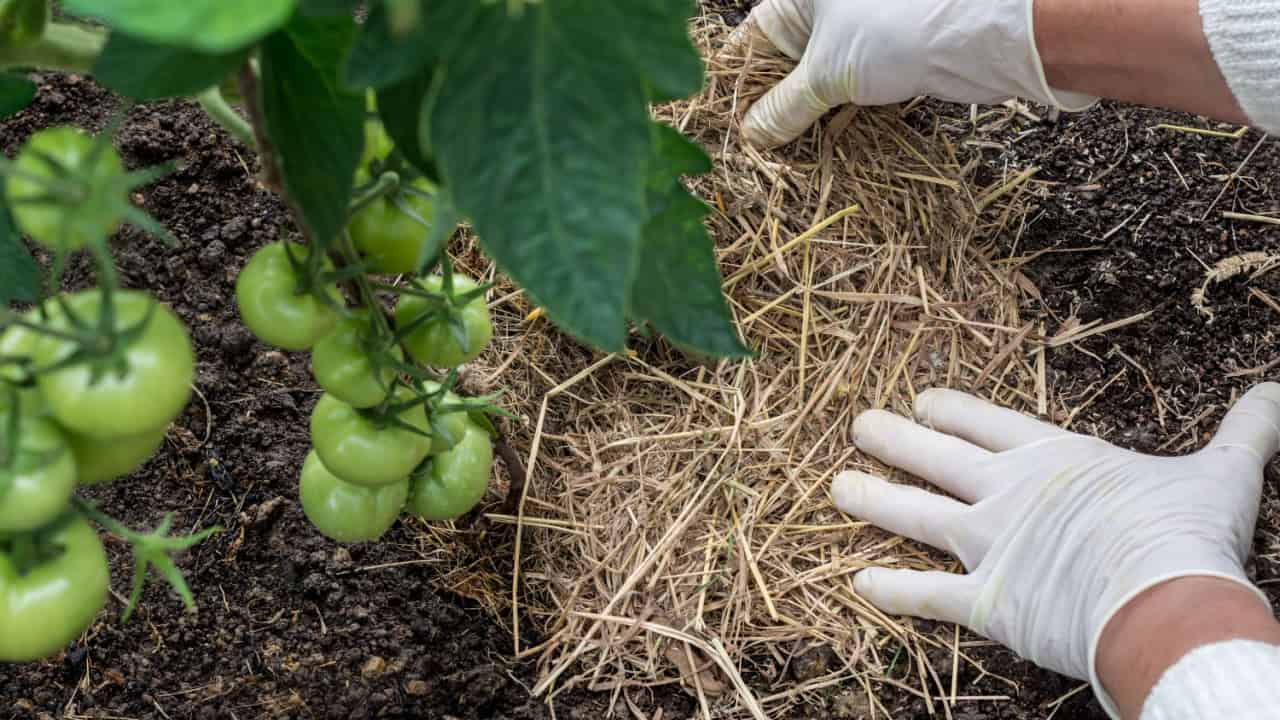
Mulching is a simple but effective technique to conserve soil moisture, suppress weeds, and regulate soil temperature. It also contributes to soil health by slowly breaking down and adding nutrients to the soil.
You can use a variety of materials for mulching, including straw, wood chips, and leaf mold. Remember to replenish the mulch as it decomposes to maintain a layer of about 2–3 inches thick. Avoid piling mulch against the stems of your plants, as this can lead to rot.
6. Plant Diversity

Plant diversity is crucial for a regenerative garden. A mix of different plants attracts beneficial insects, promotes a balanced ecosystem, and reduces the risk of disease spreading among your plants.
Try to include a variety of plants in your garden, such as vegetables, herbs, flowers, and native plants. You can also plant in polycultures, which means growing multiple species in the same area. This mimics natural ecosystems and can lead to healthier, more resilient plants.