If you’re an avid gardener or just starting to dabble in the world of horticulture, understanding the difference between annuals and perennials is crucial. These categories of plants have distinct lifecycles and characteristics that can greatly affect the look, maintenance, and longevity of your garden. Choosing the right type based on your gardening needs and goals will help you create a garden that not only thrives but also brings you joy. Here are five key differences between annuals and perennials and some tips on how to choose for your garden.
1. Lifespan

One of the most fundamental differences between annuals and perennials is their lifespan. Annual plants complete their entire life cycle, from germination to producing seeds, within a single growing season. Once they’ve produced seeds, these plants die. Examples of annual plants include marigolds, petunias, and zinnias. These plants are known for their vibrant, long-lasting blooms, which can add a burst of color to your garden all summer long.
Advertisement
Perennials, on the other hand, have a life cycle that lasts for more than two years. They may not bloom profusely in their first year, but they return year after year. Examples of perennial plants include roses, daylilies, and hostas. Though they may require a bit more initial care and patience, the payoff is a garden that has color and life throughout multiple seasons, year after year.
2. Maintenance

Maintenance is another factor to consider in the annuals versus perennials debate. Annuals, because of their one-year life cycle, often require more immediate care. They need to be replanted every year, which can be labor-intensive. However, their care is also more predictable, as they follow the same pattern of growth, blooming, and dying within the same season.
Perennials require less frequent replanting, but their care can be more complex. As these plants live through multiple seasons, they may need different types of care throughout the year, such as pruning in the spring or mulching in the fall. They may also need to be divided every few years to prevent overcrowding.
3. Cost
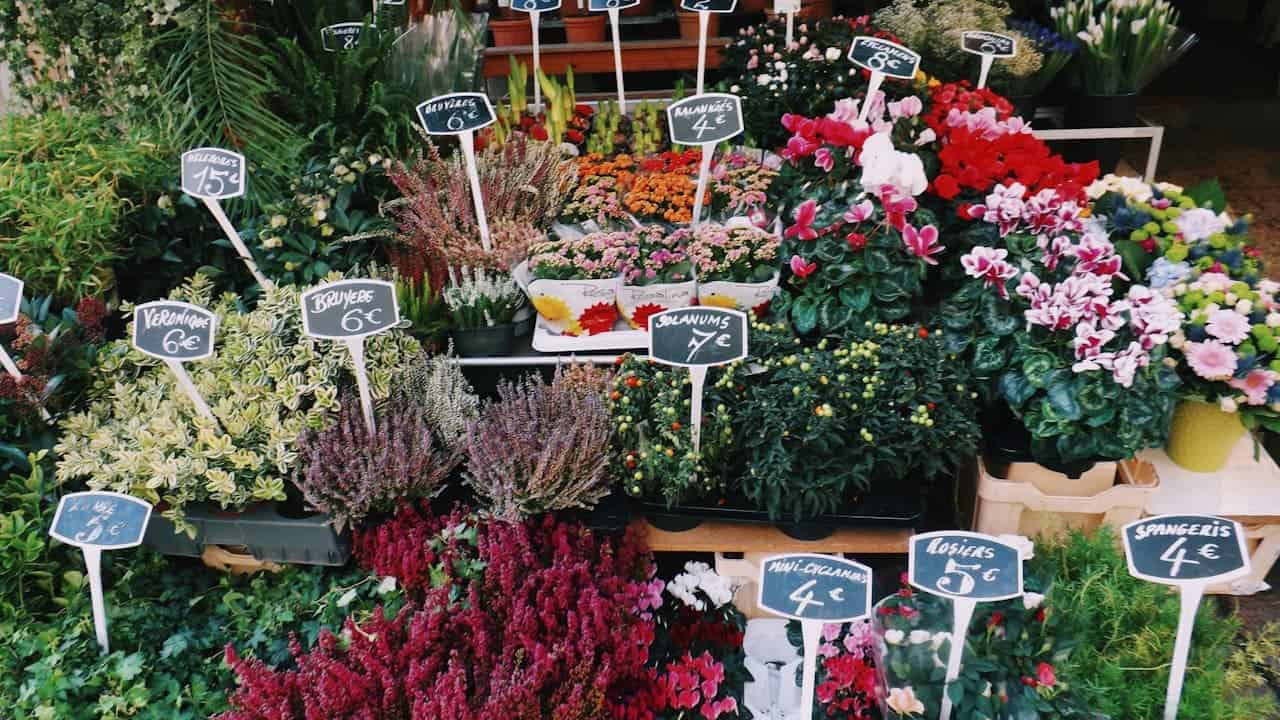
When it comes to cost, annuals are generally less expensive than perennials. This is because annuals have a shorter lifespan and are often sold in large quantities. This makes annuals a good choice if you’re on a budget or if you like to change up the look of your garden each year.
However, while perennials may have a higher upfront cost, they can prove to be more cost-effective in the long run. Since they live for multiple years, you won’t need to purchase new plants every season. This can save you money over time, especially if you’re planning on maintaining your garden for several years.
4. Variety and Versatility

Annuals offer a wide array of colors, shapes, and sizes, allowing for a great deal of variety in your garden. Because they only live for one season, you have the opportunity to experiment with different plants and designs each year.
Perennials, while they may not offer quite as much variety, bring a different kind of versatility to a garden. They can create a sense of continuity and structure, as they return each year. This can be particularly useful in creating a cohesive garden design, as the permanent presence of these plants can serve as a framework around which to plan your garden.
5. Seasonal Interest
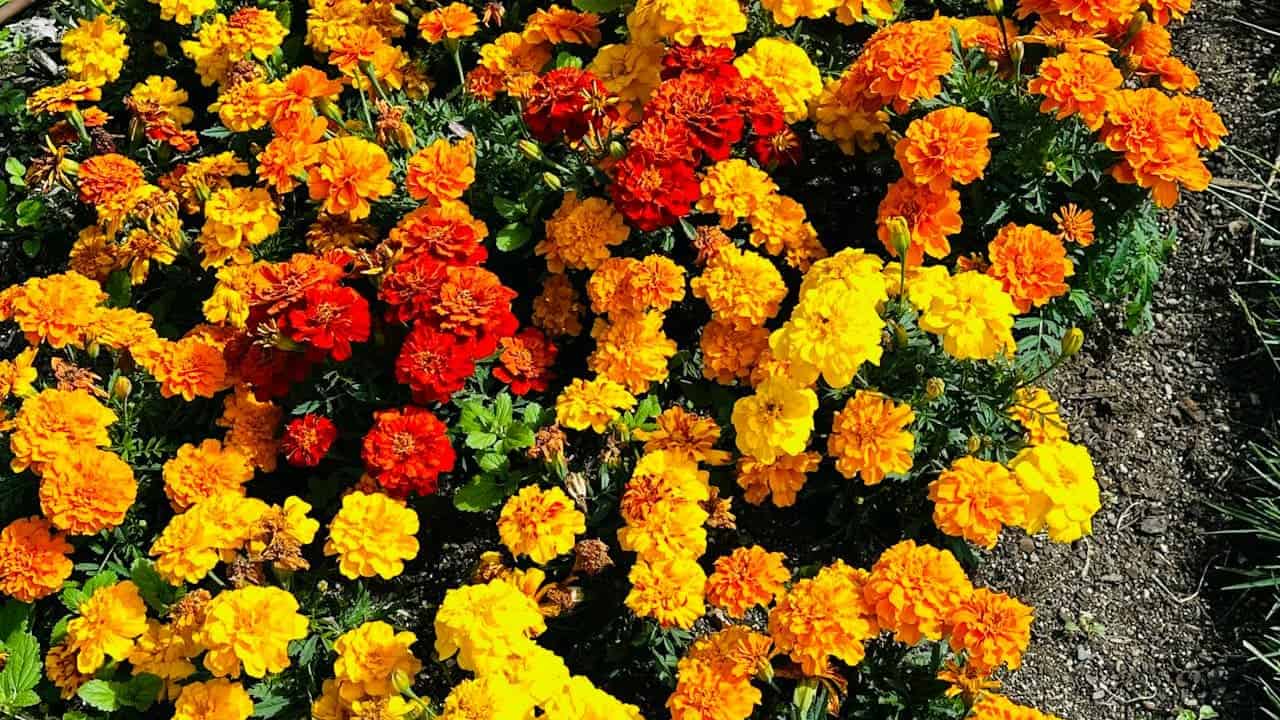
Finally, consider the season in which you want your garden to shine. Annuals are great for providing a burst of color in the spring and summer. They bloom for a longer period than perennials, providing visual interest throughout the warmer months.
Perennials, on the other hand, can provide interest throughout the year. While their blooming period is shorter than that of annuals, many perennials have attractive foliage that adds color and texture to your garden even when the plants are not in bloom. Plus, some perennials, such as ornamental grasses and certain types of shrubs, can even add interest in the winter, providing structure and beauty to your garden all year round.