If you’re looking to add a splash of color to your garden that lasts year after year, blue perennials are a great option. These flowers come back season after season, giving you consistent beauty without the hassle of replanting every spring.
Blue perennials offer a unique and calming color that can make your garden stand out while being low-maintenance and reliable. Whether you’re a beginner or a seasoned gardener, these plants help create a vibrant, peaceful outdoor space that you can enjoy for years.
Advertisement
Delphinium
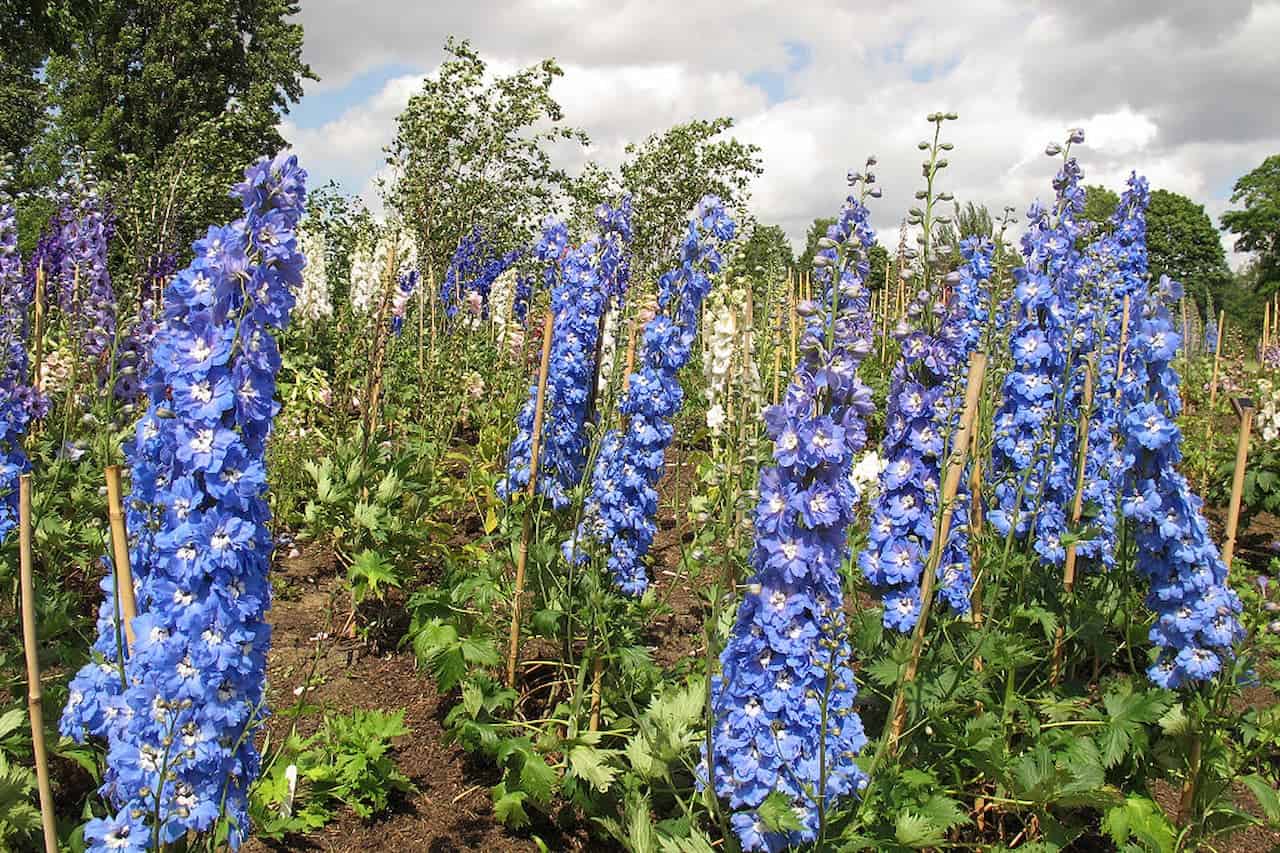
Delphiniums bring tall, elegant spikes of blue that brighten up your garden. They do best in cooler climates where they come back year after year.
You can plant them along fences or at the back of borders. Just cut them back after blooming to encourage regrowth and more flowers next season.
Blue Globe Thistle
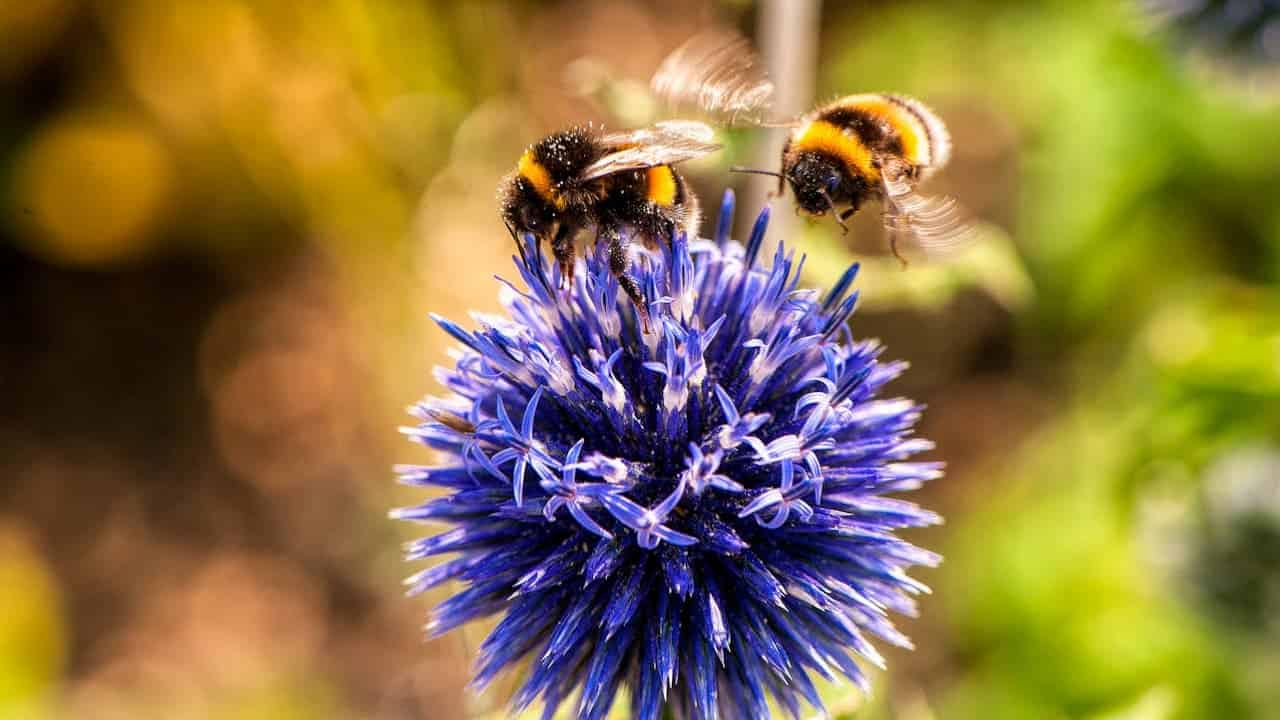
If you want a low-maintenance perennial, Blue Globe Thistle is a solid pick. It has striking steel-blue, spherical flowers that add cool texture to your garden.
This plant thrives in dry soils and becomes drought-tolerant once mature. It needs full sun and well-drained soil to perform its best. You’ll enjoy its unique look year after year, especially combined with other perennials like yarrows or beardtongue for color contrast.
Meconopsis (Himalayan Blue Poppy)
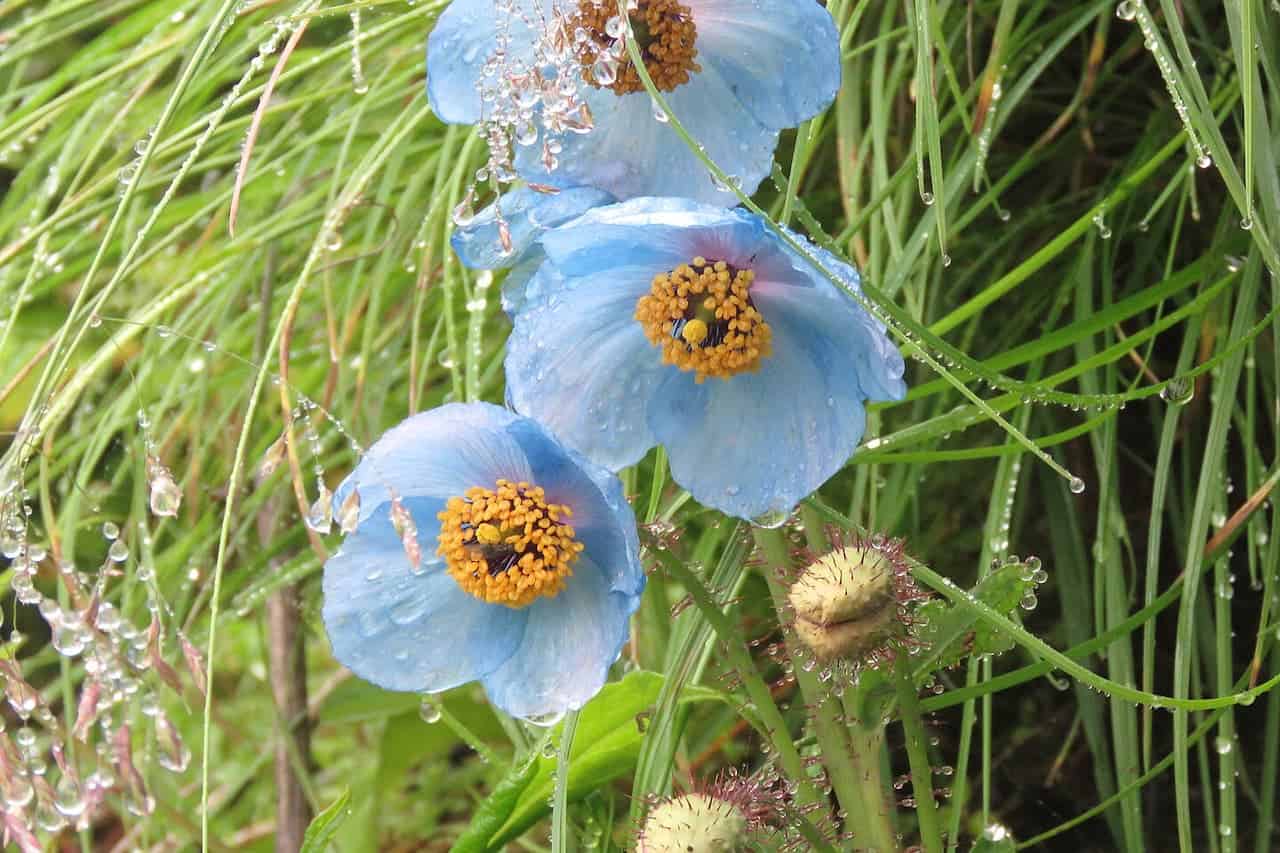
If you want a pop of true blue in your garden, Meconopsis is the way to go. These delicate flowers bloom for about four weeks, showing off stunning blue petals with yellow centers.
They prefer partial shade and well-drained soil, so pick a spot that isn’t too sunny or too wet. Growing them can be a bit tricky, but if you get it right, they’ll come back year after year with a bit of care. For more tips, check out this Himalayan Blue Poppy care guide.
Blue Columbine
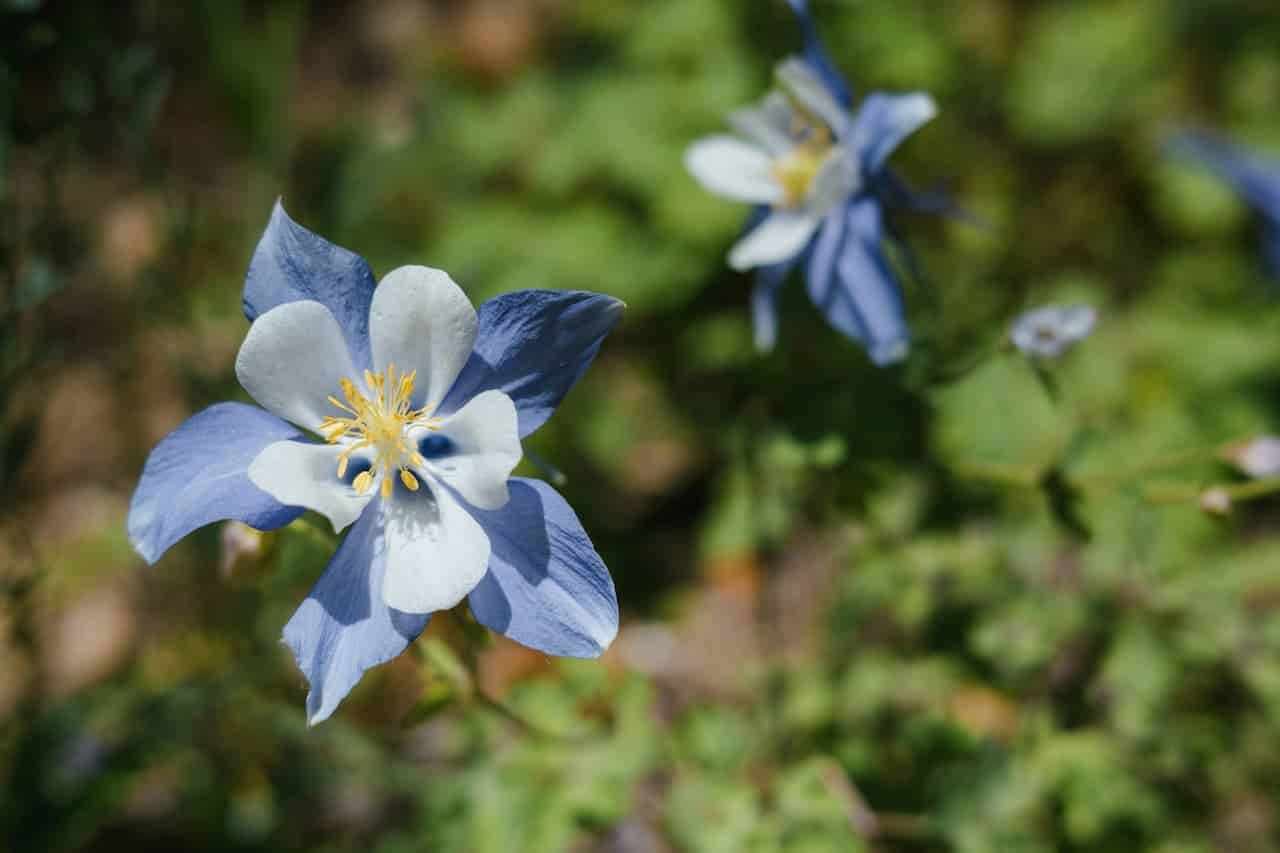
If you want a blue flower that adds charm without much fuss, blue columbine is a great pick. It has delicate, bell-shaped blooms and fern-like leaves that look great in any garden.
You’ll find it’s a short-lived perennial, so expect it to come back mainly by spreading its seeds. It thrives in partial shade and well-drained soil. For more info, check out this blue columbine guide.
Echinops Ritro
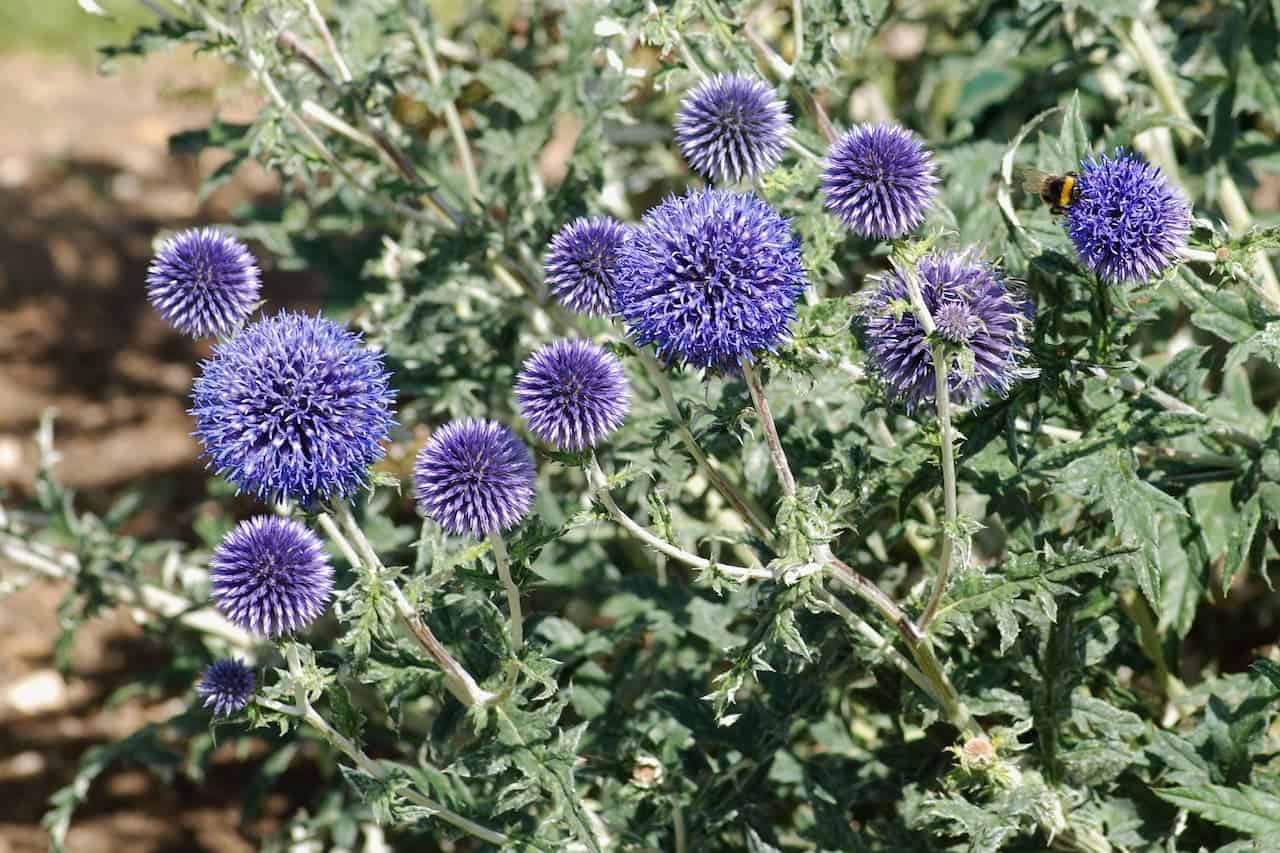
If you want a low-maintenance perennial with unique blue flowers, Echinops Ritro is a solid choice. Its round, spiky blooms add texture and a pop of color to your garden.
This plant does well in dry soil and becomes drought-tolerant once mature. Plus, it self-seeds easily, so you’ll likely see new plants popping up year after year.
Veronica Longifolia
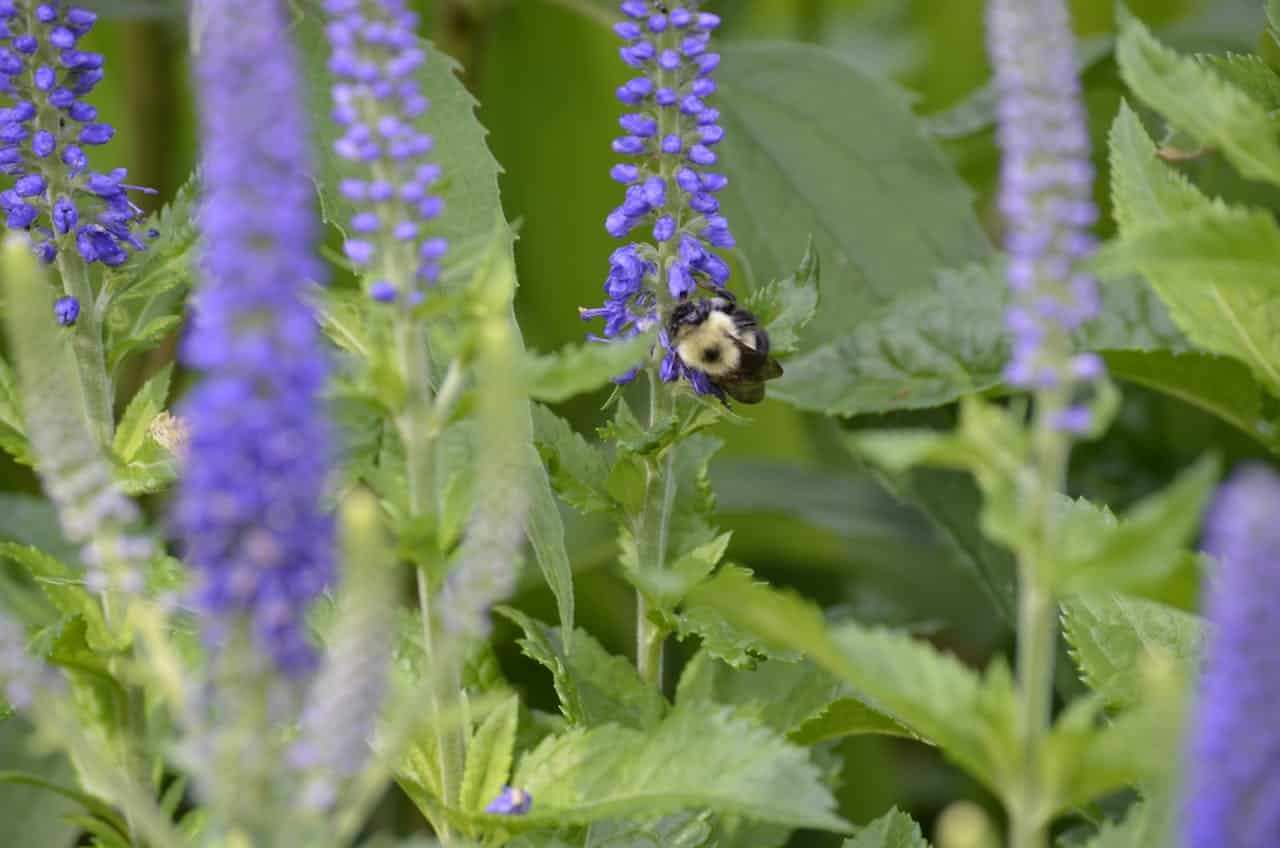
If you want a perennial with long-lasting blue flowers, Veronica longifolia is a solid choice. It produces dense spikes of tiny blooms that add a graceful touch to your garden.
You can prune it back by about one-third in early spring to keep the growth bushy. This plant is easy to care for and blooms well through the season.
Lavender
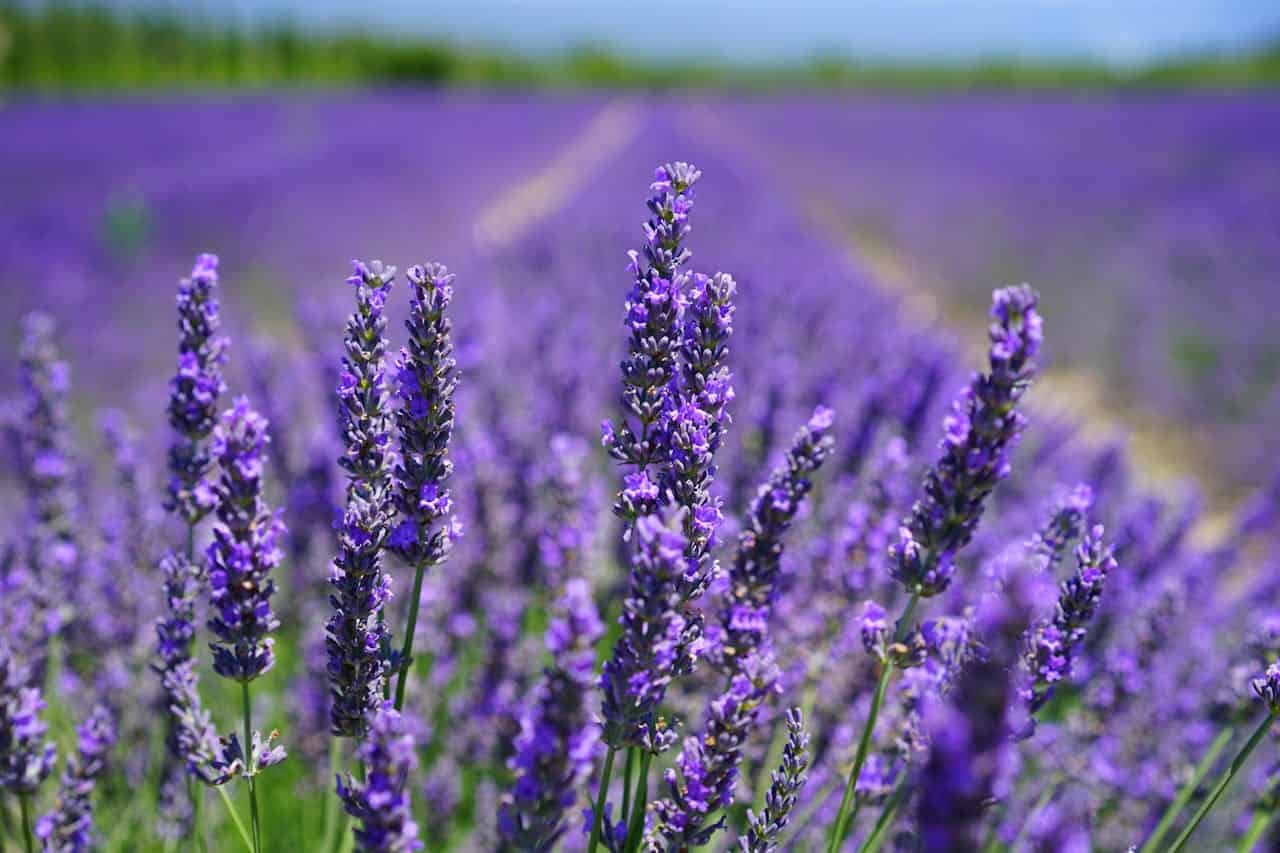
Lavender is a go-to blue perennial if you want both color and fragrance in your garden. You’ll enjoy its soft purple-blue spikes, which attract pollinators like bees and butterflies.
It thrives in full sun and well-drained soil, making it pretty low-maintenance. Plus, you can harvest it for sachets or cooking if you like.
Salvia
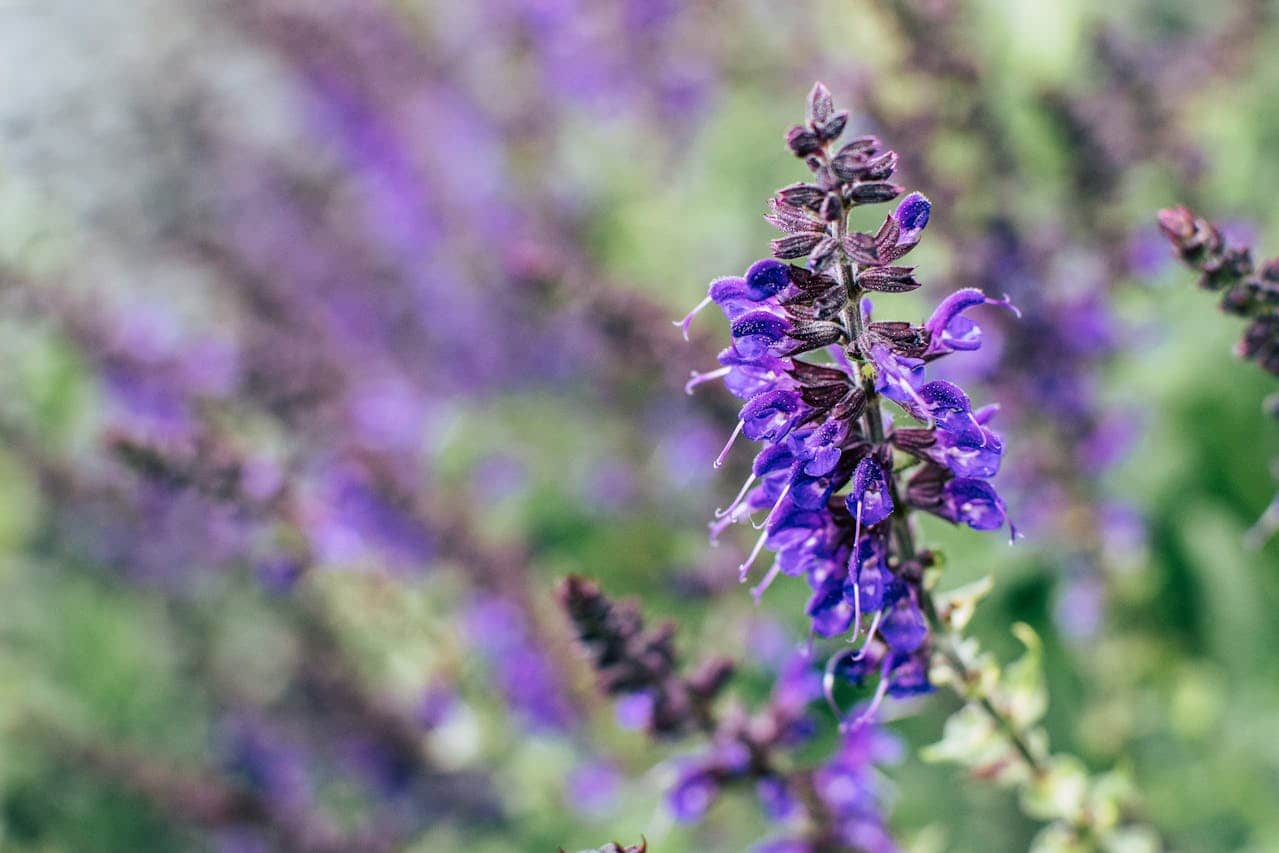
Salvia is a great choice if you want blue flowers that come back every year. Many salvias are perennials, meaning they’ll return from their roots each season.
You’ll find varieties like Salvia guaranitica, known for its striking electric blue flowers and black stems, which attract butterflies and birds to your garden. They’re pretty low-maintenance and can handle heat and drought once established.
Catmint (Nepeta)
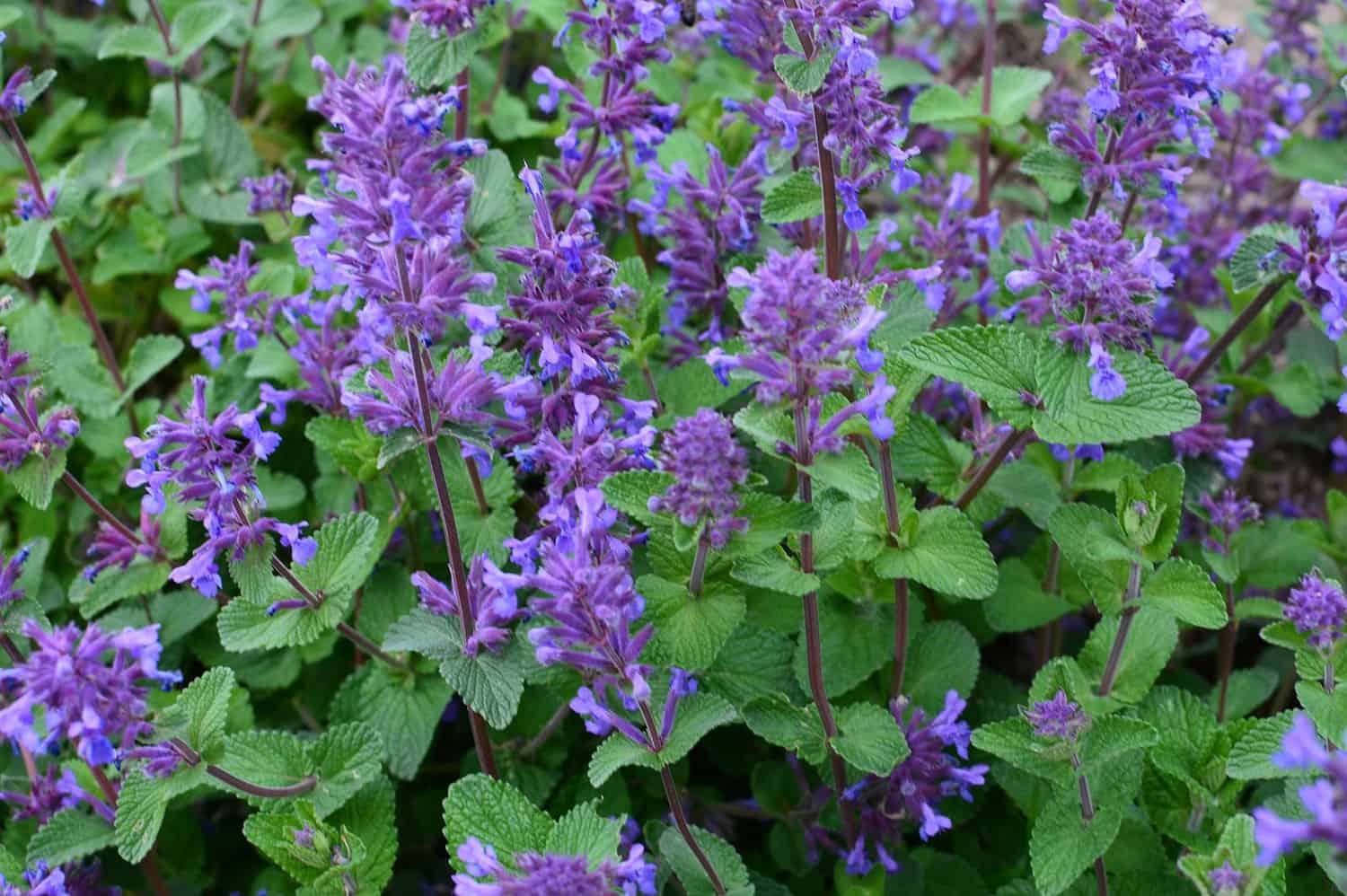
If you want a low-maintenance plant with beautiful blue flowers, catmint is a solid choice. It blooms from late spring into early fall, giving your garden long-lasting color.
You’ll appreciate its drought tolerance and deer resistance, making it easy to grow even if you’re not a pro. Check out varieties like Select Blue for striking lavender-blue blooms and gray-green foliage.
Blue Hydrangea
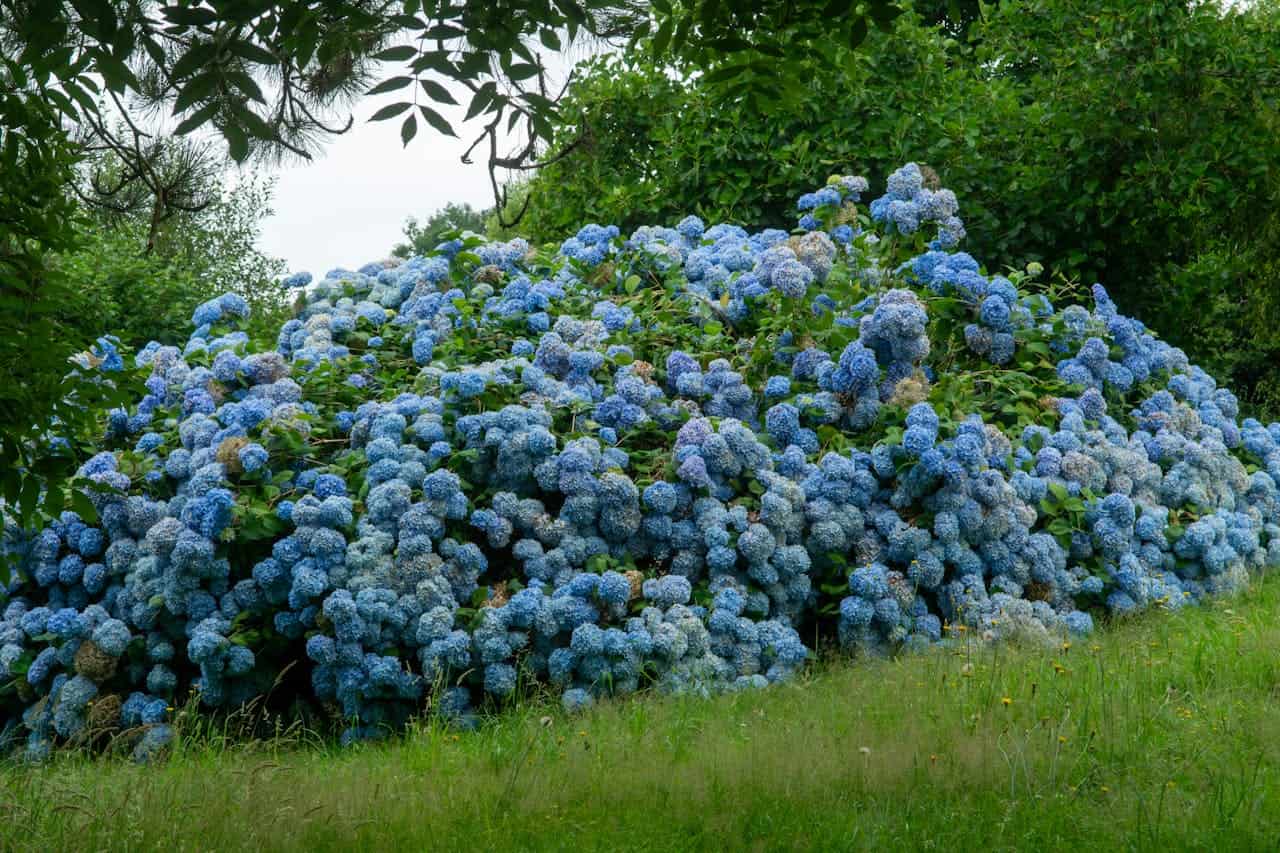
If you want a plant that adds a soft splash of blue to your garden, blue hydrangeas are a great choice. They bloom in spring and can keep flowering into fall, giving you a longer season of color.
The color depends on your soil’s pH—you can shift blooms between blue and pink by adjusting acidity. They’re easy to care for and fit well in most garden spaces.
Pulmonaria
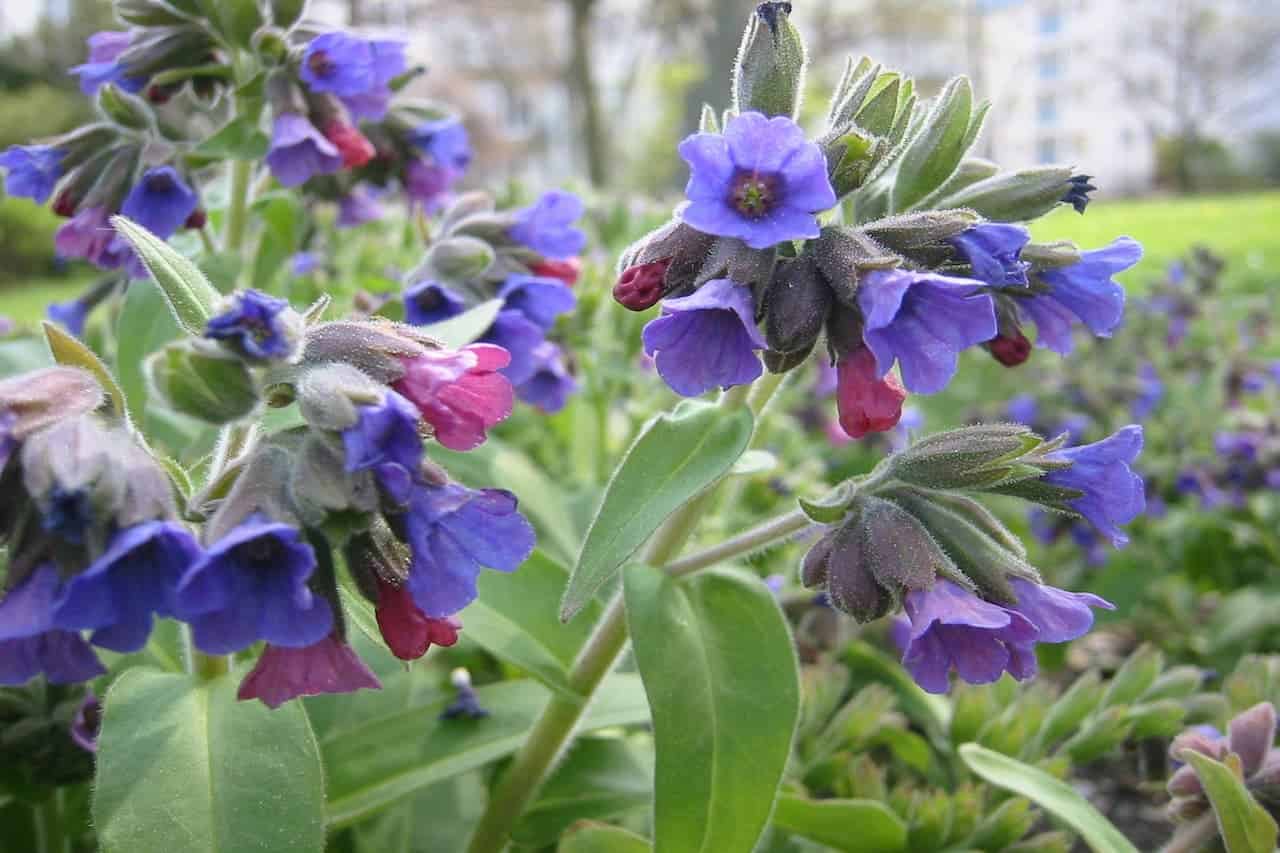
If you want an easy-to-grow blue perennial, pulmonaria is a good pick. You’ll notice its striking blue and pink flowers early in spring, adding color when many plants are still waking up.
Pulmonaria likes partial shade and moist soil, so it’s perfect for spots that don’t get full sun. Its foliage stays attractive, giving you a nice green backdrop even after the flowers fade. For best growth, water regularly and avoid extreme temperatures to keep your pulmonaria happy throughout the season.
Larkspur
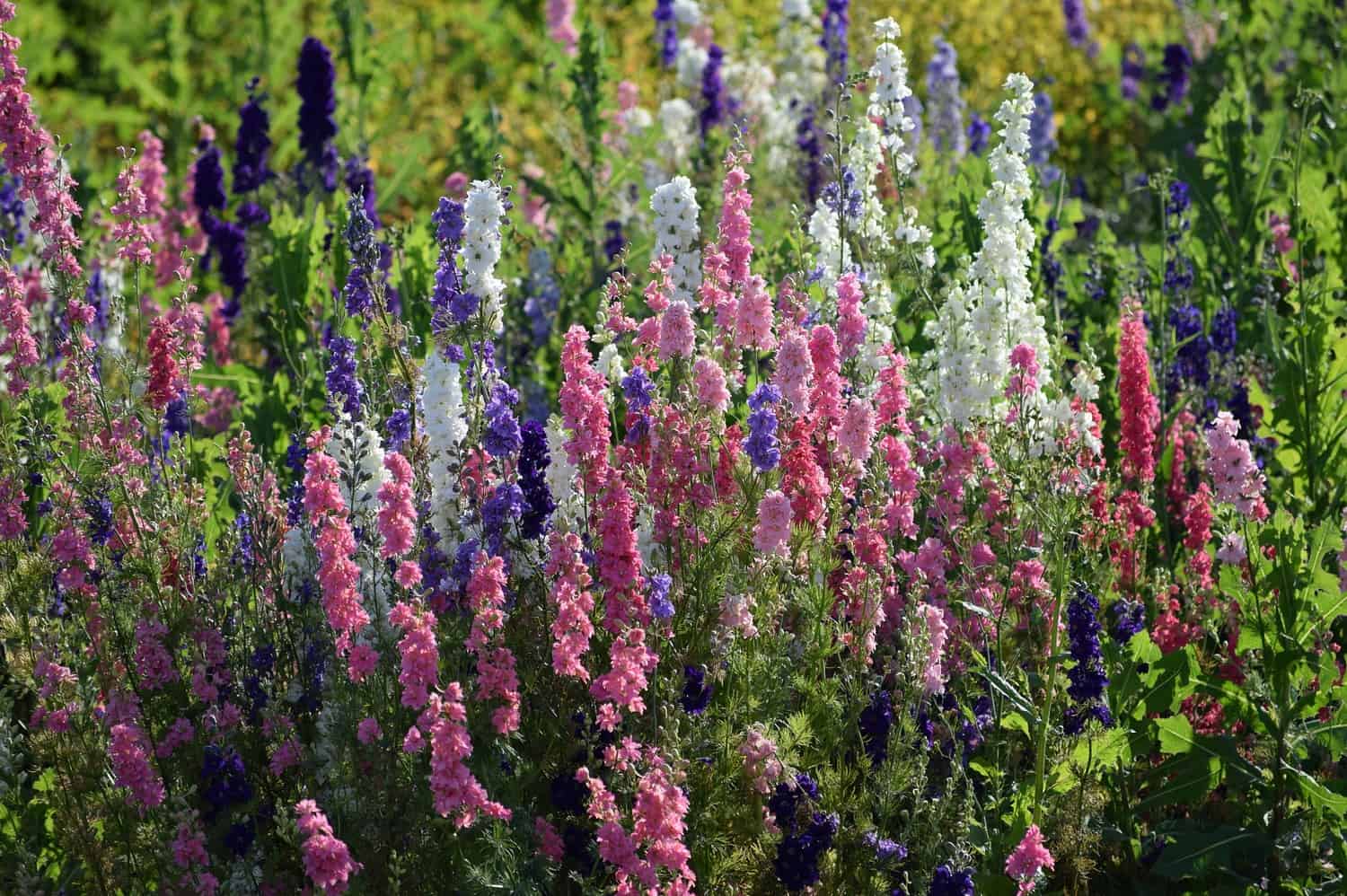
If you want bright blue flowers that pop in your garden, larkspur is a great pick. These plants bloom in late spring to early summer, adding height and color to borders.
Remember, larkspur is usually grown as an annual, so you’ll need to replant each year. For a perennial option, look for delphinium, which comes back year after year and grows bigger with care.
Bachelor’s Button (Centaurea Cyanus)
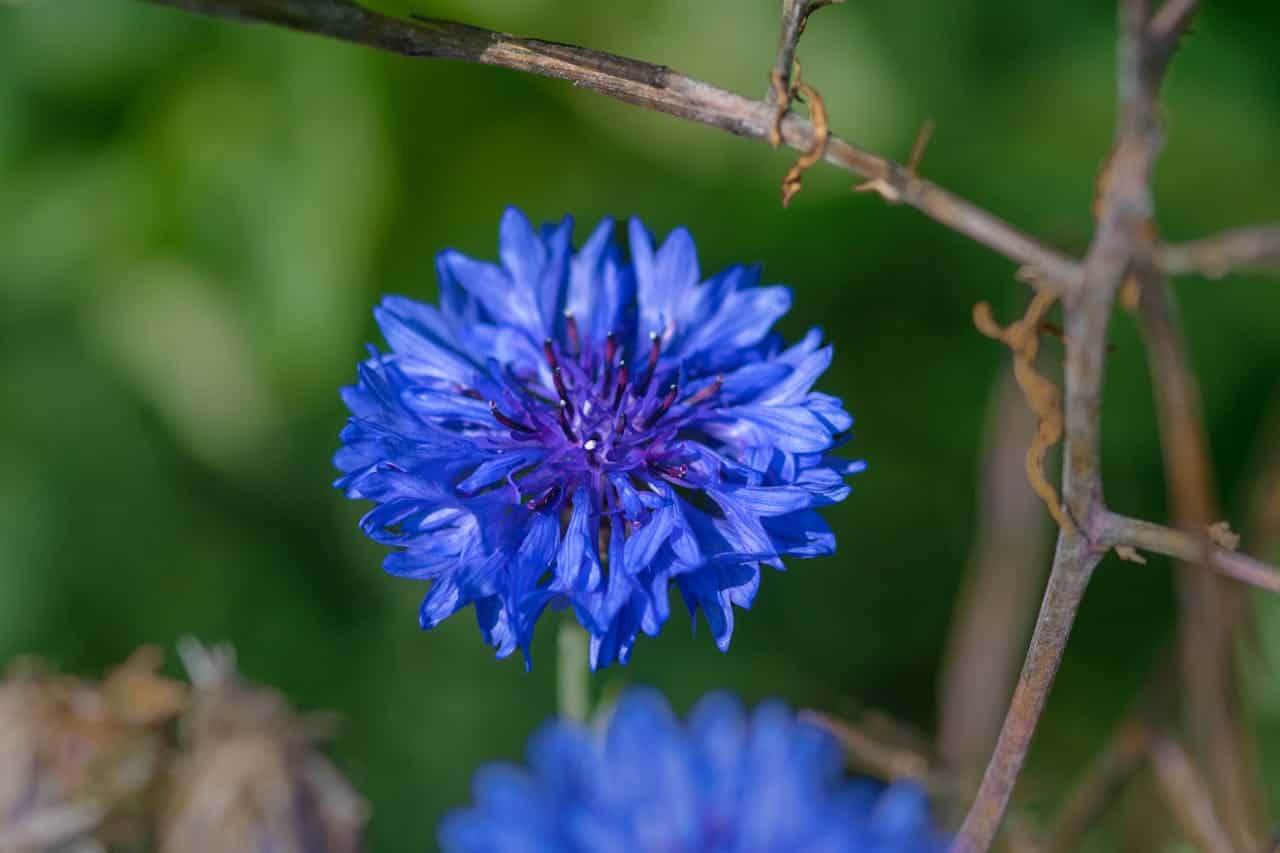
If you want a reliable blue perennial, Bachelor’s Button is a solid pick. These flowers bloom for about 10 weeks, starting in May.
They are pretty low-maintenance and often come back year after year, sometimes even spreading a bit in your garden. You can plant seeds every two weeks to keep the blooms going longer.
Agapanthus

If you want a splash of blue that returns every year, Agapanthus is a solid choice. You’ll enjoy clusters of blue flowers rising above long green leaves in late spring.
This plant does well in pots or garden beds, making it flexible for your space. Remember to divide it every 3-5 years to keep it healthy and blooming strong.
Russian Sage
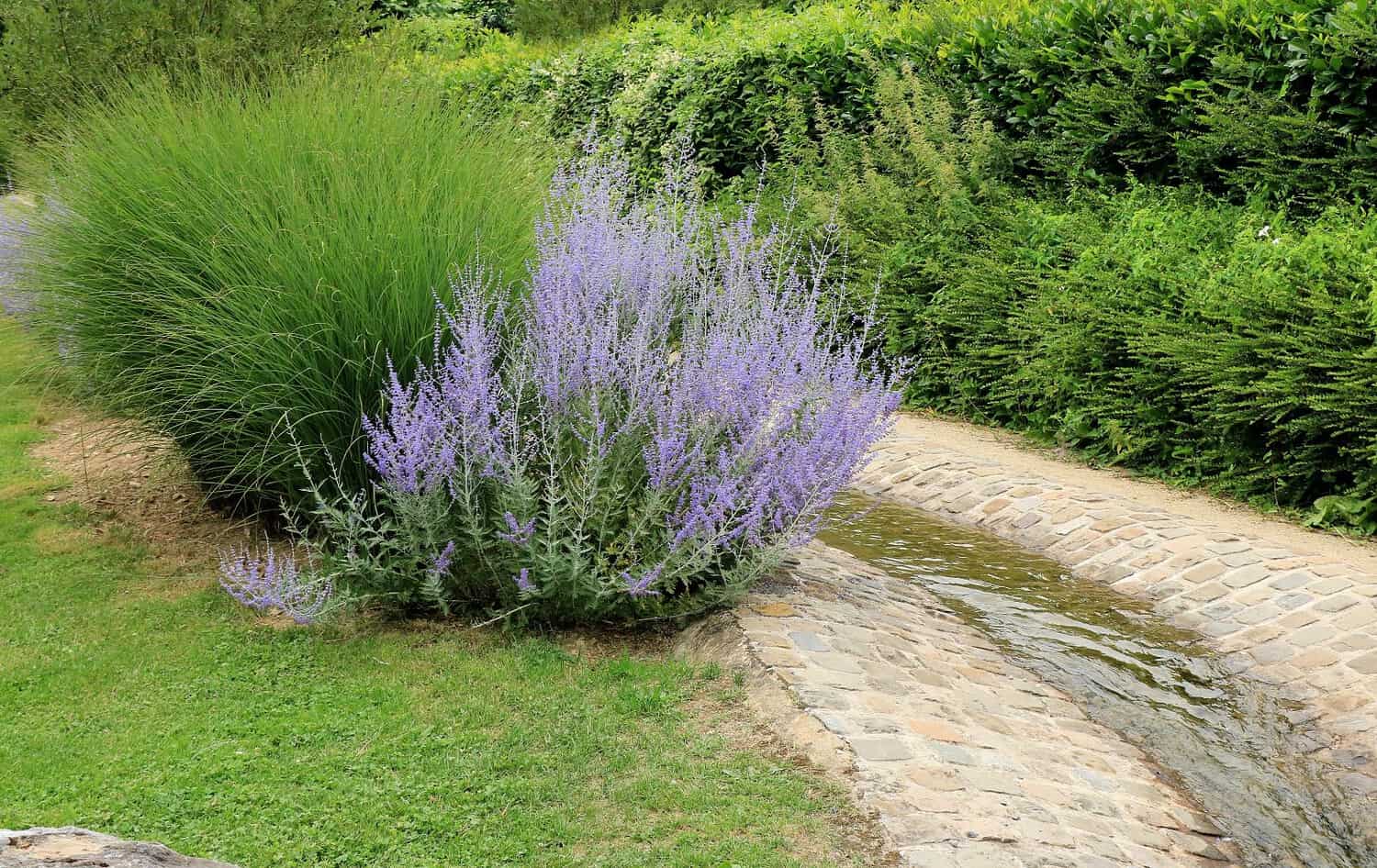
If you want a low-maintenance blue perennial, Russian Sage is a solid choice. It produces airy spikes of lavender-blue flowers that bloom from mid-summer into fall.
Once it’s established, your Russian Sage will come back year after year with little care. The silvery-green leaves add a nice contrast in any garden.
Caryopteris
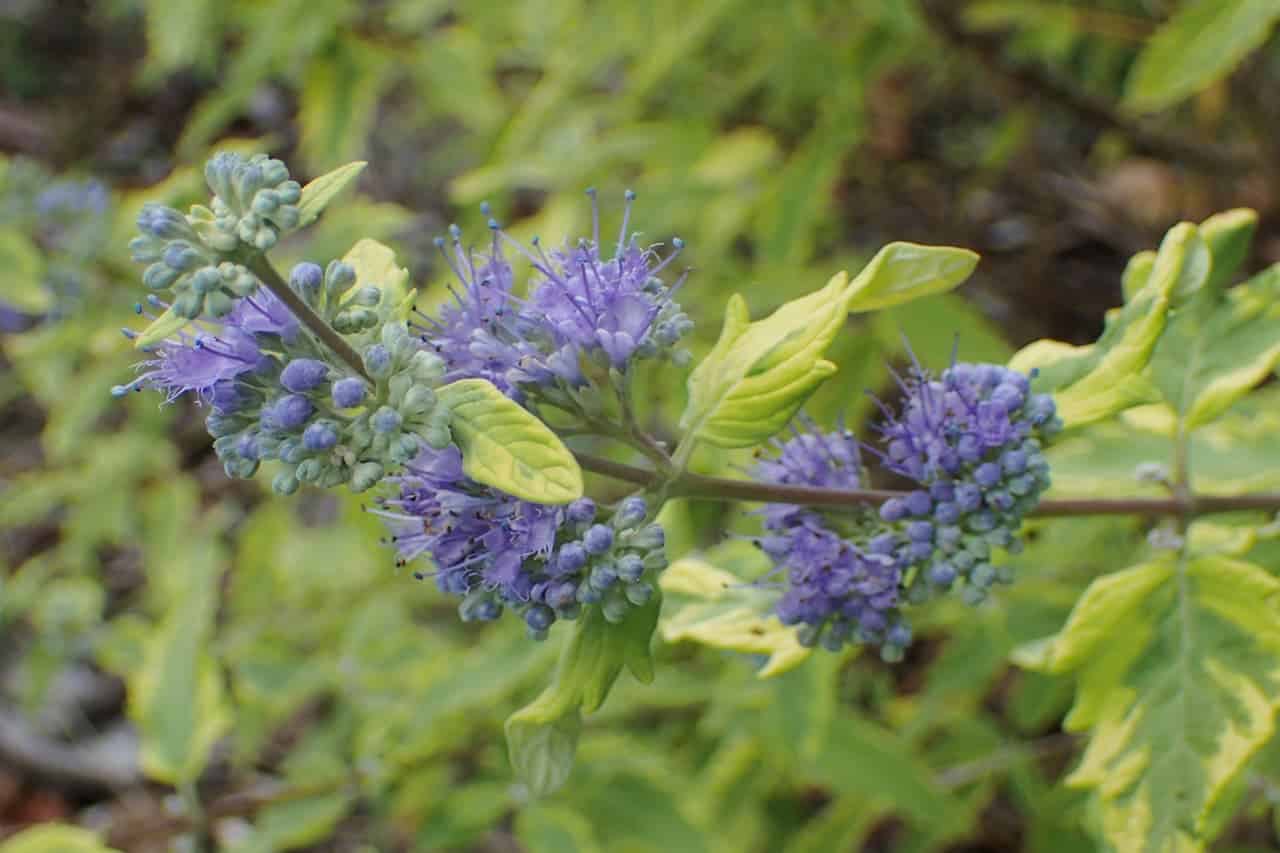
If you want a low-maintenance shrub with bright blue flowers, Caryopteris is a solid pick. It dies back in winter but reliably comes back each spring.
You’ll notice its rich, dark foliage sets off the flowers nicely. It blooms late in the season, giving your garden color when many others are fading. Check out this Beyond Midnight Bluebeard for a neat example.
Blue Anemone
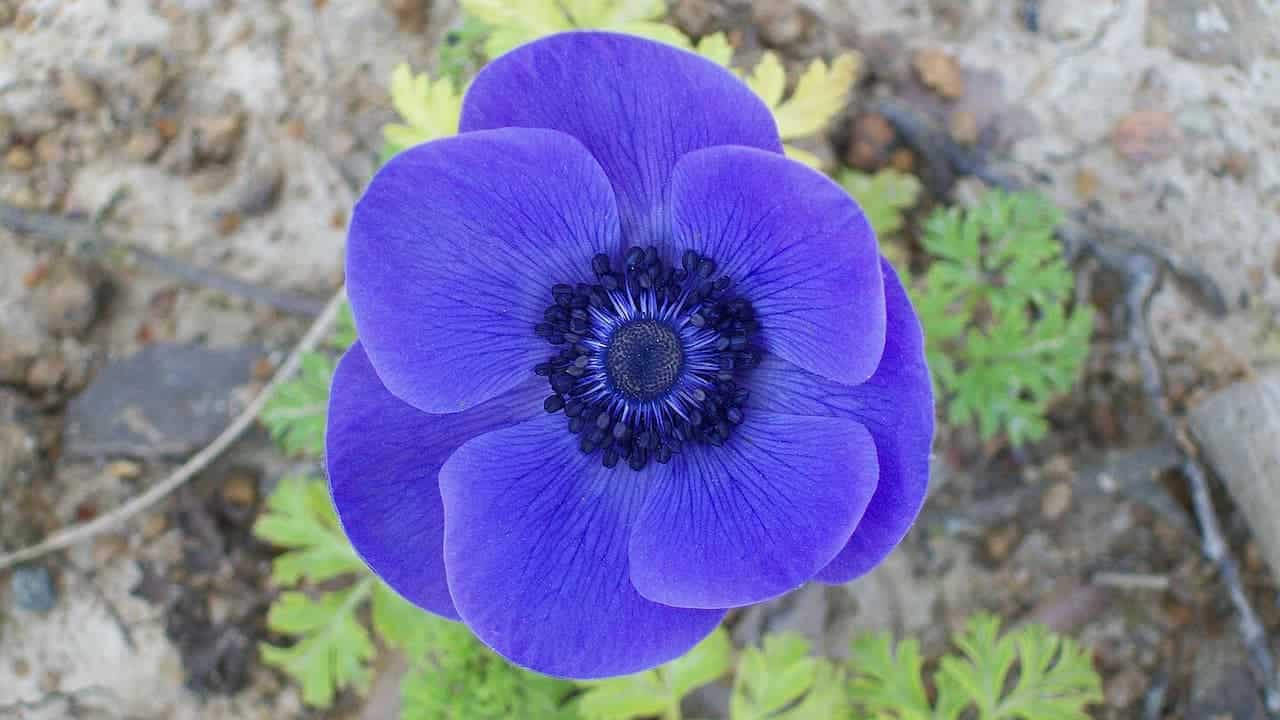
If you want a pop of deep blue in your garden, blue anemones are a solid choice. Their petals can have a velvety, rich color that stands out without being too flashy.
Keep in mind some types can spread quite a bit, so you might need to manage their growth. They come back year after year, adding reliable color to your space.
Aconitum (Monkshood)

If you want a tall, eye-catching blue flower, Aconitum, or monkshood, is a solid choice. It blooms from mid to late summer with striking violet-blue spikes that stand out in any garden.
Keep in mind, monkshood prefers partial shade and can spread through its roots, so give it some space to grow. Be careful—this plant is toxic, so handle it with gloves.
Scabiosa
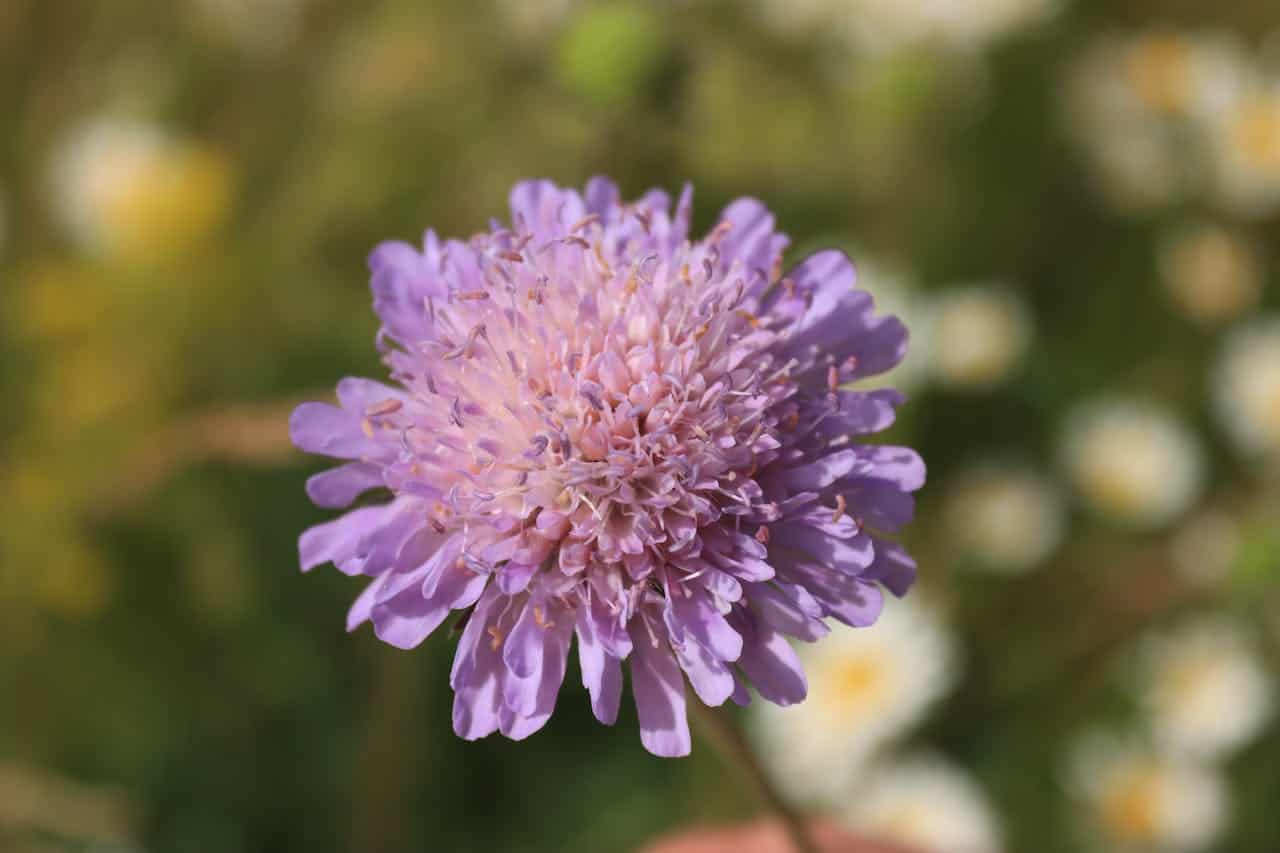
If you want a pop of true blue in your garden, Scabiosa is a great pick. These pincushion flowers bloom from late spring through early fall, giving you color for months.
They do well in perennial beds and rock gardens, and they’re pretty low maintenance. Plus, their delicate flowers attract pollinators, which is always a bonus for your garden’s health.
Blue Star (Amsonia)
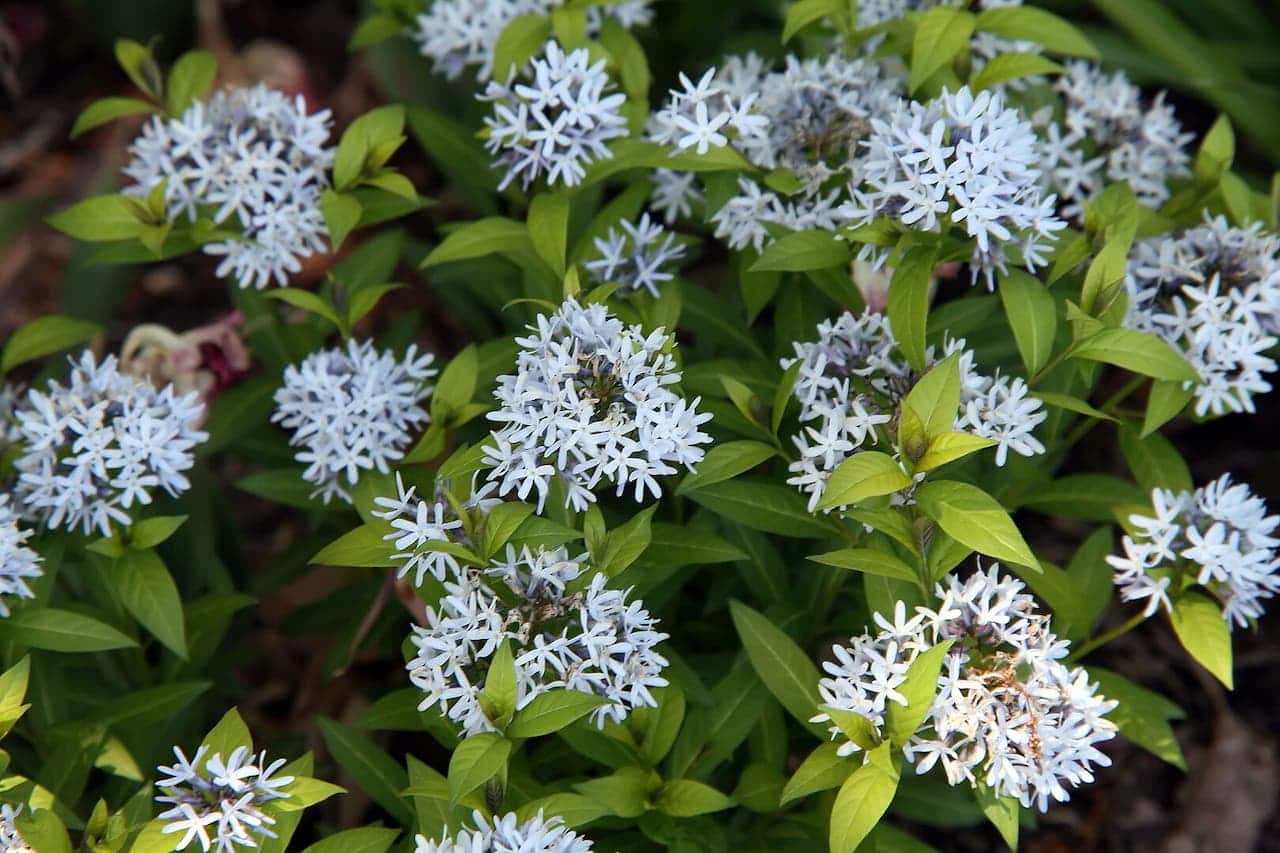
You’ll love Blue Star for its bright blue flowers that bloom in early summer. It’s a hardy perennial, so it comes back year after year without much fuss.
The foliage turns a beautiful golden color in fall, adding extra interest to your garden. It grows uniformly, so you won’t have to worry about bare spots in the clump.
Plumbago
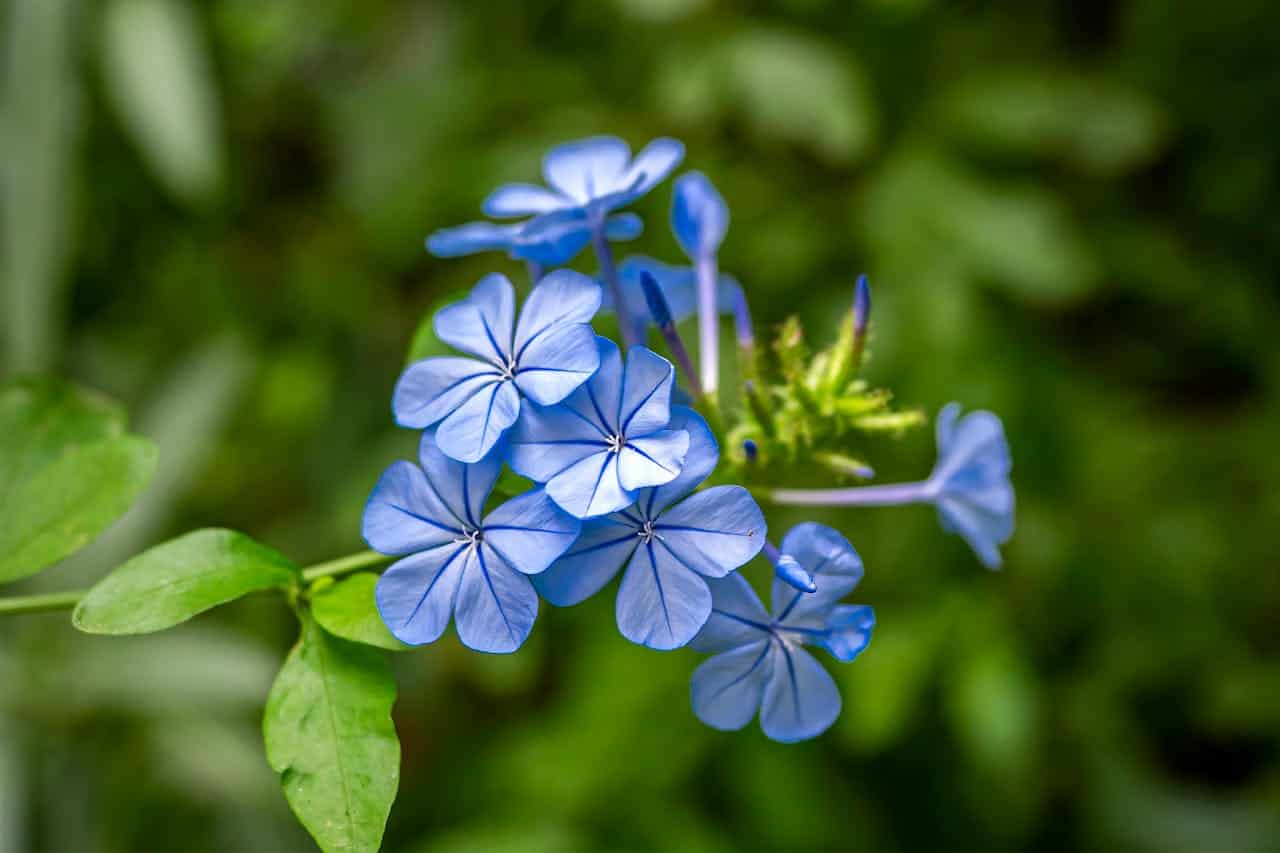
Plumbago is a super tough perennial that you can count on year after year. It produces bright blue flowers most of the year, adding color to your garden.
If it looks rough after a freeze, just cut it back to the base, and it will bounce back. It works well as a shrub or groundcover, giving you flexible options for your space.
Campanula (Bellflower)
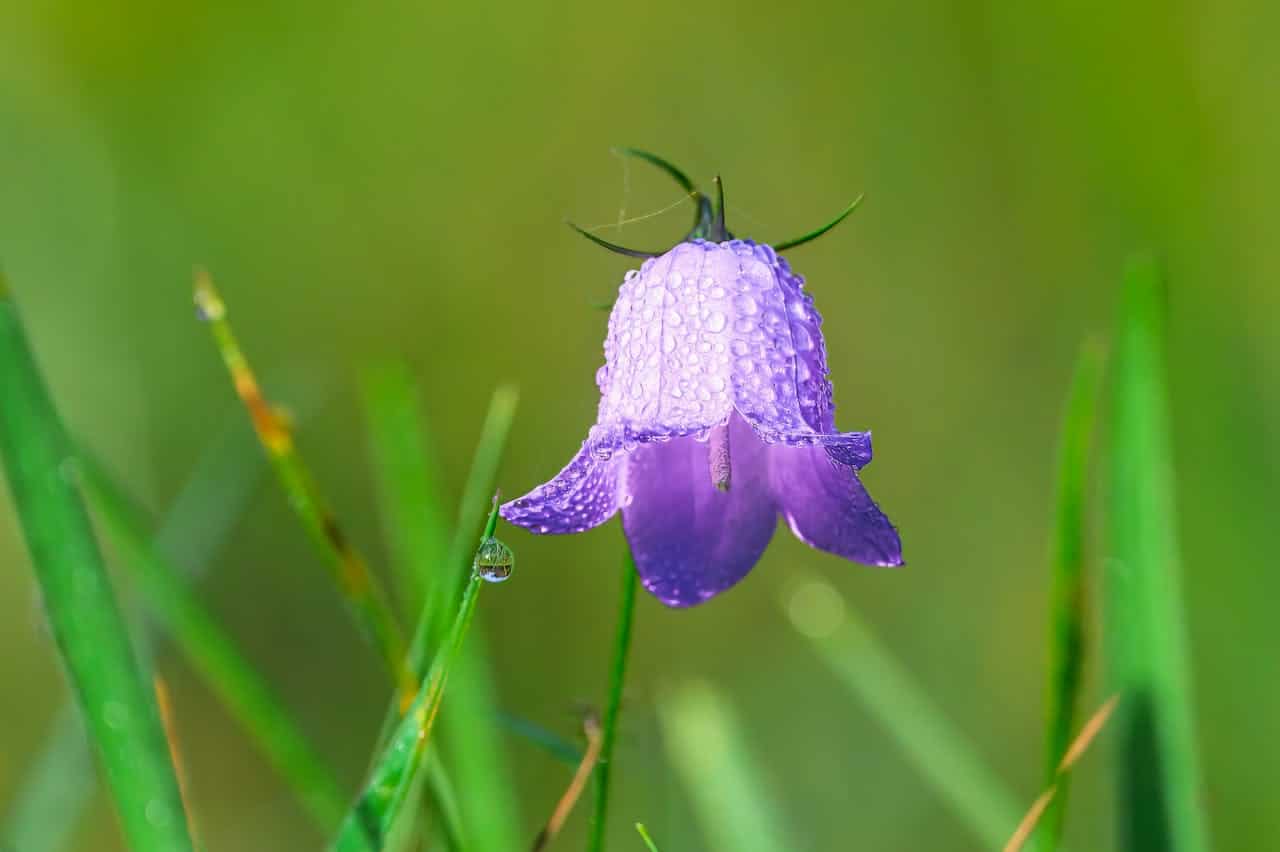
If you want a reliable blue perennial, Campanula is a great pick. These bell-shaped flowers come back year after year and often get bigger with time.
They work well in garden borders or containers, adding a soft splash of blue. Some types can spread, so keep an eye on where you plant them.
Gentiana
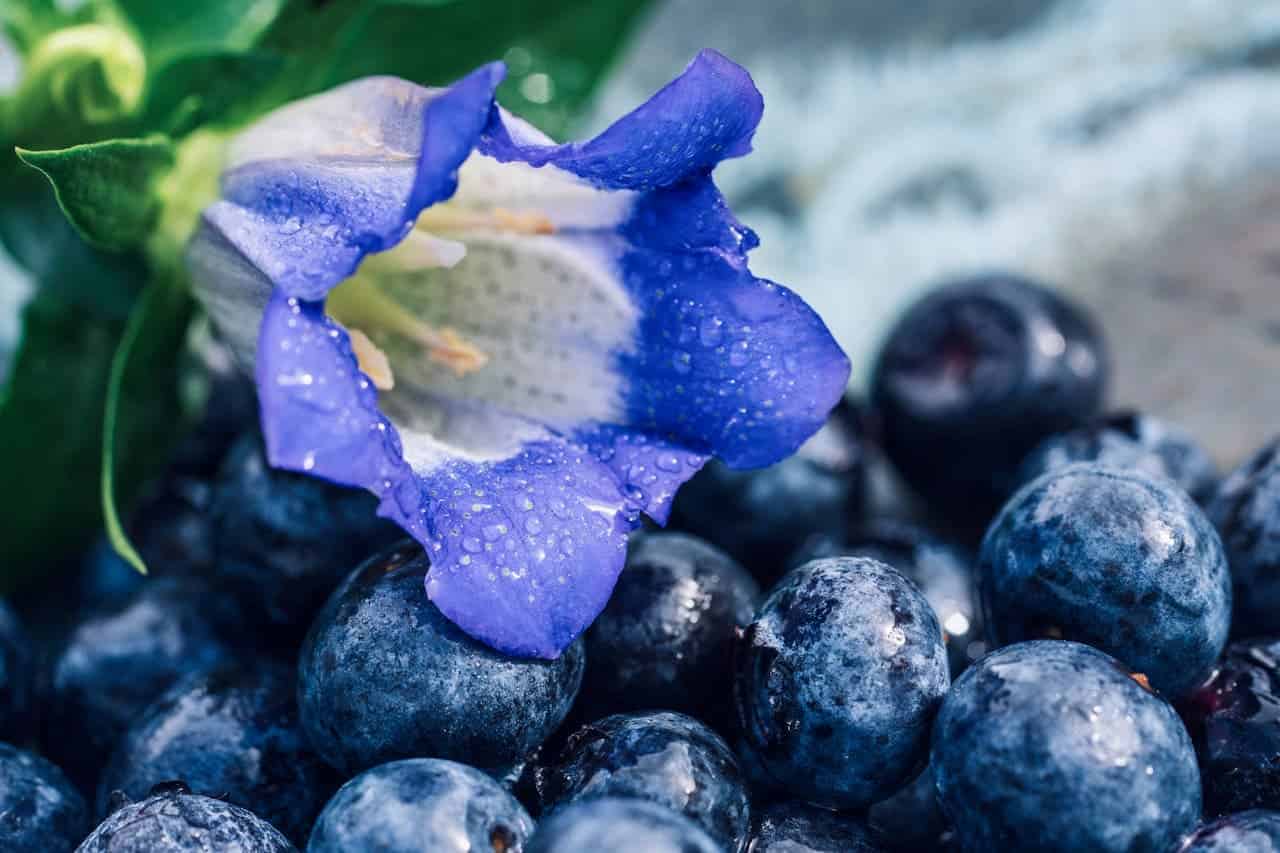
If you want a pop of true blue in your garden, Gentiana is a solid choice. These perennials often have deep blue, trumpet-shaped flowers that bloom in spring and sometimes again in autumn.
You’ll find varieties like Gentiana acaulis that grow low and stemless, perfect for rock gardens or borders. They’re pretty easy to care for once established and can brighten your space year after year.
Eryngium (Sea Holly)
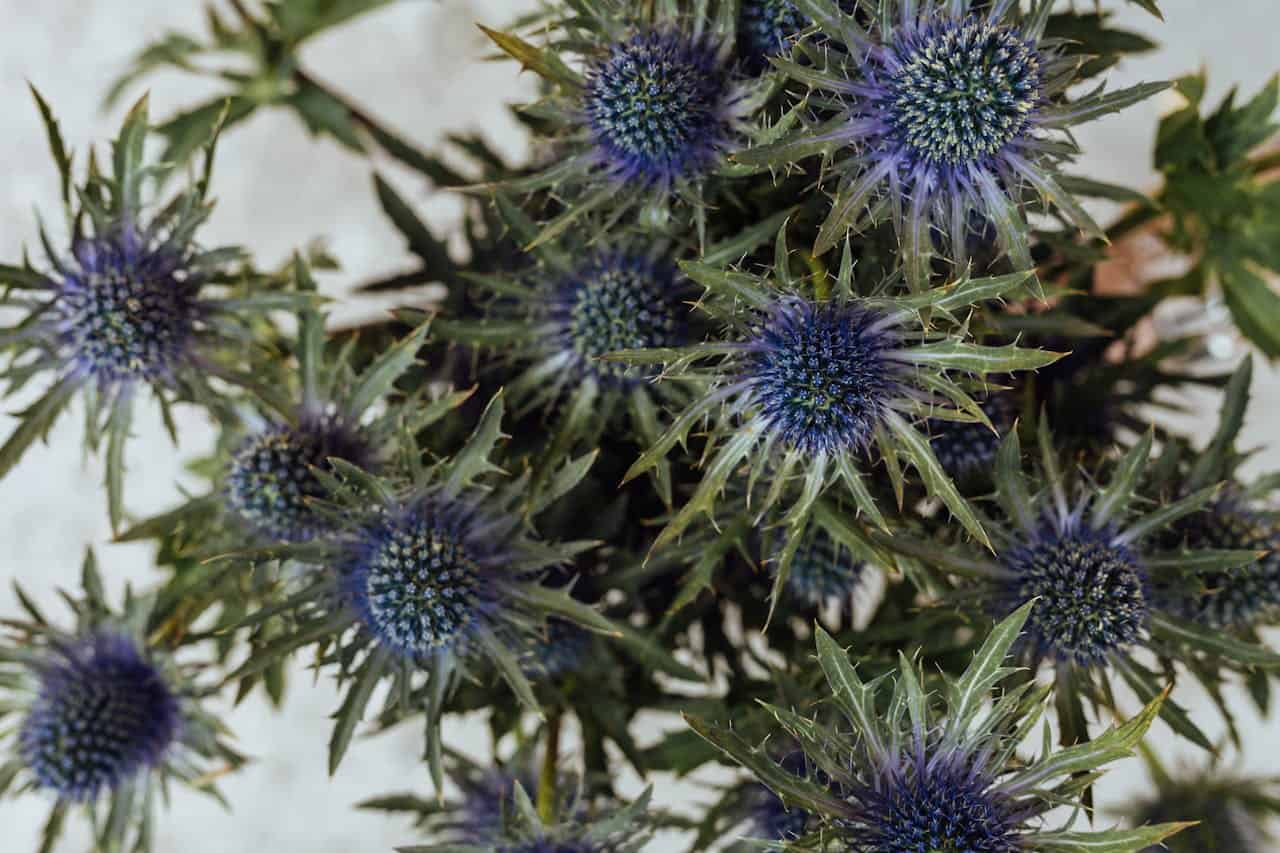
If you want a tough, low-maintenance plant, Eryngium or Sea Holly is a solid choice. You’ll get spiky, metallic blue flowers that add a cool texture to your garden. It comes back year after year and even self-seeds without taking over.
Sea Holly loves full sun and well-drained soil, making it perfect for spots that are hard to fill with other plants. You might find it attracts bees and butterflies too, which is a nice bonus.
Balloon Flower (Platycodon)
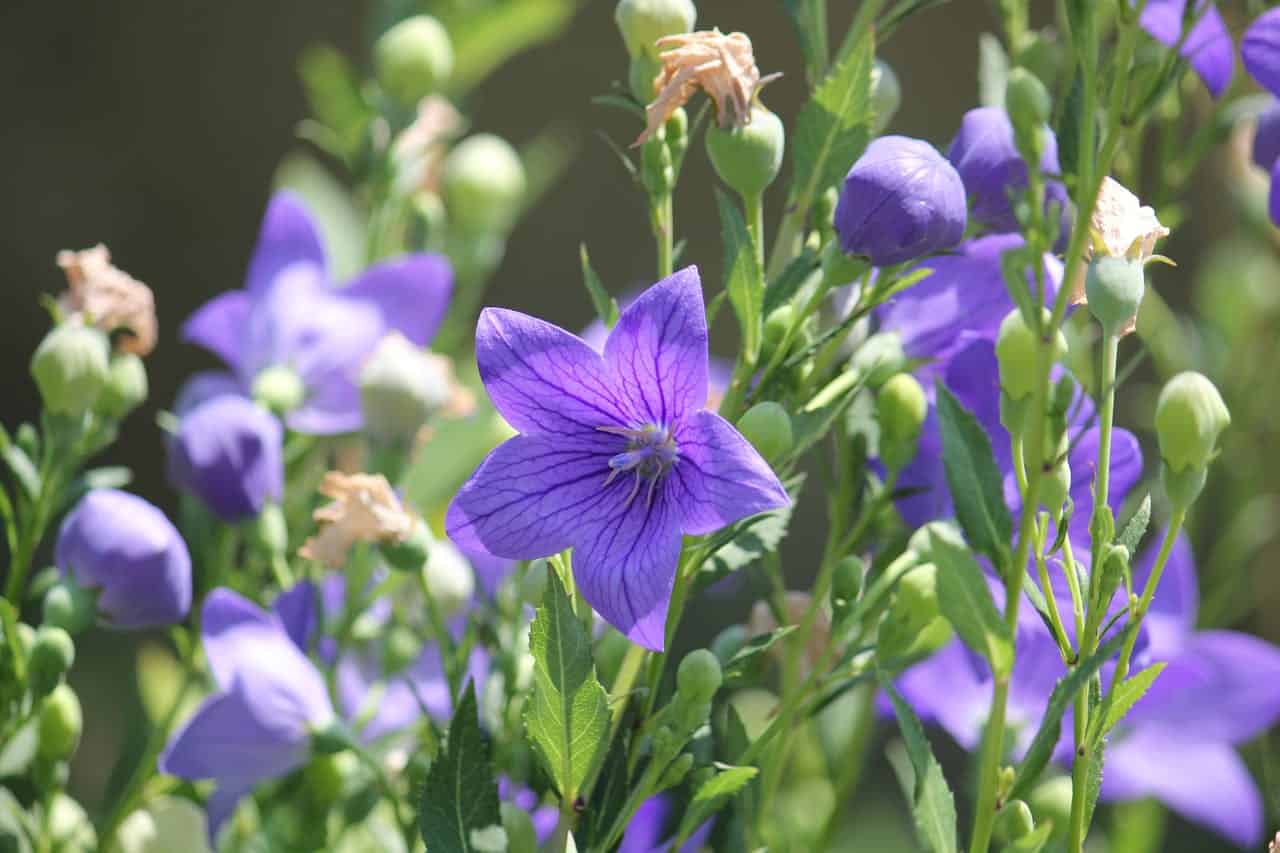
If you want an easy blue perennial that returns every year, the balloon flower is a solid pick. Its unique buds look like little balloons before they pop open into star-shaped blooms.
You can grow them in full sun to partial shade, and they usually reach 1 to 2 feet tall. They don’t spread fast but will come back faithfully each season.
Anchusa
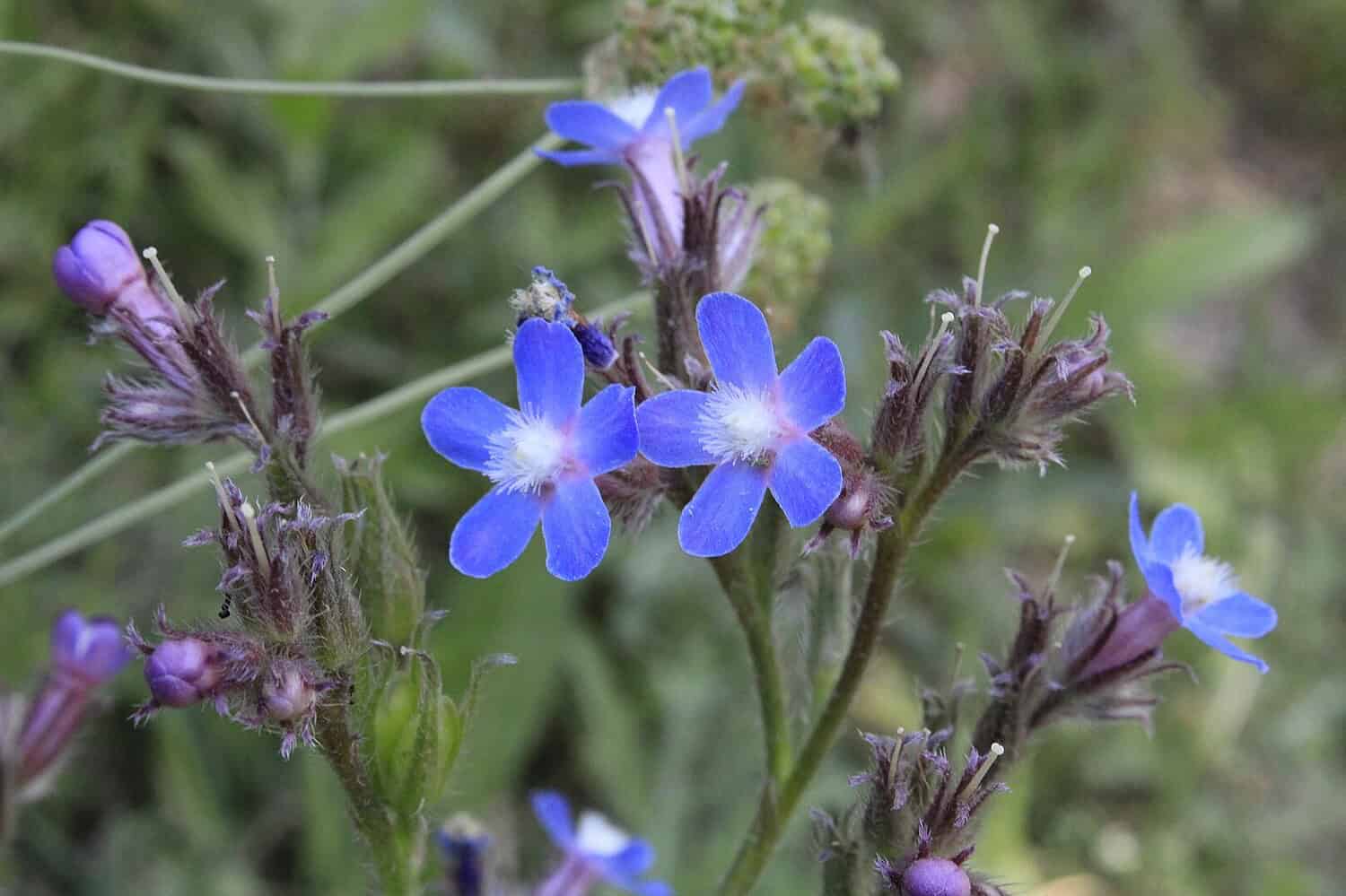
If you want a splash of true blue, Anchusa is a solid choice. It grows as a biennial, so expect lush leaves the first year and bright blue flowers the next.
You’ll see tall floral spikes in late spring or early summer that can brighten your garden for weeks. Just be ready to cut it back after flowering to keep things tidy.
Hyacinth Bean Vine
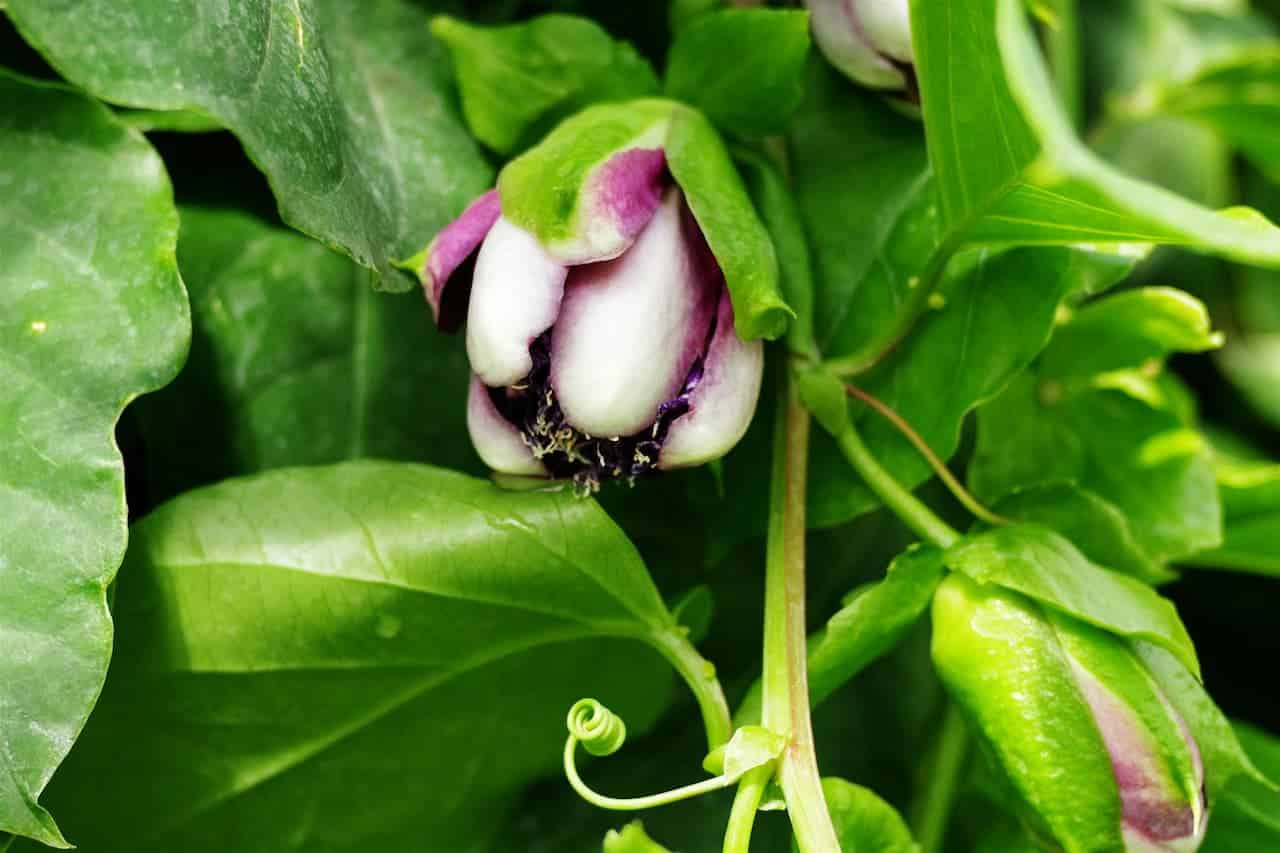
If you want a fast-growing vine with unique blue-purple flowers, the hyacinth bean vine is a great choice. It climbs easily and can cover fences or trellises quickly.
You can grow it as a perennial in warm zones or start it from seed in spring elsewhere. It also self-seeds, so it might come back in your garden on its own next year.
Blue Speedwell
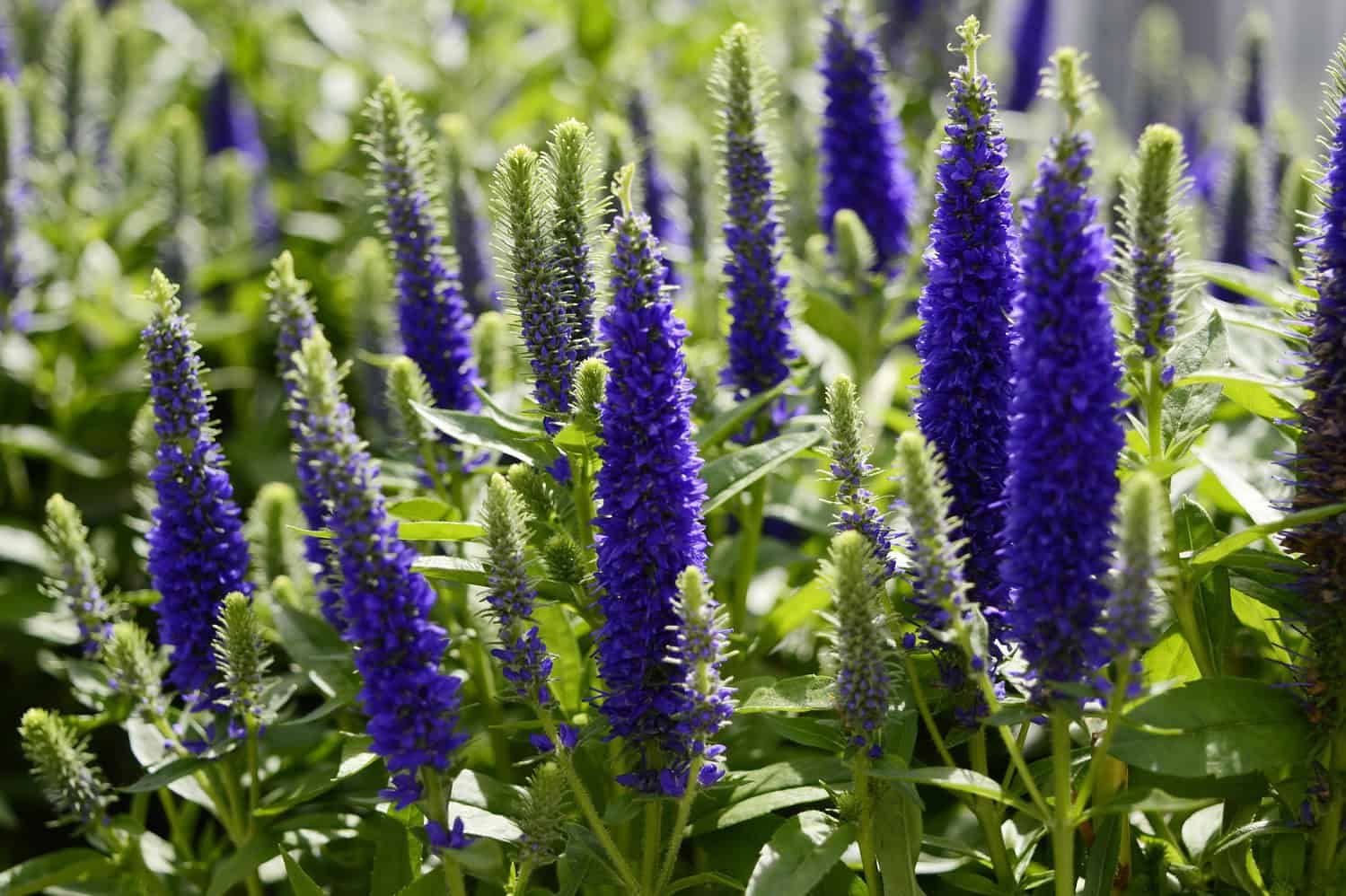
If you want a low-maintenance perennial, blue speedwell is a great choice for your garden. You’ll enjoy its violet-blue flowers that bloom early and last through summer.
It grows well in full or partial sun and needs moderate watering. Plus, it attracts pollinators and resists deer and rabbits, so your garden stays lively and safe.
Bugloss (Anchusa Capensis)
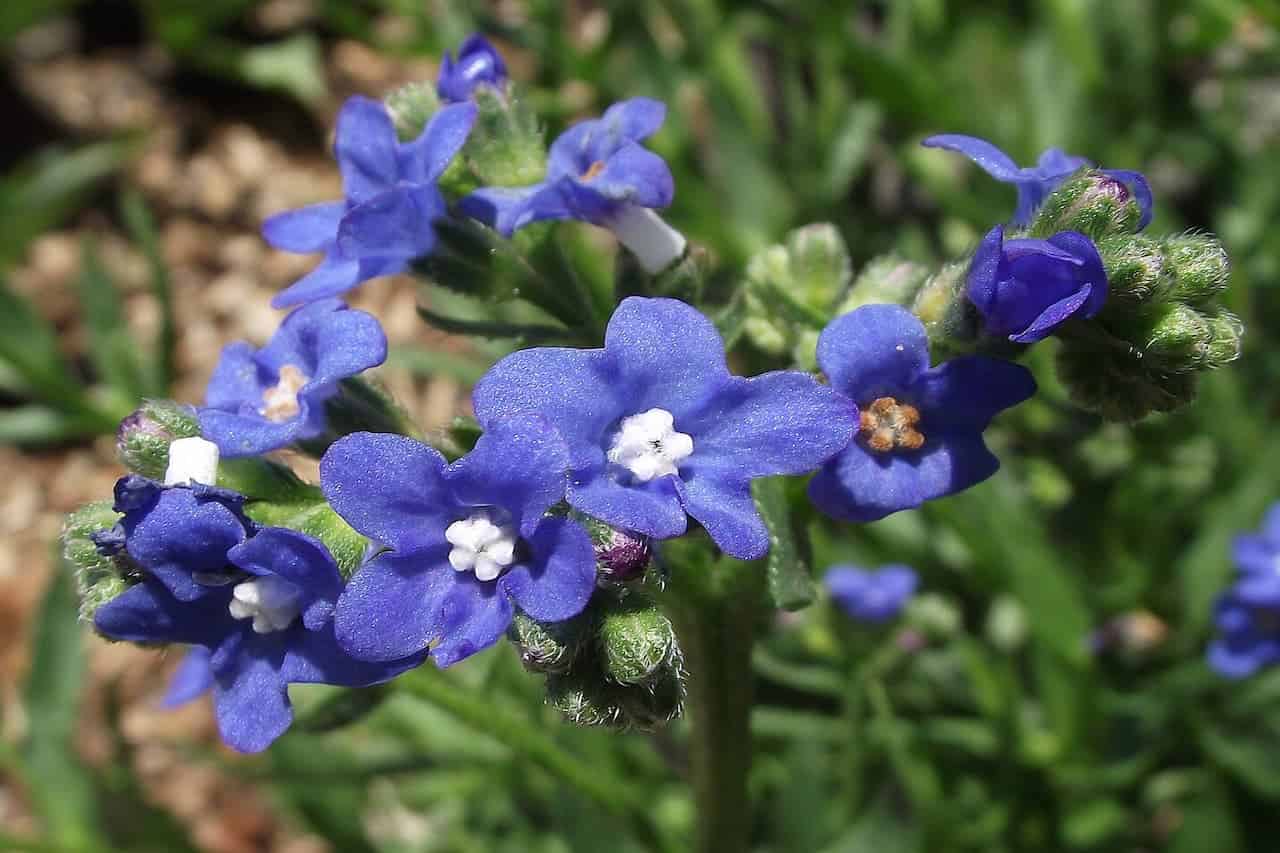
If you want a splash of bright blue in your garden, Bugloss is a solid choice. Its vivid ultramarine flowers bloom in clusters, adding a cheerful touch to borders or mass plantings.
The plant has rough, bright green leaves and a bushy habit, making it easy to manage. You can shear it back after flowering to encourage more blooms.
Globe Thistle
If you want a low-maintenance perennial with unique blue flowers, globe thistle is a great pick. Its spiky, steel-blue blooms add texture and a cool pop of color to your garden.
This plant loves full sun and well-drained soil. Once mature, it handles drought well, making it perfect for dry areas.
Blue-eyed Grass
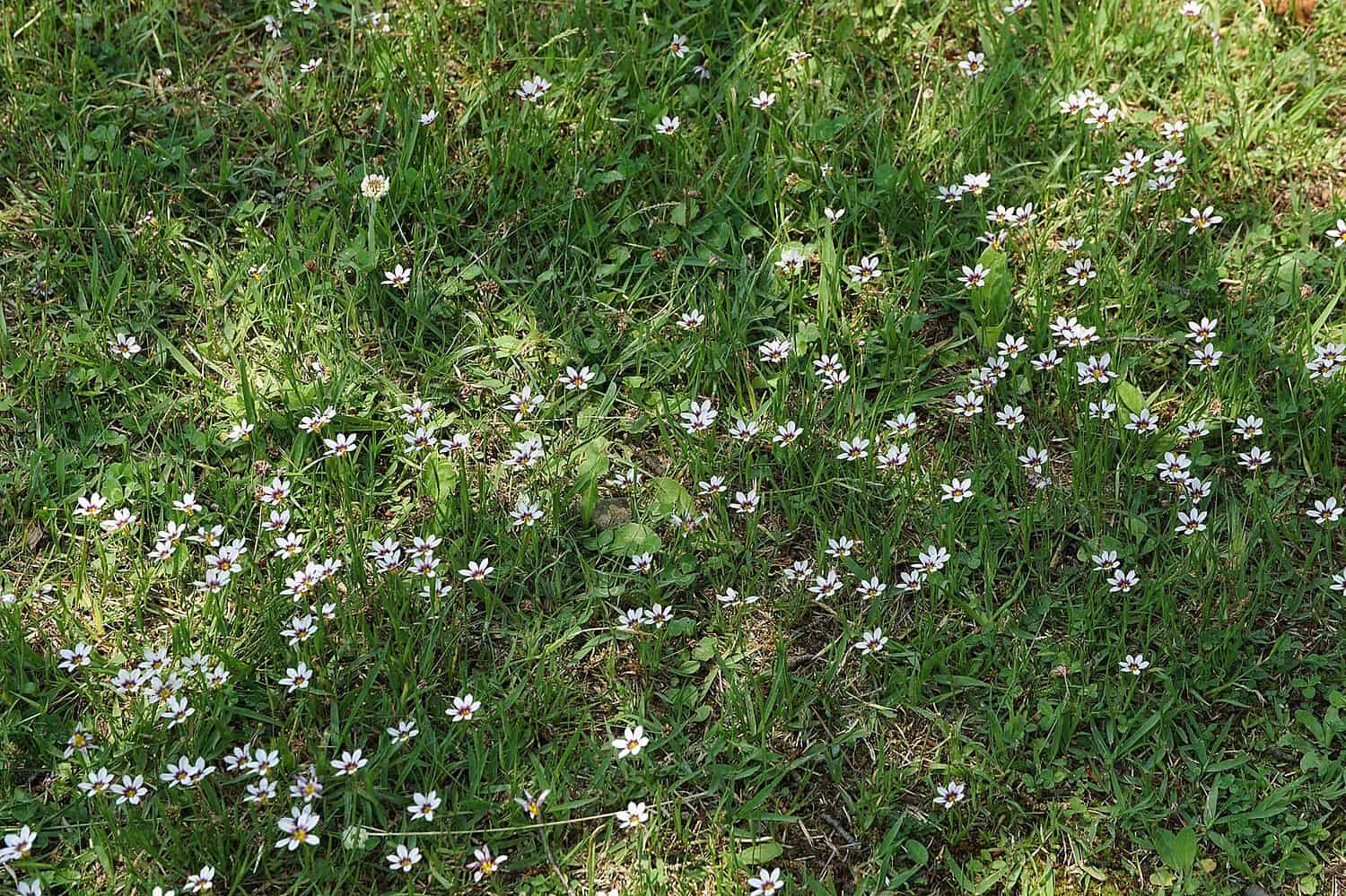
You’ll like blue-eyed grass if you want a low-maintenance perennial with bright blue flowers. It grows well in full sun to part shade and comes back every year.
Its small, grass-like leaves make it perfect for borders or planters. The flowers have a yellow center that looks like tiny eyes, adding charm to your garden. Plant it in well-drained soil, and it will bloom beautifully each spring.
Blue Saxifrage
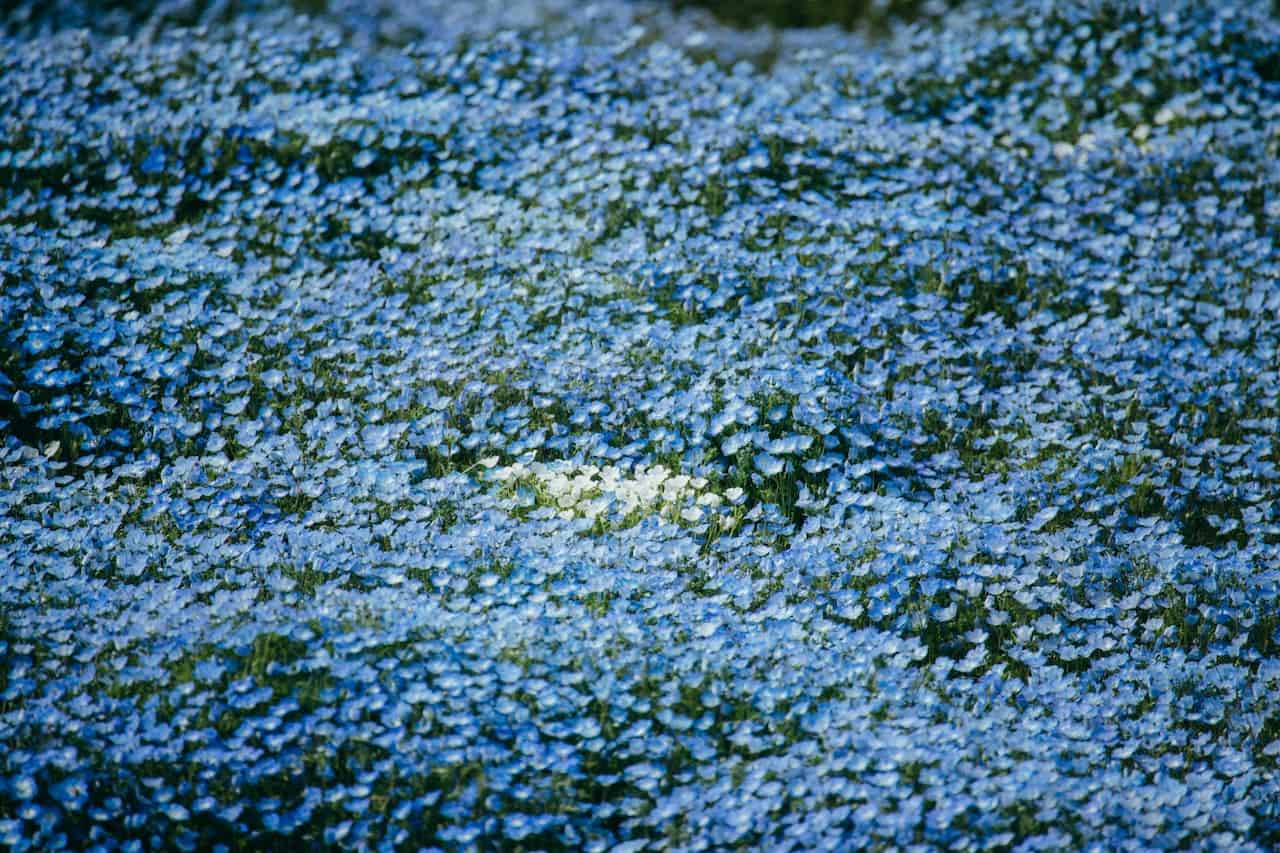
Blue Saxifrage is a low-growing perennial that’s perfect for adding a cool, blue touch to your garden. It comes back year after year, making it a reliable choice for long-term beauty.
You’ll like how it forms dense mats, which work well as ground cover or in rock gardens. It’s tough and doesn’t need much care once established.
Blue Fescue Grass
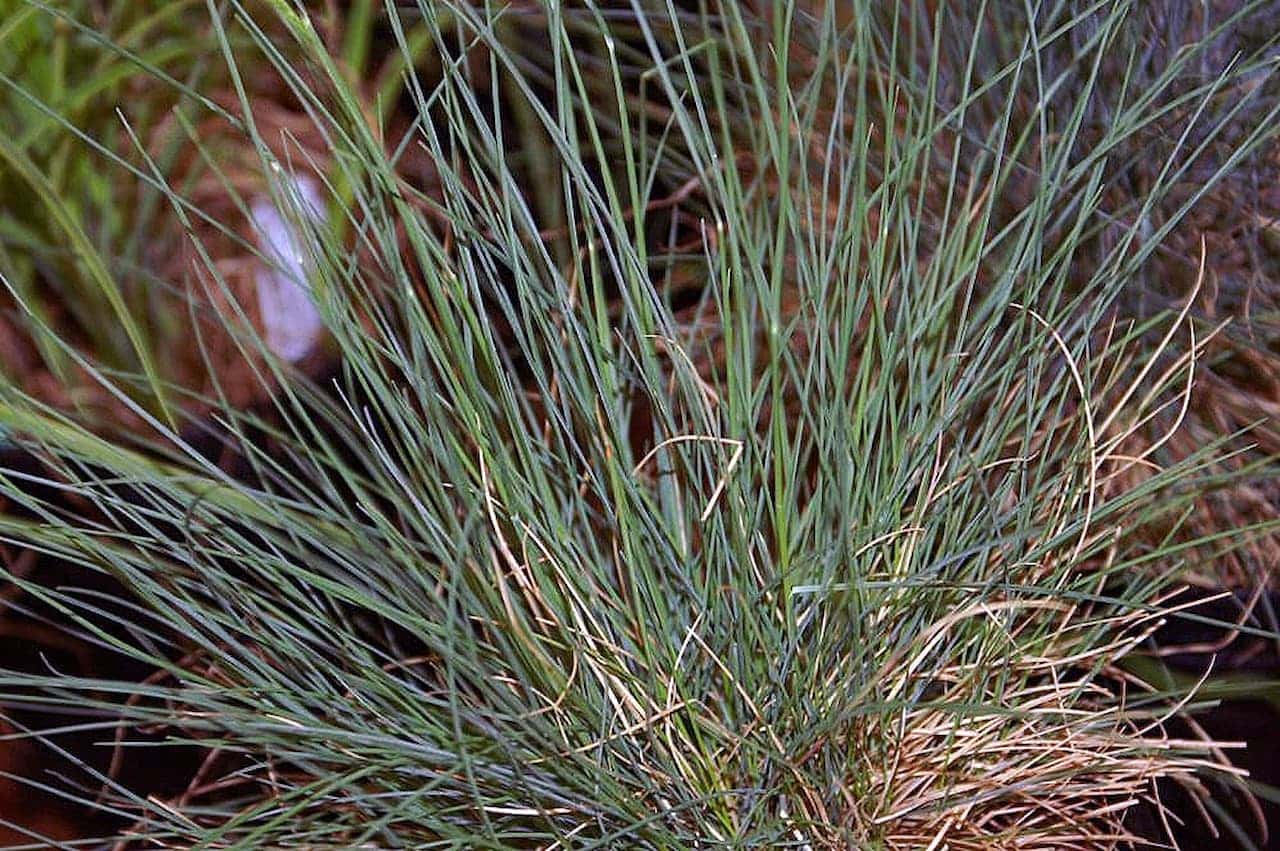
If you want a low-maintenance grass with cool blue-green color, blue fescue is a good pick. It stays compact and adds texture without taking over your garden.
You’ll find it does well in full sun and prefers cooler seasons like spring and fall. It comes back every year in most climates, so it’s a reliable choice for your landscape.
Clematis ‘Blue Angel’
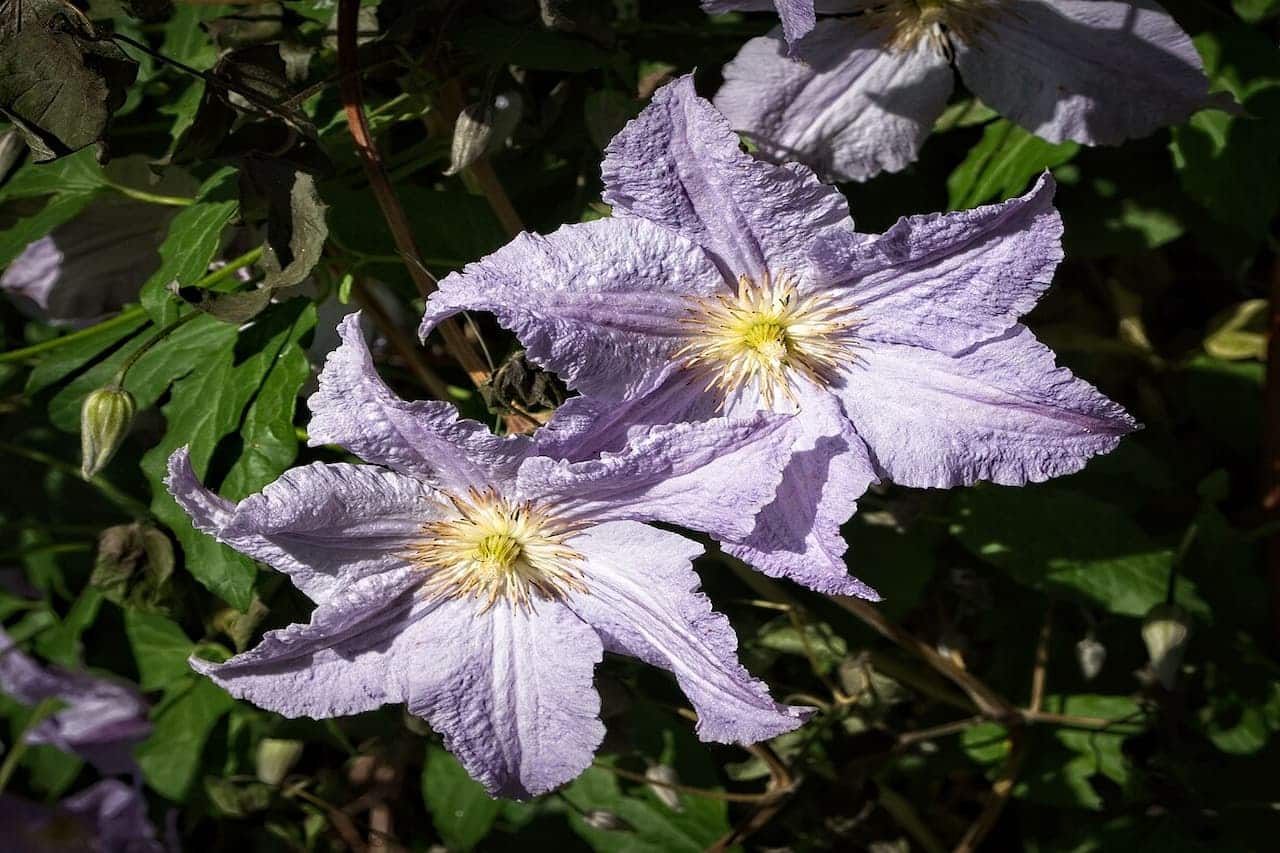
If you want a reliable climber that blooms year after year, Clematis ‘Blue Angel’ is a solid pick. You’ll get plenty of soft lavender-blue flowers from early summer through fall.
It’s fairly low maintenance, especially if you prune it properly. That way, your plant can keep producing more blooms each season.
Brunnera (Siberian Bugloss)
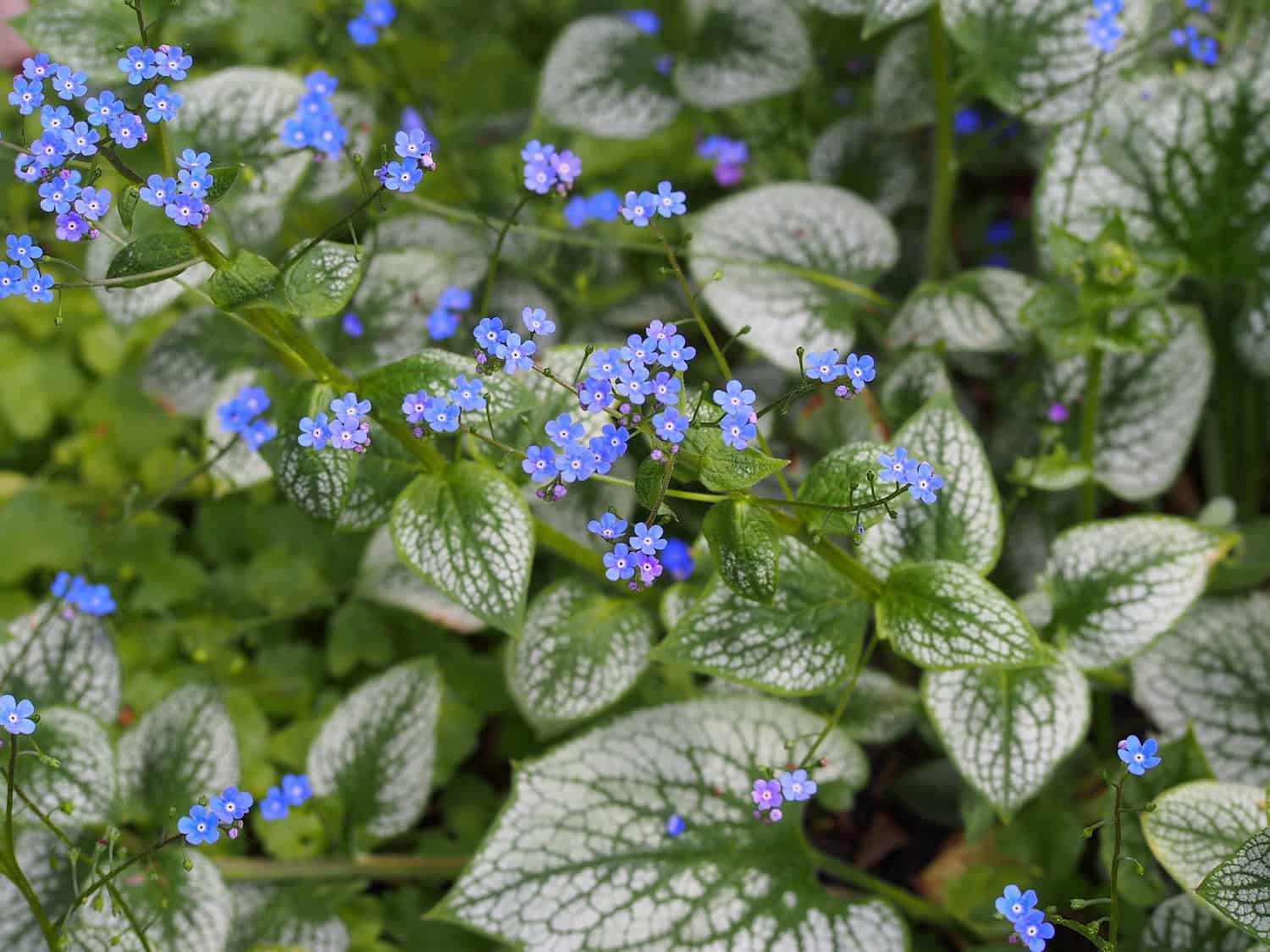
If you want easy-care blue flowers in your garden, Brunnera is a solid pick. It blooms in early to mid-spring with bright, forget-me-not-like blue flowers that can last for weeks.
This perennial spreads over time with its rhizomatous roots, filling in shady spots nicely. You’ll appreciate how it brightens up areas that don’t get much sun.