Flower beds are a beautiful way to enhance your outdoor space, but edging is what really helps them stand out. Choosing the right edging can define your flower beds, keep soil and mulch in place, and add a polished look to your garden.
There are many options available, from natural materials to manufactured ones, allowing you to match your garden’s style and your budget. This article will give you a variety of ideas to inspire your next flower bed upgrade.
Advertisement
Rustic Brick Edging
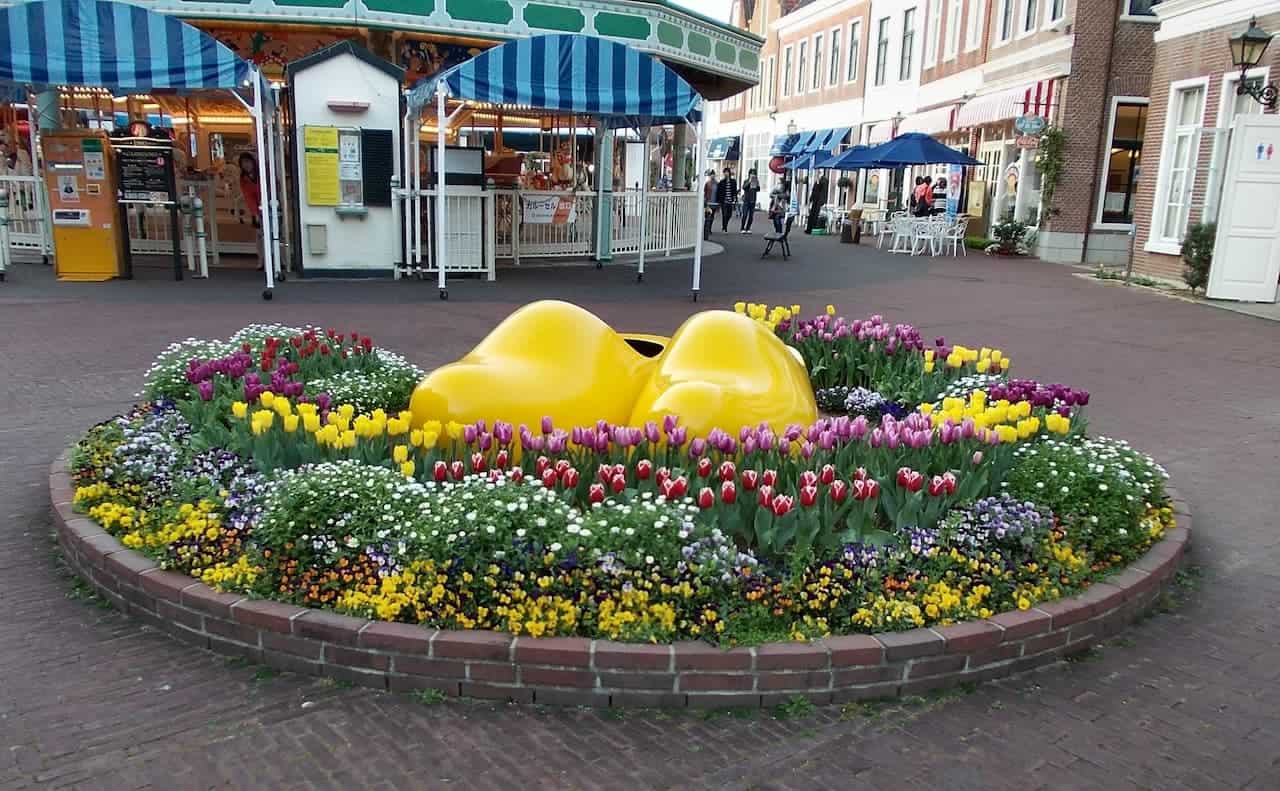
You can add a warm, timeless look to your flower beds with rustic brick edging. Using old or reclaimed bricks gives your garden a charming, weathered feel.
Laying bricks unevenly or with slight gaps creates a relaxed, natural border. This style also helps contain soil and mulch while defining your planting areas clearly.
If you prefer, hire a mason for a neater, more structured edge that still keeps that rustic appeal.
Cobble Paver Borders
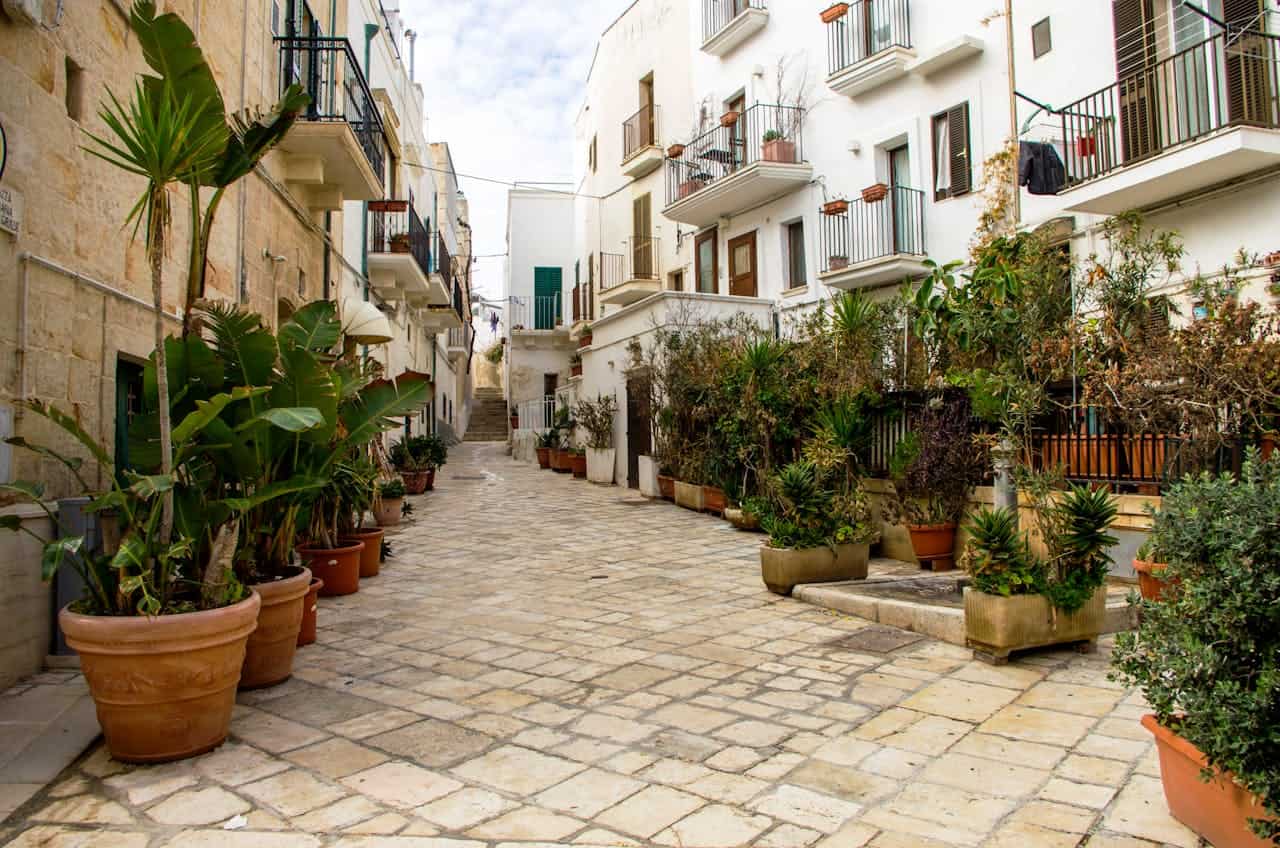
Cobble paver borders give your flower bed a classic and sturdy look. You can arrange the stones tightly for a neat edge or space them with gravel for a more rustic feel.
These pavers are durable and low maintenance, making them a practical choice. Plus, you can easily create curves or straight lines, depending on your garden’s style.
Flexible Steel Edging
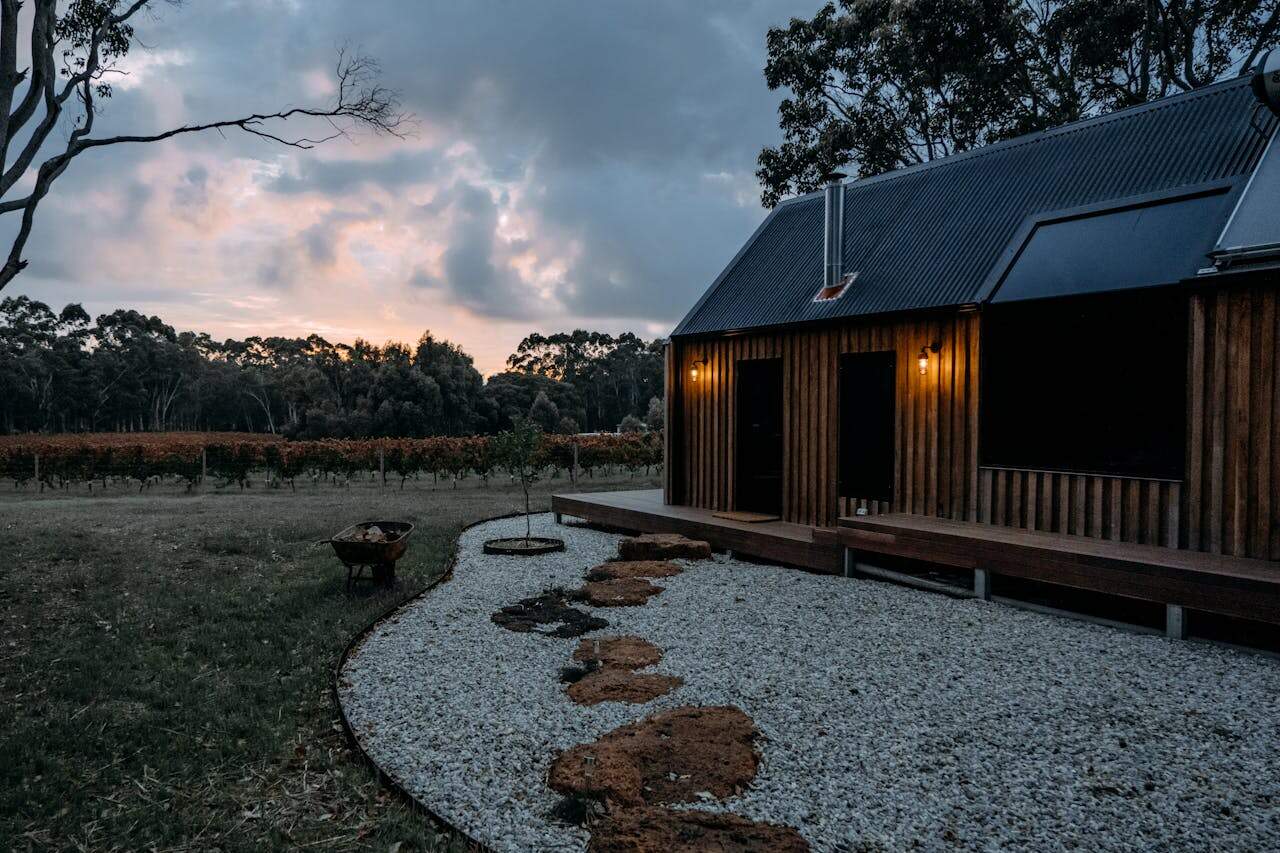
Flexible steel edging is a great choice if you want to shape your flower beds with smooth curves. It’s easy to install because you just hammer it into the ground, no digging needed.
The steel is strong yet bendable, so you can create custom designs that fit your garden’s style. It also lasts a long time and resists rust if you choose the right finish. This makes it both practical and stylish for your flower beds.
Natural Stone Borders

Using natural stone is a simple way to add a timeless look to your flower bed. You can stack flat stones for a clean, natural edge that blends easily with your garden.
Rounder stones create a more relaxed and informal border. Mixing different sizes and shapes of stones adds texture and interest without much effort.
Mulch Chip Borders
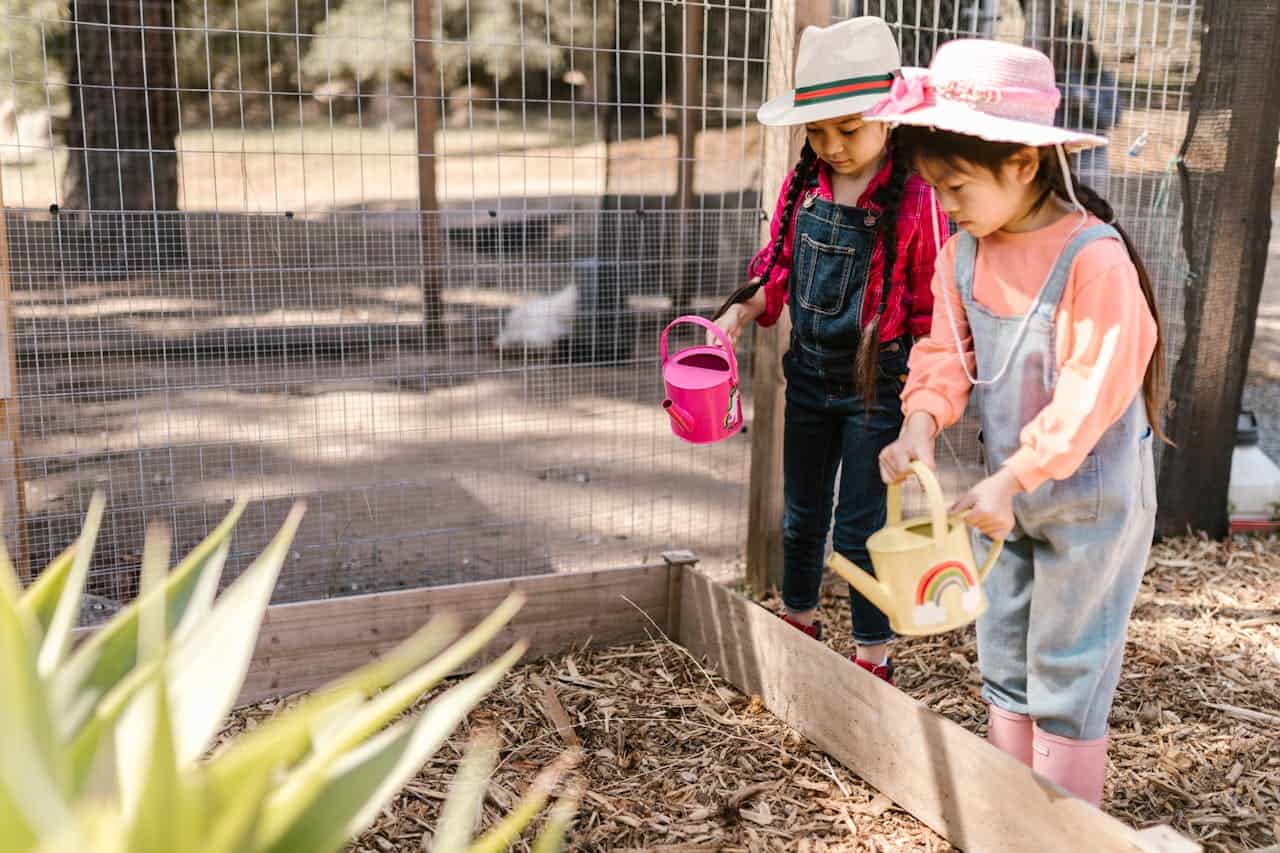
Mulch chip borders are an easy and affordable way to define your flower bed. You simply spread mulch chips along the edge to create a natural and tidy look.
This type of edging helps suppress weeds and retains moisture in your soil. It’s also gentle on plant roots and blends well with most garden styles. You can refresh the mulch chips each season to keep your borders looking neat.
Wooden Stake Edging
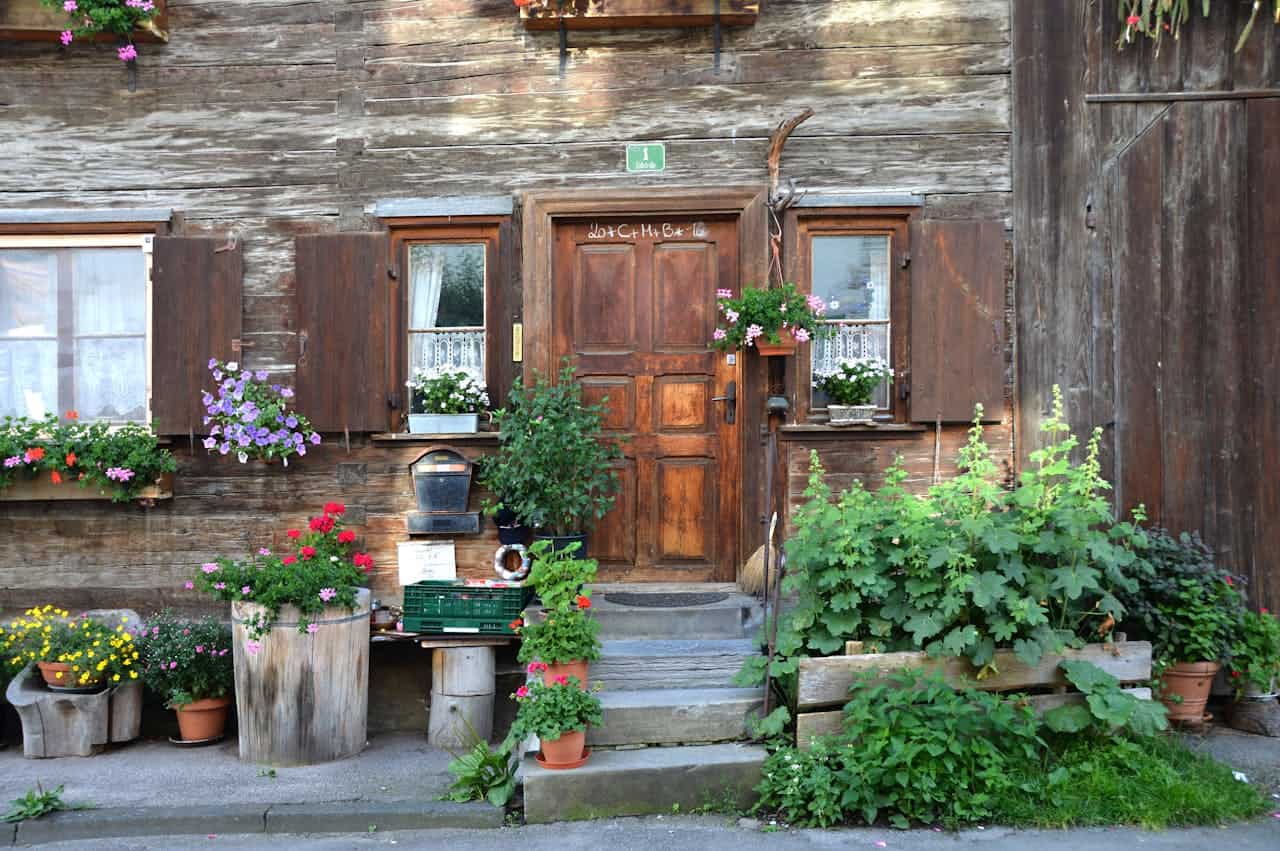
Wooden stake edging gives your flower bed a natural, rustic look. You simply drive stakes into the ground side by side to create a simple border.
You can use untreated wood for a more organic feel or choose treated wood for durability. It’s also easy to customize the height and spacing to fit your style and garden size.
Terracotta Edging Tiles
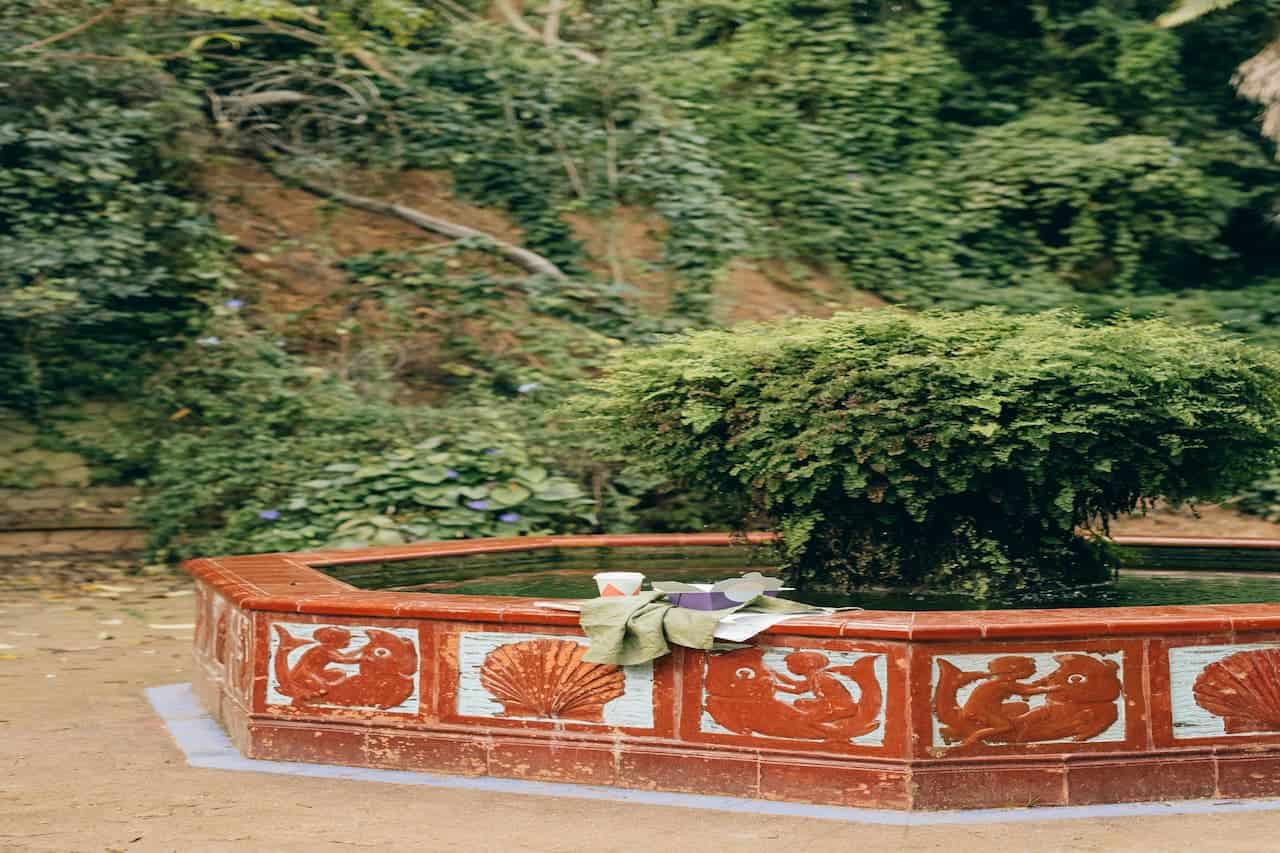
Terracotta edging tiles bring a warm, natural look to your flower beds. They work well in various garden styles and handle heat and sun without fading.
You can space them evenly to create clean lines or arrange them in patterns for visual interest. Installation is straightforward, making them a great choice if you want a simple yet elegant border.
Cedar Fence Plank Edging
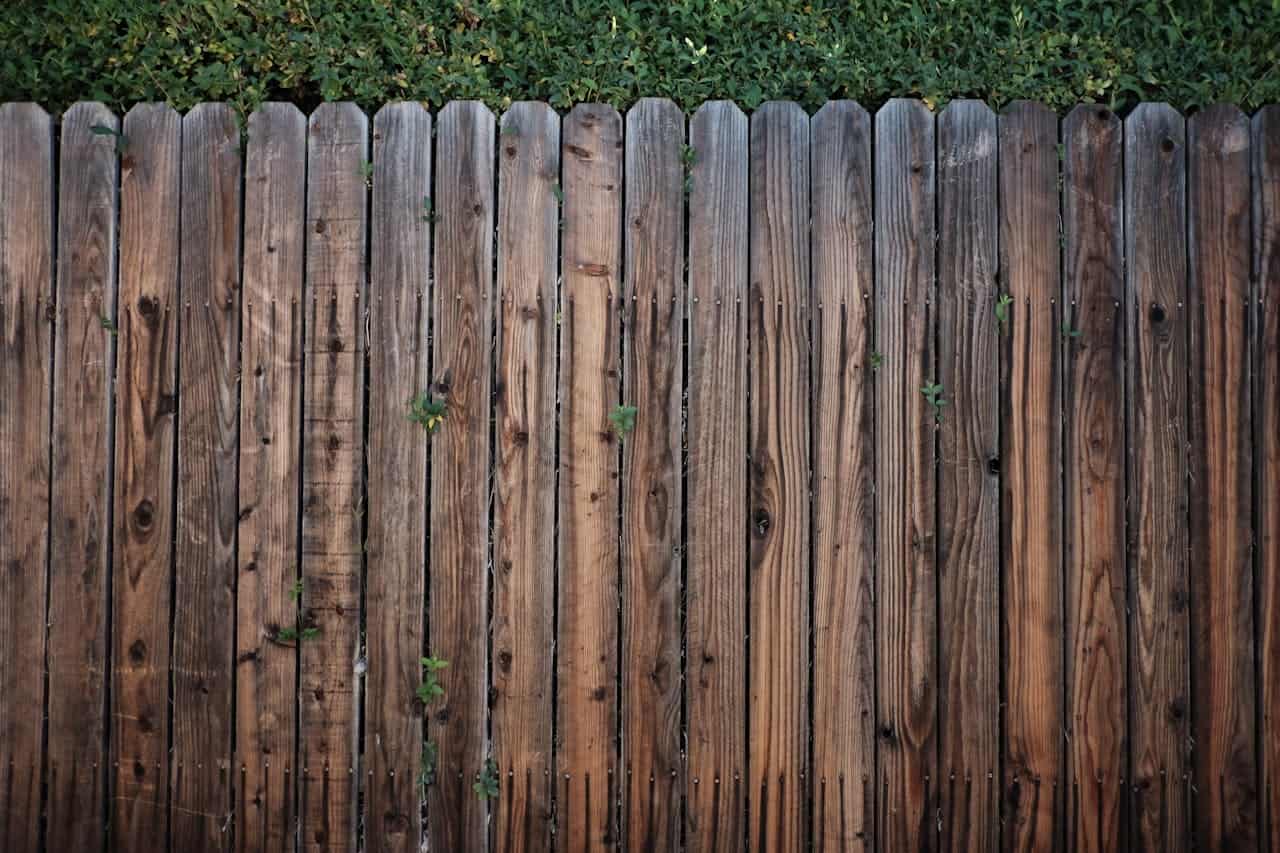
You can use cedar fence planks to create a natural and sturdy border around your flower bed. The wood adds warmth and blends well with garden plants.
Cedar is durable and resists rot, so your edging will last through seasons. Simply stand the planks vertically and secure them in place for a clean, rustic look.
This option is easy to customize to any length and height you need.
Recycled Glass Bottle Border
You can create a charming garden edge using recycled glass bottles. Simply dig a shallow trench and place the bottles upside down, letting their necks stick into the soil.
Using bottles of the same color gives a neat, consistent look. Mixing shapes and sizes adds a playful touch to your flower bed. It’s an eco-friendly way to add character and keep your garden tidy.
Bamboo Edging
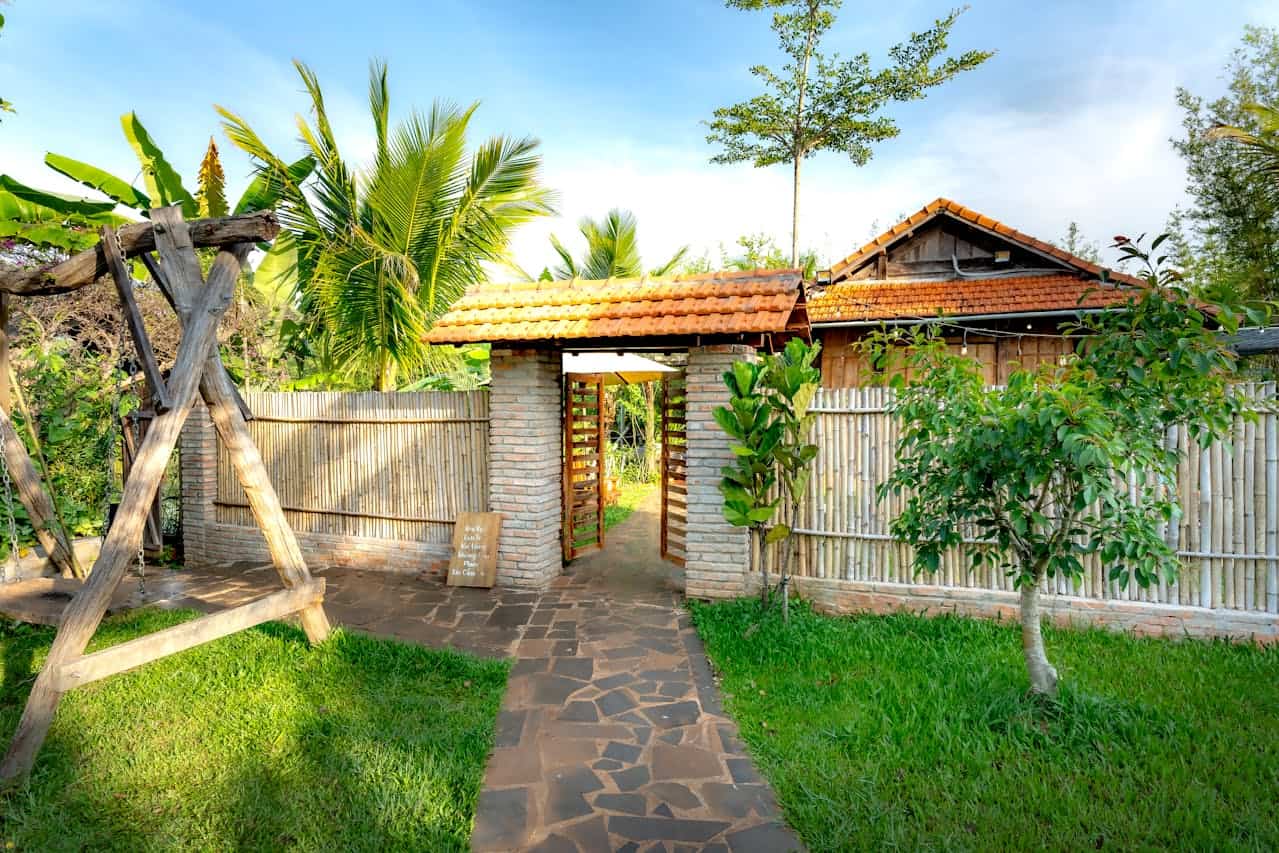
If you want a natural look, bamboo edging is a great choice for your flower beds. It’s easy to install and adds an earthy vibe to your garden.
Bamboo comes in flexible sections, making it simple to shape around curves and corners. It’s also affordable and durable, perfect for defining your space.
Keep in mind, bamboo has natural cracks and rough spots, which add to its charm and authenticity in your outdoor design.
Metal Garden Edging Strips
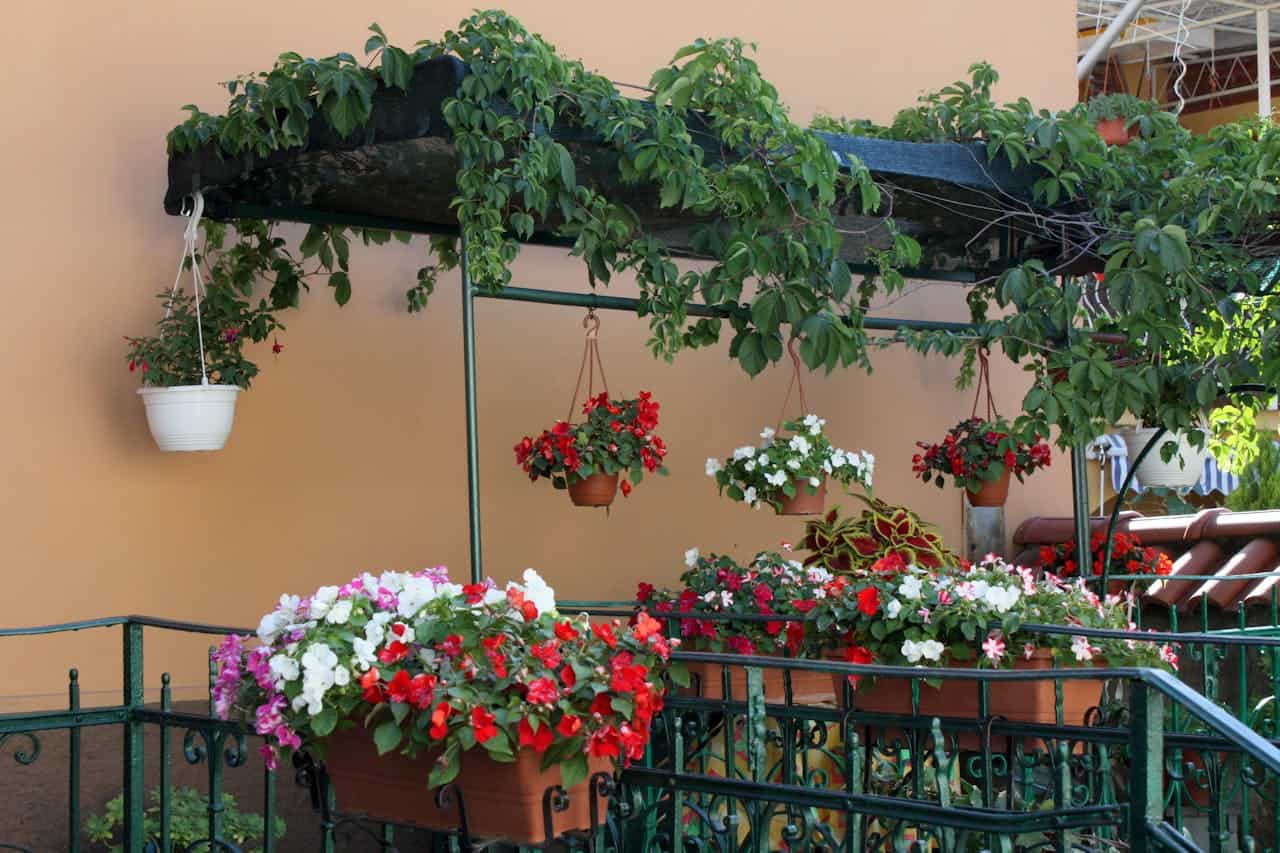
Metal garden edging strips give your flower beds a clean, modern look. You can choose materials like COR-TEN steel, which is durable and rust-resistant.
They are easy to install and help keep mulch, gravel, or soil in place. Plus, metal edging can also work as a barrier to protect roots or create raised beds.
Pebble Rock Edging

You can use pebble rocks to give your flower bed a natural, relaxed look. Start by cutting a narrow border into your lawn with a sharp spade, about 4-5 inches wide.
Remove the turf to create a clean edge for the rocks. Pebble edging is easy to install and lets water drain well around your plants. It also helps keep soil in place without looking too formal.
Concrete Paver Edging
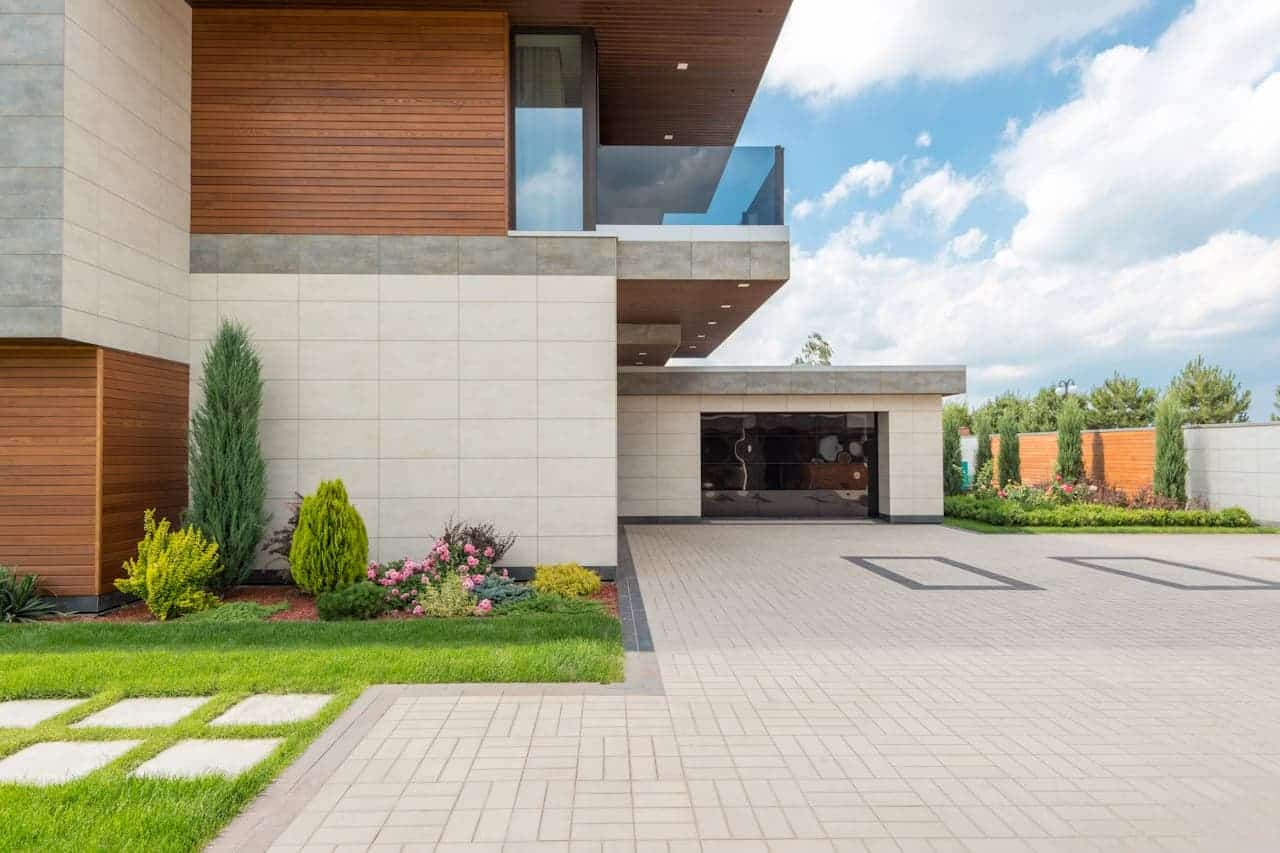
Concrete paver edging gives your flower bed a clean, structured look. You can arrange the pavers in simple rows or creative patterns to match your style.
This option is durable and low maintenance, making it practical for any garden.
If you like DIY projects, you can install it yourself, but professionals can help for a polished finish.
Living Hedge Borders
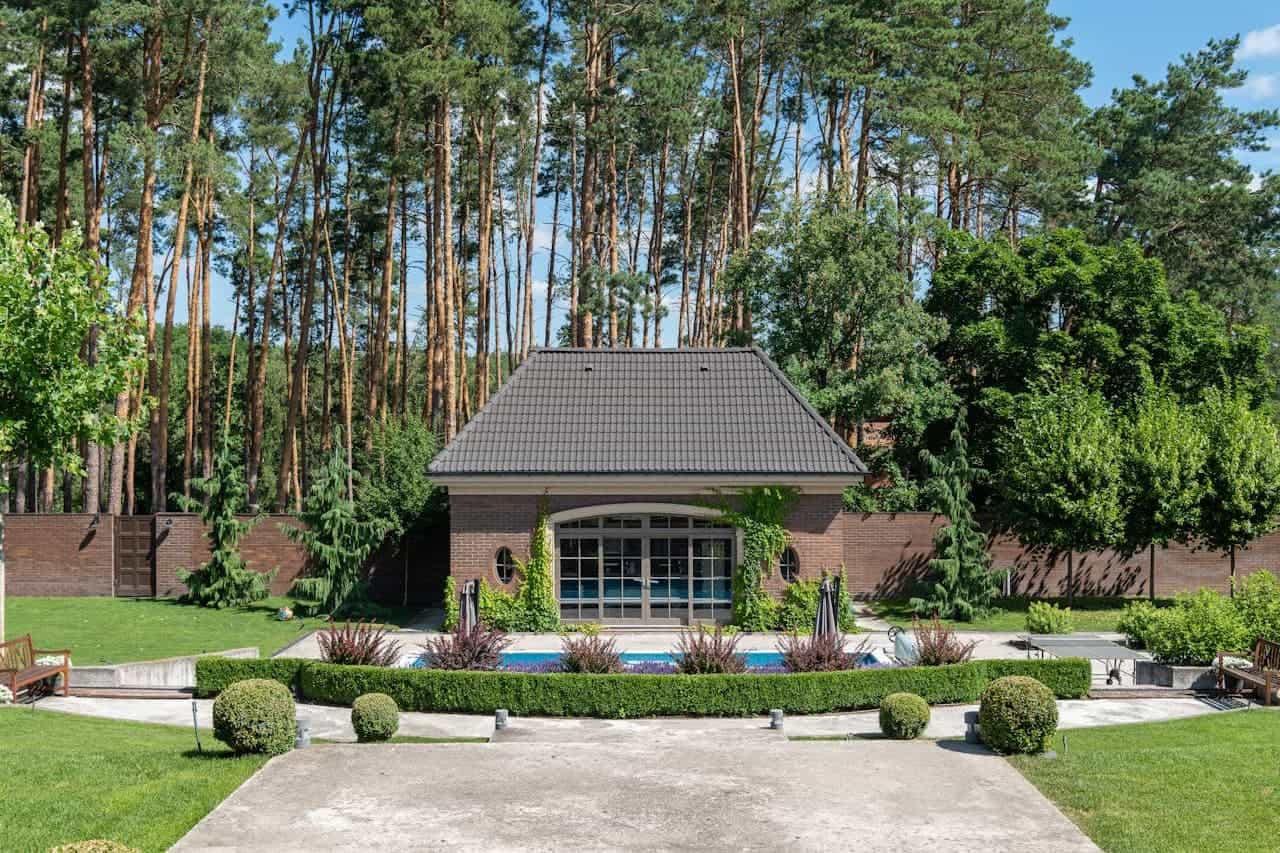
You can use living hedge borders to add natural texture and structure to your flower beds. Plants like boxwood, lavender, or dwarf shrubs work well to create a tidy edge.
These borders are low-maintenance once established and provide a soft, green frame that changes with the seasons. You’ll enjoy the way they blend seamlessly with your garden’s overall look.
Low Growing Boxwood Hedges
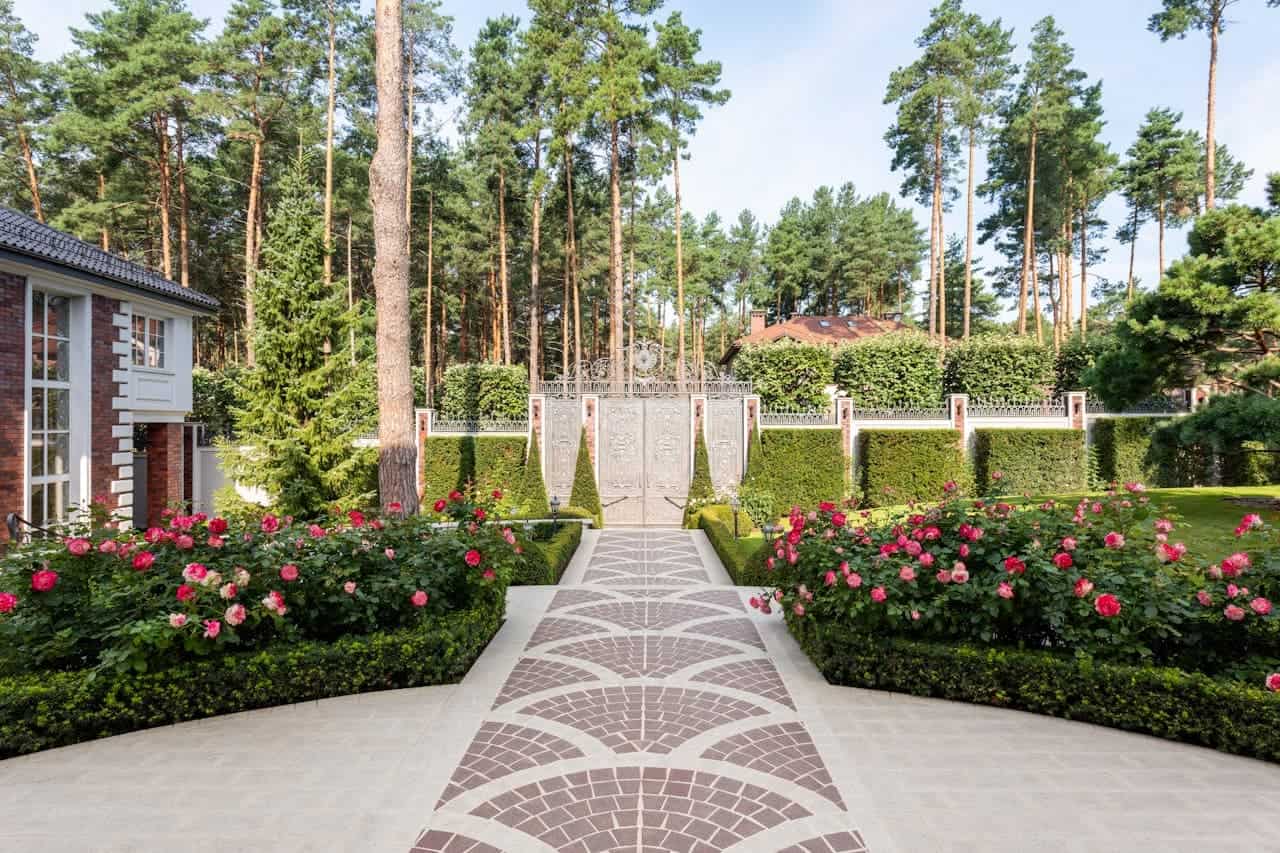
You can use low growing boxwood hedges to create neat, defined edges for your flower beds. These shrubs grow close together, giving a tidy, classic look without overwhelming your plants.
Boxwoods are easy to shape and maintain, making them great if you want a clean border. Their evergreen leaves also add year-round greenery to your garden.
Mixed Material Edging

You can mix materials like wood, metal, and stone to add texture and interest to your flower bed. Combining these elements creates a unique look that suits many garden styles.
Using recycled wood with metal edging, for example, brings both warmth and structure.
This approach lets you balance durability with natural charm in your garden design.
Boulder Accents
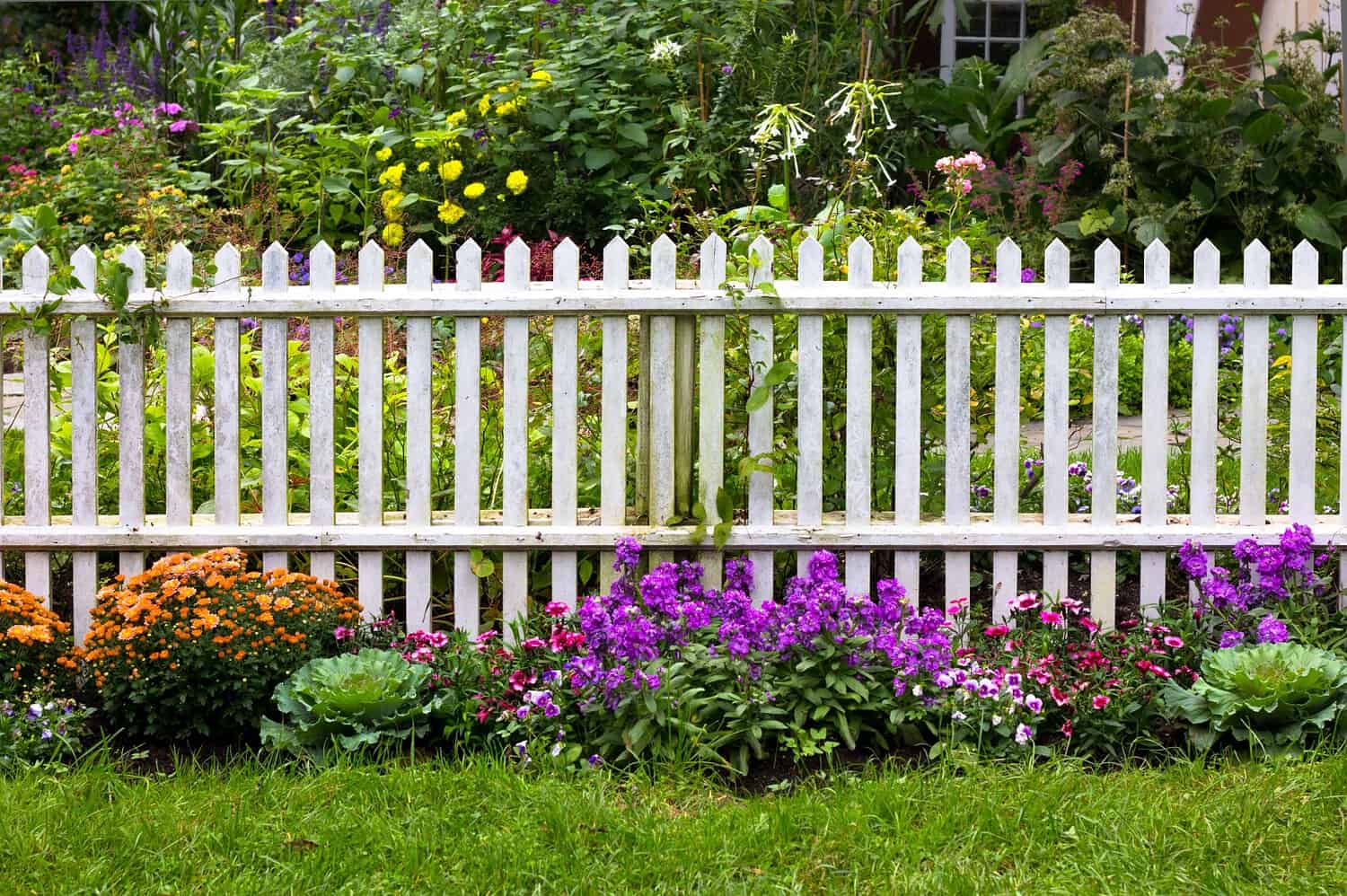
You can use small or medium-sized boulders to edge your flower beds naturally. They help keep soil and mulch in place while adding a rustic charm.
Arranging boulders along the edges also defines the shape of your bed clearly. Plus, they require little maintenance and work well with many garden styles.
Plastic Flexible Edging
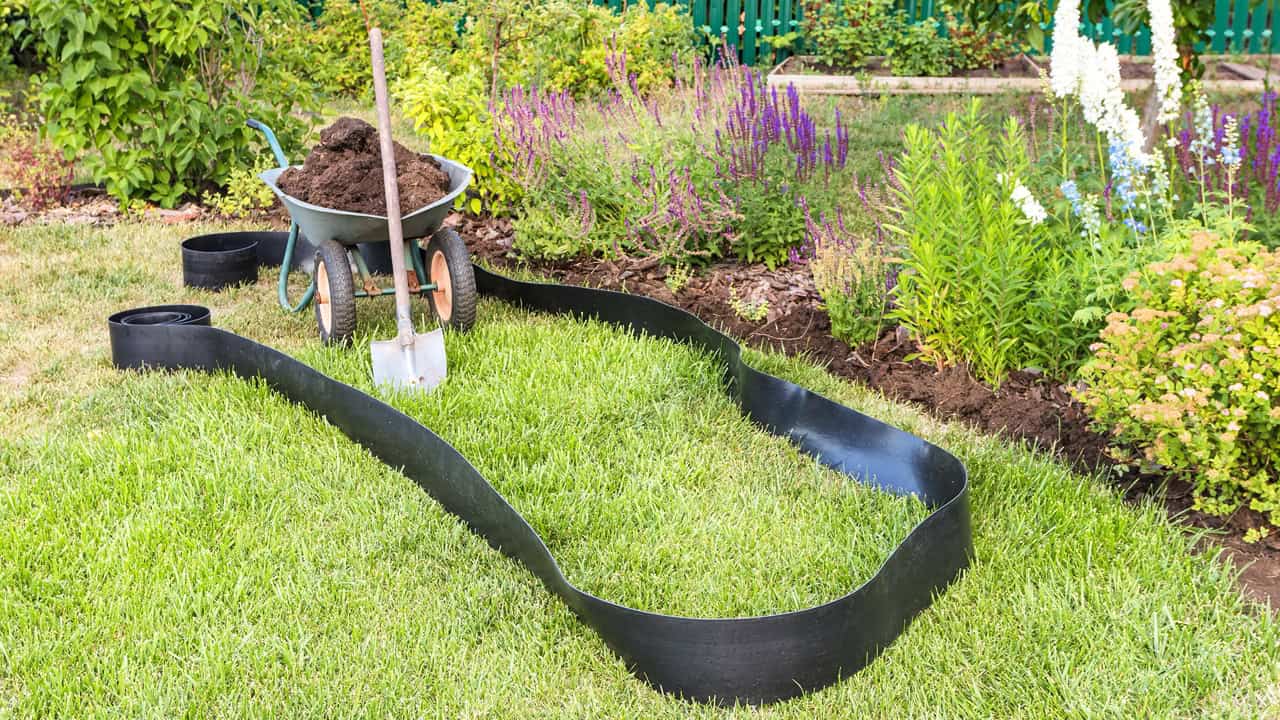
Plastic flexible edging is an easy option for shaping your flower beds. It bends smoothly around curves and corners, giving you creative control over your garden’s look.
You can install it without digging, saving time and effort. This type of edging usually comes with spikes to keep it firmly in place.
It’s lightweight and durable, making it a practical choice for maintaining clean borders year-round.
Half-Buried Log Edging
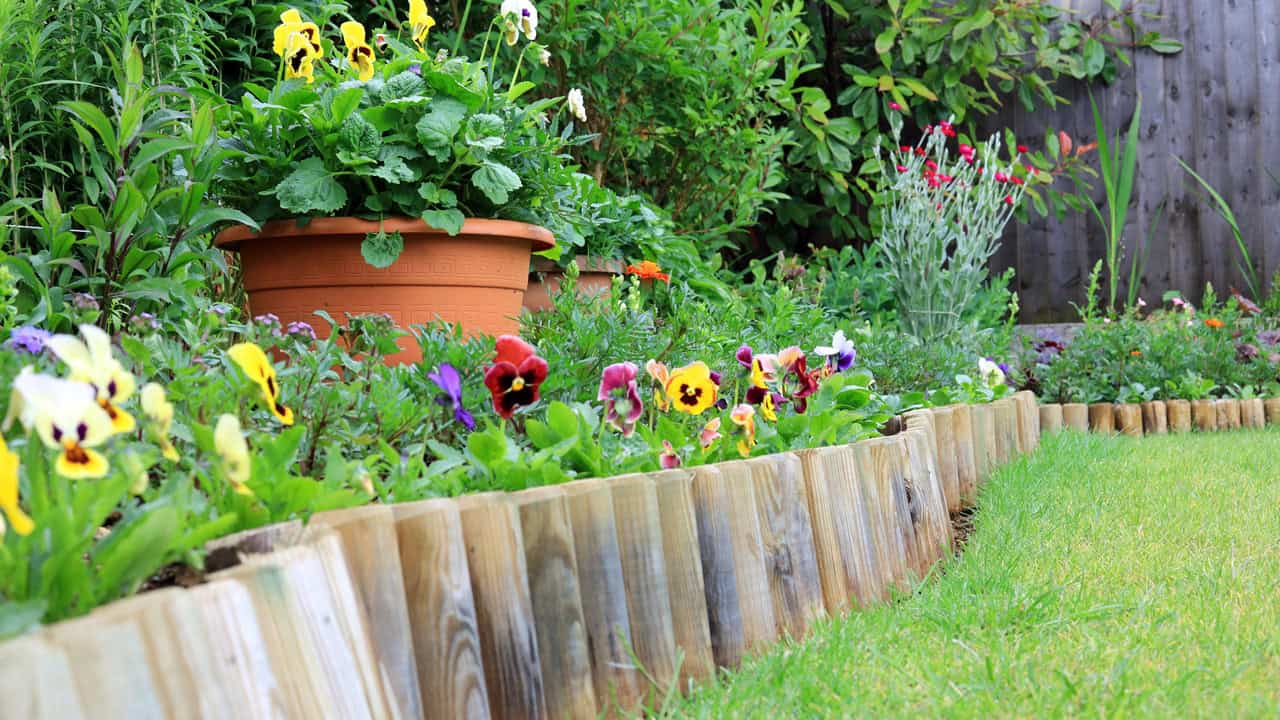
You can create a natural, rustic look by burying half-logs along your flower bed’s edge. This method helps keep soil and mulch contained while blending seamlessly with outdoor surroundings.
It’s simple to install. Just place the logs upright and partially embed them in the ground for stability. This type of edging works well if you want a low-maintenance, eco-friendly option.
Recycled Wood Plank Borders
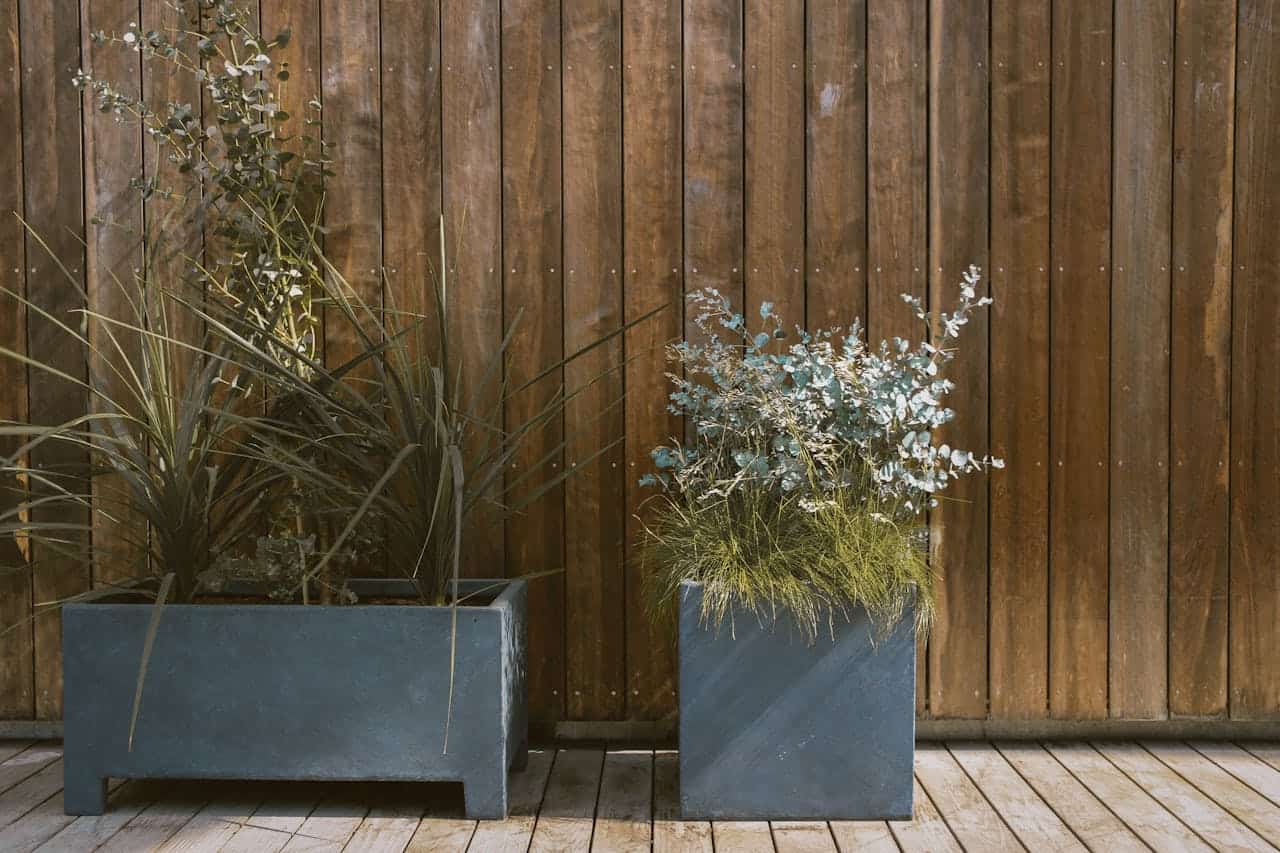
You can use recycled wood planks to create a natural and rustic border for your flower bed. It’s an eco-friendly choice that gives your garden a warm, handmade feel.
Wood planks are easy to arrange in various shapes and sizes. Plus, you can paint or stain them to match your garden’s style. This option adds character without much expense.
Decorative Ceramic Edging
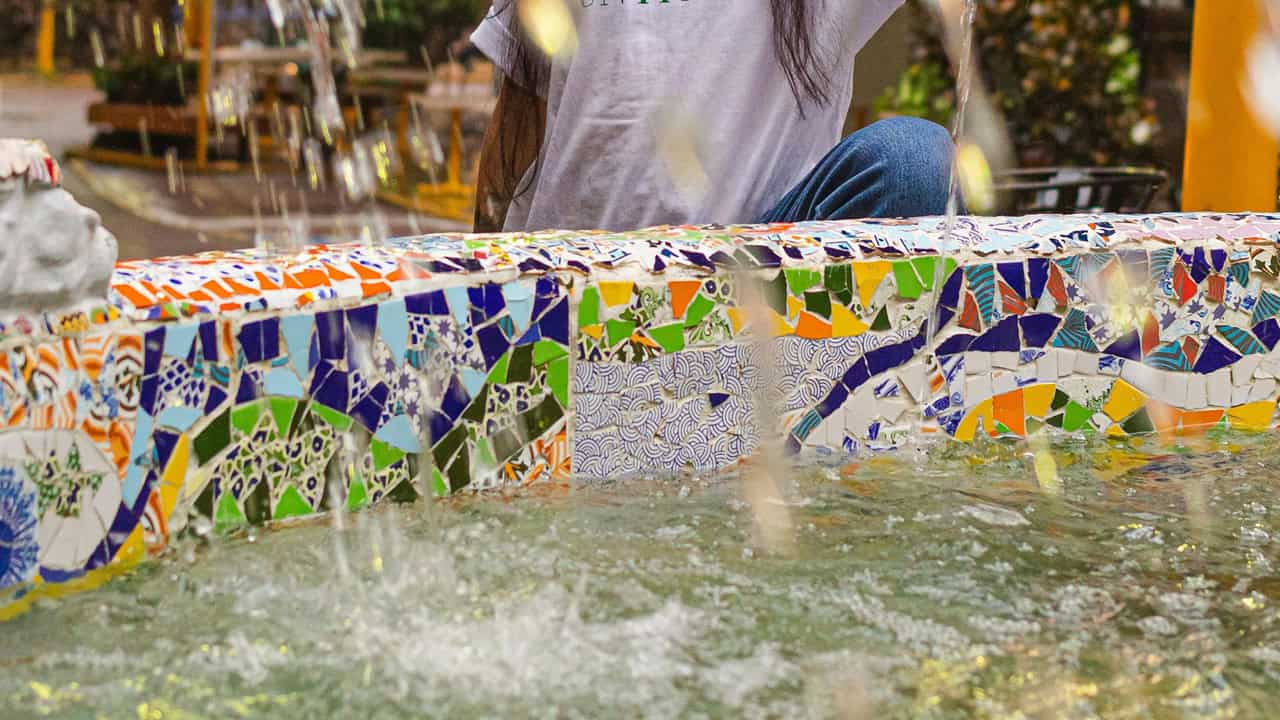
You can add a charming touch to your flower bed with decorative ceramic edging. These come in various shapes, colors, and patterns to match your garden’s style.
Ceramic edging is durable and easy to clean, making it a practical choice for defining your flower bed. It also helps keep soil and mulch in place neatly.
Stacked Stone Edging
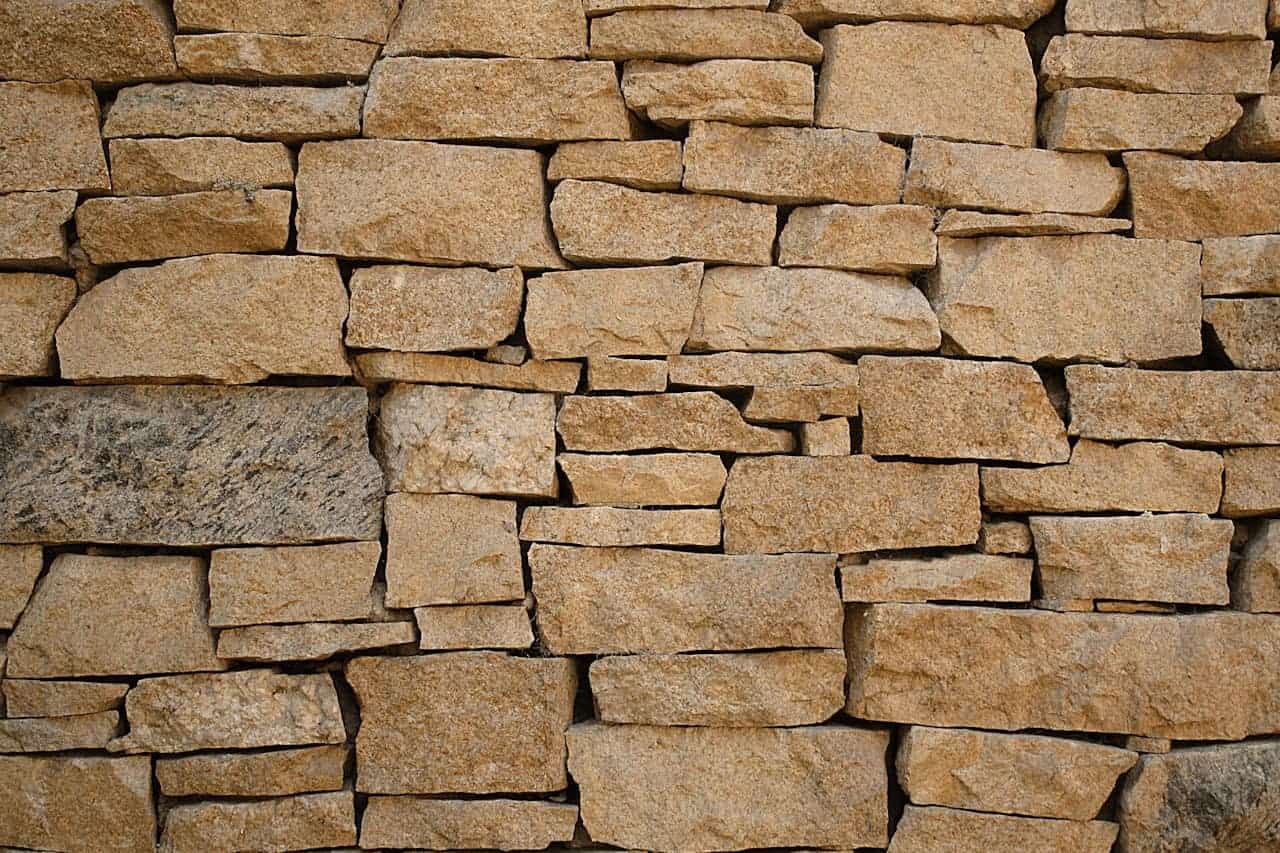
You can create a natural look for your flower bed with stacked stone edging. It’s simple to build by layering flat stones, giving a clean and low-maintenance border.
This type of edging works well in many garden styles and helps keep soil and mulch contained. Plus, it adds subtle texture without overwhelming your plants.
Edging with Lavender Plants
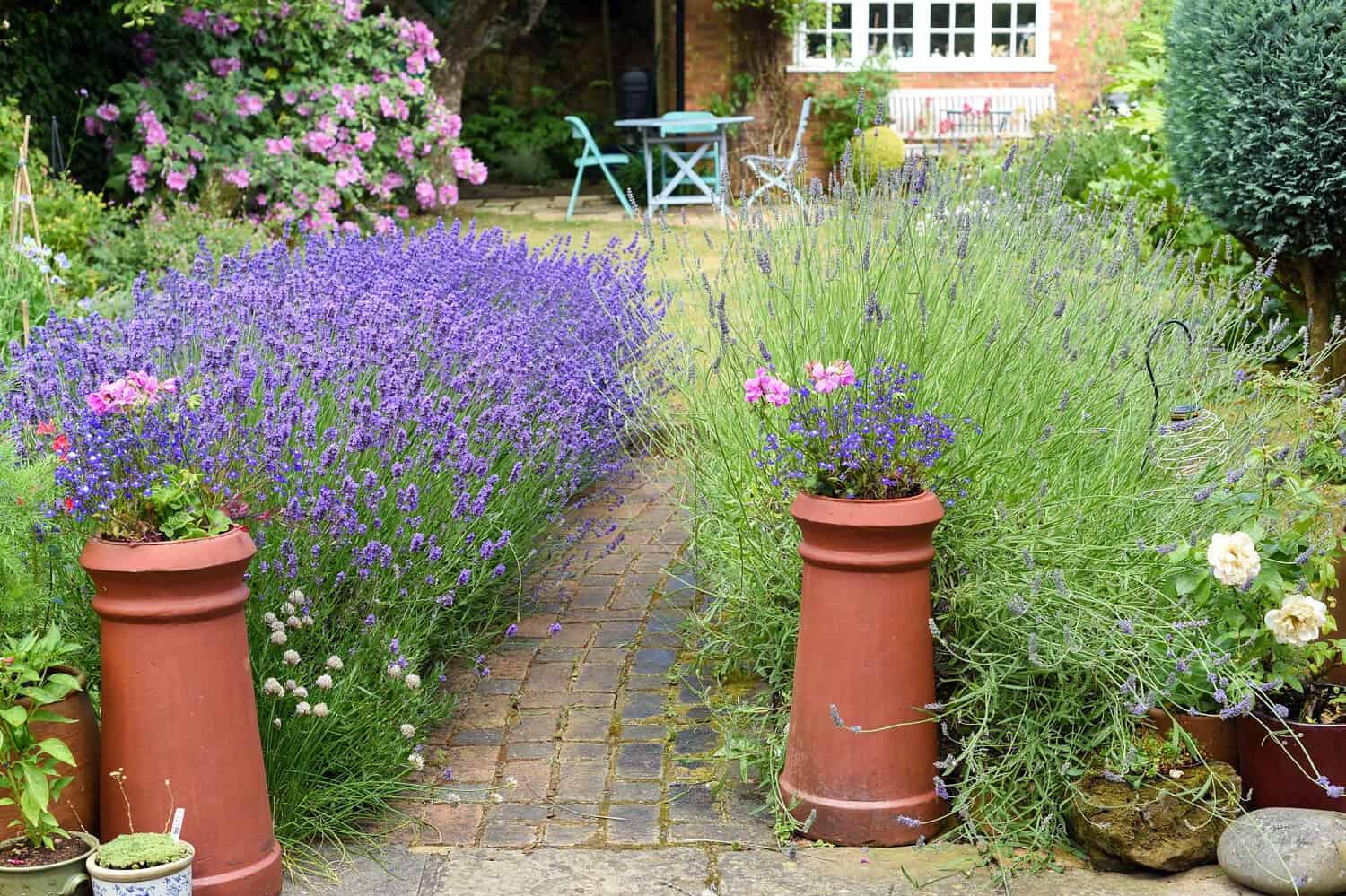
You can create a charming border for your flower bed using lavender plants. Lavender adds a soft, natural edge with its fragrant blooms and silvery foliage.
Planting lavender symmetrically on both sides of a path or bed makes your garden look neat and balanced. It’s a beautiful way to combine color and scent in your landscape.
Natural Edge with Moss and Logs
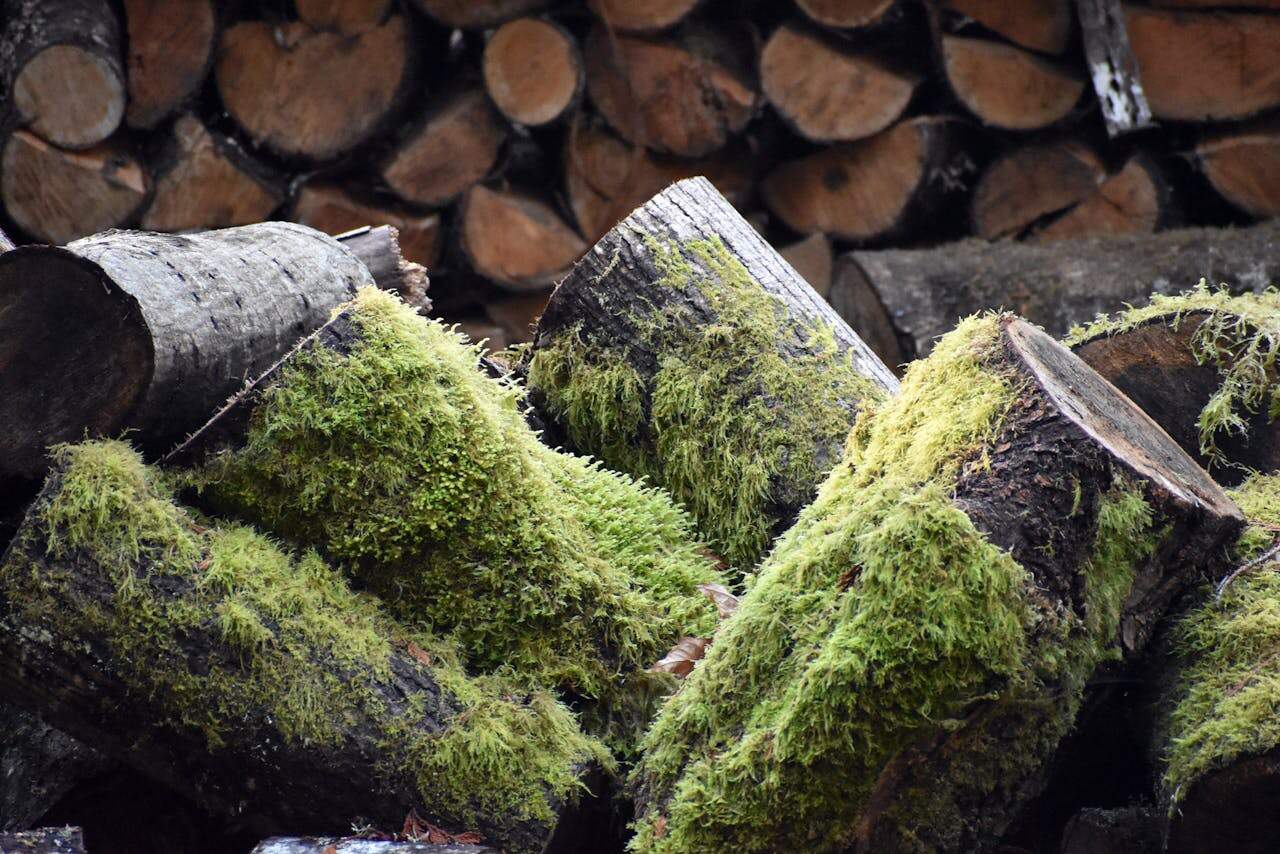
You can create a soft, natural border by using logs placed side by side around your flower bed. Moss growing between the logs adds a gentle, green touch that blends well with many garden styles.
This type of edging requires little maintenance and helps your garden feel more connected to nature. It works especially well in shady, moist areas.
Brick Soldier Course Edge

You can create a clean, classic border using bricks laid vertically on their ends. This technique, called a soldier course, gives your flower bed a neat, structured look.
It’s easy to install with basic tools and clay pavers. Just place each brick tightly next to the other along your bed’s edge.
This style works well to separate your lawn from plantings while adding a timeless touch to your garden.
Garden Edging with Evergreen Shrubs
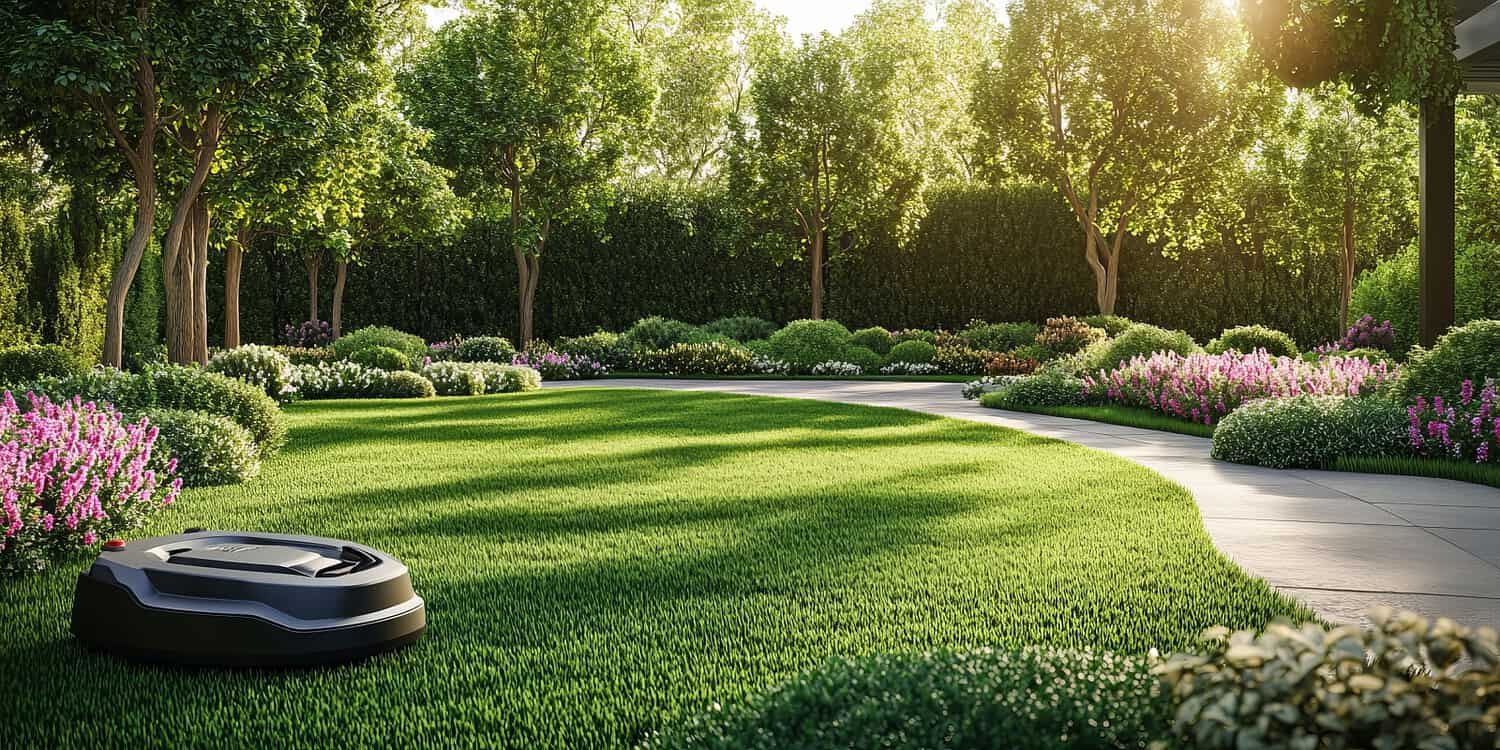
You can use evergreen shrubs to create a natural, lasting border for your flower beds. Their year-round greenery keeps your garden looking fresh through all seasons.
Choose low-growing varieties like boxwood or dwarf holly to maintain a neat edge. These plants add texture and structure without overpowering your flowers.
DIY Wine Bottle Edging
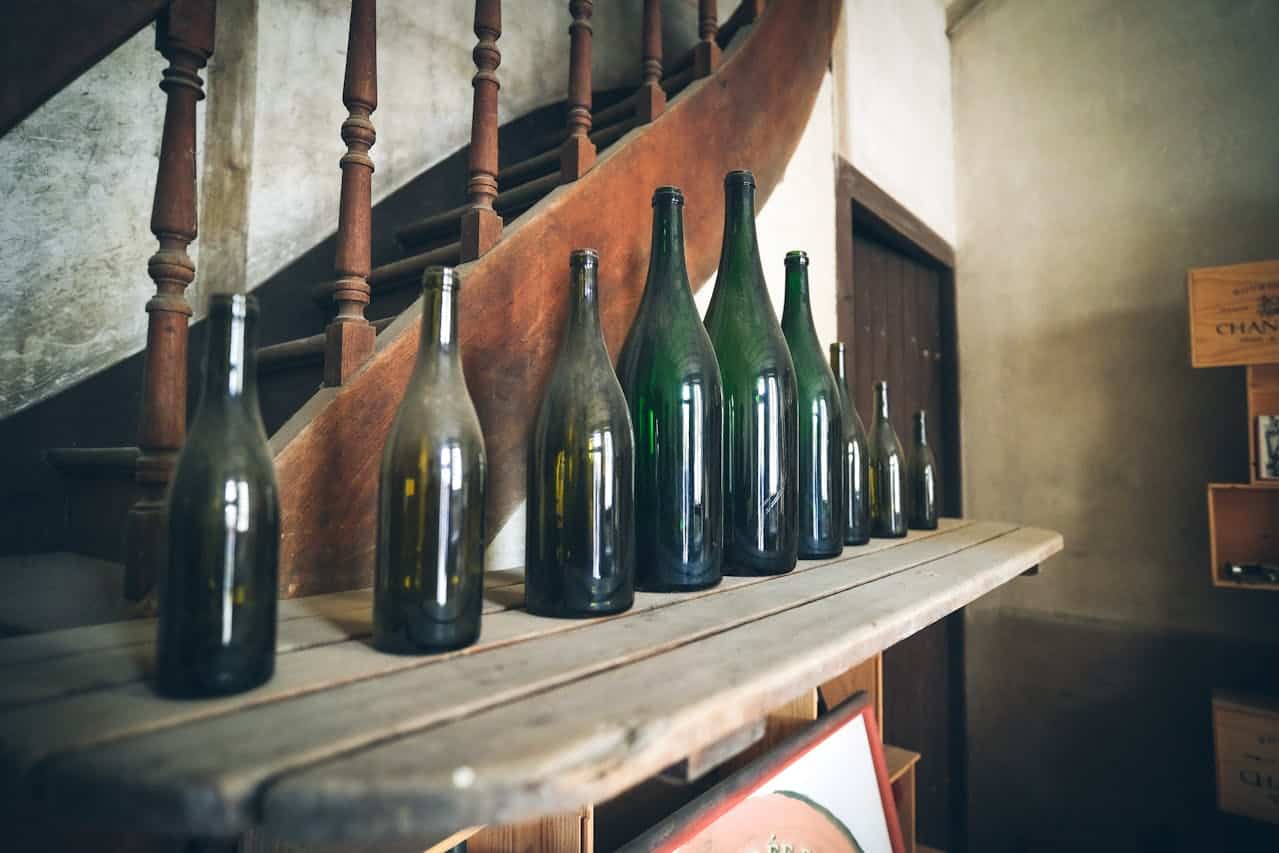
You can create a unique garden border using empty wine bottles. Simply dig a shallow trench and place the bottles upside down, necks buried for stability.
Using bottles of the same color creates a clean look, while mixing shapes and sizes adds charm. This is a creative and budget-friendly way to refresh your flower bed.
Wooden Railroad Tie Borders

You can use wooden railroad ties to create a sturdy, rustic border for your flower beds. They offer a natural look that blends well with many garden styles.
Railroad ties are durable and easy to work with, but make sure to check for any chemicals if you plan to use them near edible plants. They’re great for defining spaces while adding a touch of charm to your garden.
Edging with Ornamental Grasses
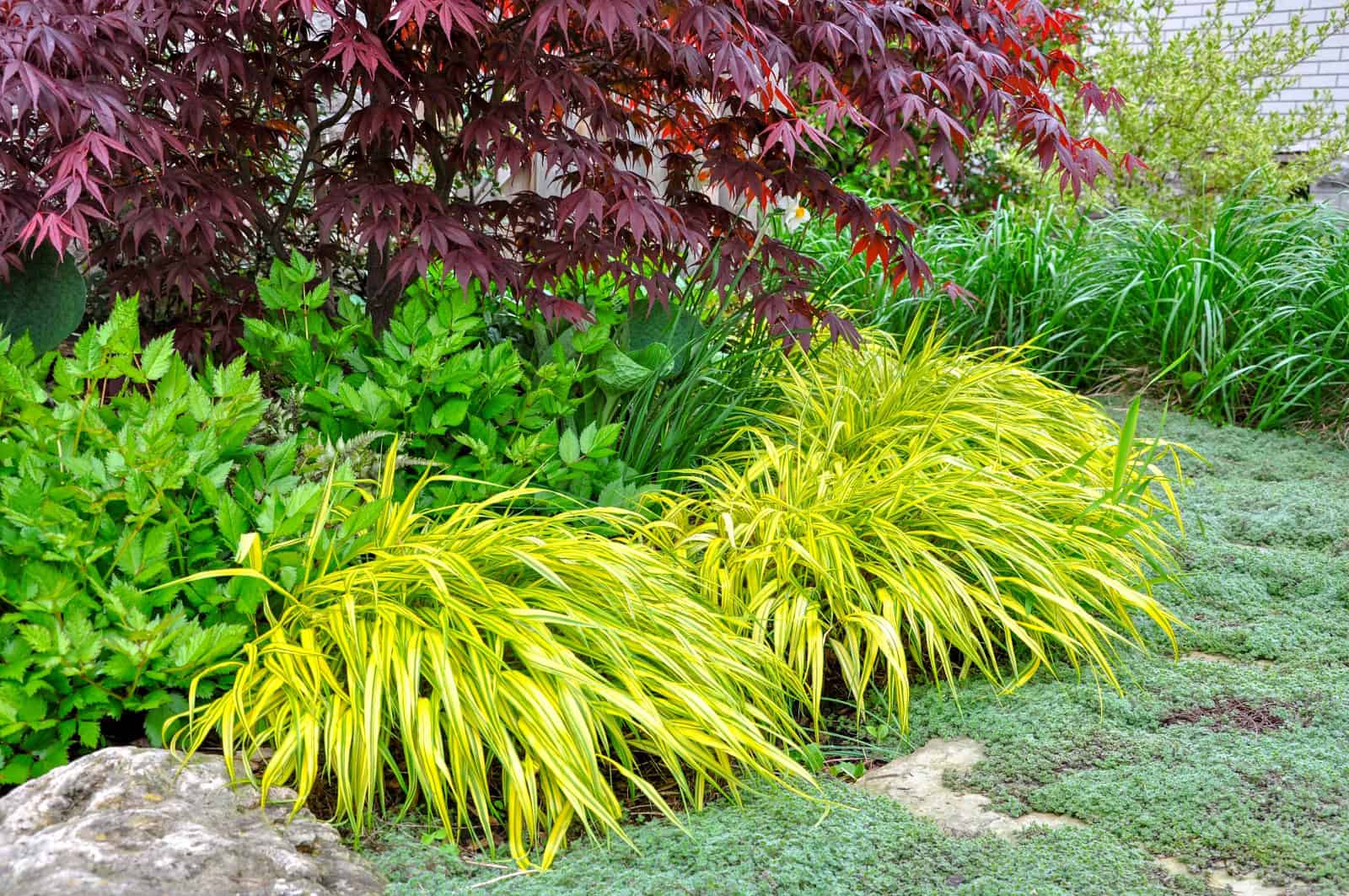
You can use ornamental grasses to create natural, soft edges around your flower beds. Their texture adds movement and interest without overwhelming your plants.
Choose grasses with varying heights and colors to complement your flowers. They are low-maintenance, making them easy to care for as a border.
Edging Using Flagstones
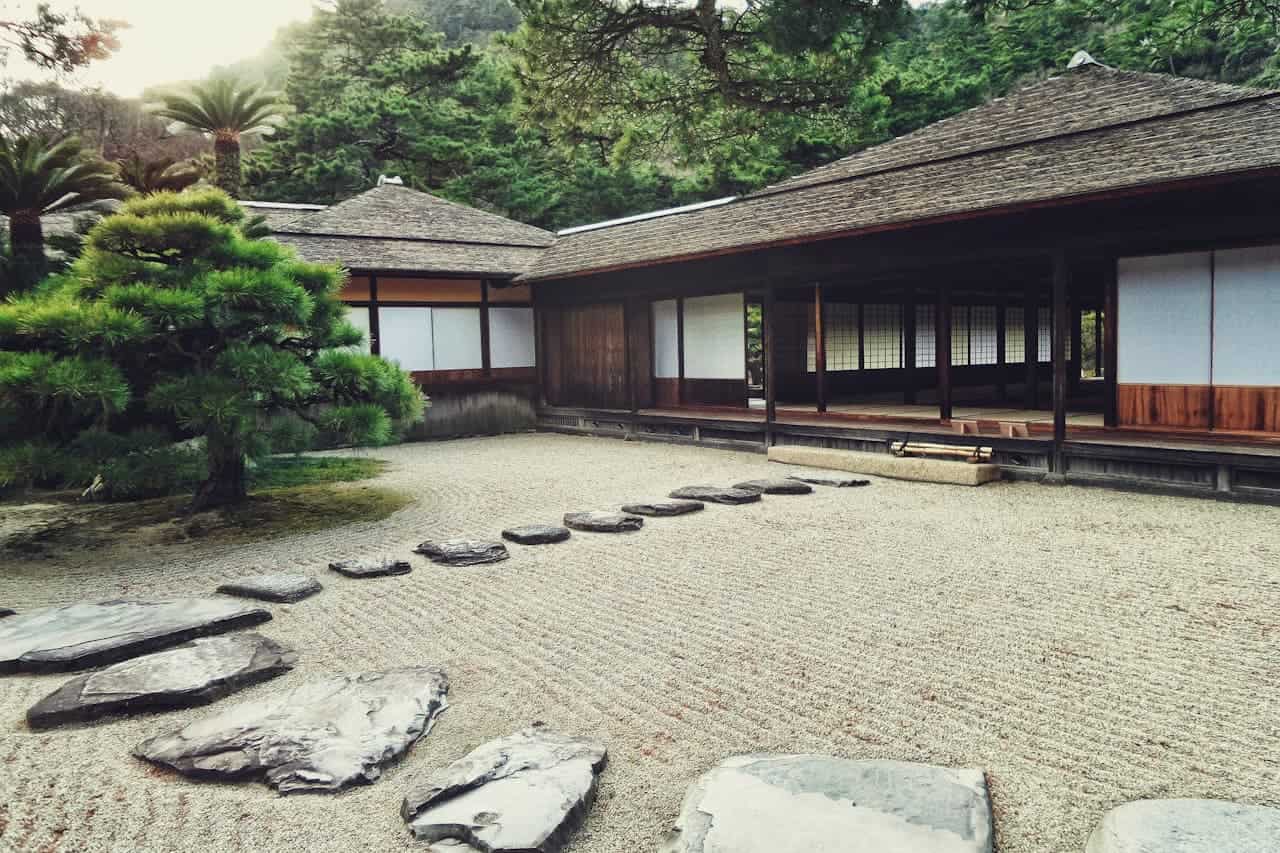
You can use flagstones to create a natural-looking border for your flower bed. Lay the flat stones along the edge to define the space clearly.
Stacking the stones slightly adds a charming, cottage-style touch. Flagstone edging is moderately priced and durable, giving your garden a rustic feel with minimal effort.