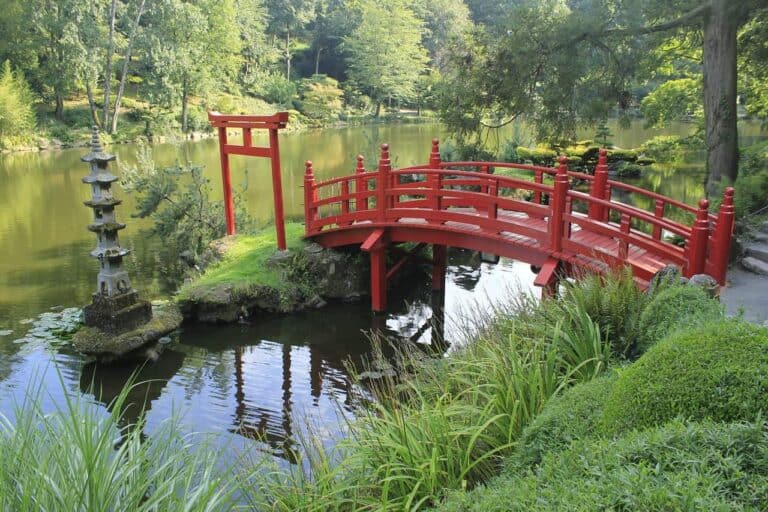
Choosing the right plants for your pathway can greatly enhance your garden’s appearance without overwhelming the space. You want plants that stay low to the ground, so your walkway remains clear and inviting while adding natural beauty.
You’ll learn about plants that are perfect for creating attractive, low-growing borders that complement your outdoor space. They offer a mix of textures and colors to suit different light conditions and garden styles, making it easier for you to find the ideal fit.
Advertisement
Lavender
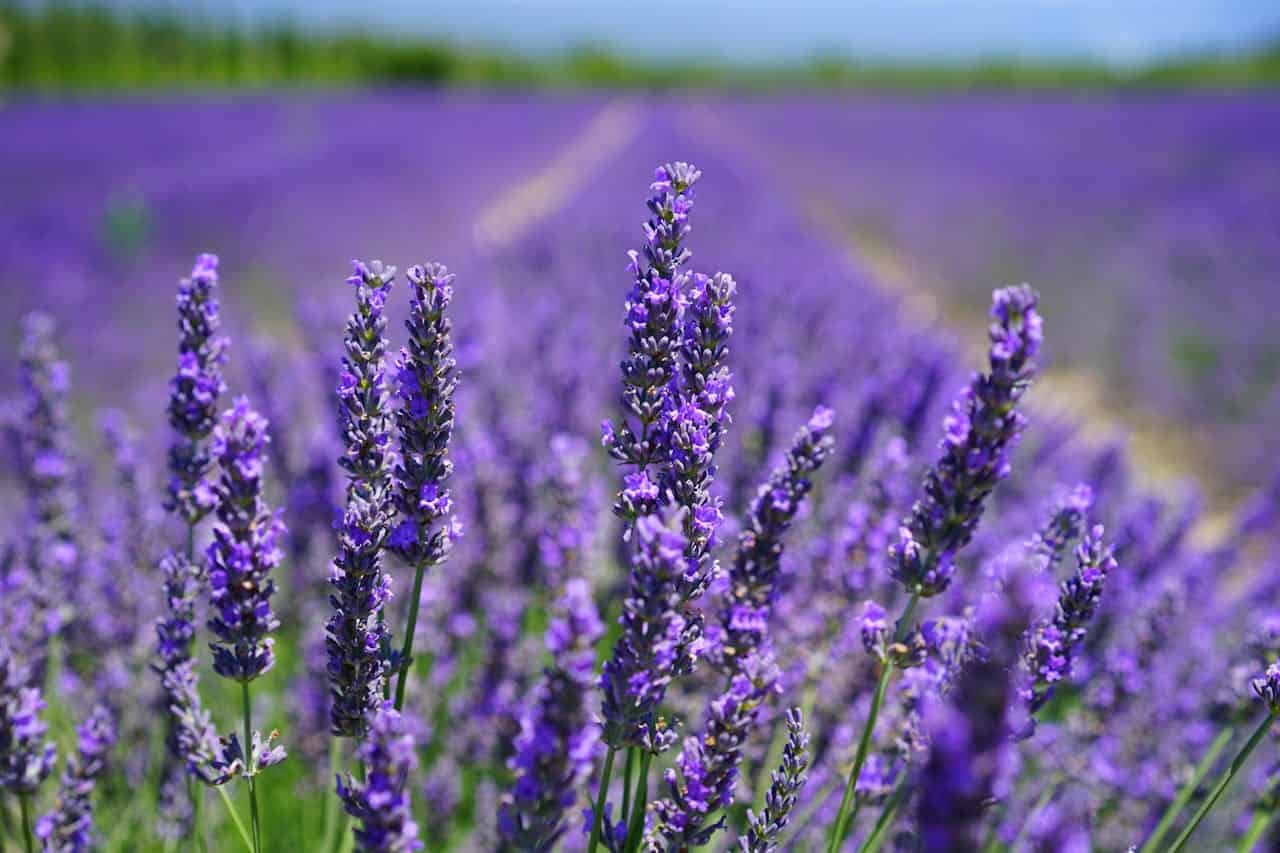
Lavender is a great choice for a pathway plant if you want something low and colorful. It stays compact and gives off a pleasant, aromatic scent as you walk by.
This plant is drought-resistant, so it’s easy to care for once established. You can line your path with lavender for a neat, inviting look all year round.
Creeping Thyme
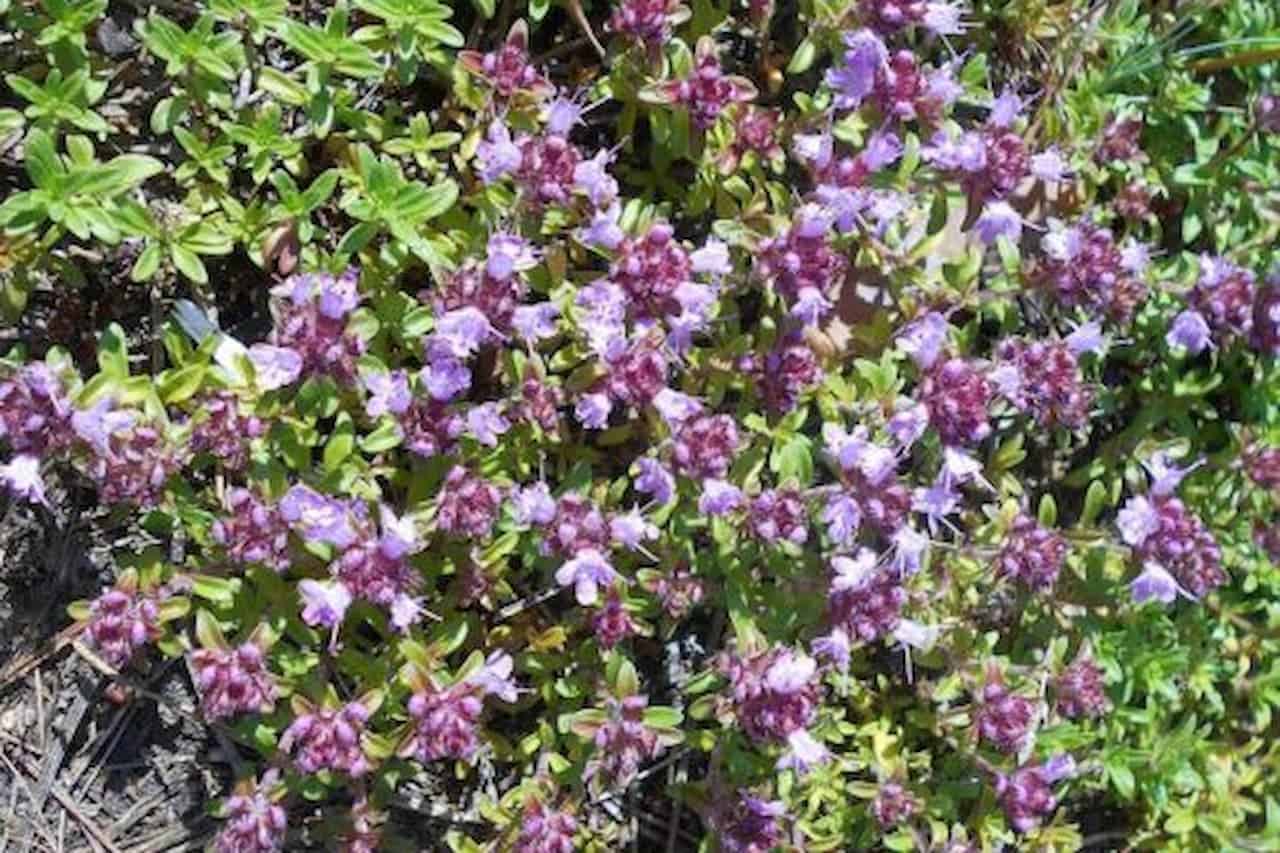
You’ll love creeping thyme for its low height and ability to spread quickly. It thrives in well-draining soil and handles dry, sunny spots well.
This plant can crowd out weeds and adds a fresh herbal scent to your pathway. Plus, it’s tough enough to walk on gently, making it a perfect choice for walkways.
Ajuga (Bugleweed)
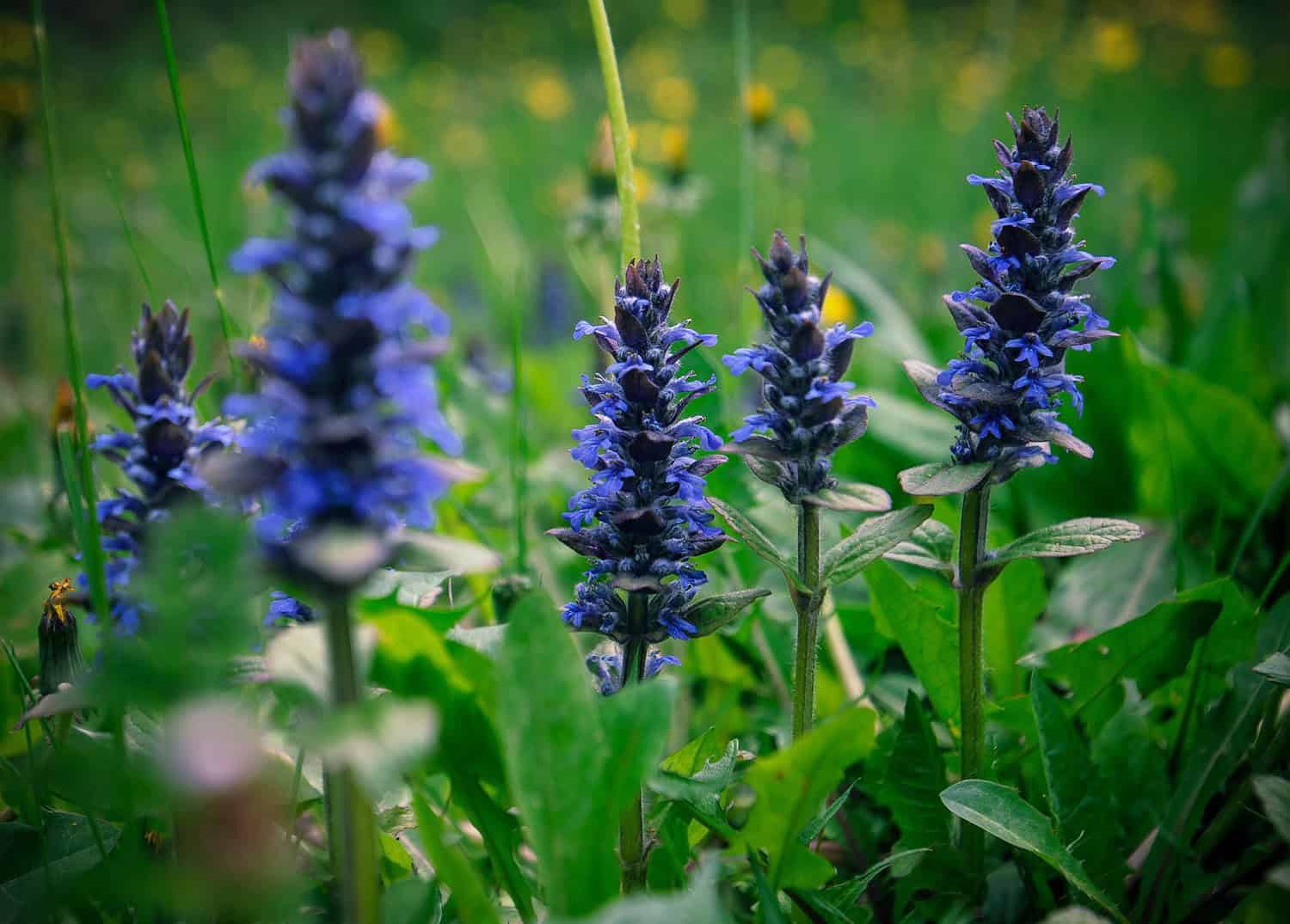
Ajuga, or Bugleweed, is a great choice for your pathway. It stays low and spreads densely, creating a colorful carpet of leaves.
You’ll like how its glossy foliage can range from green to deep purple. It also produces small purple flowers that add subtle charm without overpowering taller plants nearby.
Creeping Jenny (Lysimachia nummularia)
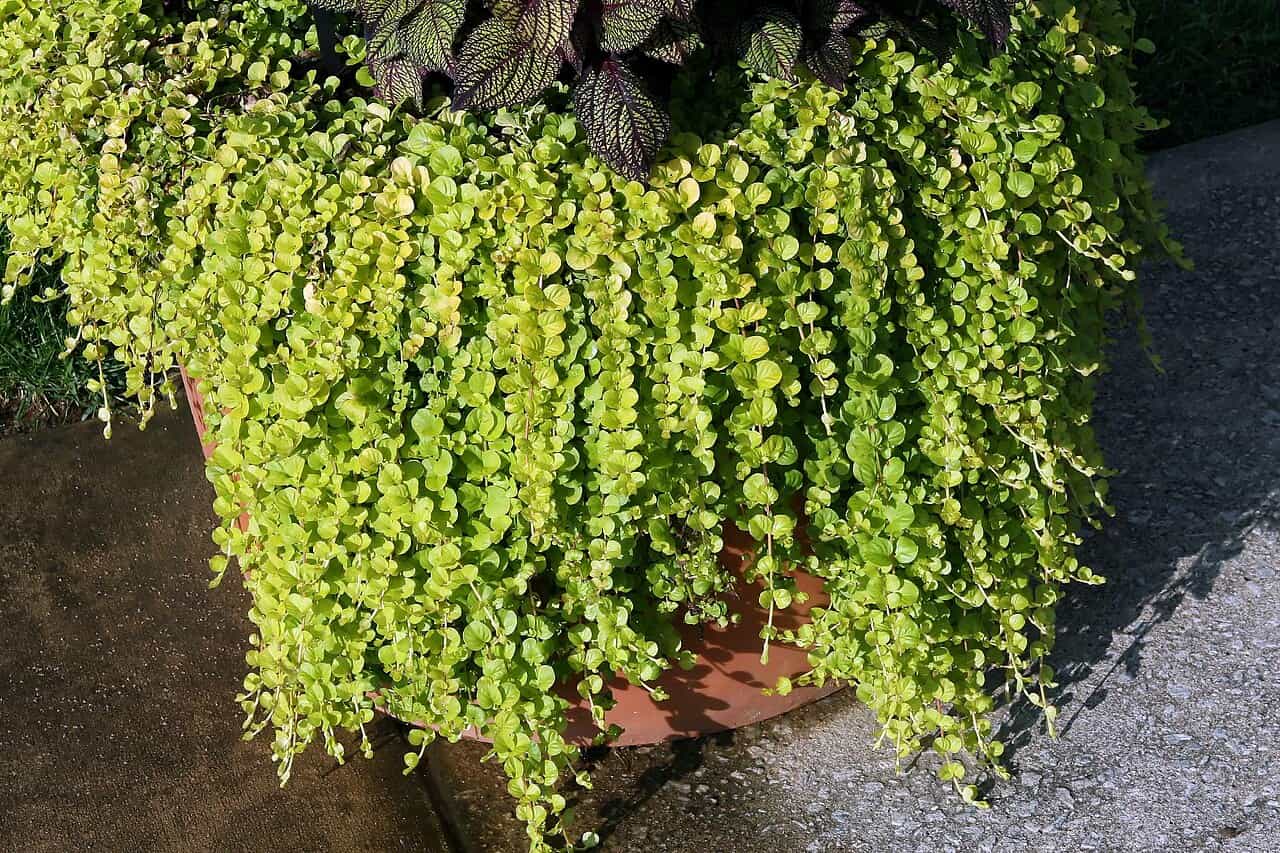
Creeping Jenny is a low-growing perennial that forms a bright green or golden mat. Its round leaves grow along trailing stems, making it perfect for filling in spaces or edging pathways.
You’ll enjoy its small, cheerful yellow flowers in spring and summer. It spreads quickly but stays close to the ground, adding color without getting tall.
Dwarf Mondo Grass
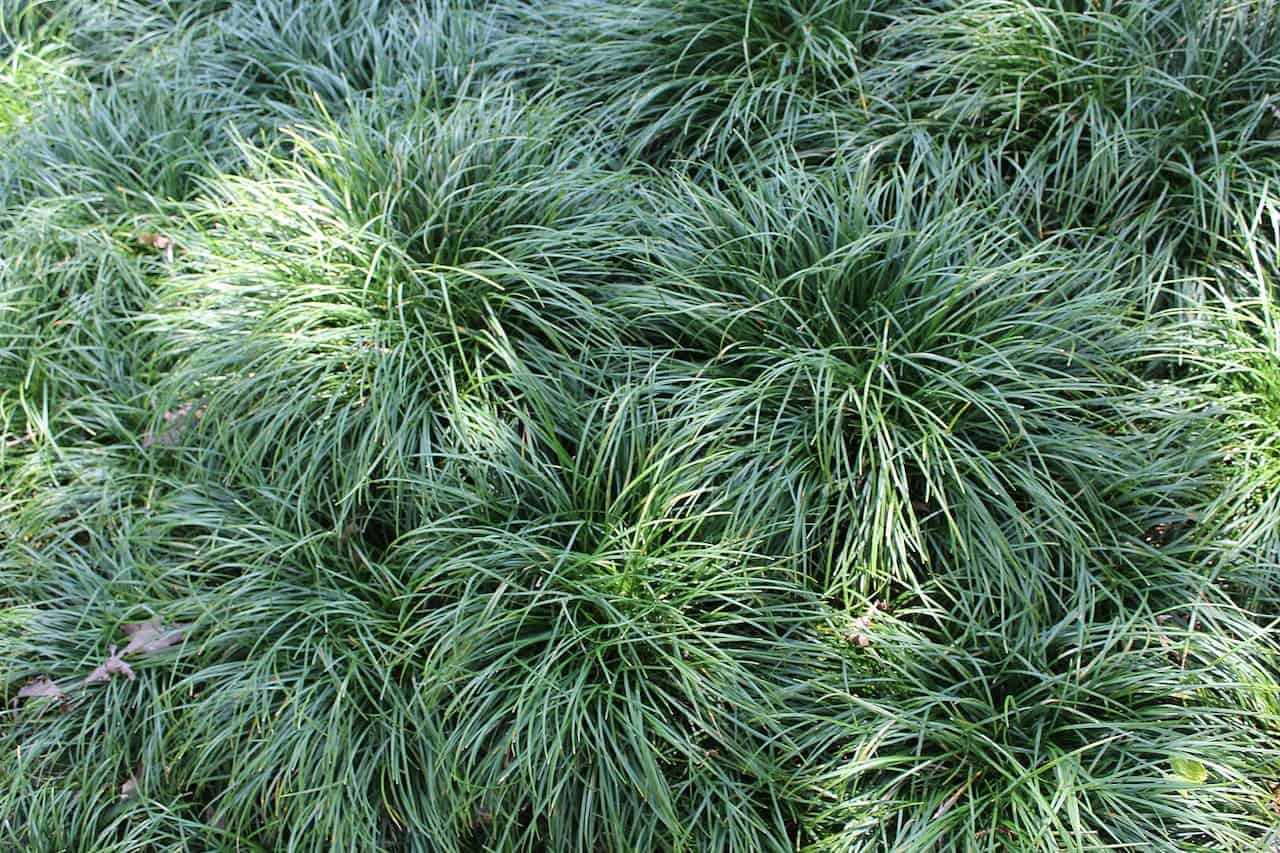
You’ll love Dwarf Mondo Grass for a low, evergreen ground cover that stays neat. It thrives in shaded areas and can handle some foot traffic, making it great between stepping stones.
This plant grows slowly and spreads through underground rhizomes, helping it fill in gaps over time. It’s also deer-resistant, so your pathway stays looking good without extra effort.
Sedum (Stonecrop)
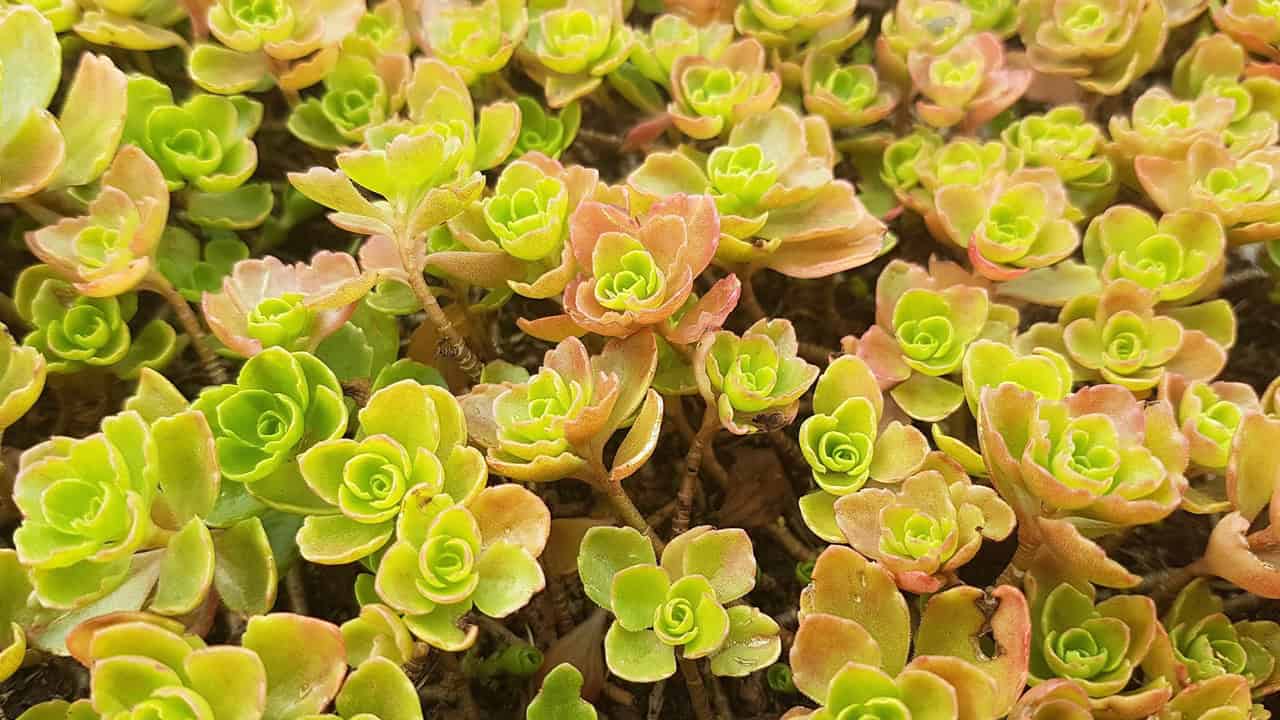
Sedum is a great choice if you want a low-growing plant that’s easy to care for. You’ll find many varieties that stay close to the ground and spread nicely.
These plants are drought-tolerant and can handle poor soil, so they’re perfect if you want something tough. Plus, their small succulent leaves add texture and color along your pathway.
Corsican Mint
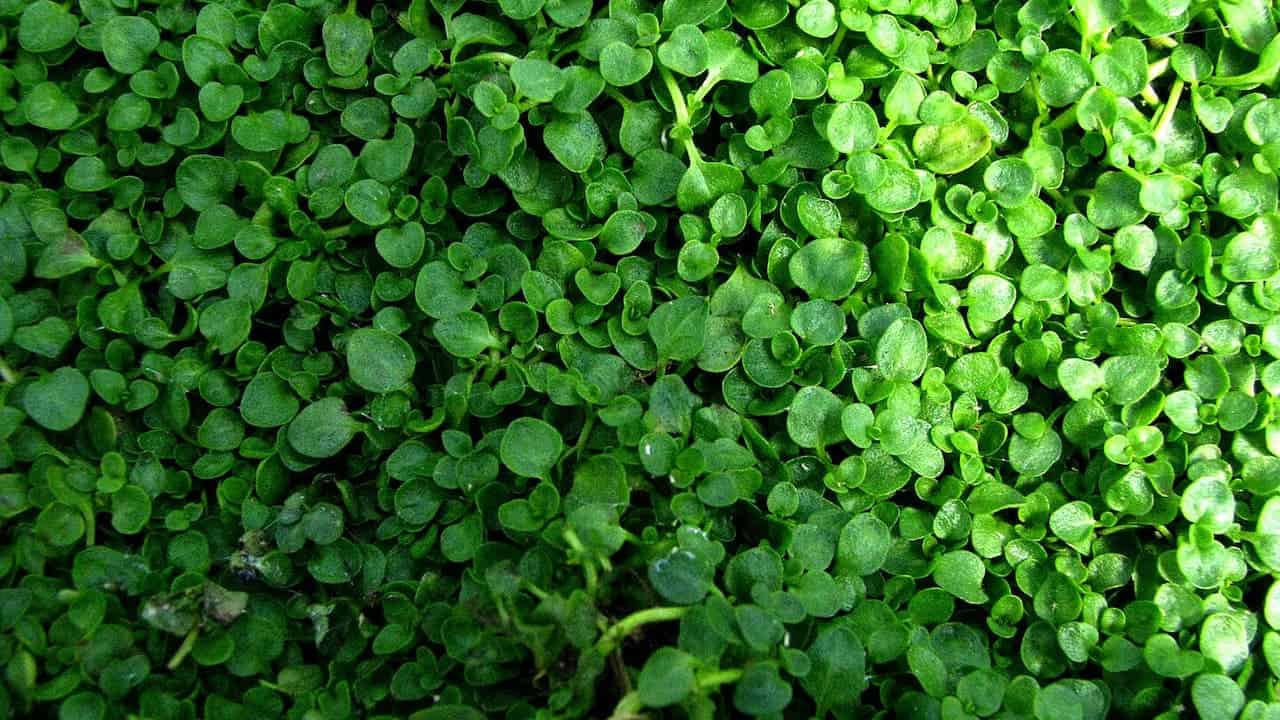
If you want a soft, green carpet between your stones, Corsican Mint is a great pick. It grows very low, just half to four inches tall, so it won’t block your path.
You’ll enjoy its tiny, mint-scented leaves that keep your garden fresh. Plus, it spreads nicely without crowding other plants, creating a neat, natural look.
Aluminum Plant (Pilea)
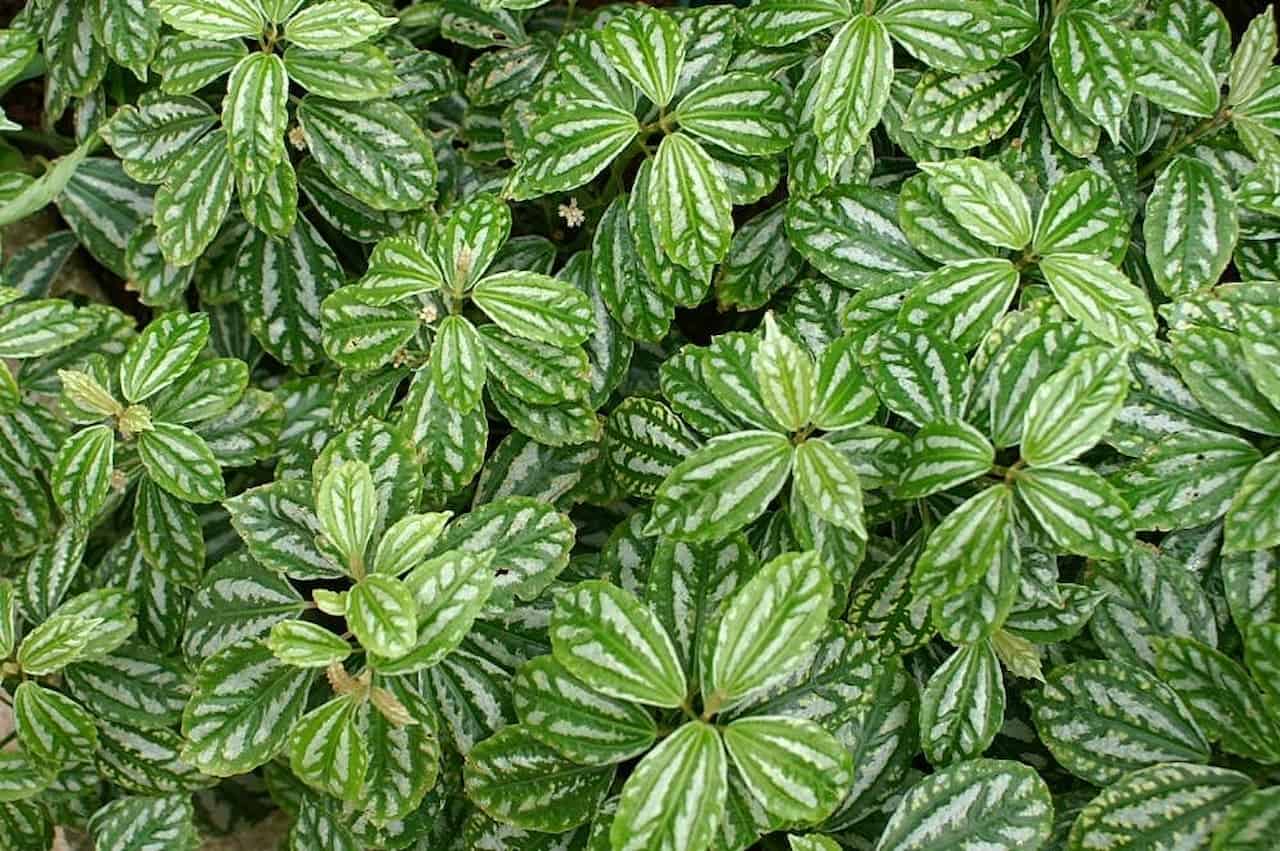
The Aluminum Plant, or Pilea, adds a unique touch to your pathway with its green leaves and silver patterns. It stays compact and bushy, making it perfect for low-growing spaces.
Keep your Aluminum Plant’s soil lightly moist but not soggy. It likes humidity but dislikes root rot from too much water. A little pruning helps it stay neat and healthy.
Dwarf Japanese Garden Juniper
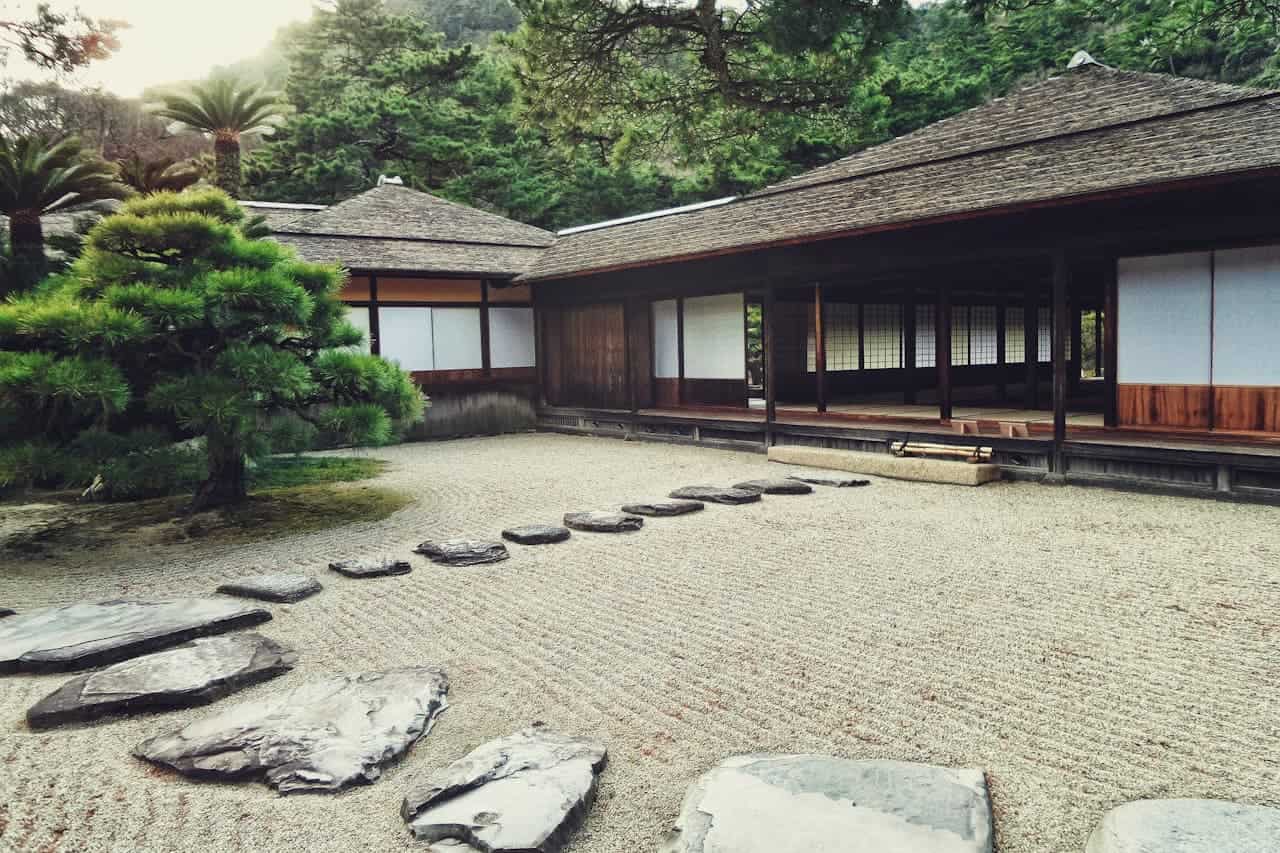
You’ll like the Dwarf Japanese Garden Juniper if you want a low-growing plant that spreads wide. It typically stays about 1 foot tall but can reach up to 6 feet across.
This juniper adds interest year-round, showing blue-green foliage with a purple tint in winter. It’s also deer and rabbit resistant, making it easier to care for in many gardens.
Sweet Woodruff
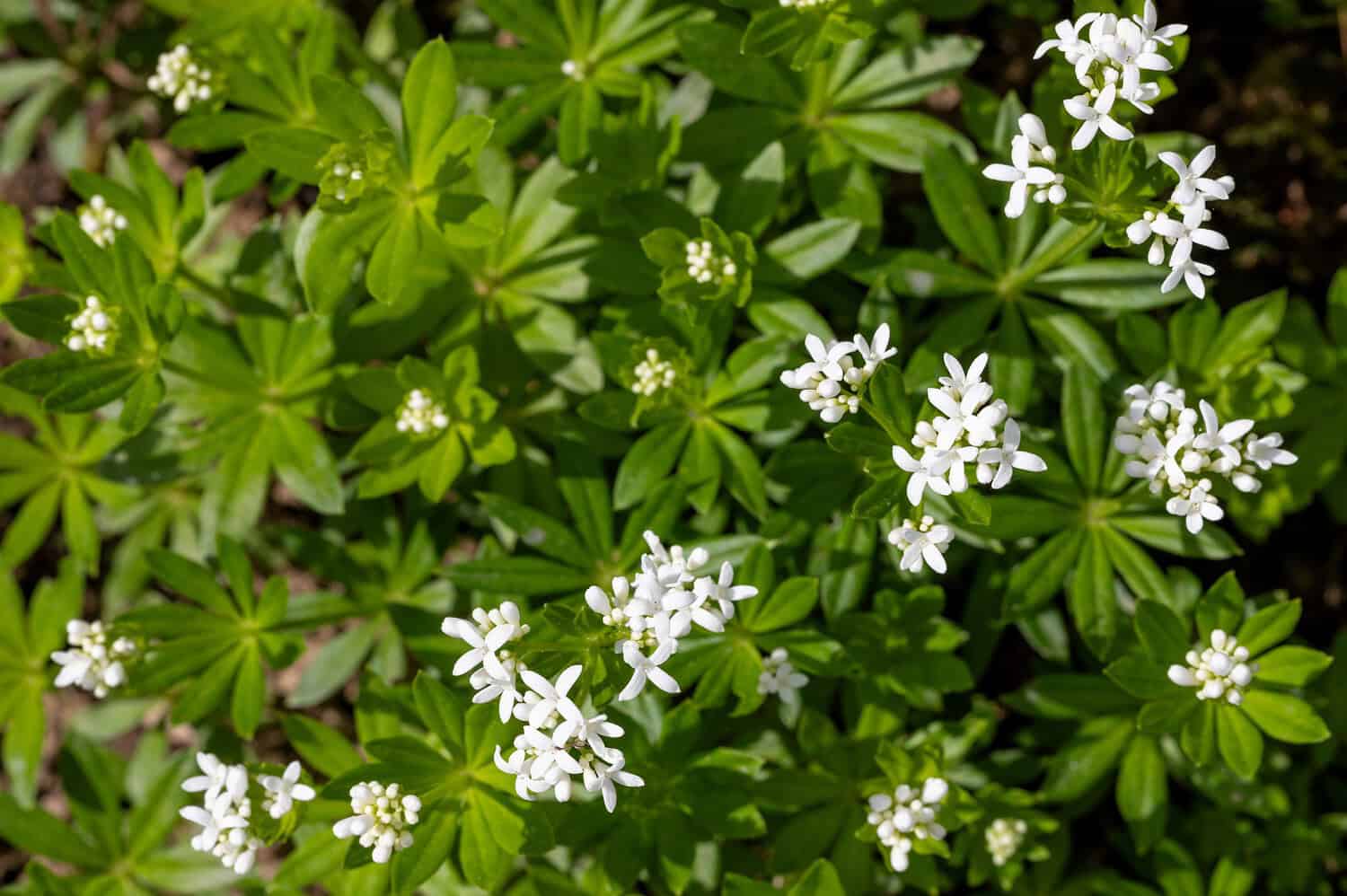
You’ll find sweet woodruff a great choice for shady spots along your pathway. It forms a low, dense mat that grows well under trees or in cool, low-light areas.
This plant stays low to the ground and offers delicate white flowers in spring. It’s easy to care for and adds a soft, green carpet effect to your garden path.
Irish Moss (Sagina subulata)
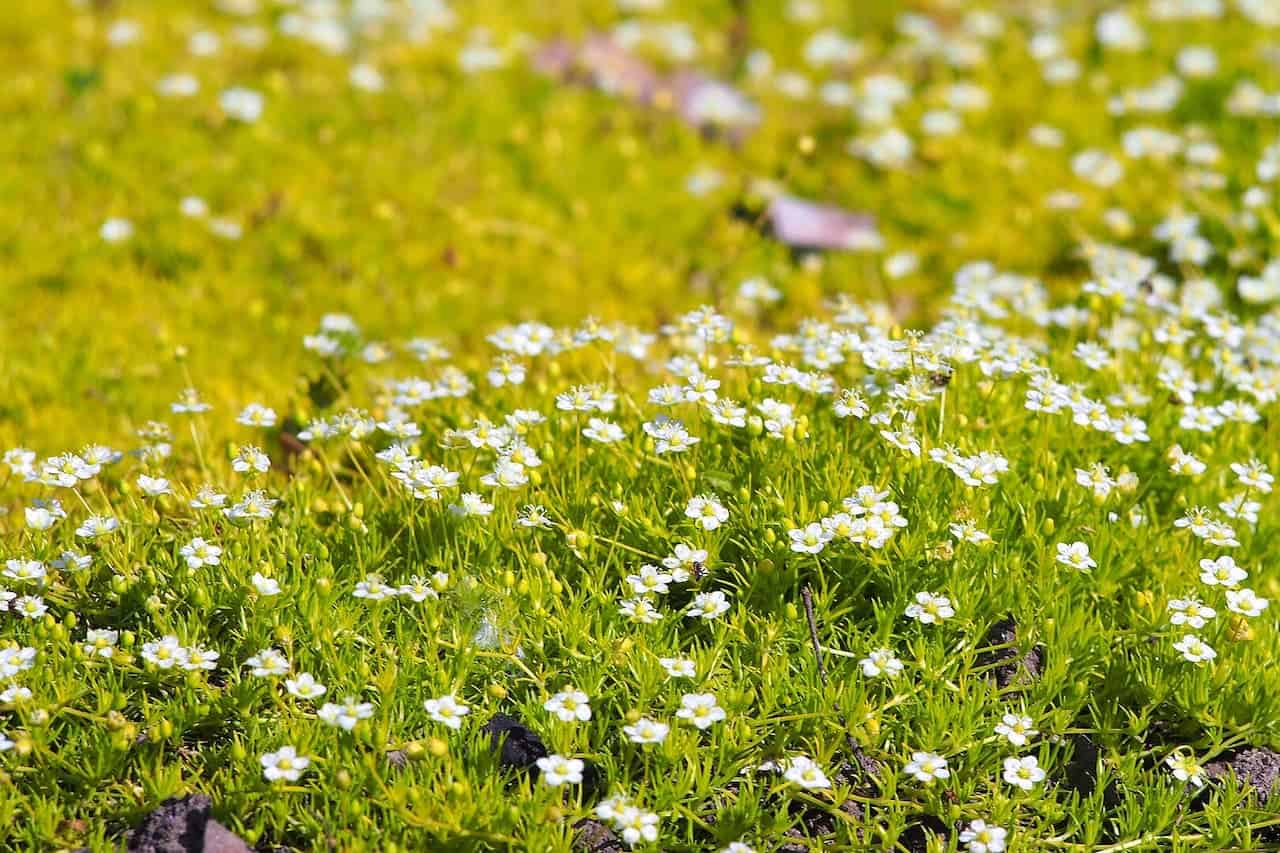
If you want a soft, green carpet for your pathway, Irish Moss is a great choice. It stays very low to the ground, forming a dense, lush mat that’s perfect between stepping stones or in small garden beds.
This plant is easy to care for and works well in rock gardens or as a lawn substitute. It adds a fresh, vibrant look without crowding nearby plants.
Blue Star Creeper
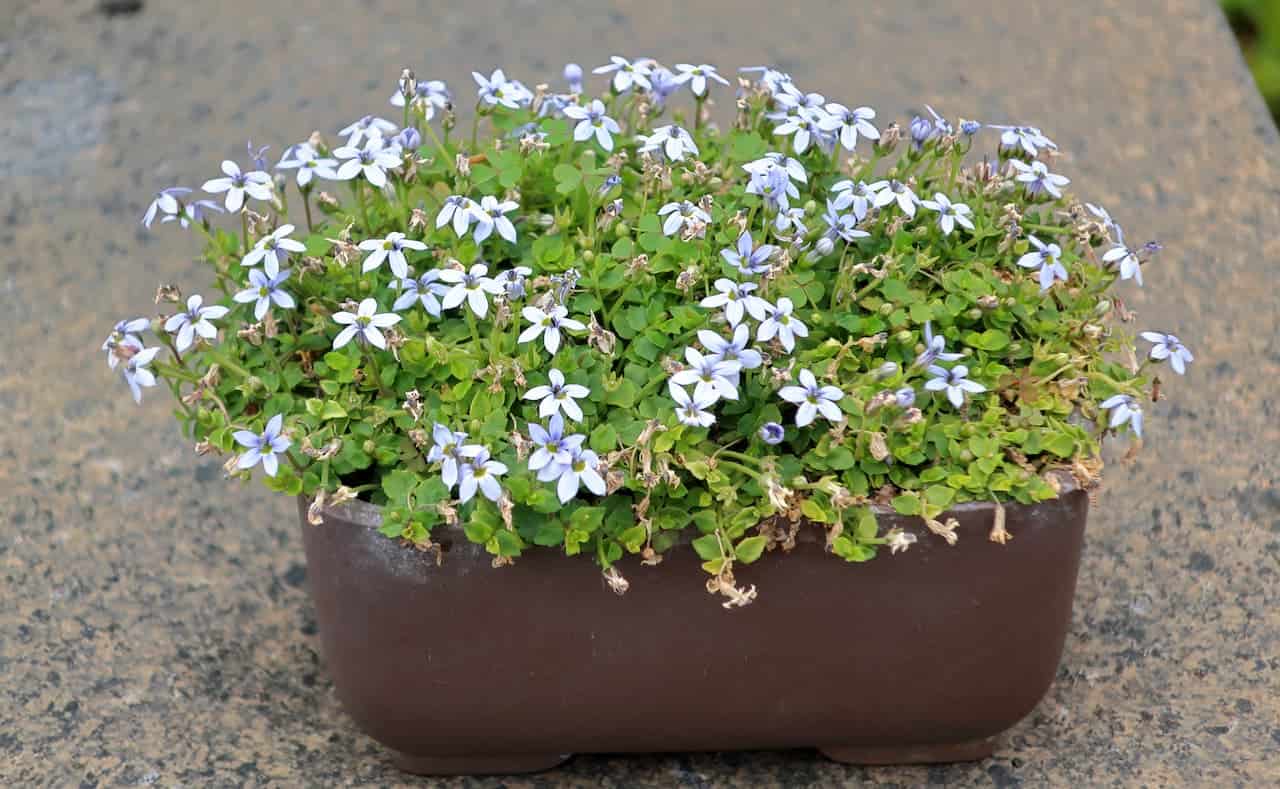
Blue Star Creeper is a great choice if you want a low-growing plant that adds delicate blue flowers and soft greenery. You can use it as a lawn alternative or to fill spaces between stepping stones.
It does well in bright, dappled shade but can handle full sun in cooler areas. Just be aware it can spread quickly, so plan your garden layout accordingly.
Polka Dot Plant (Hypoestes phyllostachya)
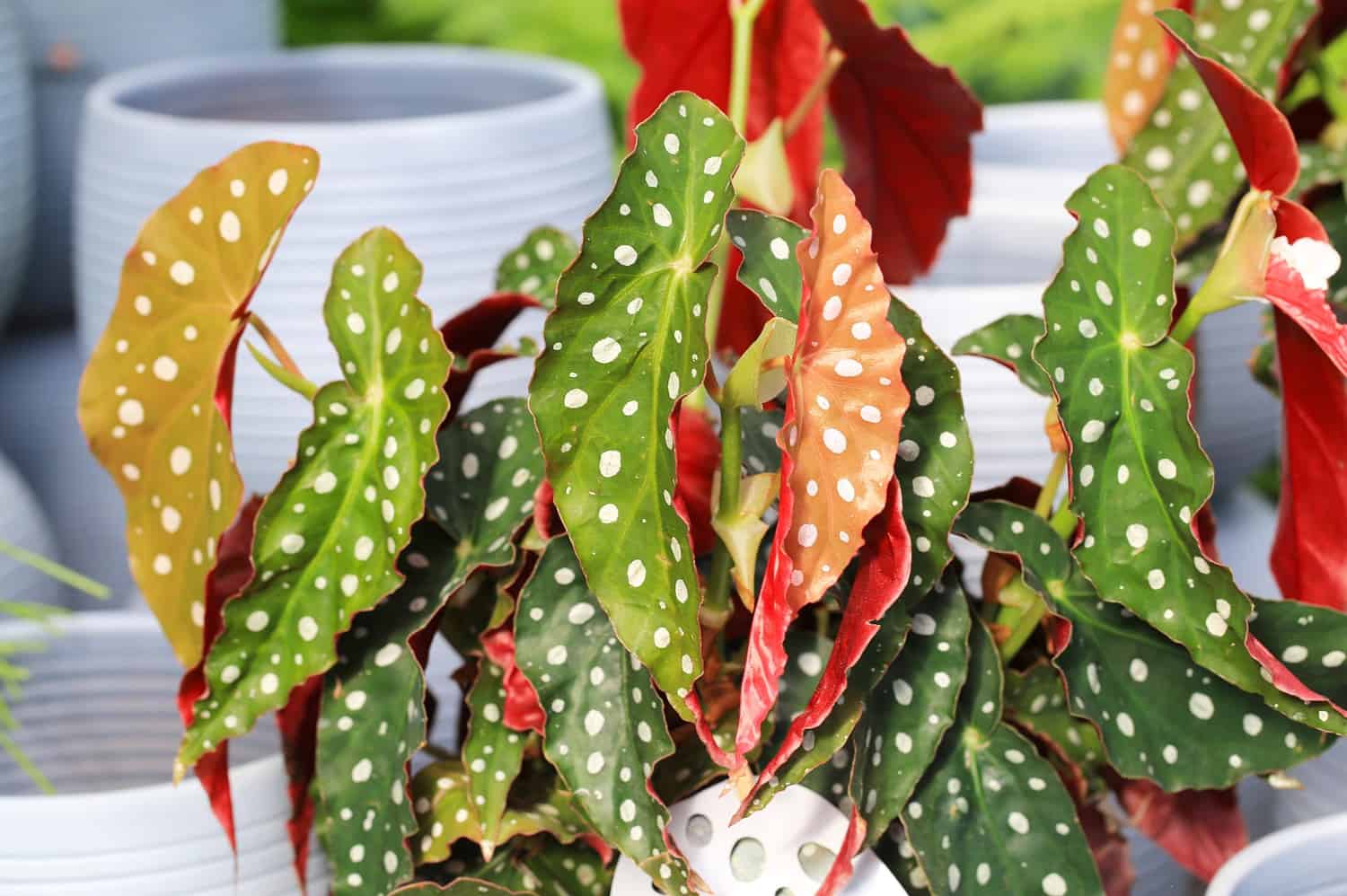
You’ll enjoy the bright, spotted leaves of the Polka Dot Plant along your pathway. It stays low, usually under 2.5 feet, making it perfect for edging.
This plant likes bright, indirect light and warm temperatures between 65 and 75°F. Keep the soil moist, and you’ll see its colors stay vibrant.
Silver Carpet (Dymondia margaretae)
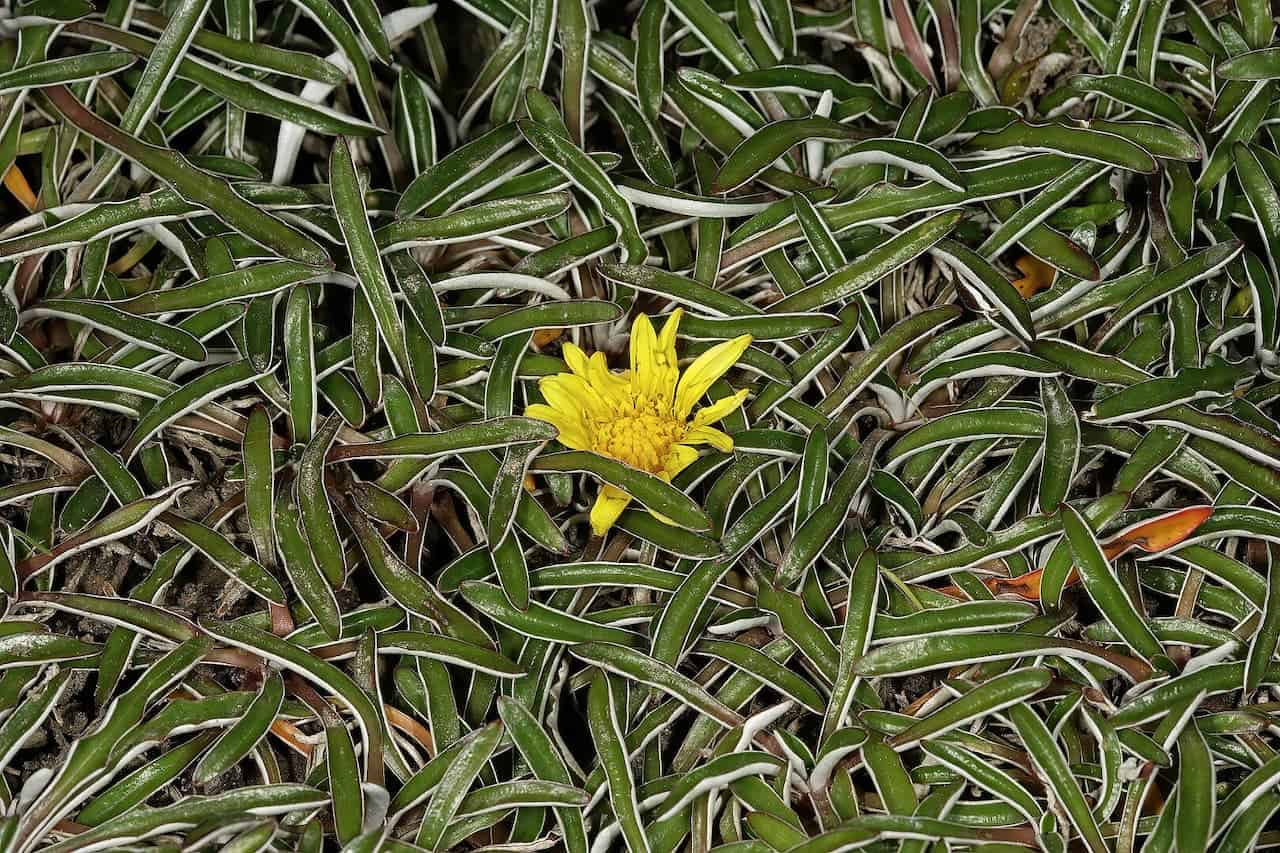
Silver Carpet is a tough, low-growing groundcover that makes a great choice for pathways. Its silvery, narrow leaves form a neat, dense mat that stays close to the ground.
You’ll appreciate how well it handles poor soil, drought, and even salt spray. It loves full sun and well-drained soil, making it easy to care for in many gardens.
Corsican Hellebore
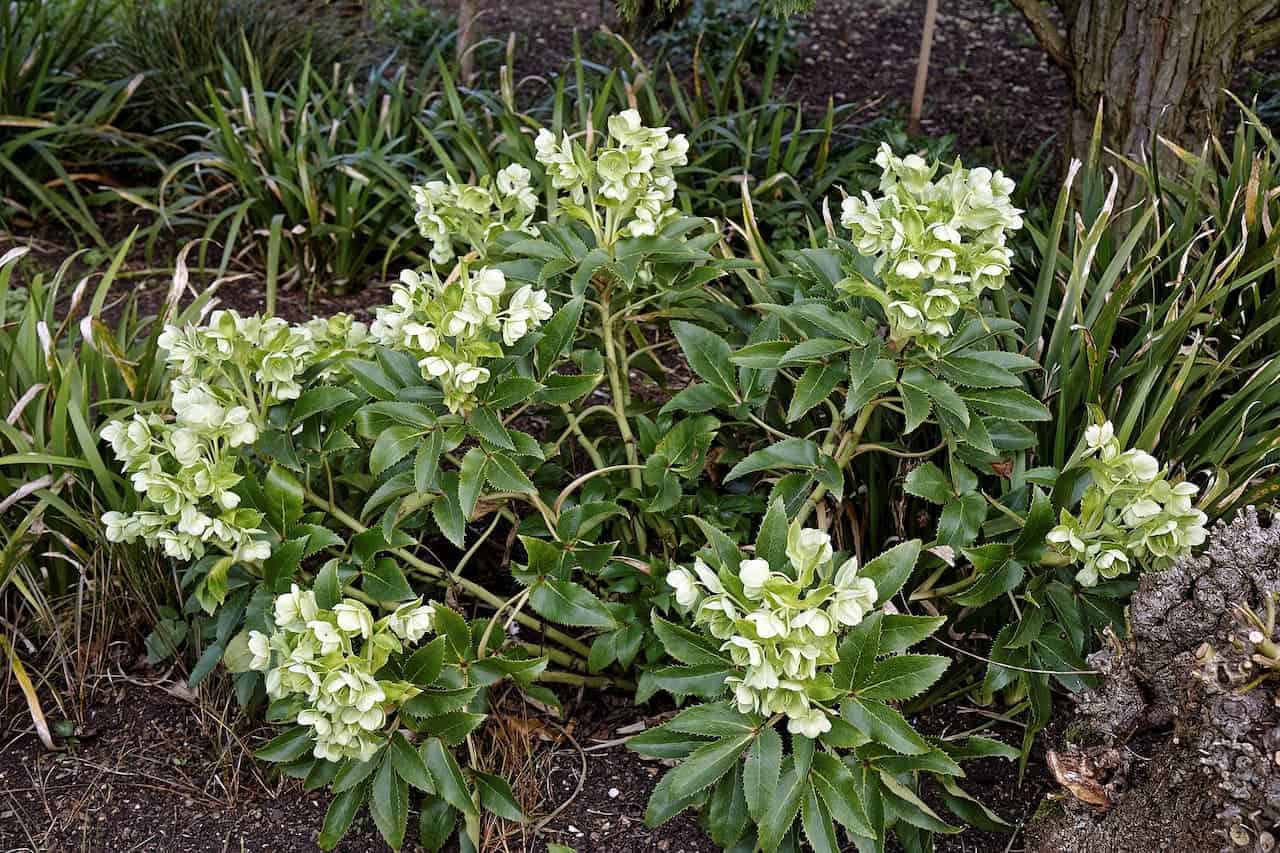
You’ll appreciate Corsican Hellebore for its evergreen, glossy leaves that stay attractive all year. Its light green, cup-shaped flowers appear from late winter to early spring, adding subtle color when many plants are still dormant.
This plant grows well in shady spots and naturalized areas, making it perfect for low, leafy borders along your pathway. It prefers well-drained soil and is easy to care for.
Scotch Moss
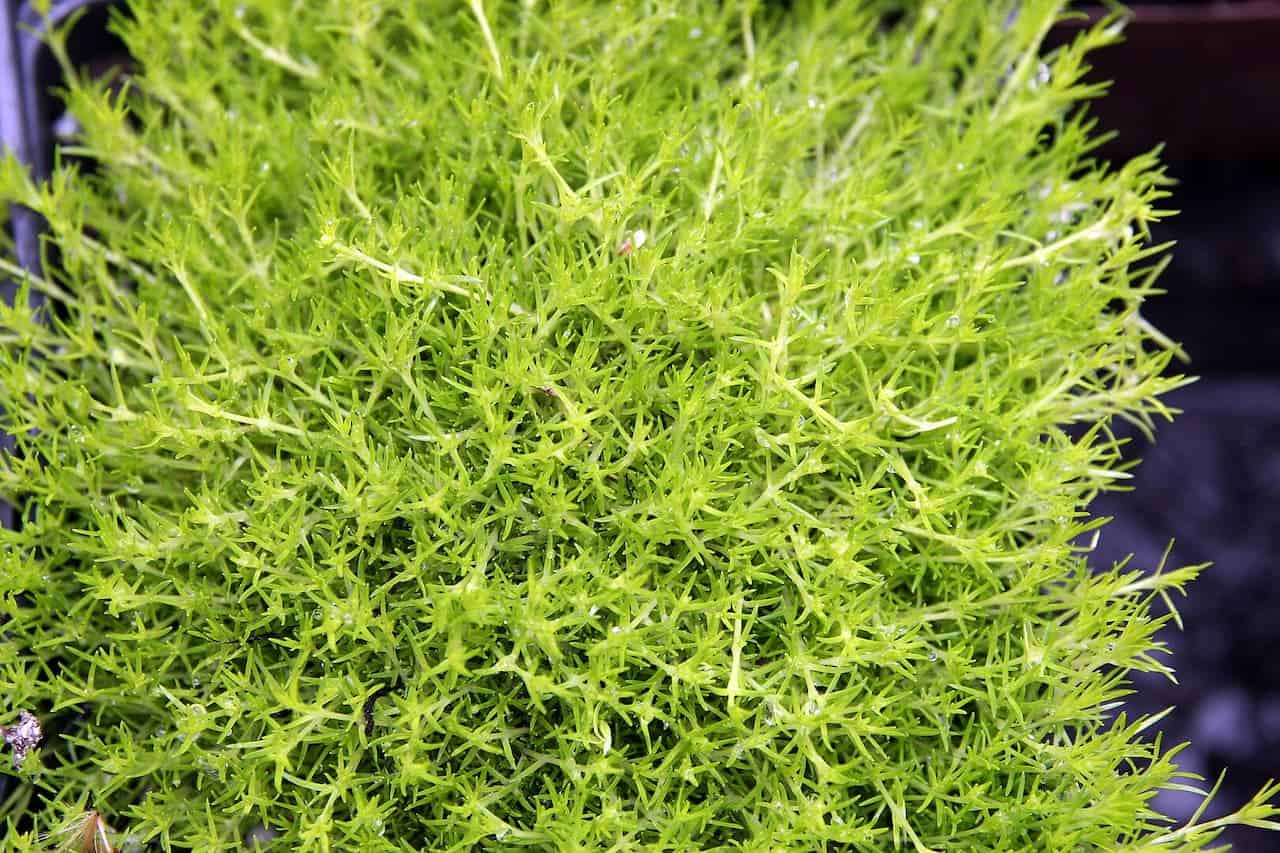
Scotch Moss creates a soft, low carpet that works beautifully between stepping stones or along pathways. It prefers well-draining, moist soil and grows best in full sun to keep its shape dense.
You’ll enjoy its fine texture and lush green or golden colors, adding subtle charm without crowding your walkway. It stays low, making it easy to maintain.
Bugloss (Anchusa azurea)
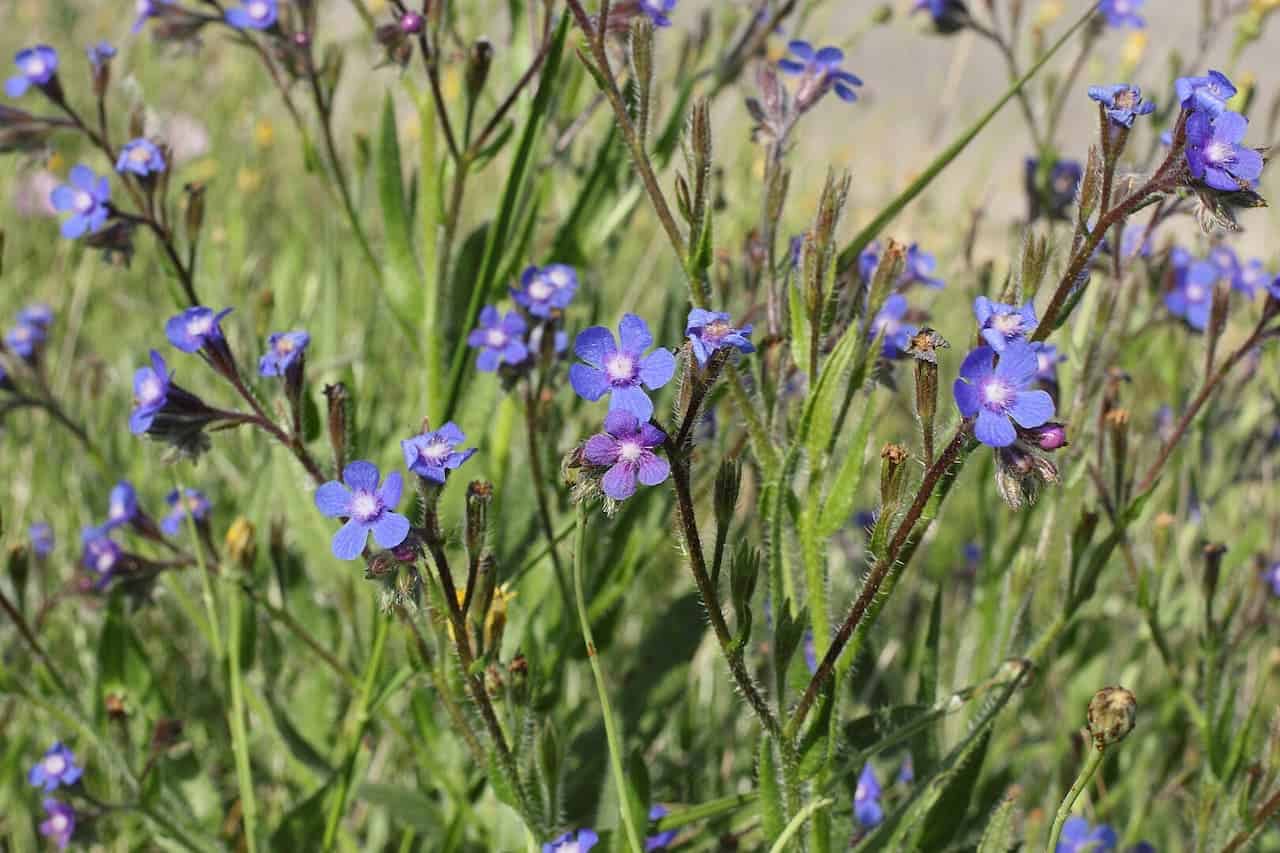
You’ll enjoy Bugloss for its bright blue flowers that add a cheerful splash to your pathway. This plant grows tall but stays well-behaved in garden settings.
It thrives best in full sun with moist, well-drained soil. Bugloss is a short-lived perennial, so it may need occasional replanting to keep your path looking fresh.
Creeping Phlox
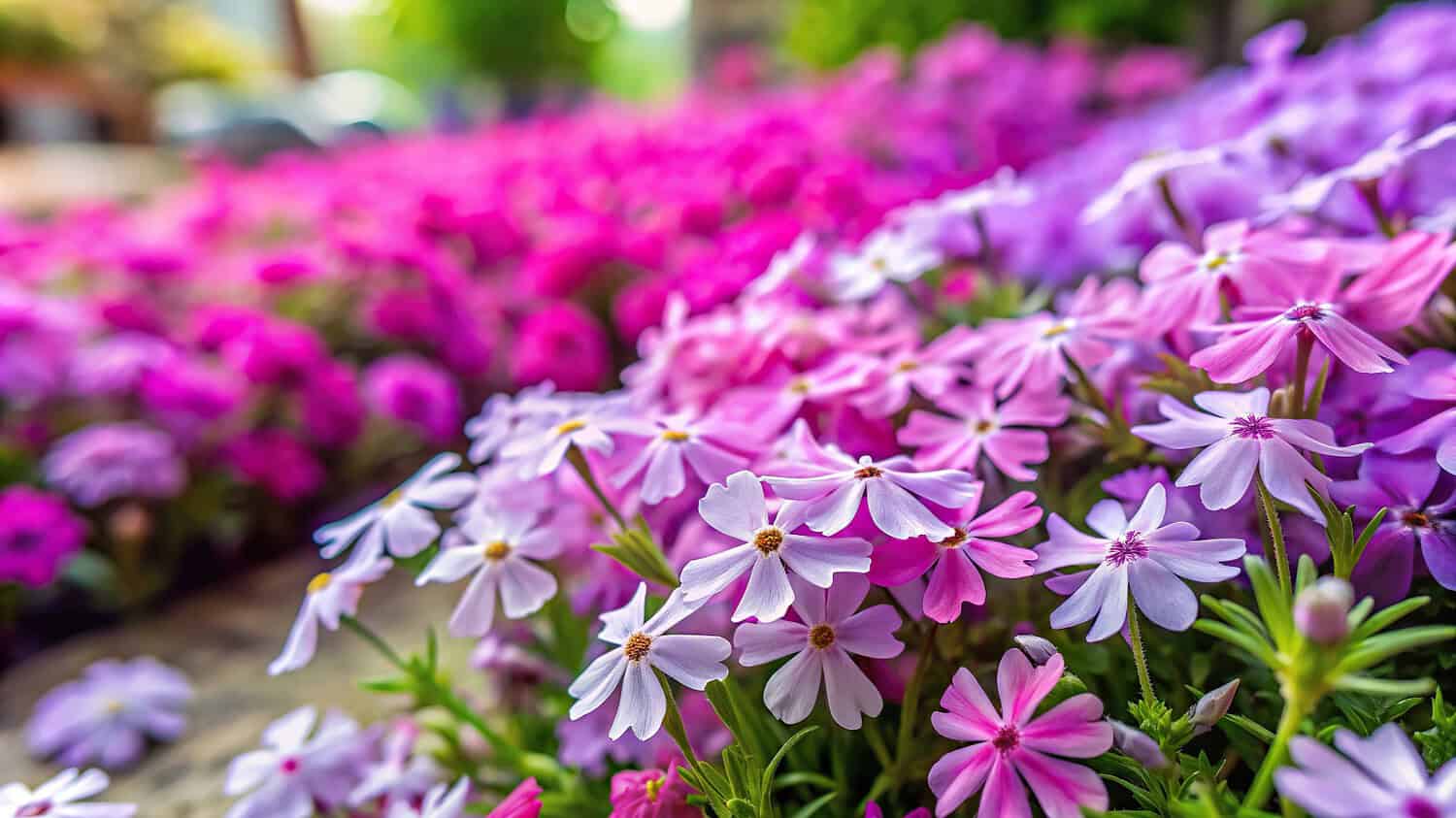
Creeping phlox is a great choice for pathways because it stays low and spreads nicely. It creates a colorful carpet of flowers in spring that brightens your garden without needing much care.
You can plant it along edges, slopes, or areas that are hard to mow, making your pathway look tidy and inviting year after year.
Liriope (Variegated Lilyturf)
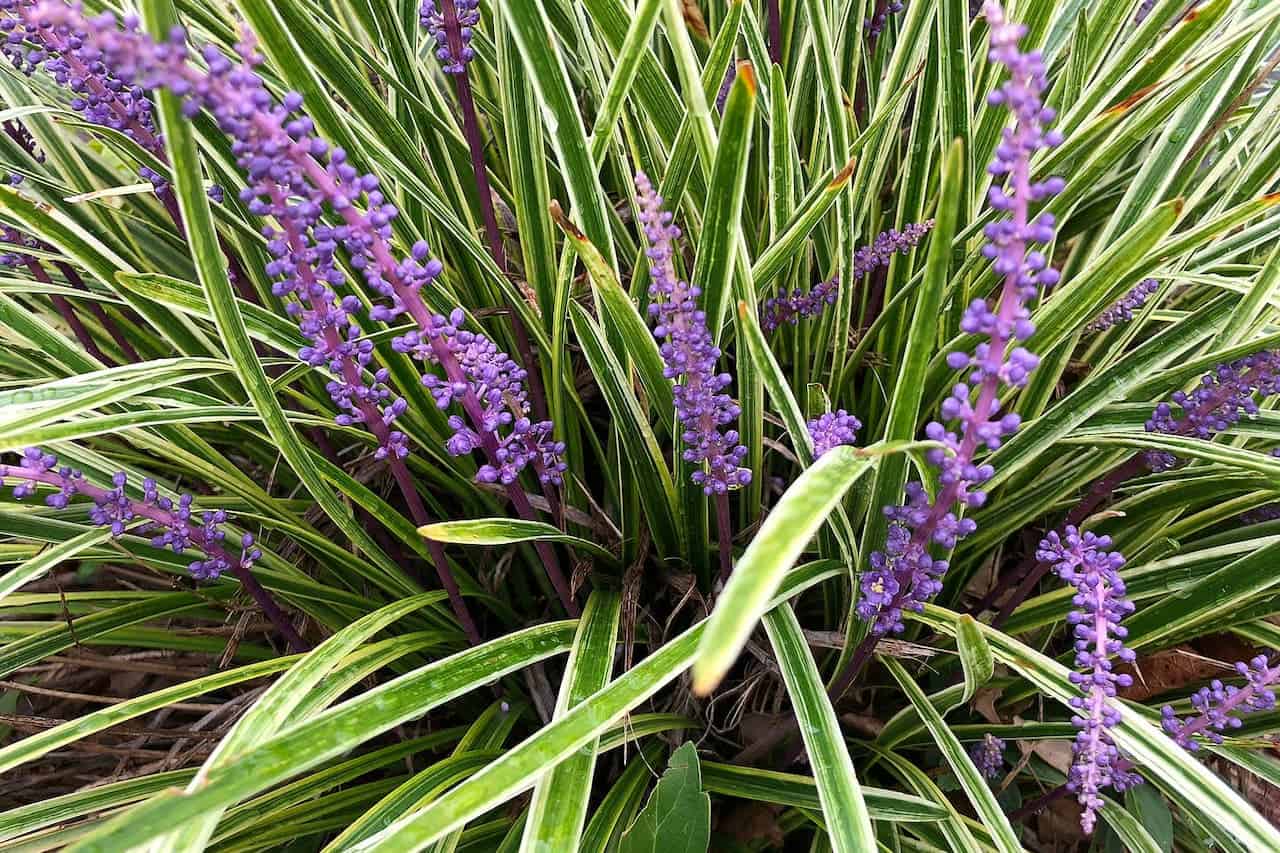
Liriope, or Variegated Lilyturf, is a great choice for pathways if you want low, attractive greenery. Its narrow leaves have creamy white stripes, adding subtle color and texture.
You’ll enjoy its purple flowers in mid to late summer. It stays compact, usually under a foot tall, making it easy to manage along edges or in containers.
Snow-in-Summer (Cerastium tomentosum)
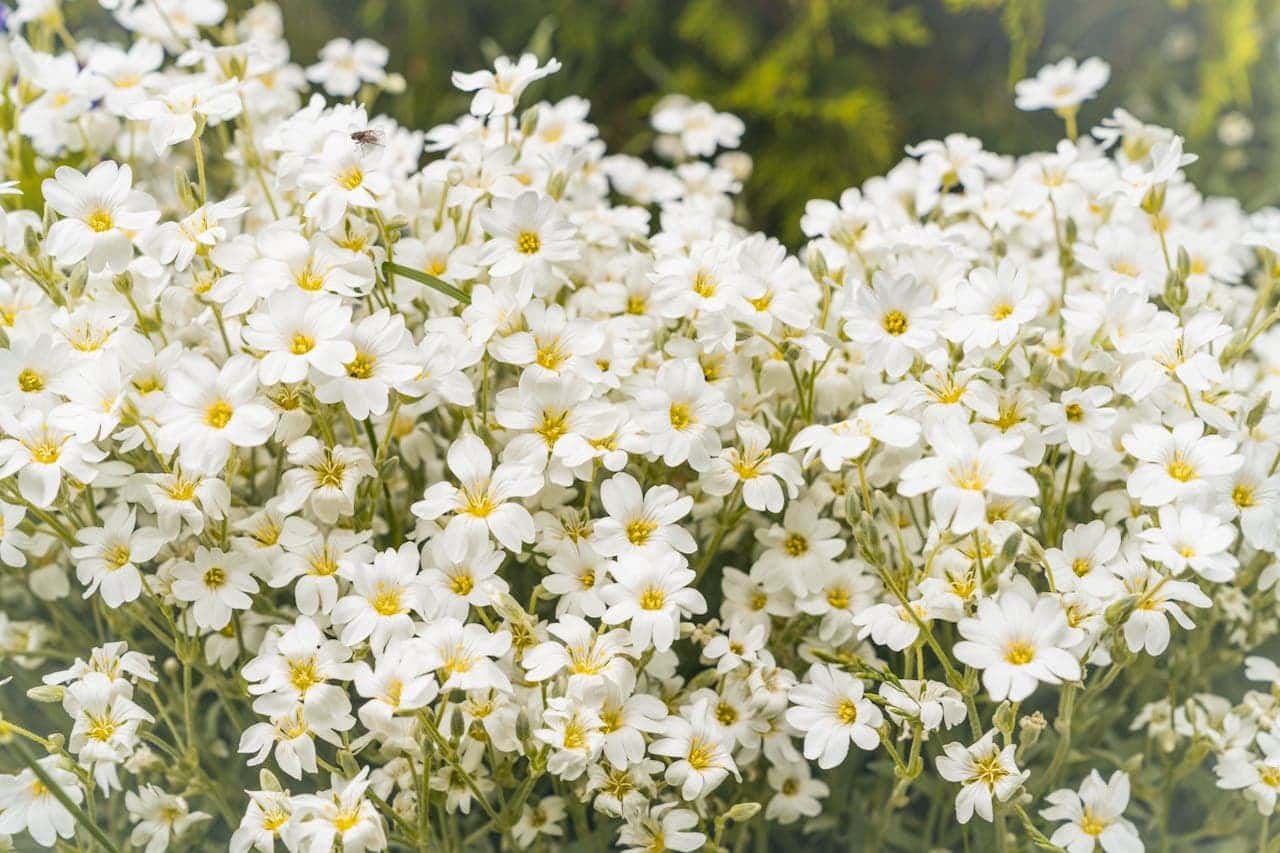
You’ll love Snow-in-Summer for its bright white flowers and soft, silver leaves. It stays low, around 6 to 12 inches tall, making it perfect for pathways.
This plant thrives in full sun with well-drained, sandy soil. It creates a beautiful, dense carpet without crowding other plants nearby.
Rockcress (Arabis caucasica)
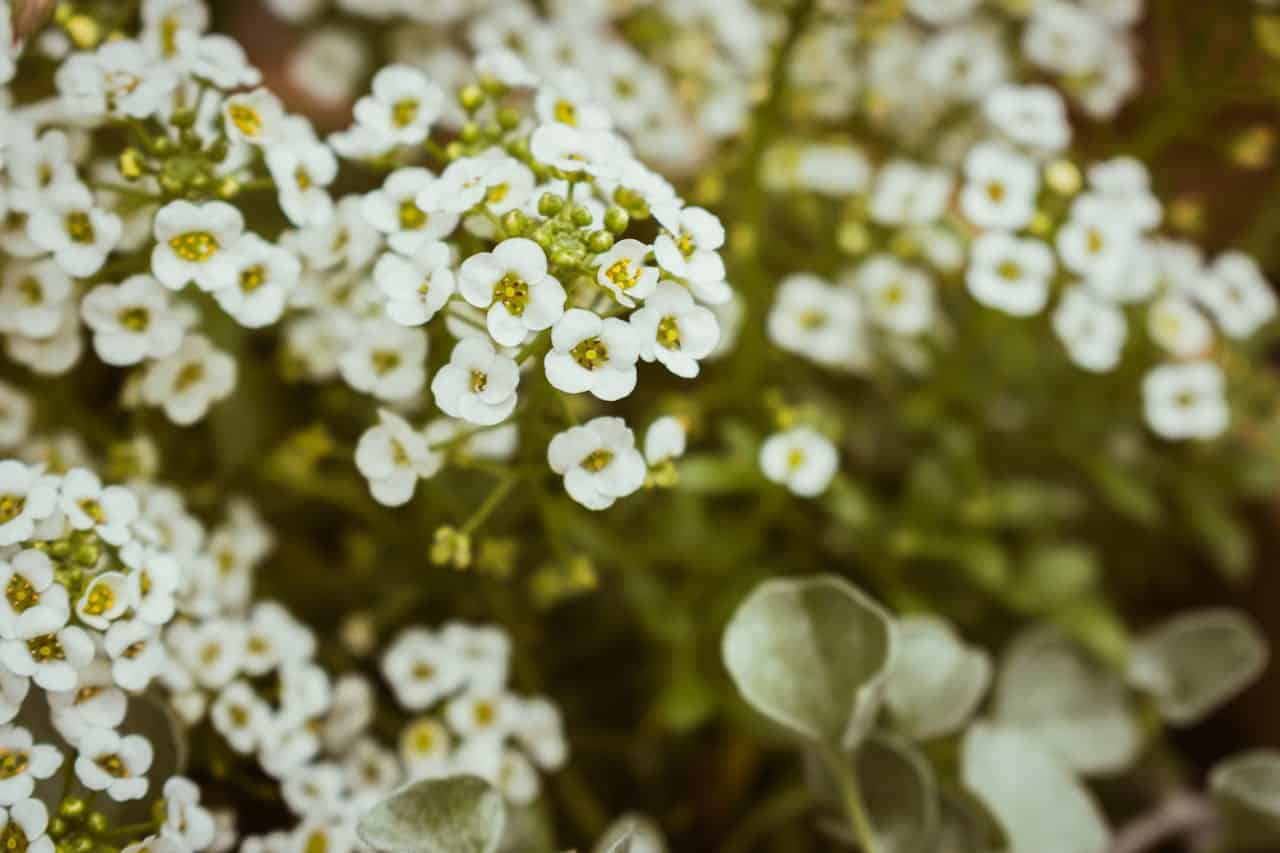
Rockcress is a great choice if you want a low-growing plant that forms a colorful carpet. You’ll find it thrives in well-drained, sandy or gritty soil, especially in full sun.
It’s drought-resistant, making it perfect for dry, sunny spots along pathways or rock gardens. Plus, it stays compact, usually growing just 8 to 10 inches tall, which keeps your pathways clear and attractive.
Bearberry (Arctostaphylos uva-ursi)
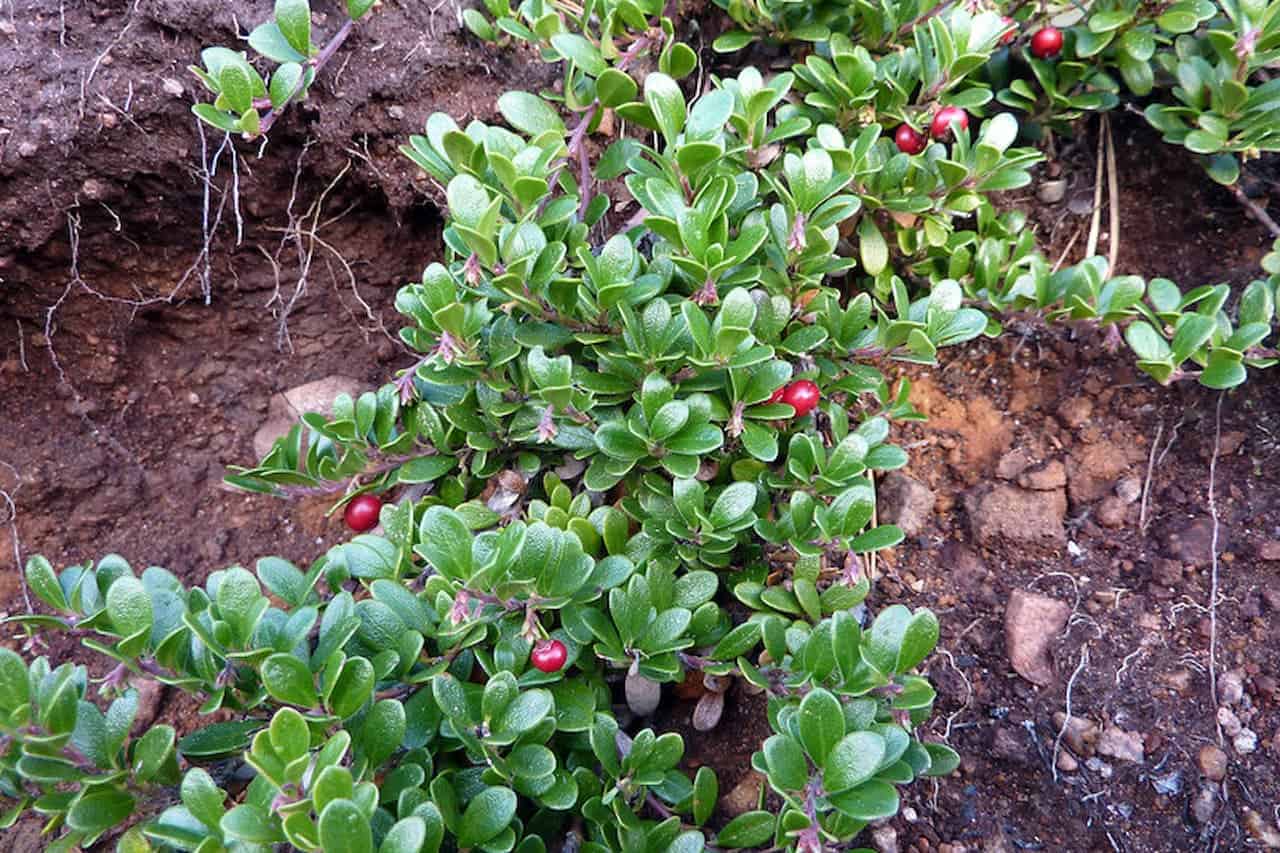
You’ll love Bearberry for its glossy, dark green leaves that turn a lovely purplish bronze in winter. It’s a tough, low-growing shrub that works well as ground cover along pathways.
It produces bright red berries that birds enjoy, and it’s deer resistant. Bearberry spreads slowly, so give it room to create a natural, dense carpet.
Dianthus (Maiden Pink)
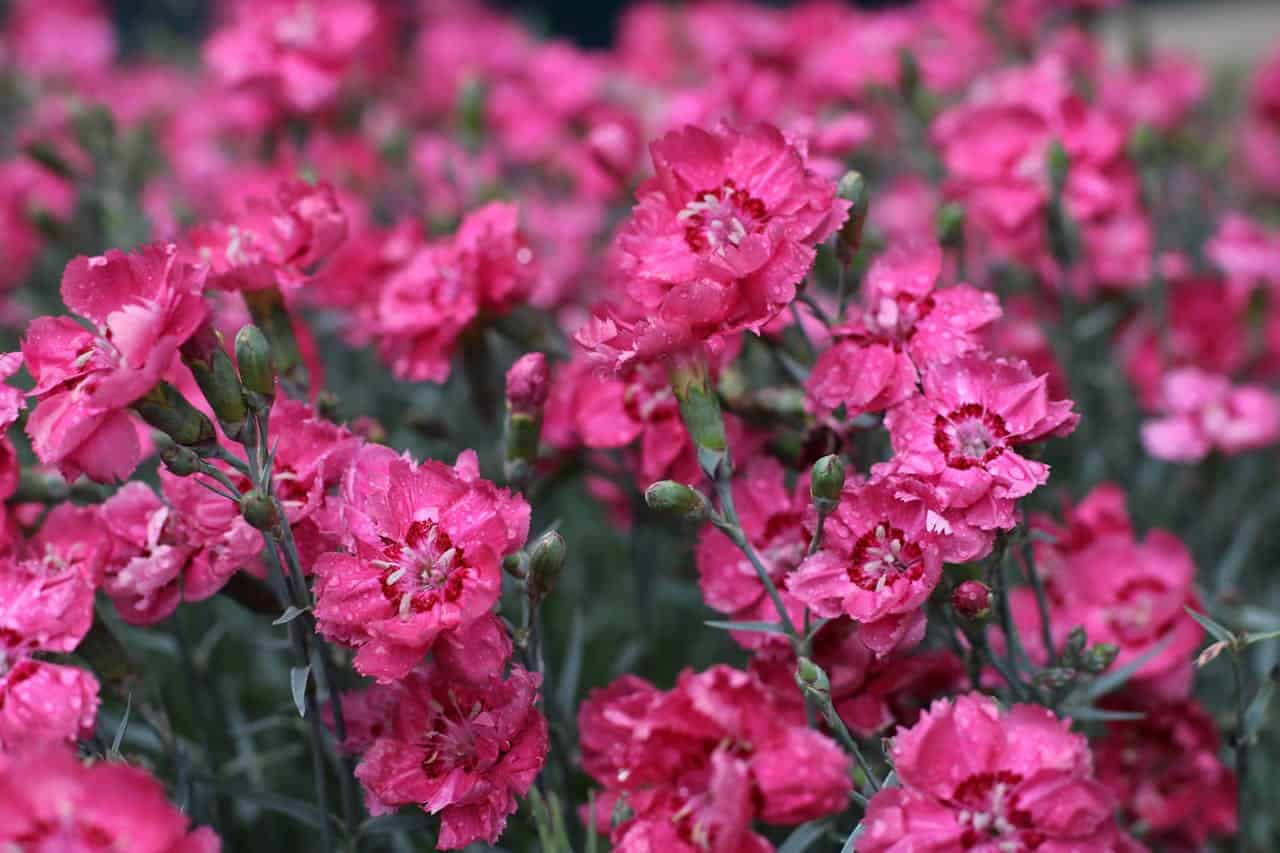
You’ll love how Dianthus, also called Maiden Pink, stays low and spreads nicely along pathways. It’s an evergreen perennial with narrow green leaves that create a soft mat beneath your feet.
In spring and early summer, its delicate pink, red, or white flowers add cheerful color. These blooms are lightly scented, making your path even more inviting.
Barrenwort (Epimedium)
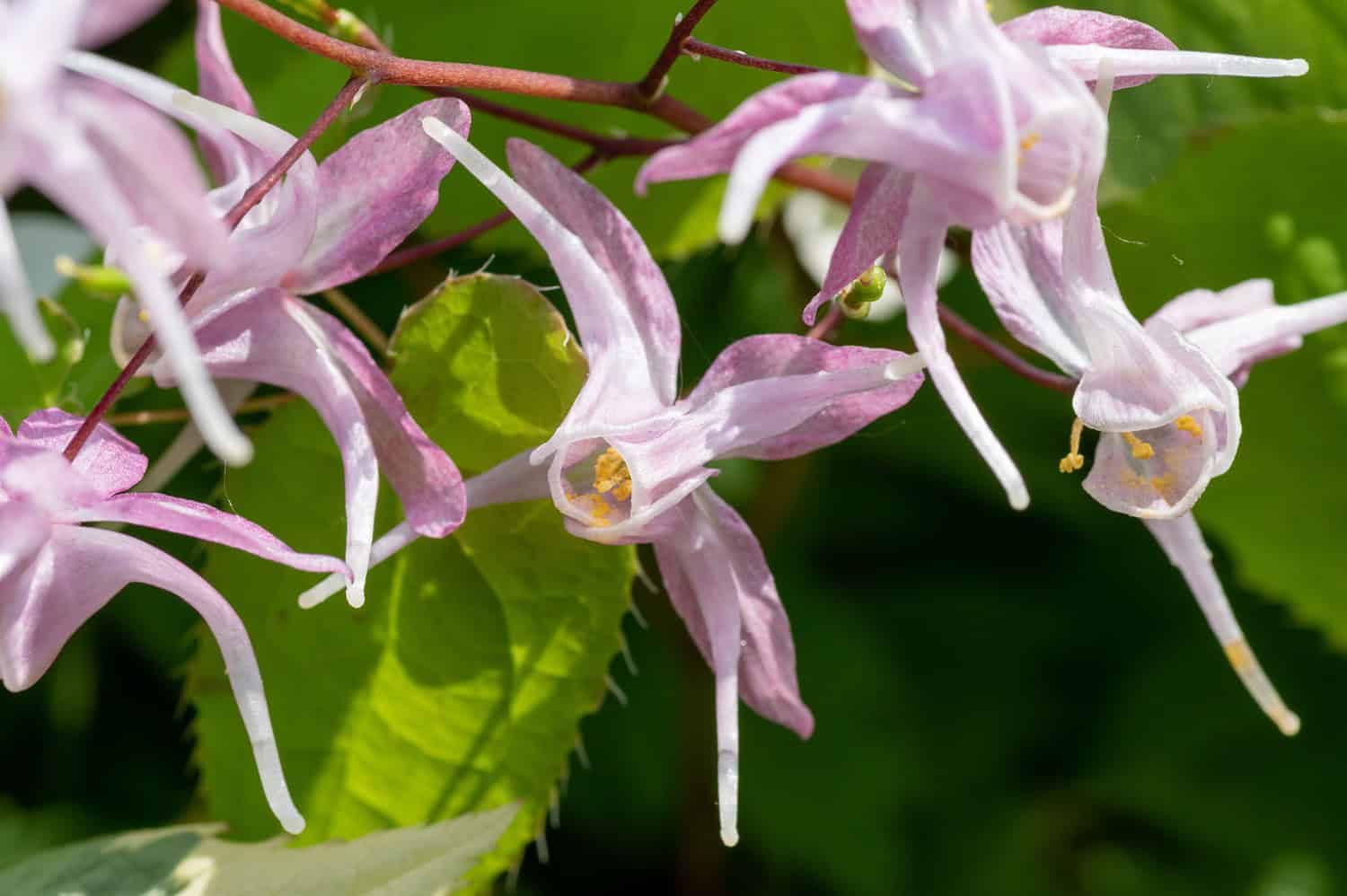
Barrenwort is a great choice if you want a low-growing plant for your pathway. You’ll appreciate its attractive, heart-shaped leaves that often have interesting colors, like bronze-purple in spring.
It thrives in dry shade, making it perfect for spots where grass struggles to grow. You’ll also like that it spreads slowly through underground woody rhizomes, providing gentle ground cover without taking over.
Striped Dead Nettle (Lamium maculatum)
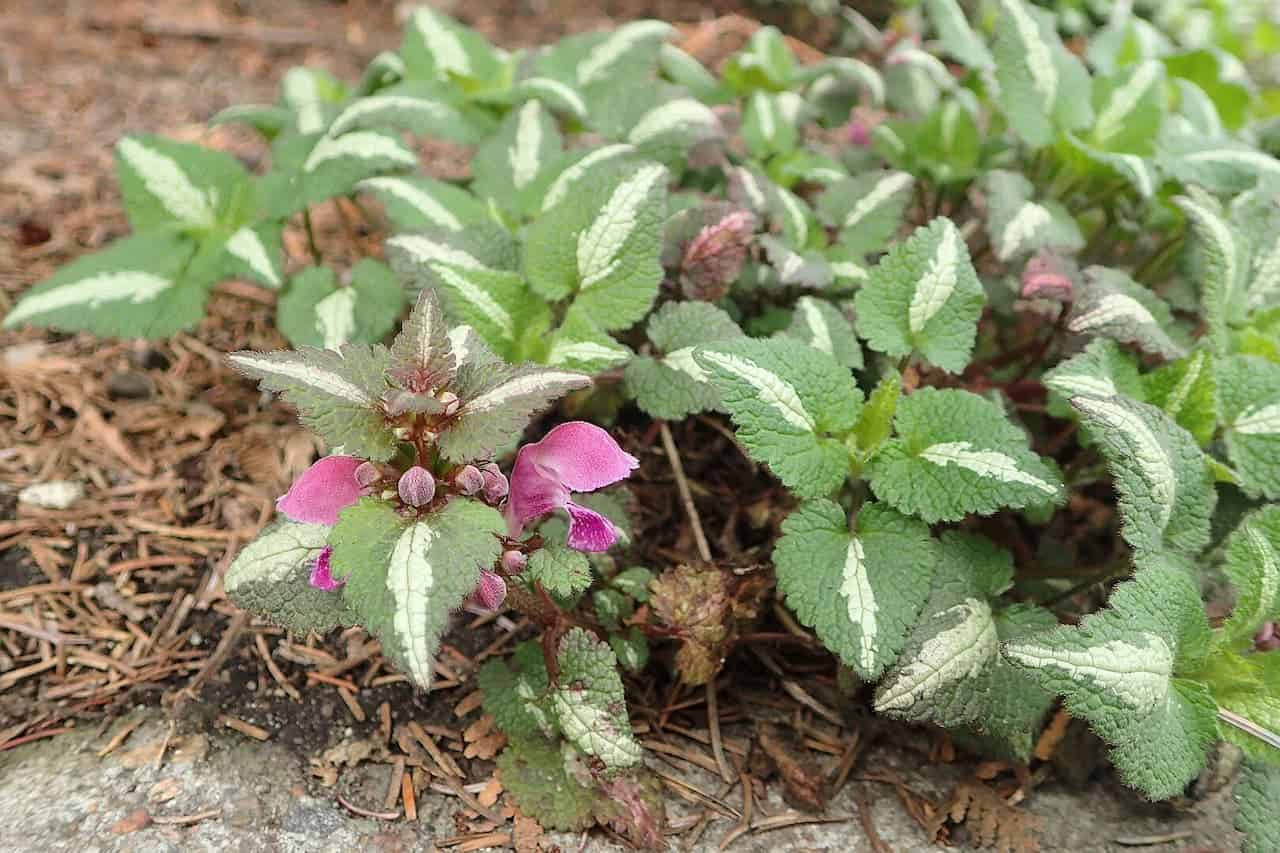
You’ll like how Striped Dead Nettle stays low, usually around 6 to 9 inches tall, making it perfect for pathways. It spreads nicely, creating a soft, near-evergreen ground cover in mild climates.
Its leaves often have interesting patterns and the plant blooms with small, charming flowers. It does well in partly shady spots and is easy to care for, brightening your garden without much fuss.