
Landscaping trends change over time, and some styles that were once popular can quickly become outdated. When planning your outdoor space, it’s important to avoid designs that no longer complement current aesthetics or practical needs.
Knowing what to skip ensures your yard feels modern and inviting without the hassle of constant updates.
Large Manicured Lawns

You might think a large, perfectly trimmed lawn looks great, but it often takes more water and maintenance than necessary. This trend can waste resources and may not support local wildlife.
Instead, consider incorporating native plants or wildflower areas. These options are easier to care for and more eco-friendly, while still looking attractive in your yard.
Artificial Turf
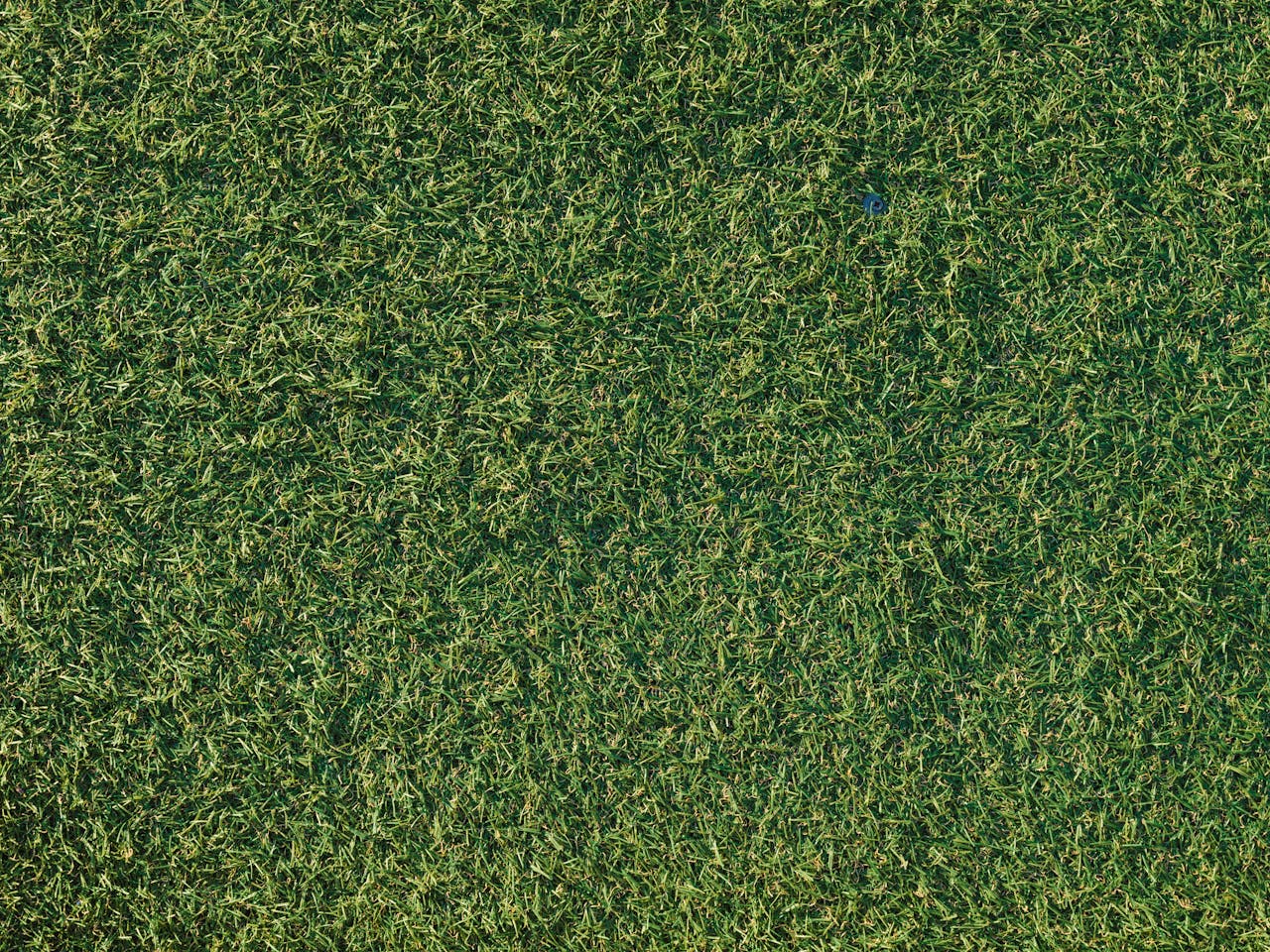
You might think artificial turf is a low-maintenance solution, but it can make your garden feel less natural. It often misses the texture and life that real grass offers.
While it saves time on mowing, artificial turf can heat up quickly and may not drain well. Choosing real plants boosts your landscape’s health and appeal.
Boxwood Hedges

If you’re still using boxwood hedges, it might be time to reconsider. They often require a lot of upkeep to keep their neat shape.
Boxwoods don’t leave much room for natural growth, which can make your garden feel stiff.
Choosing plants that allow more organic shaping can make your outdoor space feel fresher and more inviting.
Checkerboard Grass Patterns
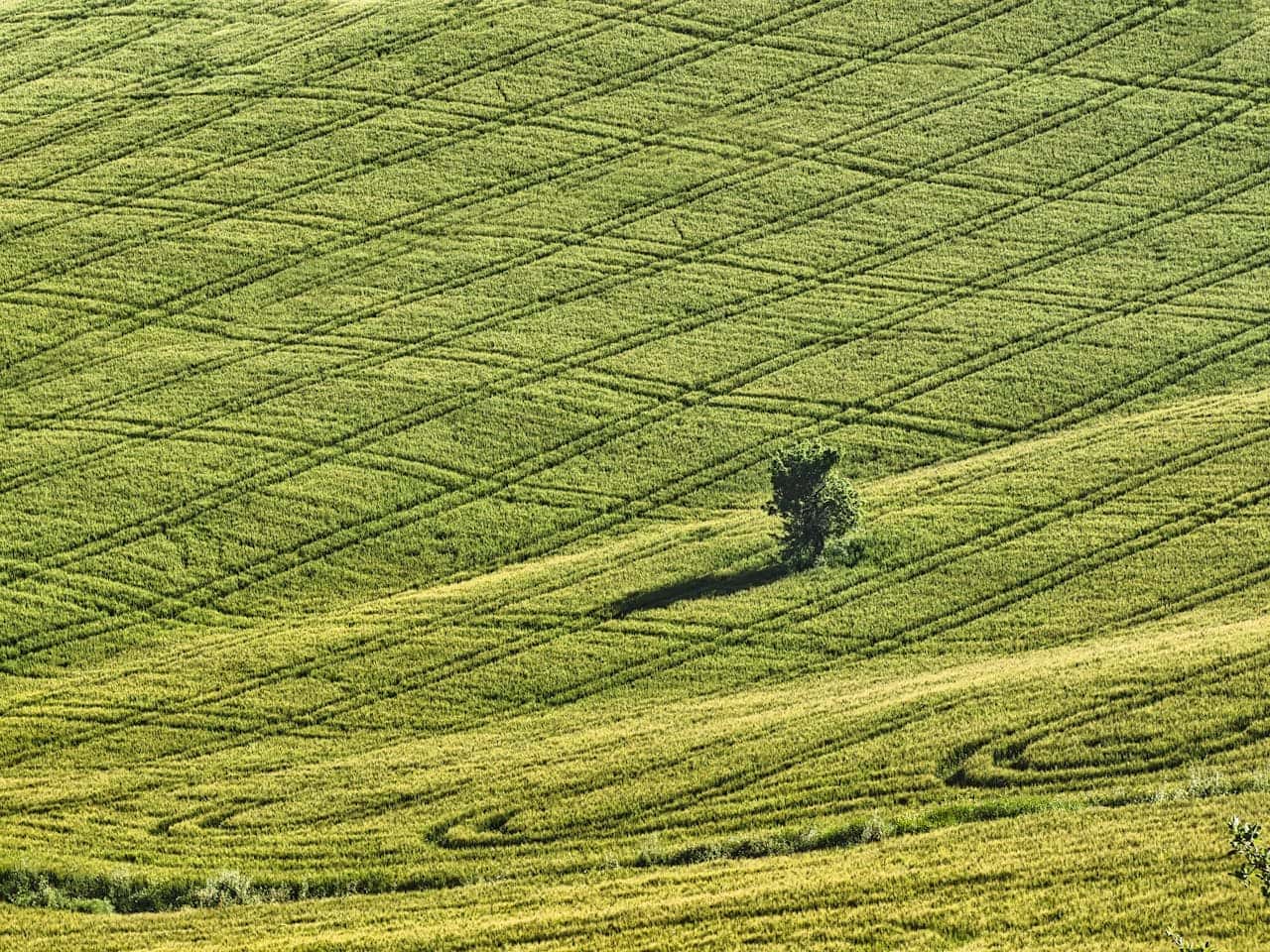
Checkerboard grass patterns may seem fun at first, but they often look outdated quickly. They rely on artificial turf, which can feel less natural in your garden.
Maintaining the sharp edges between squares is tricky, and the design can limit plant variety. If you want a fresh look, consider more organic, mixed planting instead.
Gravel-Heavy Gardens
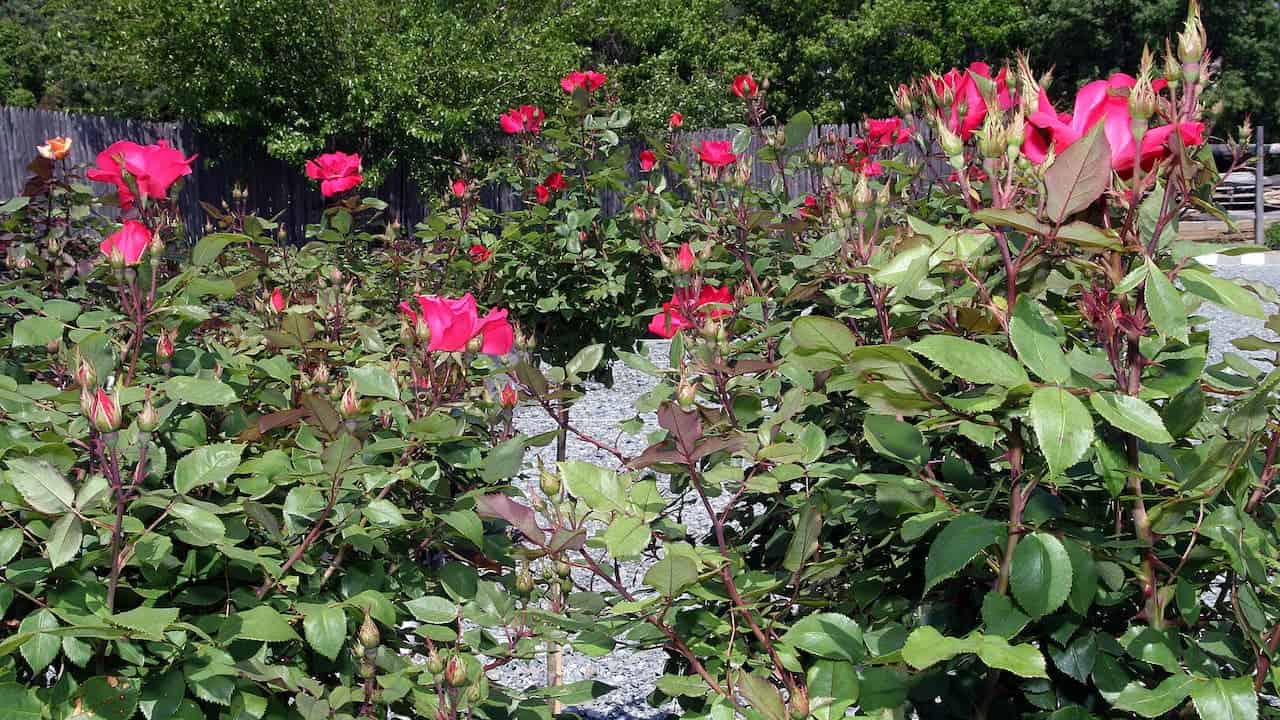
If your garden is mainly covered with gravel, it might feel a bit harsh and lifeless. Gravel-heavy gardens can limit plant growth and reduce natural soil health.
You can refresh your space by adding more greenery or mixing in natural materials. This change helps create a more inviting and balanced outdoor area.
Low-Maintenance Gardens with Excessive Paving
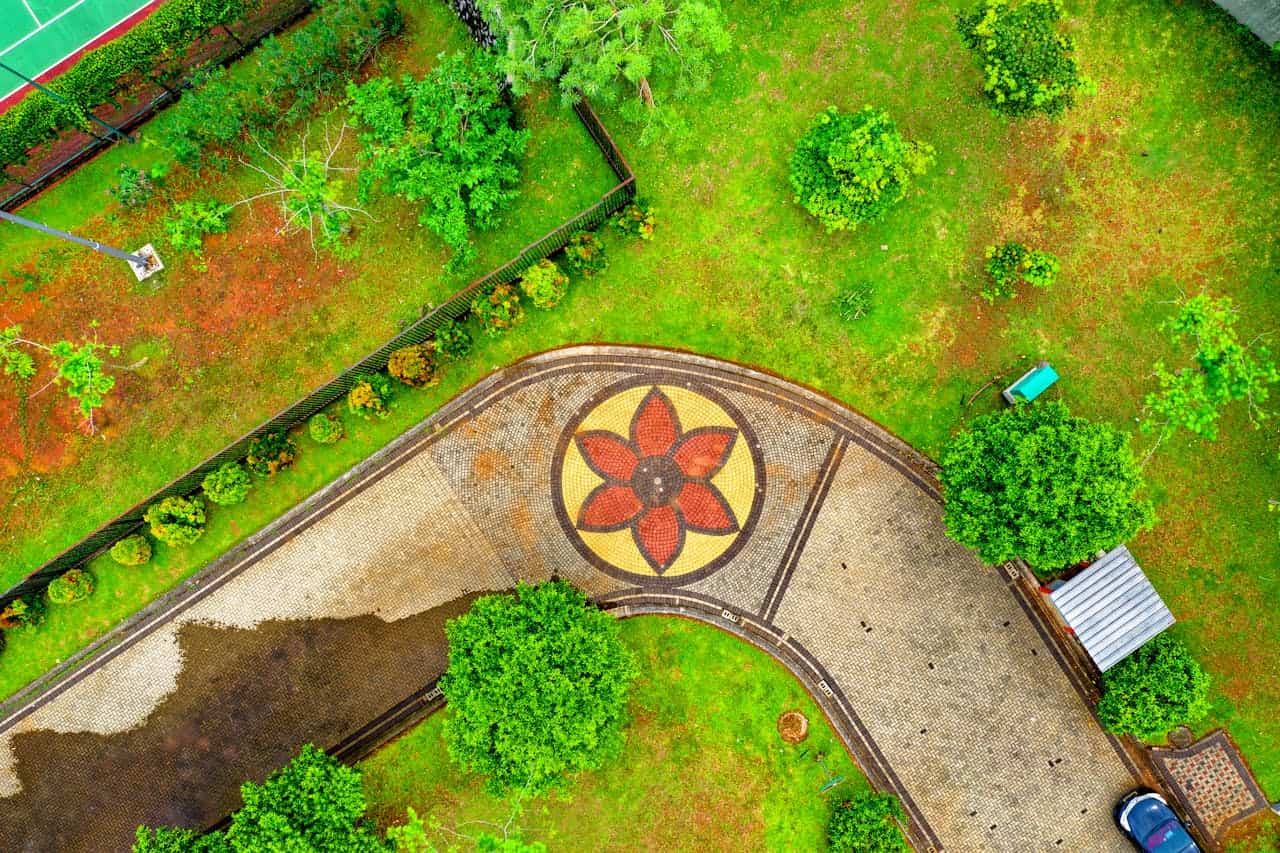
If your garden is mostly covered in paving, it can feel cold and uninviting. Too much hardscape reduces space for plants and wildlife.
You might think paving means less work, but it also limits the natural beauty your garden can offer. Try balancing paving with more green areas to keep things lively and fresh.
Matching Outdoor Furniture Sets

You might think matching outdoor furniture sets make your space look coordinated. However, this trend often feels outdated and lacks personality.
Mixing different styles and materials can create a more inviting and unique look. Avoid plastic wicker sets that have become less popular among designers in 2025.
Instead, focus on comfort and durability to make your outdoor area both stylish and functional.
Themed Seasonal Decor

You might be tempted to fill your yard with themed seasonal decorations every few months. However, this can quickly make your outdoor space feel cluttered and inconsistent.
Instead, focus on decor that complements your landscaping year-round. Simple, natural elements work best and create a cohesive look without constant changes.
All-Gray Color Palettes

Using an all-gray color palette for your landscaping can make the space feel dull and uninspired. Your outdoor area benefits from a mix of colors and textures to bring warmth and interest.
Try adding plants with different shades of green, or introducing natural wood tones. This creates a more inviting and lively environment for you to enjoy.
White Gravel Ground Cover
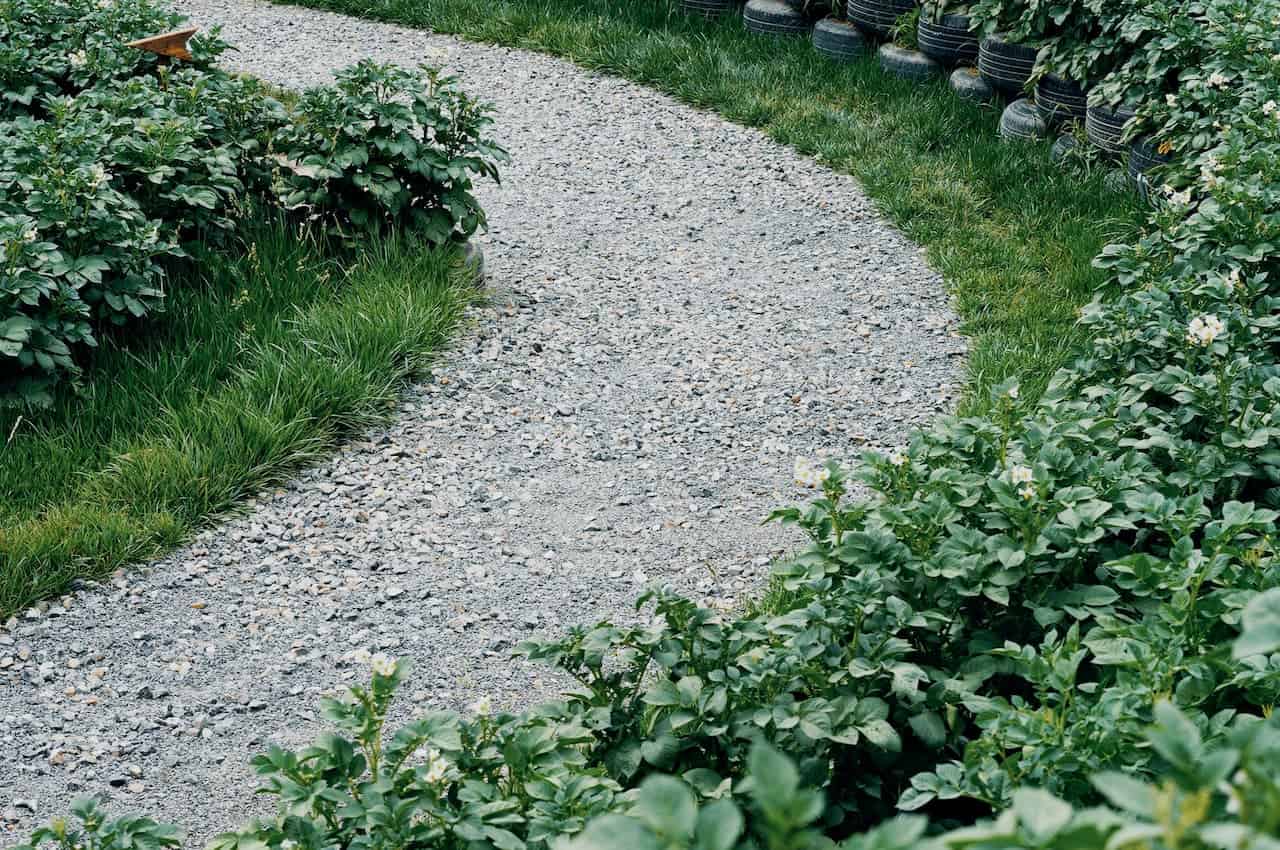
Using white gravel as ground cover might seem clean and modern, but it often looks dated. It can be harsh on the eyes and contrasts awkwardly with natural plants.
You may also find gravel gets stuck in shoes and tracks inside your home. It requires frequent raking to keep it looking neat, which adds to maintenance.
Consider alternatives like native ground covers or ornamental grasses for a softer, more natural look.
Overgrown Plantings That Overwhelm the Space

When plants grow too large or crowd each other, they can make your yard feel cluttered and uninviting.
You want your landscape to breathe, so avoid planting too densely. Trimming and shaping plants regularly helps keep things neat.
If your garden feels chaotic, consider removing some plants or replacing them with smaller, well-spaced ones to create balance.
High-Maintenance Exotic Plants

You might want to skip high-maintenance exotic plants like bamboo, English ivy, and sunchokes. These plants can quickly take over your garden and need constant attention.
Roses and trumpet vines also require a lot of care to keep them healthy. Choosing easier, low-maintenance plants will save you time and effort in the long run.
Borders Packed with Annual Bedding Plants
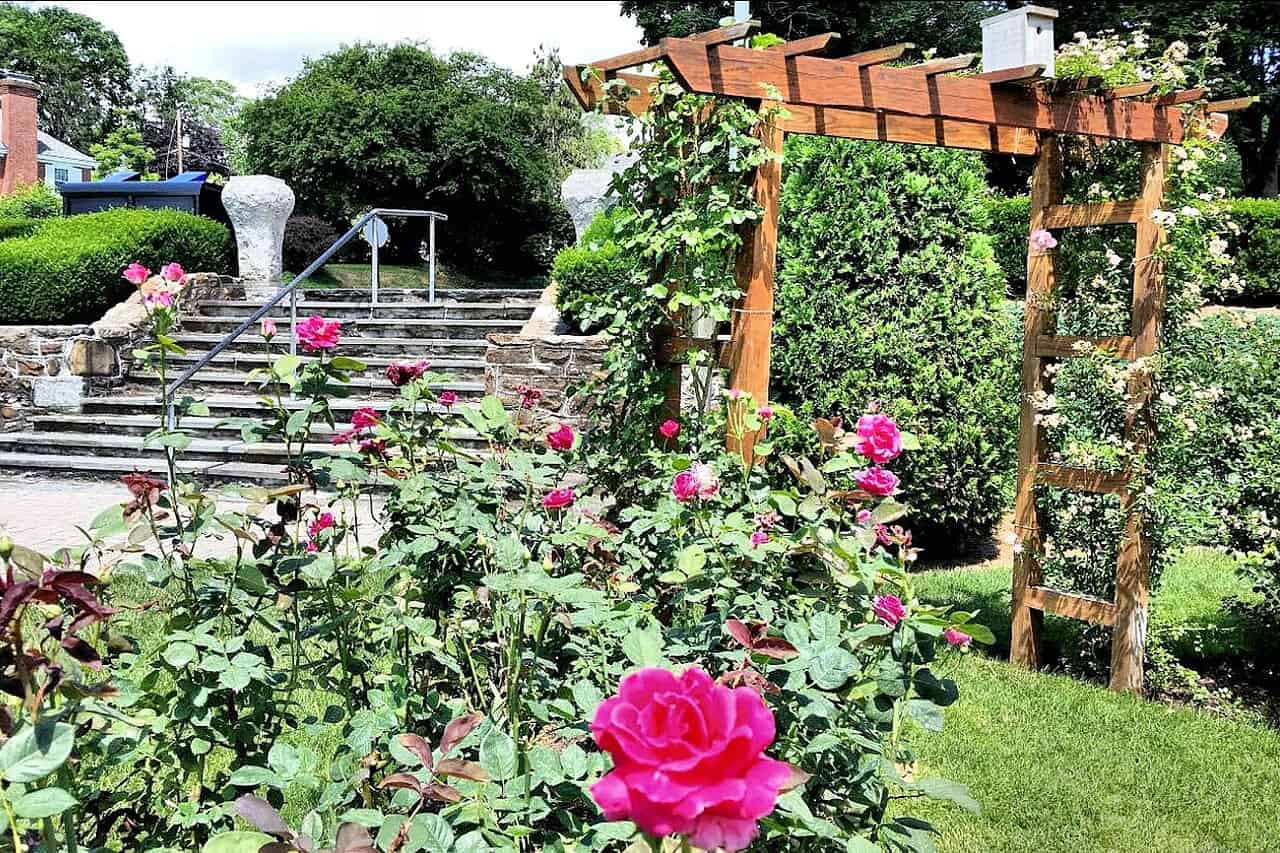
If your garden borders are filled only with annual bedding plants, you might want to rethink this approach. These plants require frequent replanting and can increase your maintenance time.
Instead, consider mixing in perennials or native plants. They provide more lasting structure and can reduce the need for constant replacement while still adding color.
Groundcover That Takes Over Entire Beds
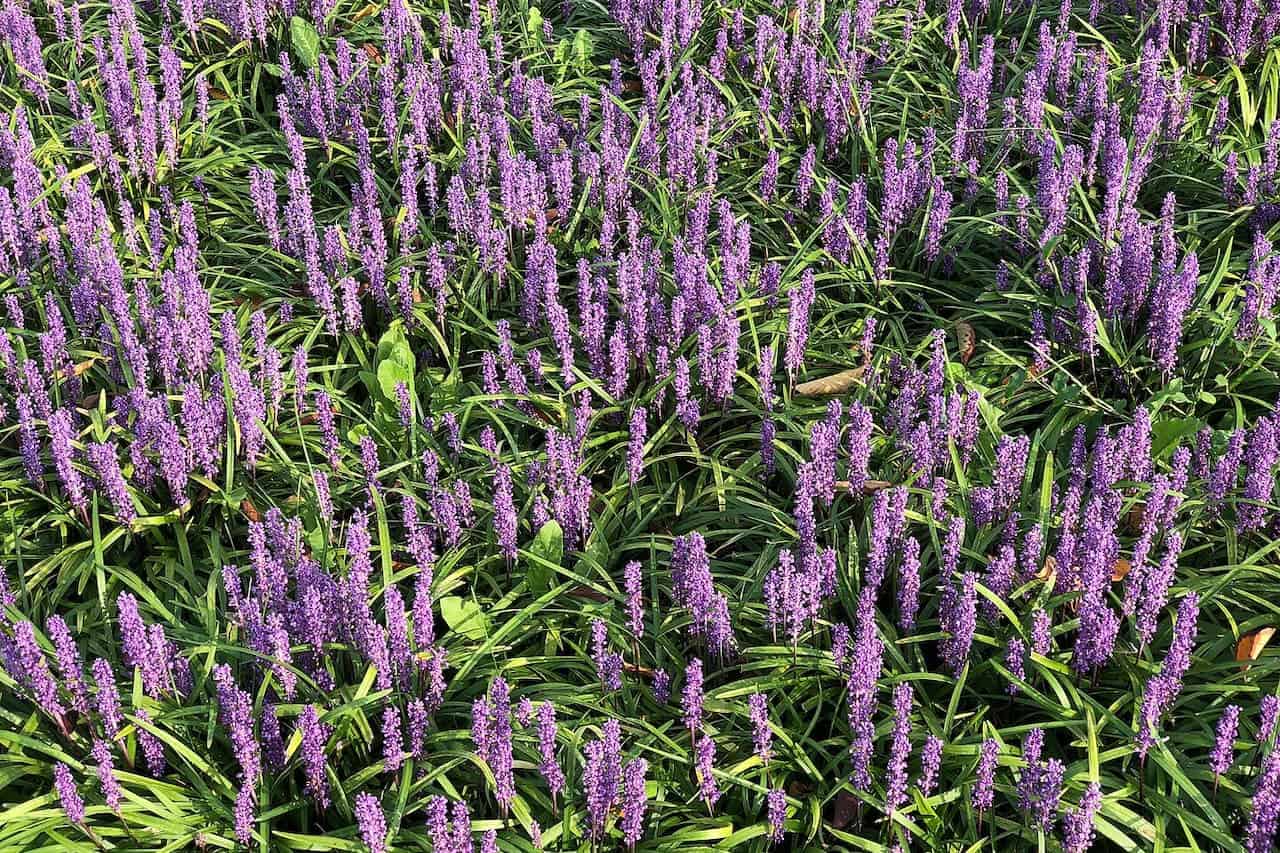
When you use aggressive groundcovers, they can quickly crowd out other plants in your beds. This often leads to a lack of variety and a messy appearance.
You want to avoid plants that spread uncontrollably, as they become difficult to manage. Instead, choose groundcovers that stay contained and complement your landscape without taking over.
Dyed Mulch Instead of Natural Mulch
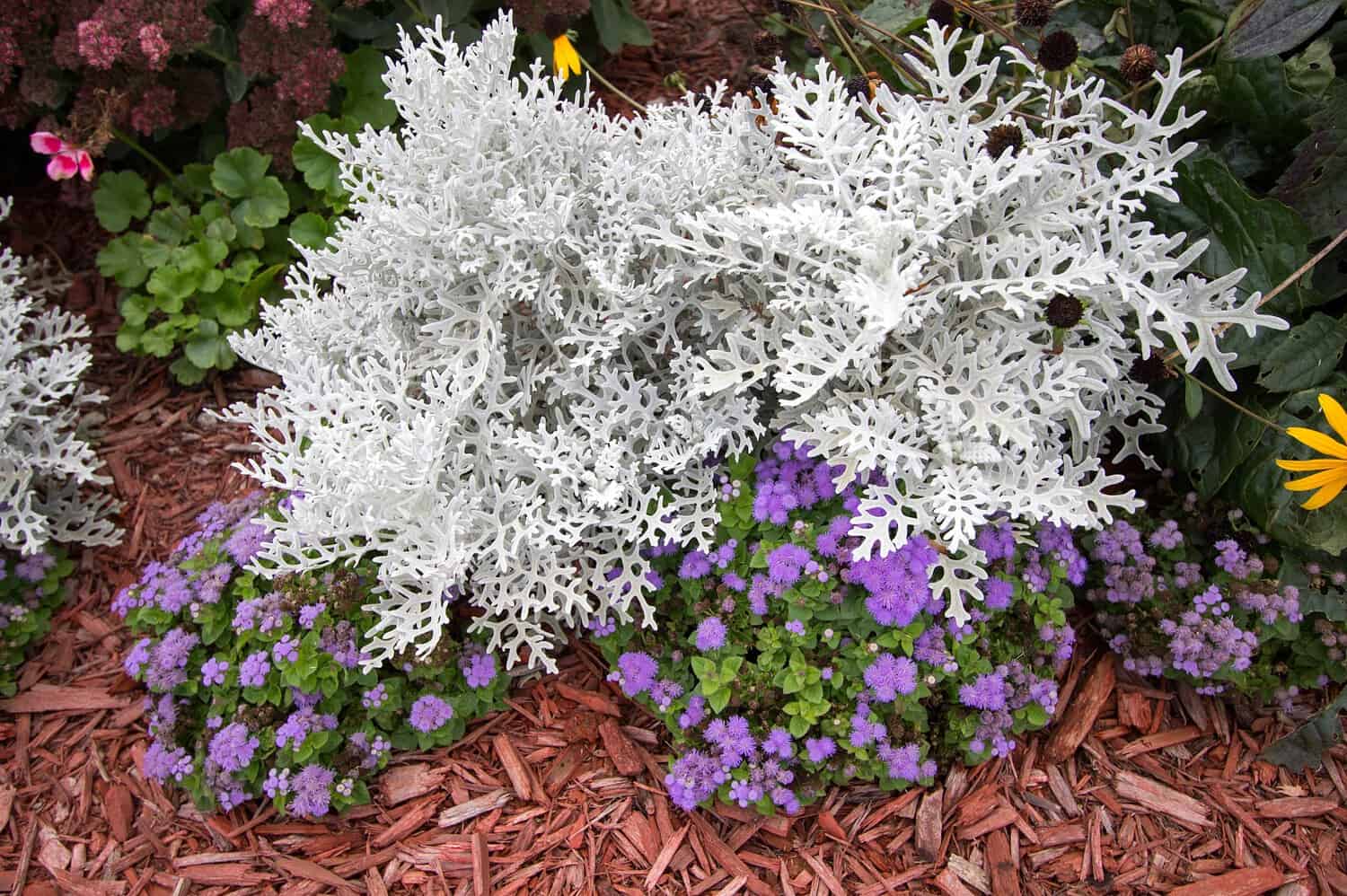
If you use dyed mulch, be aware it tends to fade quickly and may need frequent replacement.
It can also absorb more heat, which might dry out your plants faster than natural mulch.
Natural mulch is a safer choice for the environment and helps retain moisture without added chemicals. Consider switching to keep your garden healthy and low maintenance.
Neglecting to Replace Old Shrubs and Perennials

If you ignore your old shrubs and perennials, your garden can quickly look tired and unkempt. Over time, plants lose their shape and vitality, making your space less inviting.
Replacing or refreshing these plants keeps your landscape vibrant. It also gives you a chance to try new varieties that might suit your garden better. Regular updates prevent your yard from feeling outdated.
Cheap Plastic Garden Ornaments

If you’re using cheap plastic garden ornaments, it might be time to rethink them. They often look artificial and can fade or break quickly.
Your garden deserves decorations that last and fit naturally. Consider switching to materials like wood or stone for a more timeless, authentic feel.
Excessive Use of Statues

If your yard is filled with too many statues, it can feel cluttered and overwhelming. You want your outdoor space to feel open and inviting, not crowded.
Try to be selective with statues. A single well-placed piece can add charm, but too many can distract from your natural landscaping.
Overuse of Topiary Sculptures

If your garden is crowded with too many topiary sculptures, it can feel overwhelming and unnatural. These shapes work best when used sparingly to create focal points, not dominate the space.
Too many intricate forms can also demand constant maintenance. You might find it becomes more work than enjoyment. Keep it simple to let your plants and garden design breathe.
Excessive Use of Concrete Patios
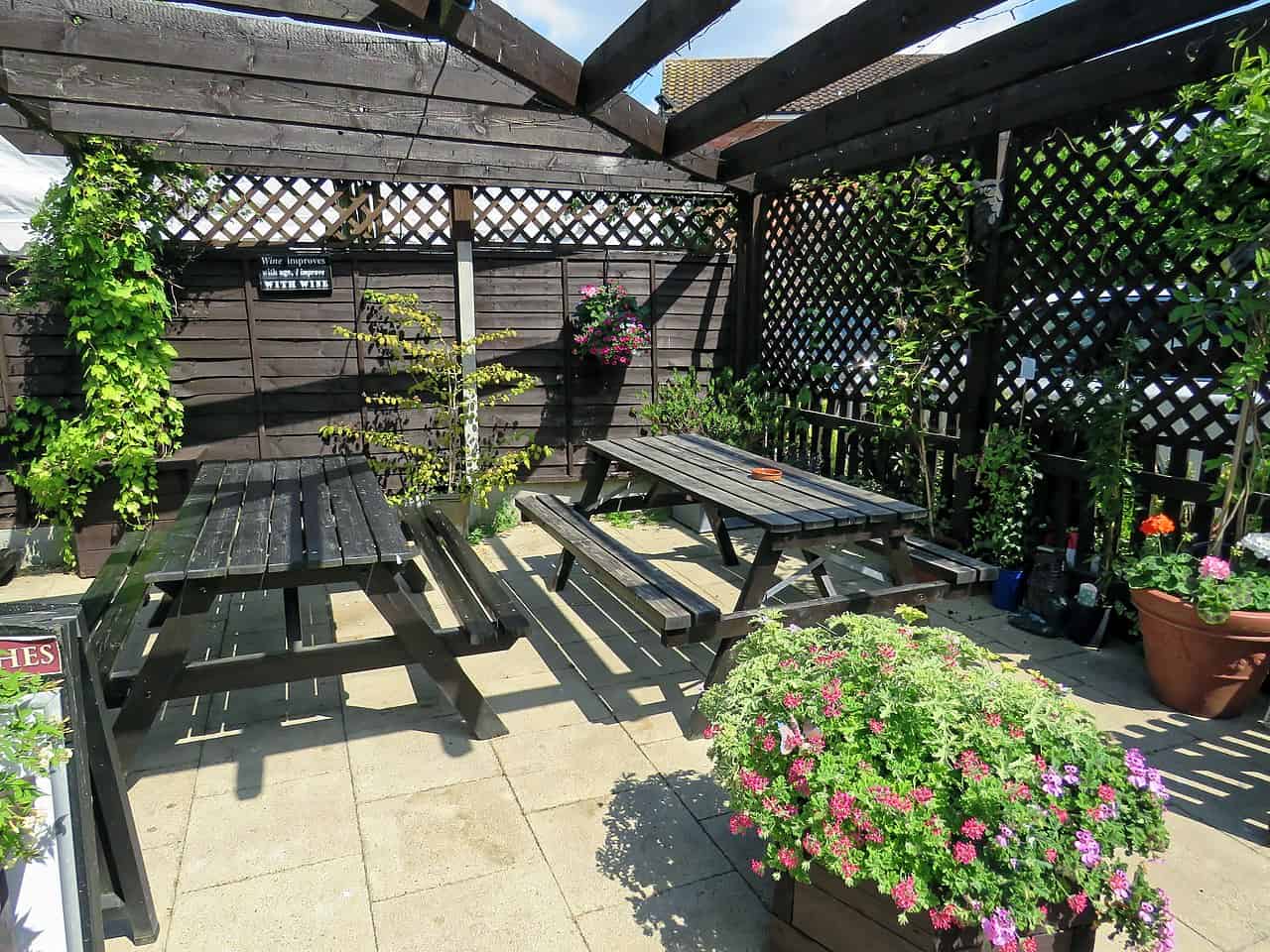
If your patio is mostly concrete, it might feel cold and uninviting. Large concrete areas can limit greenery and texture, making your outdoor space less interesting.
Consider mixing materials like wood, stone, or plants to add warmth and personality. This helps create a more balanced and welcoming area for you and your guests.
Artificial Flowers in Garden Beds

Using artificial flowers in your garden beds might seem like a low-maintenance option. However, they don’t support local pollinators like bees and butterflies.
Choosing real flowers helps create a healthy environment for these important insects. Plus, natural plants change with the seasons, adding true life and variety to your garden.
Forms with Too Much Symmetry

When your landscaping is overly symmetrical, it can feel too predictable and lack personality. You want your garden to invite interest, not look like a copy-paste project.
Try mixing shapes and sizes instead of repeating the exact pattern on both sides. A bit of asymmetry adds charm and makes your space feel more natural and inviting.
Excessive Use of Boxwood as a Hedge
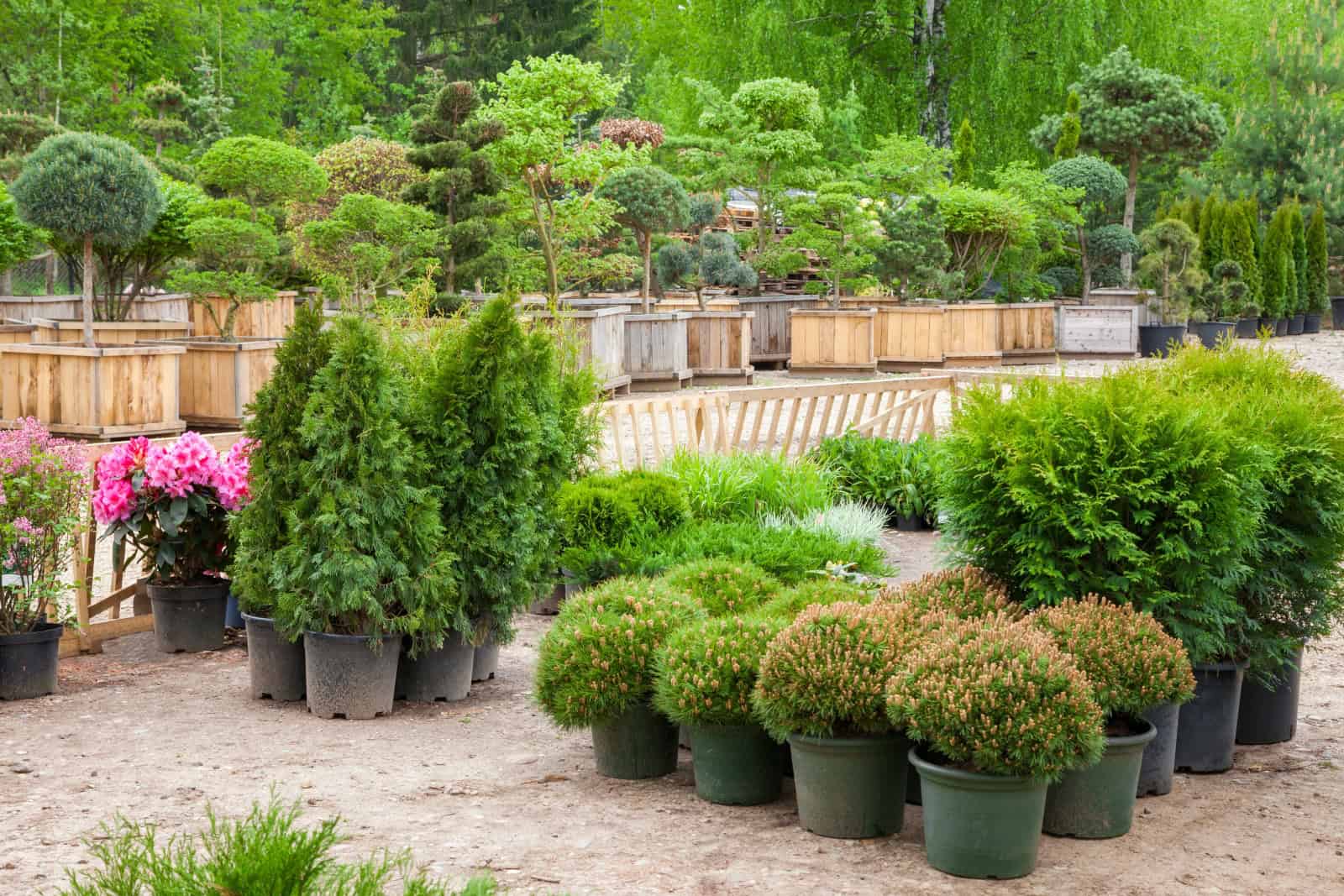
If your yard is lined with perfectly sculpted boxwood hedges, it might feel a bit outdated. These hedges were once popular for their neat look, but now they can make your landscape seem stiff and less natural.
Boxwoods also need frequent pruning to stay tidy. If you want a more modern feel, try mixing in different plants or letting shrubs grow freer.
Constantly Mowed Perfectly Edged Borders

You don’t need to keep your borders perfectly trimmed all the time. Overly manicured edges can look unnatural and require a lot of effort.
Allowing some natural growth can add charm and reduce maintenance. It makes your garden feel more relaxed and inviting, not stiff or overly controlled.
Overuse of Solar Garden Lights

You might think solar garden lights are a simple, eco-friendly solution. However, using too many can create uneven lighting and reduce their effectiveness.
Many solar lights have limited brightness and run time. Placing too many can make your yard look cluttered instead of inviting.
To avoid this, use solar lights strategically. Focus on key areas like pathways or focal points for subtle, useful illumination.