Weeds can quickly take over your garden, making it look messy and requiring constant upkeep. Using ground covers is a smart way to keep weeds at bay without spending hours pulling them out.
Ground covers work by filling in empty spaces, making it hard for weeds to get established and grow. Choosing the right plants can help you maintain a healthier, cleaner garden with less effort on your part.
Advertisement
Creeping Thyme
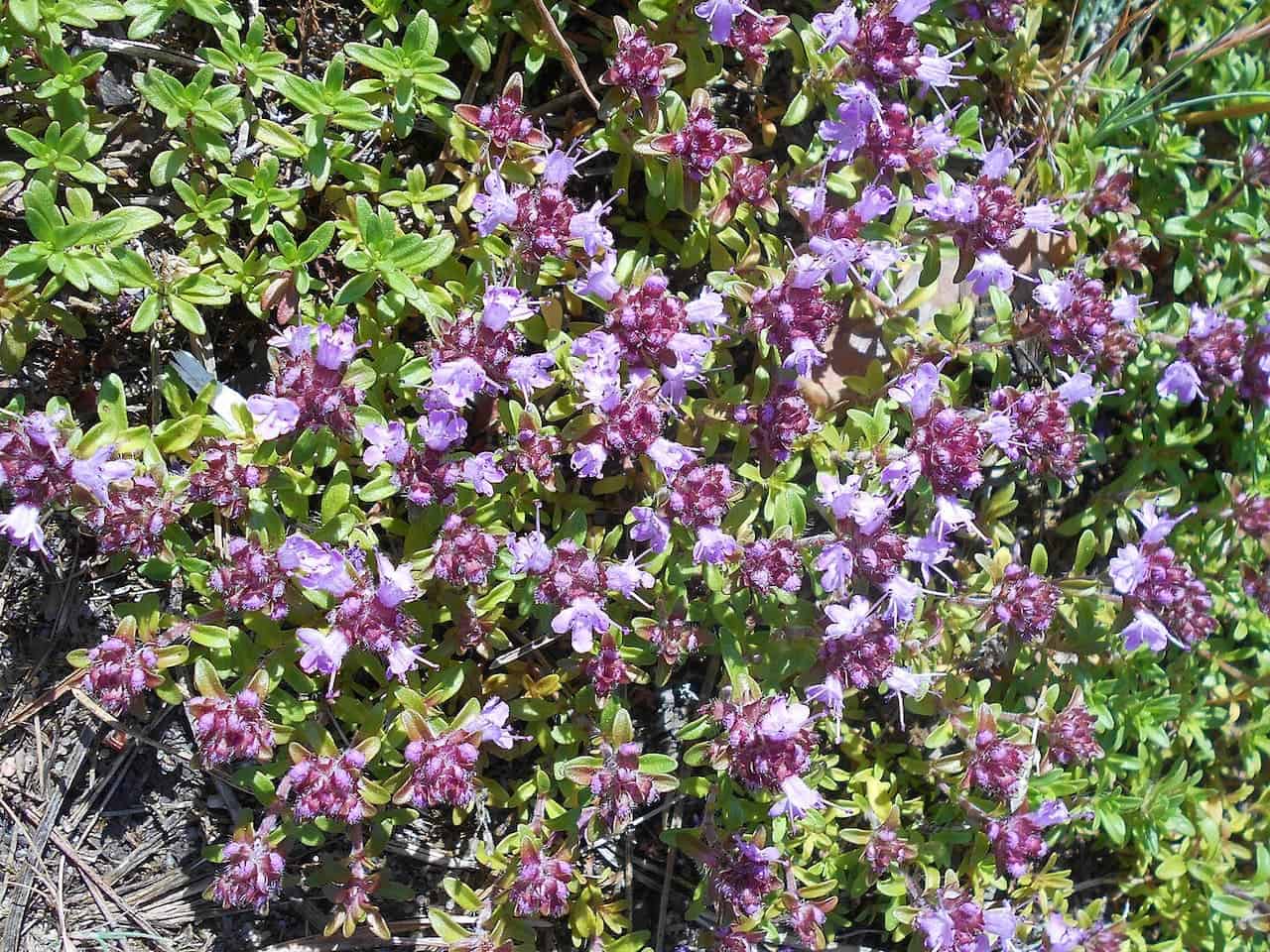
Creeping thyme is a low-growing ground cover that spreads nicely, helping to block out weeds. You’ll want to plant it in well-draining soil and a sunny spot for best results.
It’s drought-tolerant and doesn’t need much care once established. Keep in mind, its growth is a bit loose, so some weed seedlings might still sneak through.
Mazus reptans (Creeping Mazus)
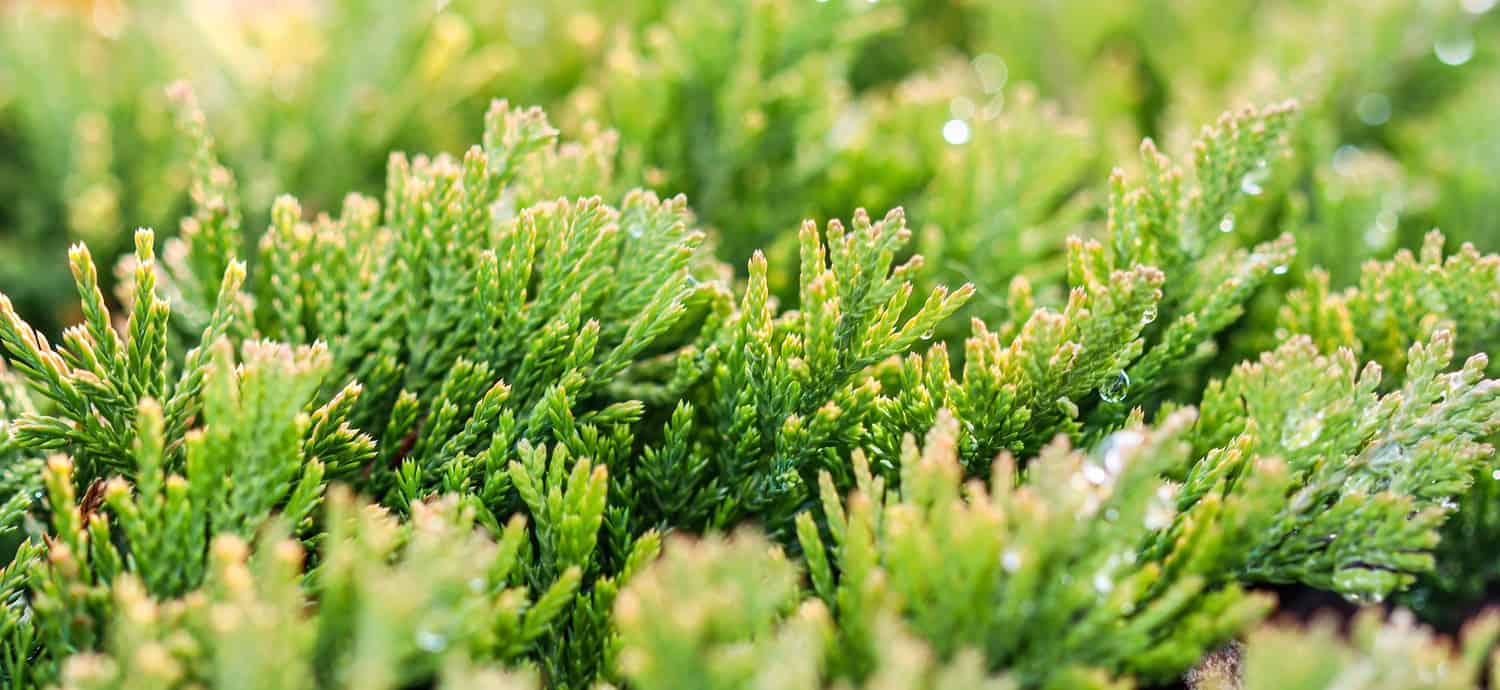
If you’re looking for a low-maintenance groundcover, Mazus reptans is worth considering. It creates a dense mat, helping to crowd out weeds in your garden.
This plant has small purple flowers that bloom through spring and summer. It spreads quickly but stays low, making it a good option for filling in bare spots.
Dead Nettle
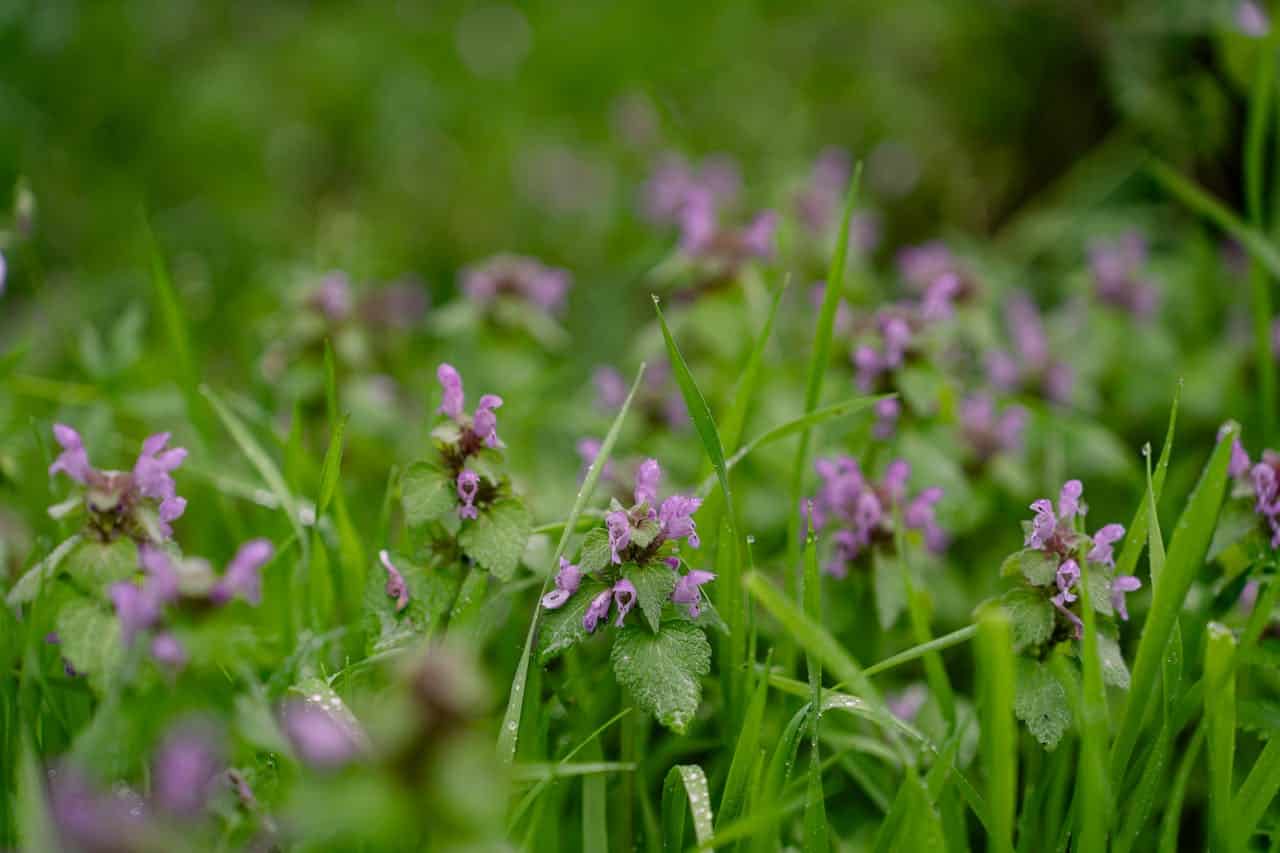
Dead nettle is a great choice if you want a low-growing plant that spreads quickly. It forms a dense mat, which helps crowd out weeds in shady or semi-shady spots.
You’ll like its heart-shaped leaves and the fact that it stays green in mild winters. Just keep in mind, it can spread aggressively, so you might need to manage it a bit in your garden.
Liriope
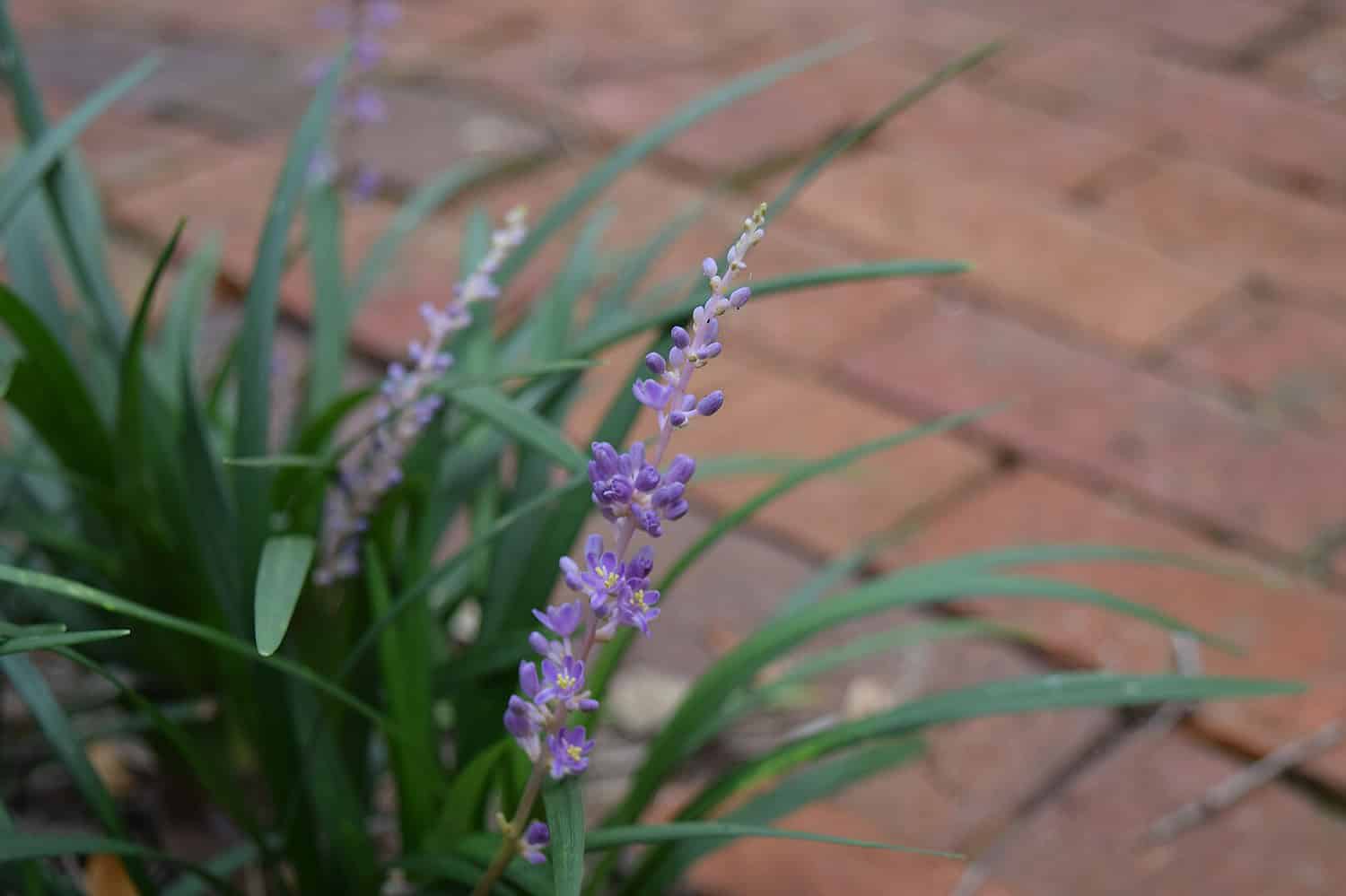
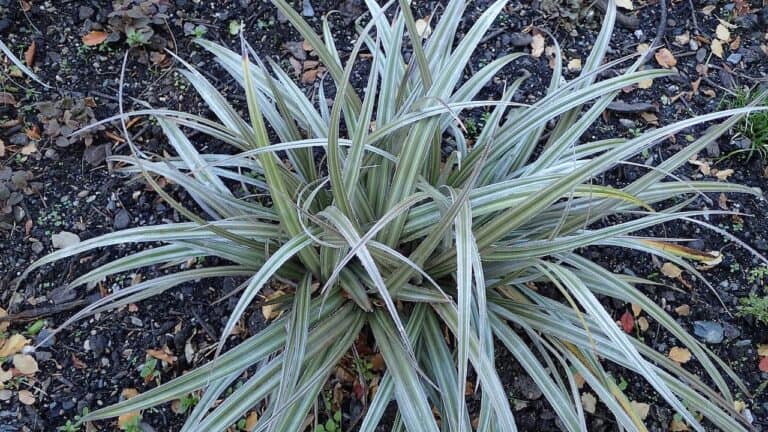
If you want a low-maintenance plant to keep weeds down, Liriope is a solid choice. It grows in clumps with tall, grass-like leaves that shade out thirsty weeds.
You can use it on slopes or tough spots where grass struggles to grow. It also helps with erosion control, making it practical for stubborn areas. For more details, check out this Liriope guide.
Comfrey
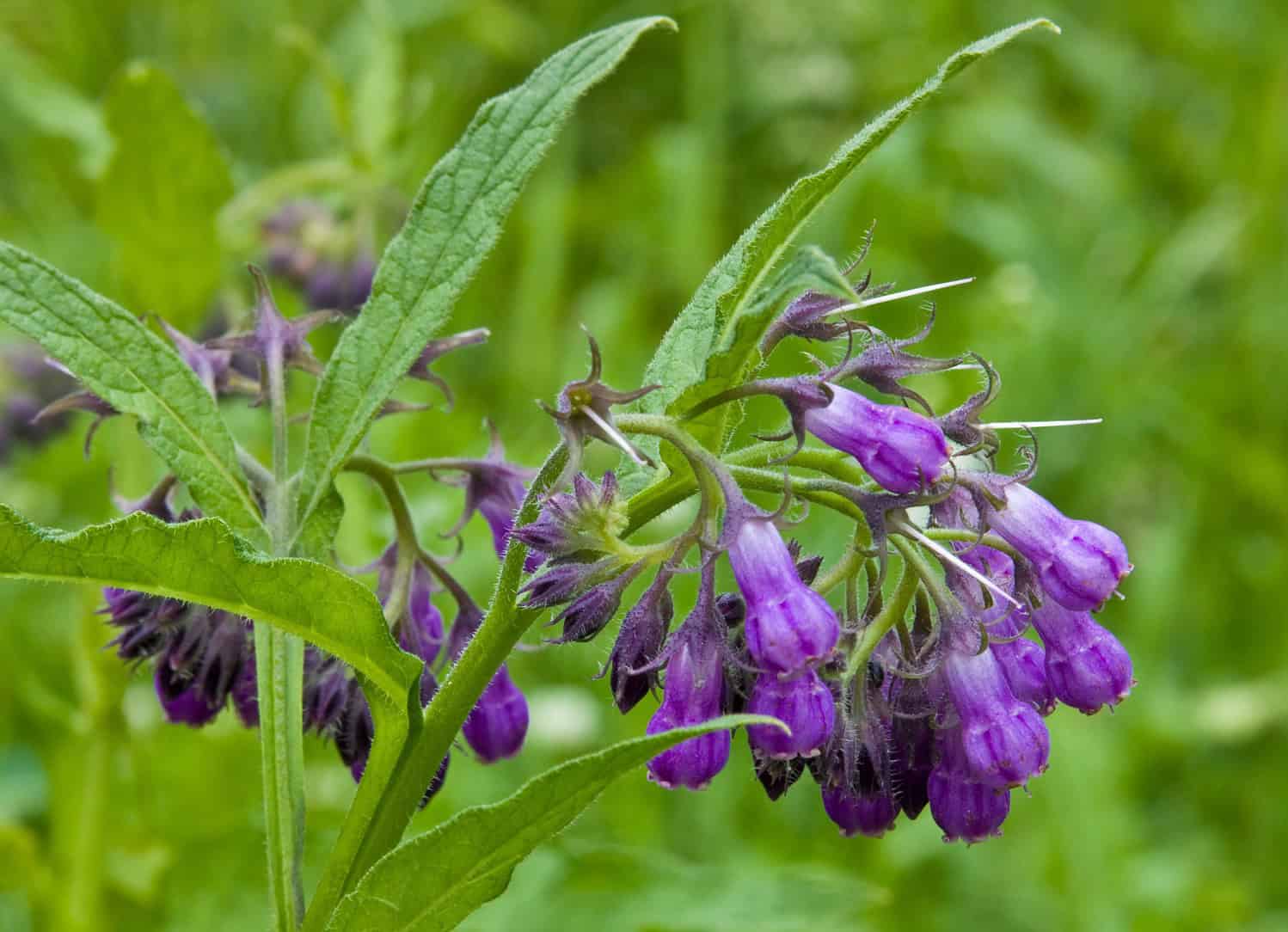
If you want a ground cover that grows fast and crowds out weeds, comfrey is a solid choice. Its large leaves spread quickly, creating a thick mat that blocks sunlight from unwanted plants.
Comfrey also helps improve your soil and can be used as a mulch or compost ingredient. It’s low-maintenance once established and can even provide some edible benefits for your garden. More details about comfrey’s uses are available at Thrive Lot.
Creeping Phlox
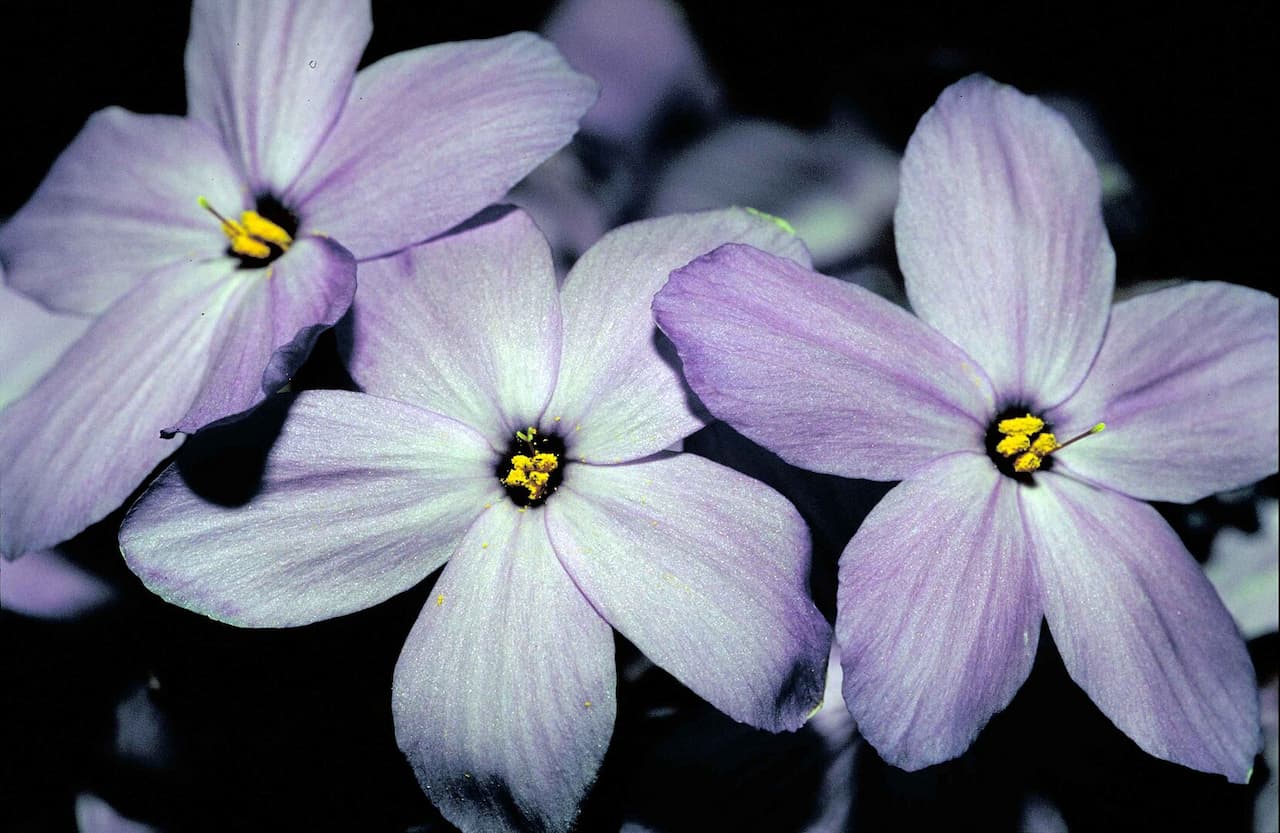
If you want a quick way to cover bare spots, creeping phlox is a solid choice. It spreads fast and creates a carpet of flowers that helps keep weeds at bay.
This ground cover grows close to the soil, which makes it harder for weeds to take root. Plus, it adds a nice splash of color when it blooms each spring. You can learn more about how creeping phlox works in your garden here.
Bugleweed
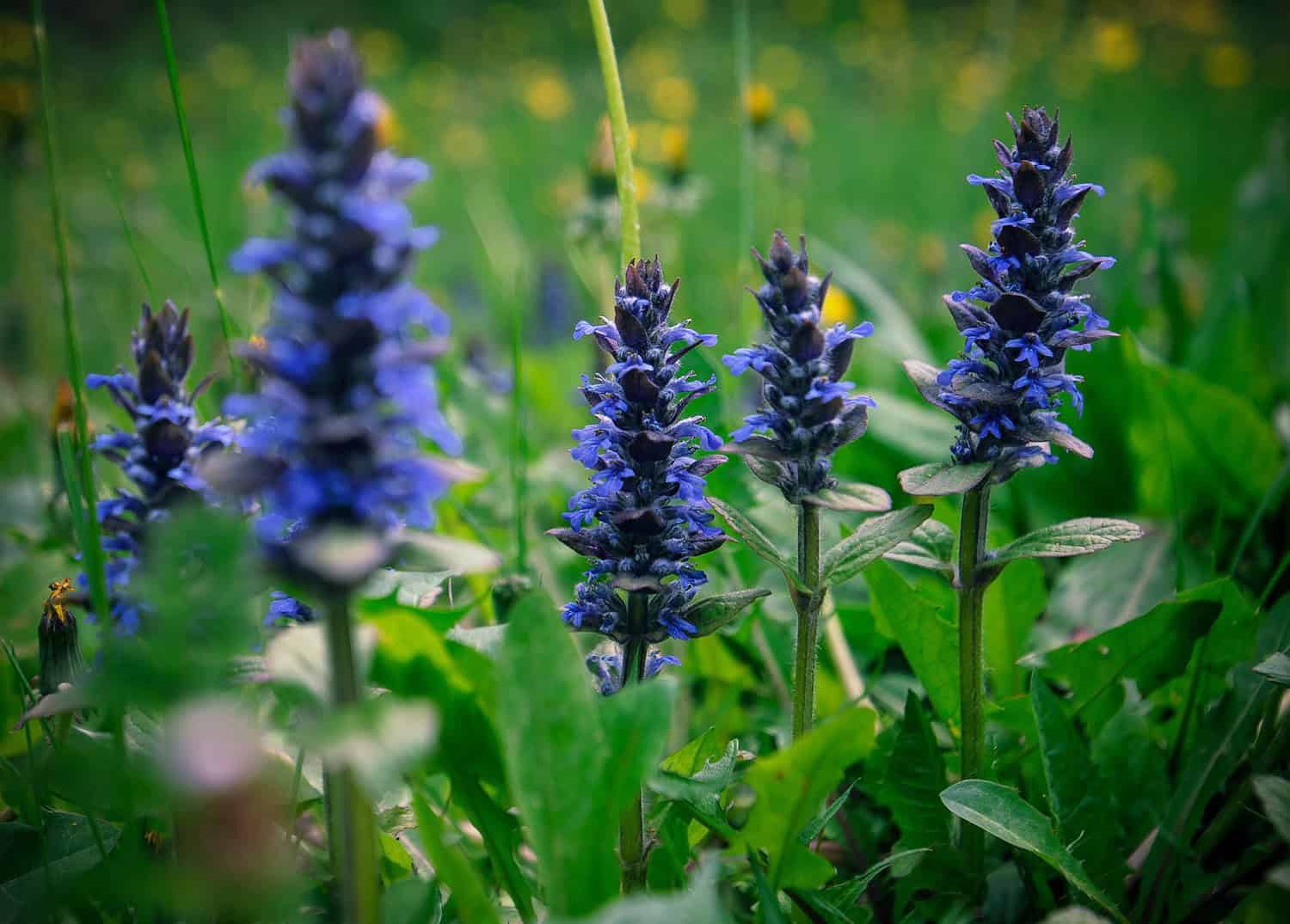
If you want a ground cover that quickly fills in, bugleweed is a solid choice. It spreads steadily, not too fast or slow, making it easy to manage.
You’ll like how it crowds out weeds with its dense growth and pretty purple-blue flowers in spring. It works well in shady spots too. For more details, check out this bugleweed ground cover guide.
Angelina Sedum

Angelina sedum is a great option if you want a low-growing plant that spreads quickly. It stays around 3 to 4 inches tall, helping to block weeds by forming a dense mat.
You can grow it in various light conditions, and it works well in different soil types. Once established, it requires very little care and adds a nice splash of color to your garden.
Vinca Minor (Periwinkle)
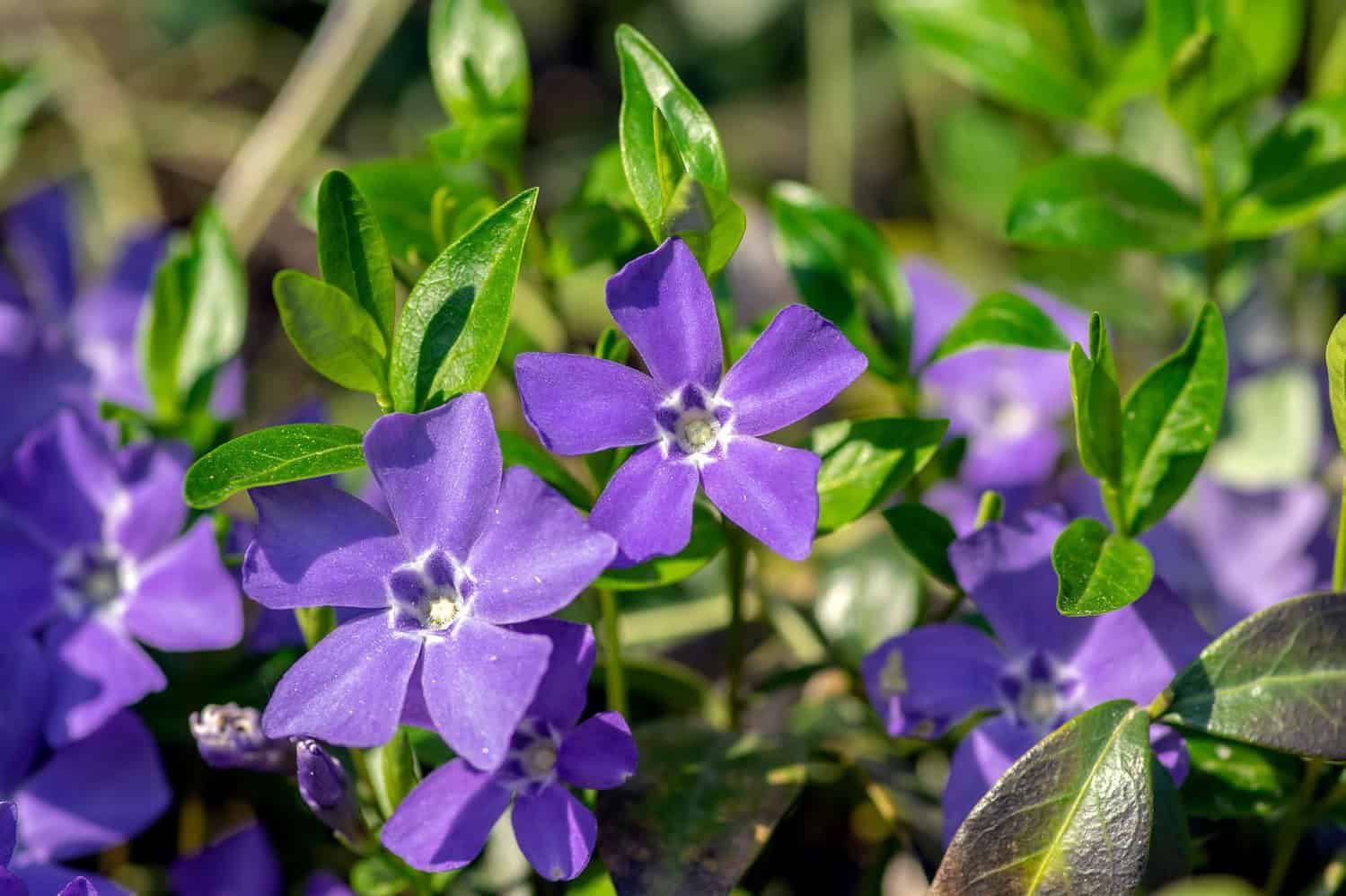
If you need a low-growing, evergreen ground cover, Vinca Minor might be a good pick. It spreads fast by rooting at stem joints, helping to block weeds.
It does well in shady spots and is great under trees. Just watch out—it can be invasive if it gets too comfortable. Learn more about Vinca Minor’s growth and care here.
Wooly Thyme

Wooly thyme is a great choice if you want a low-growing plant that naturally blocks weeds. Its dense, mat-like growth helps crowd out unwanted plants without much effort.
You can grow it in sunny spots, and it’s pretty tough with different soil types. Plus, it adds a soft texture to your ground cover. Check out more on wooly thyme here.
Red Thyme

If you’re looking for a low-growing plant that crowds out weeds, red thyme is a solid choice. It forms a dense mat close to the ground, leaving little room for unwanted plants to sneak in.
It’s soft underfoot, so it’s nice if you want something walkable. Plus, it’s pretty low maintenance and adds a splash of color with tiny flowers. For more on planting and care, you can check out this guide on red creeping thyme.
Lemon Thyme

Lemon thyme is a great ground cover if you want something low and fragrant. It grows close to the ground and spreads well, which helps block out weeds.
It’s also drought-tolerant, so you don’t have to water it much once established. Plus, those citrus-scented leaves add a fresh smell to your garden and can spice up your cooking too.
Daylilies

If you’re looking for a low-maintenance ground cover, daylilies are a solid choice. They spread well and create dense foliage that helps crowd out weeds.
Daylilies also add a splash of color with their vibrant blooms. Plus, they handle a variety of soil types and sunlight levels, making them very adaptable for your garden.
You’ll find them especially useful if you want something both practical and pretty. For more ideas on easy ground covers, check out Midwest Living’s list.
Hostas

If you want a low-maintenance ground cover, hostas are a solid choice. They grow dense and can shade out weeds pretty well.
Varieties like ‘Little Wonder’ and ‘Lemon Lime’ offer colorful leaves and fill in spaces quickly. Just watch out for aggressive ground covers nearby that might overwhelm them. For more details, check this Mini Hostas groundcovers guide.
Sedum
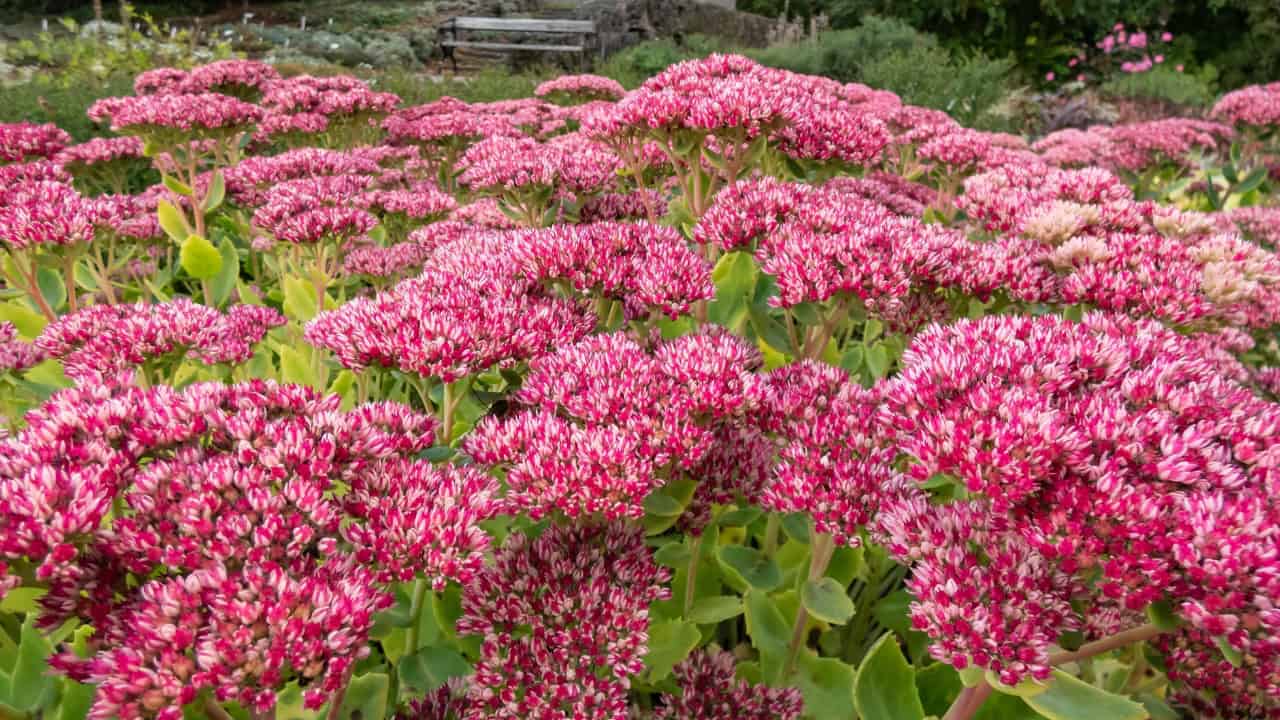
Sedum is perfect if you want low-maintenance ground cover that handles weeds well. It’s a succulent, so it doesn’t need much water or care.
You can find varieties like Dragon’s Blood or Angelina Sedum that spread nicely and stay low to the ground. They create a thick mat that helps keep weeds from taking over your garden.
Cedar Mulch

Cedar mulch is a solid choice if you want to keep weeds down without a lot of fuss. It naturally suppresses weed growth, so you don’t have to pull as many.
It also holds moisture in the soil, which helps your plants stay happy. Plus, cedar breaks down slower than other mulches, meaning it lasts longer and saves you time. For more details, check out cedar mulch’s benefits for weed control.
Ajuga
If you want a low-growing plant that quickly covers bare spots, Ajuga is a solid choice. It spreads slowly but steadily, usually sending out runners just a few inches at a time.
You’ll like how it chokes out weeds while adding a splash of purple with its flowers. Ajuga also helps improve soil health, making your garden happier overall. See more about its benefits on TN Nursery.
Sweet Woodruff
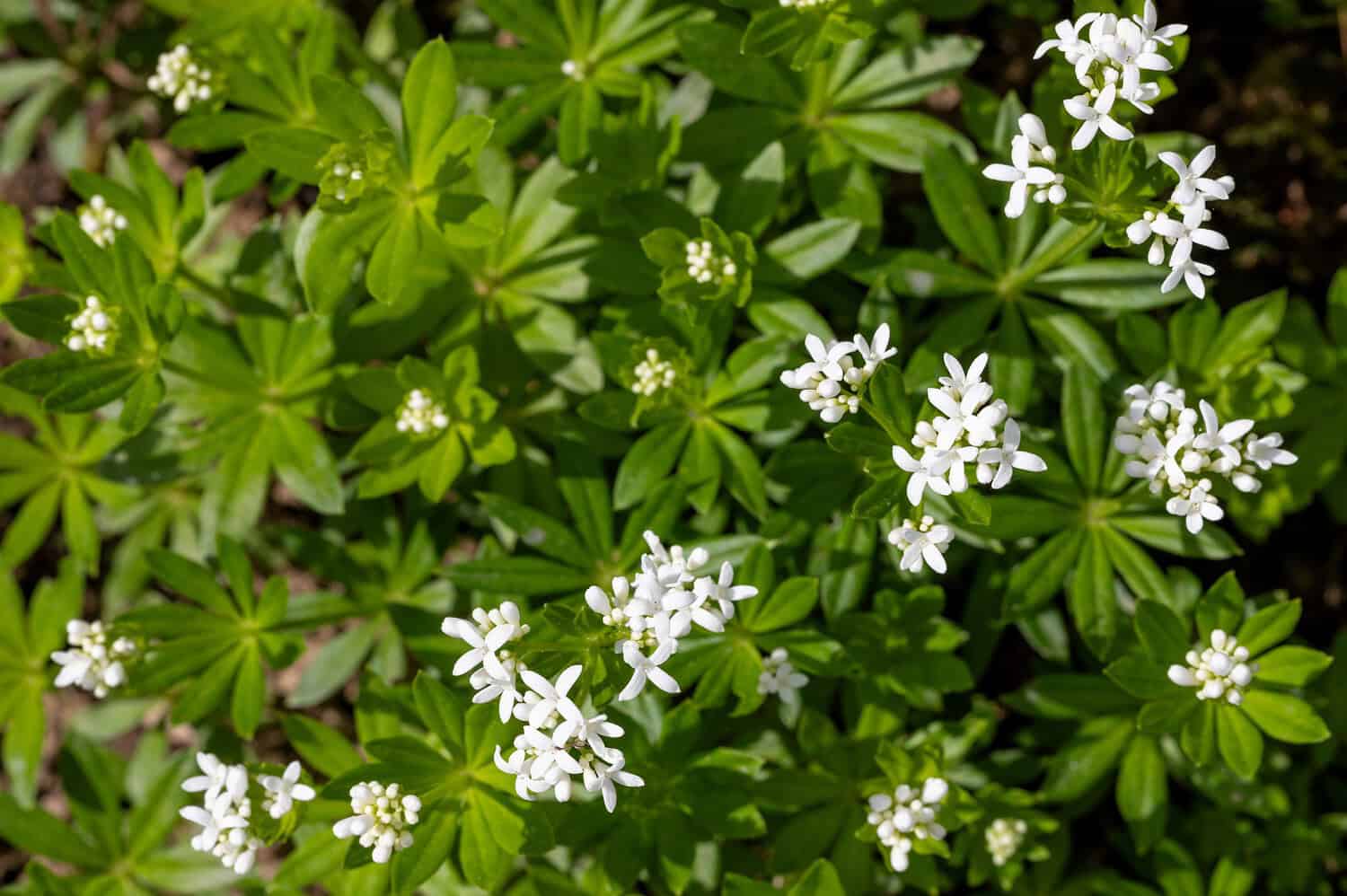
If you’re looking for a low-growing plant that does well in shady spots, sweet woodruff is a solid choice. It spreads slowly but eventually forms a nice mat that helps block weeds.
You’ll want to mulch around it to keep weeds down but avoid piling mulch right on the plant as it spreads. Besides looking good, it helps stabilize soil and keep moisture in your garden.
Candytuft
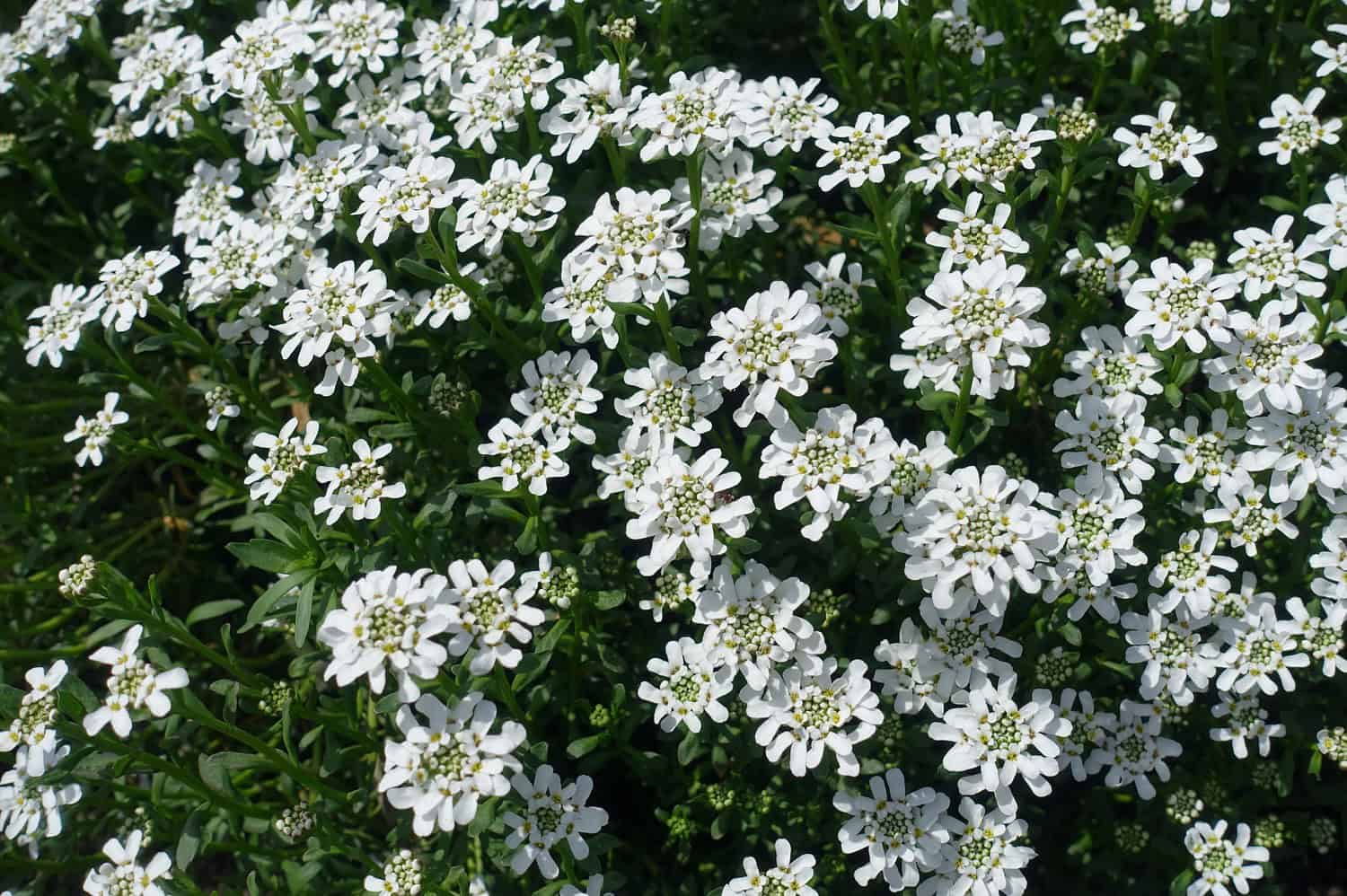
If you want a low-growing, attractive ground cover, candytuft is a solid option. It grows about 12 inches tall and produces white flowers in mid-spring. Its semi-evergreen leaves mean it stays green longer into the season, and you can trim dead blooms to keep it tidy.
Candytuft helps shade the soil to reduce weeds but won’t eliminate all perennial weeds on its own. Learn more about candytuft here.
Pachysandra
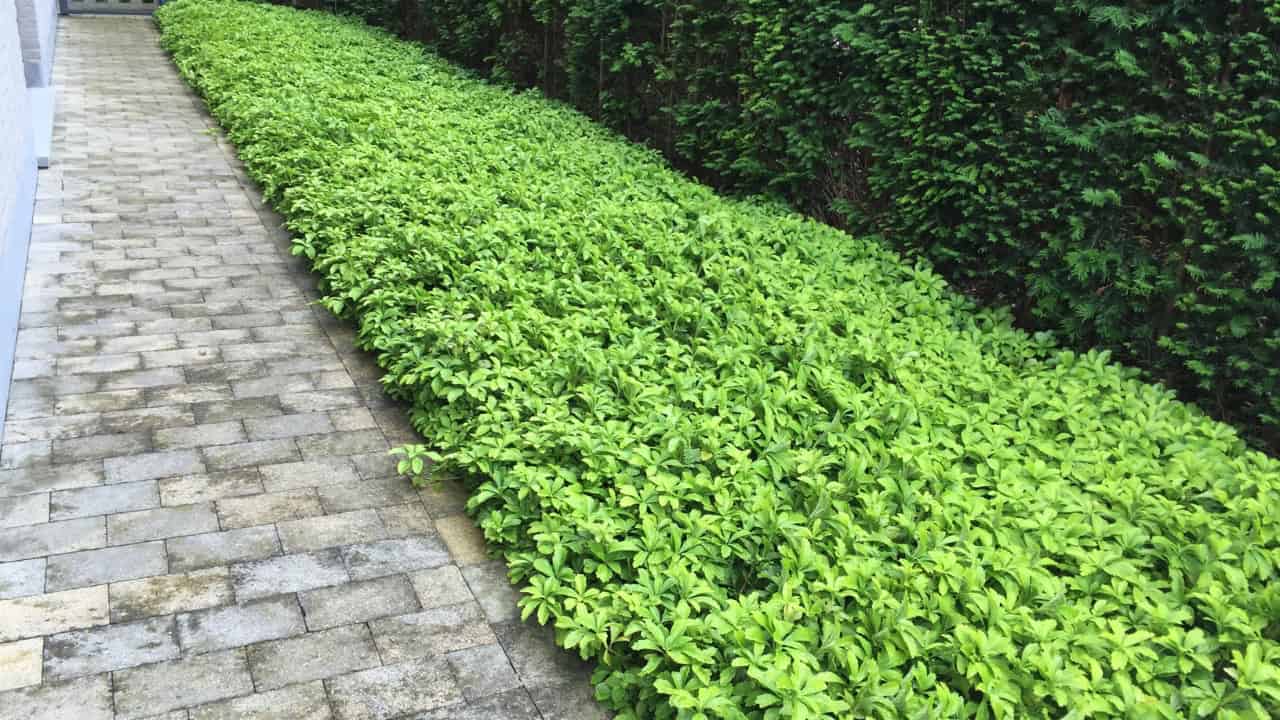
If you want ground cover for shade, pachysandra is a solid option. It spreads fast with underground runners, quickly filling in empty spaces.
You’ll probably need to keep an eye on it since it can get aggressive and crowd out other plants. But once established, it does a good job blocking weeds from taking over.
Sweet Alyssum
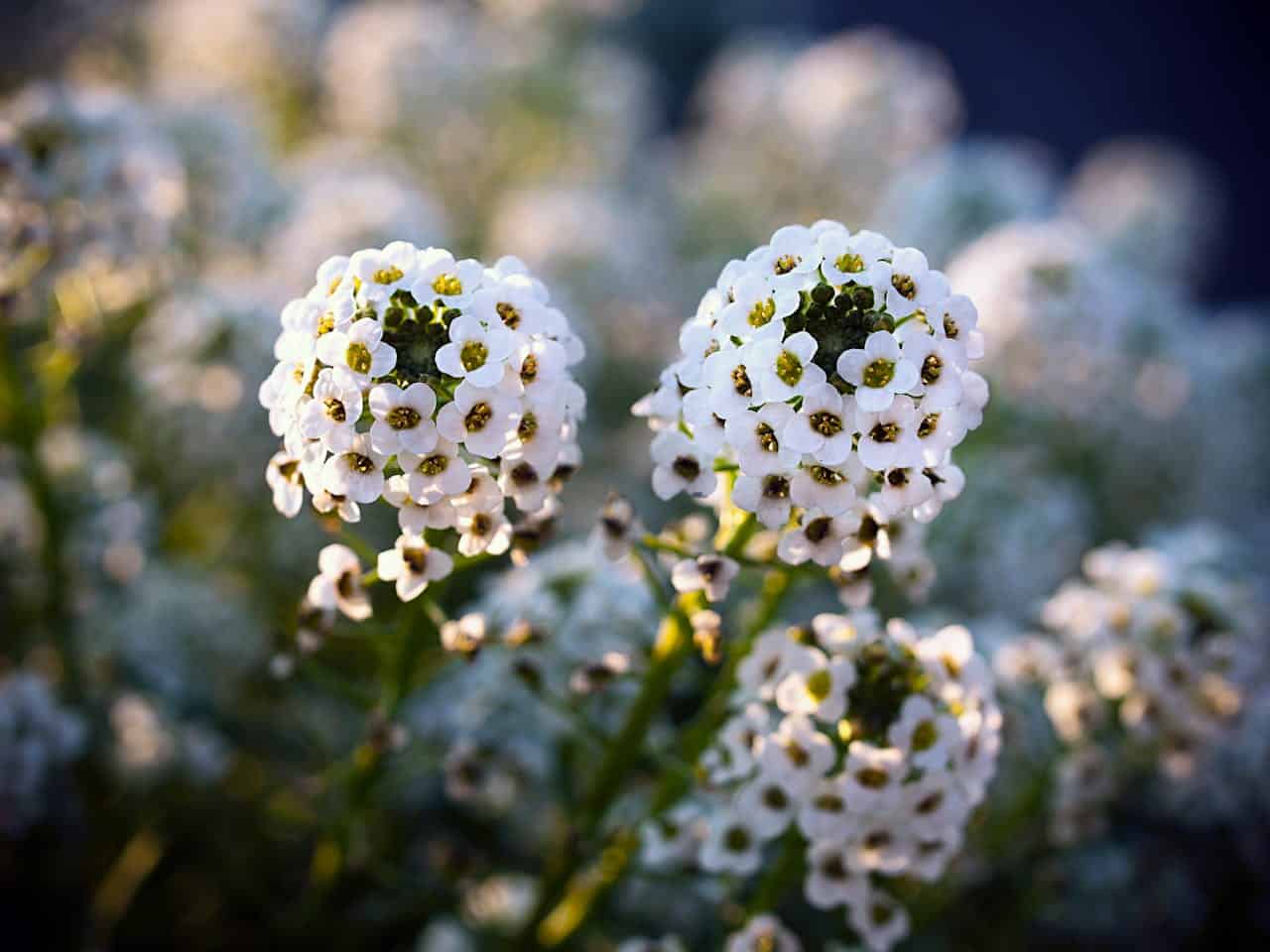
Sweet Alyssum is a low-growing plant that spreads quickly, making it great for covering bare spots. You’ll find it grows only about 3 inches tall but forms a dense mat that helps crowd out weeds.
It blooms with small, fragrant flowers, adding a bit of color while keeping weeds at bay. You can learn more about sweet alyssum as a groundcover here.
Corsican Mint

If you want an easy, low-growing ground cover, Corsican Mint is a solid pick. It forms a soft, green carpet that spreads slowly and won’t crowd out nearby plants.
It’s great for filling small spaces and helps keep weeds at bay without much effort. You can find seeds like these Corsican Mini Mint Seeds if you want to try it out yourself.
Irish Moss

If you want a low-growing ground cover that helps keep weeds down, Irish Moss is a solid choice. It forms a dense, green carpet that crowds out most unwanted plants.
Irish Moss prefers partial sunlight and moist conditions. It’s easy to maintain and adds a soft, lush look to your garden without taking over the space. You can find more details about using Irish Moss as ground cover here.
Prostrate Rosemary

If you want a low-growing ground cover that smells great and stays green most of the year, prostrate rosemary is a solid choice. It spreads out quickly, creating a dense mat that helps block weeds from taking over your garden. Plus, it loves full sun and is pretty drought-tolerant, so it’s easy to care for once it’s established.
You can even use it near paths or walls to soften hard edges while keeping weeds in check. For more details, check this Prostrate Rosemary guide.
Blue Star Creeper
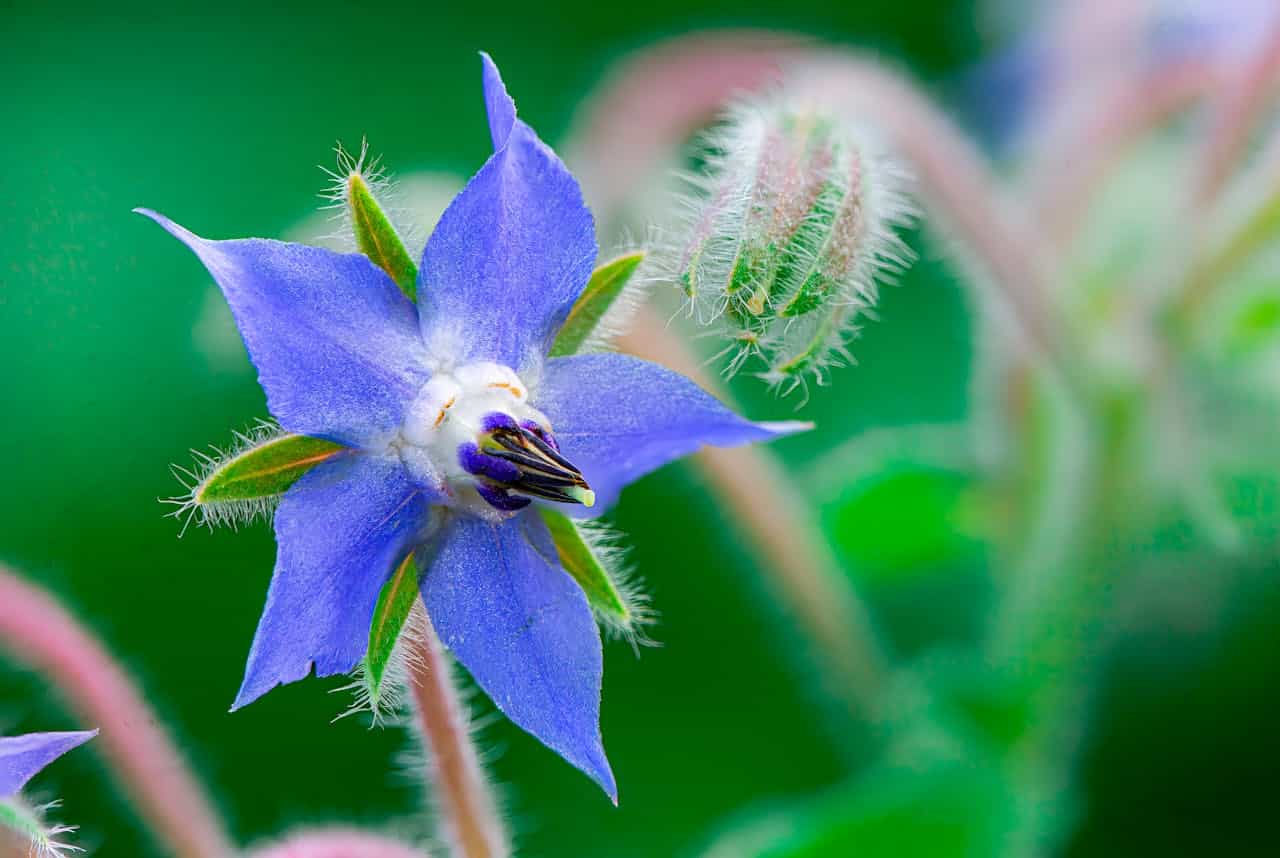
If you want a ground cover that’s low-growing and easy to manage, blue star creeper could work for you. It has small, delicate blue flowers that bloom for a long season.
Keep in mind, it can spread quickly and might crowd out other plants, so you’ll need to keep an eye on it. It isn’t the best for heavy weed suppression but looks nice in many spots. Check out more about blue star creeper here.