Shady spots in your garden don’t have to be dull or lifeless. With the right perennials, you can add bursts of color and interest even where sunlight is limited.
These 25 colorful perennials are perfect for brightening up those shady areas and making your garden feel vibrant and inviting. Whether you want flowers, foliage, or both, there are plenty of options suited for low-light conditions.
Advertisement
Hellebore ‘Flower Girl’ – blush pink double blooms
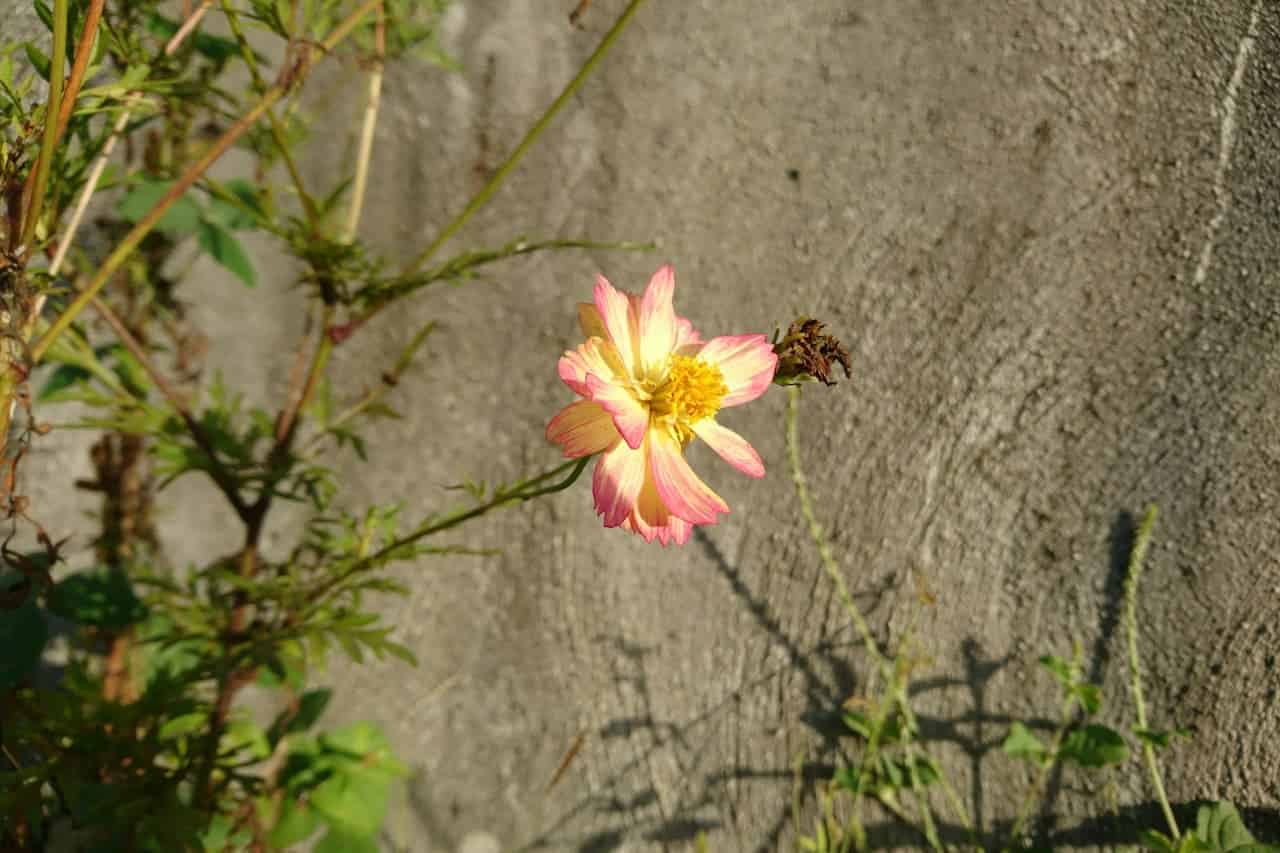
If you want something to brighten up a shady spot, Hellebore ‘Flower Girl’ is a great pick. Its double blooms are blush pink and about 3 inches wide, giving your garden a soft, delicate touch.
You’ll see it bloom heavily in early to mid-spring, adding color when many plants are still waking up. It’s a low-maintenance choice that handles shade well.
Woodland Phlox – fragrant lavender-purple flowers
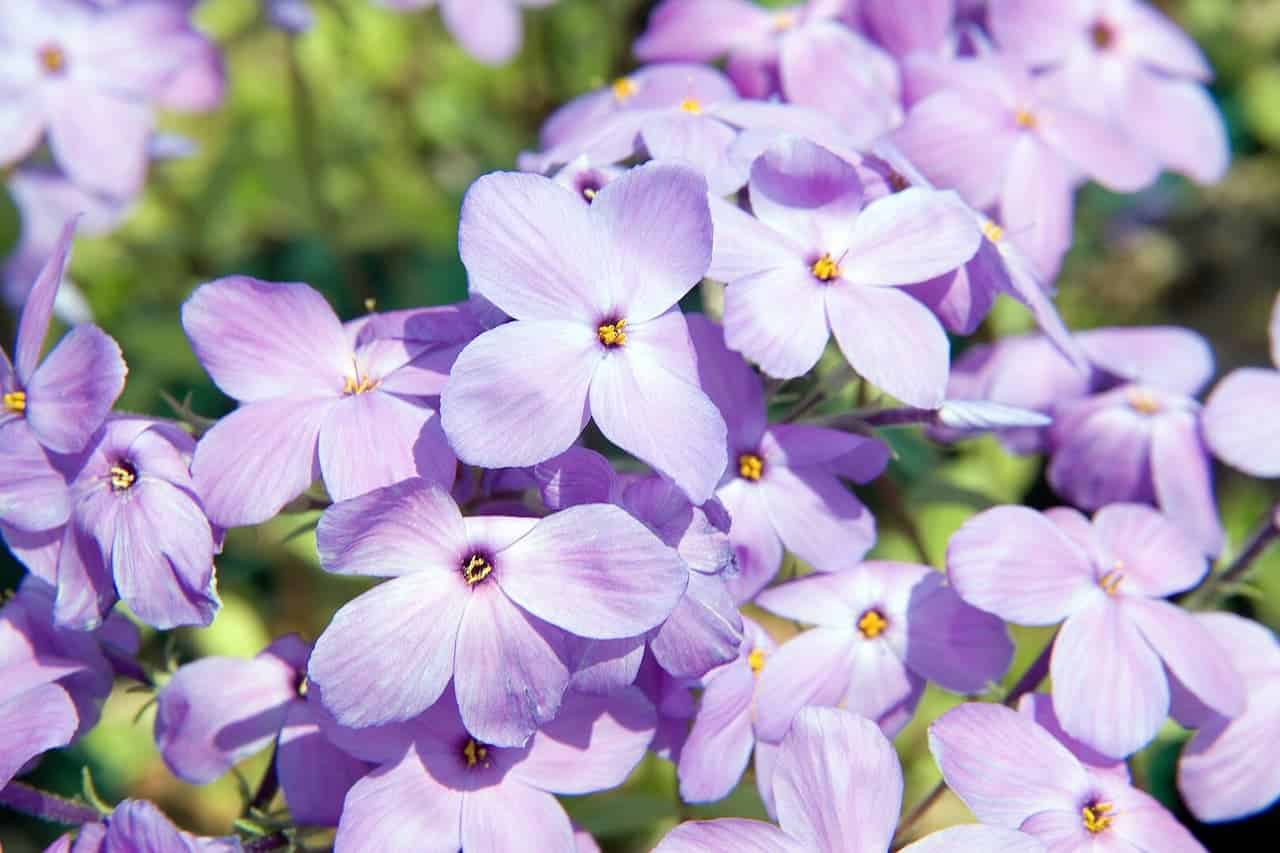
If you have a shady spot, woodland phlox is a great choice. You’ll get clusters of soft lavender-purple blooms that smell nice.
It flowers in late spring to early summer and attracts butterflies and hummingbirds to your garden. This plant spreads gently, creating a lovely ground cover without much fuss. Check out more about woodland phlox here.
Ajuga reptans (Bugleweed) – dense foliage with blue spikes
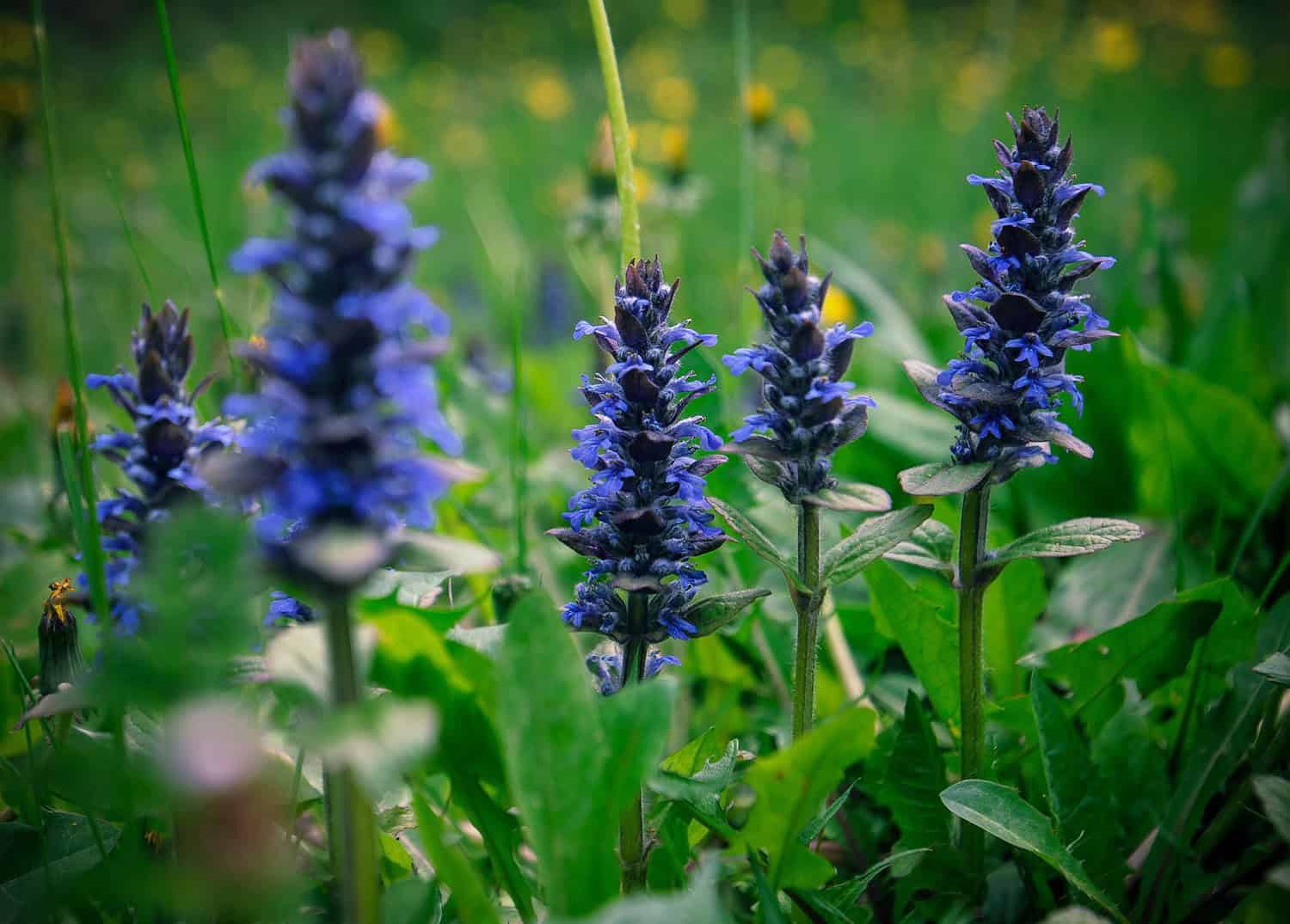
If you want a low-maintenance ground cover, Ajuga reptans is a solid pick. Its dense foliage stays colorful with shades of green, bronze, and purple.
In spring, you’ll notice lovely blue flower spikes that add a nice pop without needing much care. It works well in shady spots where other plants struggle to thrive. This plant also spreads nicely but won’t take over your garden. You can learn more about its features from Ajuga reptans details.
Astilbe – plume-like flowers in partial to full shade

If you want to brighten a shady spot, astilbes are a great pick. They produce soft, feathery plumes that come in colors like pink, red, white, and lavender.
You’ll find they do well in part shade to full shade, as long as the soil stays moist and rich. Their attractive foliage lasts throughout the growing season, adding interest even after the flowers fade. For more details, see All About Astilbes.
Lamium ‘Chequers’ – variegated foliage with pink flowers
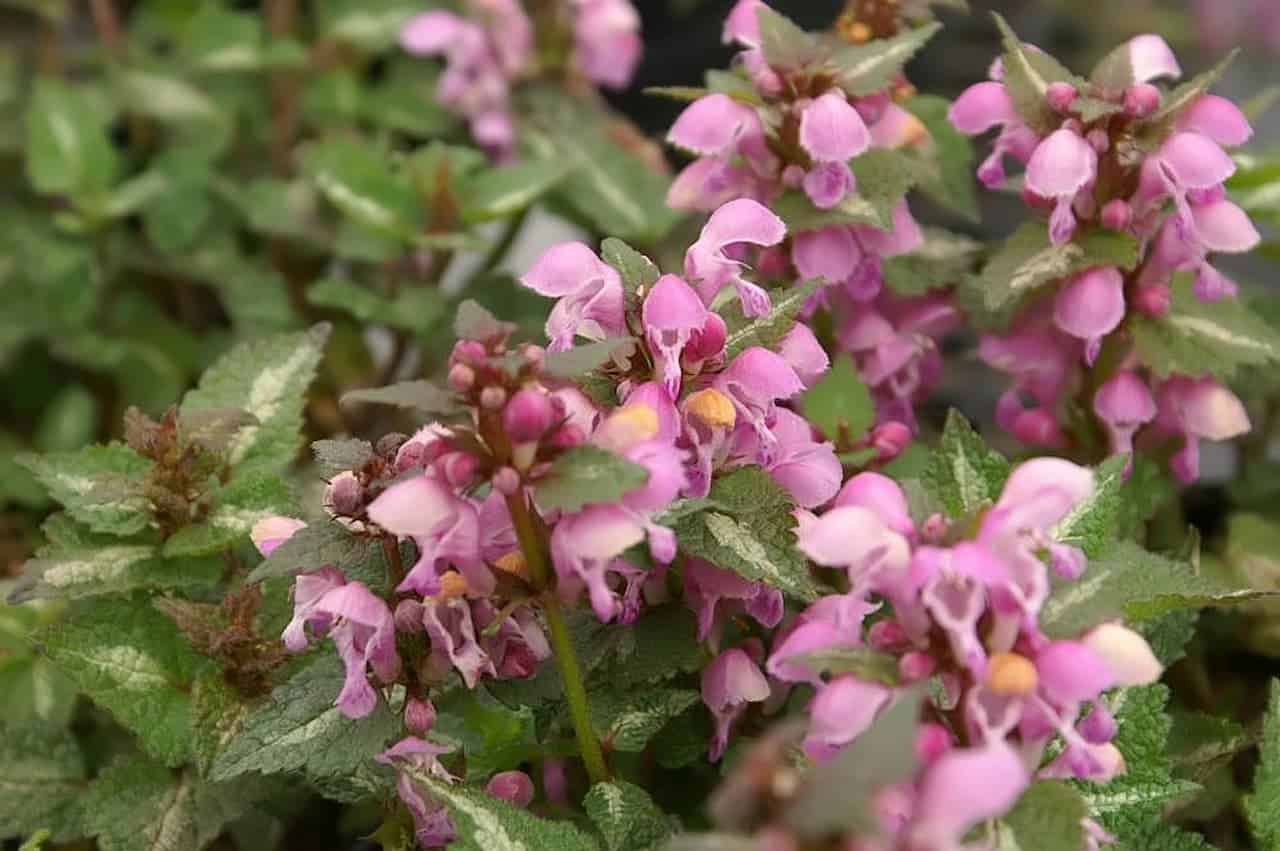
If you want a plant that brightens shady spots, Lamium ‘Chequers’ is a solid pick. Its variegated leaves add texture and light, even where sun is limited.
You’ll also get charming pink flowers that bloom for a long time. This ground cover is low maintenance and works well to fill in tricky areas. Learn more about Lamium ‘Chequers’ from this NVK Nurseries listing.
Gentiana ‘True Blue’ – striking blue trumpet flowers
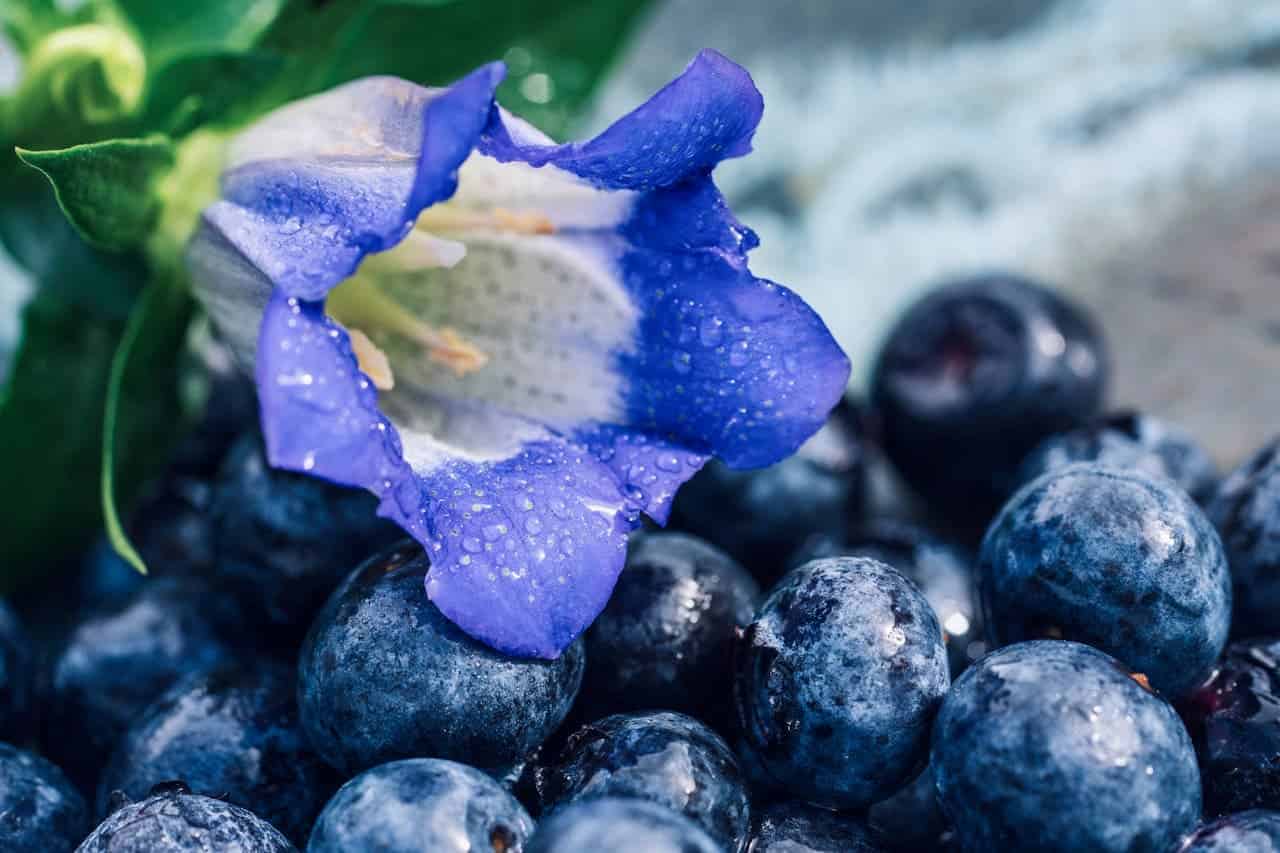
If you want to add a pop of color to your shady garden, Gentiana ‘True Blue’ is a great choice. You’ll love its deep blue trumpet-shaped flowers that really stand out in low light.
This perennial stays compact, making it easy to fit into small spaces. It prefers well-drained soil and partial shade, so your shady spots won’t look dull anymore.
Phlox procumbens ‘Variegata’ – low-growing, variegated leaves
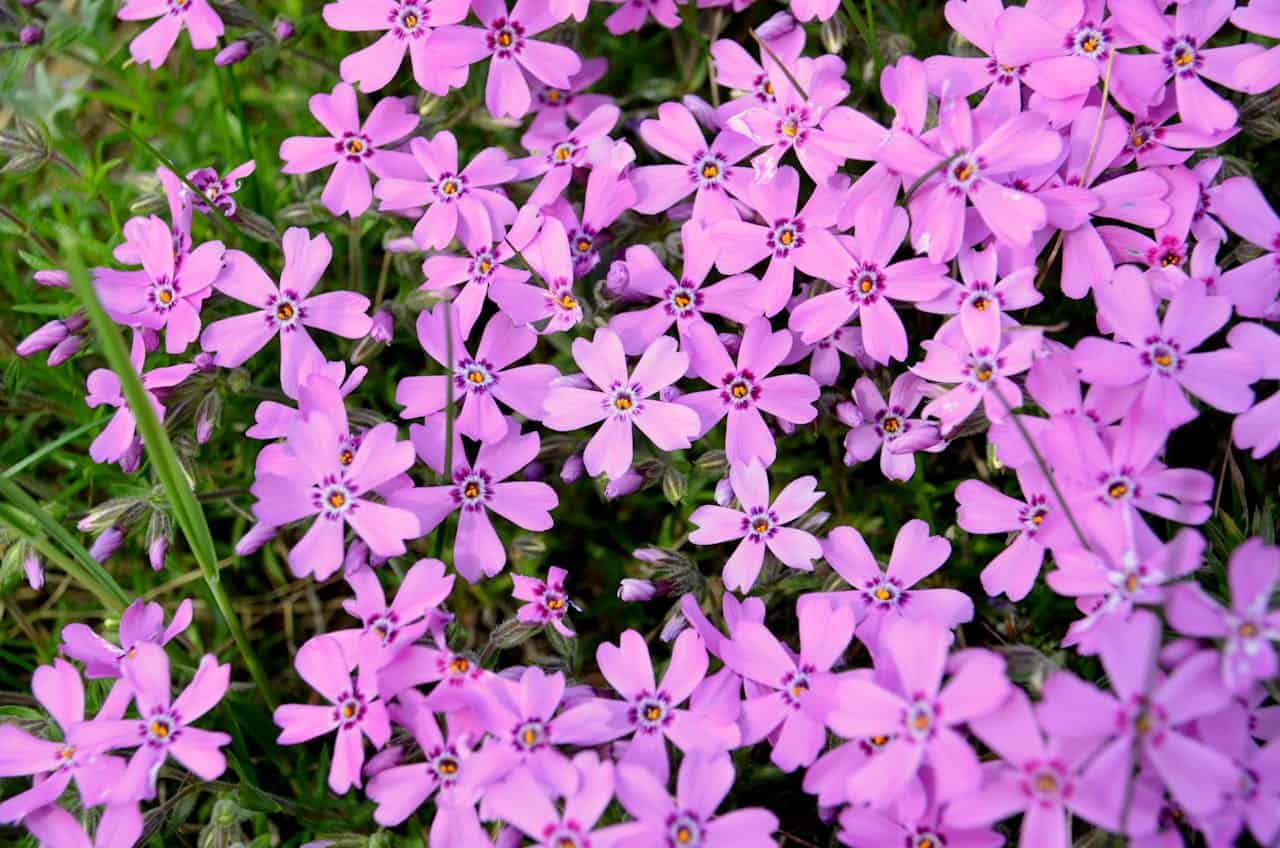
If you want a ground cover with a bit of color, Phlox procumbens ‘Variegata’ is a solid choice. It stays low to the ground and spreads slowly, making it easy to manage.
Its leaves have a cool cream edge that adds interest even when it’s not blooming. You’ll appreciate how it brightens up shady spots in your garden.
Meehania cordata – heart-shaped leaves with purple flowers
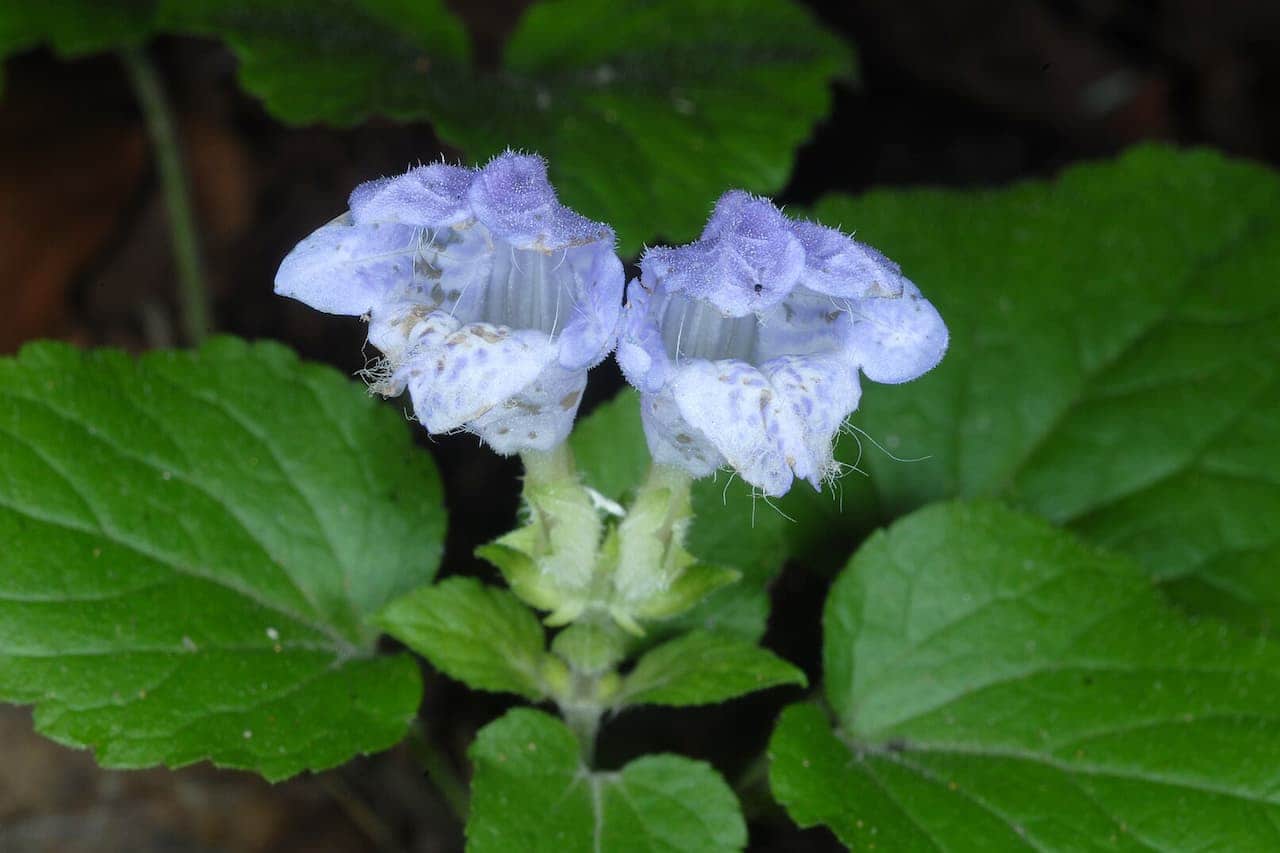
If you’re looking for a low-growing plant for shady areas, Meehania cordata could be a great pick. It has dense mats of dark green, heart-shaped leaves that add texture to your garden.
In late spring to early summer, you’ll notice delicate, tubular purple flowers popping up. This perennial fits well in shady spots and works as a nice groundcover.
Wood Poppies – bright yellow blooms for shade
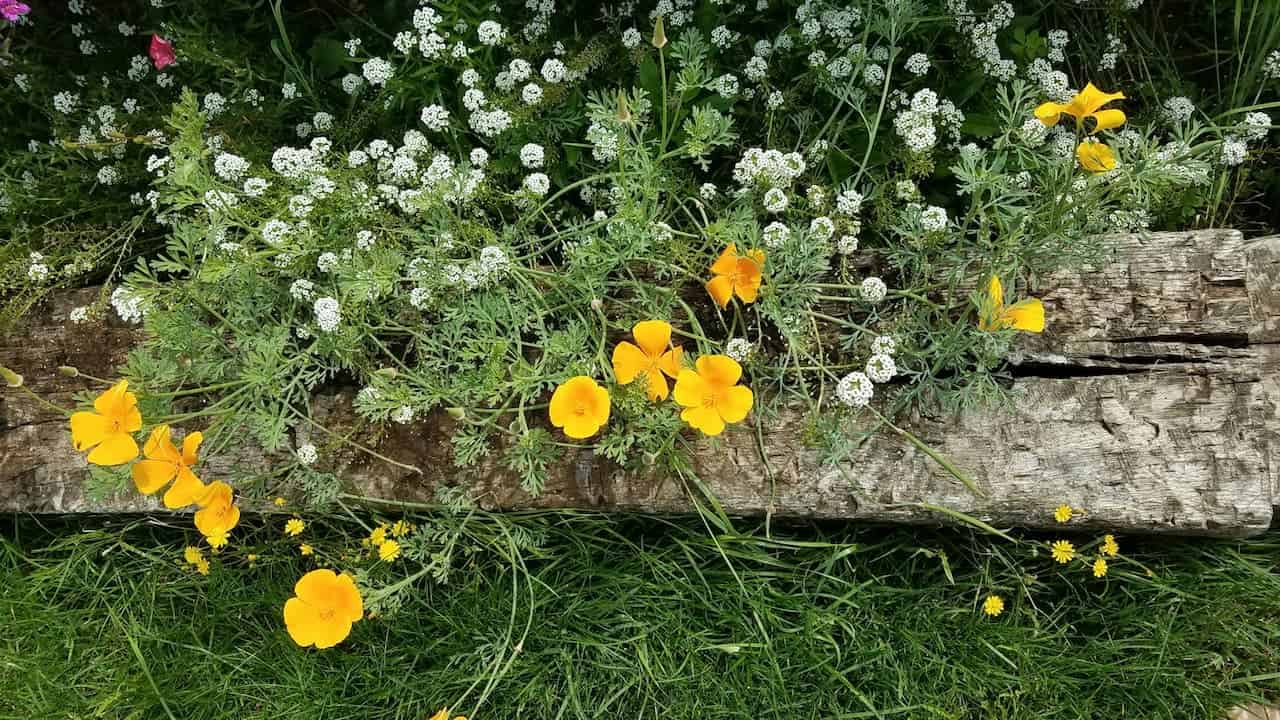
If you want to brighten up a shady spot, wood poppies are a solid pick. Their bright yellow flowers stand out against green foliage.
These plants handle shade and dry soil well, so you don’t have to fuss much. They bloom in early to mid-spring, adding cheerful color when other plants may still be waking up. Check out wood poppies if you’re after low-maintenance shade plants with vibrant color like this yellow wood poppy.
Bluebells – charming blue bell-shaped flowers
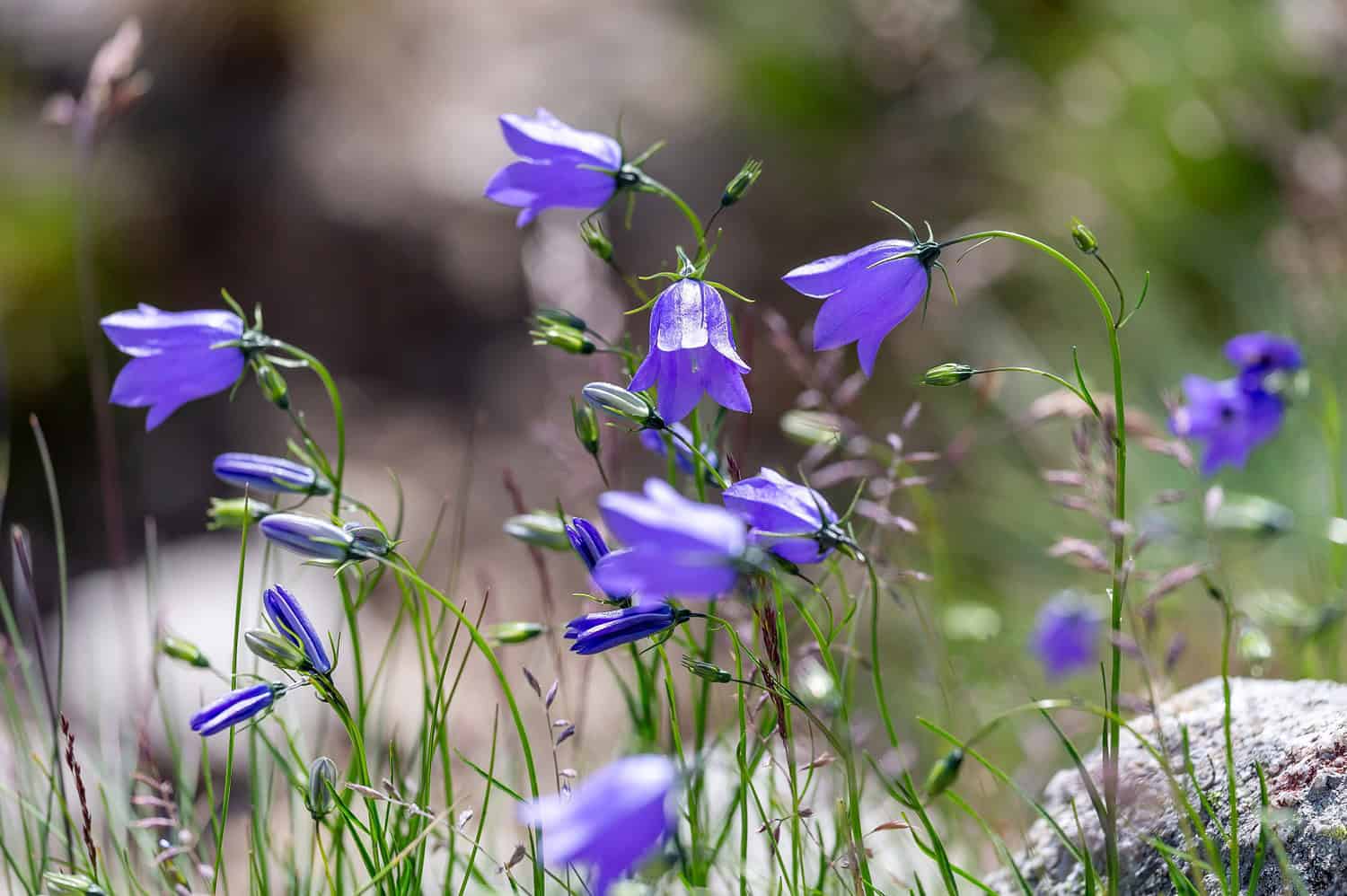
If you’re looking to brighten a shady spot, bluebells are a great choice. These charming blue, bell-shaped flowers thrive in moist, shaded areas under trees.
You’ll love how they attract bees and butterflies, adding life to your garden. Plant them in groups for the best effect and enjoy their early spring blooms that signal the season’s change. Learn more about these delightful flowers here.
Hosta – lush foliage with lavender flower spikes
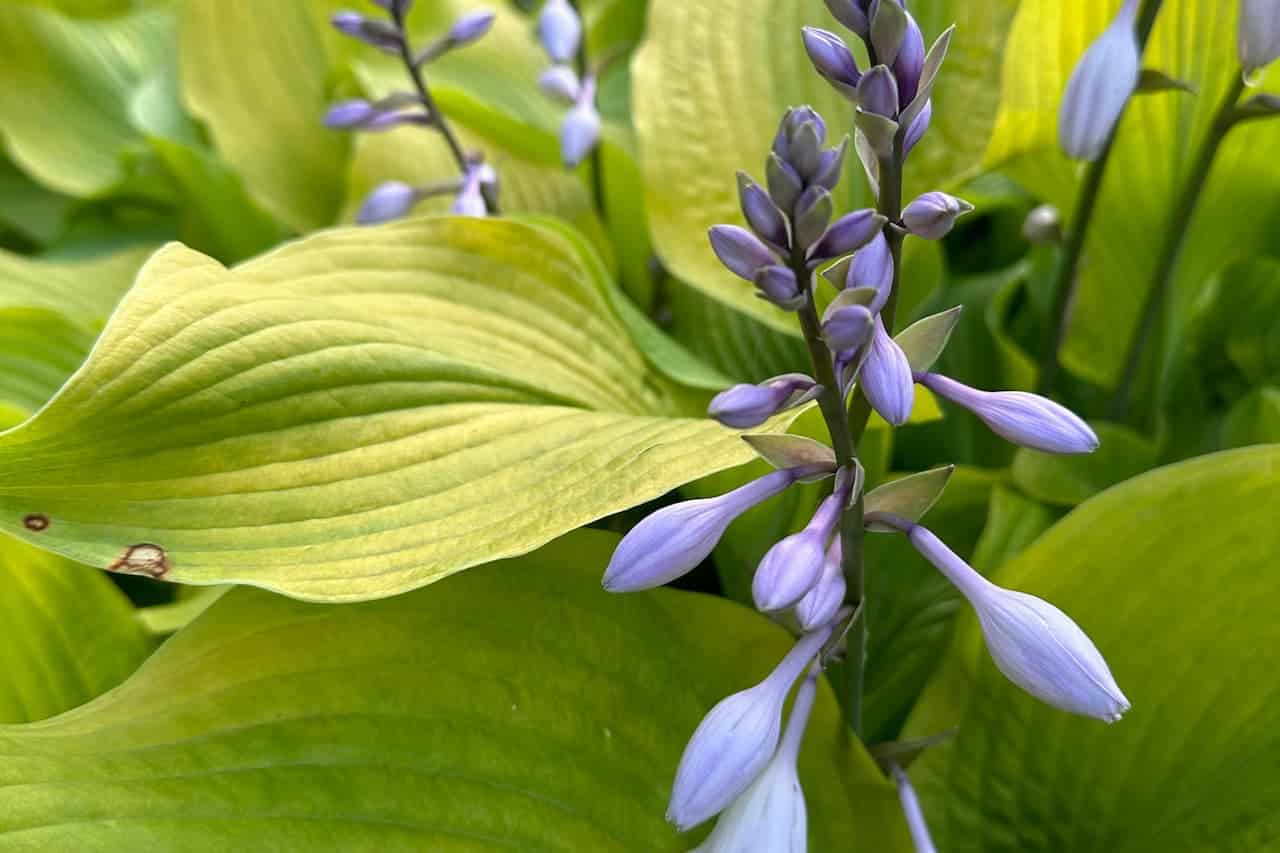
If you have a shady spot, hostas are an easy way to add texture and color. Their large, leafy greens come in lots of shapes and shades, making them perfect to fill in dull areas.
In mid-summer, you’ll notice delicate spikes of lavender flowers rising above the leaves, adding a subtle pop without needing much care. For ideas on varieties, check out this list of 25 Hosta Varieties for Shady Virginia Gardens.
Fern (various types) – textured greenery for shade

If you want lush, textured greenery, ferns are a great pick for shady spots. They come in many varieties, each with unique leaf shapes and sizes that add depth to your garden.
Ferns thrive in low light and keep their fresh green color all season. They’re perfect for filling in dark corners without needing much fuss. Check more about popular ferns for shade here.
Heuchera (Coral Bells) – colorful foliage and tiny flowers
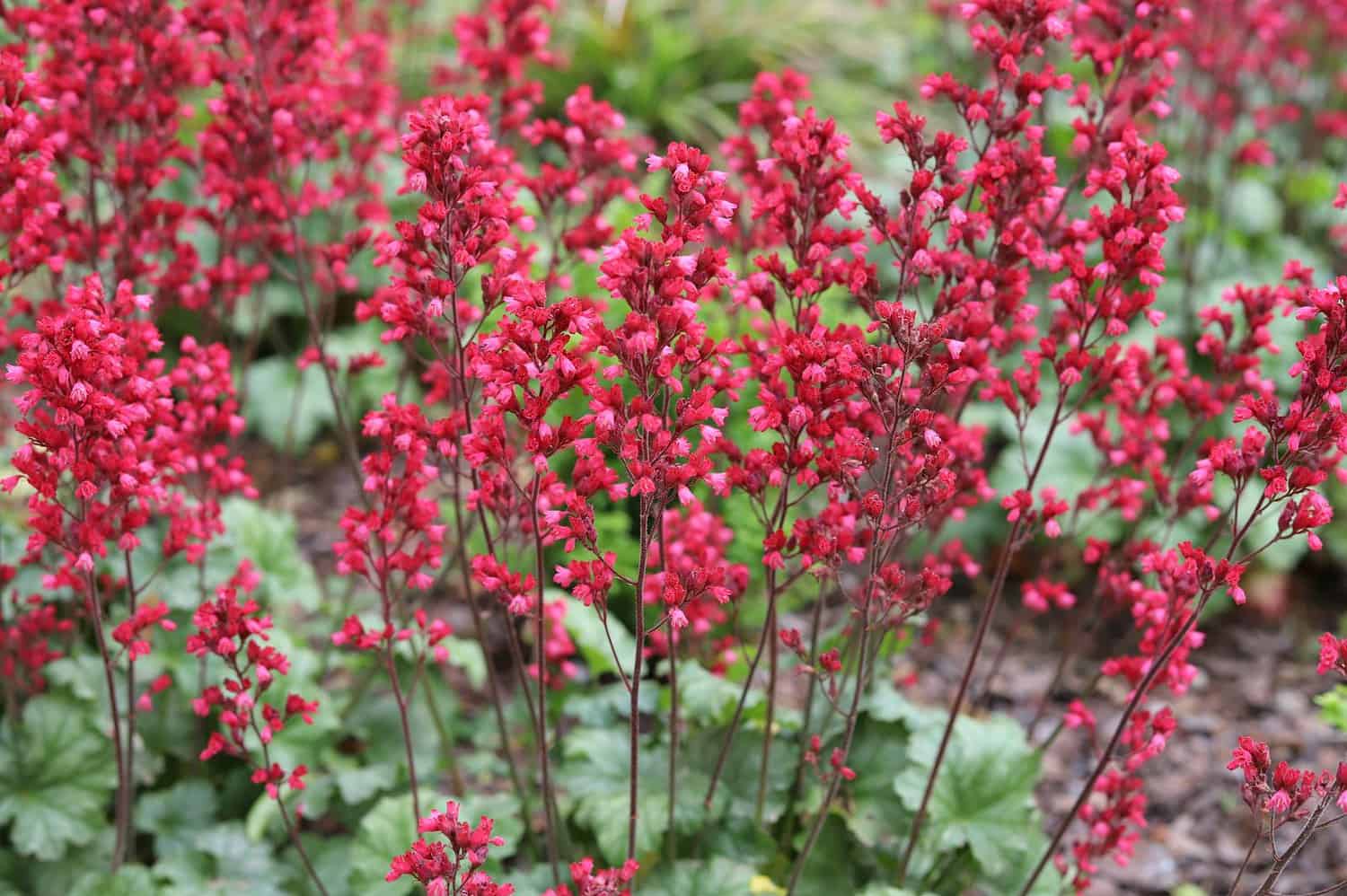
If you want to brighten up a shady spot, Heuchera is a solid choice. Its colorful leaves come in shades like apricot, purple, and green, which really pop.
You’ll also notice tiny, delicate flowers that add a subtle charm without stealing the show. They do well in pots or shaded garden beds, making them super versatile. Check out more about growing Coral Bells here.
Tiarella (Foamflower) – delicate white to pink blooms
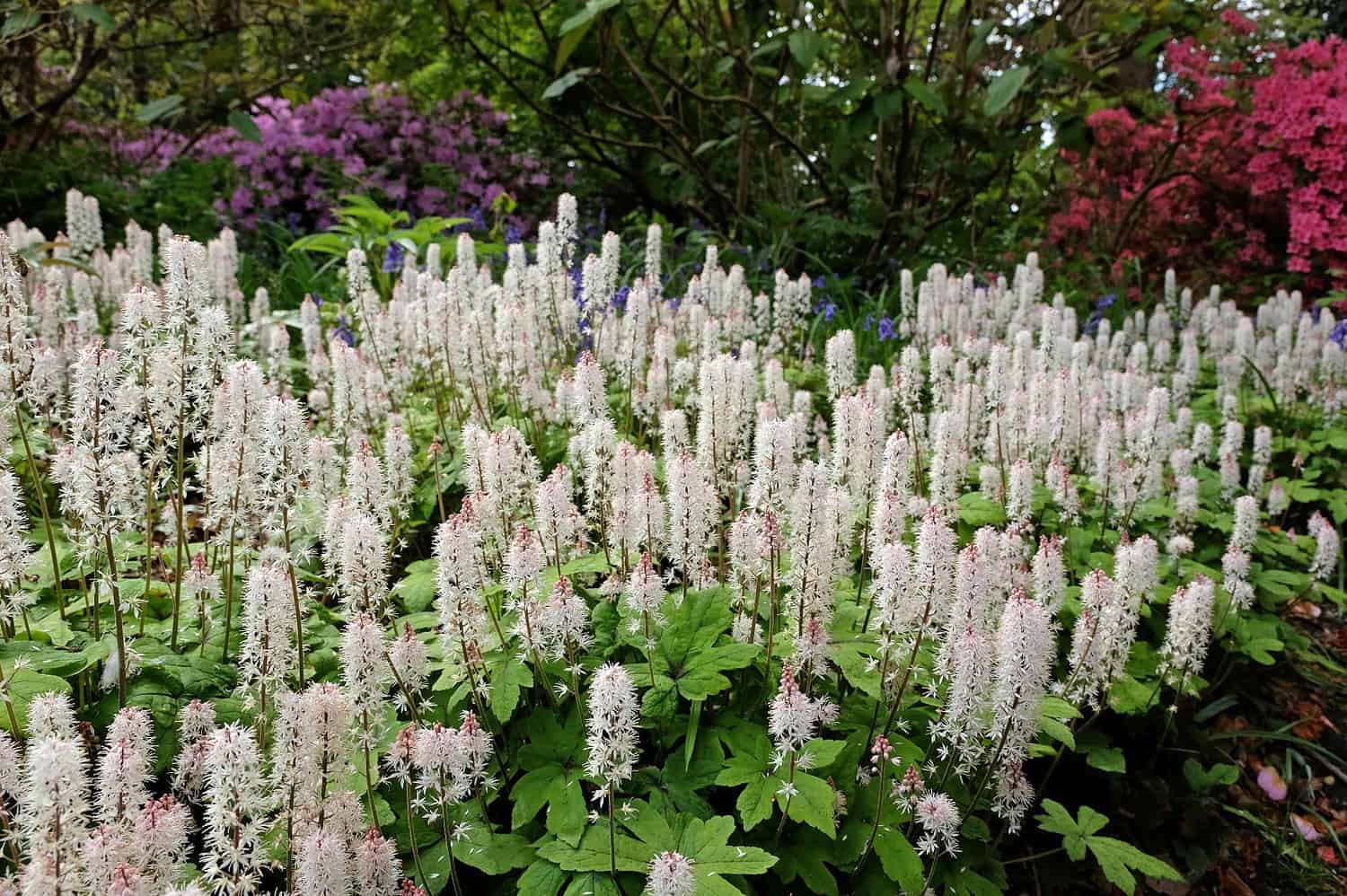
If you want a low-maintenance plant for shady spots, Tiarella is a great pick. Its small, star-shaped flowers range from white to pale pink, adding a soft touch to your garden.
You’ll appreciate its frothy, airy look that stands out on slender stems. Plus, Tiarella’s lobed leaves bring extra texture even when it’s not in bloom. Check out Tiarella ‘Elizabeth Oliver’ for red-streaked leaves that add color beyond the flowers. It fits well in woodland or part-shade gardens.
Pulmonaria (Lungwort) – spotted leaves with blue or pink flowers
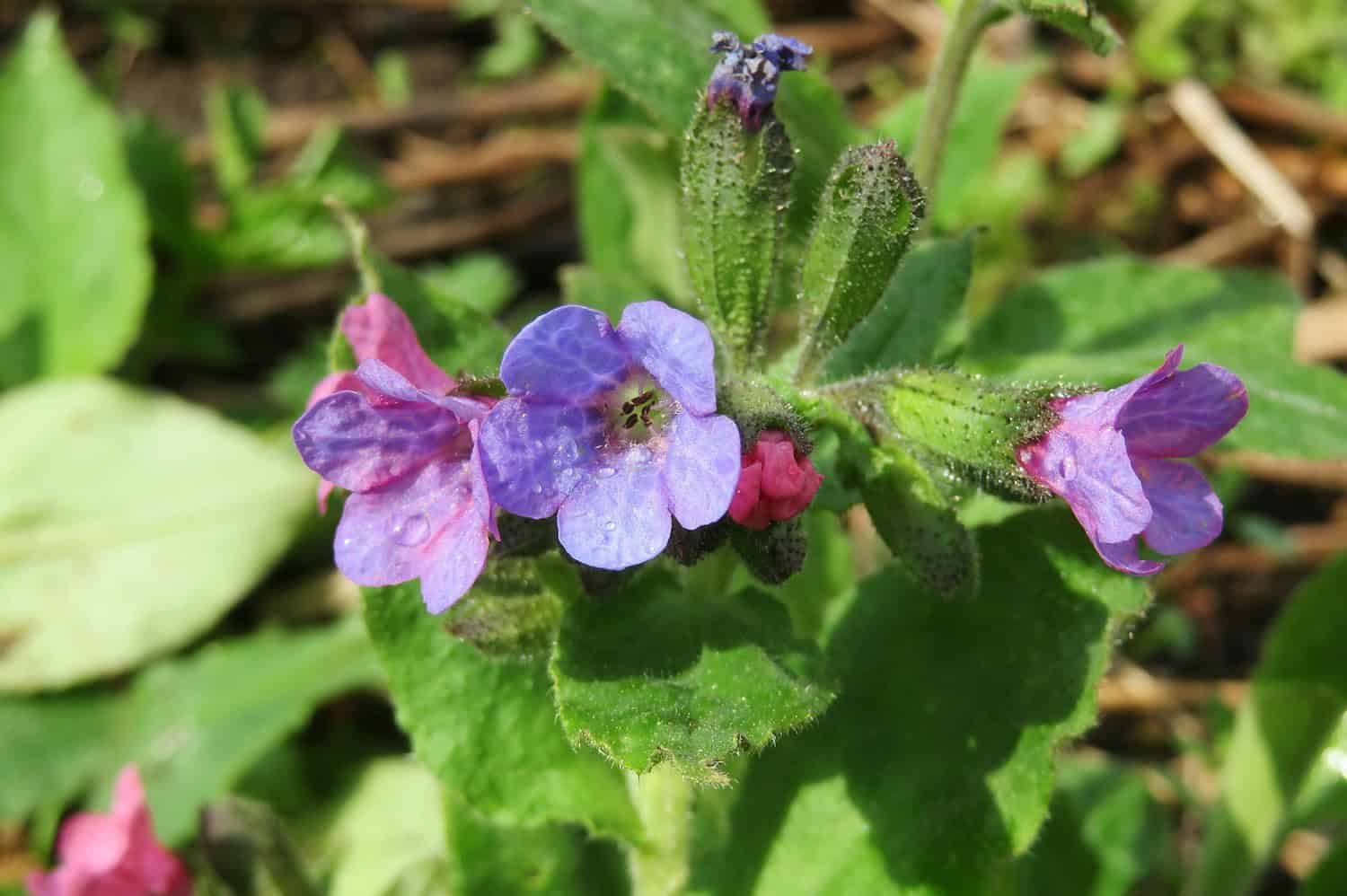
If you want to brighten a shady spot, Pulmonaria is a solid pick. Its leaves have cool silver or white spots, adding interest even when flowers are done.
The blooms start pink and often change to blue or purple. You’ll enjoy color and texture early in the season. Pulmonaria likes moist, organic soil and partial shade for best growth.
Solomon’s Seal – arching stems with white bell flowers
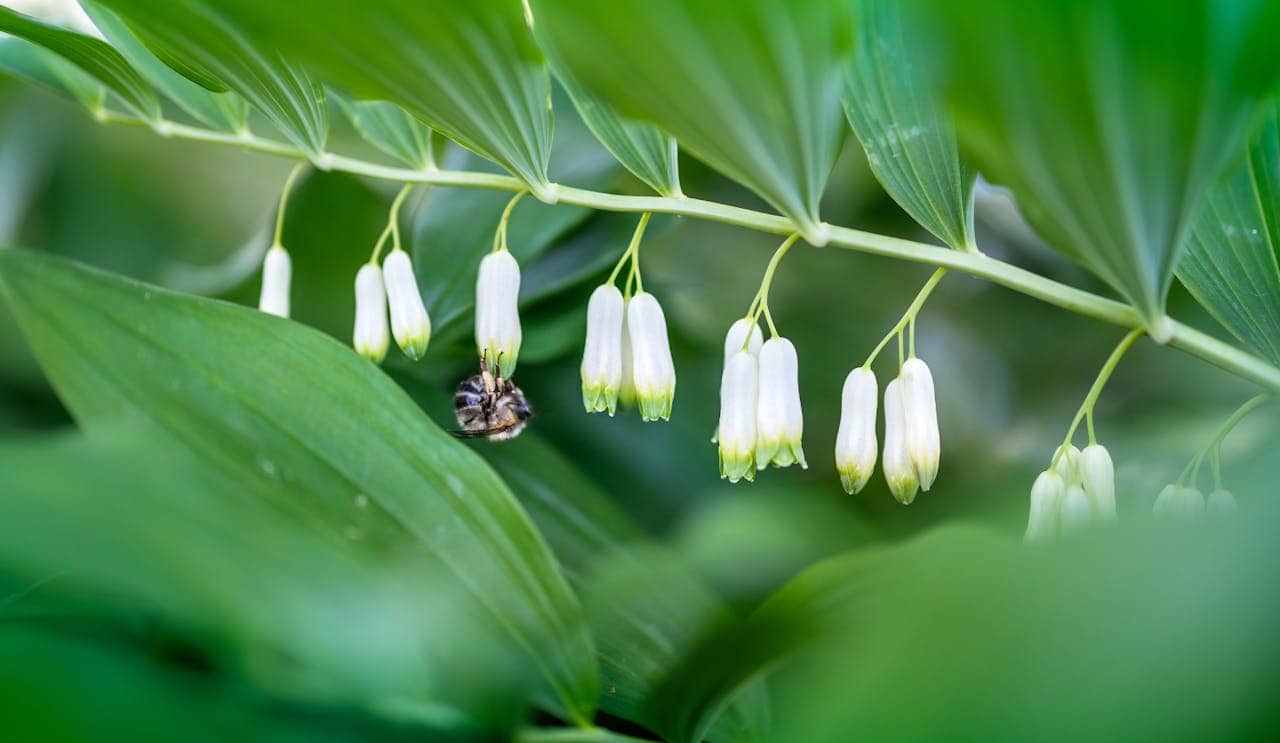
If you’re looking for a plant to brighten shady spots, Solomon’s Seal is a great choice. Its arching stems hold delicate white, bell-shaped flowers that hang gracefully.
The leaves are neat and alternate along the stems, adding a soft, green texture all summer long. It’s low-maintenance and fits well in woodland-style gardens.
Brunnera ‘Jack Frost’ – silvery leaves and blue flowers
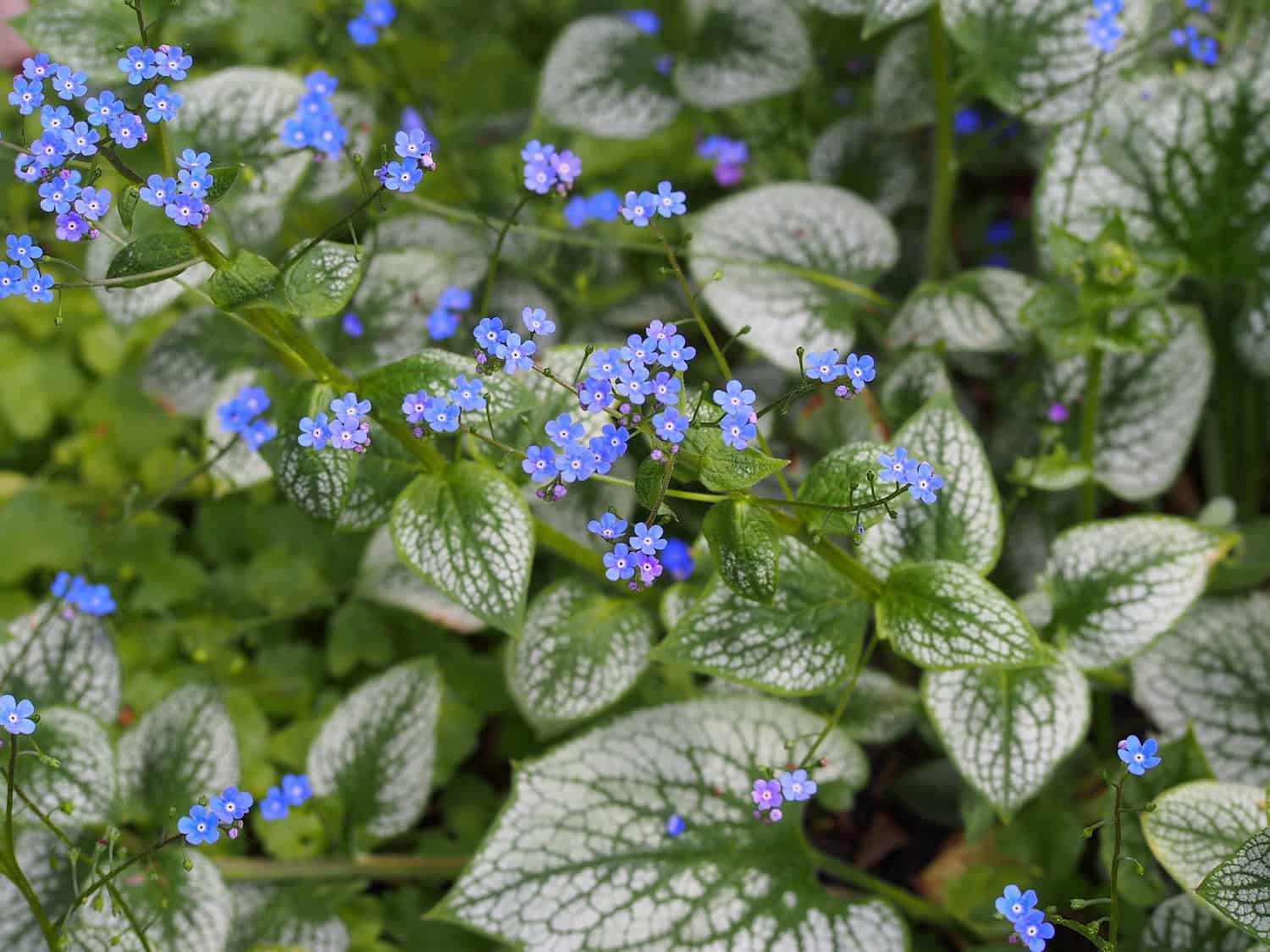
If you want a plant with silvery leaves that brighten shady spots, Brunnera ‘Jack Frost’ is a great pick. Its heart-shaped leaves have a frosted, silvery-white look with green veins.
In spring, it produces small clusters of blue flowers that add a splash of color. It usually grows about 12 inches tall and wide, fitting well into your shady garden beds.
Trillium – three-petaled flowers, early spring bloomer
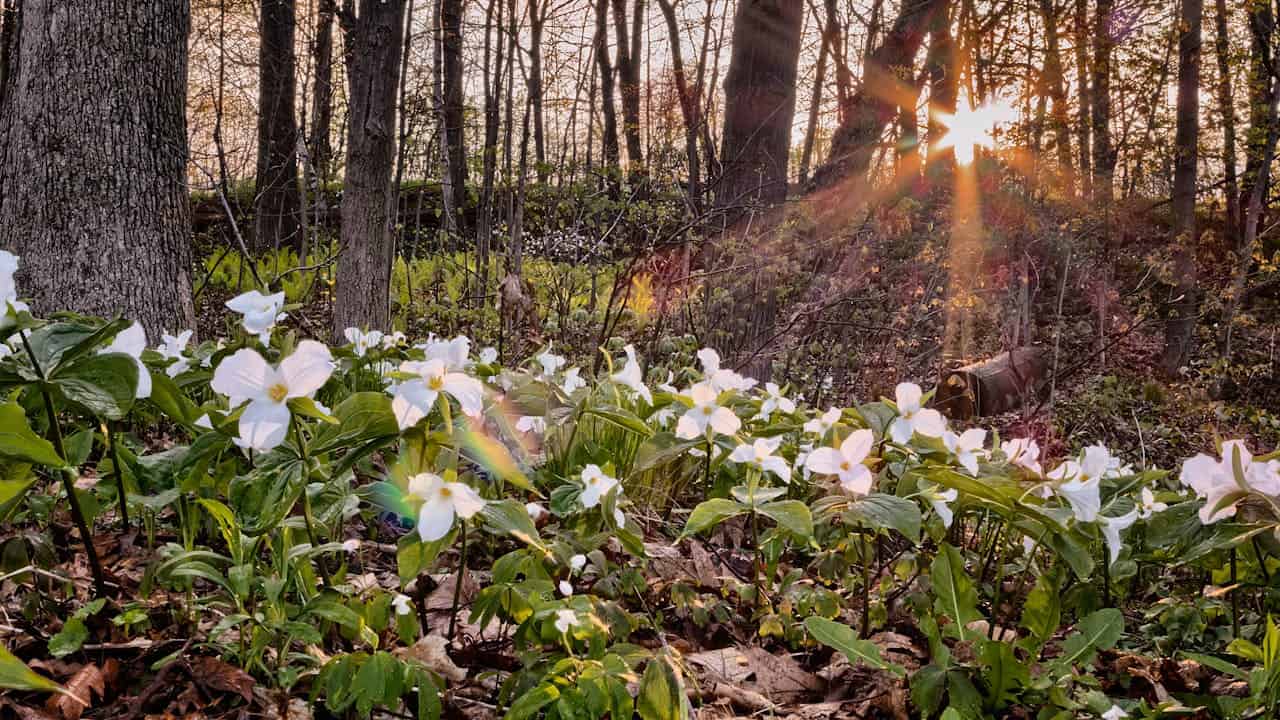
If you want a plant that brightens shady spots early in the year, trilliums are a great pick. Their distinctive three-petaled flowers appear in early spring, adding subtle color to your garden.
Trilliums do well in low-light areas and are low maintenance once established. You can use them as a middle layer in shade borders to add depth and seasonal interest. For more details, check out Trillium: Exquisite Woodland Wildflowers for Shade Gardens.
Japanese Forest Grass – bright golden blades
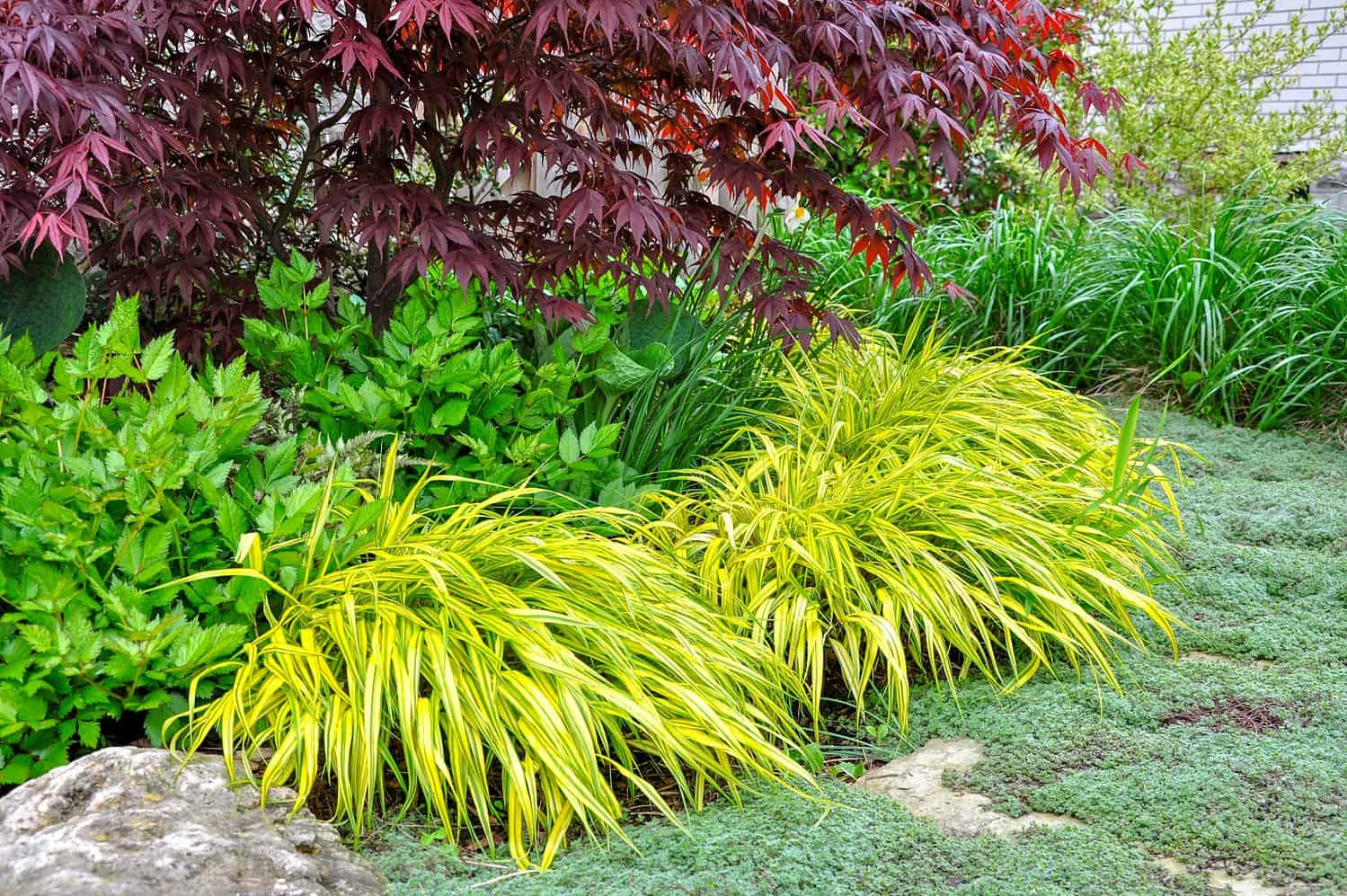
If you want to add color to your shady spots, Japanese Forest Grass is a solid pick. Its bright golden blades arch nicely, giving your garden a soft, glowing look.
This grass also blushes with pink or red tones in the fall, adding extra interest after summer. You can learn more about this easy-care plant at Spring Hill Nursery.
Bleeding Heart – heart-shaped pink or white flowers
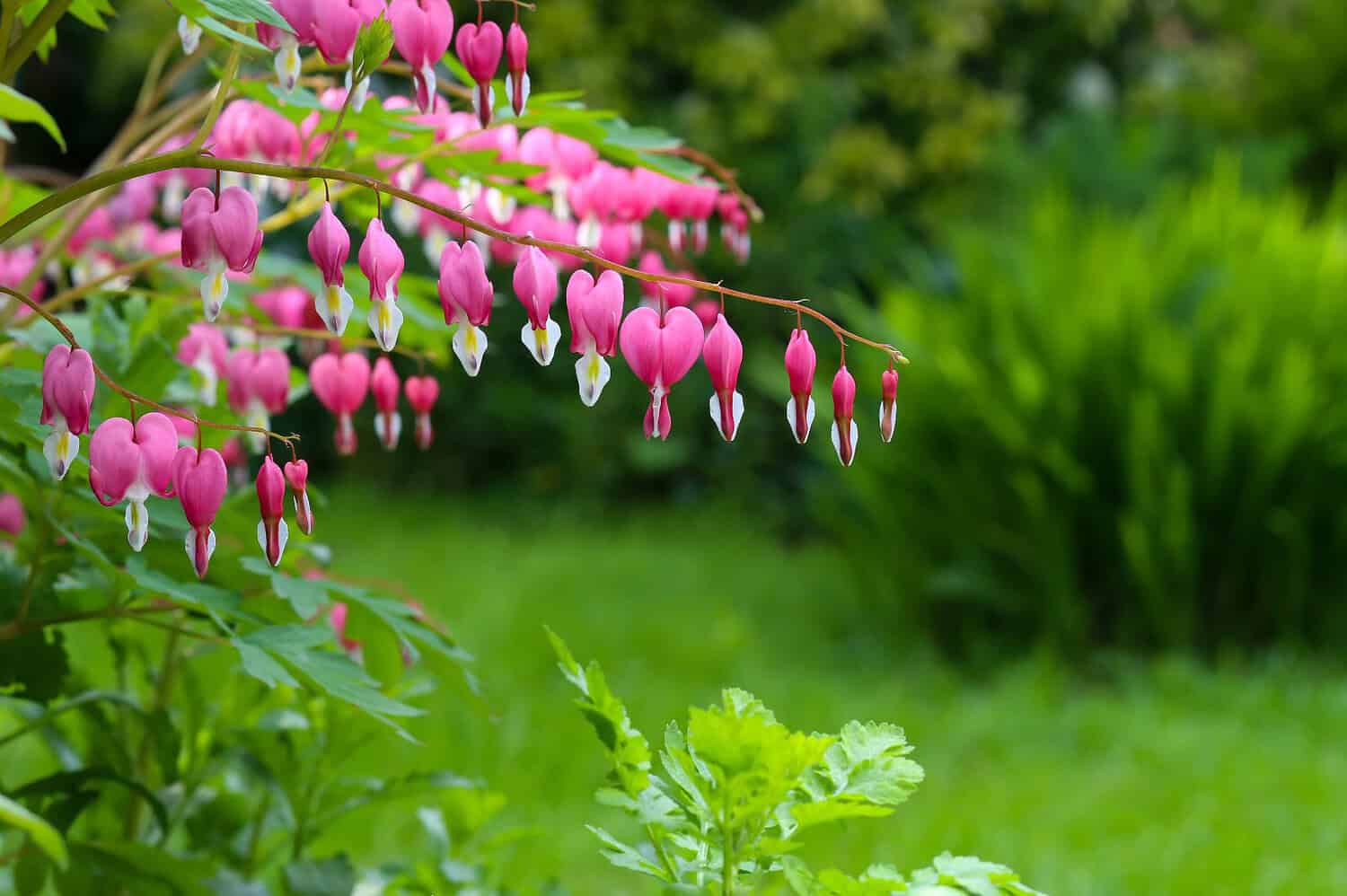
If you have a shady spot, Bleeding Heart is a great pick. You’ll love the heart-shaped pink or white flowers that dangle delicately from arching stems.
These plants add a soft, romantic vibe without needing much sun. Plus, their fern-like foliage stays attractive through much of the season, making your garden look lively longer.
Toad Lily – speckled orchid-like blooms
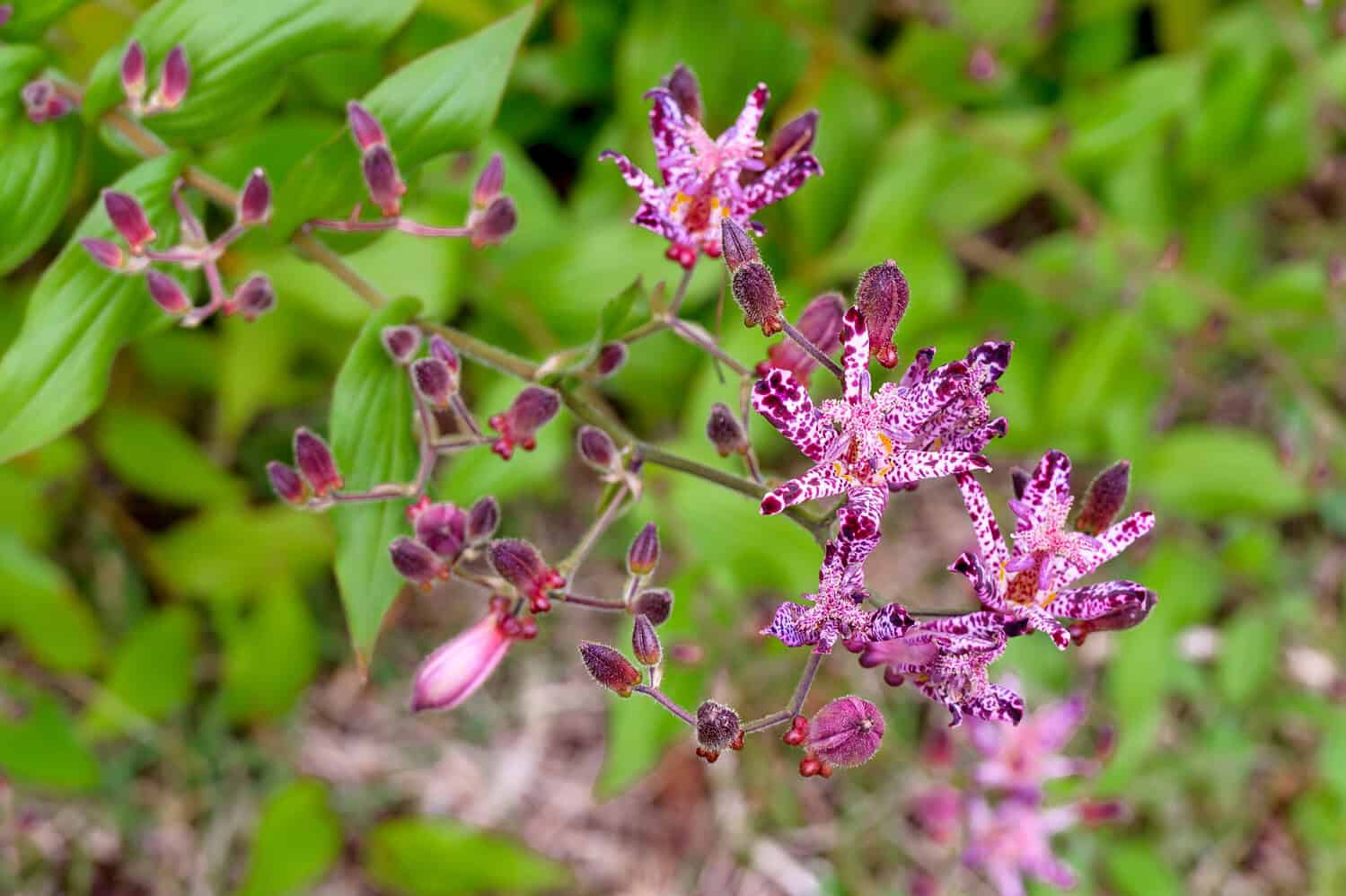
If you have a shady spot that needs some life, toad lilies are a great pick. You’ll love their delicate, speckled flowers that look a lot like orchids.
They grow well in Zones 5-9 and have graceful arching stems with unique spotted leaves. These perennials bring subtle color where many plants struggle. You can find a variety of colors and patterns to brighten your garden without needing full sun. Learn more about growing toad lilies here.
Spring Bulbs like Snowdrops and Crocus
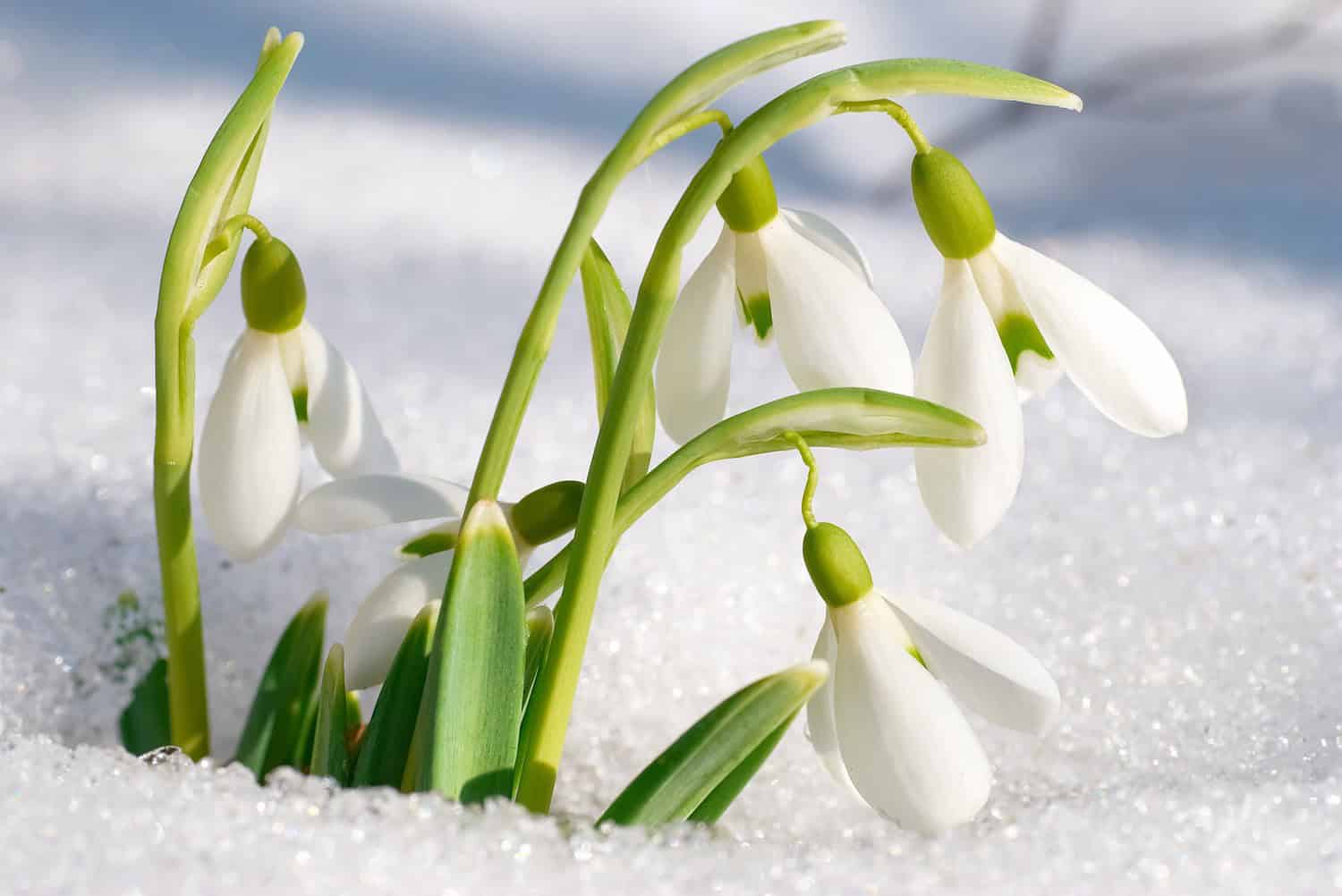
You can brighten shady areas with early spring bulbs like snowdrops and crocus. These bulbs don’t need much sunlight and add delicate color right when winter fades.
Plant them in clusters for a natural look. They’re low-maintenance and often come back year after year, making your shady spots more inviting without much effort.
Ferns like Lady Fern and Japanese Painted Fern
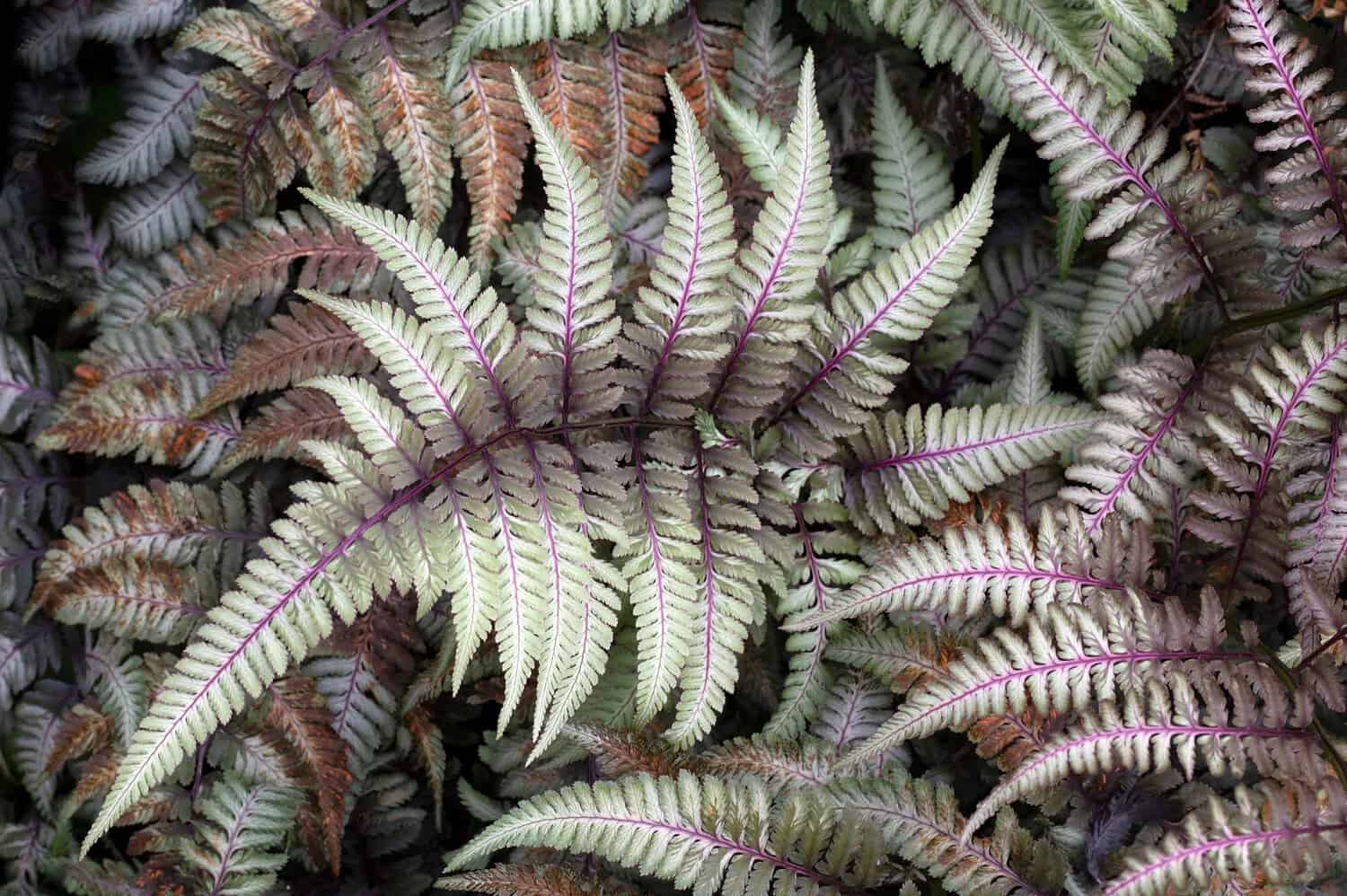
If you have a shady spot to fill, ferns like Lady Fern and Japanese Painted Fern are solid choices. They add texture and a soft touch without needing much sun.
You’ll find Lady Fern thrives in moist, shaded areas, while Japanese Painted Fern brings subtle silvery colors that brighten up darker corners.
Siberian Bugloss – blue flowers with reddish stems
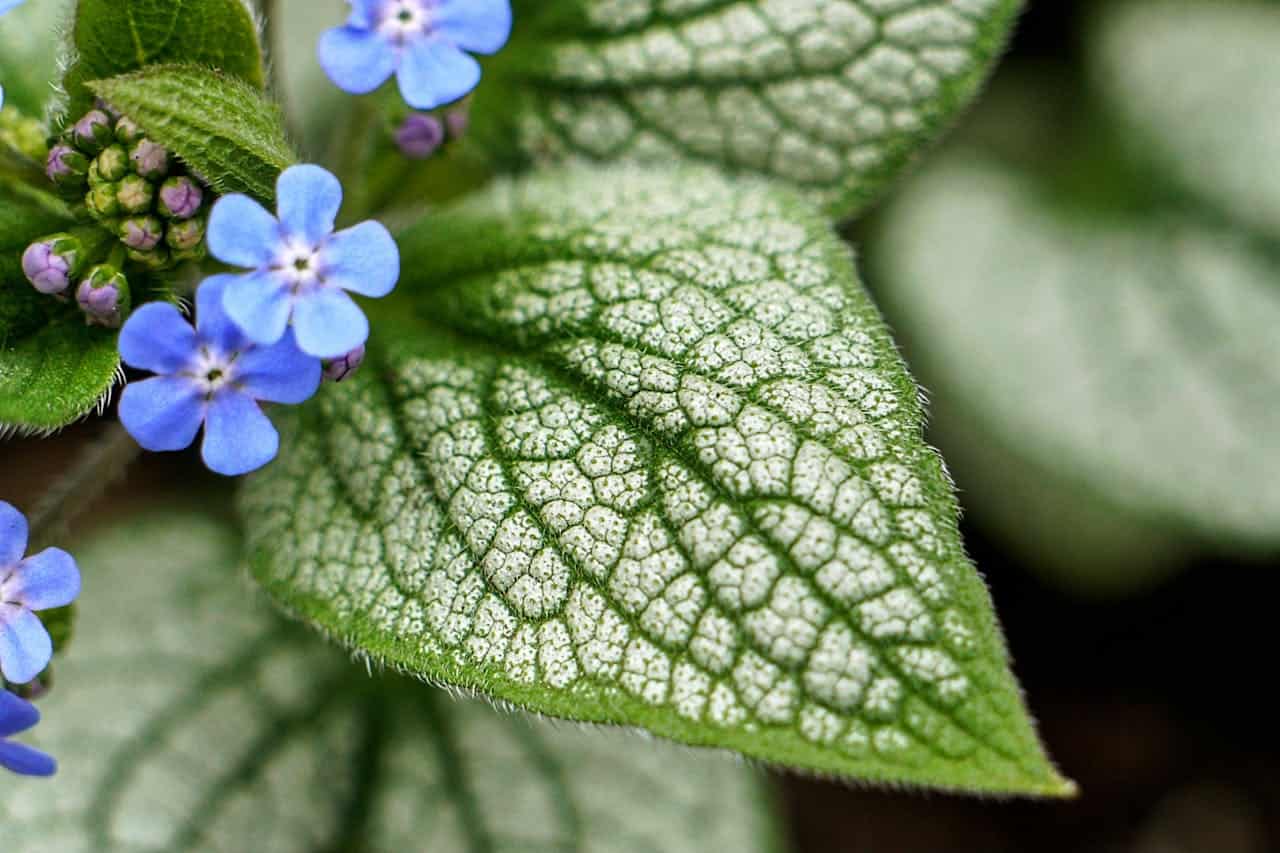
If you want a splash of blue in your shady garden, Siberian Bugloss is a great pick. Its tiny sky-blue flowers bloom from early to mid-spring and can last for weeks.
You’ll also notice its reddish stems and heart-shaped green leaves that add extra color and texture to your space. This plant works well in containers or garden borders where light is low. Learn more about Siberian Bugloss and its care here.
Jack-in-the-Pulpit – unique hooded flowers
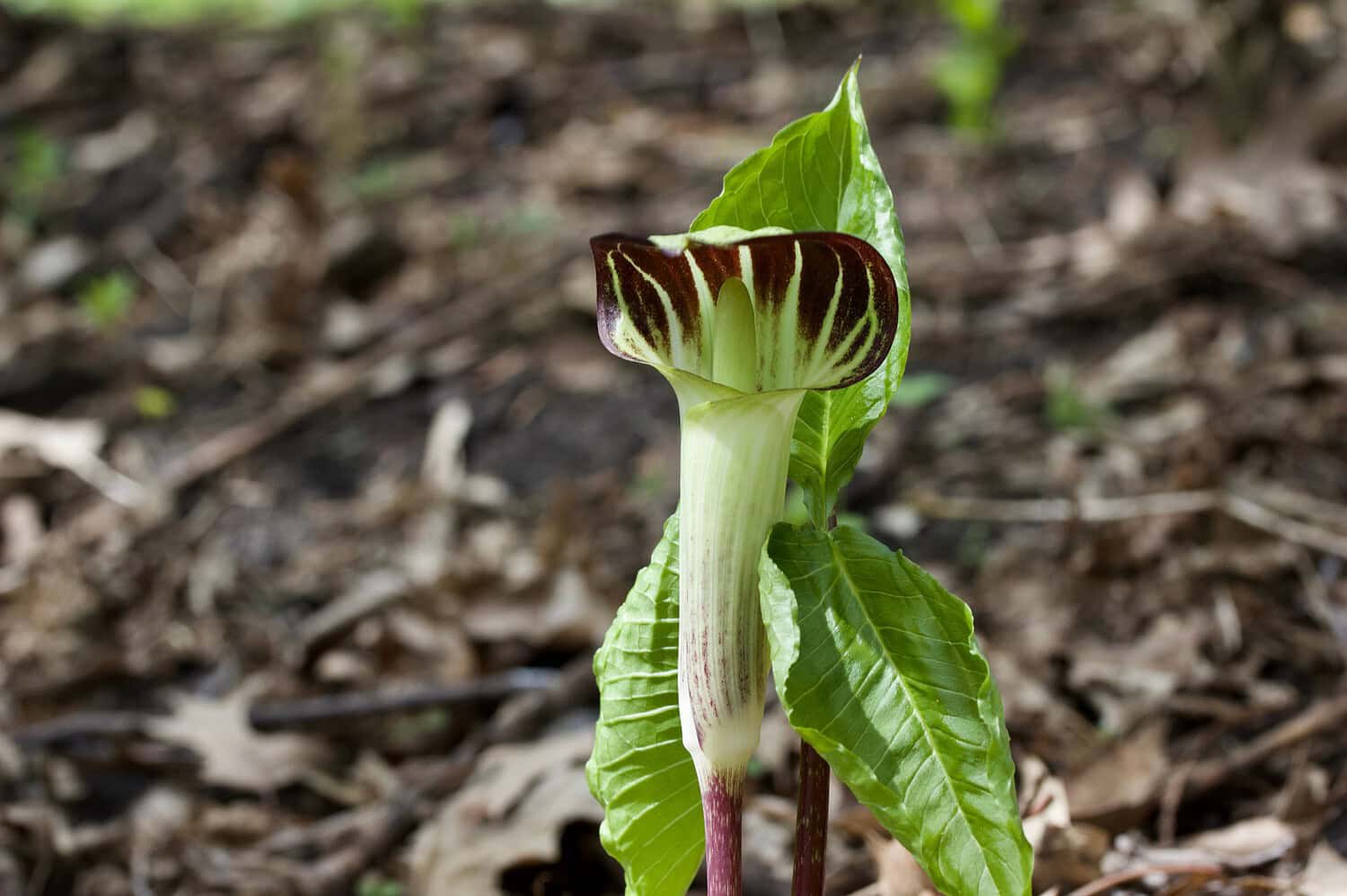
If you want something different for your shady spots, Jack-in-the-Pulpit is worth a try. Its green hooded flower looks like a little pulpit, hiding a spadix called “Jack” inside.
The inside of the hood often shows maroon or brown stripes, adding a subtle splash of color. It grows well in shade and adds interesting texture to your garden.