If you want to invite more bees into your garden, choosing the right flowers can make all the difference. Bees play an important role in pollination, which helps plants grow and thrive.
By planting bee-friendly flowers, you create a buzzing garden full of life and support your local ecosystem. These flowers not only attract bees but also provide them with nectar and pollen to keep them healthy.
Advertisement
Lavender
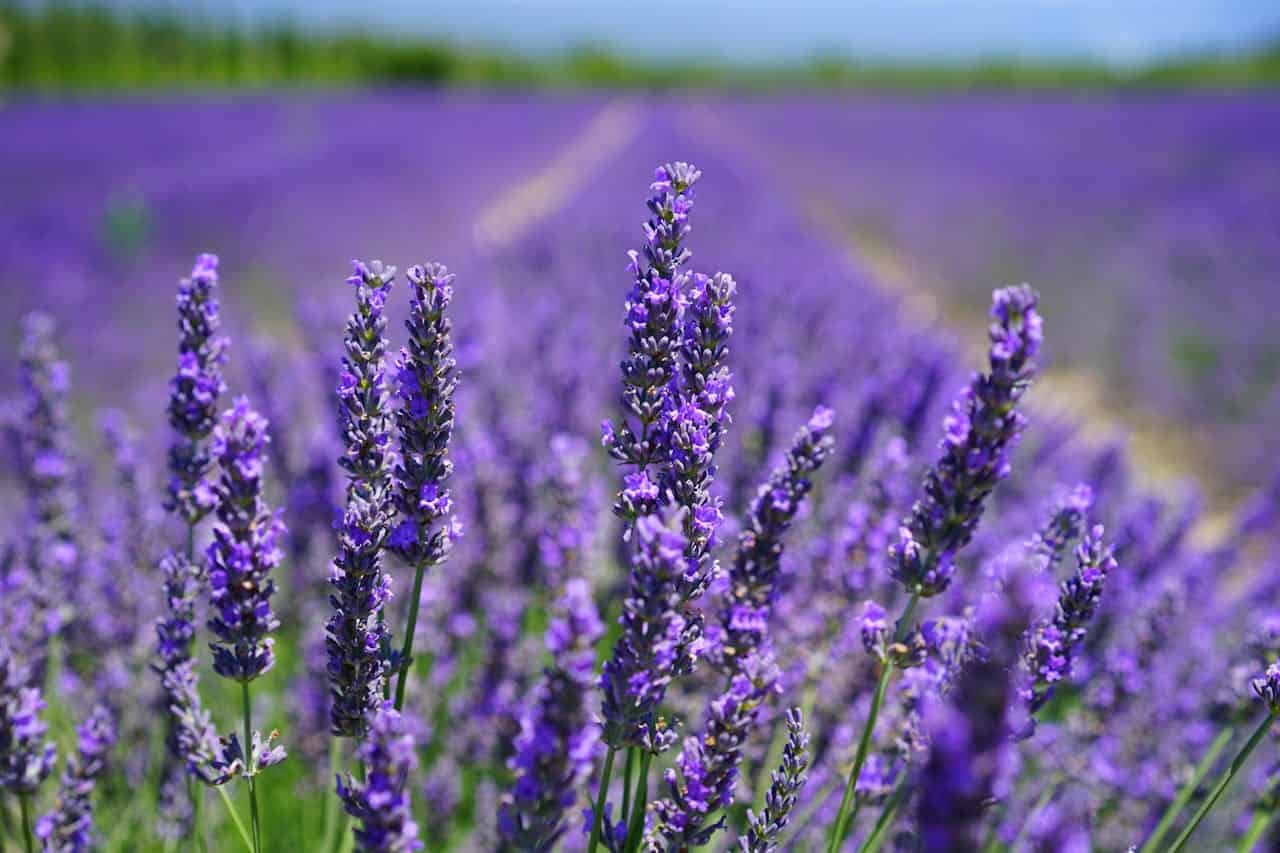
If you want a flower that’s easy to grow and smells great, lavender is a solid pick. Bees are naturally drawn to its fragrant purple blooms.
It produces plenty of nectar, so it’s a favorite spot for bees to gather. Lavender also adds a nice touch of color to your garden while supporting local pollinators like bees.
Catmint
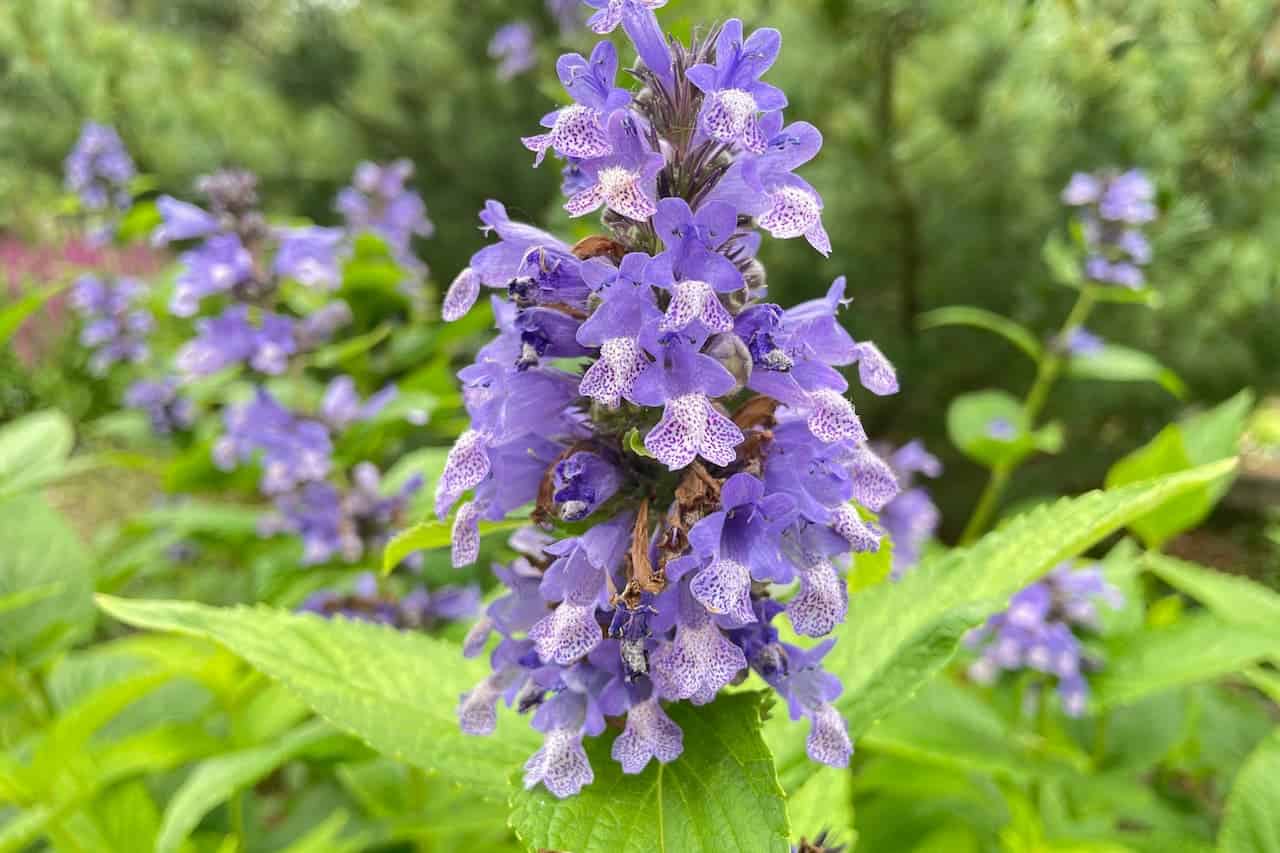
If you want a low-maintenance plant that bees love, catmint is a solid choice. It blooms from spring through fall, giving your garden a long-lasting source of nectar.
Catmint is also deer and rabbit resistant, so you won’t have to worry much about pests. It works great near vegetable gardens to help boost pollination and yields.
Zinnias

If you want flowers that are easy to grow and attract bees, zinnias are a solid choice. They love full sun and handle dry conditions pretty well.
You’ll find that bees flock to their bright, nectar-rich blooms. Plus, zinnias don’t need much fuss, making them great for all kinds of gardens. Deadheading spent flowers helps keep them blooming longer, so your garden stays buzzing with pollinators.
Perennial Asters
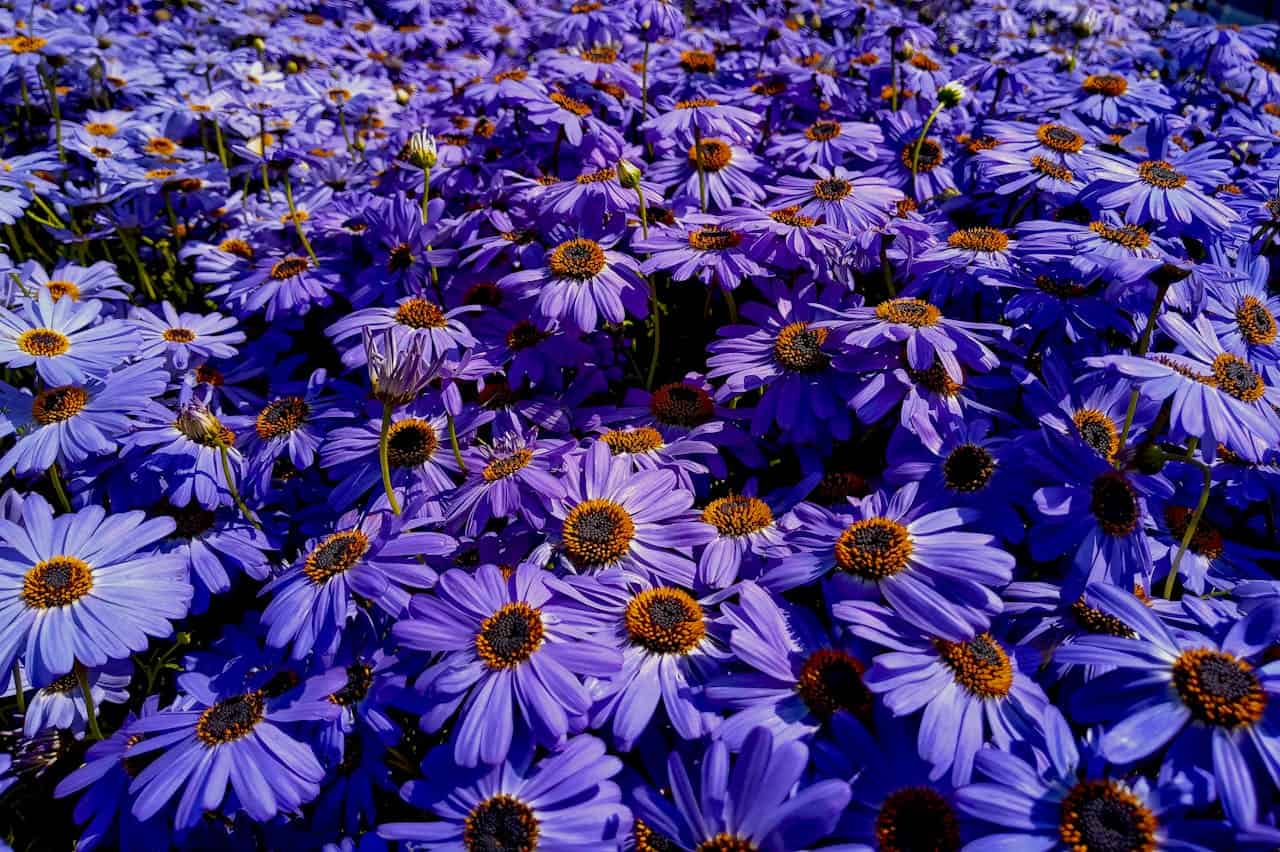
If you want flowers that bloom late summer into fall, perennial asters are a solid pick. They come in colors like purple, pink, and blue, which bees seem to really like. Adding asters to your garden helps keep bees busy when many other flowers have stopped blooming. Planting asters gives your garden color and a steady source of nectar for pollinators.
Bee Balm
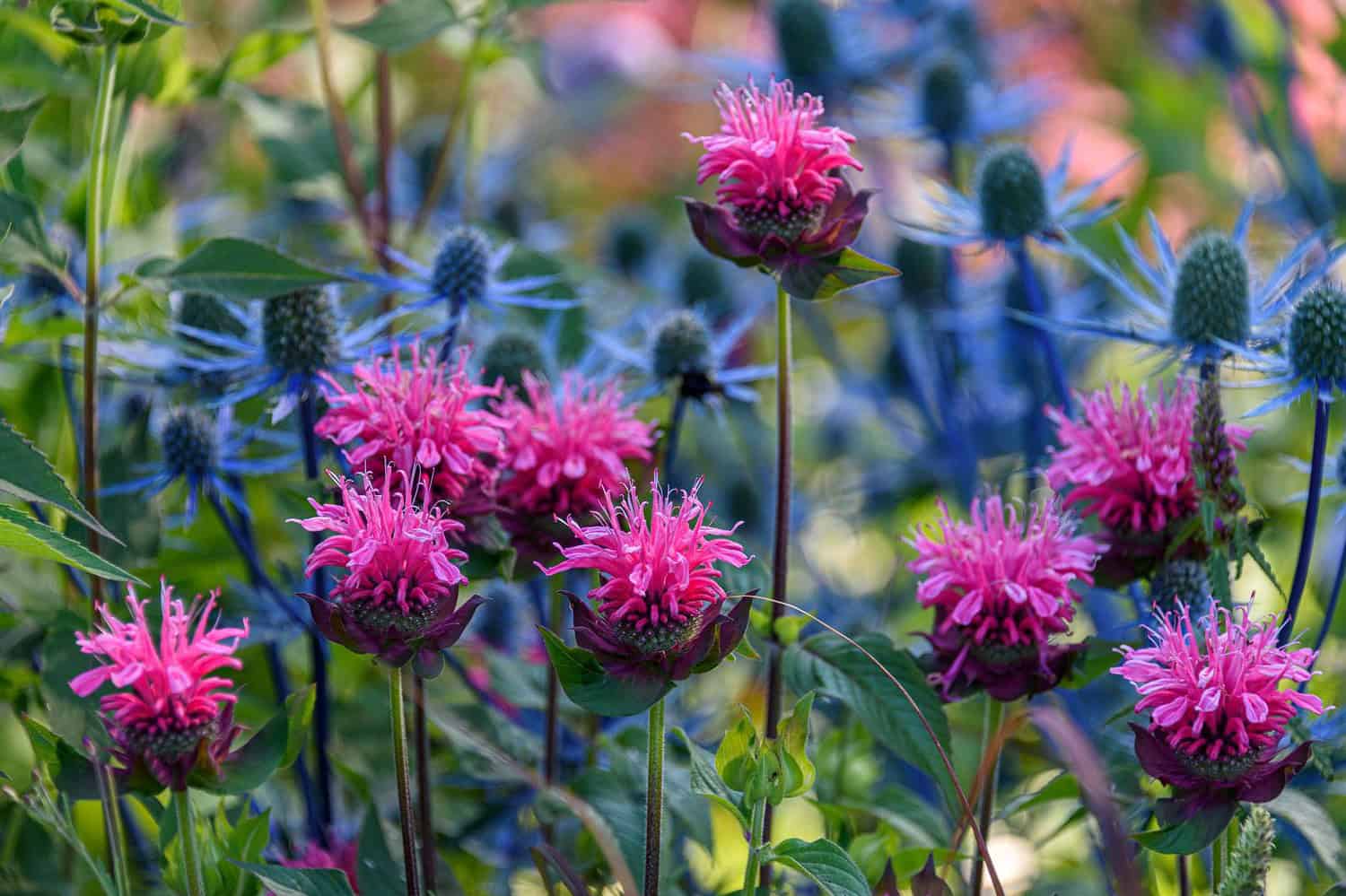
If you want to attract bees, bee balm is a great pick for your garden. It produces lots of nectar that bees love.
You’ll notice its bright red, pink, or purple flowers stand out, adding some color while helping pollinators. Just remember, carpenter bees are attracted too, though they might struggle to reach the nectar deep inside the flower.
Cosmos
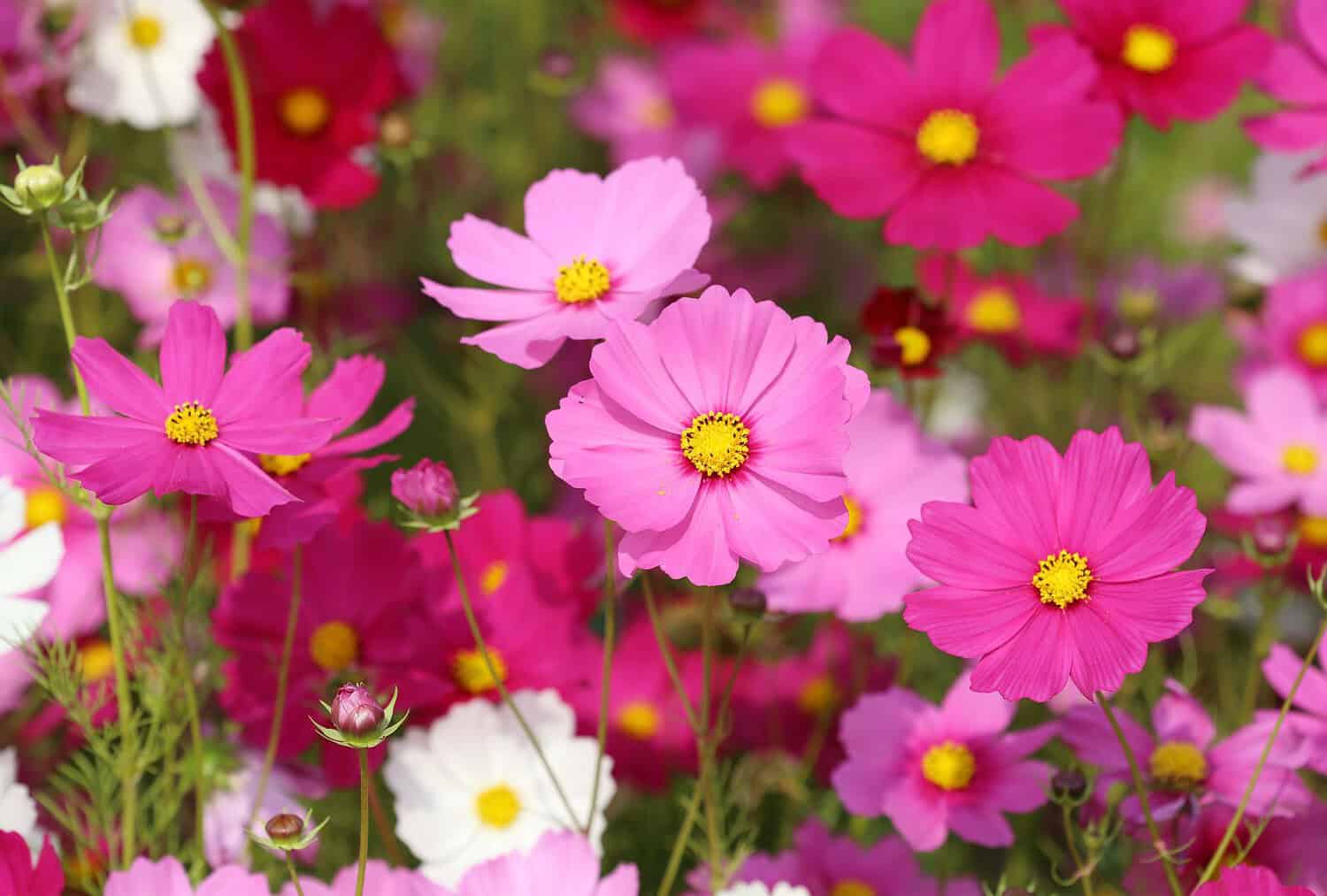
If you want a flower that’s easy to grow, cosmos is a great choice. They thrive in many regions and start easily from seeds.
You’ll notice lots of bees drawn to their bright, showy petals. They keep buzzing around, making your garden lively. Cosmos bloom for a long time, so your garden stays colorful and buzzing well into the season.
Goldenrod
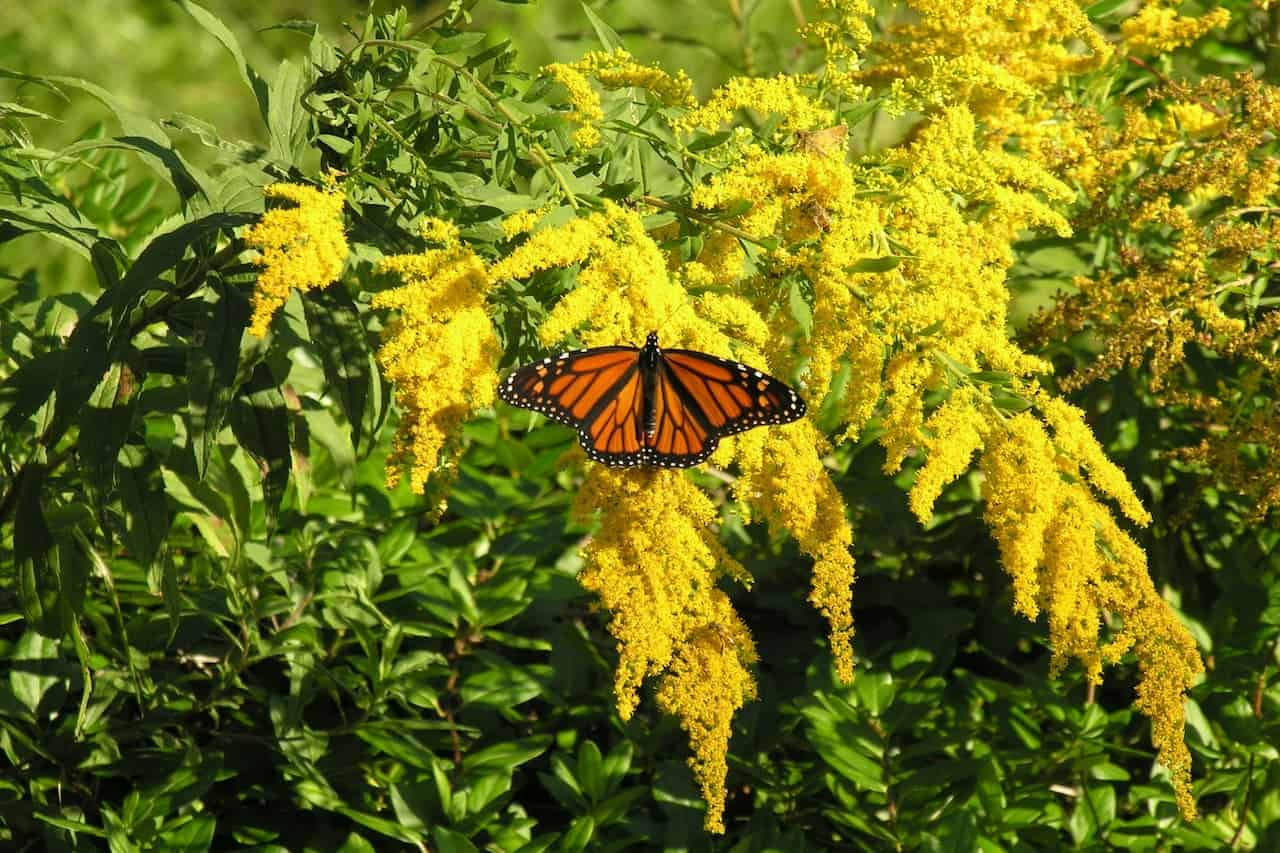
Goldenrod is a great choice if you want to keep your garden buzzing late into the season. It spreads easily and survives with minimal care, even just rainwater.
You’ll notice bees love its bright yellow flowers, which offer plenty of nectar. For more details, check out goldenrod’s benefits for pollinators at Green Garden Buzz.
Echinacea

Echinacea, also known as coneflower, is a great choice if you want to attract bees to your garden. Its vibrant purple petals and easy-to-access nectar make it a favorite buzzing spot.
You’ll find that Echinacea blooms from mid-summer and keeps going for weeks. It’s low maintenance and adds a splash of color while helping out your local pollinators.
Basil
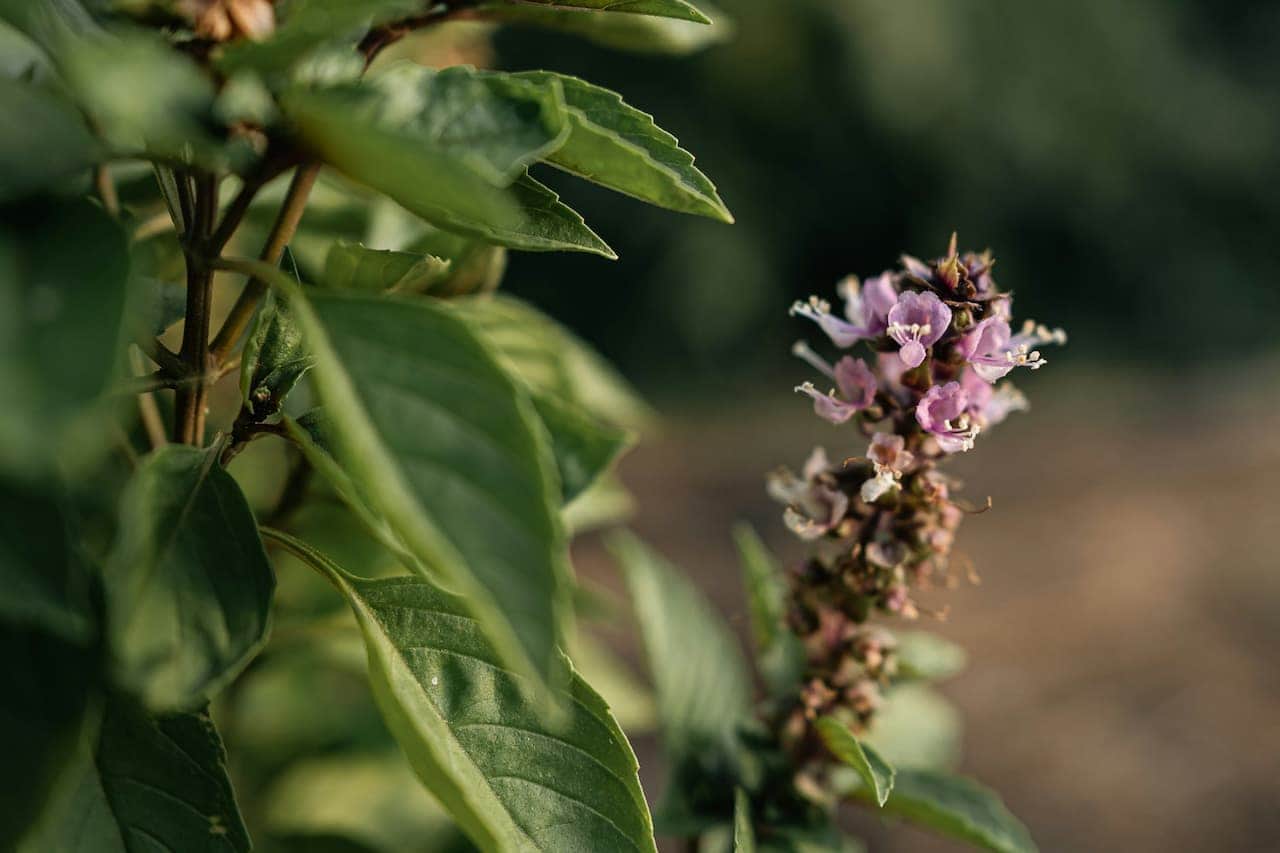
If you want to attract bees, basil is a great choice. It blooms with small flowers that bees love.
Try varieties like African Blue Basil or Thai Basil for a fragrant garden that buzzes nearly year-round. You can also enjoy the fresh herb while supporting pollinators. Letting your basil flower can boost bee activity in your garden naturally.
Cilantro
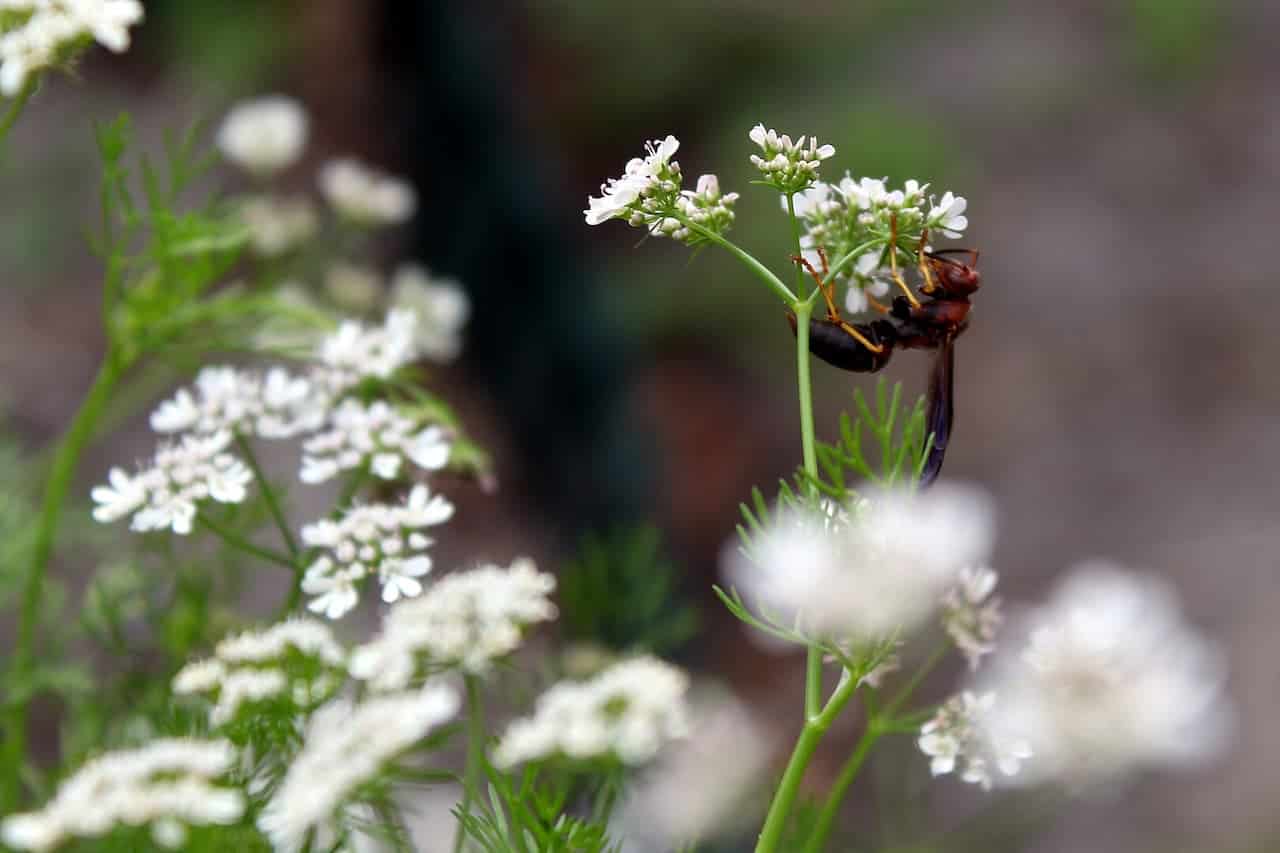
When cilantro blooms, it creates small white or pale yellow flowers that attract bees. You might notice your garden buzzing when it’s flowering.
If you grow cilantro, allow some plants to flower to help support pollinators. It’s a simple way to add a bee-friendly touch to your garden.
Coreopsis
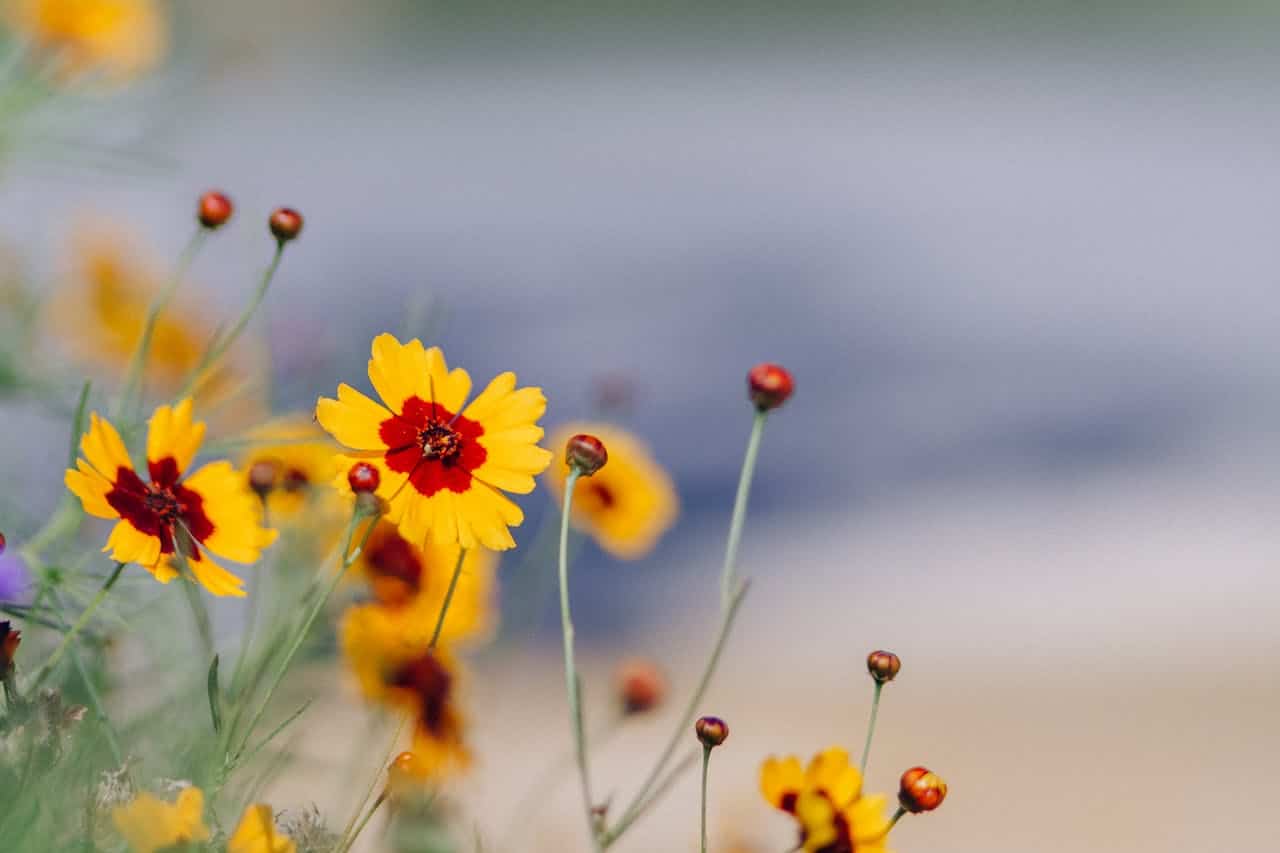
If you want an easy-to-grow flower that bees love, coreopsis is a solid pick. It’s sometimes called tickseed and attracts plenty of bees and butterflies.
You don’t need to fuss much with it. Just water during summer and let it spread naturally through seeds and rhizomes. Your garden will thank you with lots of buzzing visitors. Plus, small birds like goldfinches enjoy its seeds, so you’re supporting more than just pollinators.
Anise Hyssop
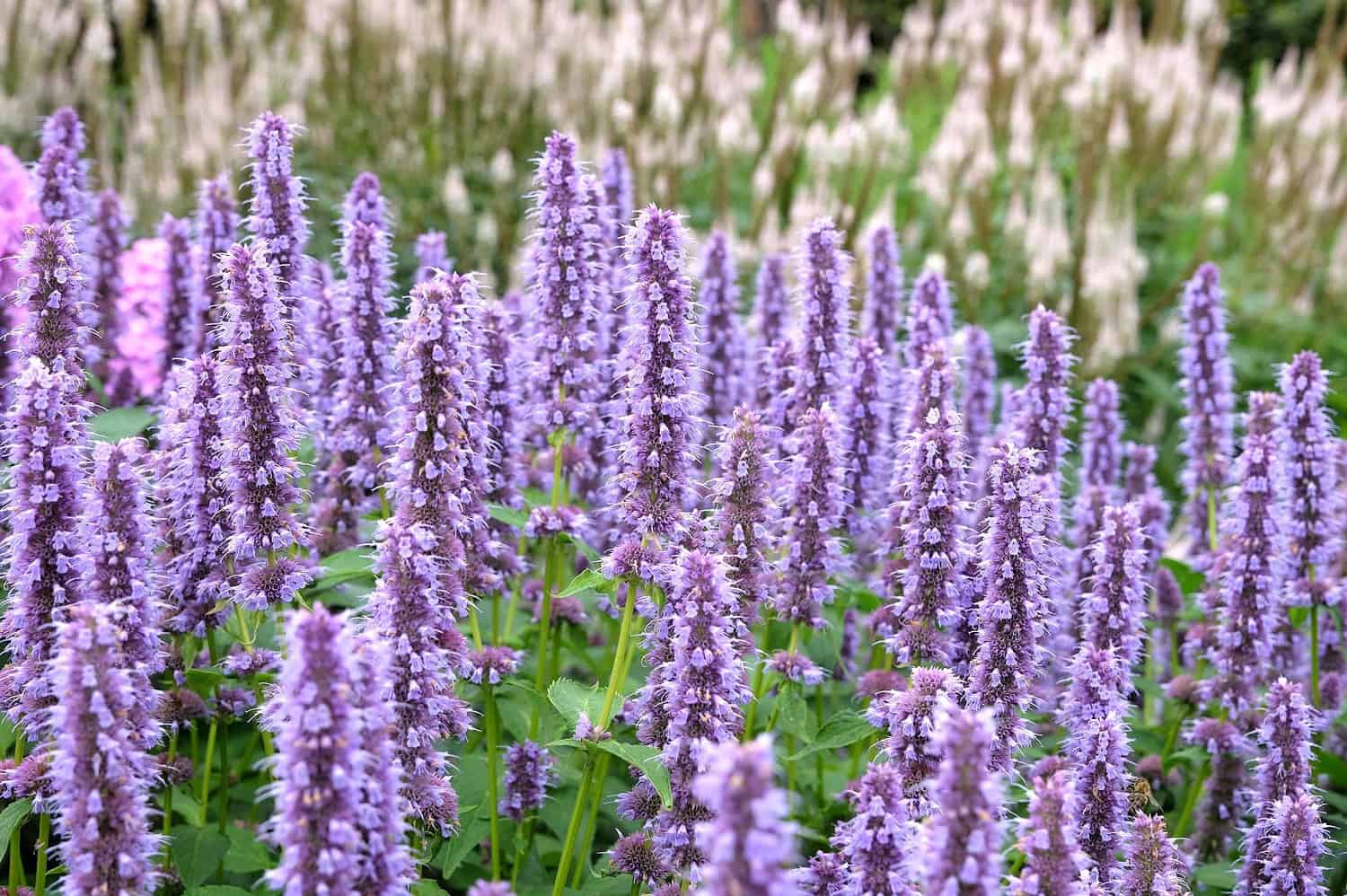
If you want a flower that’s a magnet for bees, anise hyssop is a solid choice. Its lavender blooms produce lots of nectar that attracts not only bees but also butterflies and hummingbirds. You’ll notice your garden buzzing with activity around these plants.
They’re easy to grow and can really liven up your outdoor space with both color and life.
Dill
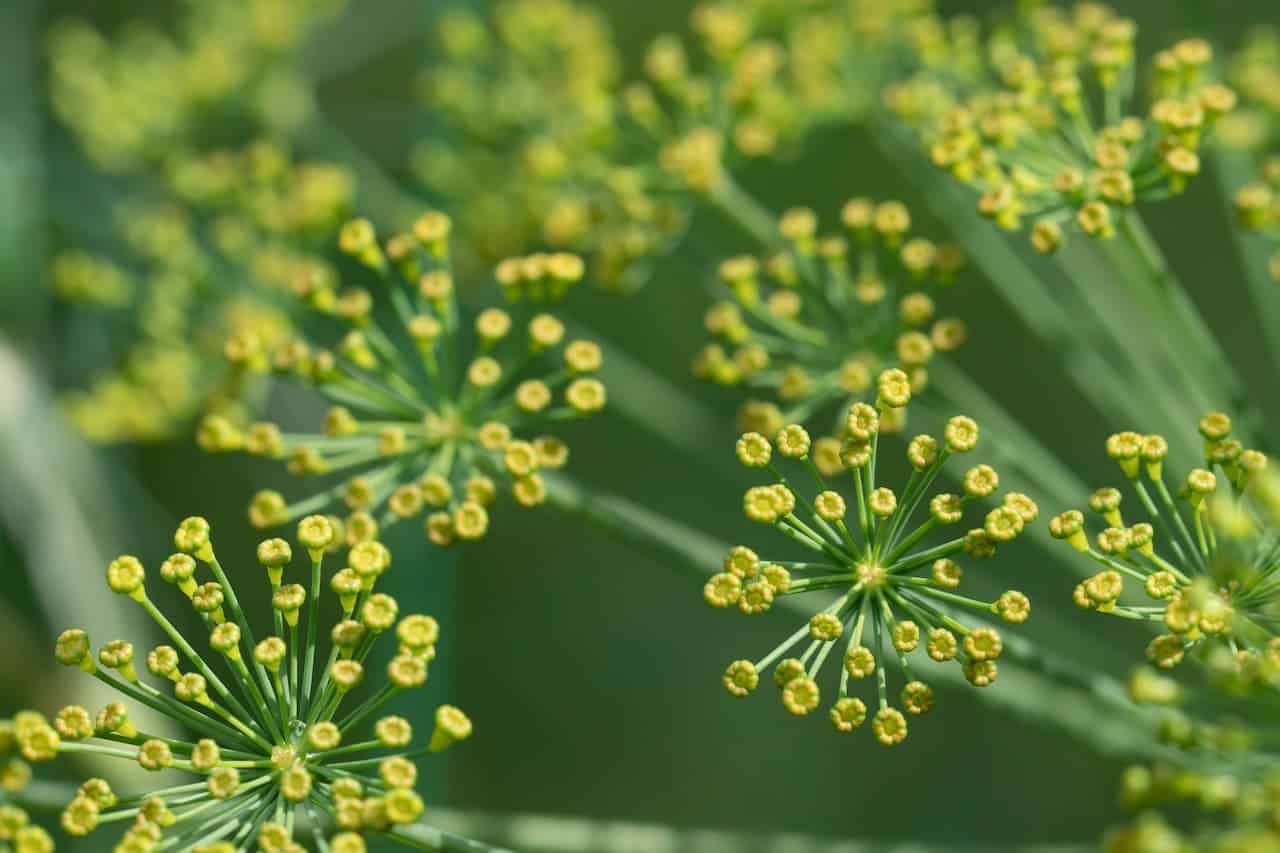
Dill is an easy herb to grow and great for attracting bees to your garden. Its delicate yellow flowers provide a good source of nectar that pollinators love.
You’ll also find that dill supports other beneficial insects, helping your garden’s ecosystem stay balanced and healthy. Growing dill is a simple way to give your garden a little extra buzz.
Lemon Balm
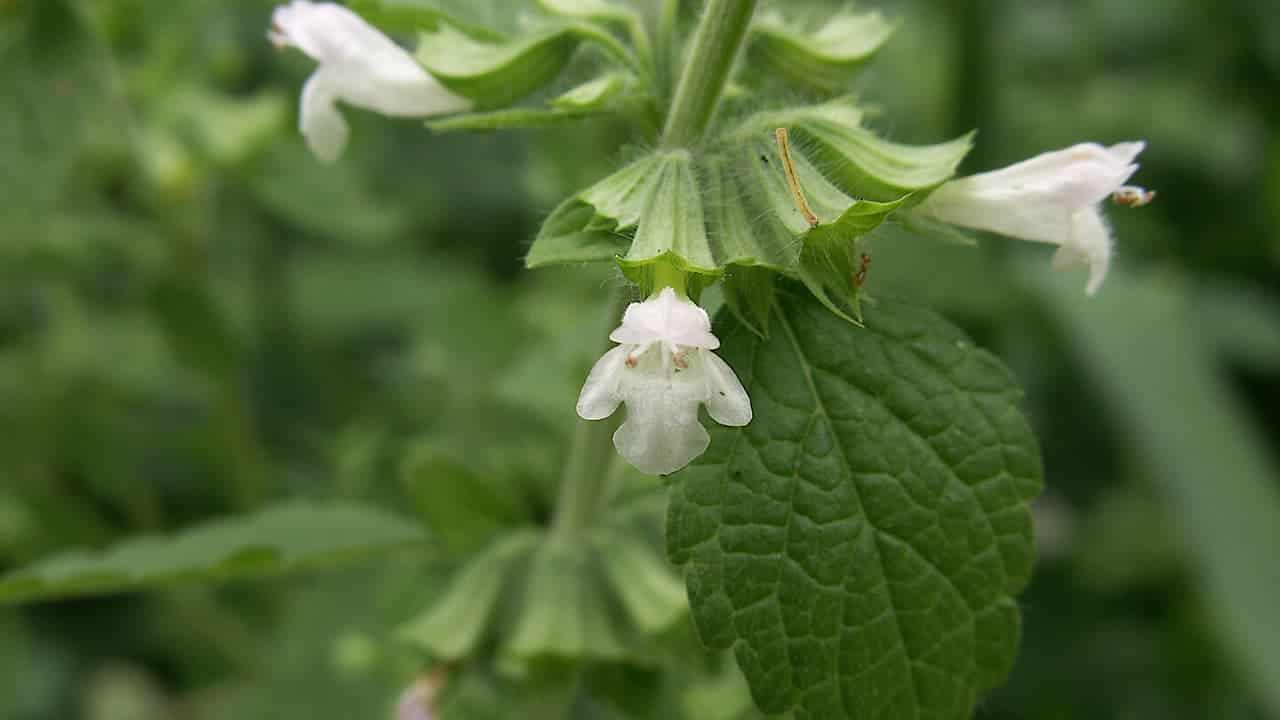
If you want an easy-to-grow herb that bees love, lemon balm is a great pick. It produces small, fragrant flowers that attract pollinators throughout the season. Plus, it’s deer-resistant, so you don’t have to worry about your plants getting munched.
You can plant it in your garden or containers. It also adds a nice lemony scent to your outdoor space and is useful in teas or salads.
Balloon Flower
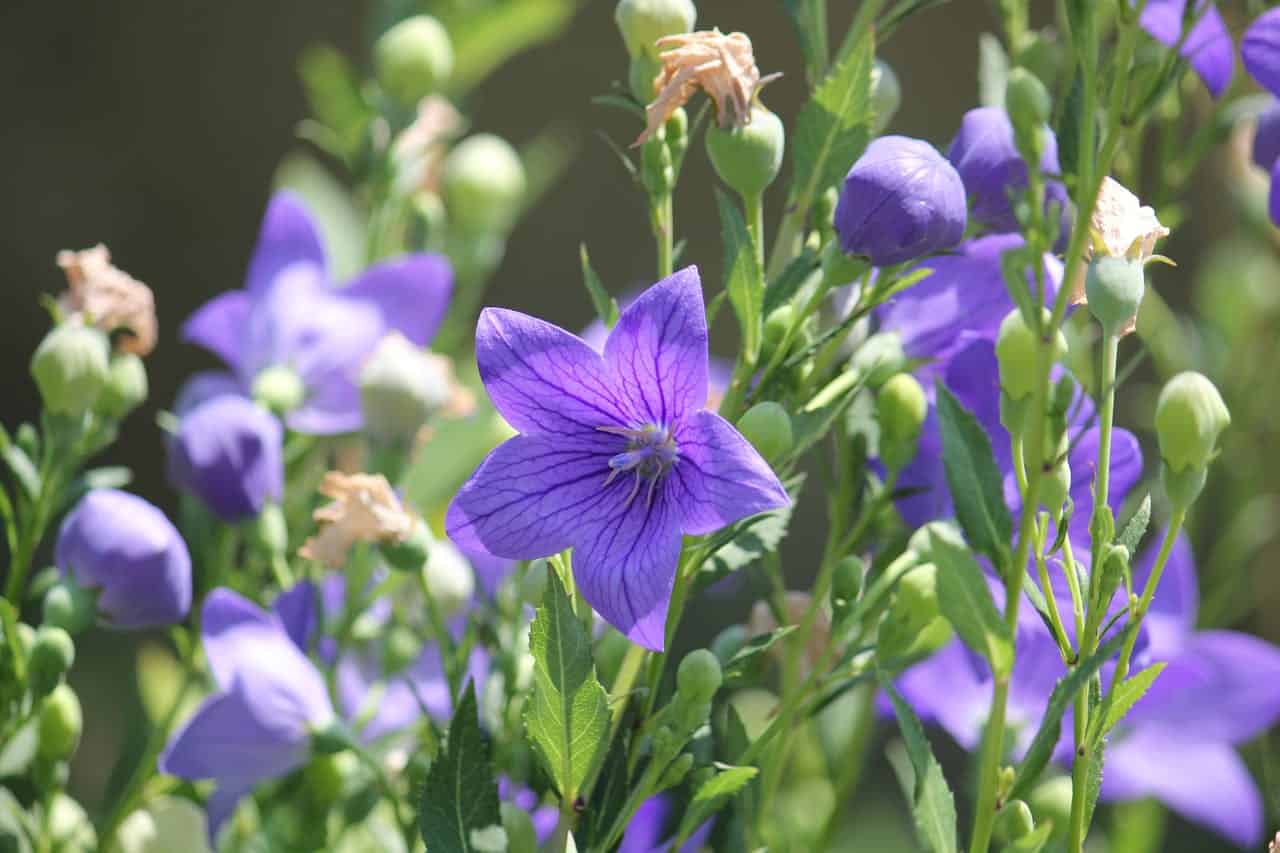
If you want a cool flower that bees love, try planting balloon flowers. They have these unique balloon-shaped buds that pop open into star-shaped blooms.
These flowers do well in full sun to part shade, making them pretty easy to grow in your garden. Plus, they’ll attract bees and other pollinators, helping your garden thrive.
Foxglove
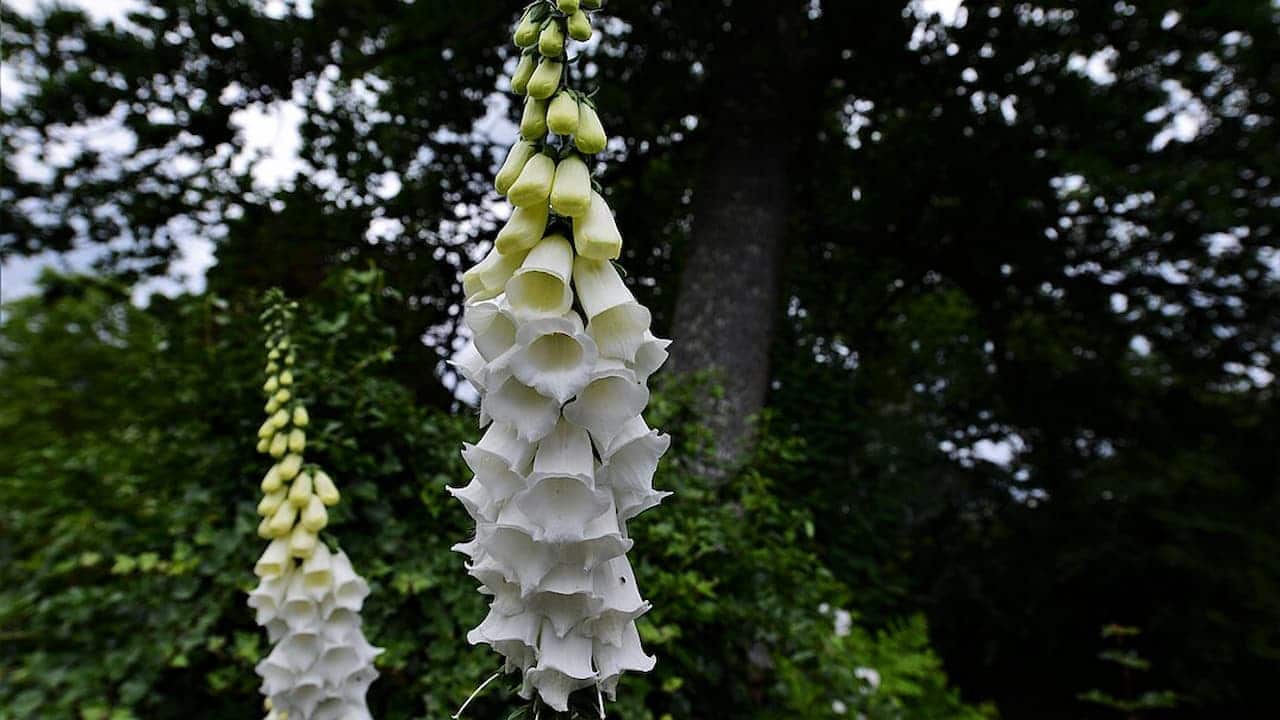
Foxgloves have tall spikes covered in bell-shaped flowers that bees love. They usually bloom in early summer, making them great for adding color and attracting pollinators at the same time.
If you want to grow them, plant the tiny seeds in a seed tray or sow directly in May or June. Just keep in mind, foxgloves are toxic, so handle with care around pets and kids.
Daisy
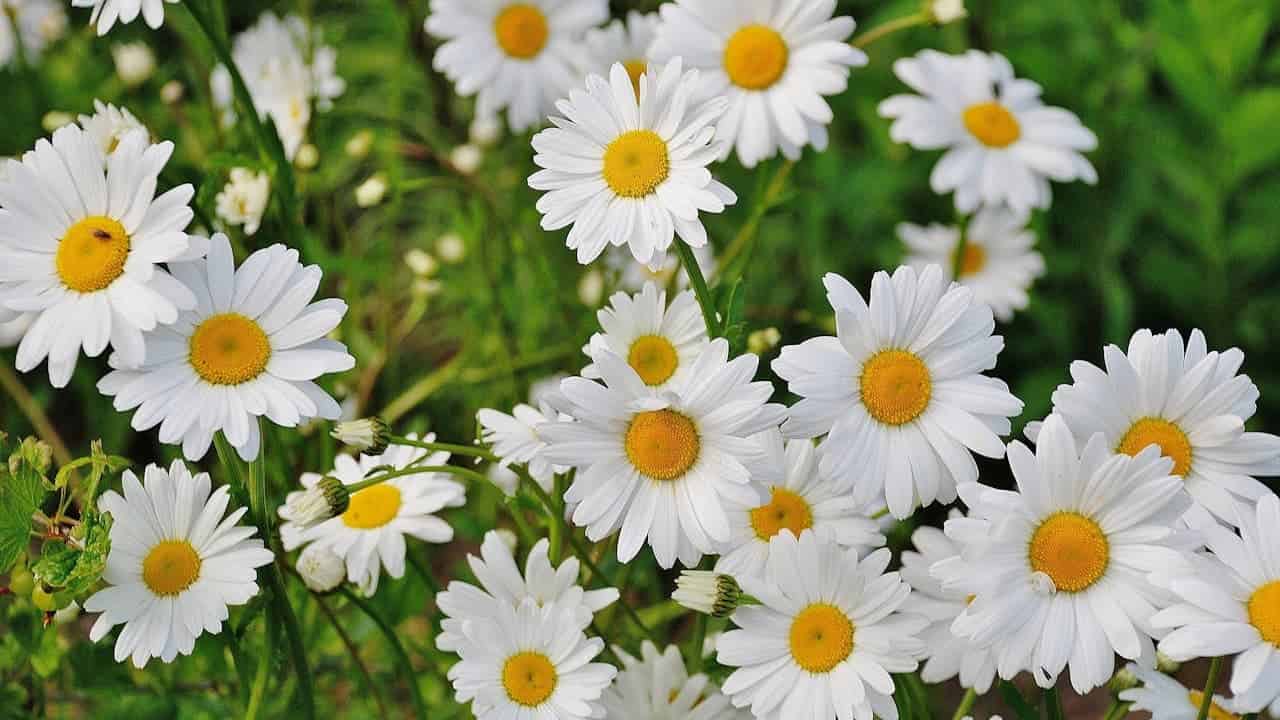
If you want an easy flower that bees love, daisies are a great pick. They have a simple shape that’s perfect for pollinators to land on and gather nectar.
Daisies bloom for a long time, giving bees plenty of chances to visit. Plus, they add a cheerful vibe to your garden without much fuss. You can try different types like common daisies or chamomile for variety.
Milkweed
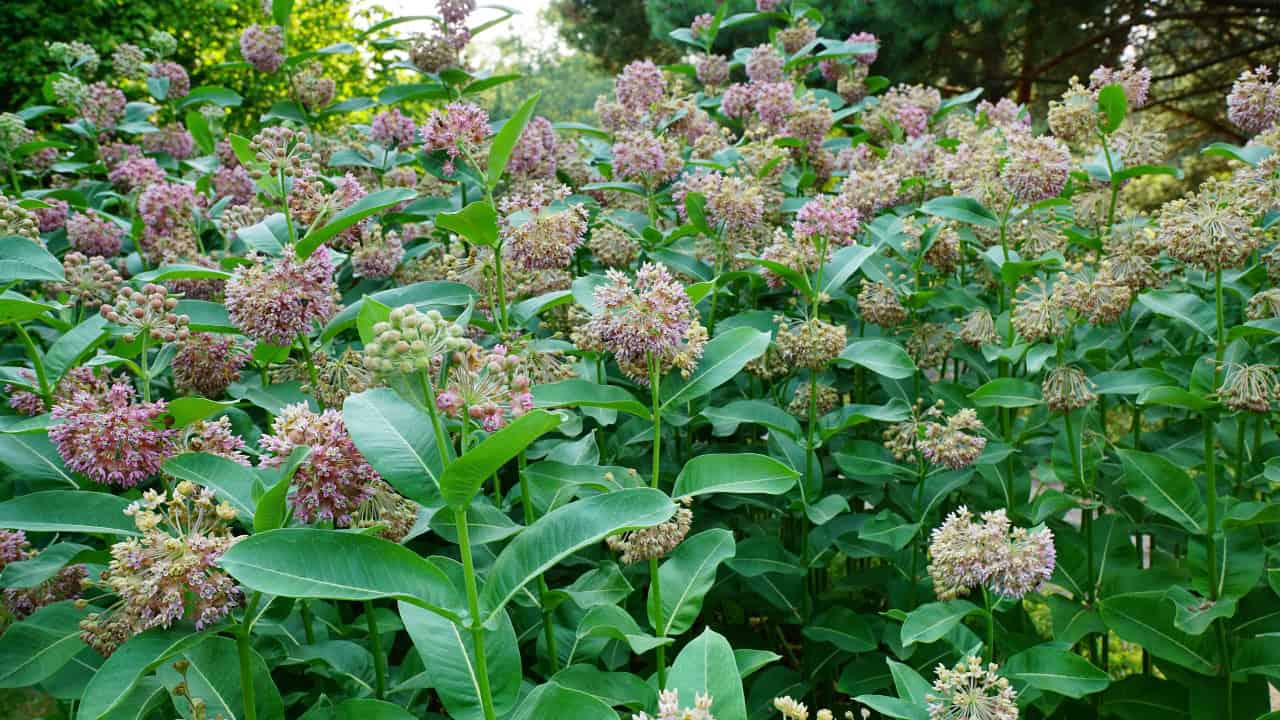
If you want to support both bees and butterflies, milkweed is a solid pick. It’s especially famous for attracting monarch butterflies, but bees love it too.
You’ll find different types like common milkweed and butterfly milkweed that do well in most gardens. They have bright flowers that buzz with activity throughout the growing season. Adding milkweed to your garden helps create a natural, buzzing hotspot for pollinators.
Obedient Plant
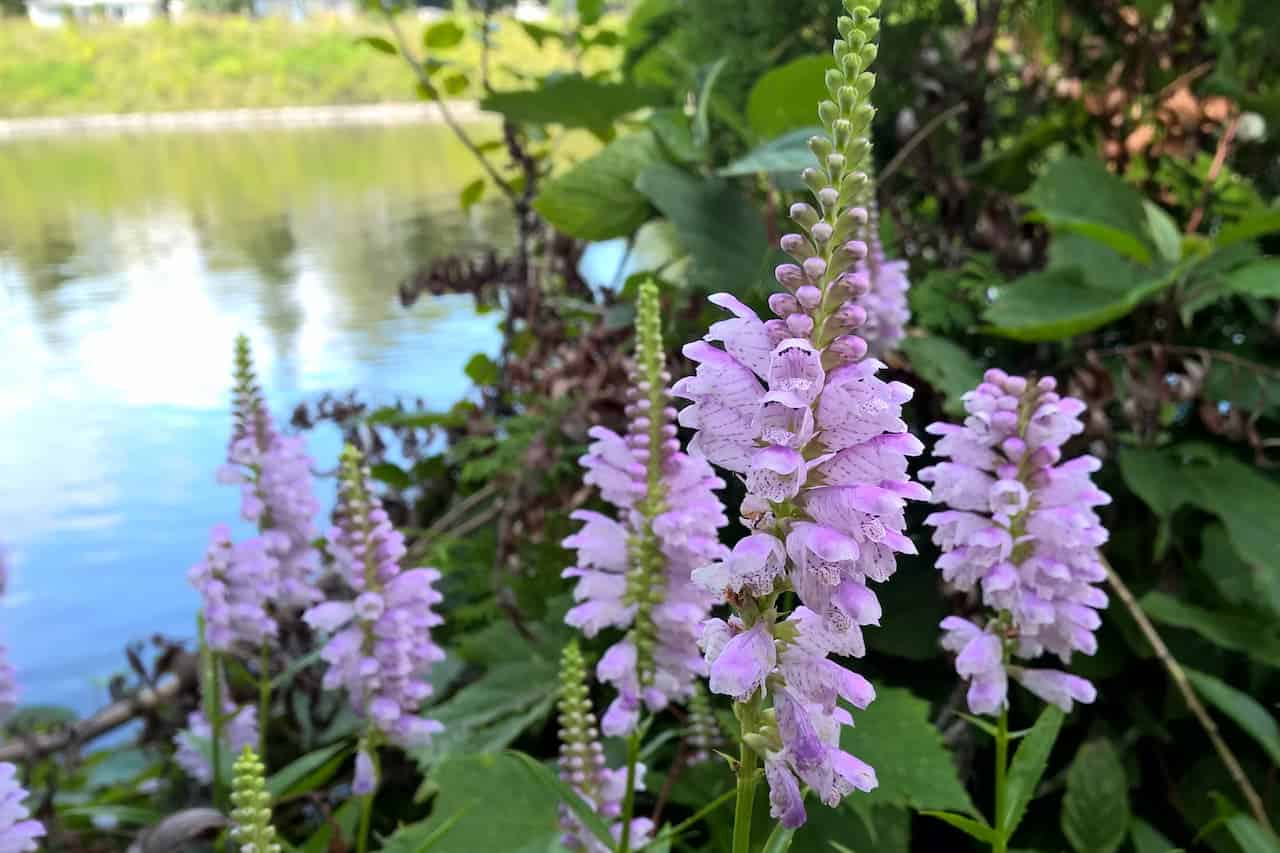
If you want a flower that’s easy on pollinators, the obedient plant is a solid pick. It blooms for about six weeks in late summer, giving bees plenty of time to visit.
You’ll see bumblebees and hummingbirds enjoying its nectar, especially since it’s great for long-tongued pollinators. Plus, the flowers actually stay put if you move them around, which is kind of neat. This plant is also deer resistant, making it a low-maintenance addition to your garden.
Oregano

If you let your oregano flower, you’ll notice bees love it. It’s a low-maintenance herb that attracts pollinators without extra effort.
Oregano prefers dry conditions, so it’s great if your garden doesn’t get too soggy. You can also plant it alongside lavender or sage to keep the buzz going strong.
Rosemary
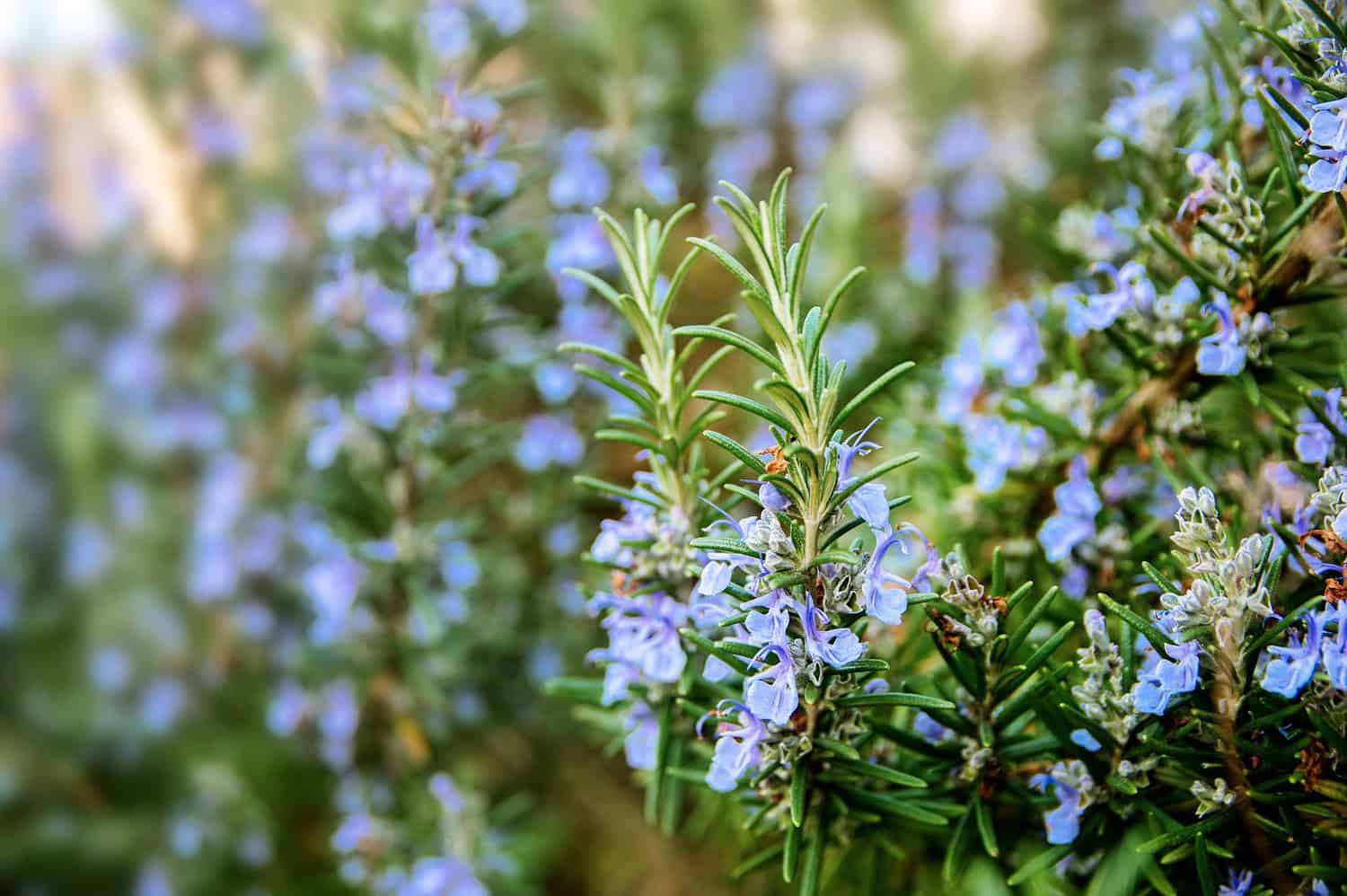
Rosemary is a great choice if you want a plant that keeps giving. It produces small blue flowers that bloom nearly year-round, so bees have nectar to enjoy for a long time.
It grows best in well-draining soil and sunny spots. Plus, it’s pretty low maintenance, making it easy to add to your garden for steady pollinator visits.
Thyme

You’ll find thyme is a great little herb to add to your garden if you want to attract bees. It blooms from spring through mid-summer, giving pollinators plenty of time to visit.
Thyme has a lovely scent that bees seem to love, and it provides both pollen and nectar. It’s low-maintenance, so it fits nicely in herb or flower beds.