Growing perennials can be rewarding, but some are trickier to get right than others. You might be tempted to avoid these challenging plants because they need extra care, patience, or specific conditions.
The good news is that with the right tips and techniques, you can successfully grow these tricky perennials and enjoy their unique beauty in your garden. Knowing what to expect and how to handle their quirks makes all the difference in turning your effort into a thriving garden.
Advertisement
Peony – needs cold winters but rewards with stunning blooms

Peonies need cold winters to bloom well, so they thrive best in cooler climates. If you live somewhere warmer, choose early-blooming varieties that require less chill.
With proper care, your peony can grow up to 3 feet tall and produce dozens of beautiful flowers each year. Just be patient—these plants take a bit of time to establish but last for decades.
For tips on growing peonies that bloom reliably, check out this guide on how to plant and care for peonies.
Hosta – tricky in hot sun, thrives in shade with moist soil
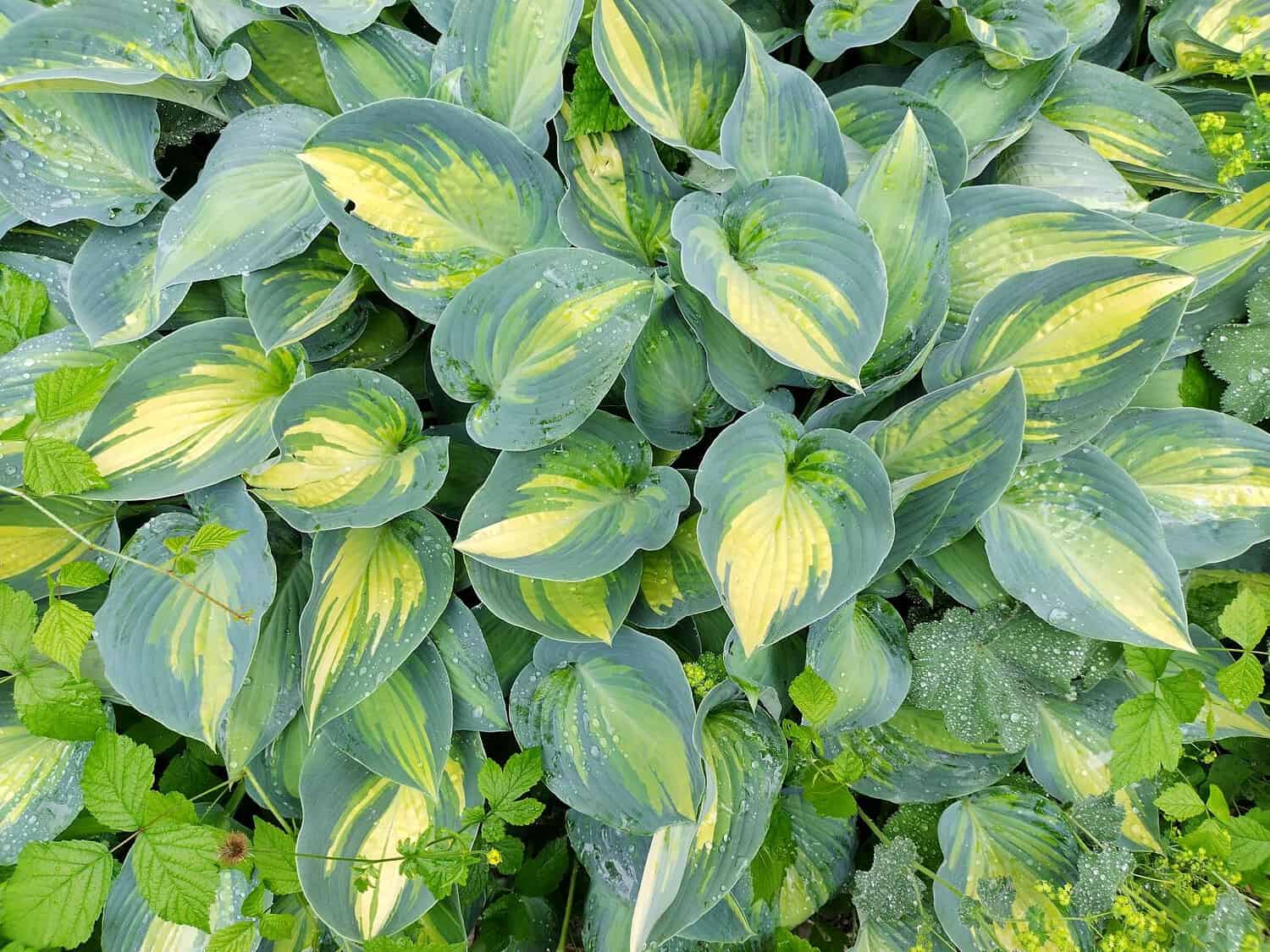
Hostas love shade and can struggle if placed in hot afternoon sun. You’ll want to plant them where they get dappled shade or just morning sun to avoid leaf scorch.
Keep the soil consistently moist but well-draining, especially if your hostas are under trees that compete for water. Regular watering helps them stay lush and healthy. If you give your hosta the right shady spot and keep the soil happy, it’ll reward you with beautiful foliage.
Bleeding Heart – prefers cool, shaded spots and consistent moisture
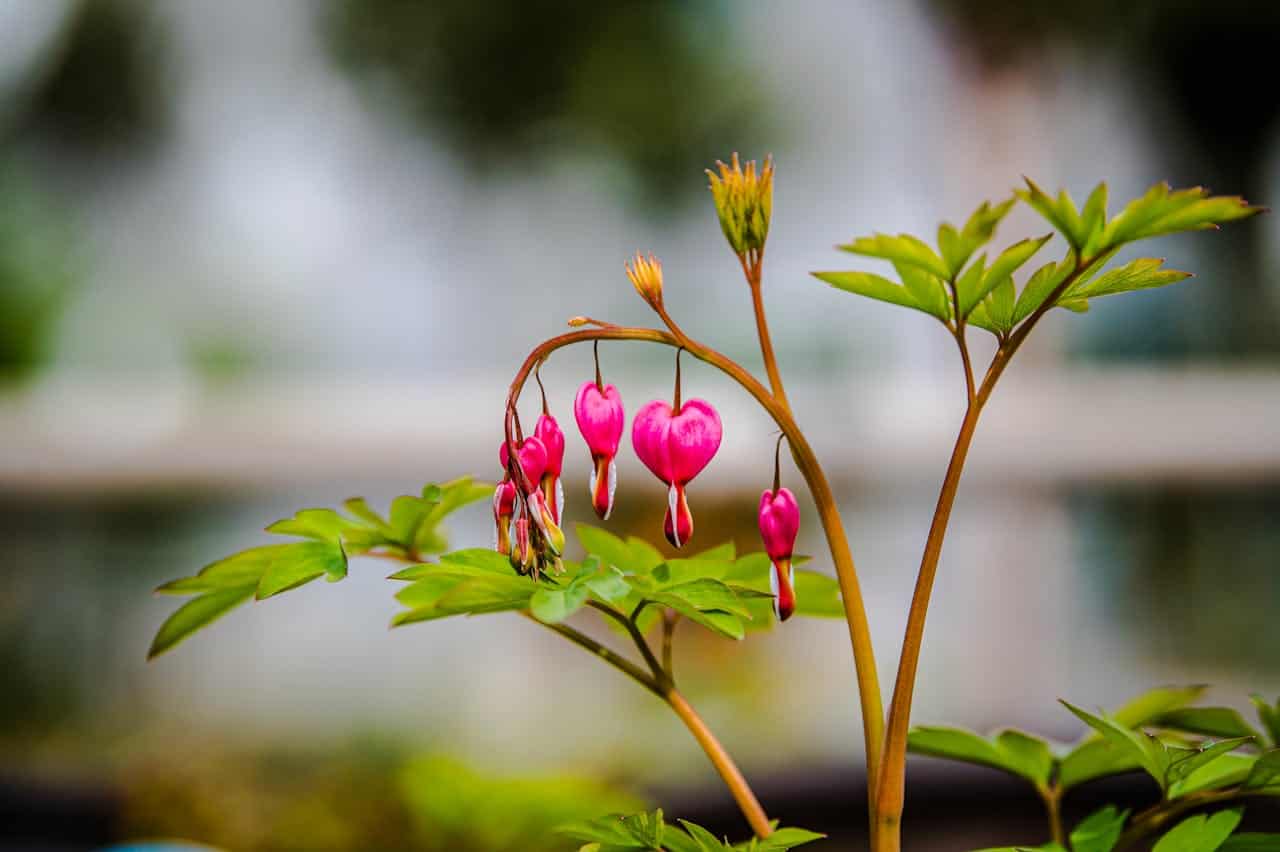
You’ll want to plant Bleeding Heart in a cool, shady spot. These perennials thrive in partial to full shade, especially during hot afternoons.
Keep the soil consistently moist but well-drained; they don’t like to dry out or sit in water. Adding rich, humus soil helps them grow happy and healthy. If you’re in a northern area, a bit of morning sun is fine as long as the soil stays moist and cool.
Delphinium – requires staking and rich soil for tall flower spikes
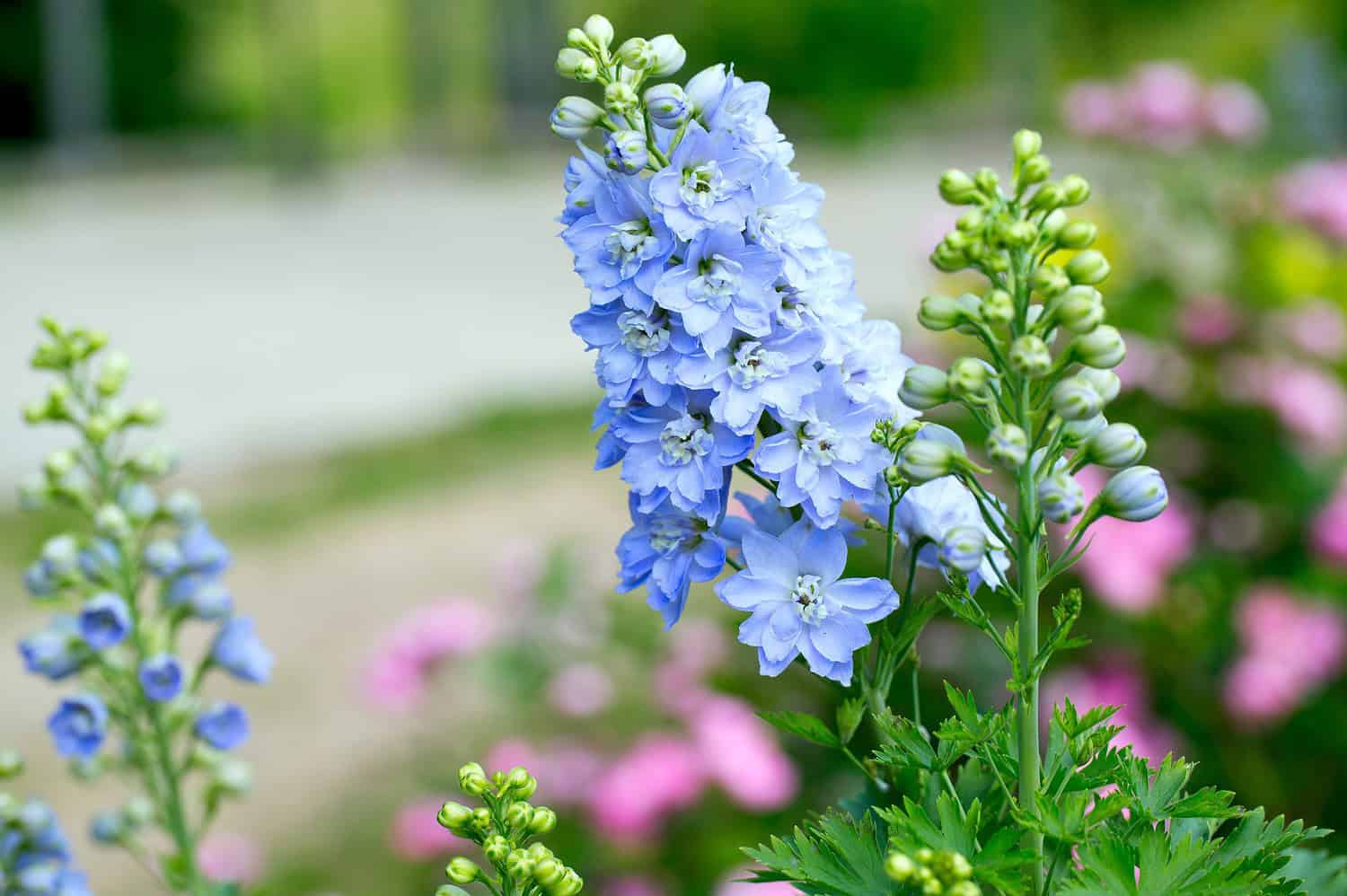
Delphiniums grow tall and need rich, well-drained soil to thrive. You’ll want to add compost or organic matter to boost soil fertility. Because their flower spikes can get quite tall, staking is a must to keep them from toppling over.
Make sure they get plenty of sun but keep the roots cool and moist for best growth. You can find more tips on how to grow delphiniums here.
Japanese Anemone – spreads aggressively, prune to control
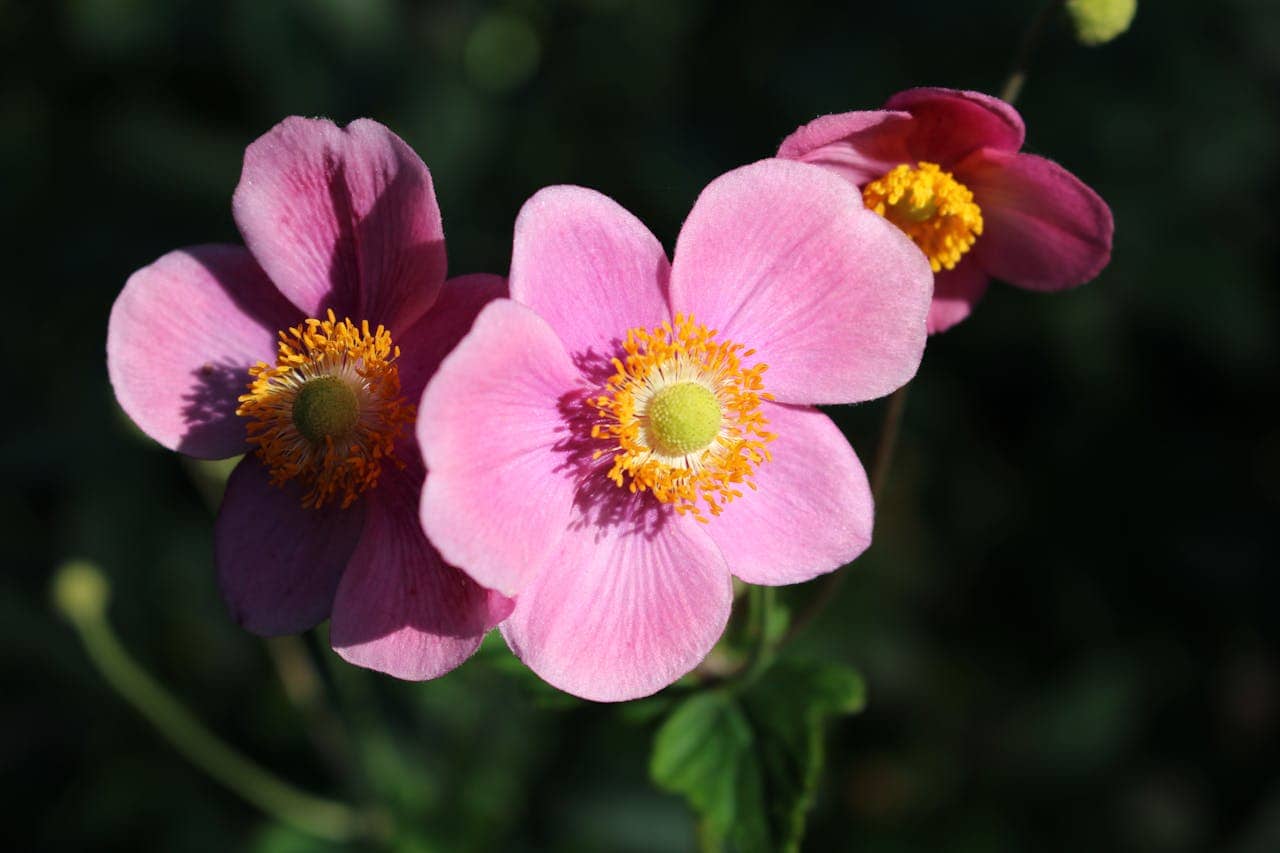
Japanese anemones can quickly take over your garden if you’re not careful. They spread aggressively through underground rhizomes. You’ll want to prune them regularly to keep them in check. Deadhead spent flowers and cut back foliage after it dies back to avoid overcrowding.
If you don’t prune, they may crowd out other plants nearby. Managing their growth helps maintain a balanced garden. For more tips, check how to grow Japanese anemones.
Foxglove – biennial that self-seeds, watch for leaf spot
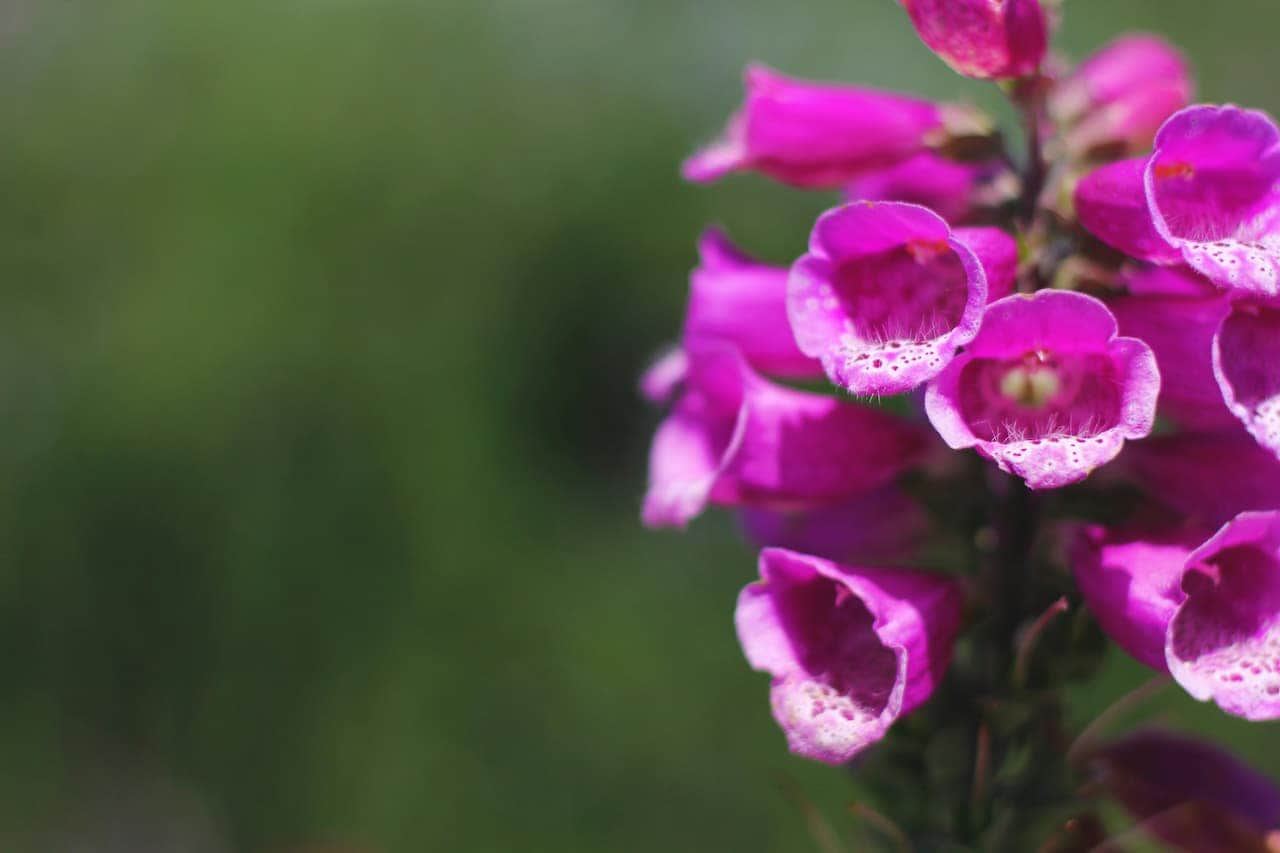
Foxgloves are biennials, meaning they grow leaves the first year and bloom the next. After flowering, they usually self-seed, so you can expect new plants to pop up around your garden.
You’ll want to keep an eye out for leaf spot disease, which can affect the leaves and stunt growth. Plant foxgloves in part shade and keep the soil moist to help them thrive. For more tips, check out how to grow foxgloves successfully.
Lupine – loves cool summers and well-draining soil
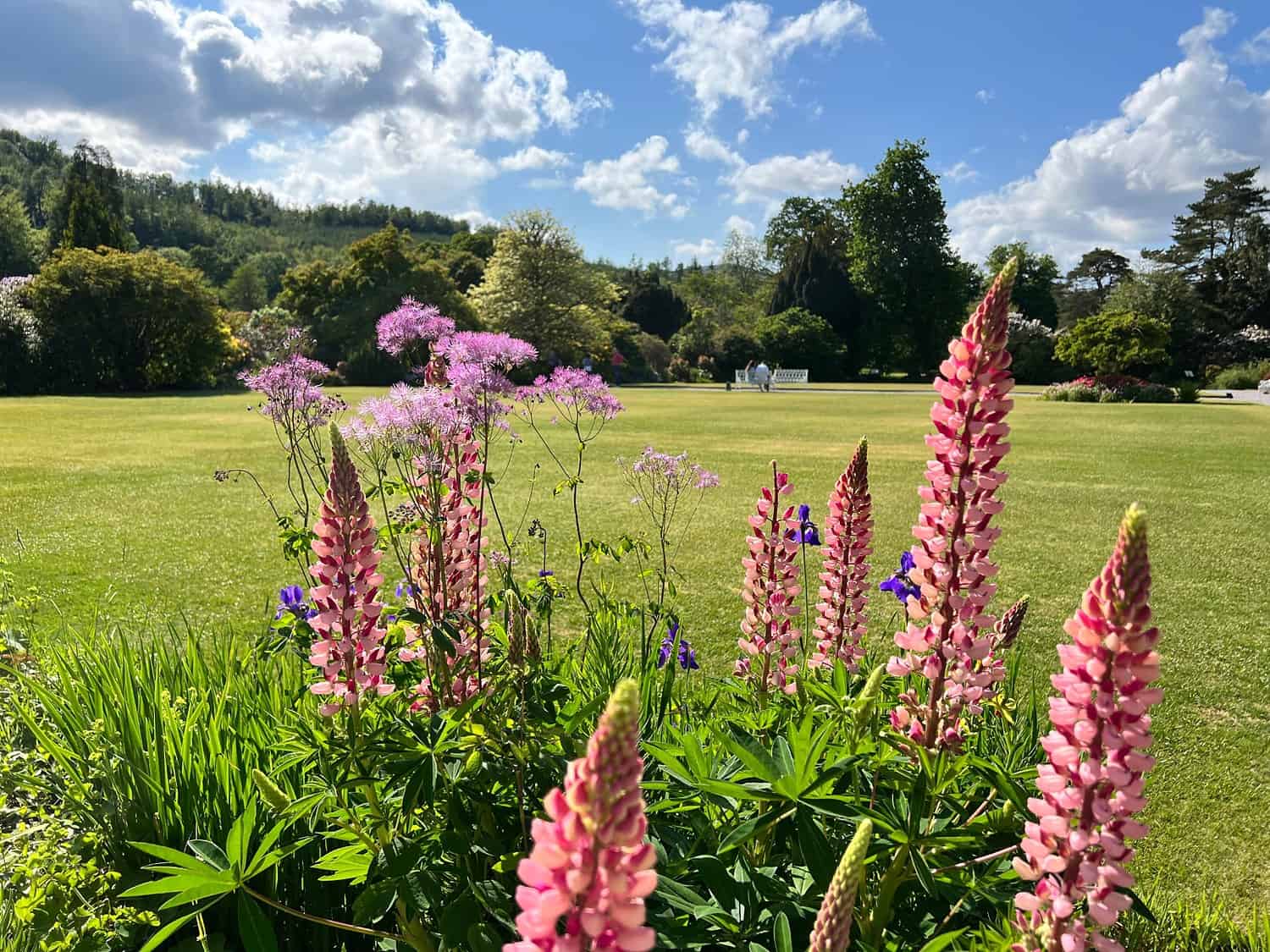
If you want lupines to thrive, plant them where summers stay cool. They don’t like hot, sticky weather.
Choose well-draining soil, preferably sandy or loose. Avoid heavy clay soils since lupines don’t do well there.
Make sure they get plenty of sun, but keep watering moderate. Too much moisture can cause root problems. For more tips, check out how to grow lupines in well-draining soil.
Jacob’s Ladder – prefers partial shade and rich soil
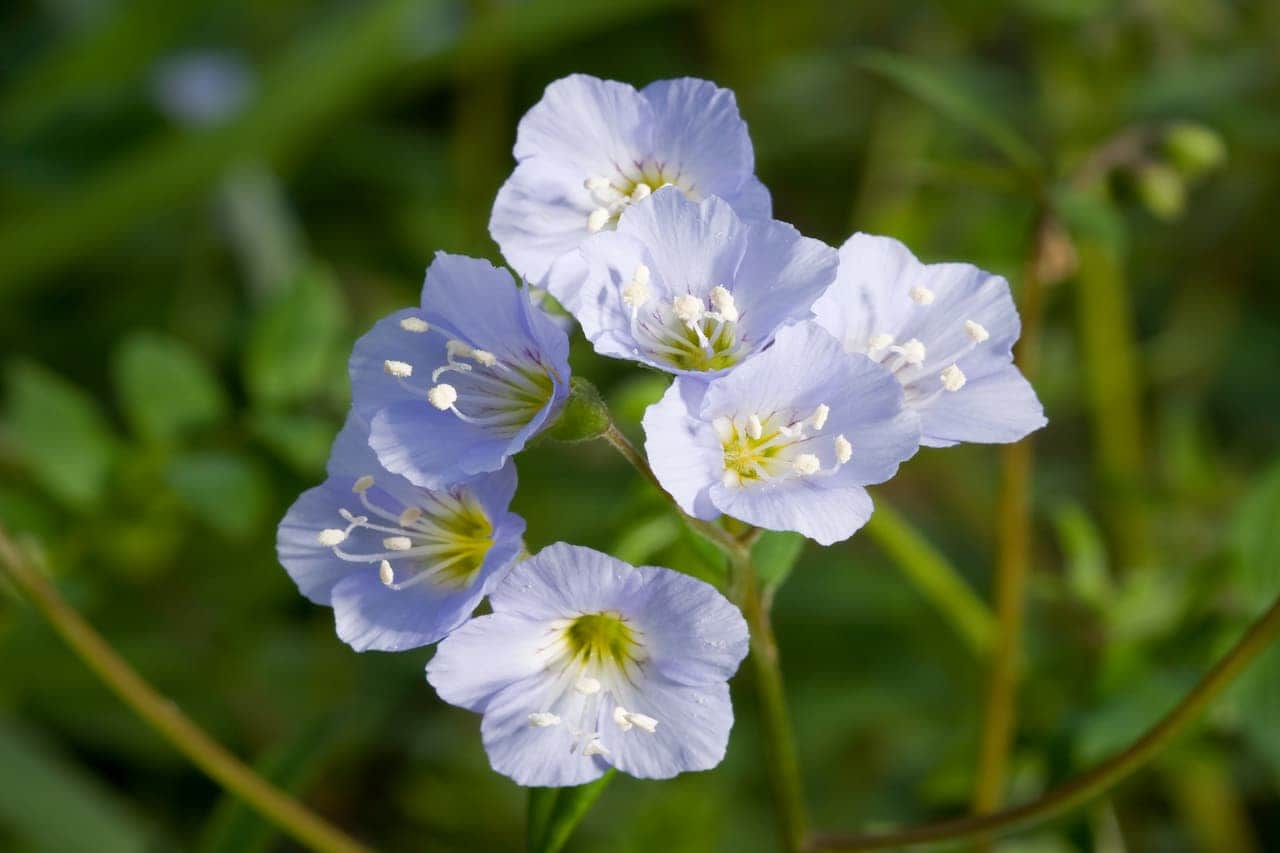
If you’re adding Jacob’s Ladder to your garden, aim for a spot with partial shade. It thrives where soil is rich in organic matter and stays moist but drains well.
Your plant will do best in slightly acidic to neutral soil. Keep it cool during summer, and you’ll have a lovely shade-loving perennial to enjoy.
Columbine – tricky seed germination but bright spring flowers
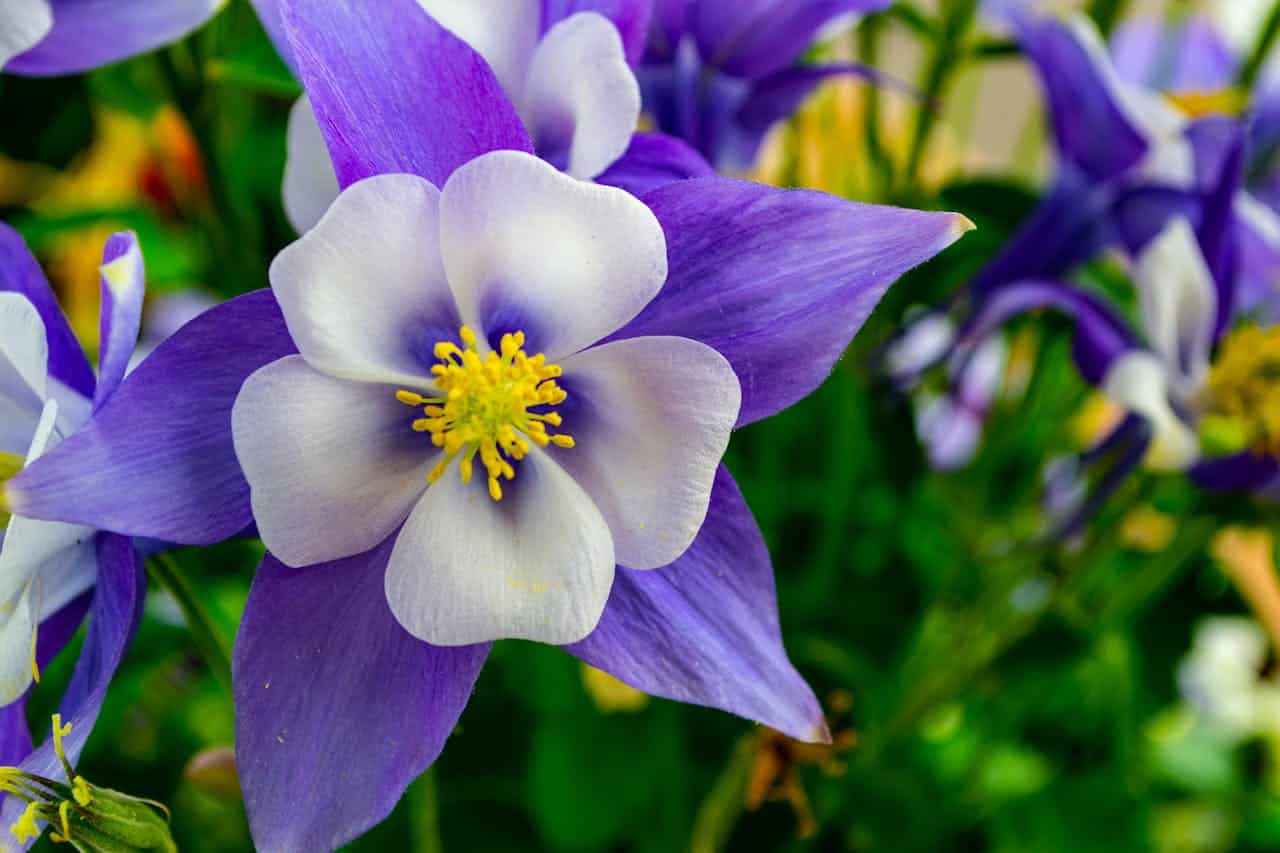
You’ll find columbine seeds a bit tricky to start. They need a cold period to germinate well, so stratifying them in the fridge for a few weeks helps.
Once they sprout, columbines reward you with lovely, bright flowers in spring. Plant them in well-drained soil with some shade for the best results. Check how to grow columbine effectively here.
Rhododendron – needs acidic soil and mulching
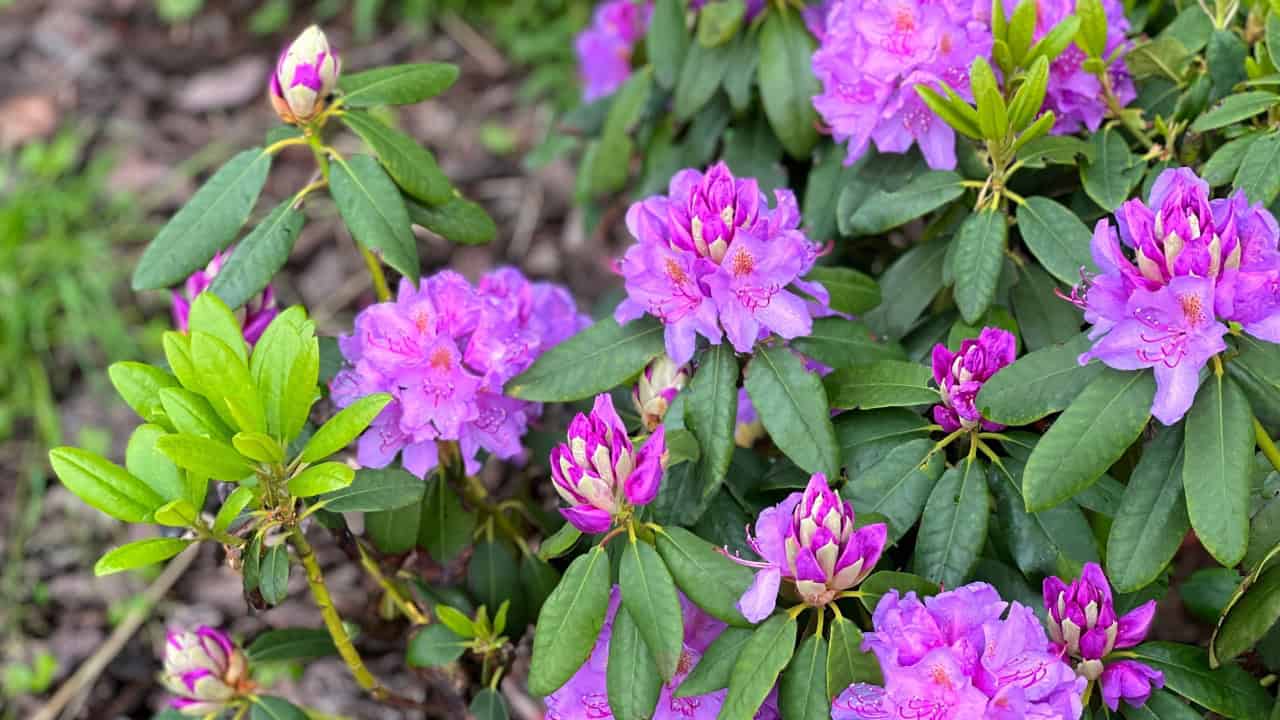
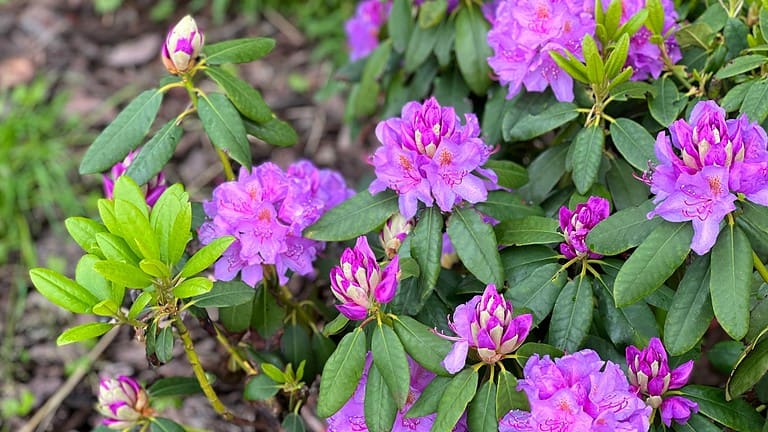
If you want your rhododendrons to thrive, keep the soil acidic, ideally between pH 4.5 and 6.0. These plants have shallow roots, so mulching with pine bark chips or pine needles each spring helps protect them.
Mulch keeps the soil moist and cool, which rhododendrons really appreciate, especially during dry spells. With the right soil and mulch, your rhododendrons will stand a much better chance of growing well.
Astilbe – thrives in shade with constant moisture, avoid drought
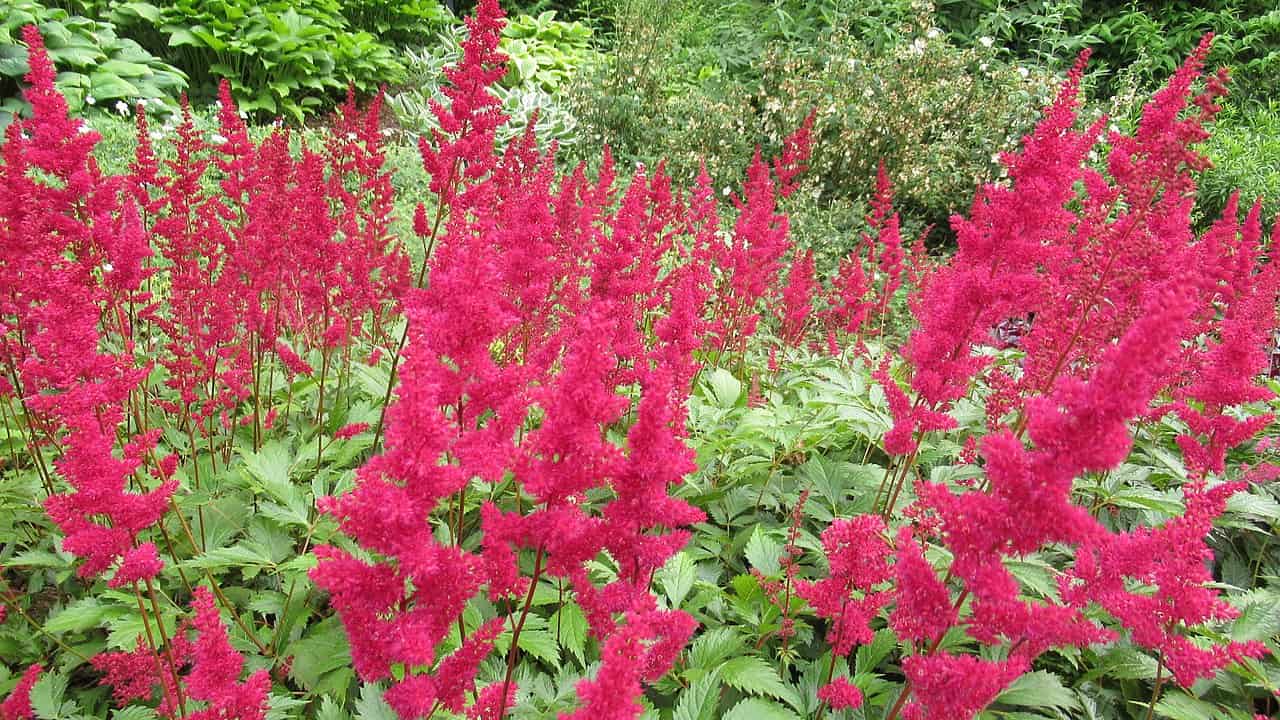
If you want a low-maintenance splash of color, astilbe is a solid choice. It loves shade or partial shade, so don’t plant it in full sun unless you’re up north.
Keep its soil consistently moist—dry spells are its enemy. Water regularly, especially during hot, dry weather, to keep your astilbe happy and blooming. For tips on care, see how to grow astilbe in shade and moist soil.
Larkspur – sensitive to heat, plant early spring
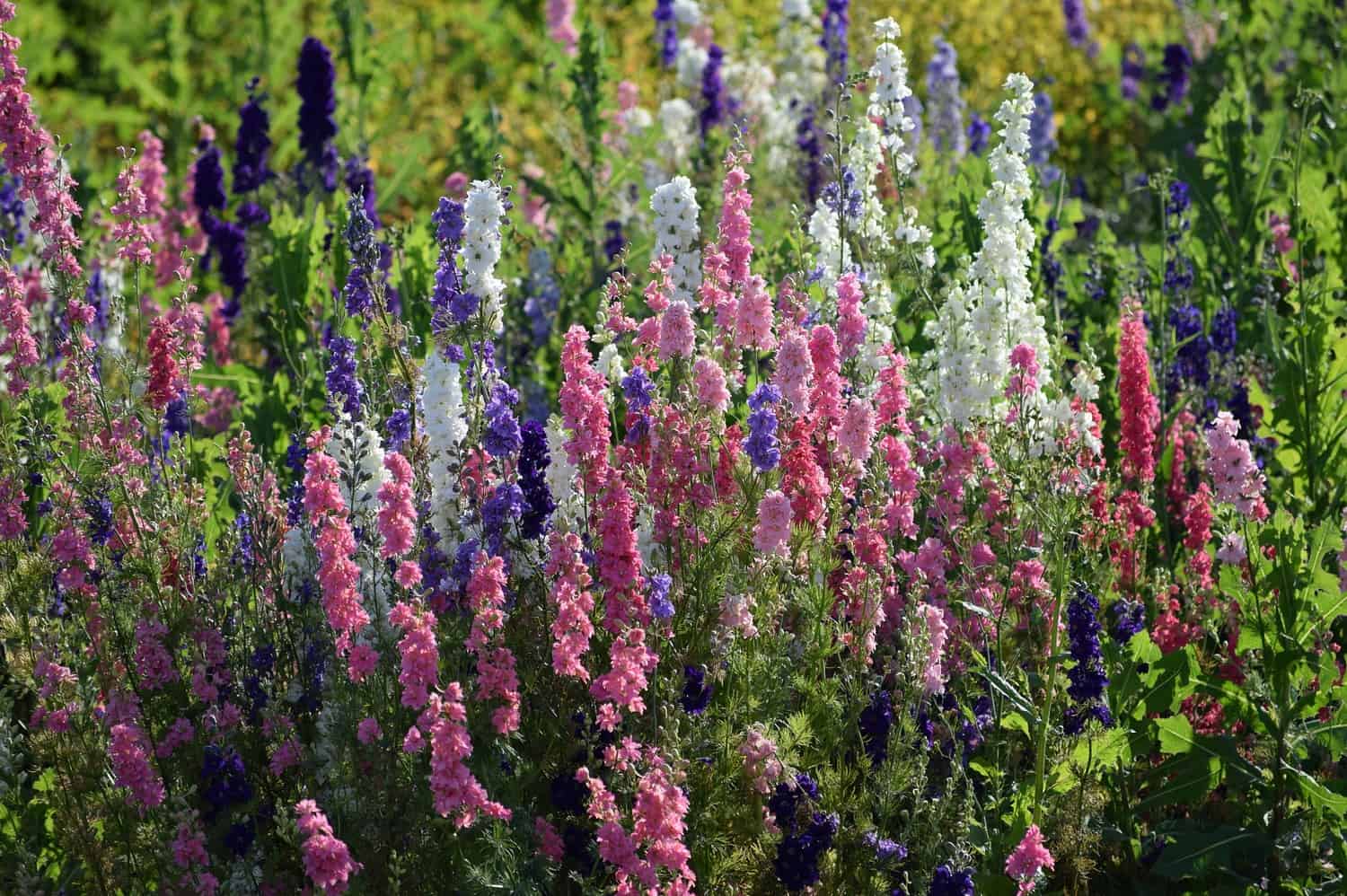
Larkspur doesn’t like hot weather, so you’ll want to plant it in early spring. It grows best in cooler temperatures and full sun.
Make sure your soil drains well but stays moist enough to keep the roots happy. Growing it too late risks heat stress and weak blooms. If you’re in a warmer zone, watch the forecast and aim for a cool period to get your larkspur started right.
Hellebore – slow starter but blooms in late winter to early spring
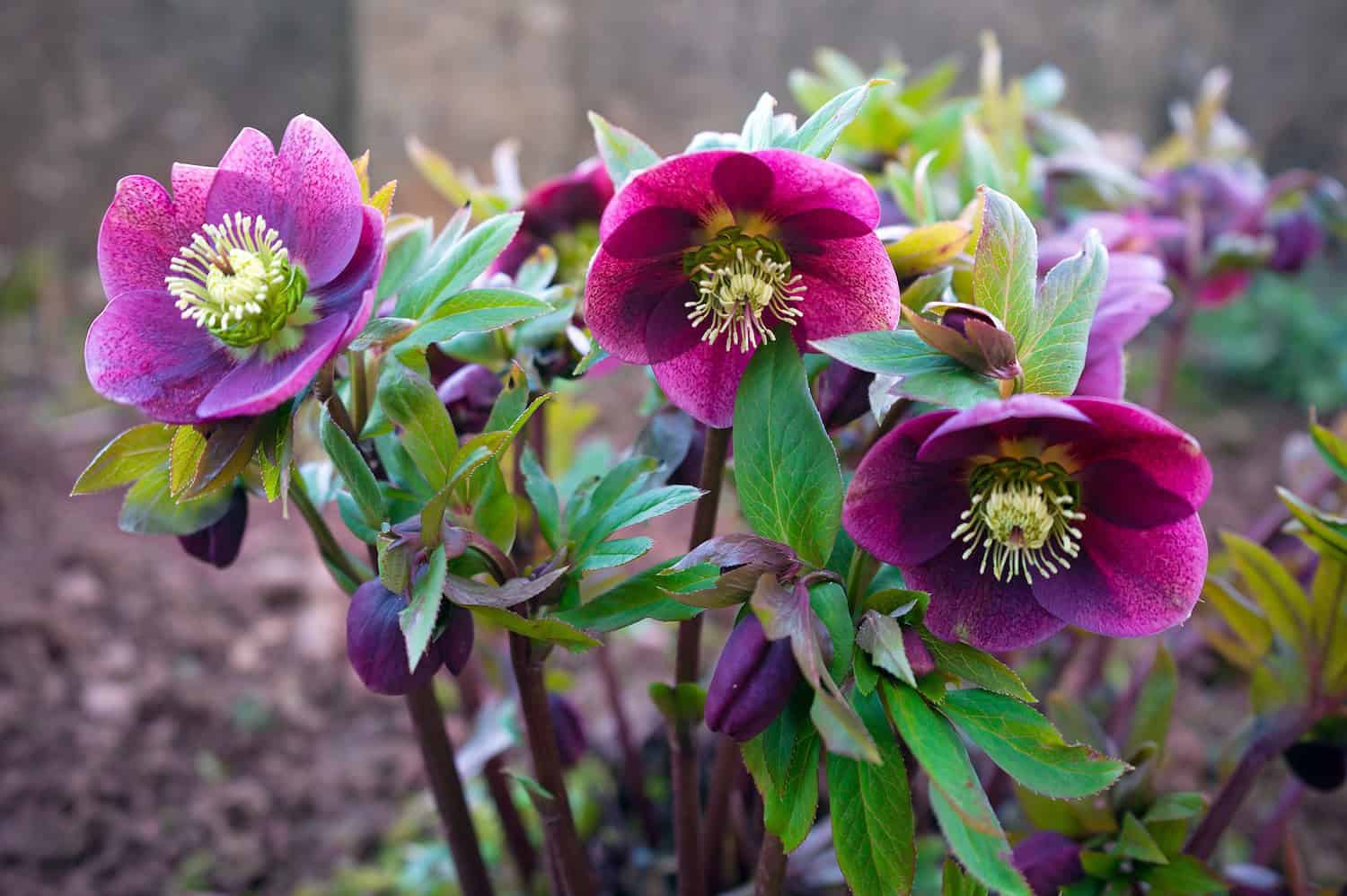
Hellebores take their time to settle in, so don’t expect fast growth right away. Once established, they reward you by blooming from late winter into early spring.
They do best in partial shade with well-drained, nutrient-rich soil. You can plant them in fall or spring, but fall gives roots more time to develop before winter.
Siberian Iris – needs well-drained soil but tolerates wet spots
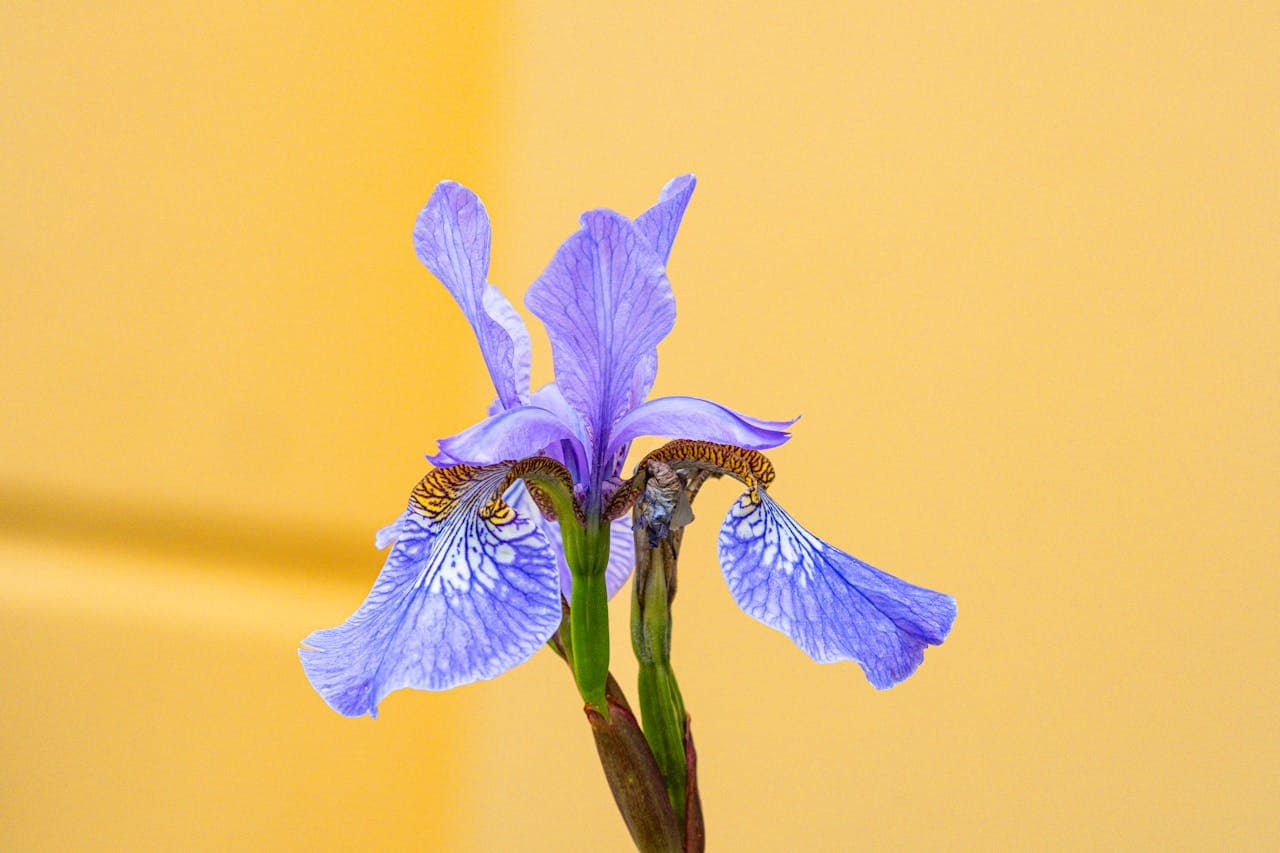
Your Siberian iris does best in well-drained soil, so avoid areas that stay soggy all the time. That said, it can handle wetter spots better than many other irises.
Make sure the soil stays evenly moist, but not waterlogged. This balance helps your plant thrive without root problems. For tips on growing Siberian iris, check out this Siberian Iris Planting & Growing Guide.
Gaillardia – drought tolerant once established, deadhead for new blooms

Gaillardia, also called blanket flower, is easy to grow once it’s settled in your garden. You won’t need to water it much except during long dry spells.
To keep your blooms coming, deadhead spent flowers regularly. This simple step encourages more flowers and keeps the plant looking fresh.
Digitalis – prefers cooler climates and consistent watering
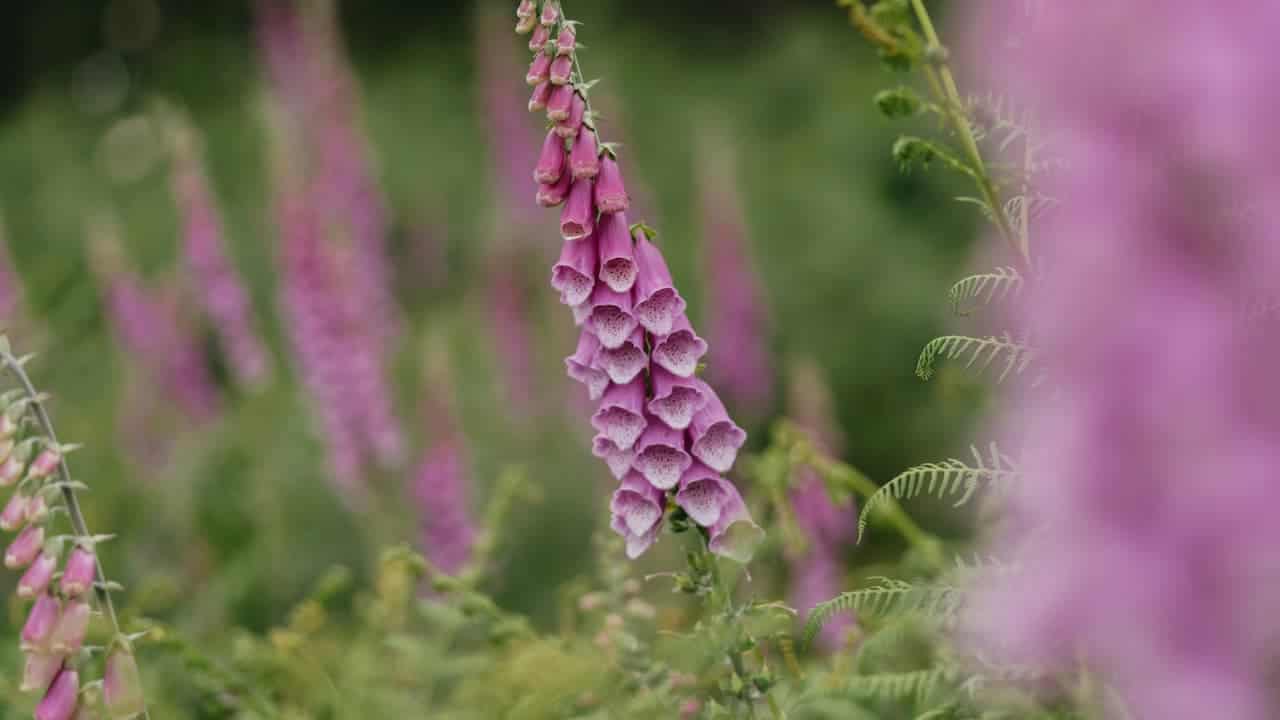
You’ll want to plant Digitalis in a cool spot with partial shade. It thrives best when the soil stays moist but not soggy.
Water your Digitalis early in the day to keep roots happy and avoid leaf issues. Consistent watering helps it stay healthy and bloom well. If you’re growing from seed, be patient—Digitalis can be a bit picky but totally worth it. For more tips, check growing foxgloves.
Heuchera – requires shade and well-drained soil to avoid rot

Heuchera, or coral bells, do best in shade or partial shade. You want to plant them in soil that drains well to keep their roots happy.
If the soil stays too wet, your heuchera can easily develop root rot. Adding organic matter helps keep the soil light and loose. Keeping an eye on moisture is key for healthy plants. Learn more about growing coral bells in this guide.
Sweet William – biennial, needs deadheading for prolonged bloom
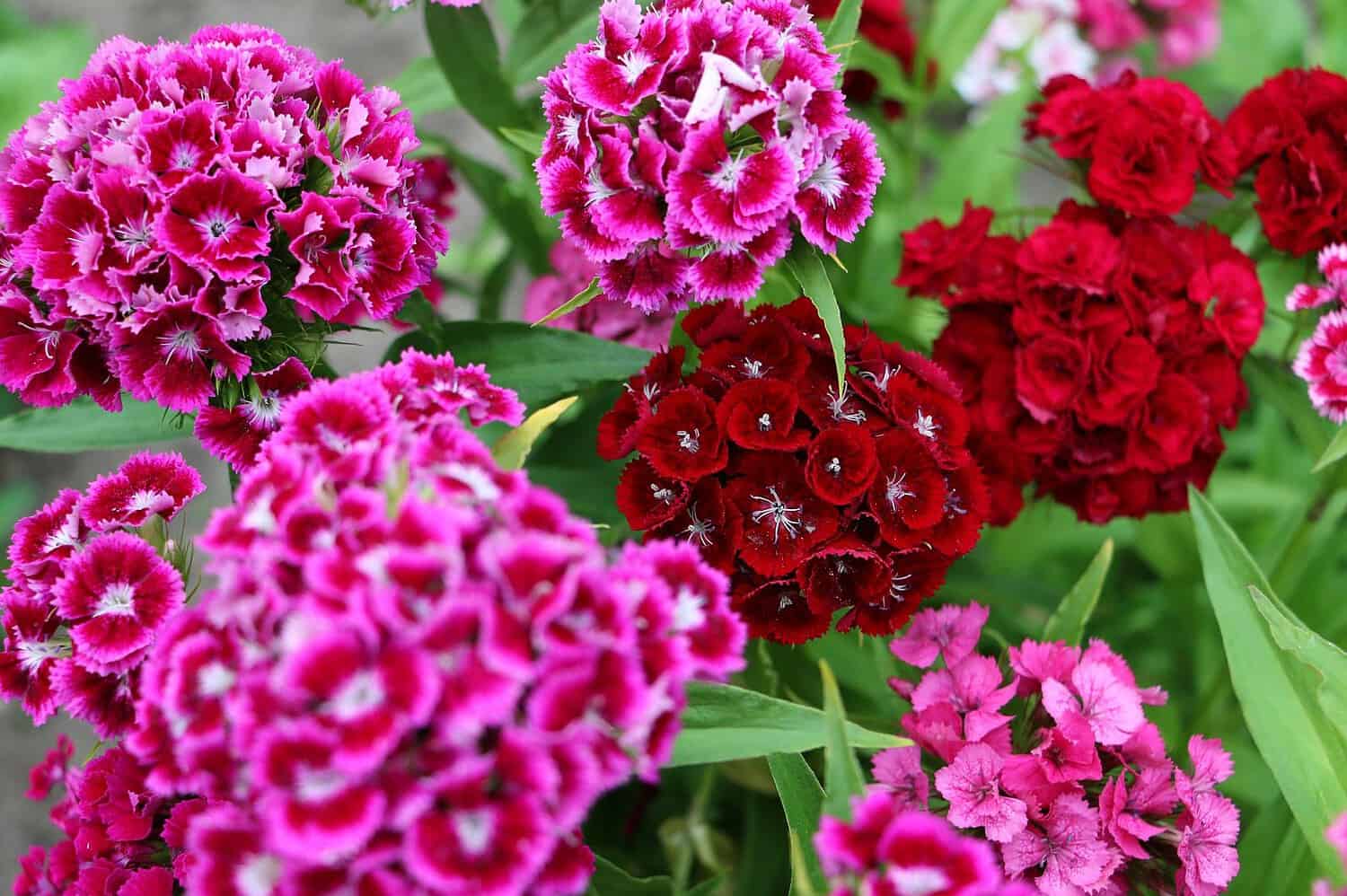
Sweet William is a biennial, meaning it usually blooms in its second year. To keep those flowers coming, you’ll want to deadhead spent blooms regularly.
Stopping deadheading in late summer lets the plant self-seed, so you get new ones next year. After flowering, trim the plant back to promote healthy growth for the next season.
Campanula – tolerates cold but can spread aggressively
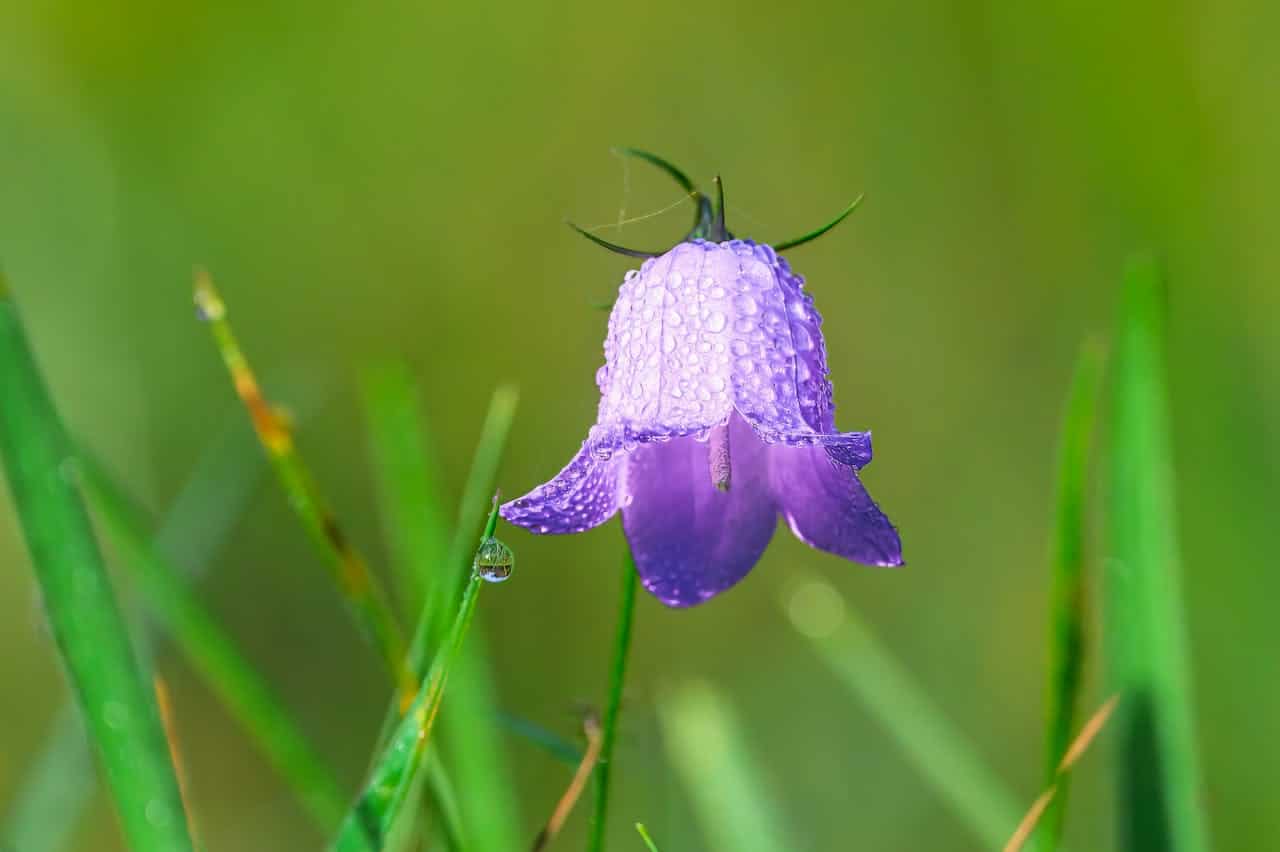
You’ll find campanula handles cold weather well, making it a good choice for cooler climates. Plant it in spring after frost to help it establish.
Be aware, though, campanula can spread quickly in your garden. If you don’t want it taking over, you’ll need to keep an eye on it and manage its growth regularly. See more about growing bellflowers here.
Goldenrod – late bloomer that attracts pollinators

Goldenrod blooms in late summer to fall, adding bright yellow to your garden when many other flowers have faded. You’ll find it easy to grow since it’s low-maintenance and thrives in full sun with well-drained soil.
This plant is great for attracting pollinators like bees and butterflies, helping support your local ecosystem. For tips on growing goldenrod, check out how to grow and care for Solidago plants.
Monkshood – requires rich soil and careful planting due to toxicity

If you want to grow monkshood, make sure your soil is rich and well-drained. This plant doesn’t like soggy roots, so good drainage is key. Be careful when handling monkshood. It’s highly toxic, so always wear gloves and wash your hands after working with it. Keep it away from kids and pets.
Despite the risks, monkshood’s striking flowers can really make your garden stand out if you manage it safely. For more details, check out how to grow monkshood properly on Better Homes & Gardens.