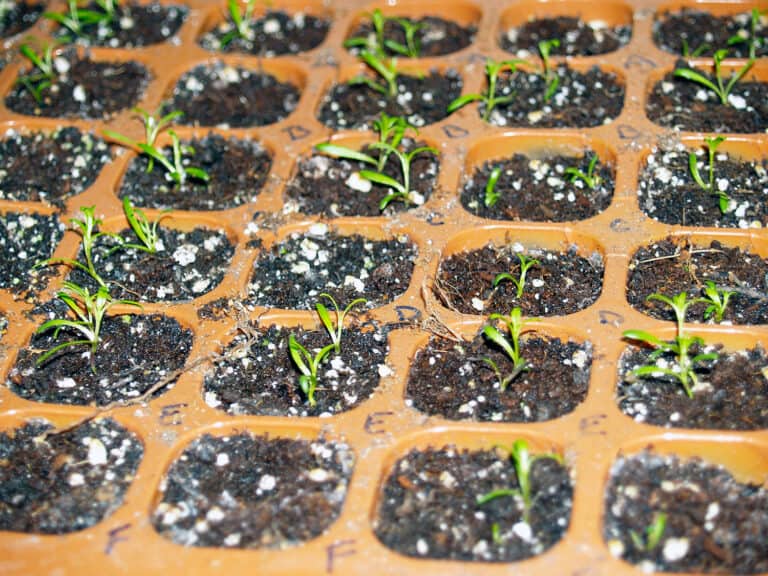
Gardening in poor soil can be a real challenge, especially when many plants struggle to take root or bloom. If your garden soil isn’t top-notch, it doesn’t mean you have to give up on having vibrant, long-lasting flowers.
There are tough perennials that not only survive but actually grow well in bad soil, giving you beautiful color year after year with less work. Knowing which plants can handle less-than-ideal conditions can make your gardening experience a lot easier and more rewarding.
Advertisement
Coneflower (Echinacea)
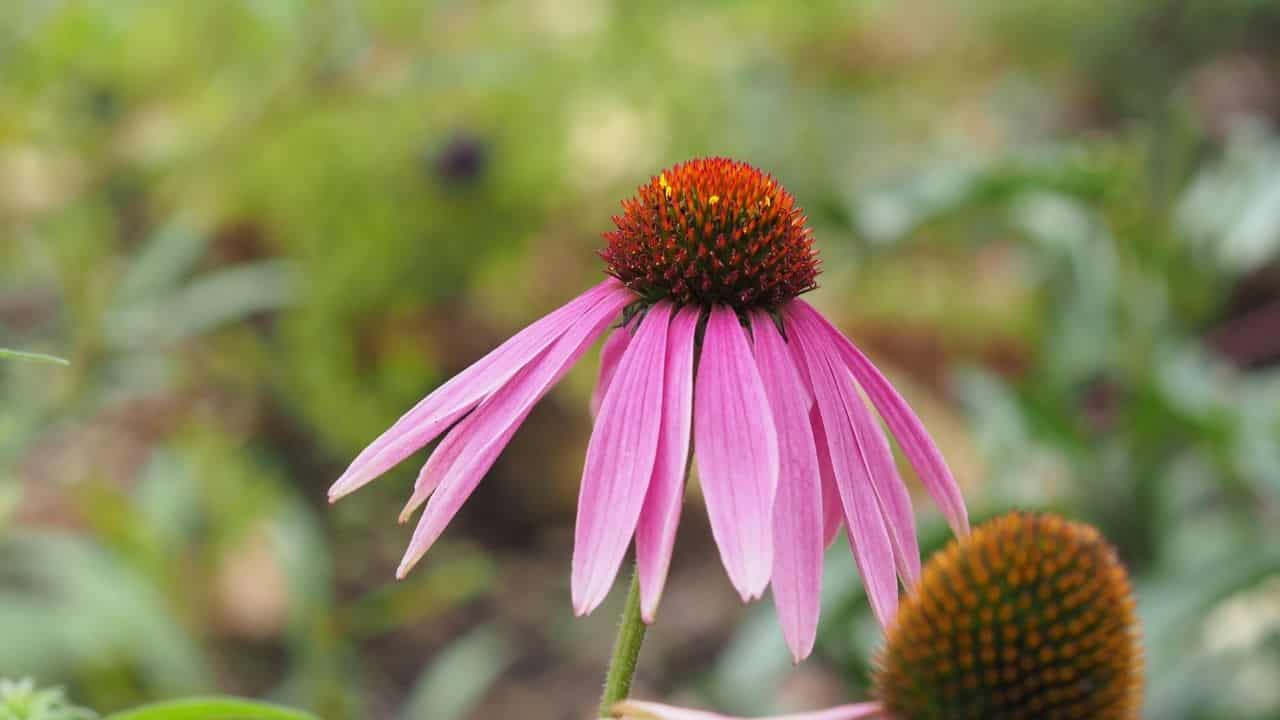
If you have poor soil, coneflowers are a great choice. They handle nutrient-poor ground better than many other plants.
They need full sun for at least six hours daily to bloom well. Once established, they’re pretty drought-tolerant and low-maintenance.
Their deep roots help them thrive in tough conditions, making them perfect for gardens that struggle with soil quality. You can learn more about growing coneflowers in different soils here.
Blanket Flower (Gaillardia)
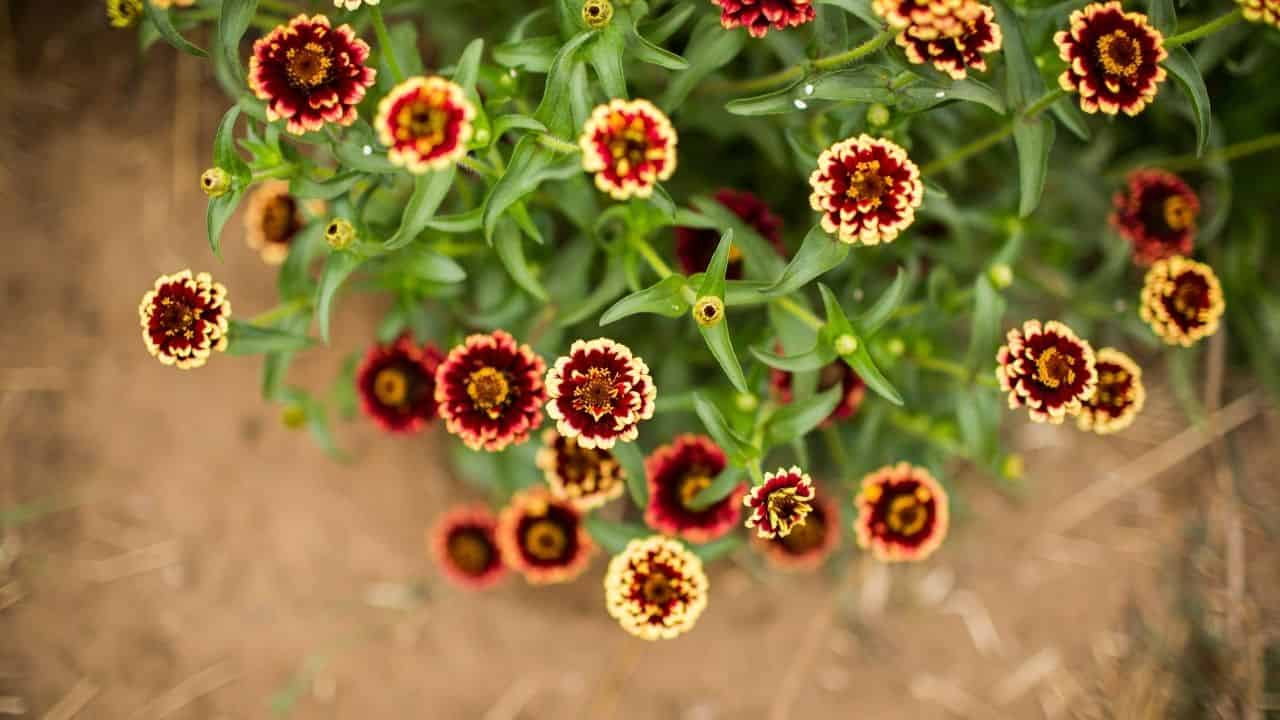
You’ll find Blanket Flowers pretty easygoing when it comes to soil. They grow well in poor, sandy, or rocky soil as long as it drains well. You don’t really need to fertilize them much.
These flowers add bright, cheerful colors to your garden and handle tough conditions without much fuss. For tips on growing them, check out this guide on growing Blanket Flower.
Bee Balm
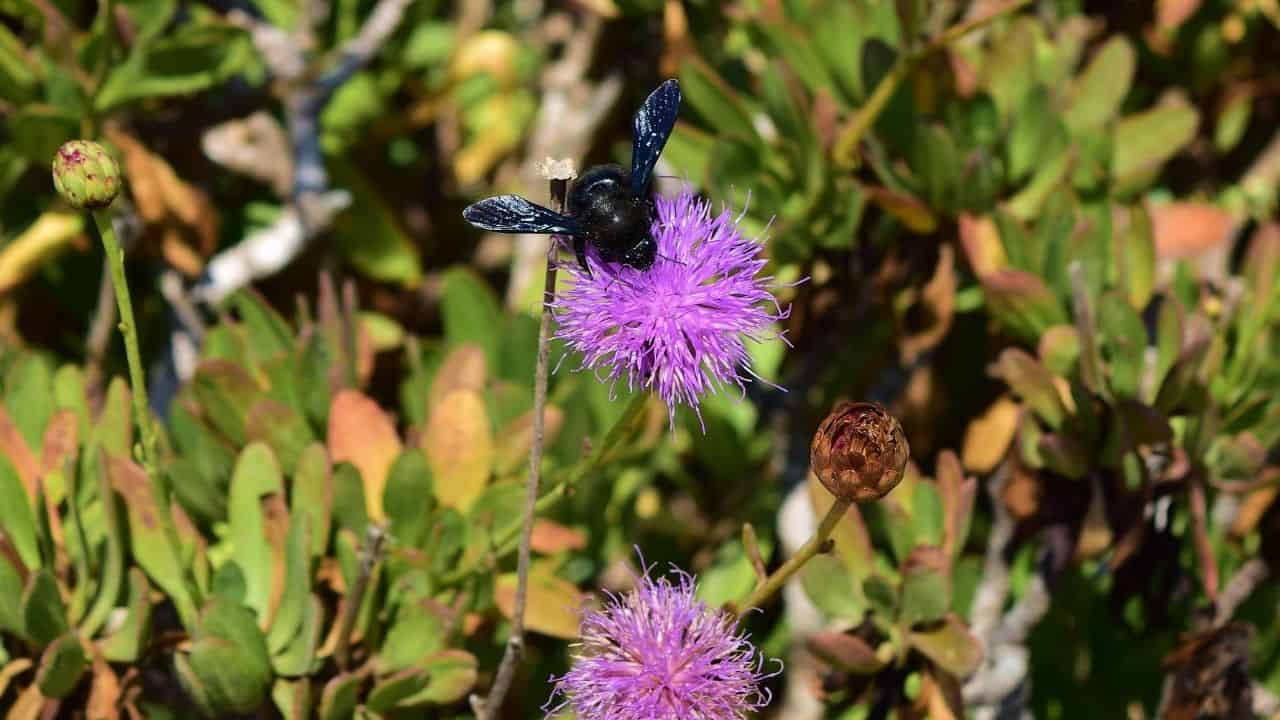
If your soil isn’t great, bee balm is a solid choice. It handles tough soil and even some drought without much fuss. You’ll get bright, colorful blooms that attract bees, butterflies, and hummingbirds to your garden.
Just keep in mind it prefers full sun and well-drained soil, though it can handle wetter spots like rain gardens too. For more details, check out how to grow bee balm in poor soil conditions.
Daylily

If you need a flower that’s tough and easy, daylilies are a solid pick. They handle poor soil and drought without much fuss.
You don’t have to worry much about maintenance either. They bloom a lot in sunny spots, making your garden look busy and colorful. You can find different colors and shapes, so they fit almost any style or space you have. Check out daylilies as tough perennials for more details.
Butterfly Weed
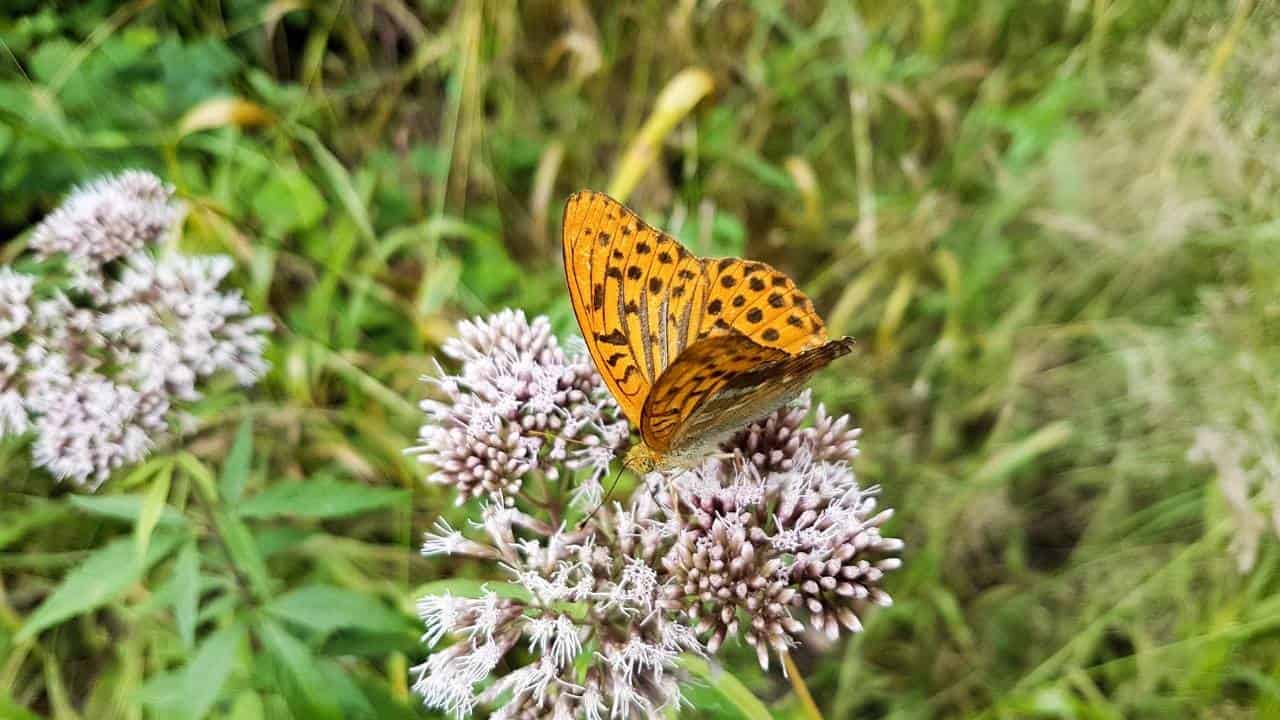
If you have poor or dry soil, Butterfly Weed is a solid choice for your garden. It thrives in full sun and is pretty low-maintenance.
You’ll get clusters of bright orange flowers that attract butterflies, making your space buzz with life. This tough native plant tolerates sandy or dry conditions well, so it’s great if your soil isn’t the best.
Common Yarrow

If you’re dealing with poor soil, Common Yarrow is a solid pick. It thrives in dry, hot spots where other plants might struggle. You won’t need to fuss over soil quality much.
It’s also drought-tolerant and can handle tough conditions like clay or sandy soil. Plus, it adds a nice splash of color without needing fancy care. Check out more about how yarrow grows well in bad soil here.
False Indigo
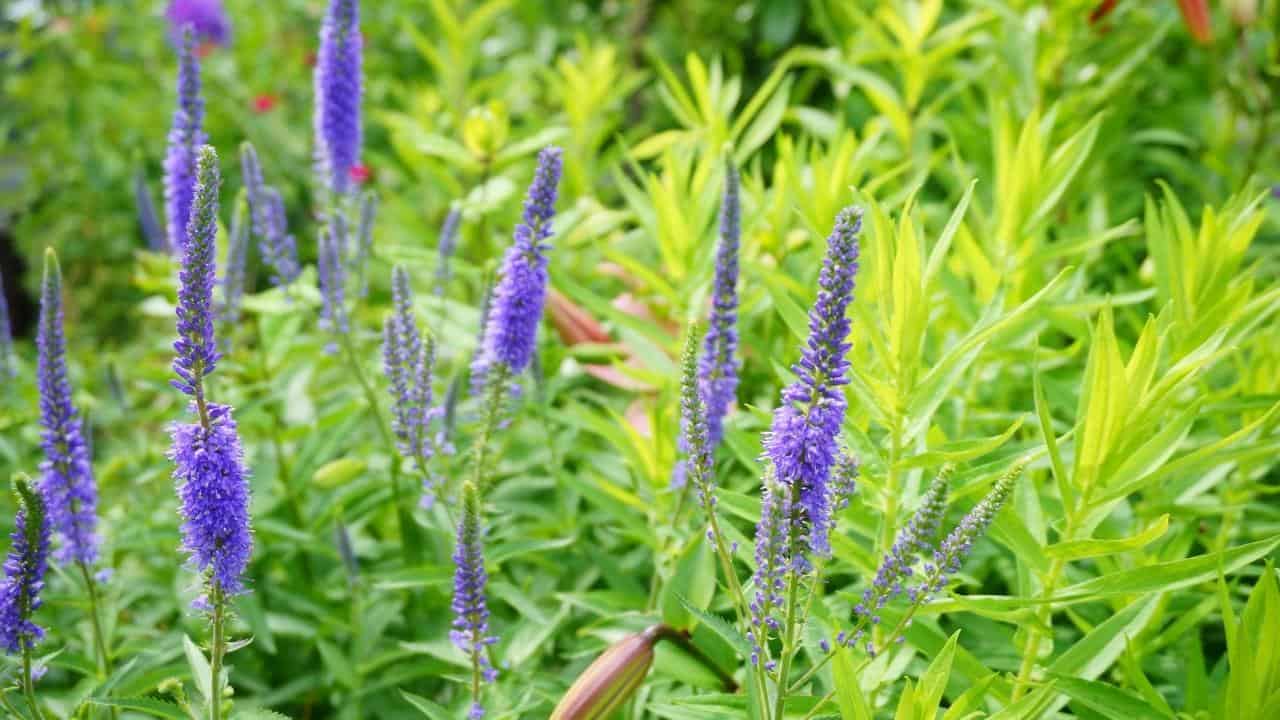
If you have bad soil, False Indigo is a solid choice. It can handle drought and poor soil without much fuss. This plant grows 2 to 4 feet tall and spreads out nicely in sun or partial shade. Plus, it helps improve your soil by fixing nitrogen.
You can start it from seeds or cuttings, which makes it pretty easy to grow. Check out more on growing False Indigo here.
Goldenrod
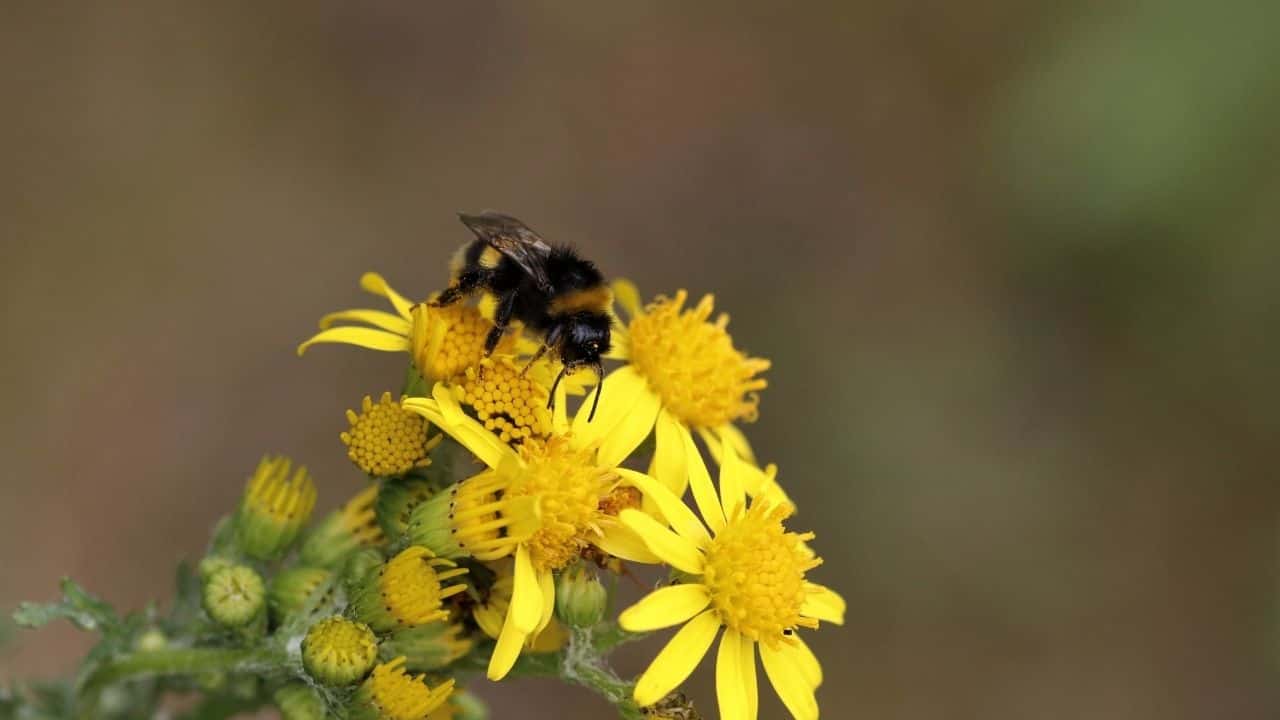
If you have poor soil, goldenrod is a solid choice for your garden. It handles dry, tough conditions well and even clay soil without much fuss.
You’ll notice its bright yellow flowers attract bees and other pollinators. Plus, it’s generally deer resistant and low maintenance, making it a nice option if you want something easy to grow. For more details on goldenrod’s care, check out this guide on growing goldenrod.
Bluestar
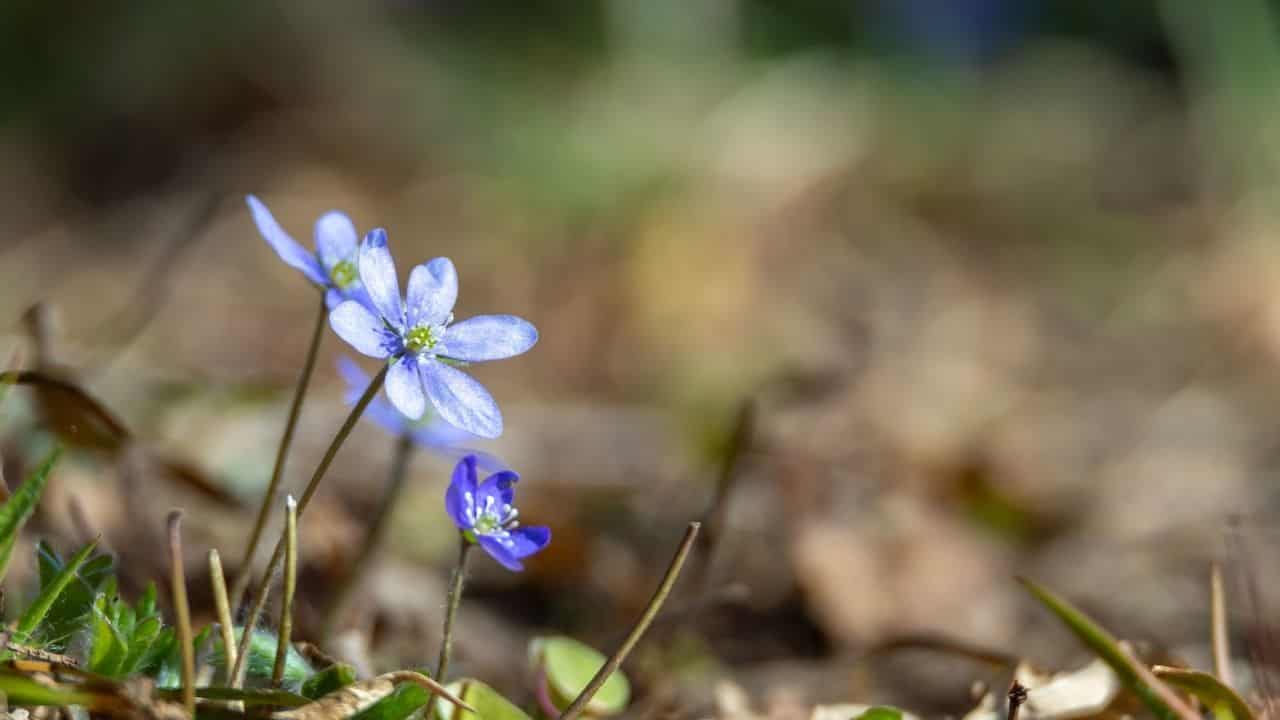
Bluestar is a great choice if your soil isn’t the best. It grows well in poor, rocky soils and doesn’t need much fuss.
You’ll appreciate its star-shaped blue flowers that bloom in late spring. It also stays fairly low, making it perfect for edging or rock gardens. Once established, Bluestar is pretty drought-tolerant, so it handles tough conditions with ease.
Rattlesnake Master (Eryngium)
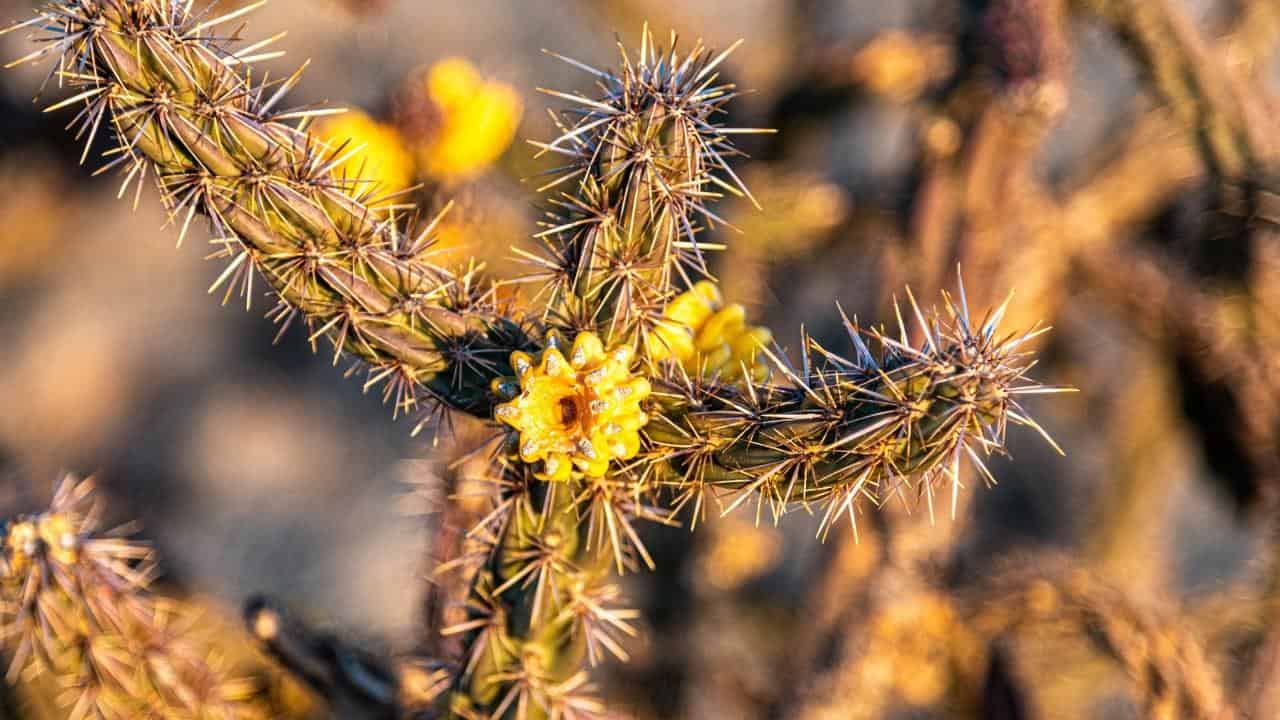
If you have tough soil, rattlesnake master can handle it. It prefers sandy or dry, lean soils but can also grow in clay or rocky areas.
You’ll want to plant it in full sun to keep it happy. It may flop if grown in rich soil or shade, so staking might be needed.
Miss Willmott’s Ghost (Eryngium)
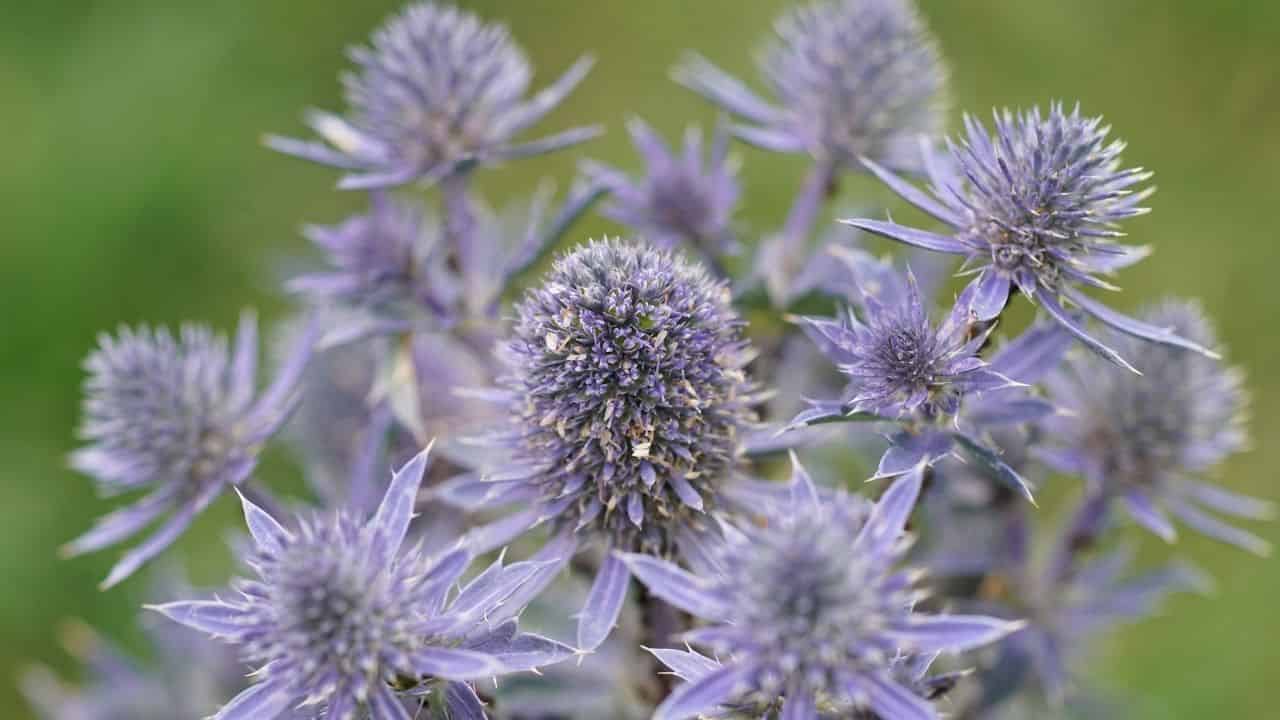
If your soil is poor and dry, Miss Willmott’s Ghost is a solid pick. This Eryngium species handles tough conditions and adds silvery, spiky texture to your garden.
It’s low-maintenance and doesn’t mind full sun. Plus, it pairs well with plants like catmint that attract beneficial pollinators, helping your garden stay balanced and healthy. For more details, check out plants that thrive alongside Miss Willmott’s Ghost.
Poppy
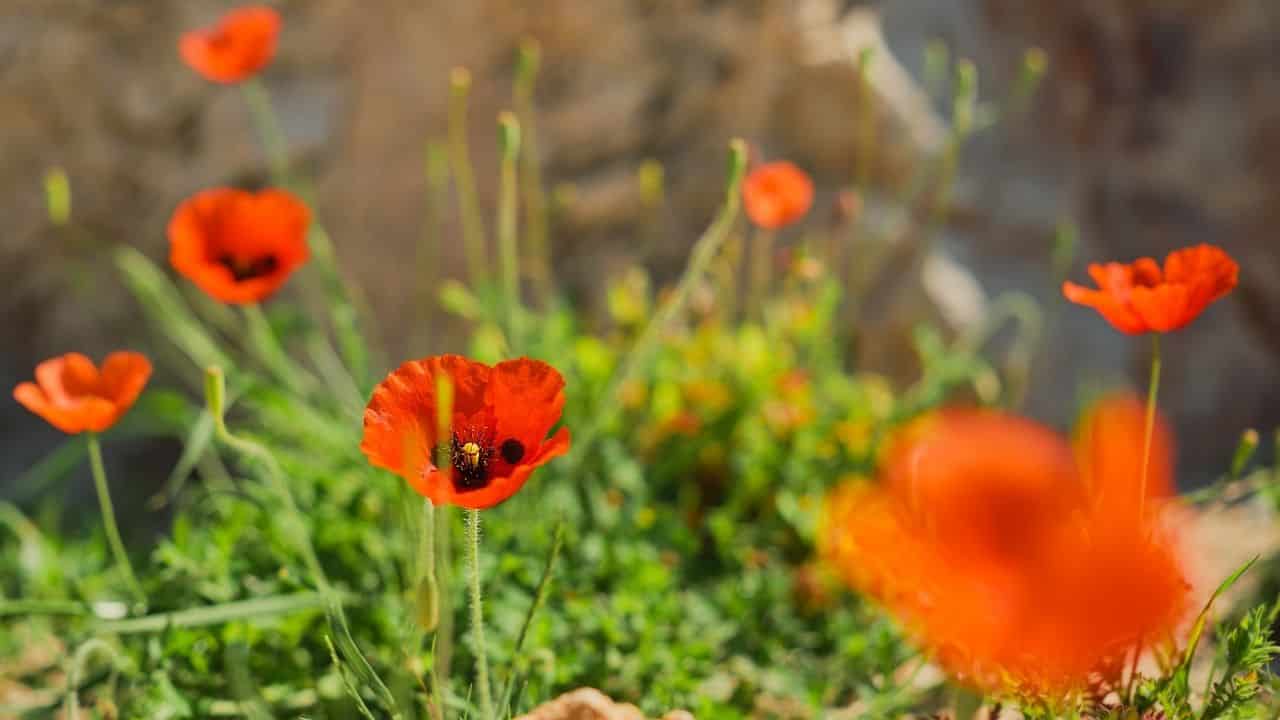
You’ll find poppies can handle tough soil better than many flowers. They love full sun and don’t mind poor drainage.
These bright blooms add color without much fuss. Just be careful—some types, like the Polar Arctic Poppy, can be toxic to pets and people. If you want to explore different types, check out a list of poppy varieties to find the best fit for your garden.
Larkspur
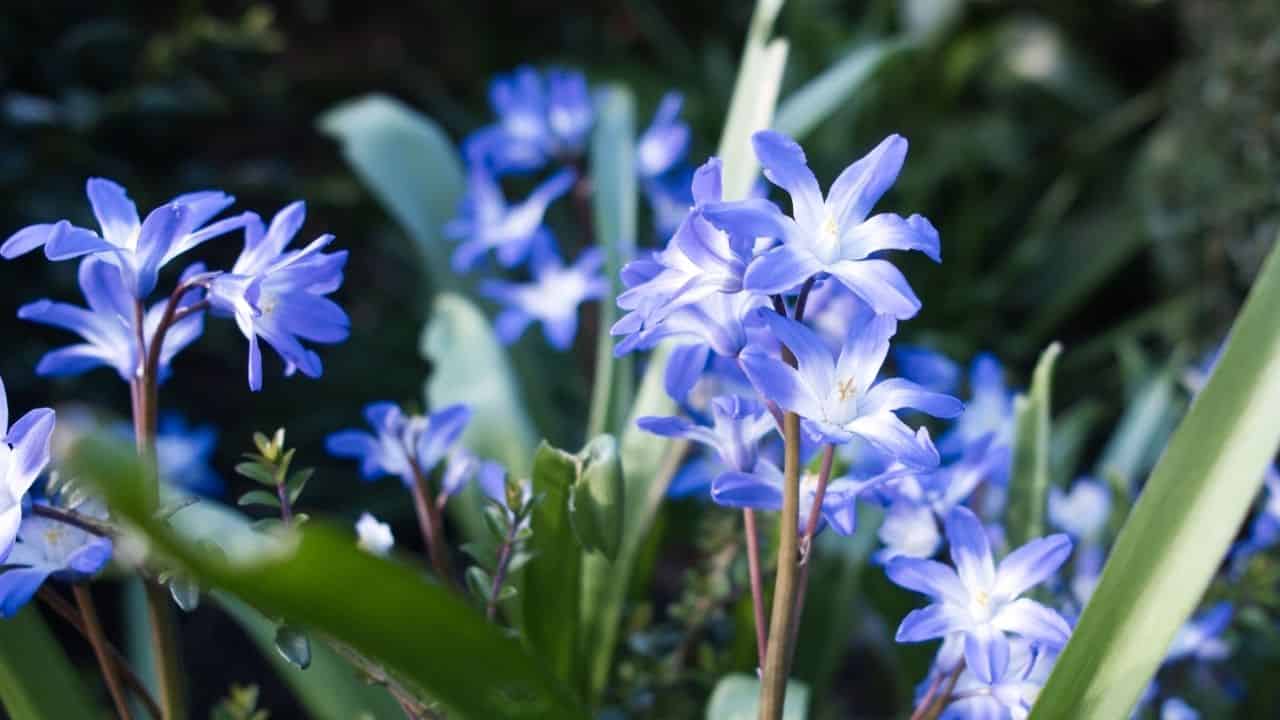
If you’re dealing with tough soil, larkspur can still be a good pick. It grows well in average, even poor soil, as long as it drains well.
These tall perennials add a nice splash of color, often in shades of blue, purple, or pink. You can check out more about growing larkspur here.
Texas Bluebonnet
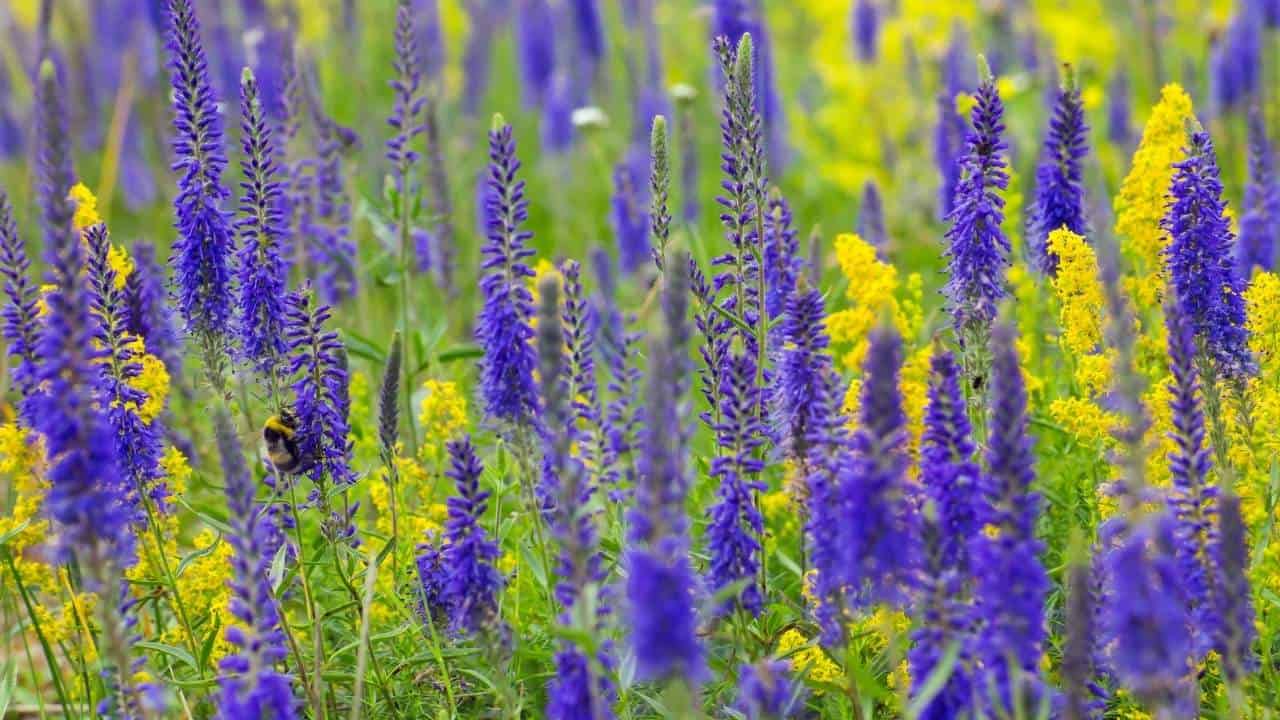
If you have poor or rocky soil, the Texas Bluebonnet is a great pick for your garden. These wildflowers actually prefer tough conditions and do well in sand or clay soils.
They need about 8-10 hours of full sun, ideally in a south or west-facing spot. You’ll see them bloom mainly in spring, adding bright blue color to your flower beds or meadows. For more tips, check out this guide on how to plant and care for Texas Bluebonnets.
Zinnia
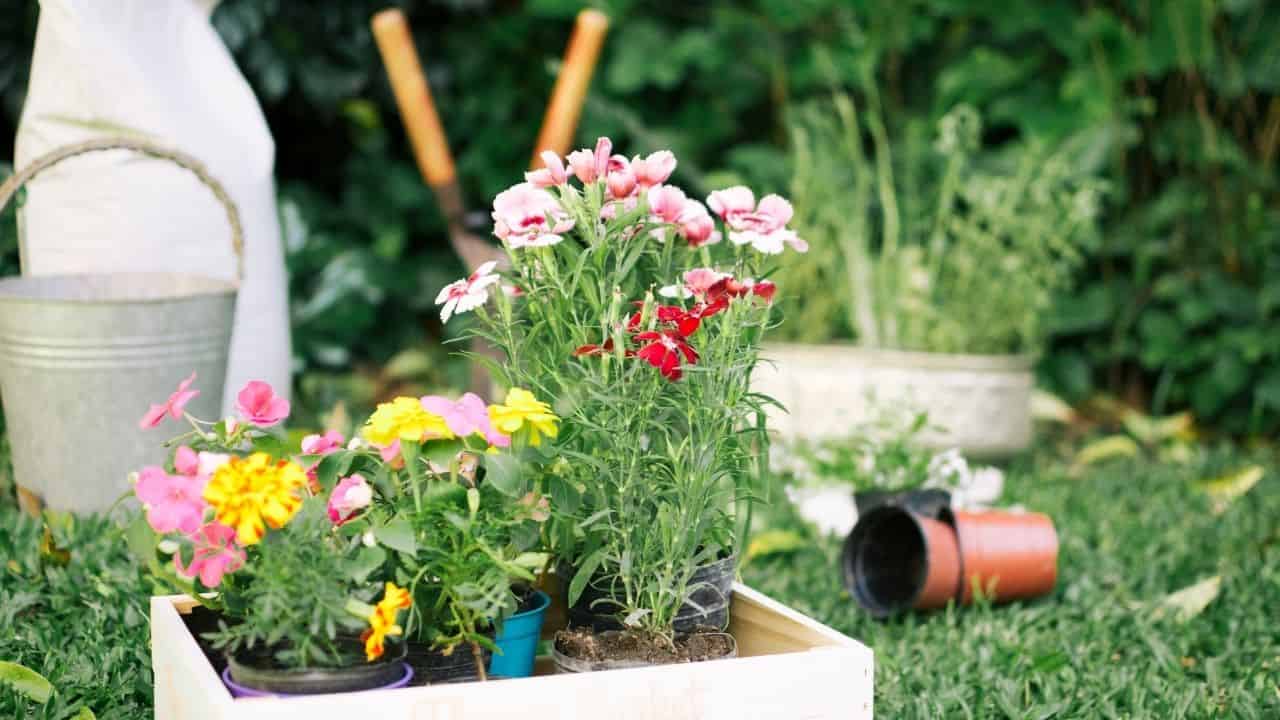
If your soil isn’t great, zinnias are still a solid choice. They prefer full sun and well-drained soil, which helps them handle tougher spots in your garden.
Zinnias grow quickly and bring bright, colorful blooms that last long. They’re fairly low-maintenance and perfect if you want easy, cheerful flowers. Learn more about growing zinnias here.
Morning Glory
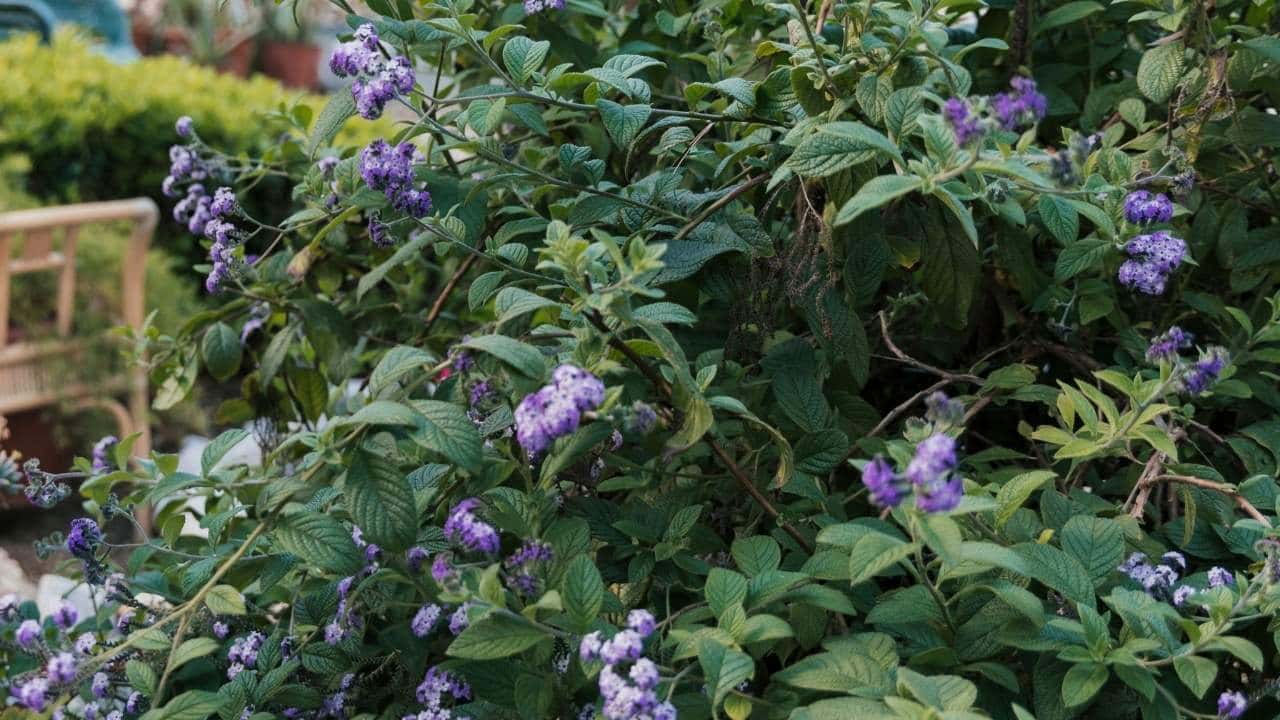
If your soil isn’t great, morning glories can still thrive with some sunlight. They love full sun and can climb trellises or fences, making your space look lively.
These vines handle tougher conditions better than many plants. You’ll see bright blue, white, or multicolored flowers pop up even in less-than-ideal dirt. For tips on growing them well, you can check out how to grow morning glories on trellis.
Lavender
If you have poor or sandy soil, lavender is a solid choice. It thrives in well-draining soil and doesn’t like to stay too wet.
You’ll find it grows well even in rocky or dry spots, making your garden look and smell great without much fuss. Just give it plenty of sun, and it’ll reward you with lovely blooms. For more detailed info, check out this guide on lavender companion plants.
Heuchera
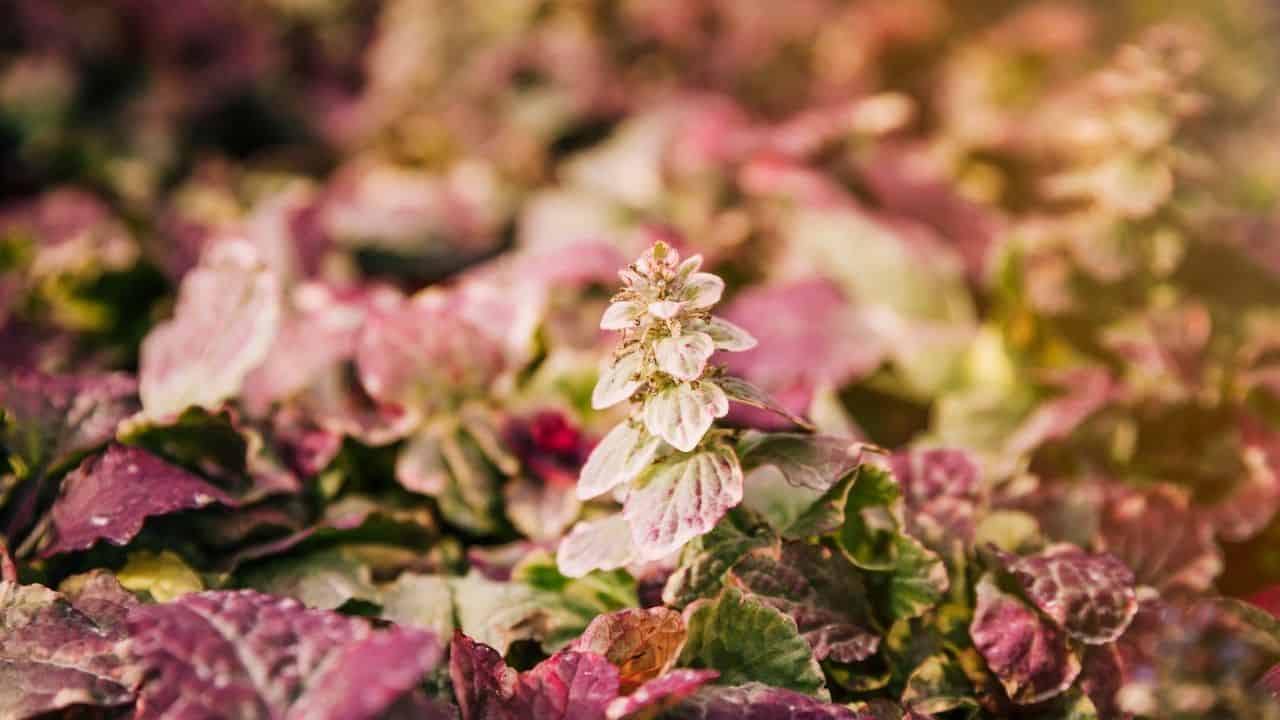
Heucheras are great if you want colorful foliage that doesn’t stress over poor soil. You’ll find a range of shades from deep purple to bright lime green, adding some pop to tricky spots.
These plants handle sun and bad soil pretty well. A variety like ‘Color Dream’ even thrives in harsher conditions without much fuss.
Arborvitae
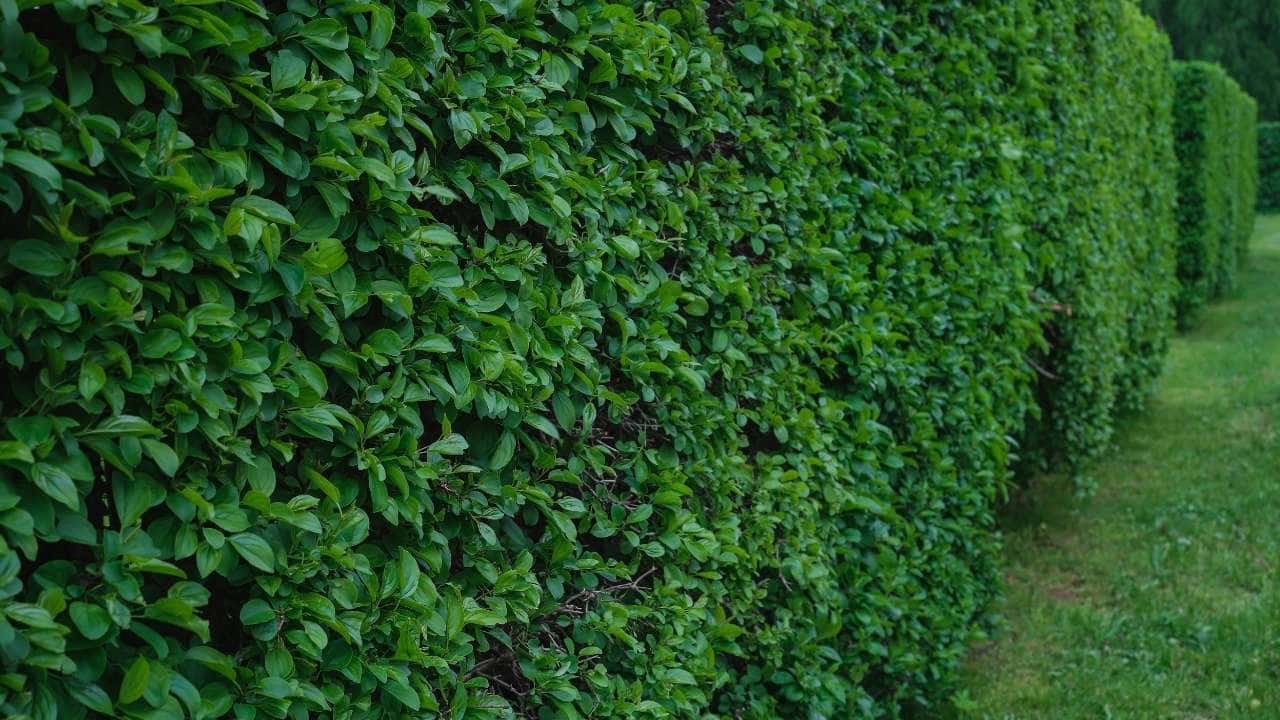
If you’re dealing with poor soil, arborvitae can handle it pretty well. They grow tall and tight, making them great for privacy screens.
You don’t need to fuss much since they stay green year-round and adapt to different conditions. Just make sure they get some sunlight to thrive.
Sedum (Hardy Succulents)
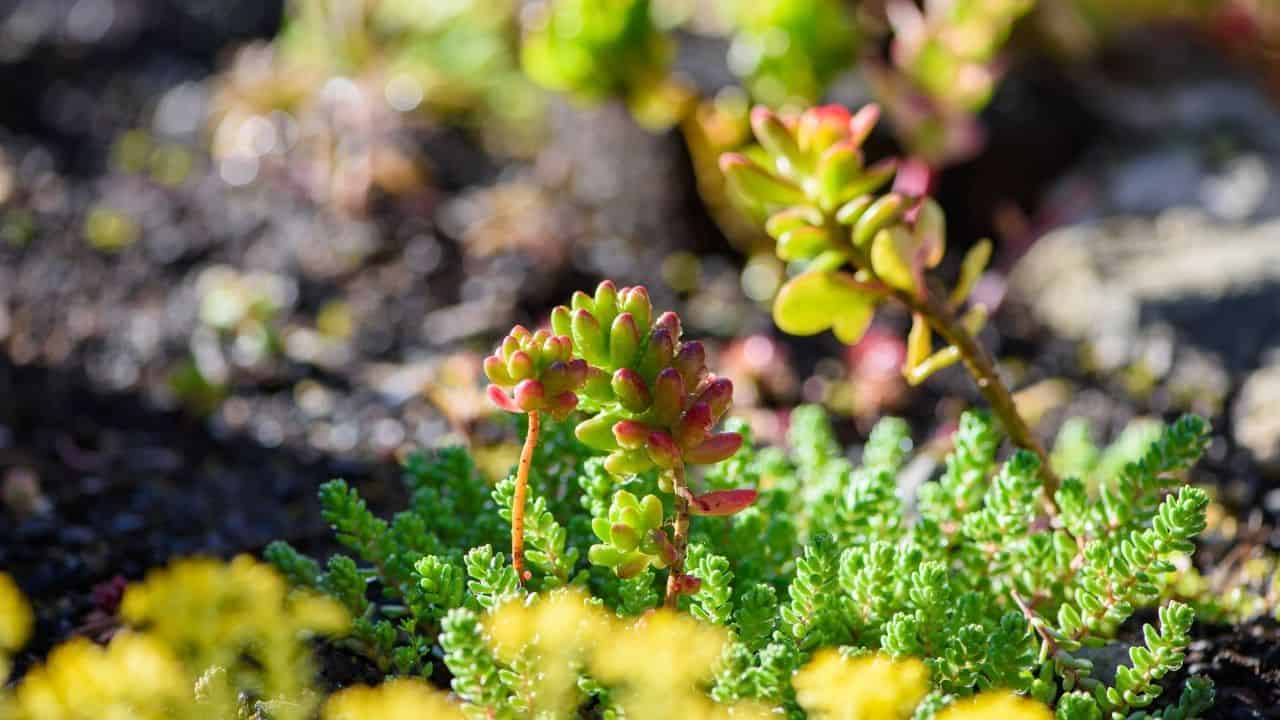
Sedums are great if your soil isn’t the best. They tolerate poor, rocky, or dry soil and still look good. You don’t need to water them a lot, making them perfect for low-maintenance gardens. Plus, they survive heat and drought pretty well.
If you mulch around them, it helps prevent problems from bad microbes splashing onto their leaves. You can read more tips on caring for sedum here.
Culinary Sage

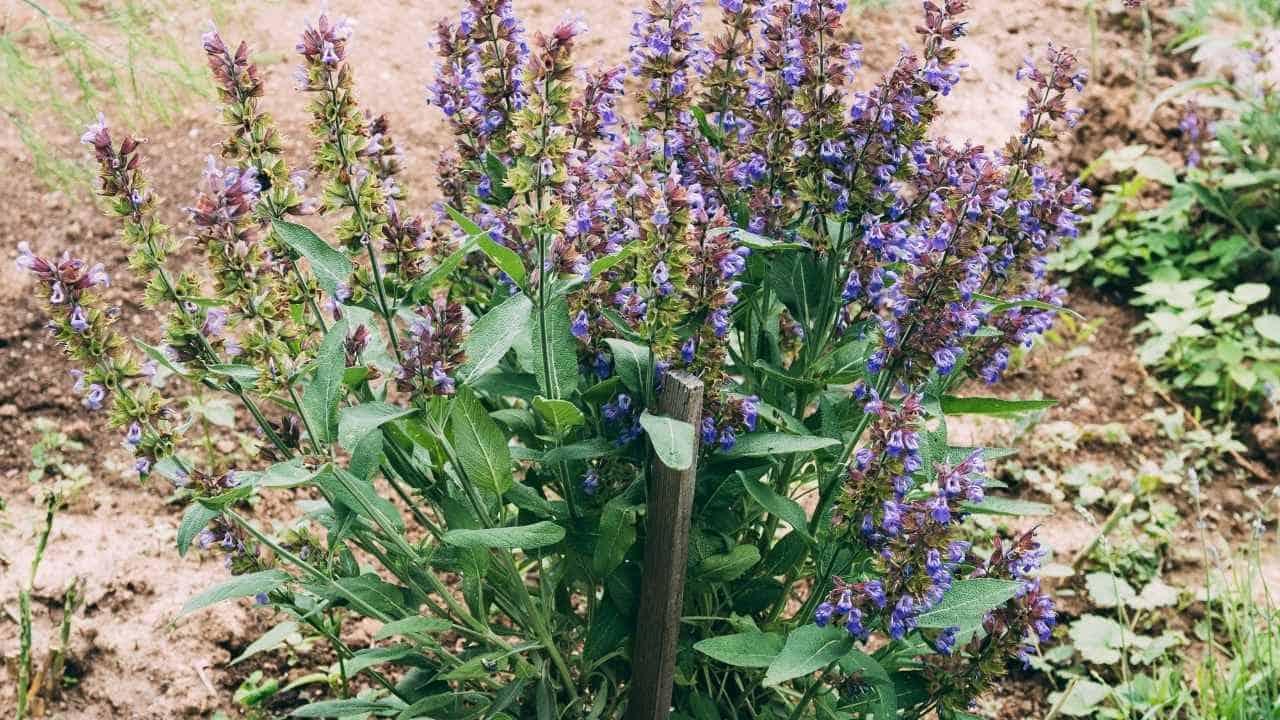
If your soil is poor or dry, culinary sage is a great option. It thrives in well-drained, even sandy soil, and can handle drought once established.
You’ll find it’s pretty low maintenance and adds a lovely flavor to your cooking. Plus, it stays evergreen in many climates, making your garden look good year-round. For more details, see this guide on growing sage in dry soil.