If you want a garden that stays vibrant even when the temperatures drop, choosing the right perennials is key. Some plants are naturally tough and can handle cold, snow, and freezing conditions without losing their charm.
Knowing which plants can withstand the cold helps you create a garden that looks great through every season.
Advertisement
Coral Bells (Heuchera)
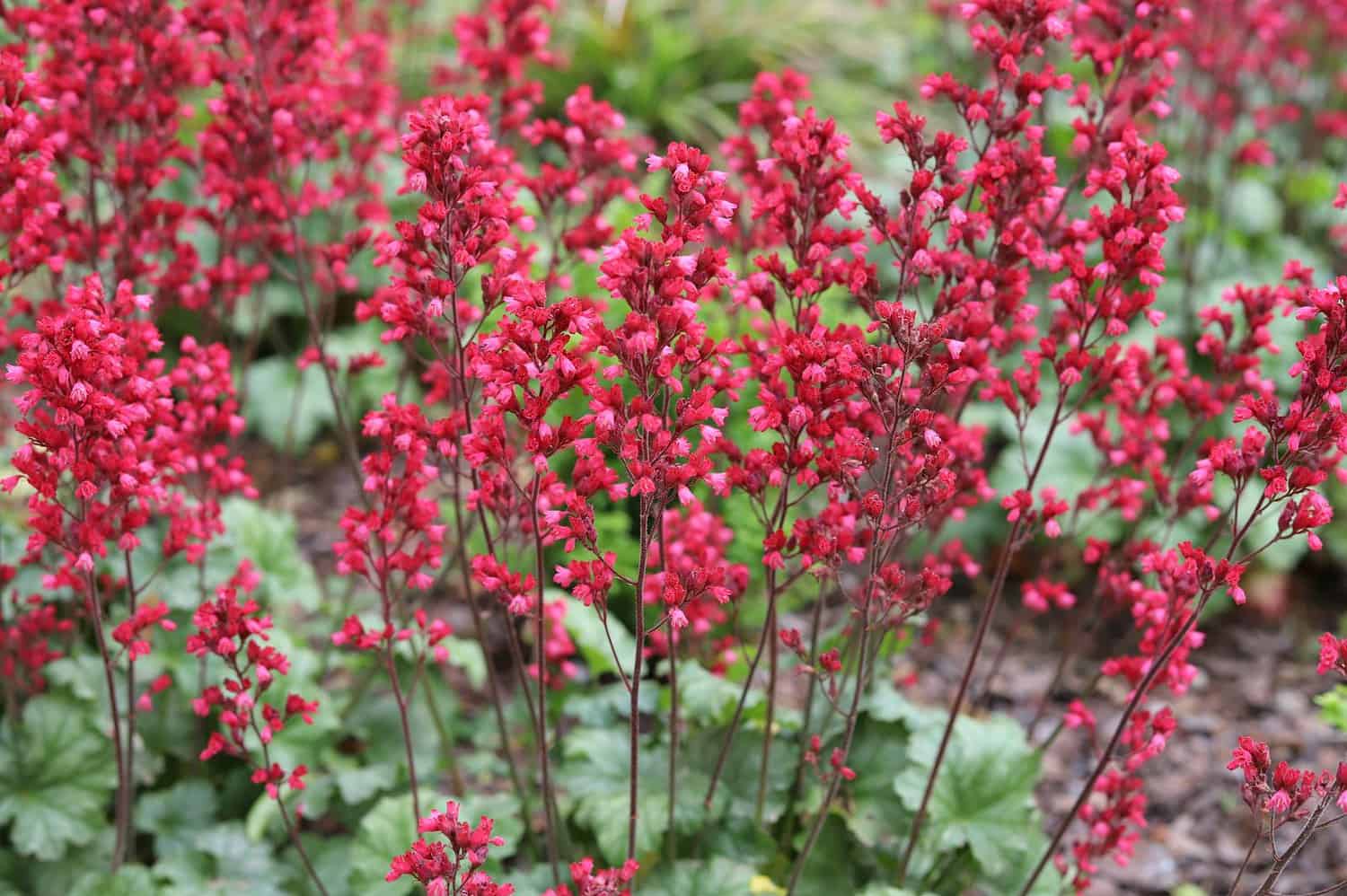
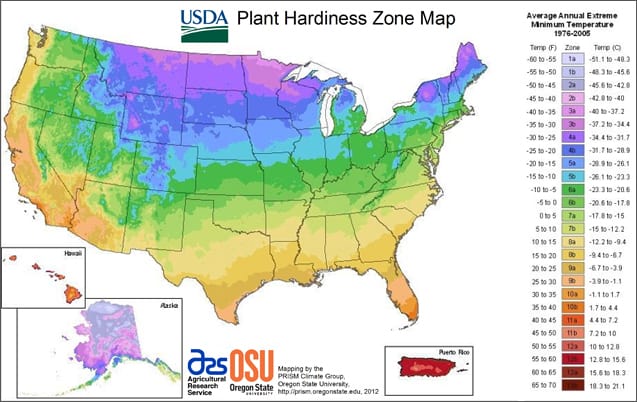
Coral Bells are tough plants that handle cold winters well, especially in USDA zones 4-9. They grow happily in shade or partial sun, making them flexible for your garden’s light conditions.
These perennials also tolerate heat, drought, and poor soil. With minimal care, Coral Bells add lasting color and texture throughout the seasons.
Catmint (Nepeta)
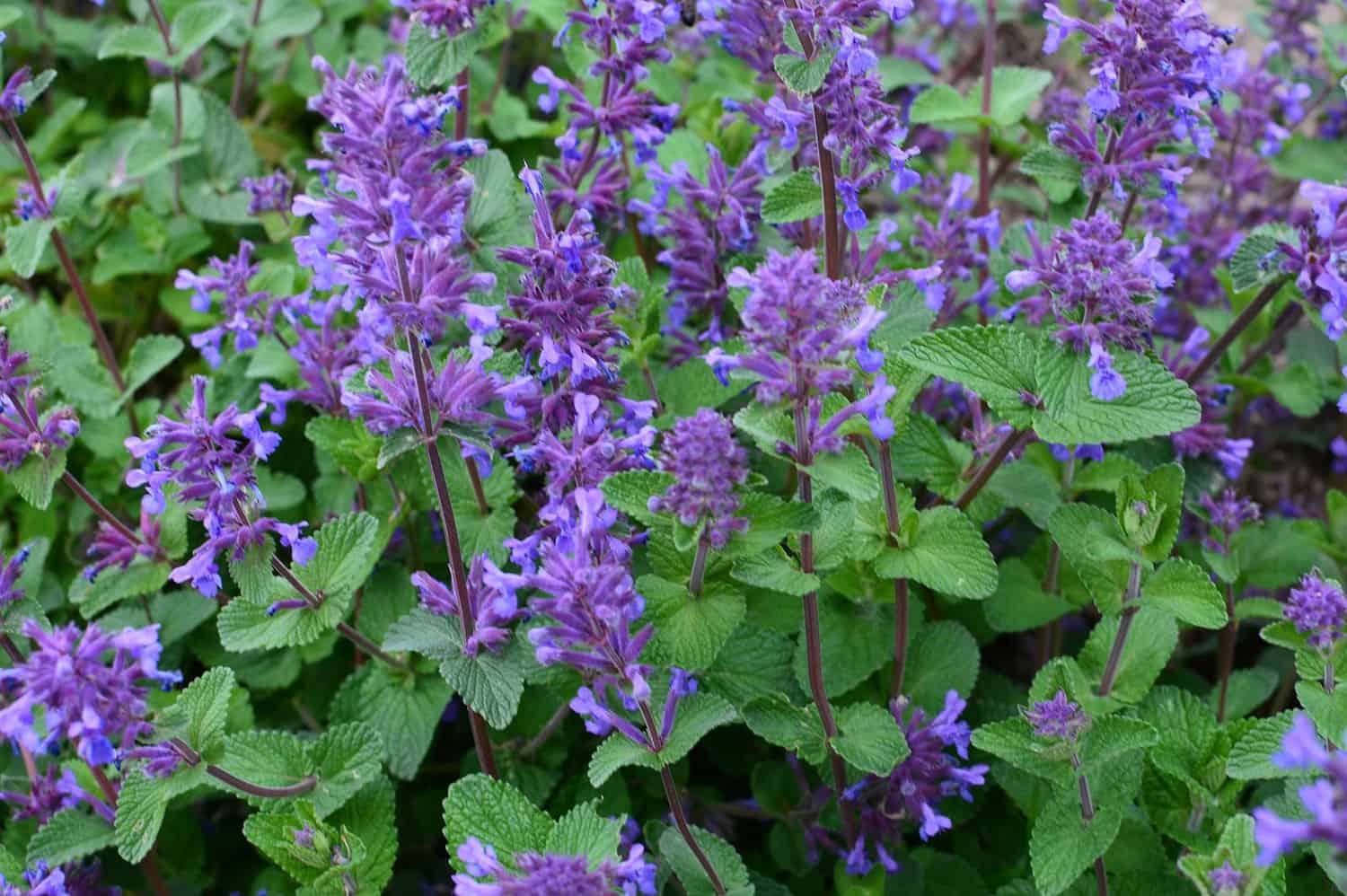
Catmint is a reliable perennial that can handle cold winters, especially in USDA zones 3 to 8. It thrives in well-draining soil and full sun.
Its violet-blue flowers and grey-green leaves add a soft, attractive touch to your garden. Catmint is also great for edging paths or cascading over walls.
Coneflower (Echinacea)
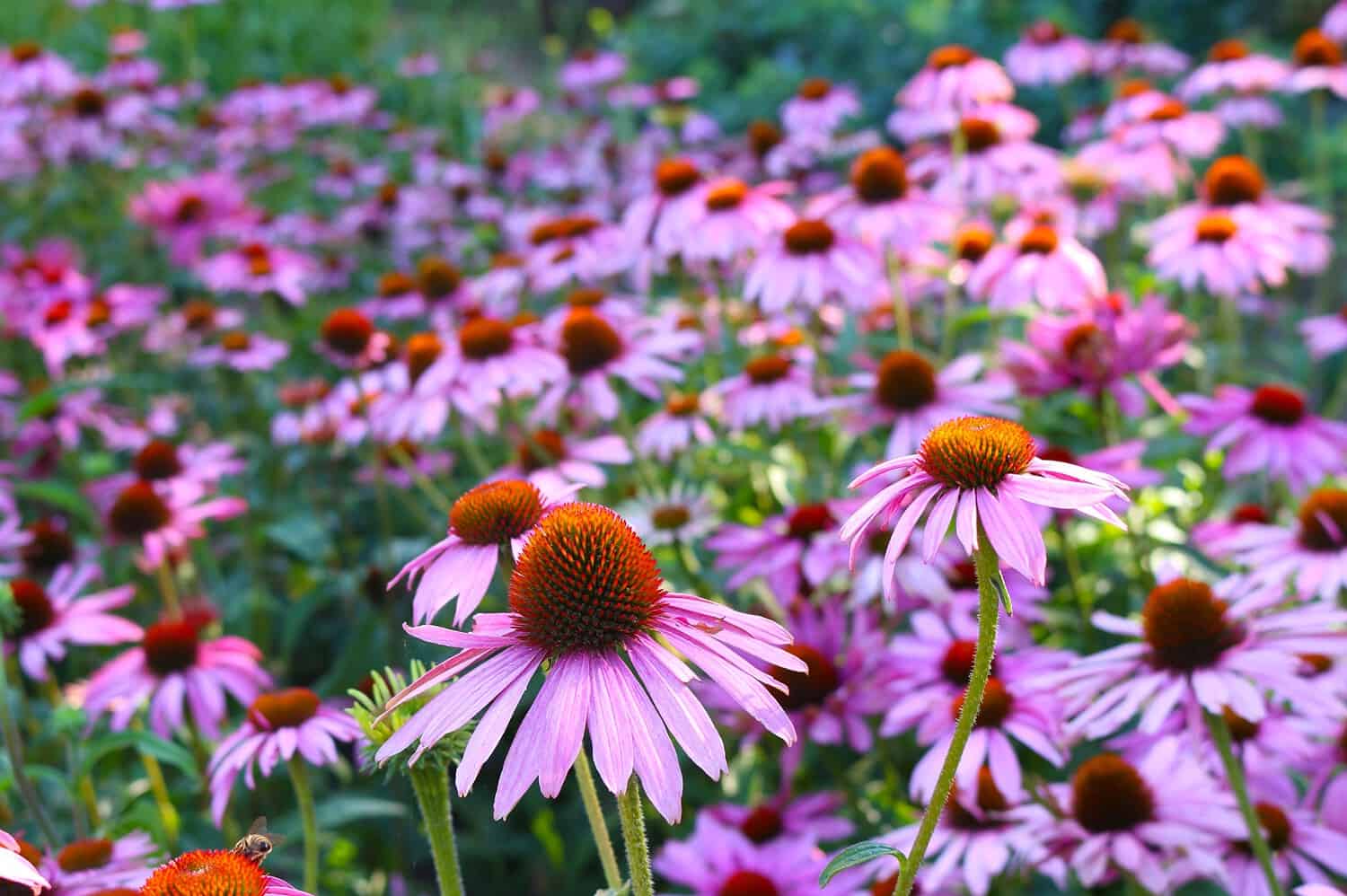
Coneflowers are hardy perennials that can handle very cold winters. They’re native to North America and are known for their durability.
These plants tolerate drought well, making them low-maintenance options for your garden. Their blooms attract pollinators like bees and butterflies.
Lily of the Valley

Lily of the Valley features delicate, bell-shaped flowers that bloom in late winter or early spring. It thrives in shady spots and can handle cold, harsh winters well.
This perennial spreads quietly, so give it space where it can grow without crowding out nearby plants. Its sweet scent adds a lovely touch to your garden.
Blue Spruce
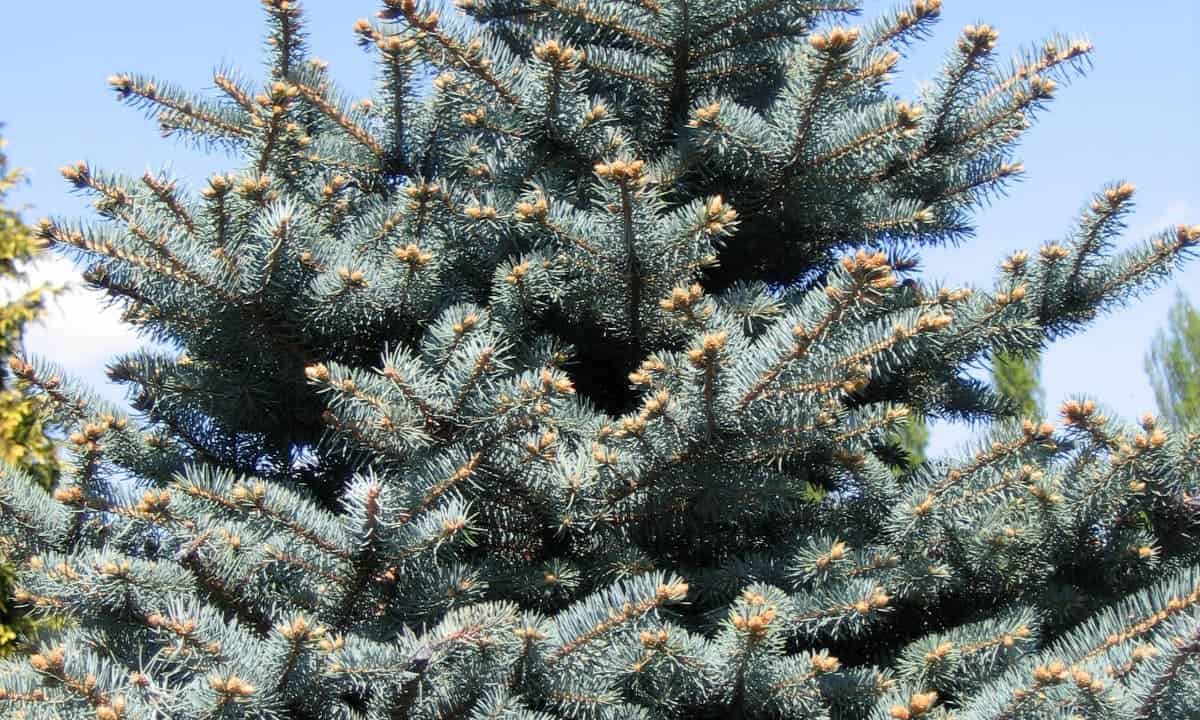
Blue spruce is a sturdy evergreen that handles harsh winters well. It keeps its sharp needles through cold months, adding color to your garden year-round.
It needs minimal care once established, making it ideal if you prefer low-maintenance plants. Blue spruce thrives in cold climates and adds evergreen charm to your outdoor space.
Wintergreen Boxwood
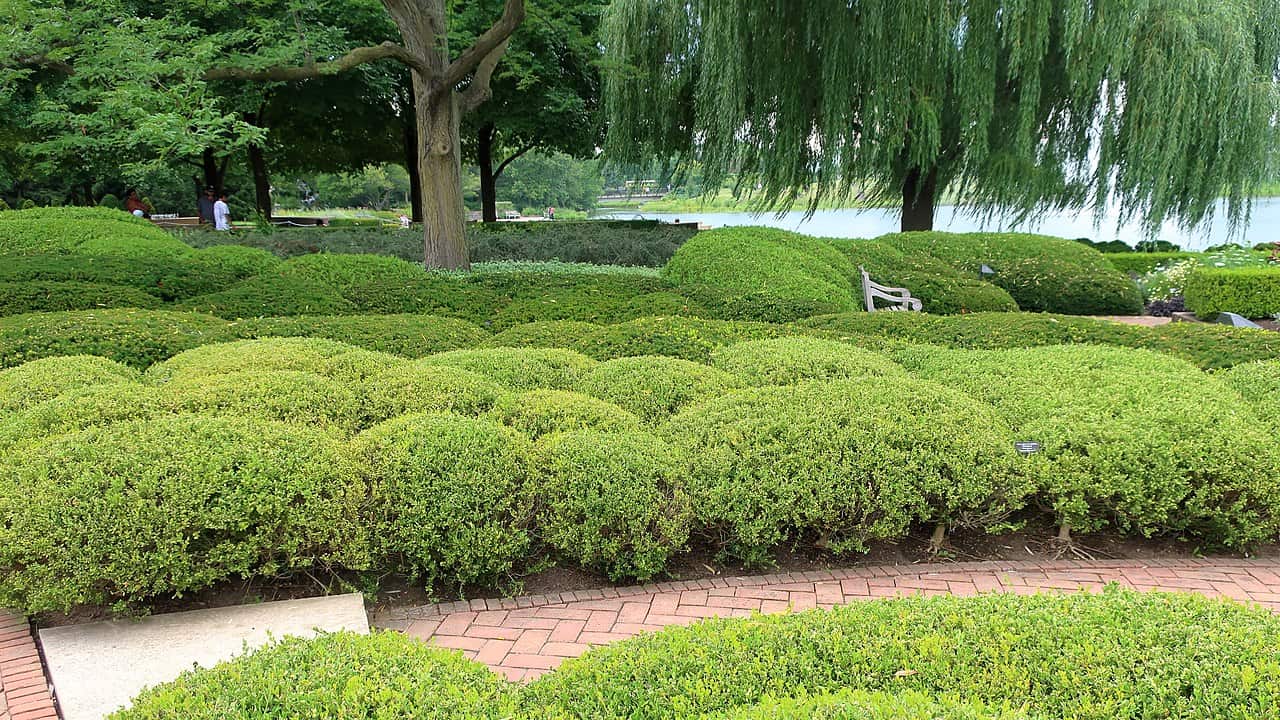
Wintergreen Boxwood provides evergreen color even in winter. Its rich green leaves stay vibrant through the coldest months.
It’s low-maintenance and hardy, making it easy to care for in your garden. Use it as a small hedge or a decorative shrub to brighten up winter landscapes.
Pansies

Pansies are great for early spring and can handle chilly weather. They can survive brief frost periods and bounce back when it warms up.
In colder zones, like Zone 4, pansies endure temperatures as low as -30°F. Their flowers may be smaller in winter, but they still brighten up cold days.
Hostas

Hostas are a great choice if you’re looking for a perennial that can handle cold winters. They thrive in shade and gradually get bigger each year.
You can count on Hostas to add lush greenery to your garden, even after harsh weather. Just plant them in a spot with some shade and watch them develop over time.
Peonies

Peonies are flowers that handle cold winters well. These perennials survive frost and snow with little trouble.
They come in many varieties, from large, fluffy blooms to smaller, simpler flowers. Peonies offer a nice splash of color when spring begins to warm your garden.
Siberian Iris
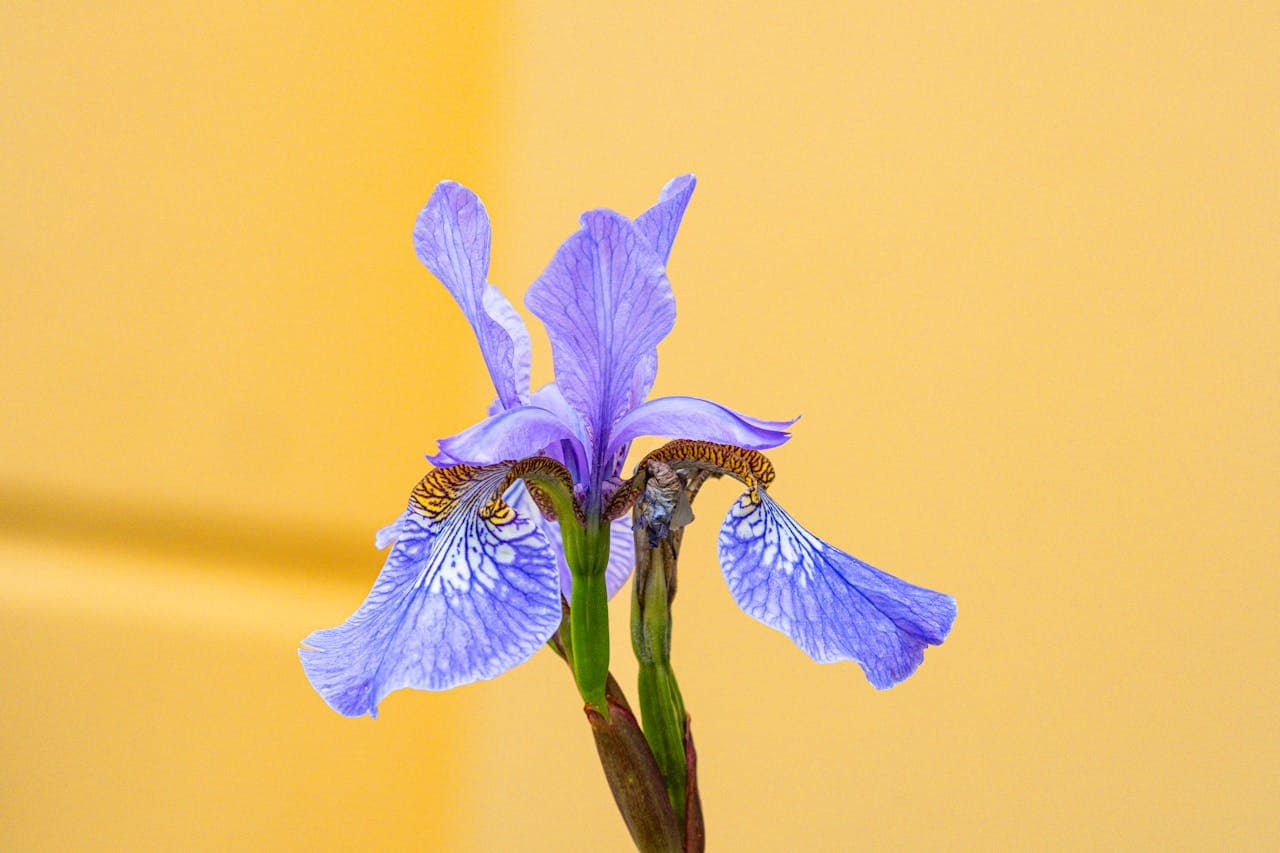
Siberian iris is tough enough to handle freezing temperatures without trouble. It thrives after a cold winter, which helps it bloom well in spring.
This perennial doesn’t mind sun exposure and is good at resisting diseases. It’s a reliable choice if you want a hardy plant with delicate flowers for your garden.
Ornamental Cabbage

Ornamental cabbage adds vibrant color to your winter garden. It thrives in cold weather and can survive harsh winters when planted in late summer or early fall.
Its textured leaves bring beauty and interest, lasting through frosts. Watch for hot weather, as it may cause the plant to bolt and lose its charm.
Dotted Blazing Star (Liatris punctata)
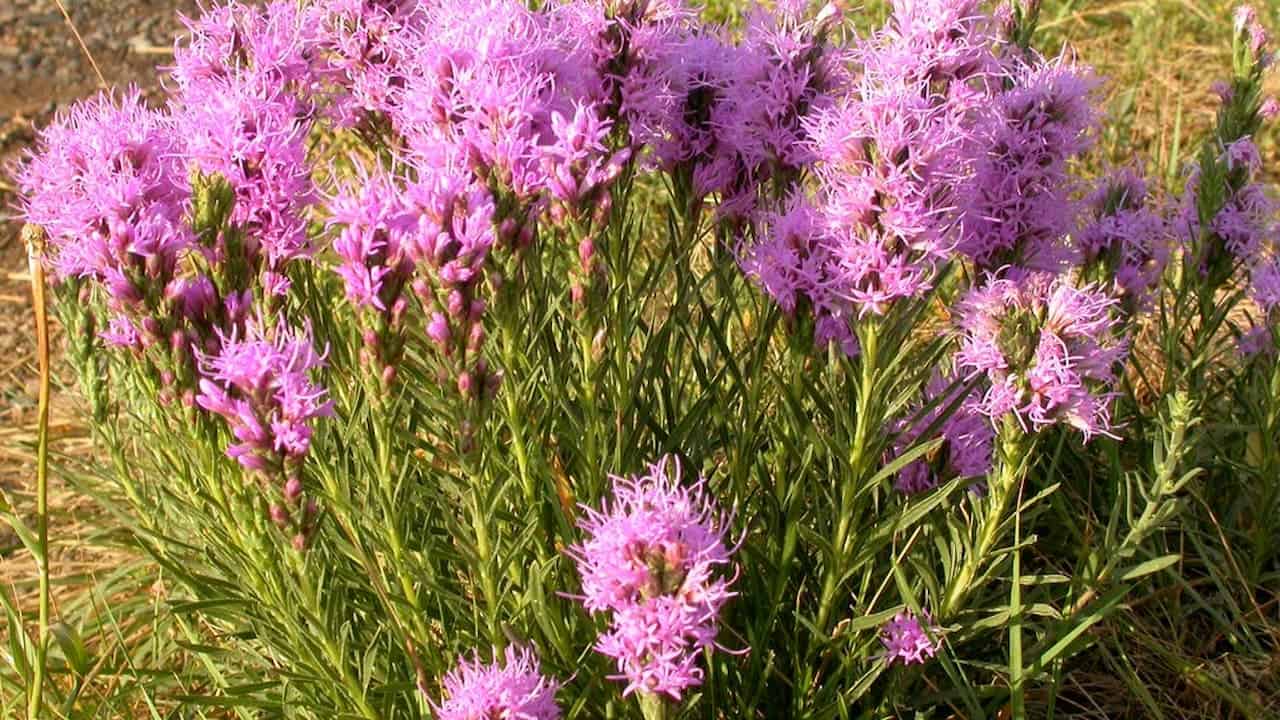
Dotted Blazing Star is drought tolerant and thrives in dry, well-drained soils. It grows up to 2 feet tall and produces lovely purple flower spikes from summer into early fall.
This plant does well in full sun and adapts to alkaline or calcareous soils. It’s a great choice for rock gardens or borders.
Russian Sage (Perovskia)
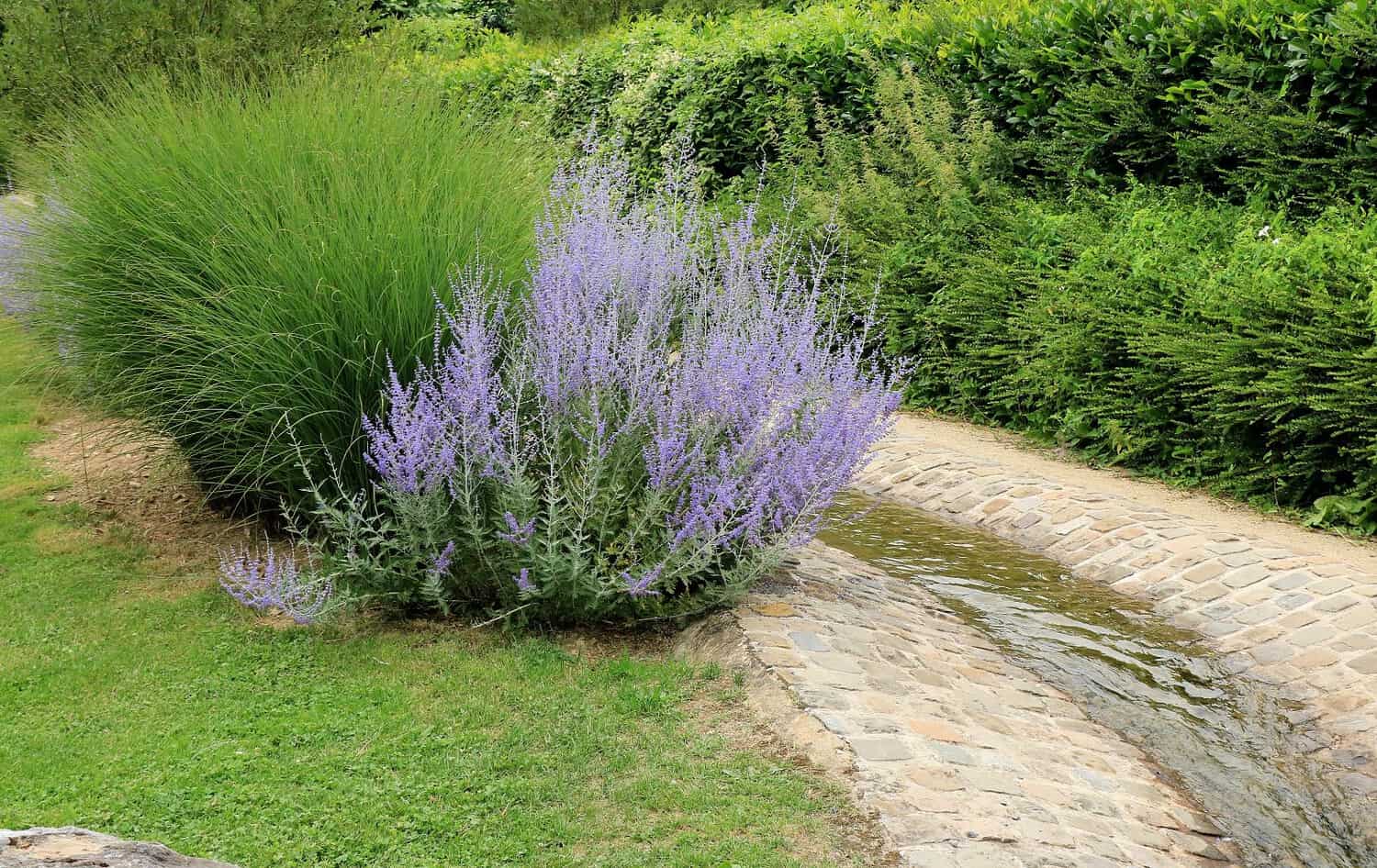
Russian Sage is tough and drought-resistant, making it great for cold climates. It grows 2-3 feet tall with lovely lavender-blue flowers that add color through seasons.
In colder zones, mulch around your plant in winter to protect it. Cutting it back to 2-3 inches each year keeps it healthy and neat.
Sedum ‘Autumn Joy’
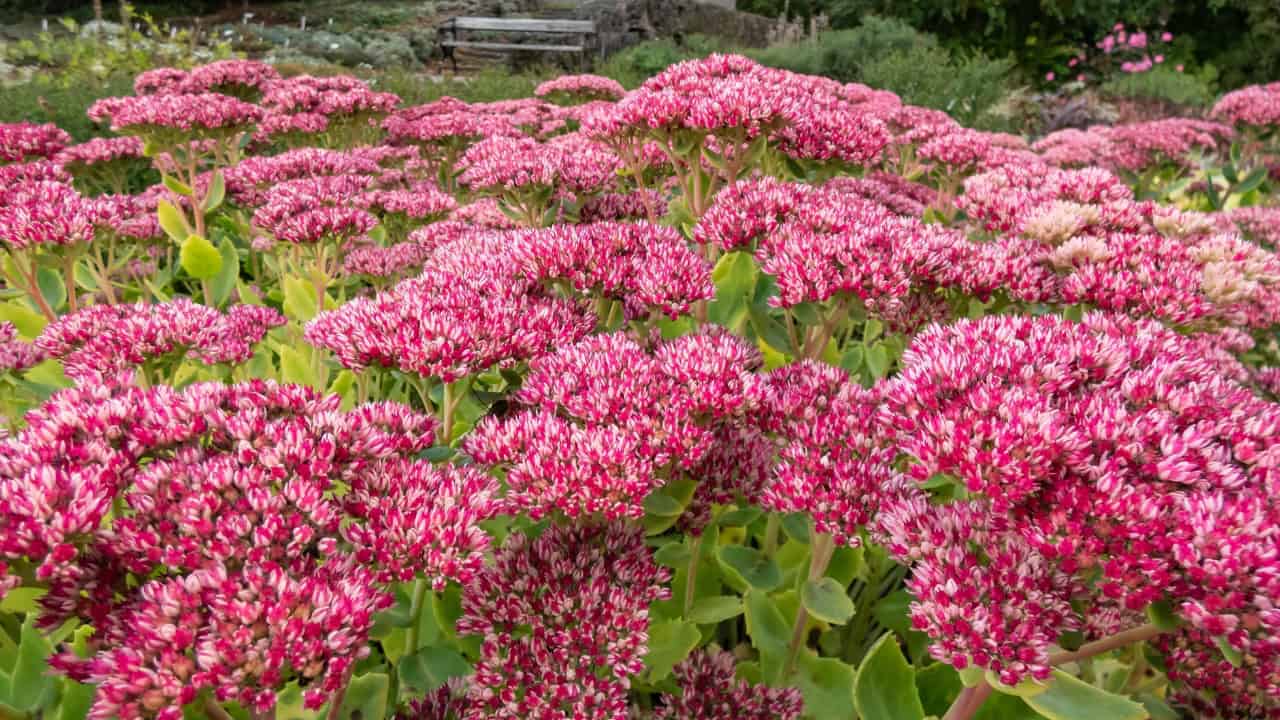
Sedum ‘Autumn Joy’ is low maintenance and hardy. It has thick, succulent leaves and blooms late, offering color when many plants have faded.
Its flowers start soft pink and deepen to crimson in the fall. This perennial also supports bees and birds during colder months.
Black-eyed Susan (Rudbeckia)
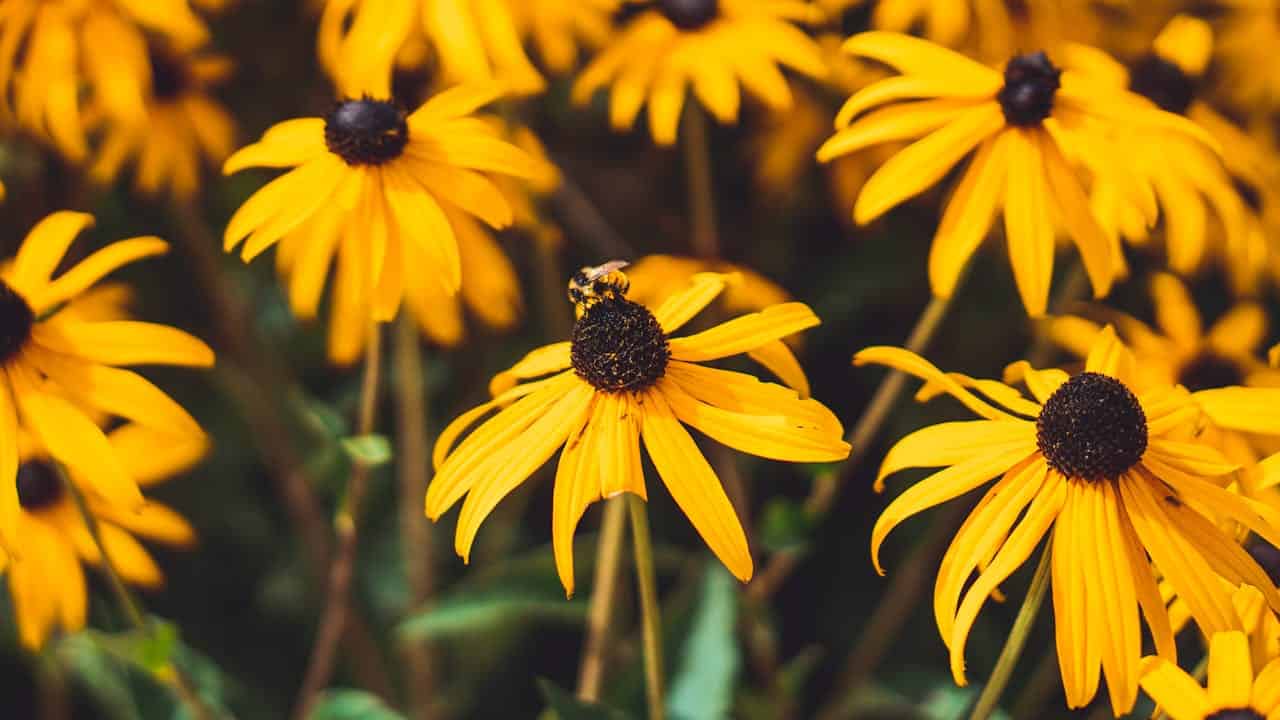
Black-eyed Susans are tough perennials, often surviving harsh winters in zones 3 to 9. They die back in winter but come back strong each spring.
These cheerful flowers love full sun and can grow up to three feet tall. Give them well-drained soil, and they’ll brighten your garden year after year.
Bleeding Heart (Dicentra spectabilis)
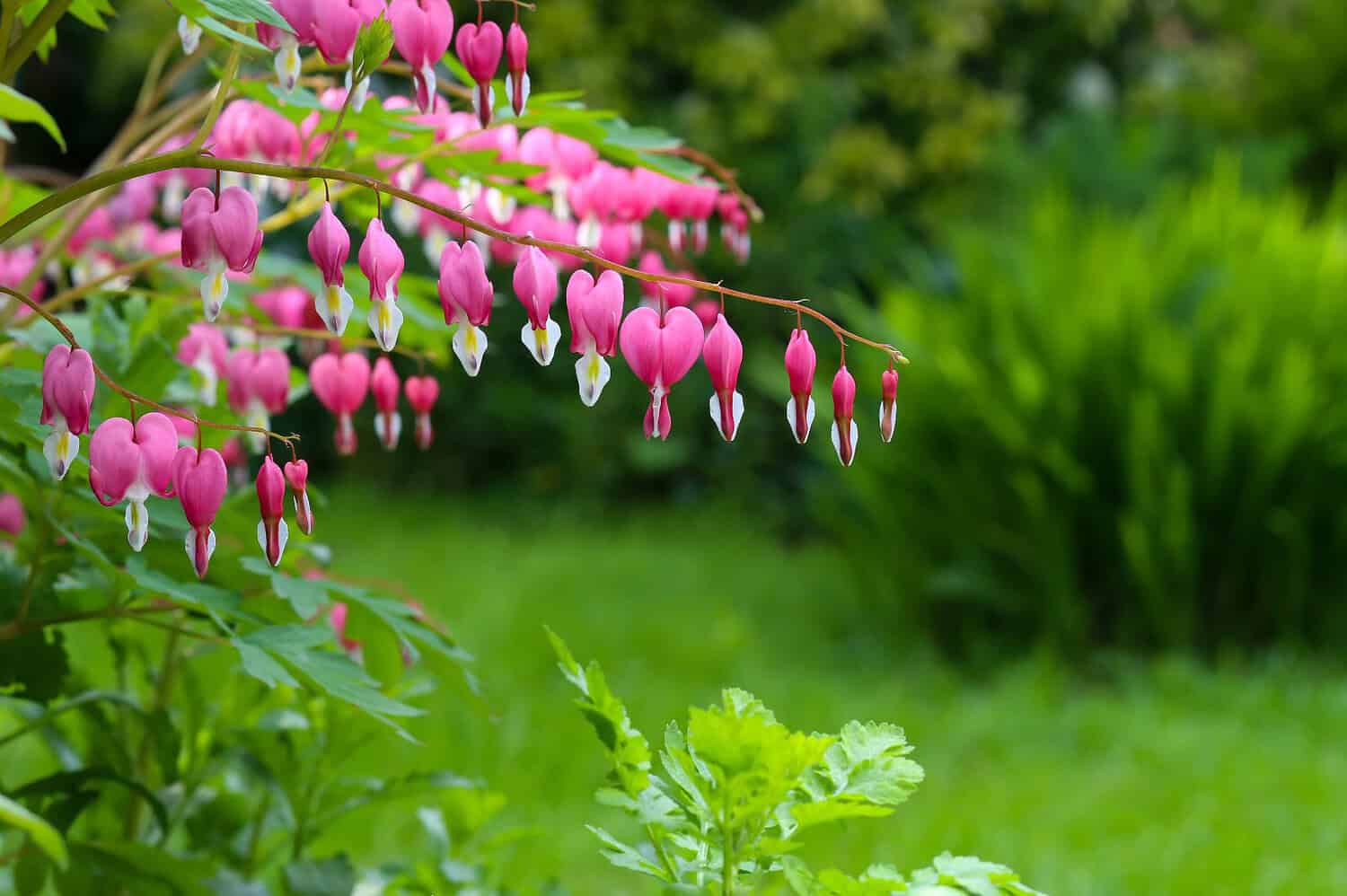
Bleeding Heart features delicate, heart-shaped flowers that add charm to shady spots. It grows best in partial shade with well-draining soil.
These perennials handle cold winters well, but avoid wet winter conditions to keep roots healthy. Plant them in fall or cold stratify seeds for better germination.
Ajuga (Bugleweed)
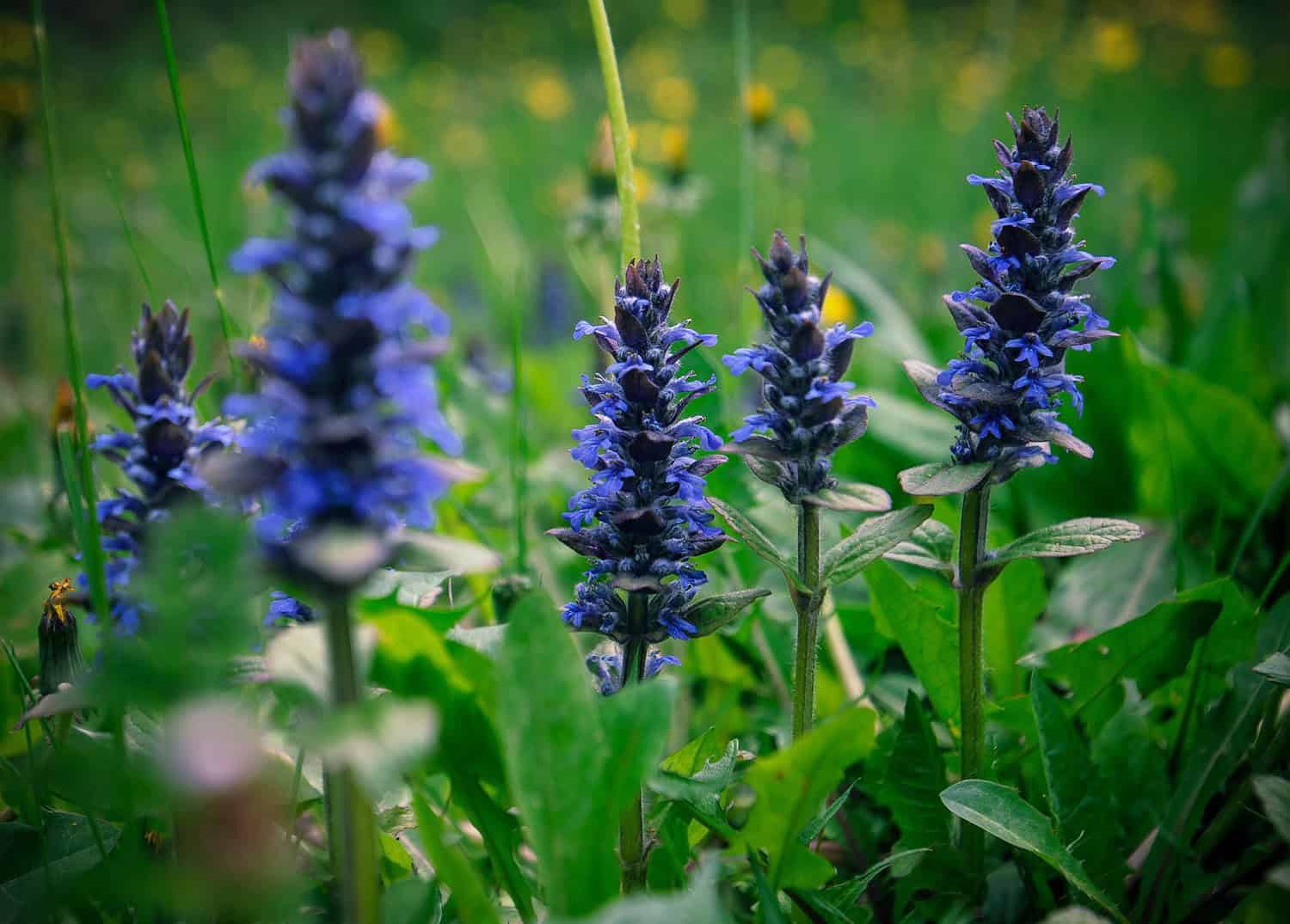
Ajuga is a tough, evergreen ground cover that works well in many conditions. It grows in both sun and shade, making it very versatile for your garden.
Ajuga spreads easily and adds color with its foliage and flowers. It’s low-maintenance, so it’s great if you want something reliable without much work.
Snowdrop Anemone
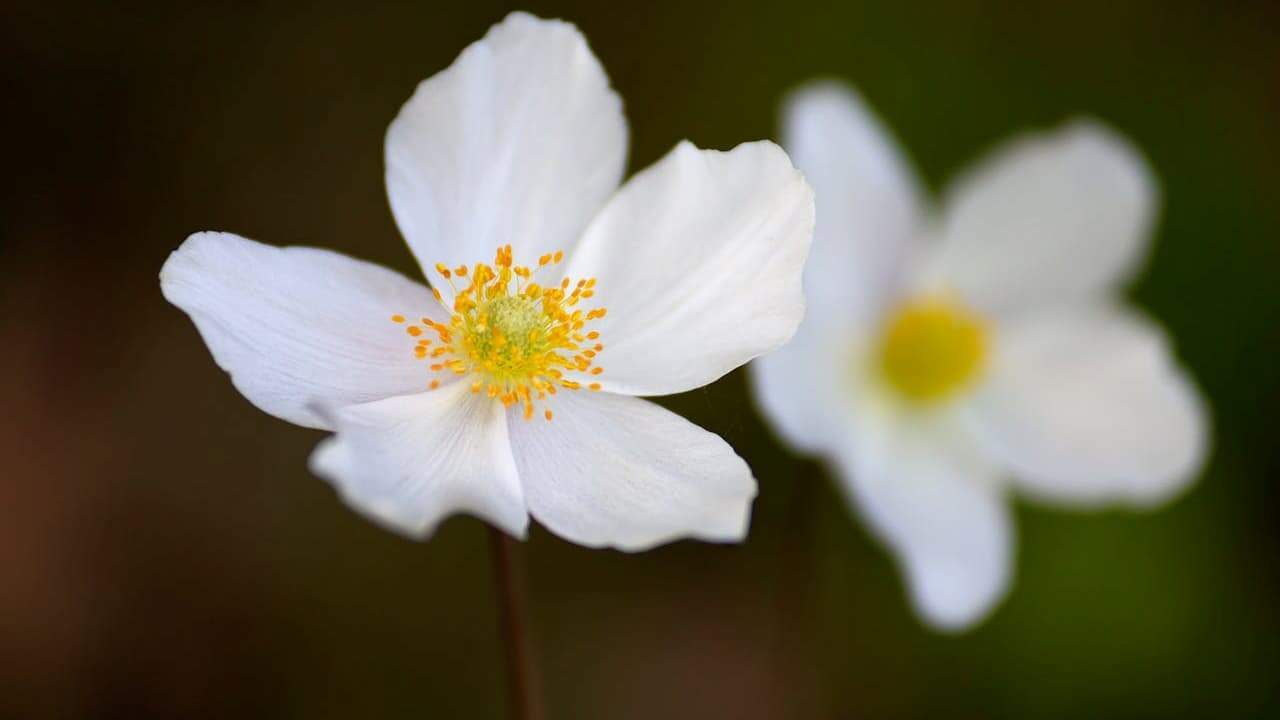
Snowdrop Anemone has delicate white flowers with soft yellow centers. These blooms appear on slender, 18-inch stems, adding lightness to your garden.
This perennial prefers light to partial shade and moist, rich soil. It thrives in cooler, woodland-like conditions, making it a great choice for shaded spots.
Daylilies (Hemerocallis)
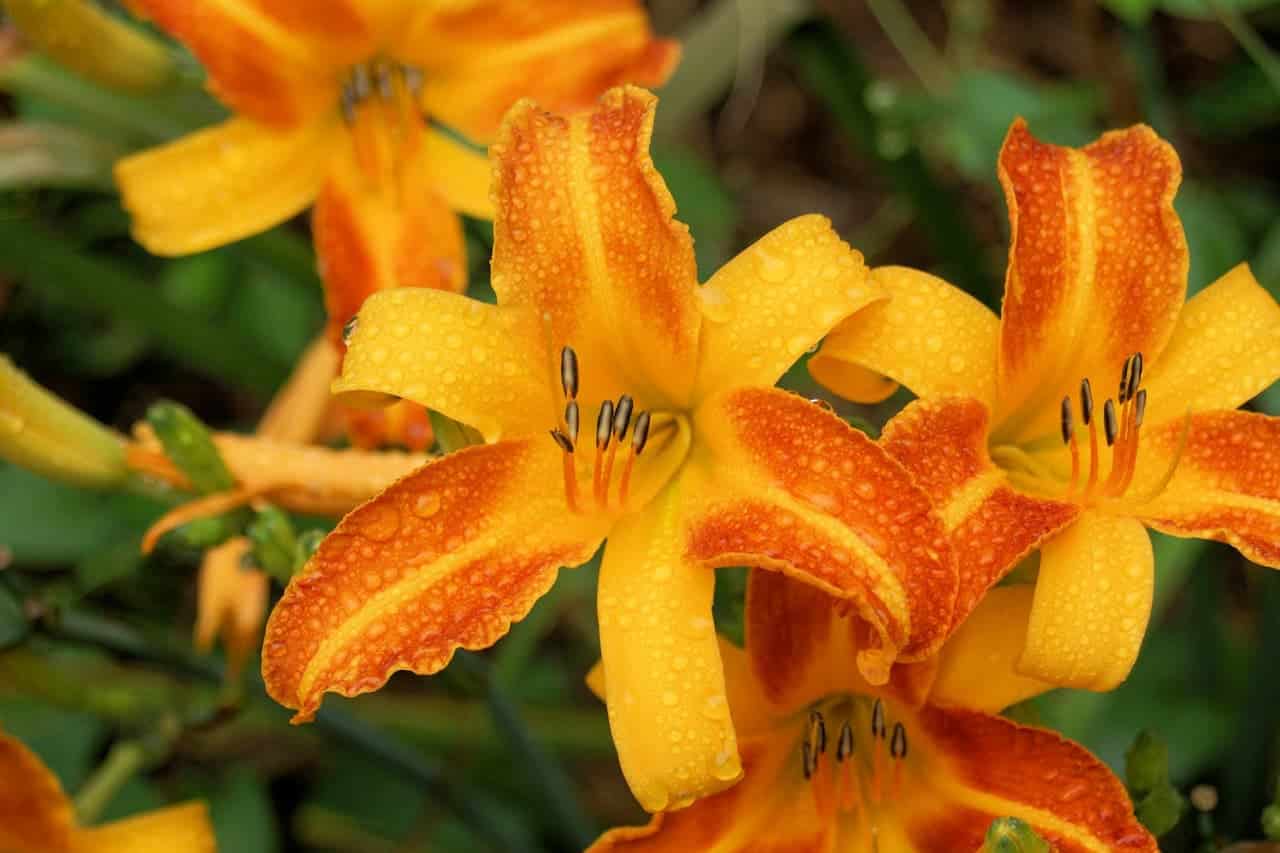
Daylilies are tough plants that handle cold winters well. They keep coming back year after year without much fuss.
These perennials can thrive even in poor soil or dry spots. Their bright blooms add color from early summer until frost.
Ferns (such as Christmas Fern)
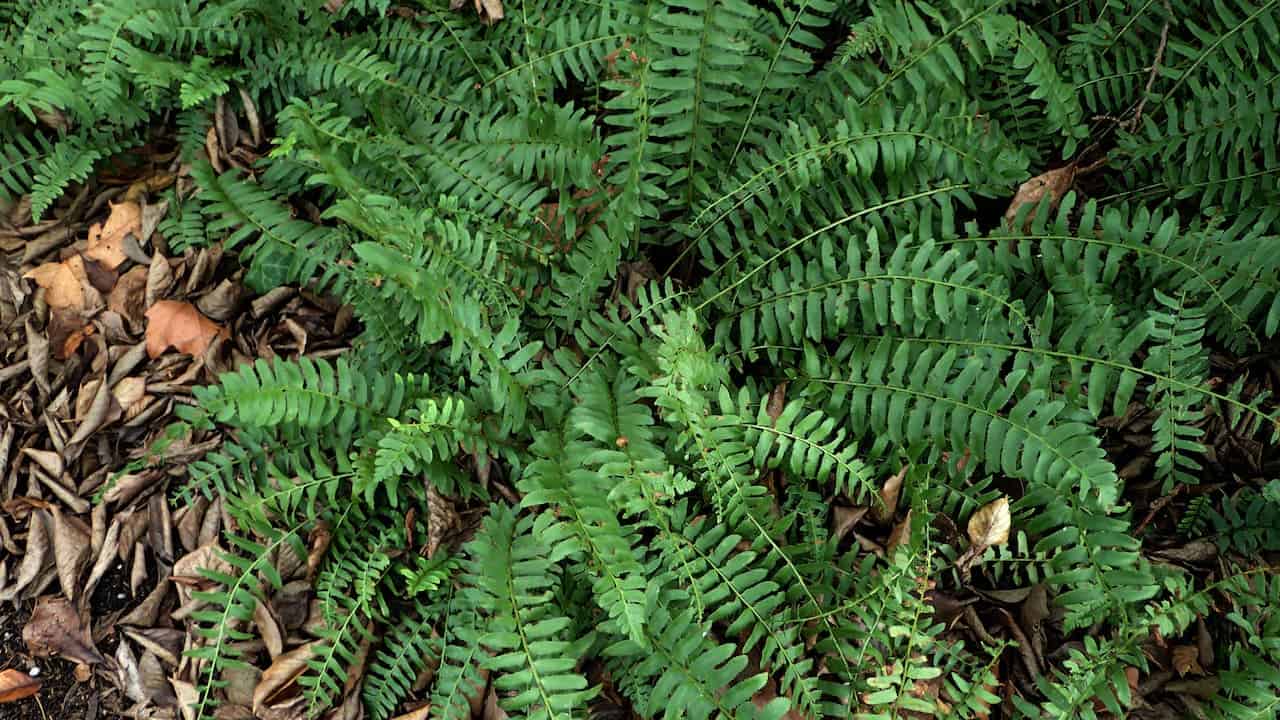
You can count on ferns like the Christmas Fern to handle cold winters well. They stay green through the season, adding color to shade-filled spots in your garden.
Plant them in spring for the best start.