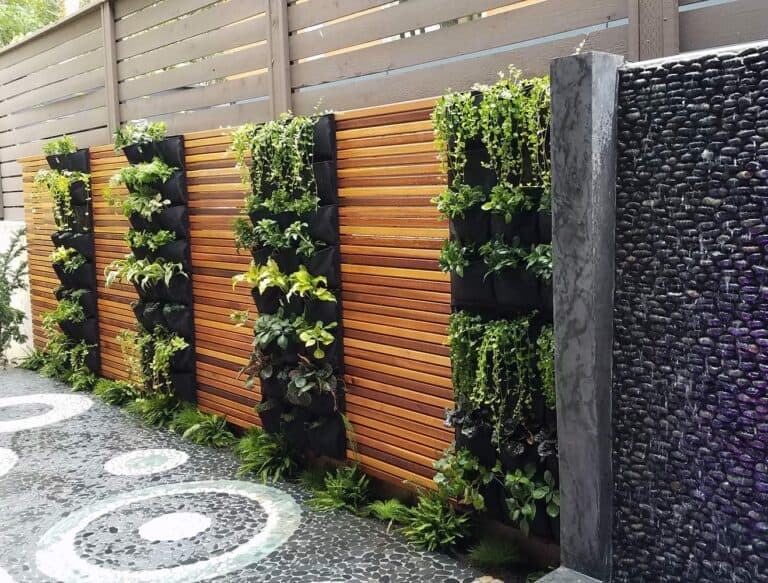
As a homeowner, you know that maintaining an attractive exterior is just as important as keeping the interior of your house in top shape. A well-landscaped yard not only boosts your property’s curb appeal, but it also can significantly increase your home’s value. However, landscaping isn’t a cheap endeavor, and it’s all too easy to pour money into projects or maintenance routines that ultimately don’t pay off. This blog post will guide you through 20 common landscaping mistakes that could be unnecessarily draining your wallet. By avoiding these pitfalls, you can create a gorgeous outdoor space while keeping your budget intact.
1. Overwatering Your Lawn
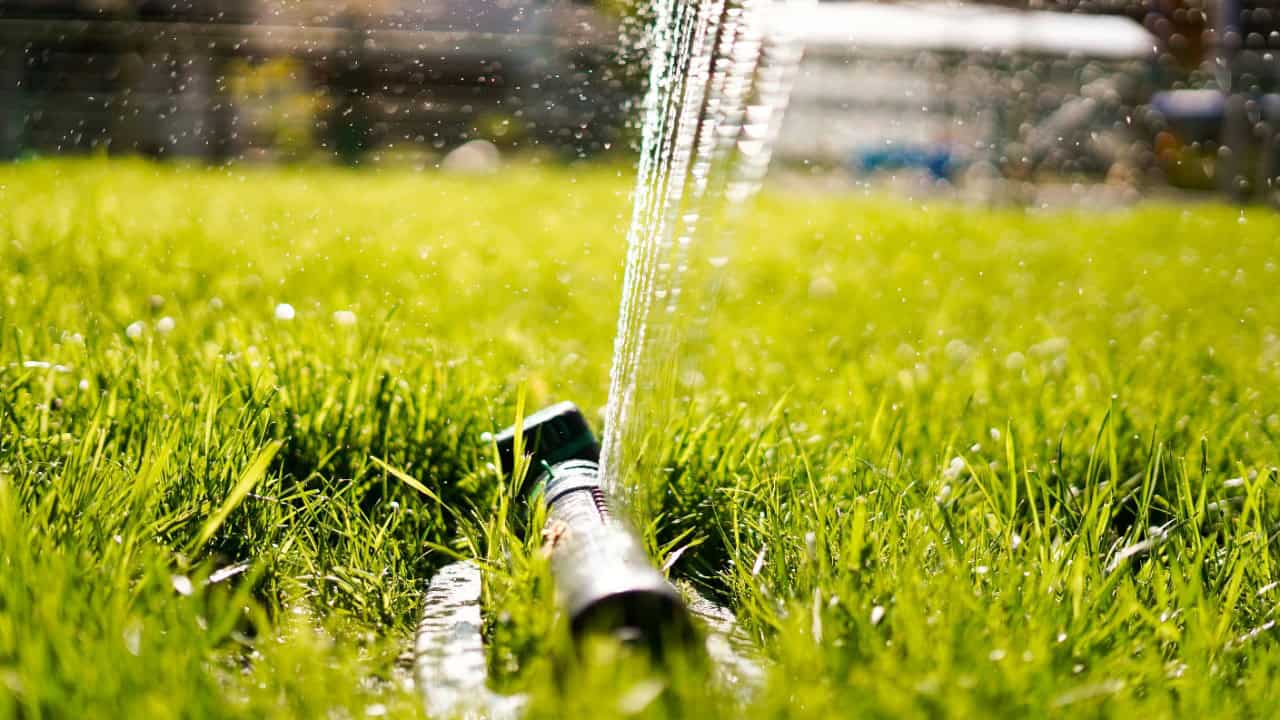
There’s no doubt that a lush, green lawn is appealing, but overwatering can lead to high water bills and unhealthy grass. The average lawn only needs about one inch of water per week, including rainfall. If you’re watering daily or even every other day, you’re likely using more water than your lawn needs to thrive.
Additionally, overwatering can cause your grass to develop shallow roots, making it more vulnerable to drought and diseases. Instead of watering lightly and frequently, aim to water deeply and infrequently. This approach encourages the development of a deep root system, which can help your lawn withstand periods of drought and reduce your overall water usage.
Advertisement
2. Buying Plants Without Researching
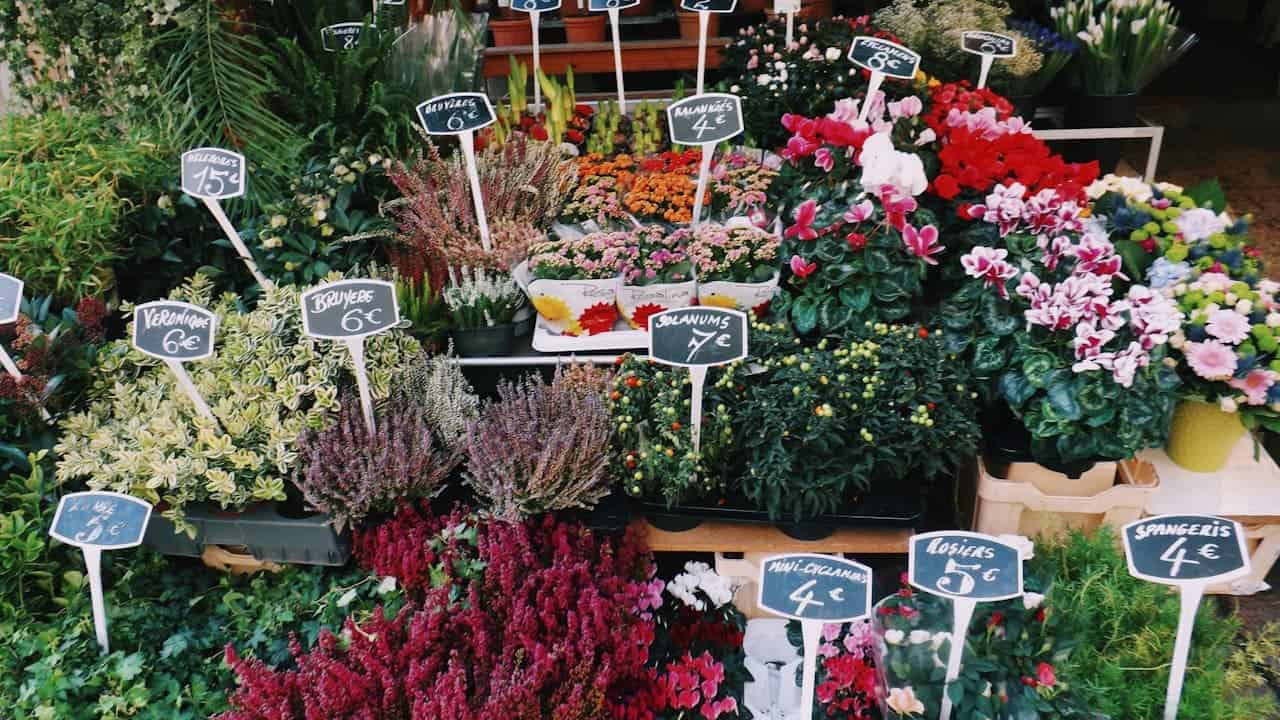
Just because a plant looks beautiful, it doesn’t mean it’s suitable for your garden. Some plants require specific soil types, sunlight levels, and climates to grow. If you don’t research before purchasing plants, you might end up with a garden full of struggling or dying plants.
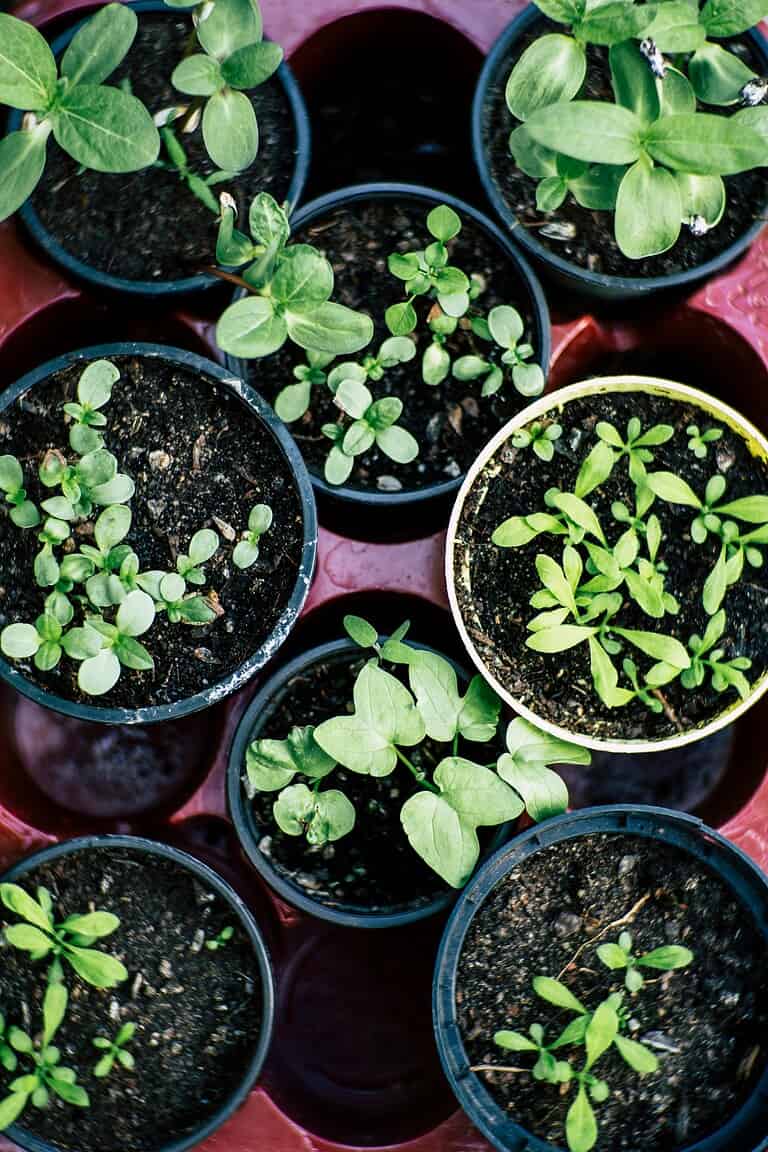
Before buying plants, take the time to understand your garden’s conditions. Note the areas of your garden that get the most sun and the type of soil you have. Then, choose plants that are suited to these conditions. Not only will these plants be more likely to thrive, but they’ll also require less maintenance and resources, saving you money in the long run.
3. Not Investing in Mulch

Mulch might seem like an unnecessary expense, but it can actually save you money in the long run. Mulch helps retain soil moisture, meaning you’ll need to water less frequently. It also suppresses weeds, reducing the amount of time and money you need to spend on weed control.
While there are plenty of cheap or even free mulching materials available, like grass clippings or shredded leaves, investing in high-quality mulch can be worth the extra cost. High-quality mulch will last longer and provide better weed control and moisture retention. Plus, it can also improve the look of your garden, adding to your home’s curb appeal.
4. Ignoring Native Plants
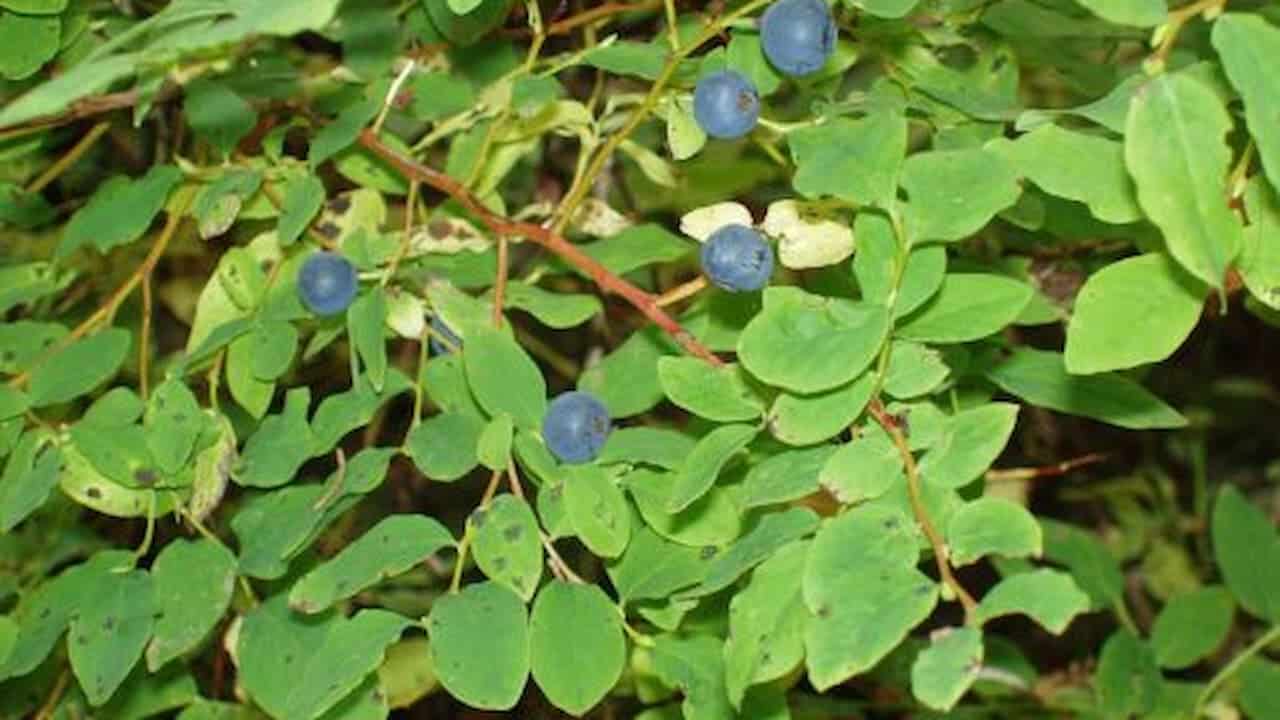
It’s easy to get enticed by exotic plants with bright blooms or unique foliage. However, these plants often require more care and resources than native plants. Native plants are adapted to your local climate and soil conditions, meaning they’ll likely thrive with less maintenance.
Investing in native plants can save you money on water, fertilizer, and other resources. Plus, native plants often support local wildlife, like bees and birds, adding to the biodiversity of your garden. Check with your local extension service or nursery to find out which plants are native to your area.
5. Neglecting Your Lawn Mower
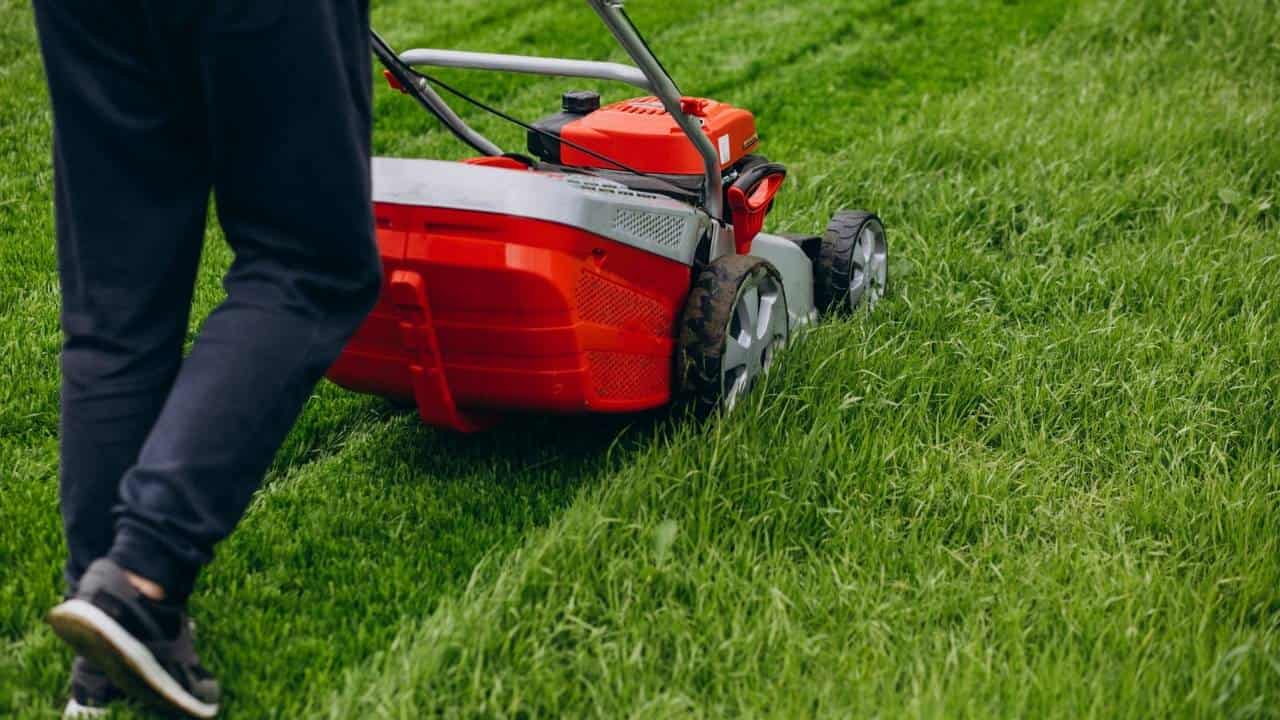
Your lawn mower is an essential tool for maintaining a neat and tidy yard. However, if you neglect its maintenance, you could end up spending more money on repairs or a replacement. Regularly changing the oil, replacing the air filter, and sharpening the blades can extend the life of your mower and improve its performance.
Sharp blades, in particular, are crucial for maintaining a healthy lawn. Dull blades can tear the grass, leaving it susceptible to diseases. On the other hand, sharp blades cut the grass cleanly, promoting healthy growth and reducing the need for additional lawn care treatments.
6. Over Fertilizing
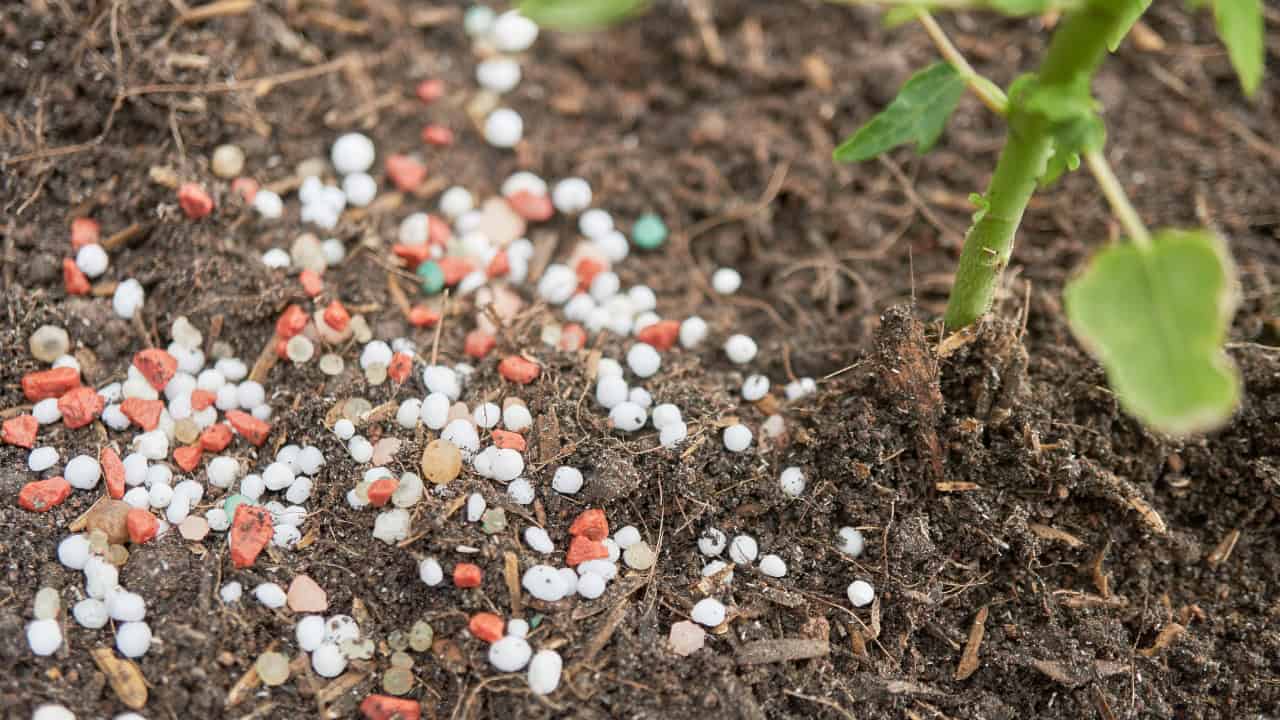
While fertilizers can help your plants grow, over-fertilizing can lead to various problems. Over-fertilizing can cause excessive growth, making your plants more susceptible to pests and diseases. It can also lead to nutrient runoff, which can pollute local waterways.
To avoid over-fertilizing, always follow the package instructions when applying fertilizers. It’s also a good idea to get a soil test to determine what nutrients your soil is lacking. This way, you can choose a fertilizer that meets your soil’s specific needs, avoiding the waste and potential harm caused by unnecessary fertilizing.
7. Planting Too Close to Structures
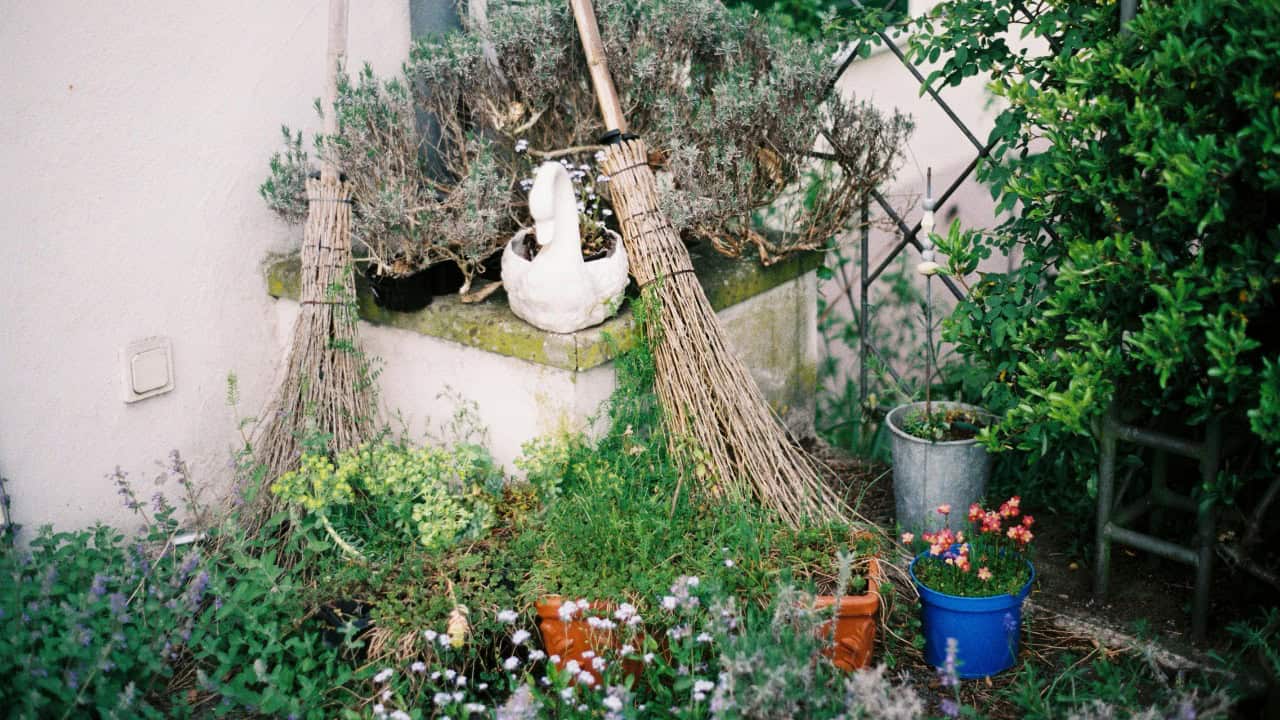
When planting trees and shrubs, it’s important to consider their mature size. Planting too close to your home, fence, or other structures can lead to problems as the plants grow. Over time, roots can damage foundations and branches can interfere with power lines.
Always check the expected mature size of a plant before deciding where to plant it. Make sure there is enough room for the plant to grow without interfering with any structures. This can help prevent costly damage in the future and ensure that your plants have the space they need to thrive.
8. Neglecting to Prune
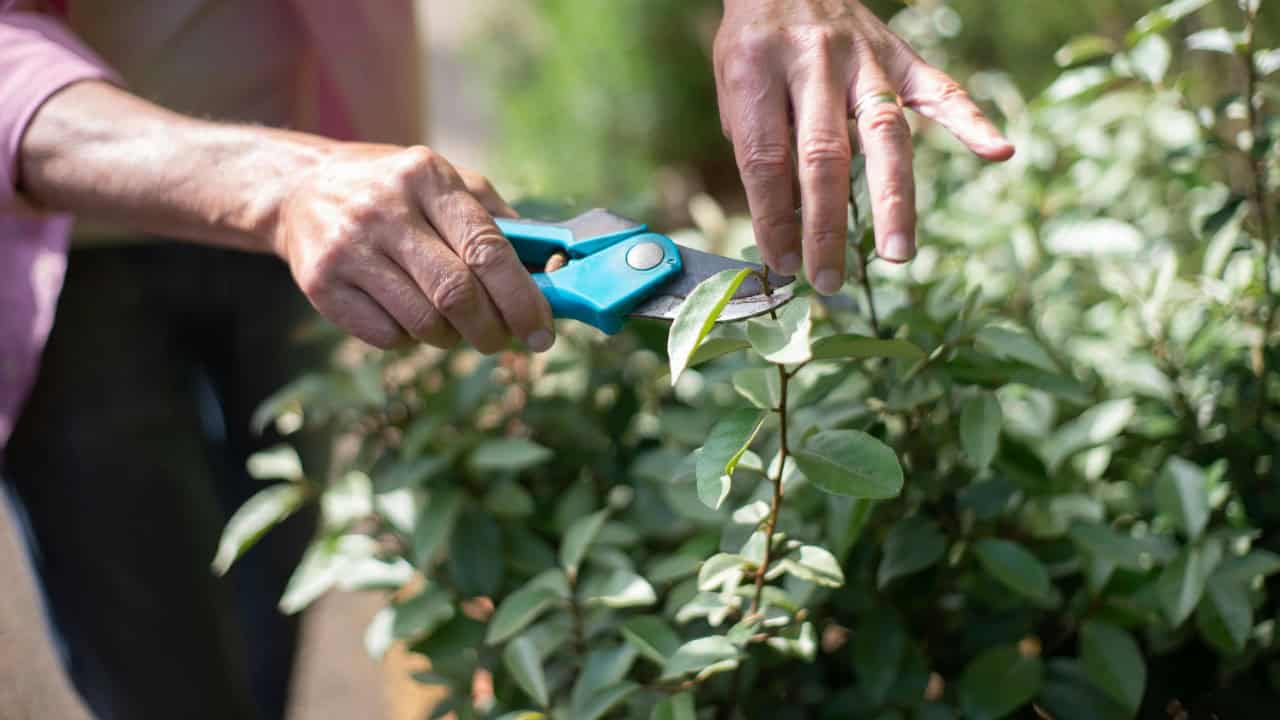
Pruning might seem like a daunting task, but it’s essential for maintaining the health and appearance of your plants. Neglecting to prune can lead to overgrown plants that block light from reaching other plants or your home. Overgrown plants can also be more susceptible to pests and diseases.
Pruning is not just about cutting back plants. It’s about shaping them and ensuring their health. By removing dead or diseased branches, you can prevent the spread of diseases and pests. Proper pruning can also encourage healthy growth and flowering, enhancing the beauty of your garden.
9. Creating a High-Maintenance Landscape
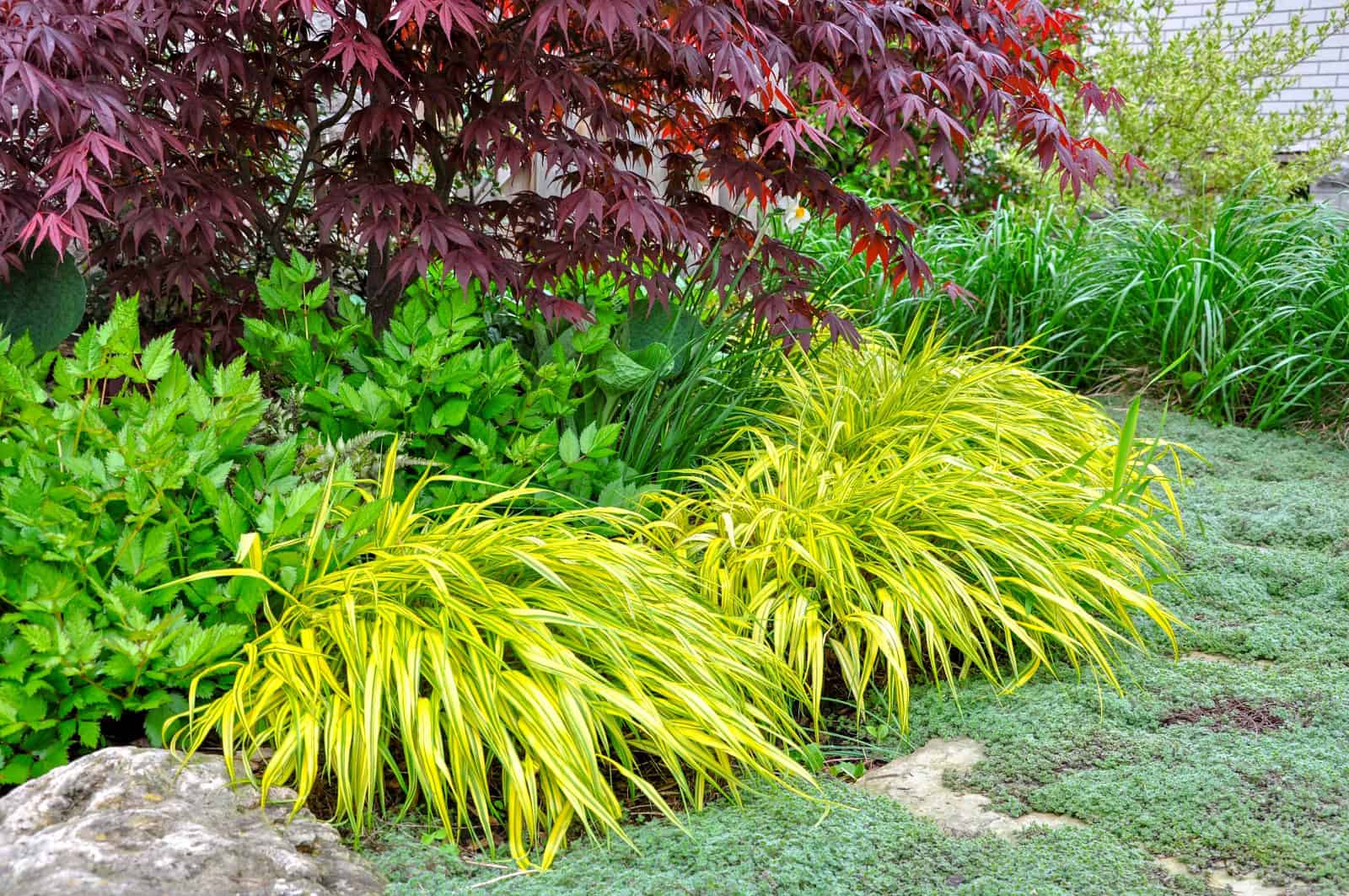
While a garden full of exotic plants and intricate designs might seem appealing, it can be costly and time-consuming to maintain. If you’re not careful, you could end up spending all your free time and a significant amount of money maintaining your landscape.
When planning your landscape, consider the amount of time and resources you’re willing to invest in maintenance. Choose low-maintenance plants and design elements that match your lifestyle and budget. This way, you can create a beautiful outdoor space without breaking the bank or committing all your free time to garden chores.
10. Ignoring the Seasons

While it’s easy to get caught up in the beauty of spring blooms, a truly great landscape looks good all year round. If you only plant for one season, your garden could look bare and uninviting for the rest of the year.
To create a year-round landscape, consider the seasons when choosing plants. Look for plants that offer interest in different seasons, whether it’s spring blooms, summer fruits, fall foliage, or winter structure. This way, you can enjoy a beautiful and engaging landscape no matter the time of year.
11. Not Composting
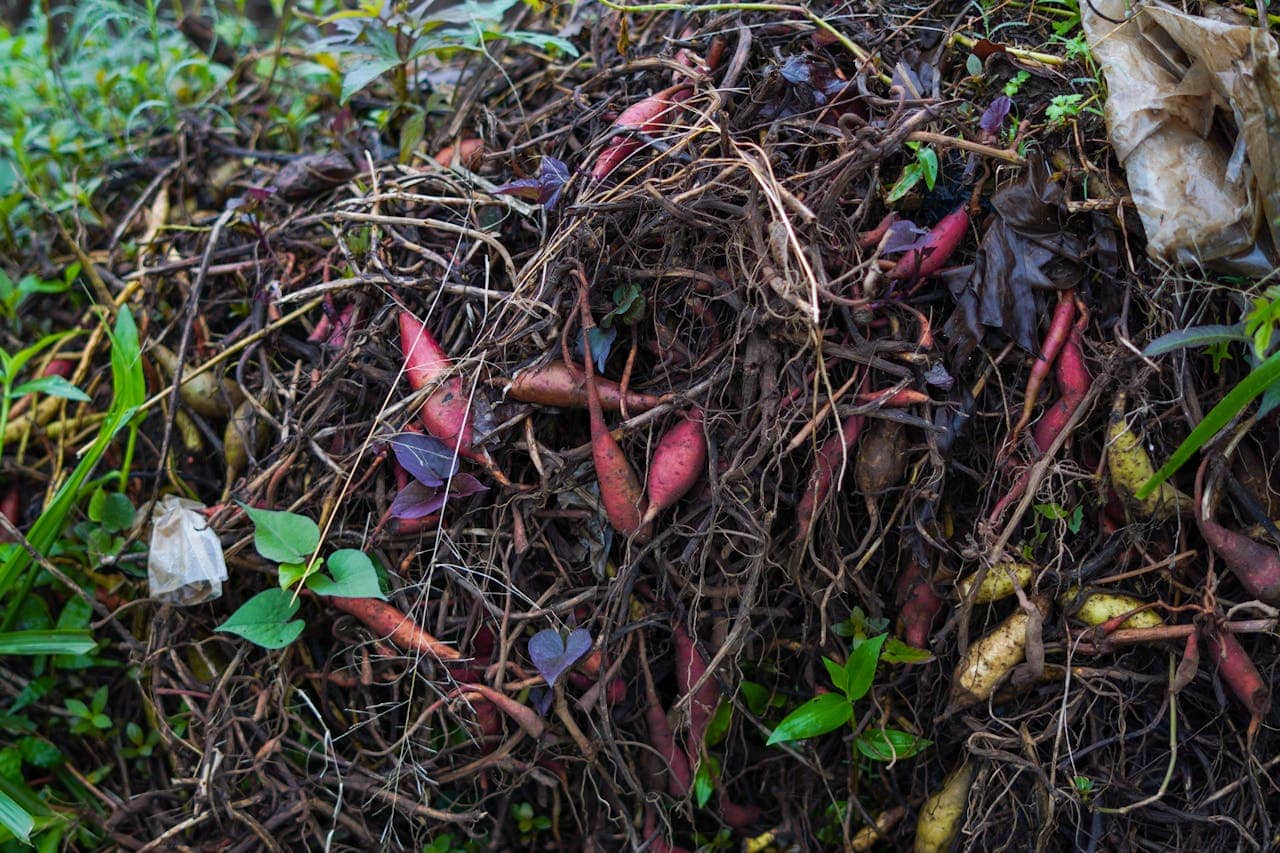
Composting is an easy and cost-effective way to improve your soil’s health. By composting your kitchen scraps and yard waste, you can create rich, nutrient-dense compost that your plants will love. Plus, composting can reduce the amount of waste you send to the landfill, making it a win for both your wallet and the environment.
Starting a compost pile is simple. All you need is a designated area in your yard and a mix of green and brown materials. Green materials include things like fruit and vegetable scraps, coffee grounds, and grass clippings, while brown materials include things like leaves, straw, and cardboard. Avoid composting meat, dairy, and diseased plants, as these can attract pests or spread diseases.
12. Using Chemicals Unnecessarily
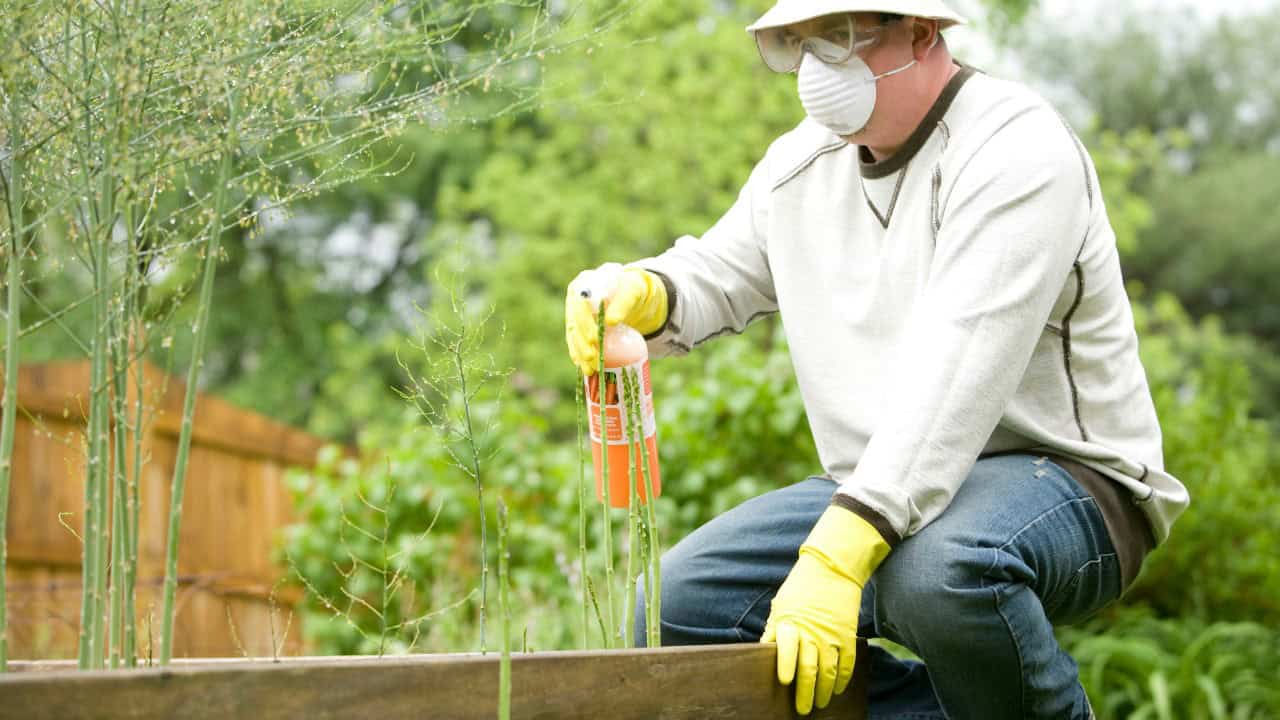
While chemicals can help control pests and diseases, they should be used as a last resort, not a first line of defense. Chemicals can be harmful to beneficial insects, birds, and even your own health. Plus, they can be costly and often require repeat applications.
Instead of reaching for chemicals at the first sign of a problem, try more natural and cost-effective solutions. For example, handpicking pests, using homemade sprays, or encouraging beneficial insects can all be effective ways to manage pests. If you do need to use chemicals, choose ones that are targeted to the specific problem and follow the package instructions to avoid unnecessary harm.
13. Not Planning for Growth

When planting a new plant, it’s easy to focus on its current size and overlook its potential growth. However, failing to plan for a plant’s mature size can lead to overcrowding and competition for resources.
Before planting, research the expected mature size of the plant and make sure there is enough room for it to grow. This can help prevent future problems and ensure that your plants have the space they need to thrive. Plus, it can save you the time and effort of having to move or remove plants that have outgrown their space.
14. Ignoring pH Levels

Soil pH is a measure of how acidic or alkaline your soil is, and it can significantly impact your plants’ health. Some plants prefer acidic soil, while others prefer alkaline soil. If your soil’s pH doesn’t match a plant’s preference, the plant may struggle to absorb nutrients, leading to poor growth and potential health problems.
Getting a soil test can help you determine your soil’s pH and choose plants that are suited to these conditions. If you want to grow plants that prefer a different pH, you can amend your soil to adjust the pH. However, this can be a costly and ongoing process, so it’s often easier and more cost-effective to choose plants that are suited to your existing soil conditions.
15. Overlooking the Value of Perennials

While annuals can provide a pop of color in your garden, they need to be replaced every year, which can add up in cost. On the other hand, perennials come back year after year, providing a better return on investment.
While perennials may be more expensive upfront, their longevity makes them a cost-effective choice in the long run. Plus, many perennials can be divided and spread throughout your garden or shared with friends, further extending their value. When planning your garden, consider including a mix of perennials and annuals to get the best of both worlds.
16. Failing to Control Weeds
17. Overlooking Hardscaping

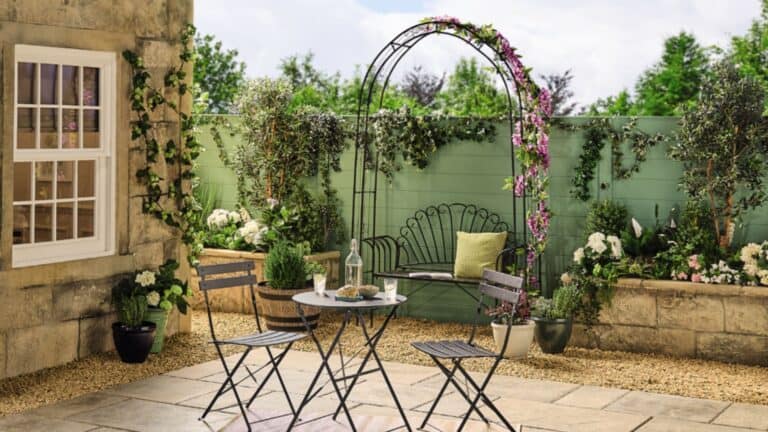
While plants are a key component of any landscape, hardscaping elements like paths, patios, or retaining walls can also play an important role. Not only can these elements add to your landscape’s functionality and appearance, but they can also increase your home’s value.
While hardscaping can be a significant upfront investment, it’s often a worthwhile one. High-quality hardscaping can last for many years with minimal maintenance, making it a cost-effective choice in the long run. Plus, hardscaping can reduce the amount of maintenance your landscape requires by reducing the amount of planted area.
18. Wasting Water with Inefficient Irrigation
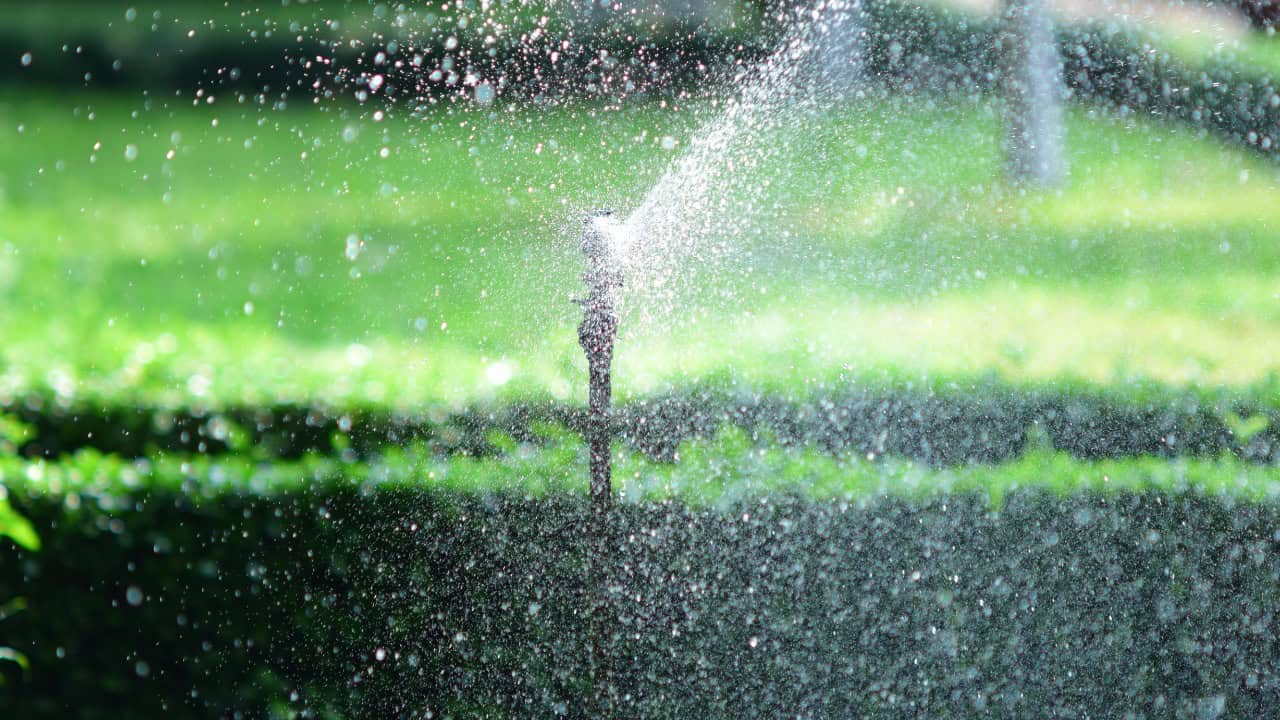
Watering your garden may seem simple, but it can easily become a major expense if not done efficiently. Overwatering, watering at the wrong time of day, or using an inefficient watering system can all lead to wasted water and higher bills.
To water efficiently, consider installing a drip irrigation system or soaker hoses, which deliver water directly to the plant’s roots and minimize evaporation. Water in the early morning or late evening to reduce evaporation and ensure that your plants get the most benefit from the water. Using a rain barrel to collect rainwater for watering can also be a cost-effective and environmentally friendly option.
19. Forgetting about Maintenance Costs

When planning your landscape, it’s easy to focus on the initial costs and overlook the ongoing maintenance costs. However, these costs can quickly add up, especially if you have a large or complex landscape.
Be realistic about the amount of time and money you’re willing to spend on maintenance. Choose low-maintenance plants and design elements that fit your budget and lifestyle. Remember, a beautiful and well-maintained simple landscape is better than a neglected complex one.
20. Ignoring the Benefits of Professional Help
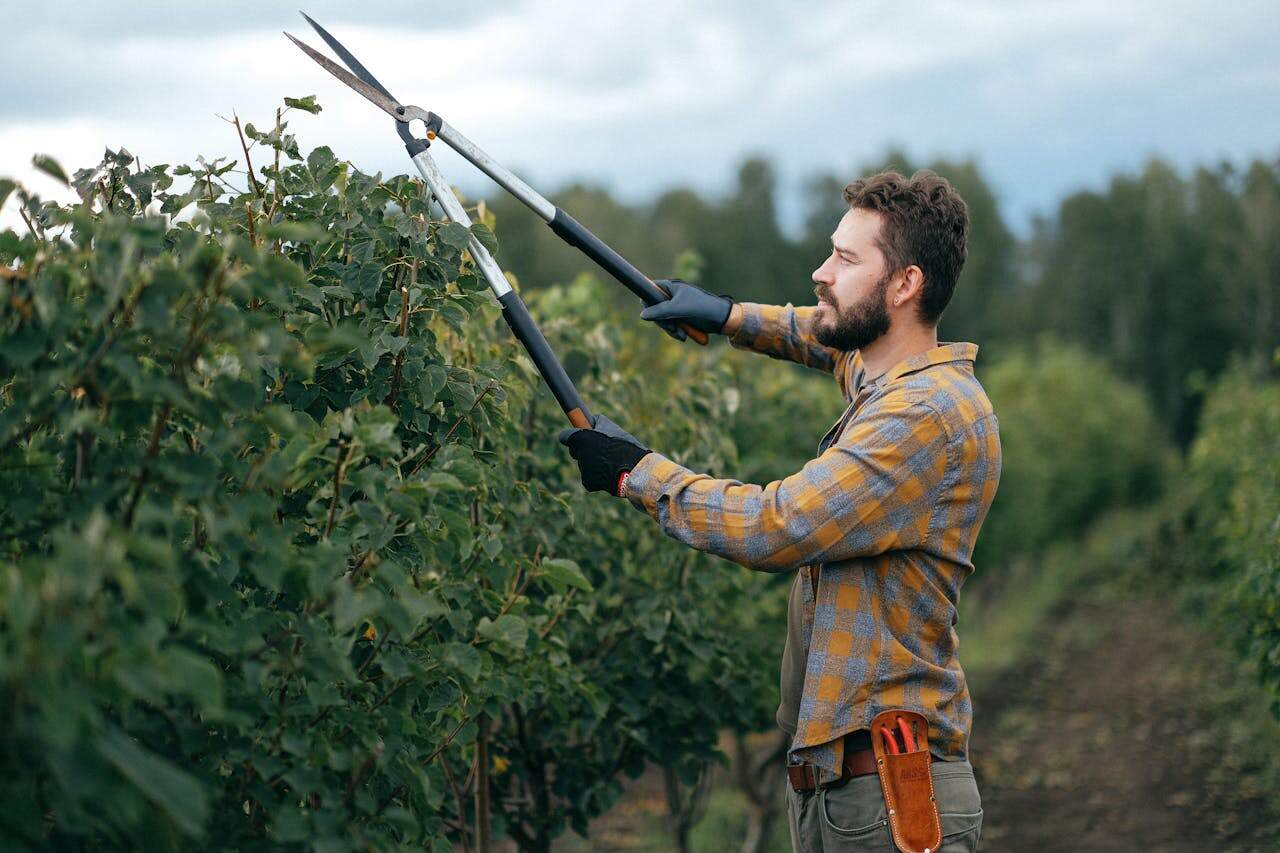
While DIY landscaping can be a fun and rewarding project, there are times when it’s worth investing in professional help. A professional landscaper can help you avoid costly mistakes, create a cohesive design, and ensure that your landscape is installed correctly.
While hiring a professional may be more expensive upfront, it can save you money in the long run by avoiding costly mistakes and ensuring that your landscape is done right the first time. Plus, a professional can often get plants and materials at a lower cost, further reducing your expenses.