Growing your own vegetables doesn’t have to be complicated or time-consuming. Many common veggies can regrow from scraps, which means you can keep fresh produce coming without starting from seeds every time.
If you want to save money and reduce waste, you can easily regrow several vegetables right from your kitchen scraps. This method is simple and perfect for anyone looking to get a bit of gardening in, even with limited space or experience.
Advertisement
Scallions regrown from roots
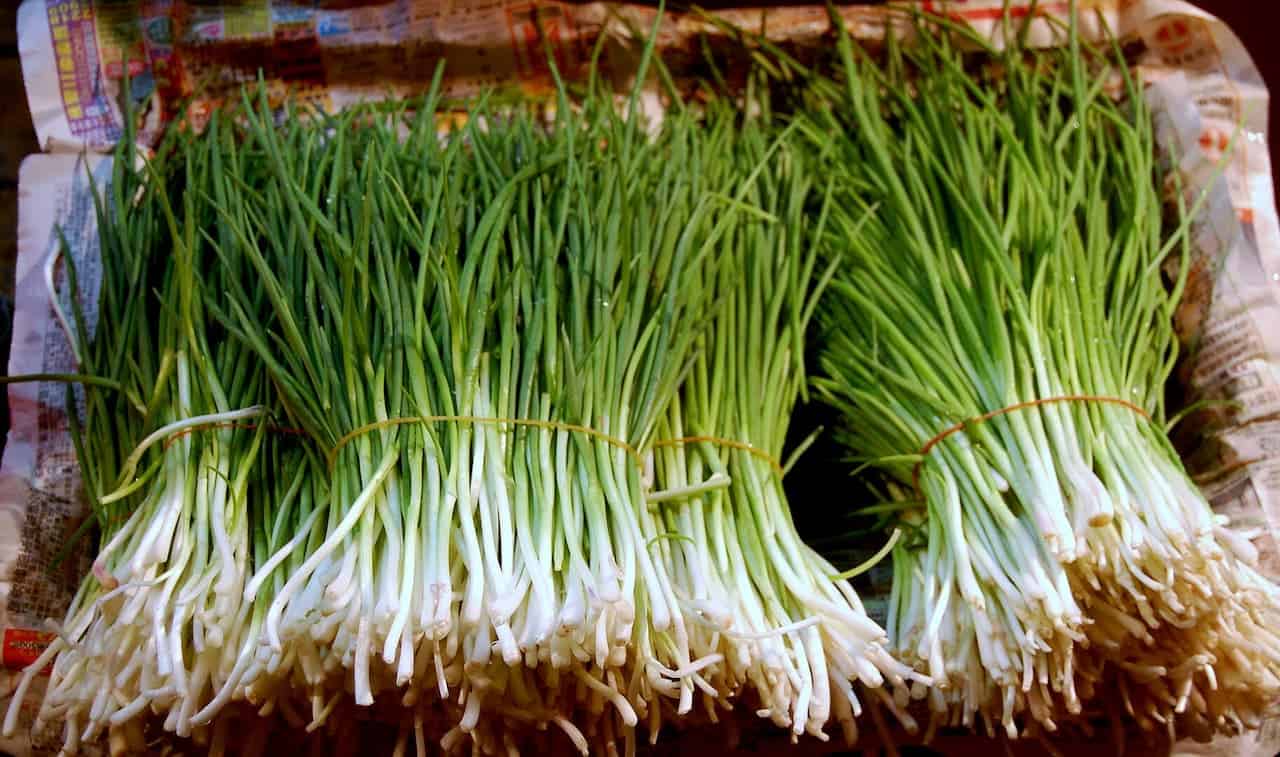
You can easily regrow scallions from their roots. Just place the white root ends in a glass with water, making sure the roots are submerged.
Change the water every day to keep it fresh. In about a week, you’ll see new green shoots growing from the top. Once the roots grow enough, you can transfer them to soil for longer-lasting growth. This method is simple and saves you money.
Garlic sprouts from cloves

You can grow garlic easily from cloves. Just separate the cloves and plant them pointy side up in soil.
Make sure the soil isn’t too wet. Garlic can handle some drought once it’s growing but avoid soggy ground. In a few months, each clove will give you a new garlic bulb. If your cloves sprout green shoots, don’t toss them—plant those too.
Lettuce regrown from the base
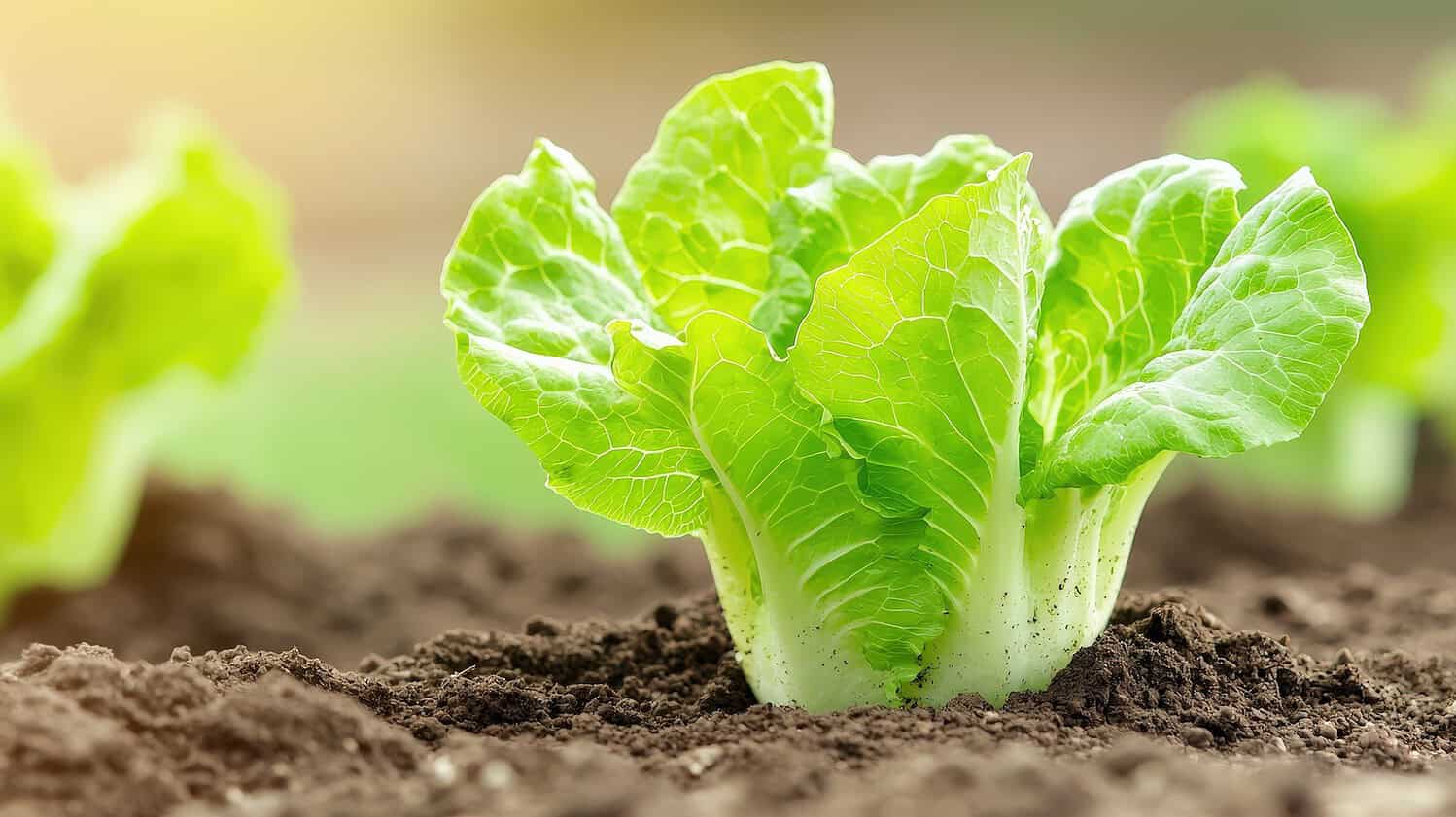
You can regrow lettuce easily by saving the base after you use the leaves. Just place the stump in a shallow bowl of water.
Within a week or two, you’ll see new leaves start to sprout from the center. If you want, you can transfer it to soil for fuller growth. This method works well with romaine and other head-forming lettuces. It’s simple and requires almost no effort.
Celery regrown from the stalk end
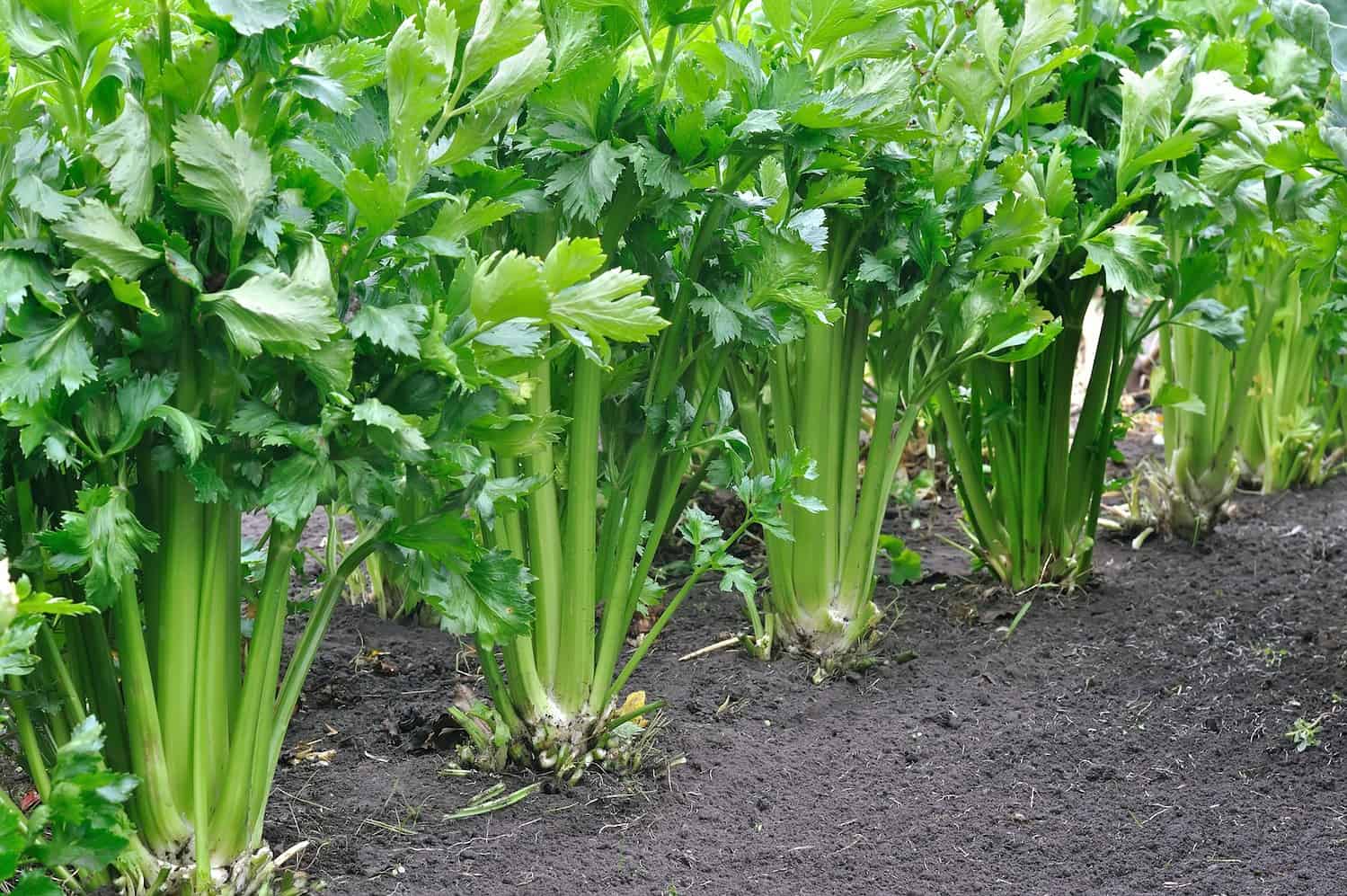
You can easily regrow celery by saving the bottom part of the stalk. Place the base in a shallow bowl with warm water, making sure it’s about 2-3 inches deep.
Within a few days, you’ll see new leaves start to sprout. Once the growth is steady, transfer it to soil and watch your celery keep growing.
Bok choy regrown from leftovers
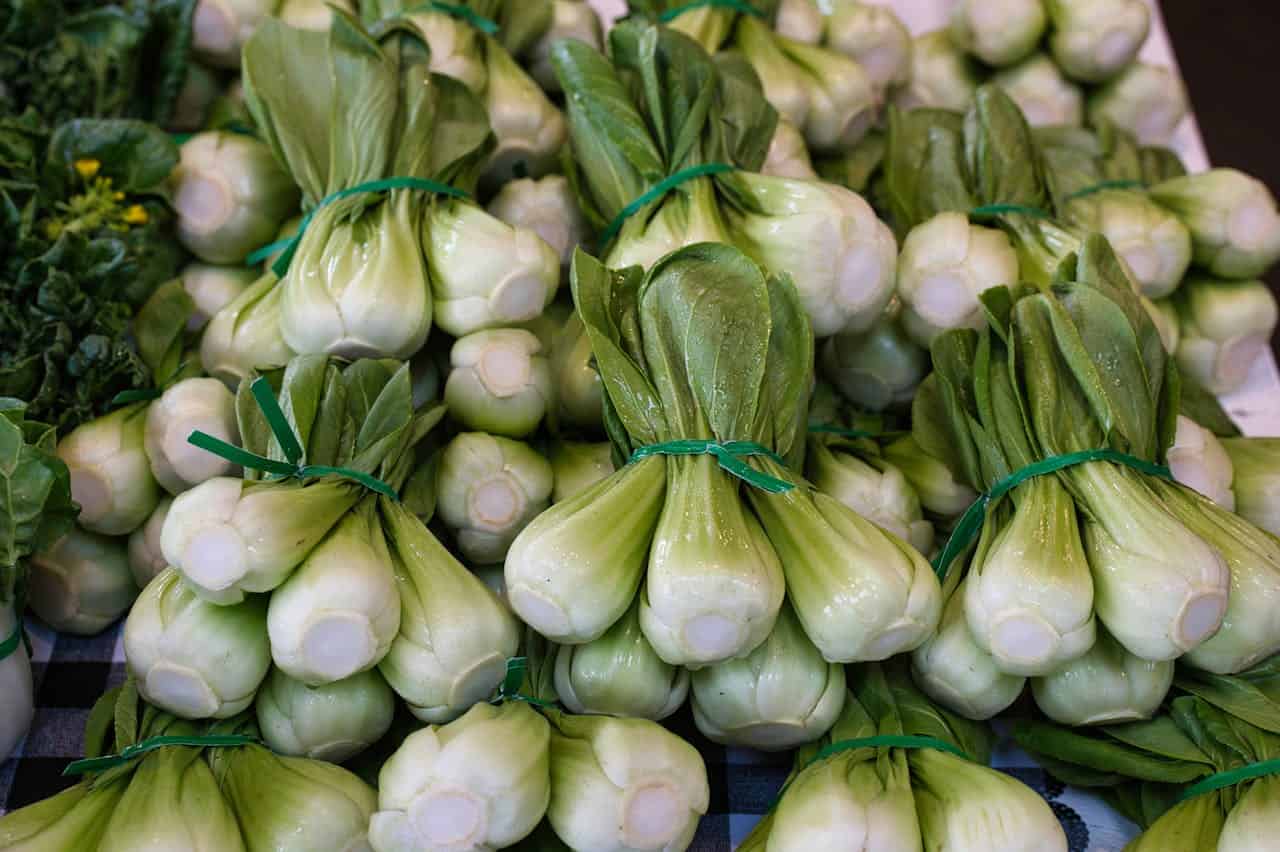
You can regrow bok choy easily from the base of the stalk. Just leave a couple of inches intact when you cut your greens.
Place the leftover base in a bowl of water and set it where it gets some light. In about a week, you’ll see new leaves starting to grow. After that, you can transplant it to soil to keep it growing.
Green onions regrown in water
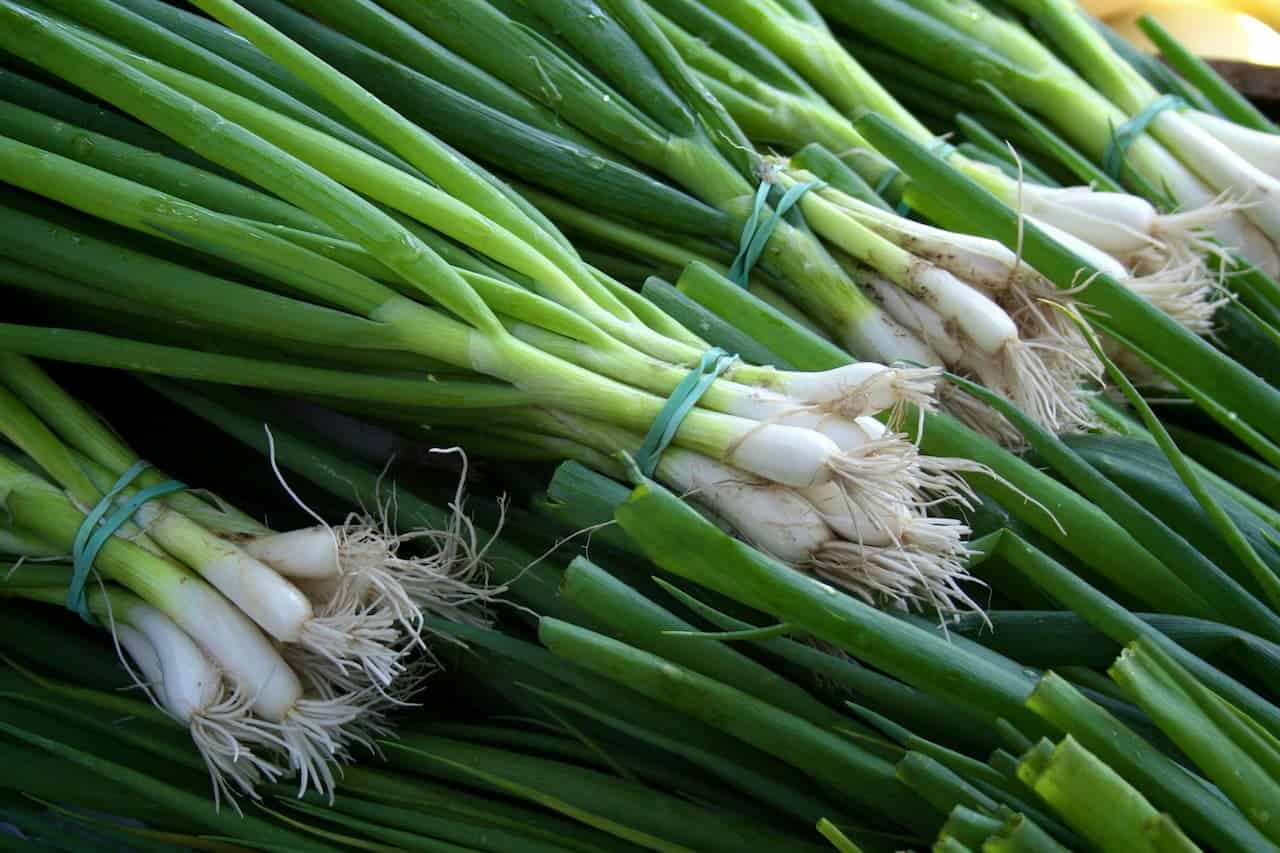
You can easily regrow green onions by placing the root ends in a glass of water. Just keep the roots moist and set the glass on a sunny windowsill.
After a few days, you’ll see new green shoots growing from the tops. Remember, they can only grow so long in water before needing soil for nutrients.
Potatoes from scraps or eyes

You can regrow potatoes using their “eyes,” which are the small sprouts on the potato skin. Just cut a potato into pieces, making sure each piece has at least one eye.
Plant these pieces in soil, and with water and sunlight, new potato plants will grow. It’s a simple way to get more potatoes from scraps.
Carrots regrown from tops
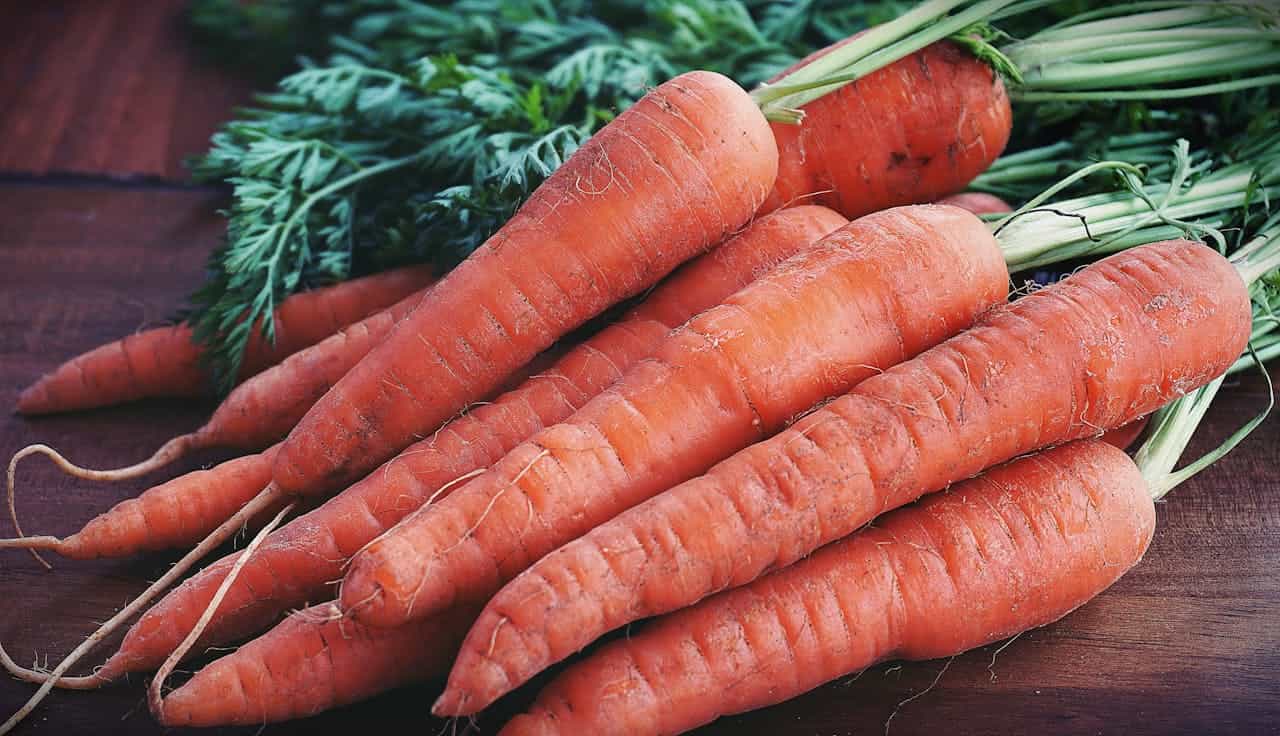
You can regrow carrot greens easily by placing the carrot tops in a shallow dish of water. The tops will sprout fresh, feathery leaves within a week.
Keep in mind, you won’t get new carrots from this, only the leafy greens. These bright greens can be great for salads or garnishes.
Beets from greens

You can regrow beets simply by planting their greens. Just cut the root off, leaving about an inch, and place it in water or soil.
Within a week, you’ll start seeing new leaves sprout from the top. These greens are edible and tasty, perfect for salads or cooking. While the root might not grow back fully, you get a fresh supply of beet greens with very little effort.
Radishes from leftover roots
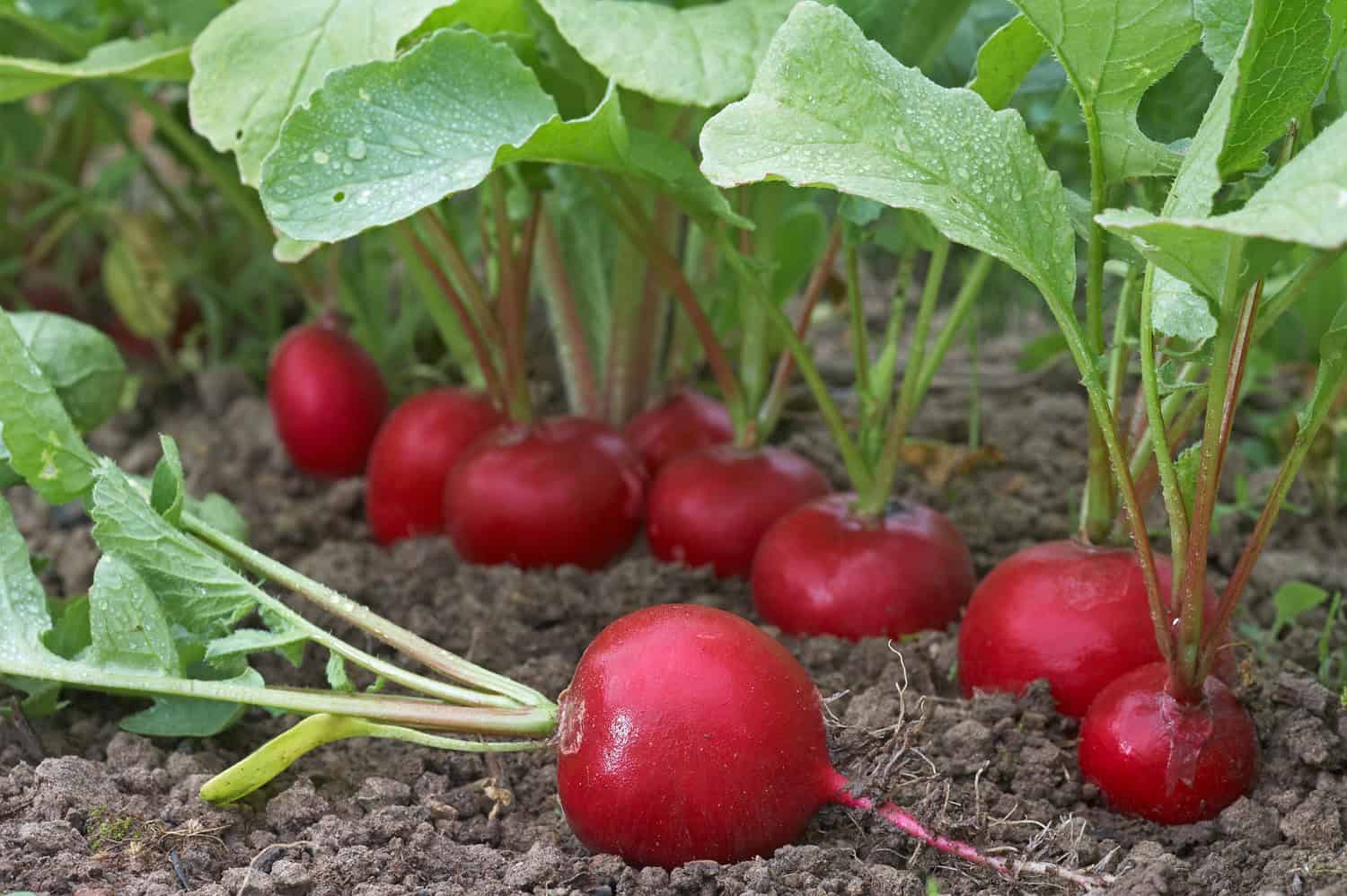
You can regrow radishes easily using the leftover root ends. Just place them in a shallow dish with a bit of water.
Change the water every few days and watch small green leaves start to sprout. Once the roots develop, you can plant them in soil to grow new radishes. It’s a simple way to get more from your scraps.
Spinach sprouted indoors
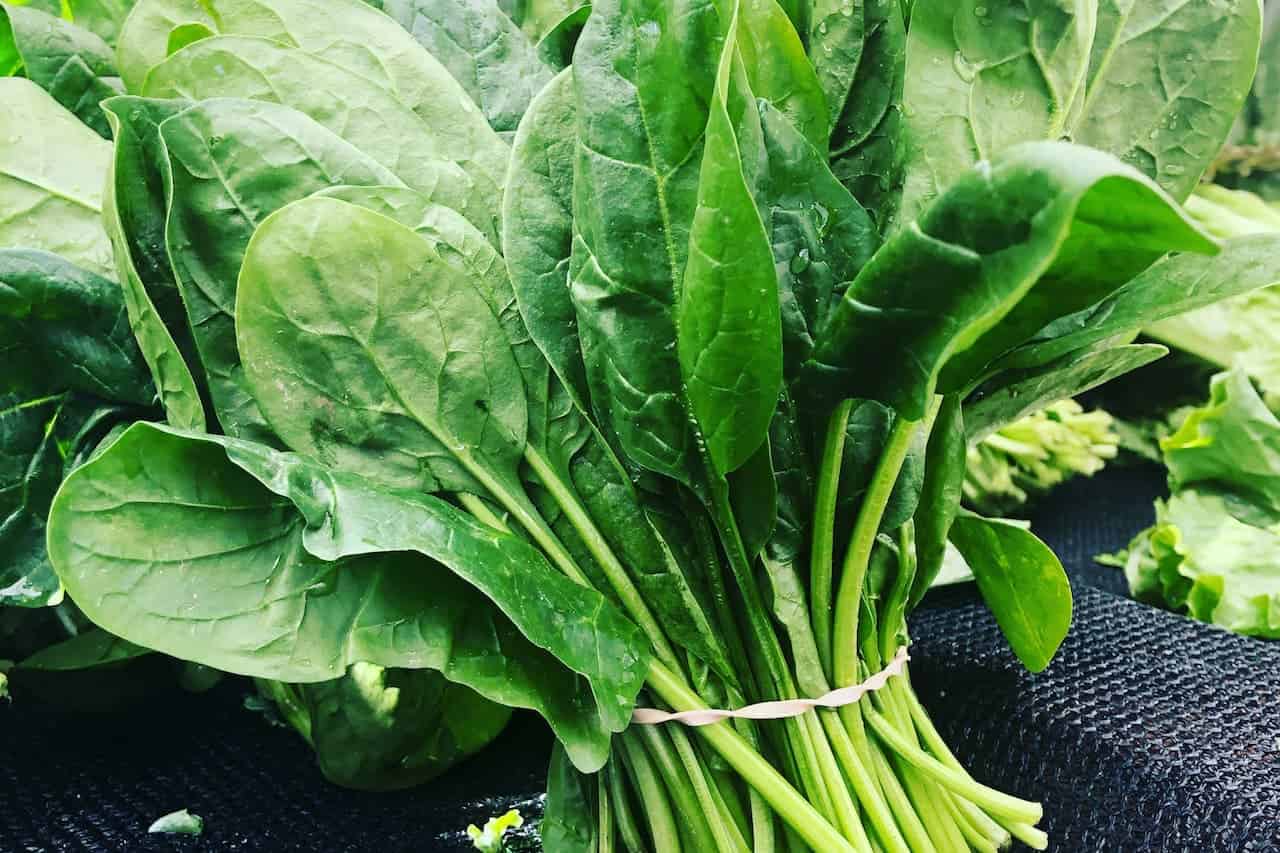
You can easily start spinach indoors from seed. It begins by soaking up moisture, then the seed grows new cells, and finally, the sprout appears.
Keep your spinach plants somewhere cool, ideally between 50 to 60 degrees. They can even handle cooler temps down to 15 degrees when young. Growing spinach inside lets you enjoy fresh greens year-round without much fuss.
Kale grown from seed starts
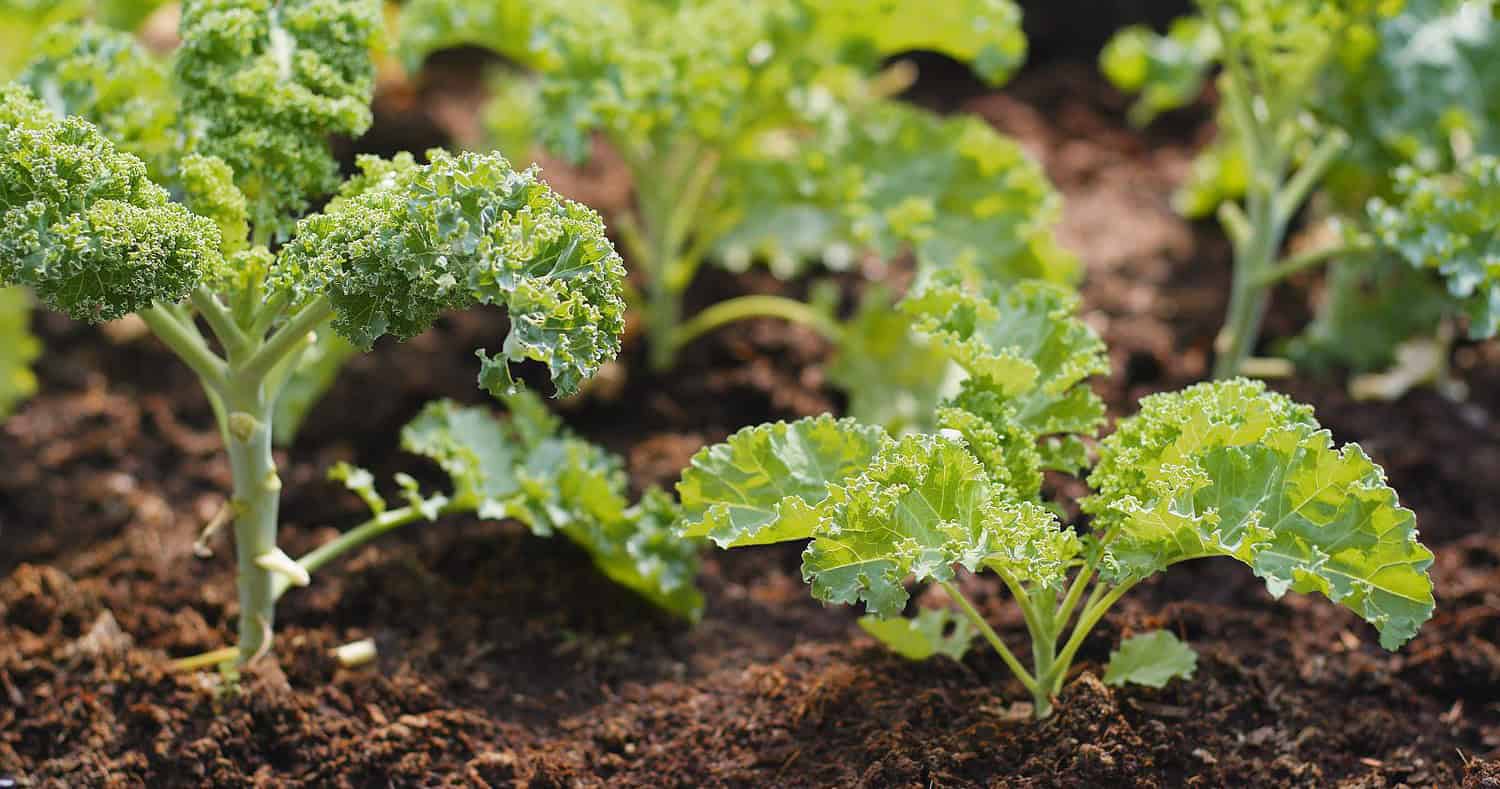
You can start kale seeds indoors about 5 to 7 weeks before the last frost. This gives your plants a head start and protects them from chilly weather.
If you want to skip starting seeds indoors, sow them directly outside 2 to 4 weeks before the last frost. Just make sure the soil stays moist.
Kale is pretty forgiving, so with good soil and some water, your seedlings will take off without much fuss.
Swiss chard self-sowing

If you leave your Swiss chard plants in the ground over winter, they can drop seeds and come back on their own next year. It needs to survive cold weather to set seeds properly.
You won’t see new plants right away, though. Self-sown Swiss chard usually appears the following growing season after seeds have overwintered.
Peppers grown from seeds indoors

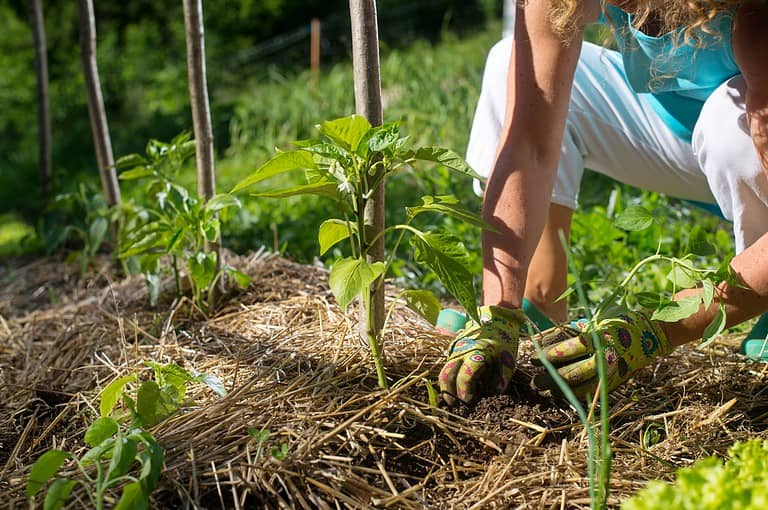
You can start peppers indoors by planting seeds in small pots with potting soil. Keep them warm and under grow lights for best results.
Once seedlings have a few sets of leaves, you can move them outside after the last frost. Growing peppers this way means you’ll usually get peppers by mid to late summer.
Bush beans started inside
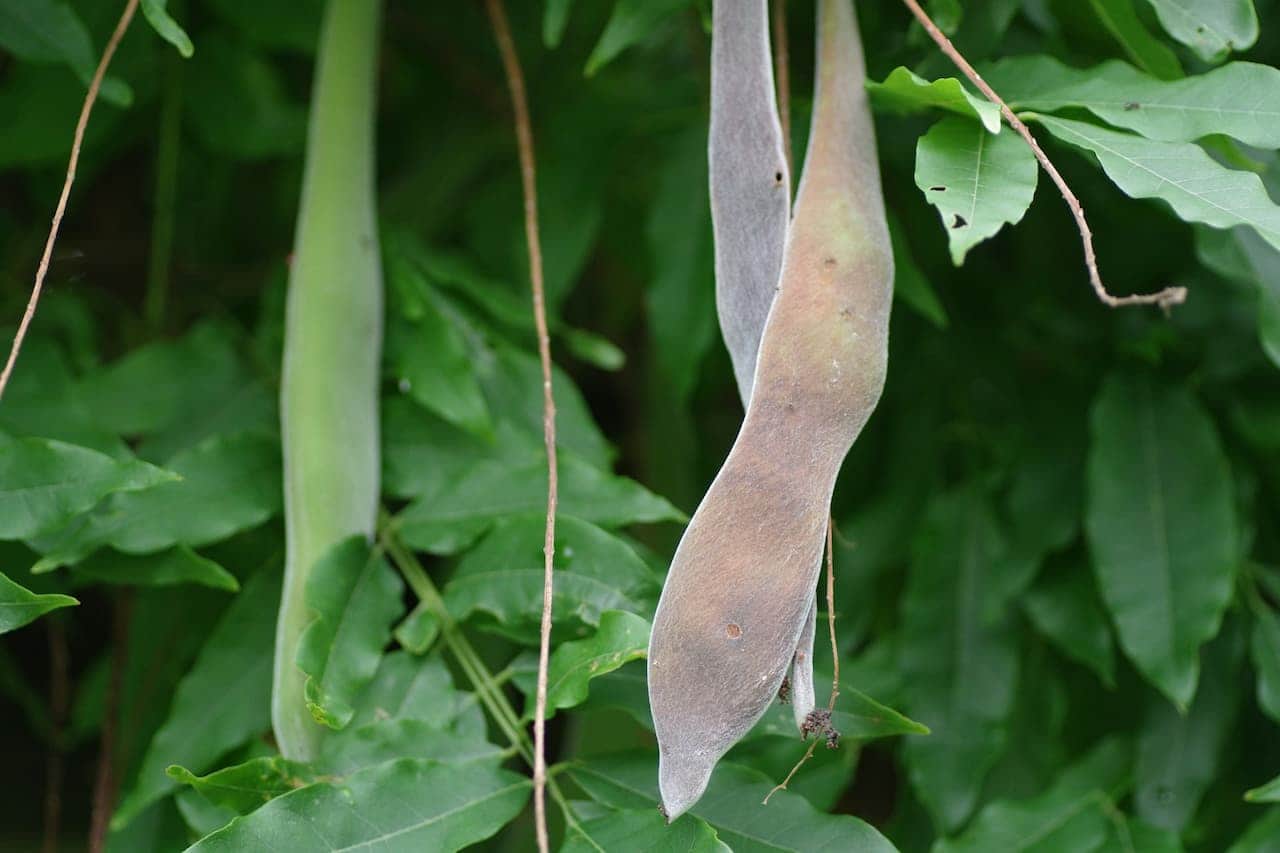
You can start bush beans indoors to get a jump on the growing season. Plant seeds in small pots about 2-3 weeks before the last frost.
Keep them in a sunny spot and make sure the soil stays moist but not soggy. Once the seedlings are strong enough, move them outside after the danger of frost passes. Starting indoors helps if you want an earlier harvest or if your outdoor season is short. Growing bush beans is pretty low-maintenance overall.
Zucchini from seedlings
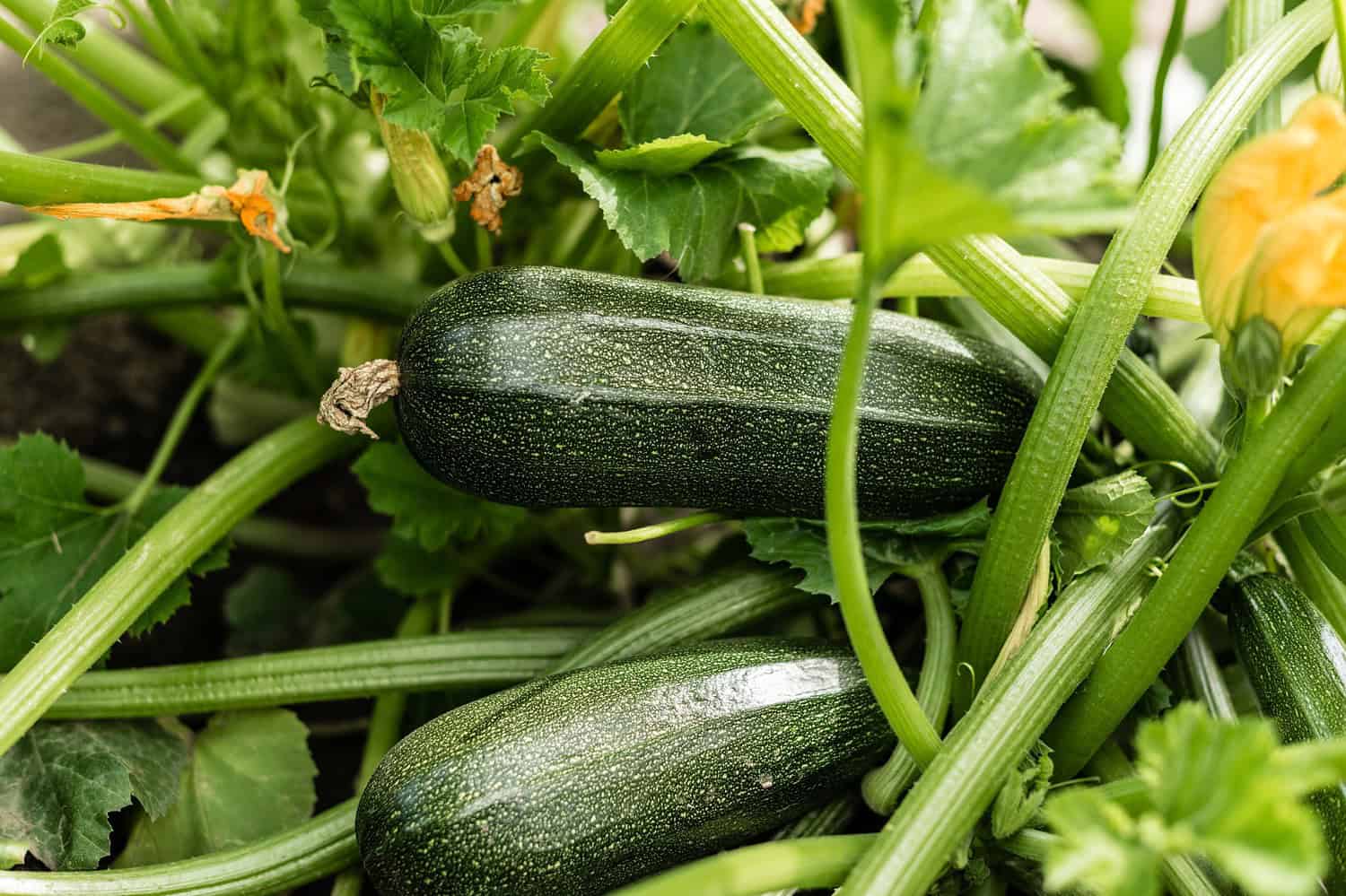
If you start zucchini from seedlings, don’t cram them into tiny cells. They grow fast and need room to avoid transplant shock.
You can plant one seedling per square foot and give it support, like a small cage or stake, to keep vines off the ground. Pruning helps too, so treat zucchinis a bit like tomatoes by trimming to encourage healthy growth and better airflow.
Tomatoes from cuttings
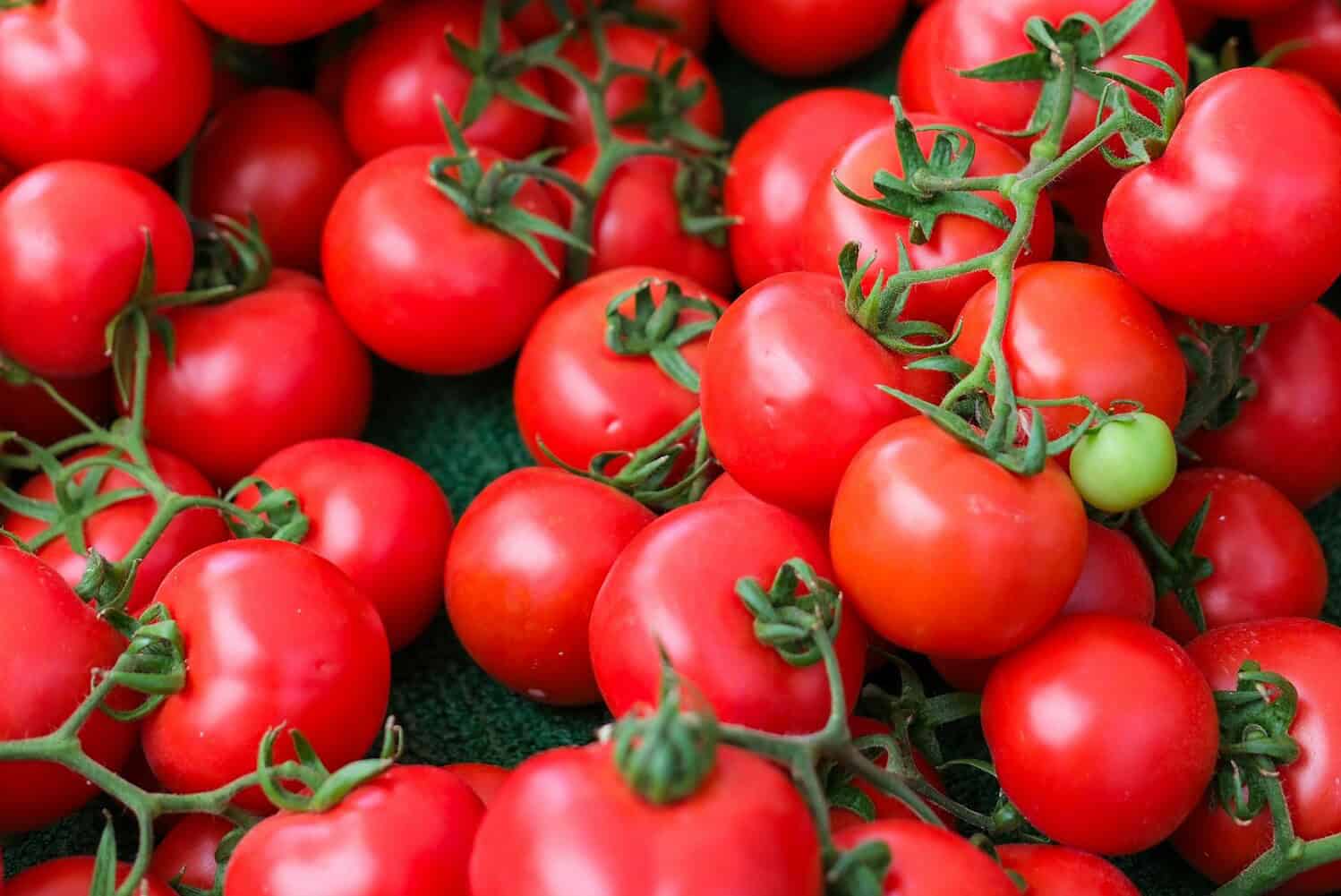
You can grow tomatoes easily from stem cuttings. Just snip a healthy branch, put it in water, and wait for roots to form.
Once roots appear, transplant the cutting into soil. This method saves time compared to starting from seeds and works well for many tomato varieties. Remember, don’t prune determinate types too much; that can reduce your yield.
Okra grown from seed
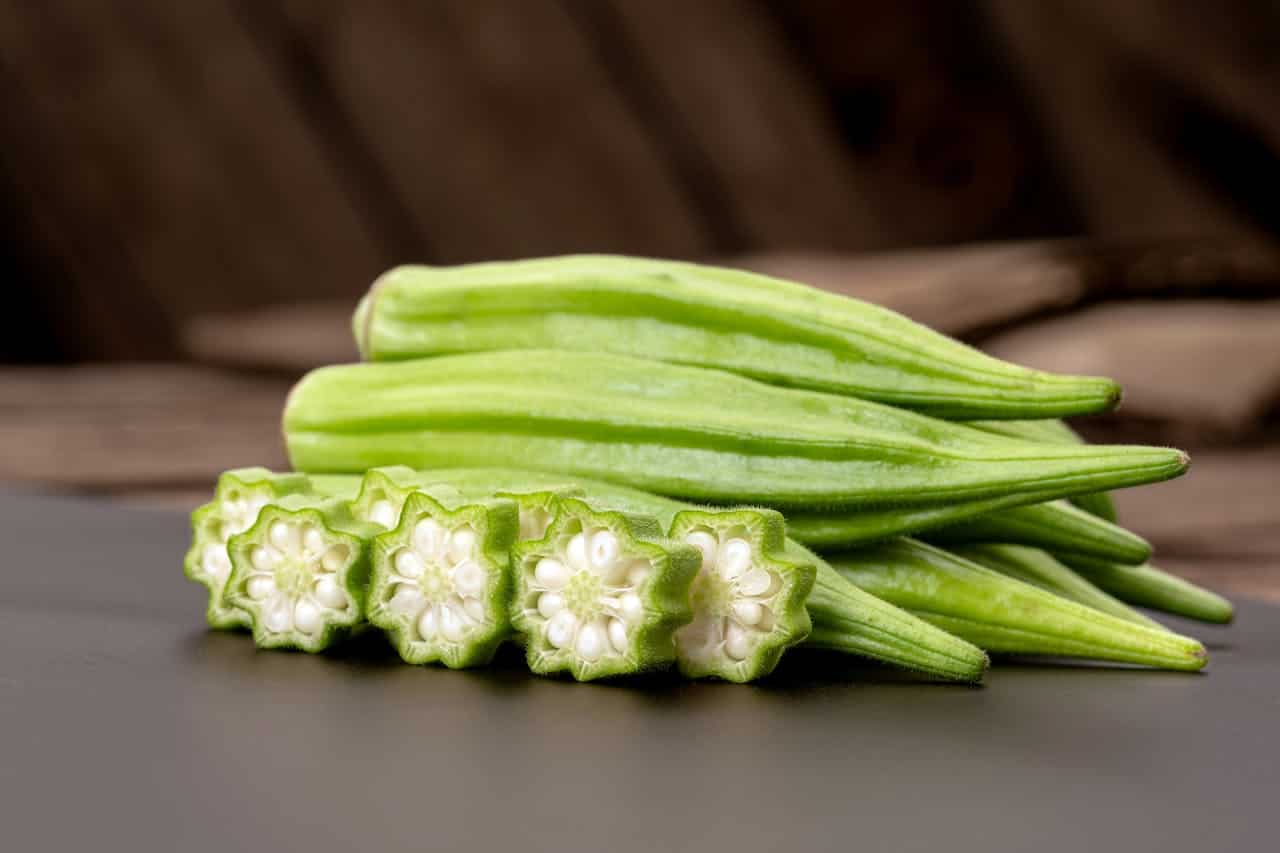
You can start okra easily from seed right in your garden. Plant seeds after the last frost when the soil is warm.
Okra loves heat and humidity, so keep the soil moist and give it plenty of sun. Expect tall plants and pods that you can pick regularly once they start growing.
Onions regrown from bulbs

You can regrow onions easily by planting the bulbs. Just place them in soil with the top part sticking out, and they’ll start growing green shoots.
Onions multiply through bulb division, so one bulb can turn into a cluster over time. This makes them a low-effort choice for your garden or kitchen windowsill.
Herbs like basil and mint in water

You can easily grow herbs like basil and mint just in water. Place cuttings in a glass with fresh water and keep them near a sunny window. Change the water every few days to prevent stagnation.
These herbs don’t need soil to thrive and will keep growing if you provide enough light. Growing herbs in water is simple and perfect for small spaces.