Composting is an amazing way to reduce your environmental footprint and create nutrient-rich soil for your plants. However, when not done properly, composting can quickly turn into a smelly mess. That’s why it’s important to know the common pitfalls and how to avoid them. In this article, we’re going to discuss twenty urban composting mistakes that you should avoid to make your composting journey smooth and enjoyable.
1. Neglecting the Green and Brown Balance
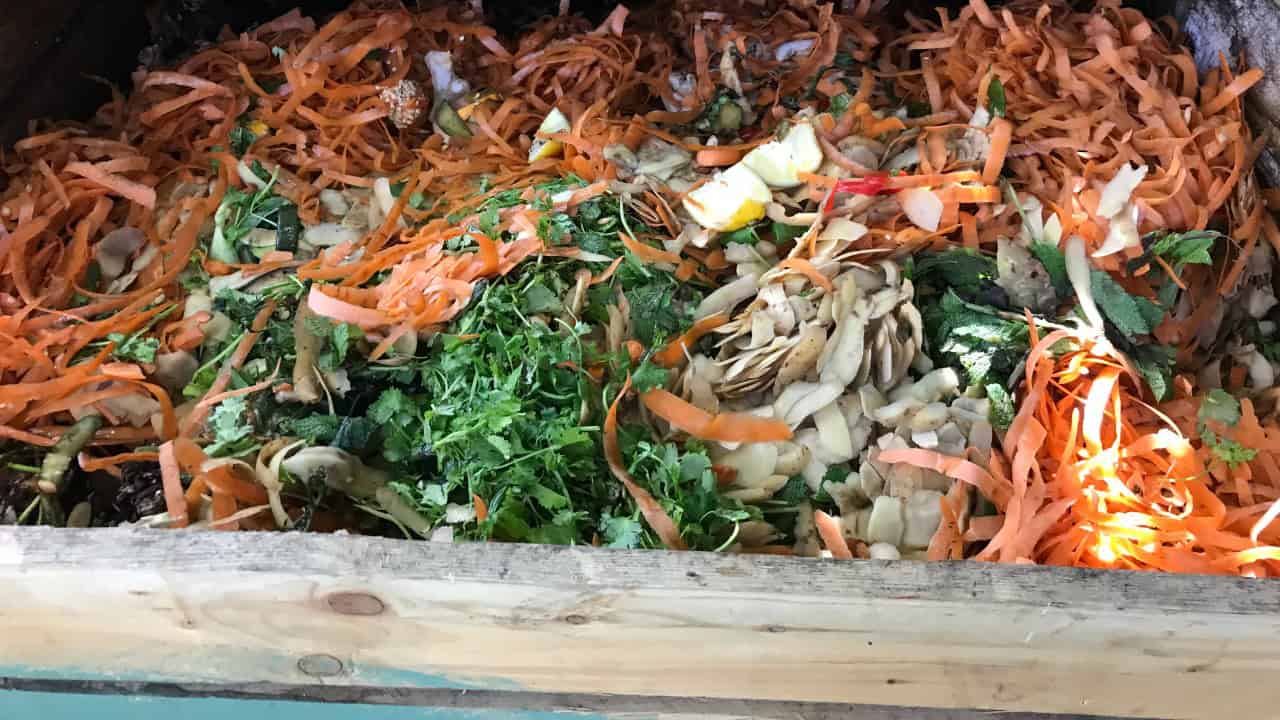
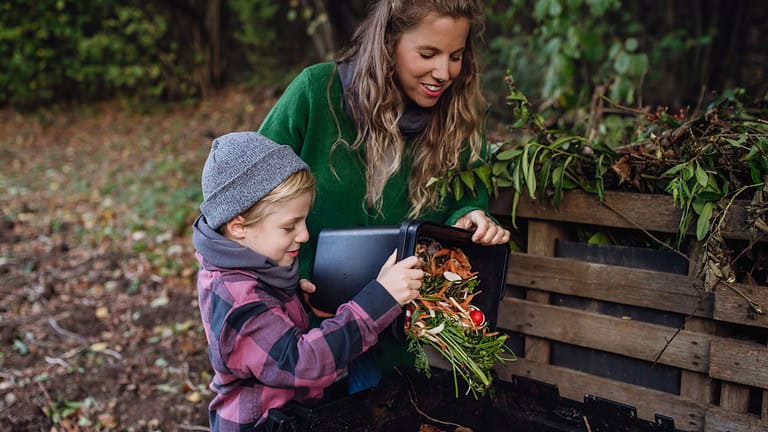
Your compost pile needs a healthy balance of ‘green’ materials (like fruit and vegetable peels, coffee grounds, and fresh grass clippings) and ‘brown’ materials (like dead leaves, paper, and straw) to decompose properly. Green materials provide nitrogen, while brown materials supply carbon.
Advertisement
The ideal ratio for composting is about 1:3, green to brown. If you have too many green materials, your compost pile will become slimy and smell bad. On the other hand, too many brown materials will slow down the composting process. Make sure to monitor your compost pile to maintain the right balance.
2. Adding Meat or Dairy Products
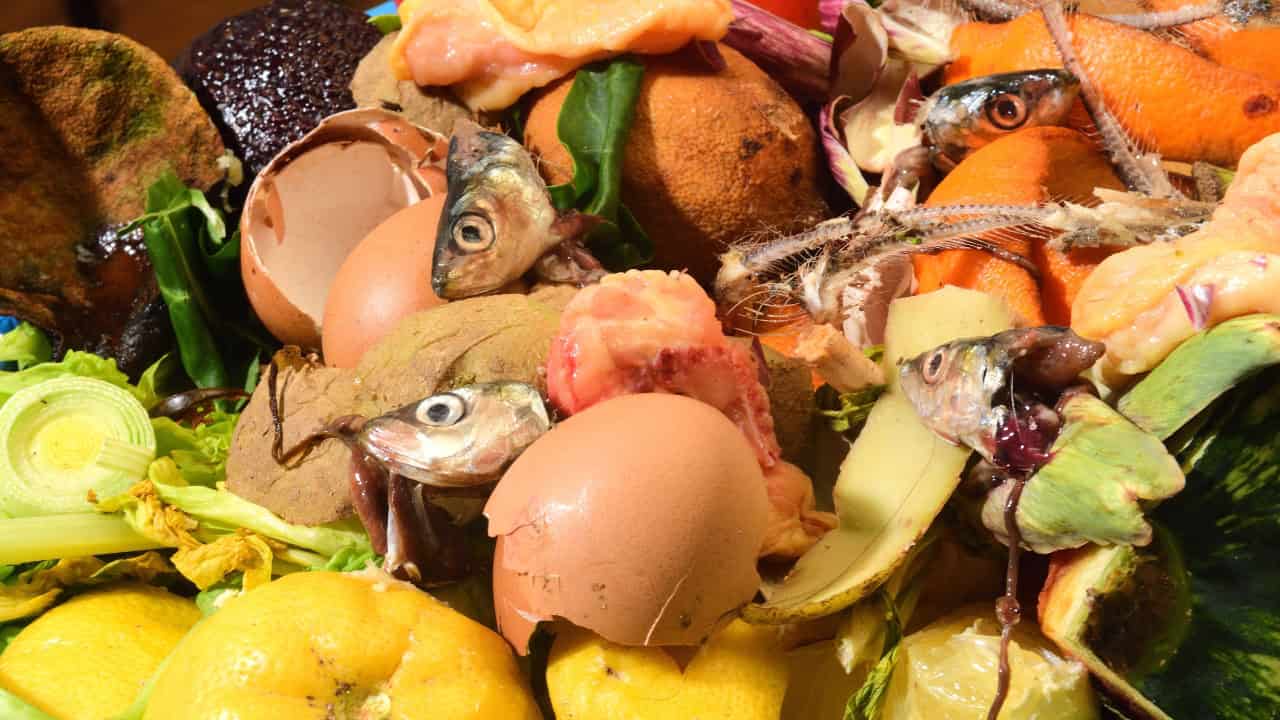
While it’s tempting to toss all your kitchen scraps into the compost pile, certain items should be avoided. Meat, dairy, and cooked food leftovers can attract pests and create unpleasant odors.
These items decompose very slowly and can make your compost pile smell awful. They are also likely to attract unwanted pests like rats and raccoons. Instead of composting these products, consider other methods of disposal.
3. Poor Aeration

Aerating your compost pile is important for speeding up the decomposition process. Oxygen is necessary for the microorganisms that break down the organic matter in your compost pile.
If your compost pile is not aerated enough, it can become anaerobic, leading to a slower composting process and bad odors. Turn your compost pile regularly using a pitchfork or a compost aerator to ensure that oxygen is evenly distributed.
4. Overwatering Your Compost Pile

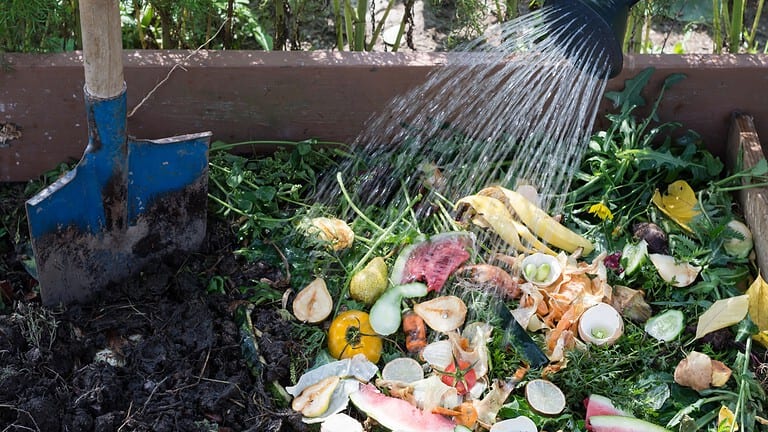
While moisture is essential for the composting process, too much water can be detrimental. An overly wet compost pile can become anaerobic, leading to foul smells and slow decomposition.
Your compost pile should be as wet as a wrung-out sponge. If it’s too dry, add water gradually and mix thoroughly. If it’s too wet, add more brown materials to absorb the excess moisture.
5. Using Treated Wood or Sawdust
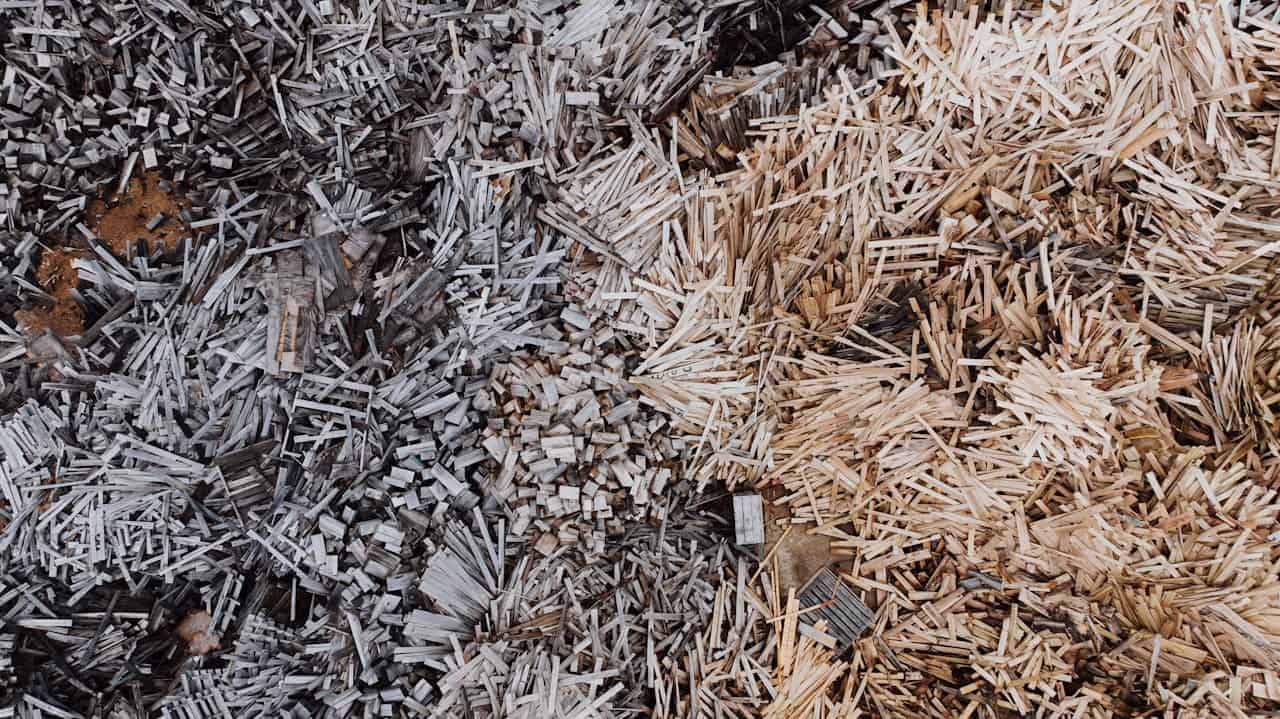
While wood and sawdust are great brown materials for your compost pile, not all wood is created equal. Treated wood or sawdust from treated wood can contain harmful chemicals that can leach into your compost.
These chemicals can be harmful to the beneficial microorganisms in your compost pile and can also contaminate your soil if you use the finished compost. Always use untreated wood or sawdust in your compost pile.
6. Adding Diseased Plants

While composting is a great way to recycle your garden waste, diseased plants should be kept out of your compost pile. These plant diseases can survive the composting process and infect your other plants when you use the finished compost.
If you’re unsure whether a plant is diseased, it’s better to err on the side of caution and dispose of it in another way. Burning or disposing of diseased plants in the garbage are safer options.
7. Using Pet Waste

While it might seem like a good idea to compost your pet’s waste, it’s usually best to avoid this. Pet waste can contain harmful parasites, bacteria, and viruses that can survive the composting process.
These harmful organisms can contaminate your compost and pose a risk to human health, especially if the compost is used to grow food. Instead of composting pet waste, consider other disposal methods or use a dedicated pet waste composter.
8. Not Covering Your Compost Pile
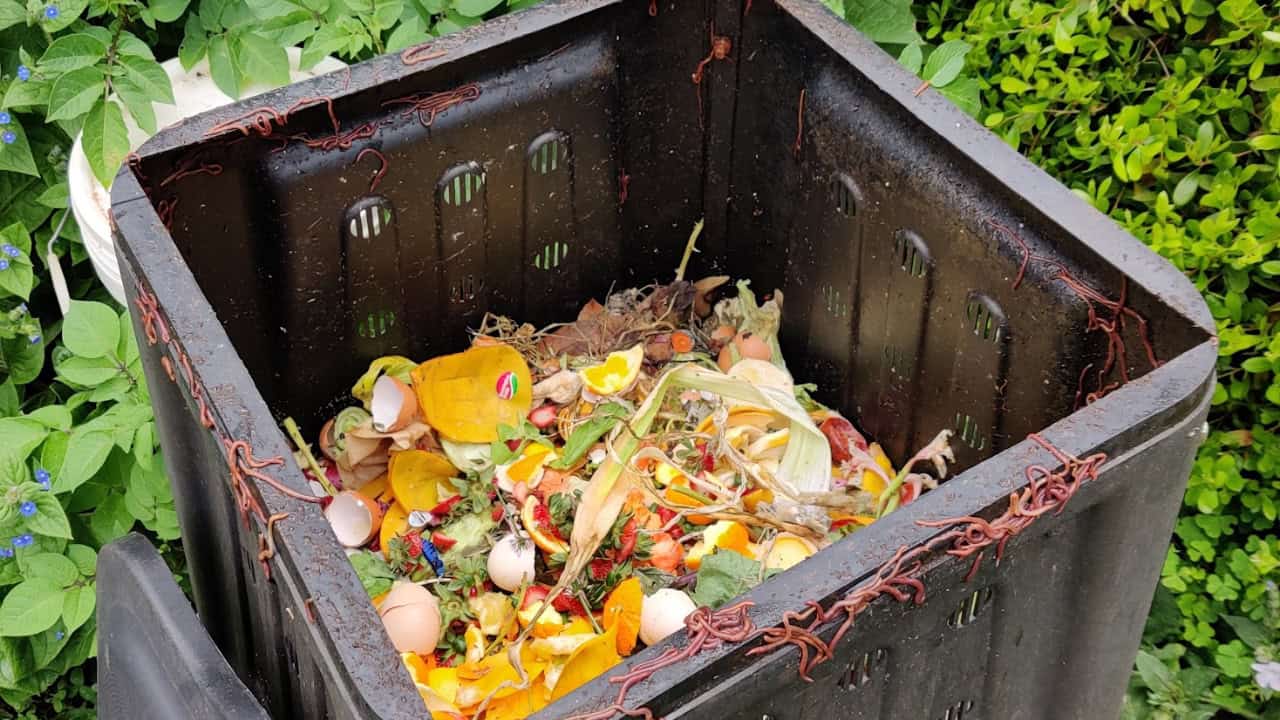
Covering your compost pile helps to retain moisture, keep the pile warm, and deter pests. If you leave your pile uncovered, it can dry out, cool down, or attract unwanted critters.
You can cover your compost pile with a tarp, a piece of wood, or a compost bin lid. Just make sure to remove the cover when you turn the pile to allow for aeration.
9. Not Turning Your Compost Pile
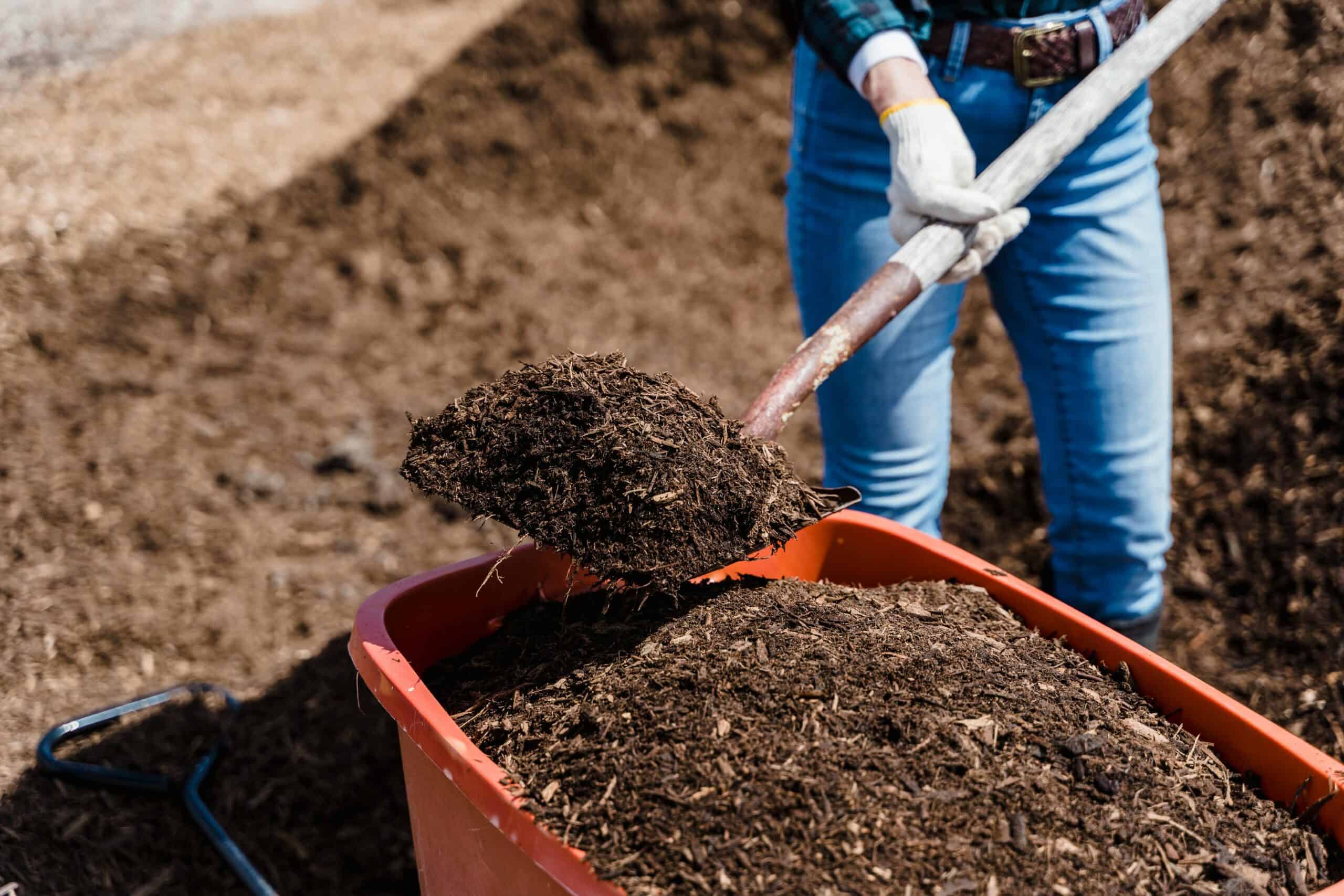
Photo by Greta Hoffman on Pexels
Turning your compost pile regularly is crucial for speeding up the composting process and preventing bad odors. It helps to evenly distribute moisture and oxygen, which are essential for the microorganisms that break down the organic matter in your compost pile.
If you don’t turn your compost pile, it can become compacted and anaerobic, leading to slow decomposition and foul smells. A good rule of thumb is to turn your pile once a week or whenever it starts to smell bad.
10. Ignoring pH Levels
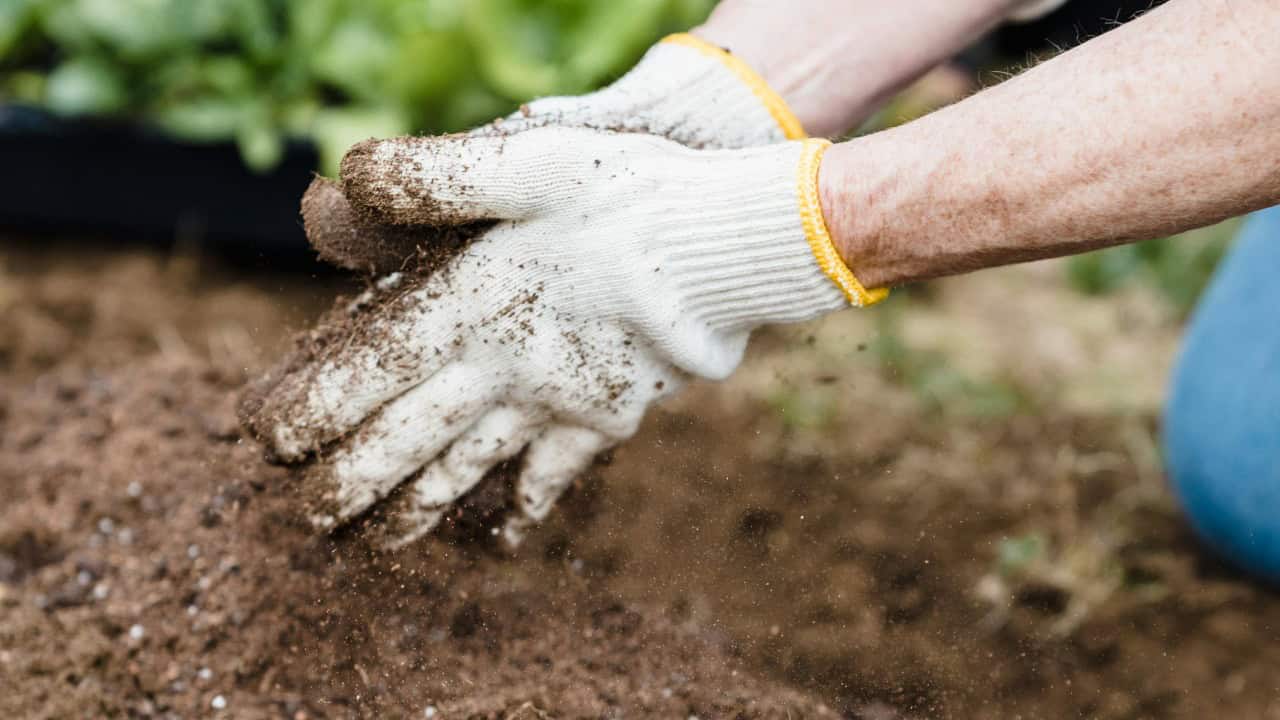
The pH level of your compost pile can affect the activity of the microorganisms that break down the organic matter. A neutral to slightly acidic pH (6.0-7.0) is ideal for composting.
If your compost pile is too acidic or too alkaline, the composting process can slow down or stop completely. You can test the pH of your compost pile with a simple soil pH test kit and adjust it as necessary by adding lime (to raise pH) or sulfur (to lower pH).
11. Not Sizing Your Materials
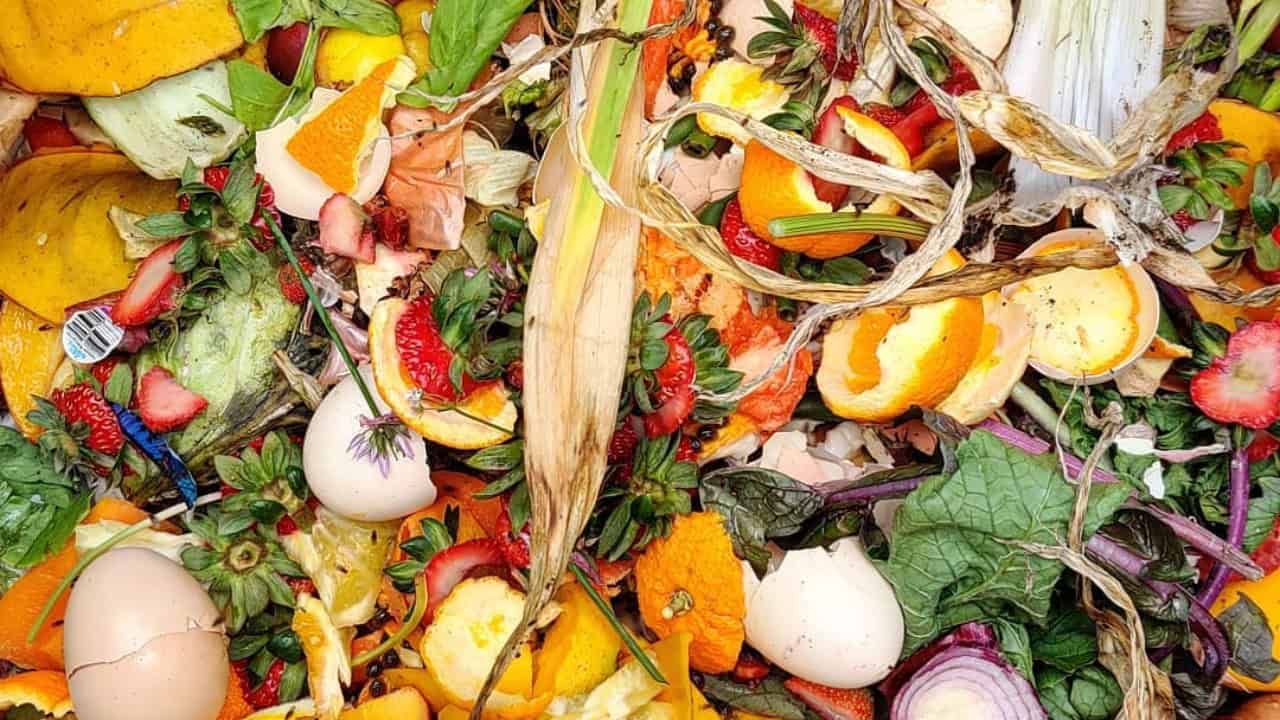
The size of the materials you add to your compost pile can impact how quickly they decompose. Larger pieces of organic matter take longer to break down than smaller pieces.
By chopping or shredding your compost materials into smaller pieces, you can speed up the composting process. This is especially useful for tough, woody materials like branches or corn stalks.
12. Not Using Compost Activators
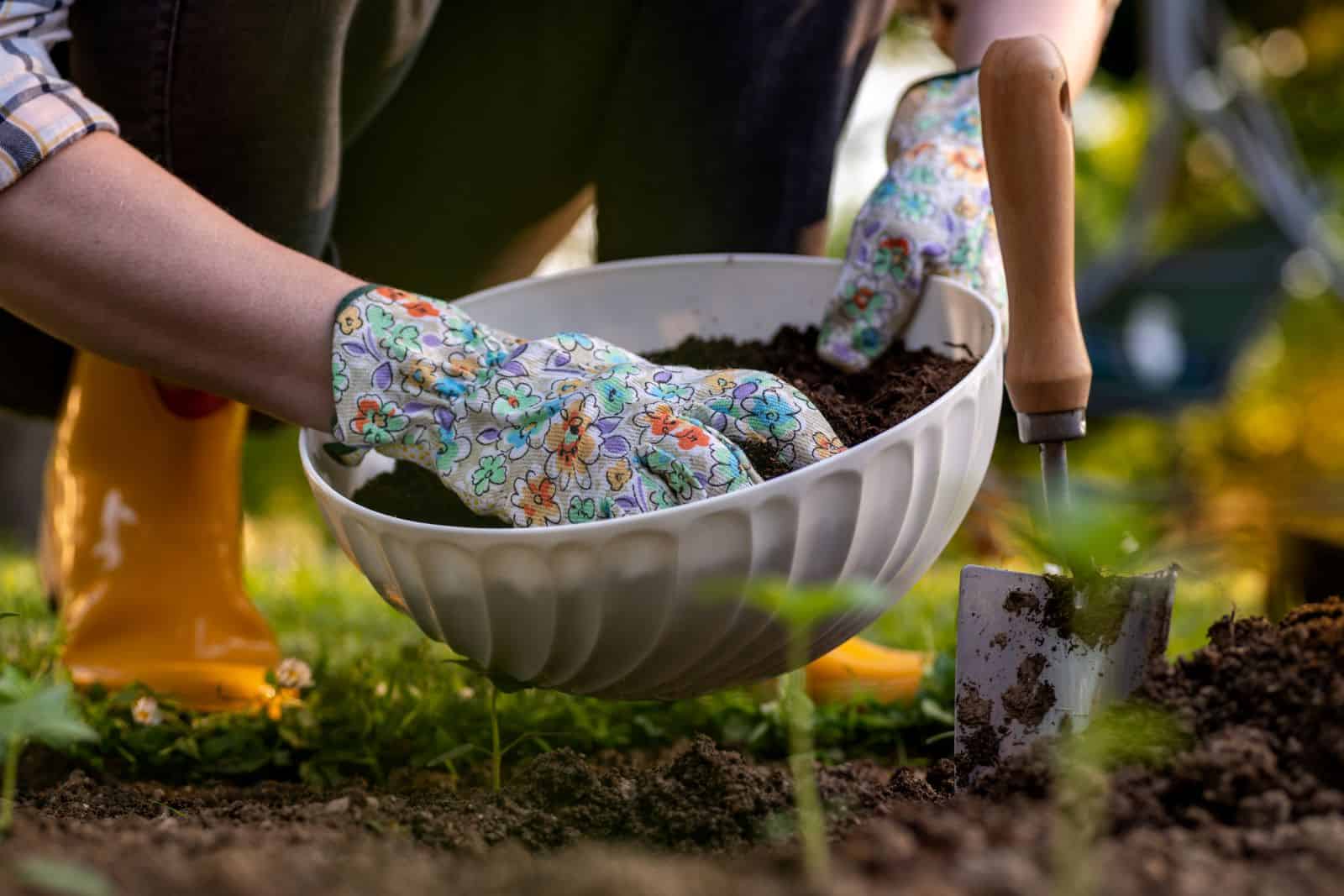
Compost activators, also known as compost starters, can help to kick-start the composting process. They are typically rich in nitrogen and contain microorganisms that aid in decomposition.
While it’s not always necessary to use a compost activator, it can speed up the composting process and ensure a healthy balance of microorganisms in your compost pile. You can buy compost activators from garden stores, or you can make your own by adding well-rotted compost or manure to your compost pile.
13. Not Checking the Temperature

The temperature of your compost pile can affect the speed of the composting process and the survival of harmful organisms. A hot compost pile (between 130-160°F or 55-70°C) can break down organic matter quickly and kill weed seeds and plant diseases.
If your compost pile is too cool, the composting process can slow down, and harmful organisms can survive. You can check the temperature of your compost pile with a compost thermometer and adjust it as necessary by turning the pile or adding more green materials (for heat) or brown materials (to cool it down).
14. Not Keeping Your Compost Pile in the Right Location
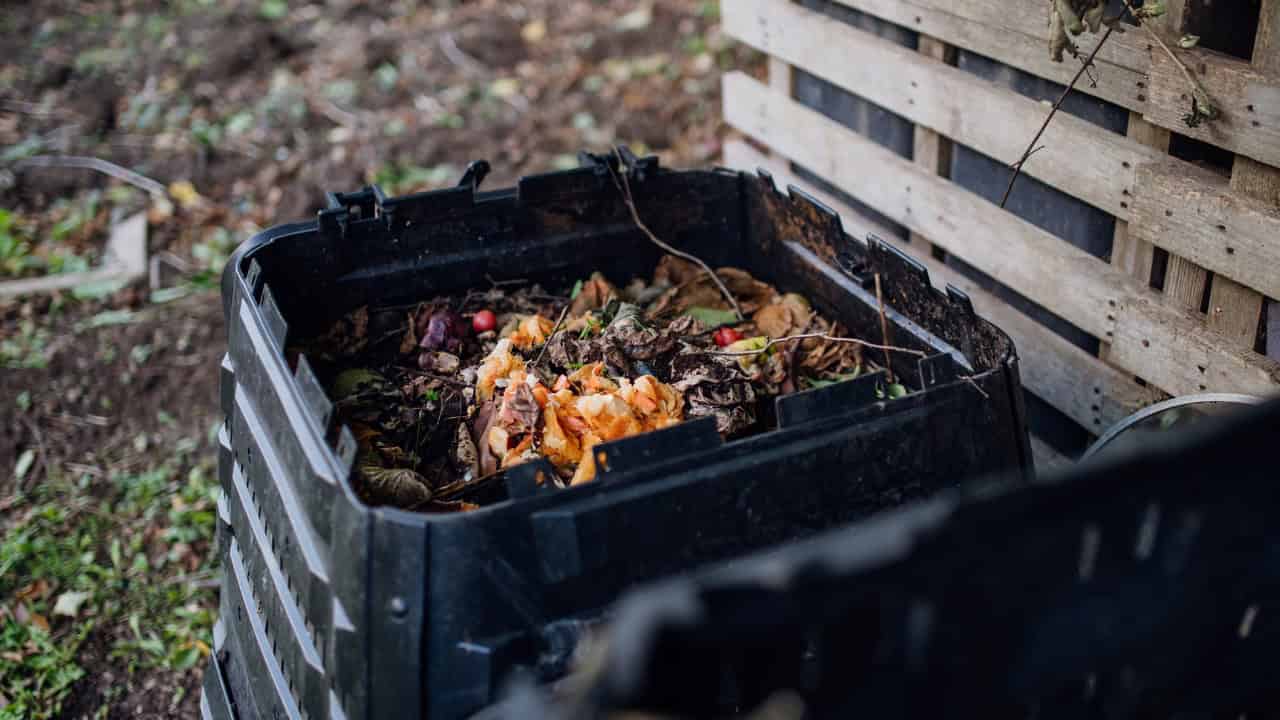
The location of your compost pile can affect its performance. A compost pile needs good airflow, access to water, and a balance of sun and shade.
If your compost pile is in a location with poor airflow, it can become anaerobic and smell bad. If it’s too far from a water source, it can dry out. If it’s in full sun, it can overheat and dry out, but if it’s in full shade, it can be too cool and wet. Try to find a location that’s convenient, has good airflow, and gets a mix of sun and shade.
15. Using Non-Compostable Materials
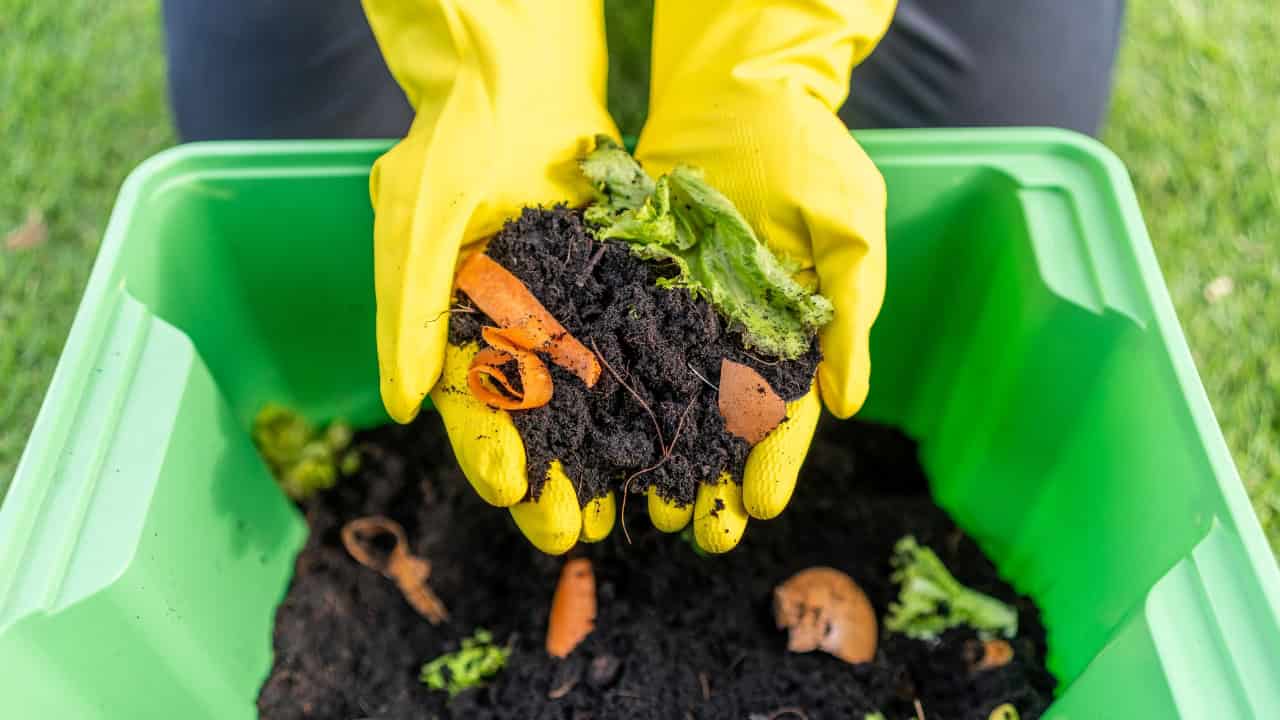
While many kitchen and garden wastes are compostable, there are certain items that should not be added to your compost pile. These include plastics, metals, glass, chemicals, and synthetic materials.
These items do not decompose and can contaminate your compost with harmful substances. Always check if an item is compostable before adding it to your compost pile.
16. Not Screening Your Finished Compost
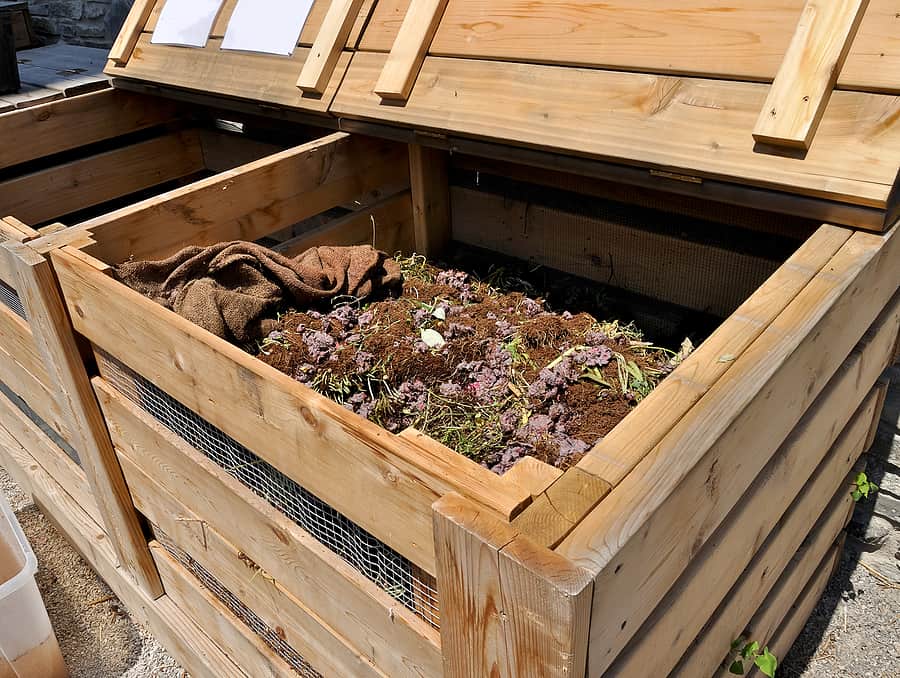
Screening your finished compost can help to remove any large, undecomposed items and create a finer, more uniform compost.
If you don’t screen your compost, you may end up with large chunks of undecomposed material in your compost, which can be unsightly and less effective as a soil amendment. You can screen your compost by passing it through a compost sifter or a piece of hardware cloth.
17. Not Using Your Compost
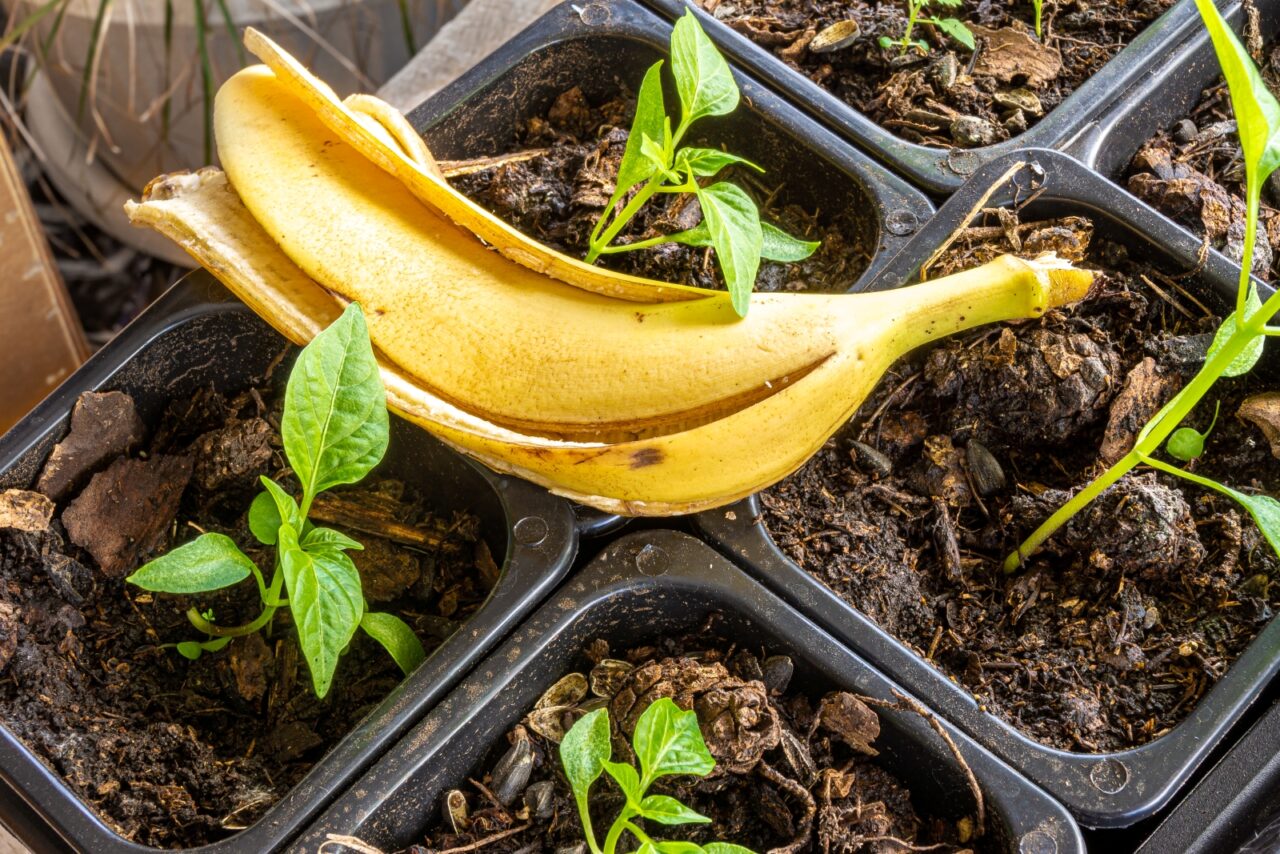
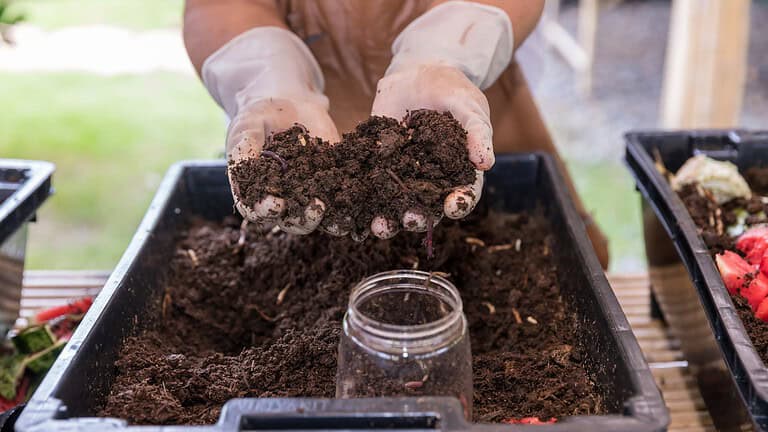
Compost is a valuable soil amendment that can improve soil structure, provide nutrients to plants, and increase soil fertility. If you’re not using your compost, you’re missing out on these benefits.
You can use compost in your garden beds, potting soil, lawn, or houseplants. Just make sure to let your compost fully mature before using it to avoid any issues with plant growth.
18. Composting Weeds That Have Gone to Seed

Composting weeds can be a great way to recycle garden waste, but you should be careful with weeds that have gone to seed. These seeds can survive the composting process and germinate in your garden when you use the compost.
To avoid this problem, you can either compost weeds before they go to seed, or you can make sure your compost pile gets hot enough to kill weed seeds (above 130°F or 55°C).
19. Not Composting Because You Think It’s Too Complicated
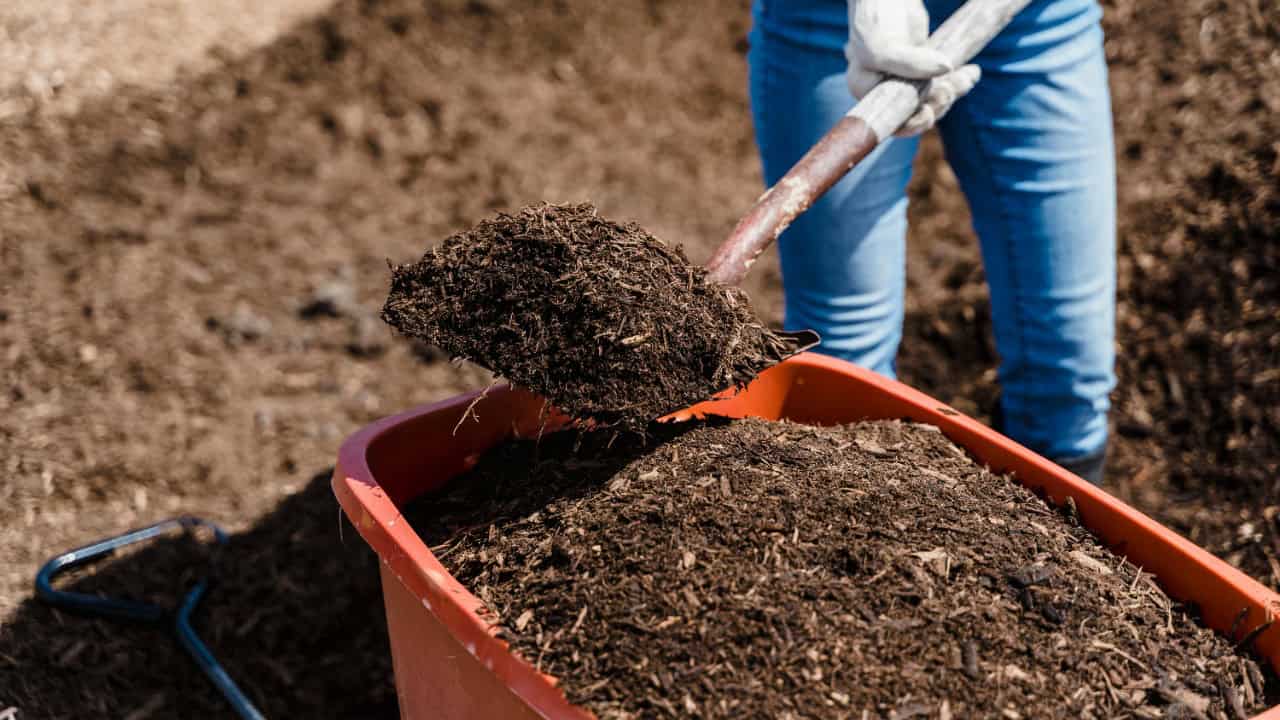
Composting might seem complicated at first, but it’s actually a simple and rewarding process once you get the hang of it. Don’t let the fear of making mistakes stop you from starting your composting journey.
Remember, it’s okay to make mistakes. The important thing is to learn from them and keep improving. With time and experience, you’ll become a composting pro.
20. Not Enjoying the Process

Composting is not just about reducing waste and creating nutrient-rich soil. It’s also about connecting with nature, learning about the amazing process of decomposition, and enjoying the satisfaction of turning waste into something valuable.
Don’t forget to have fun and enjoy the process. After all, composting is an adventure, not a chore. Happy composting!