
Choosing the right plants for your garden can make all the difference between a beautiful space and one full of frustration. Some plants may look appealing at first but later take over, struggle to thrive, or cause unexpected problems.
This article helps you avoid common gardening regrets by highlighting 20 plants that often cause issues and offers better alternatives to grow instead. With the right choices, your garden can stay manageable and enjoyable year-round.
Running Bamboo (Phyllostachys aurea) – invasive and hard to control; grow Black Bamboo instead

If you plant running bamboo, be prepared for fast spreading. It sends out underground shoots that can quickly take over your garden if you don’t control it.
You’ll need barriers or containers to stop it from spreading beyond where you want it. Black bamboo is a better choice if you want a similar look without as much risk. It grows upright and is easier to manage.
English ivy (Hedera helix) – aggressive spreader; plant Sweet Woodruff for ground cover

English ivy grows quickly and can spread aggressively, making it hard to control in your garden. It may climb fences, trees, and other plants, sometimes causing damage.
If you want a more manageable ground cover, try Sweet Woodruff. It thrives in shade, spreads gently, and adds a pleasant fragrance to your garden. Sweet Woodruff is easier to keep in check and works well under trees or in rock gardens.
Wisteria (W. sinensis and W. floribunda) – overly vigorous; try Climbing Hydrangea instead

Wisteria can quickly take over your garden with its vigorous growth. Both Chinese and Japanese types twine tightly and need strong support.
If you want a gentler climber, the Climbing Hydrangea offers beautiful blooms without the same aggressive spread. It’s easier to manage and less likely to crowd out other plants in your space.
Forsythia – can become leggy; grow Spirea for colorful early blooms
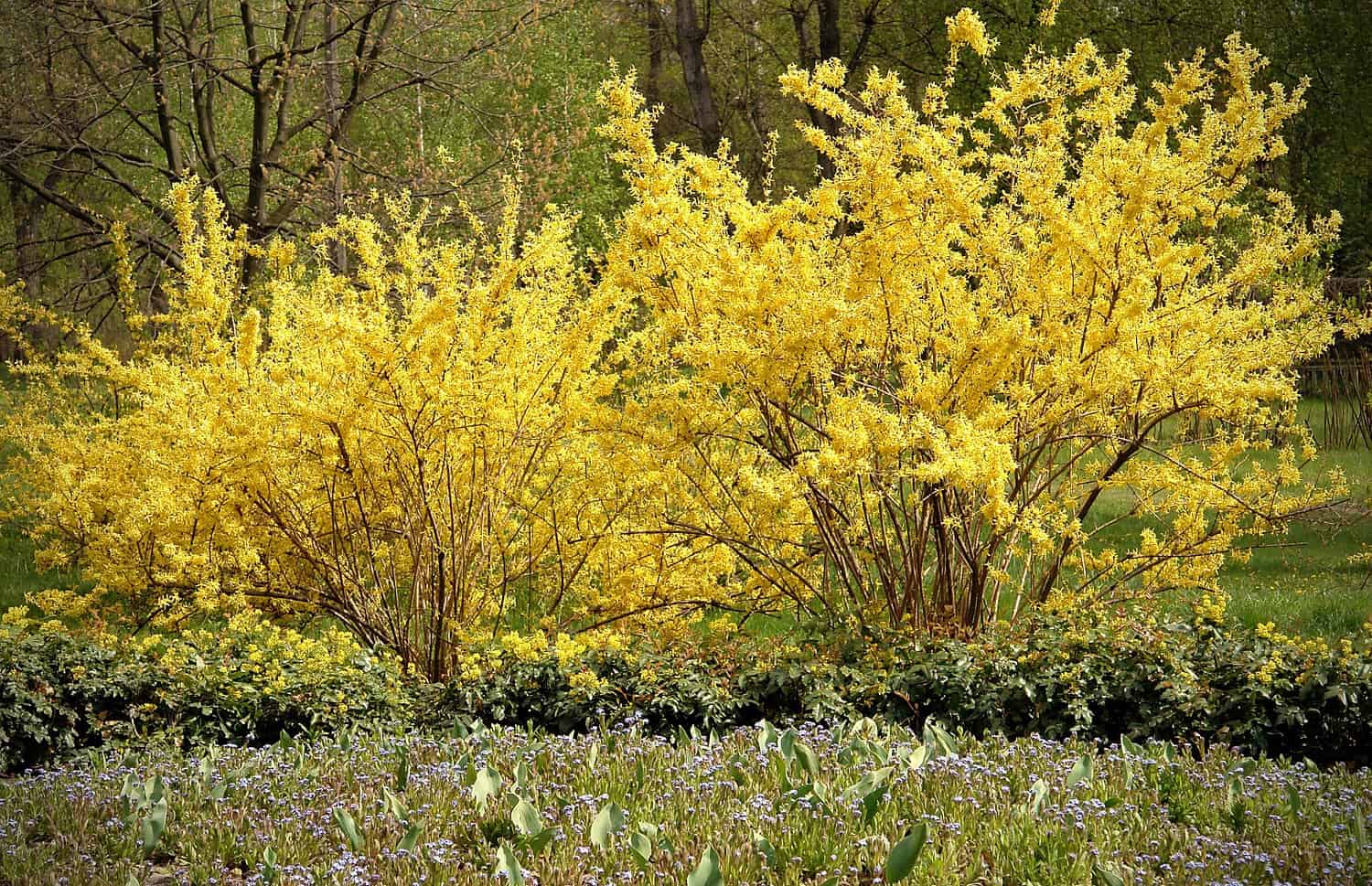
If you plant Forsythia, be aware it can quickly become leggy without regular pruning. You’ll need to cut it back right after flowering to encourage fresh growth.
Instead, consider Spirea. It offers vibrant early blooms and is easier to maintain, giving your garden a bright, neat look with less effort.
Japanese knotweed – destroys native plants; plant Japanese Maple instead
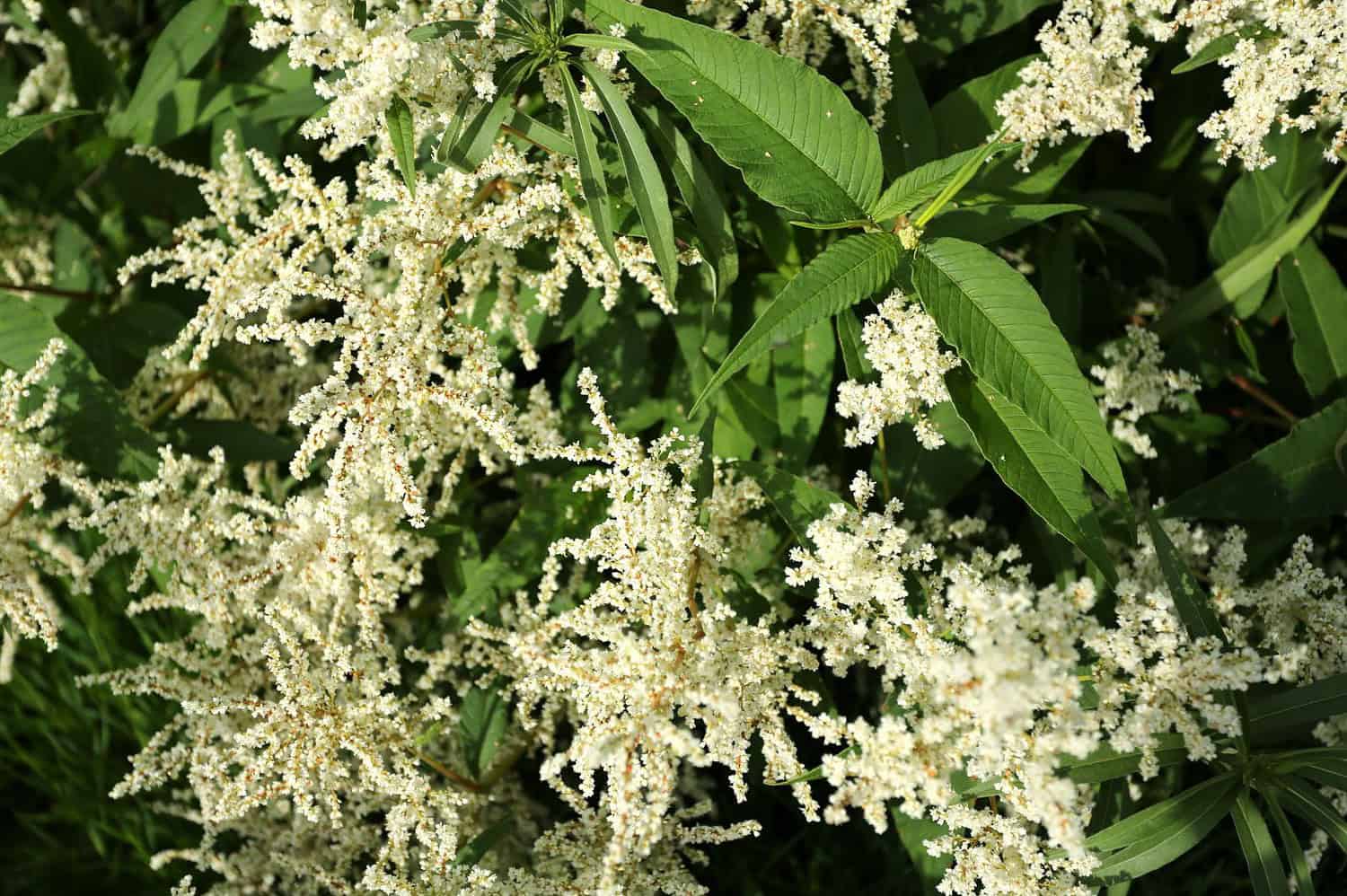
If you plant Japanese knotweed, it can quickly take over your garden and push out native plants. It’s tough to control and requires a lot of effort to remove completely.
Instead, consider planting a Japanese Maple. It adds beauty and color without harming local plants, and it’s much easier to manage in your garden.
Burning bush (Euonymus alatus) – invasive in some areas; choose Red Twig Dogwood
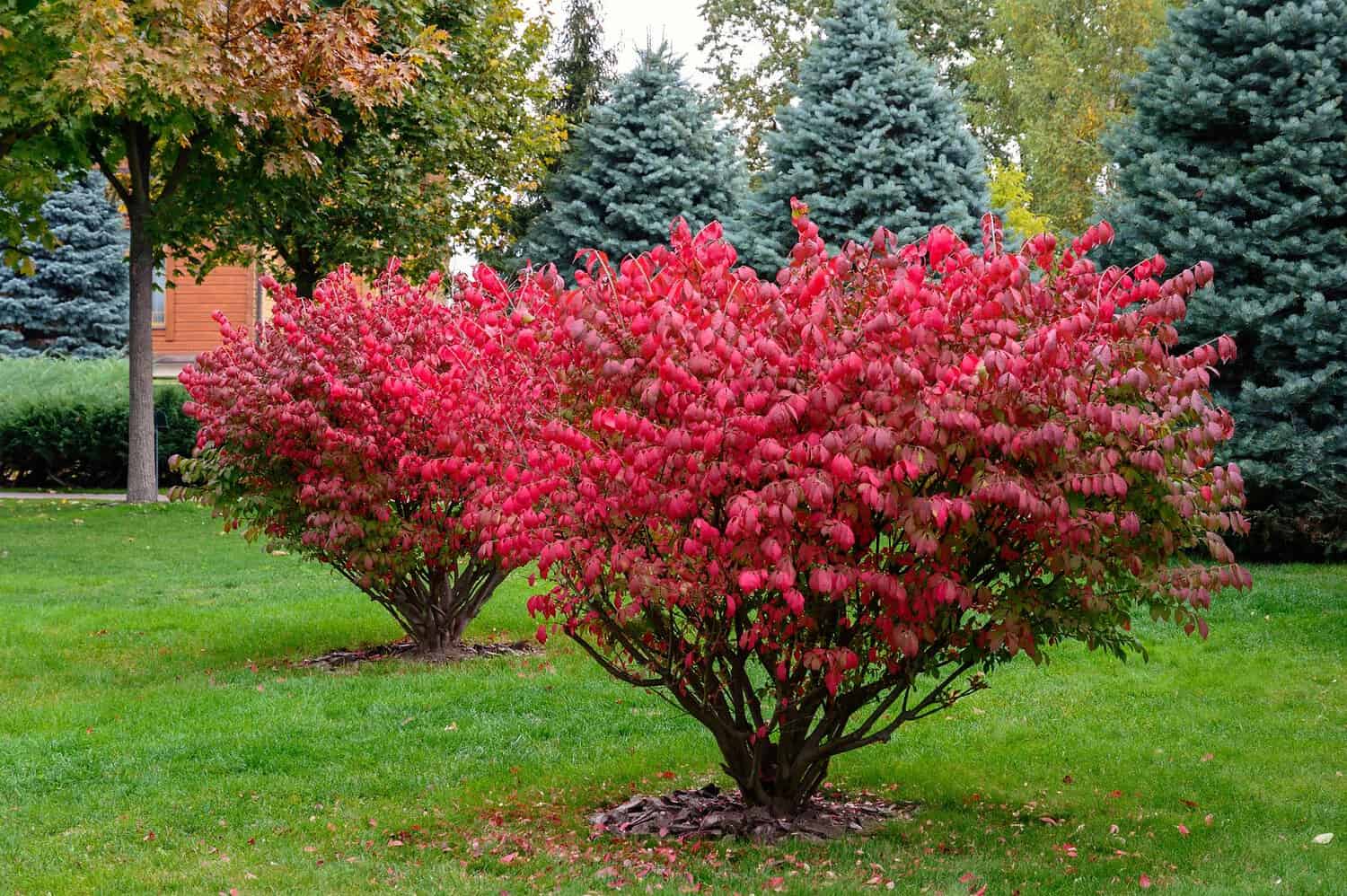
If you’ve planted burning bush, you might notice it spreads quickly and crowds out native plants. Its seeds spread easily by birds, which can lead to unwanted growth in natural areas.
You can switch to Red Twig Dogwood instead. It offers similar bright colors in fall but doesn’t spread aggressively. This makes it a better choice for a healthy garden and local wildlife.
Norway maple (Acer platanoides) – outcompetes native trees; plant Sugar maple instead

If you plant a Norway maple, you’ll notice it grows quickly and creates heavy shade. This blocks sunlight for native trees and plants nearby.
Its shallow roots spread wide, often crowding out other vegetation. Instead, try Sugar maple. It supports local wildlife and thrives in sunnier spots.
Choosing Sugar maple helps maintain balance in your garden. It’s a friendlier option for native ecosystems.
Sweet autumn clematis – spreads aggressively; try Clematis ‘Nelly Moser’ for control

You might find Sweet Autumn Clematis charming with its sweet scent and late blooms. However, it spreads quickly and can take over your garden if left unchecked.
For a more manageable option, consider Clematis ‘Nelly Moser.’ It offers beautiful flowers without the aggressive growth, giving you better control in your garden.
Centaurea montana – self-seeding aggressively; grow Lavender for scent and control

Centaurea montana can spread quickly in your garden because it self-seeds aggressively. This may lead to crowded spaces and extra maintenance you might not want.
If you want a more manageable option with a lovely scent, try growing lavender instead. Lavender smells great and tends to stay neater, giving you better control. It also attracts pollinators without taking over.
Mint – takes over garden beds; plant lemon balm in pots to contain spread
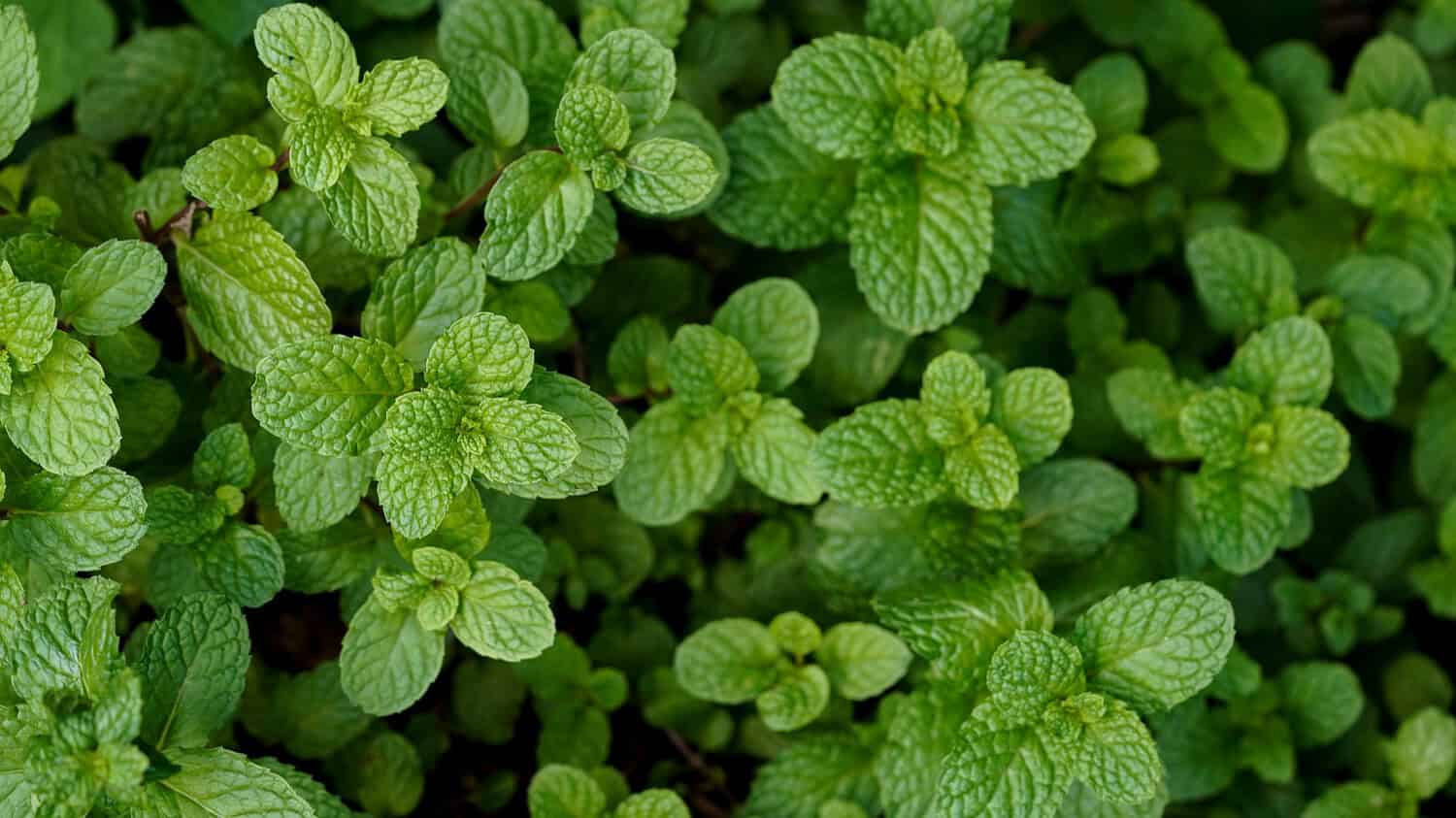
If you plant mint directly in your garden beds, it can quickly take over and crowd out other plants. Its roots spread underground, sending shoots up all over your garden.
To keep it under control, try growing lemon balm instead. Plant lemon balm in pots to prevent it from spreading, making it easier to manage and still enjoy its fragrance and benefits.
Morning glory – self-seeds excessively; try Bee balm for pollinators

If you plant morning glory, be ready for it to self-seed a lot. It can spread quickly and become hard to manage in your garden.
Bee balm is a great alternative if you want to attract pollinators. It grows well and supports bees without taking over your space. You can thin bee balm by cutting every third stem to keep it healthy and dense. This helps air flow and reduces weeds.
Purple loosestrife – invasive wetland plant; choose Blue flag iris for wet areas

If you have wet areas in your garden, avoid planting purple loosestrife. It spreads quickly and can crowd out native plants, disrupting local wetlands.
Instead, try Blue flag iris. It thrives in moist soil and offers attractive blooms without harming your garden’s ecosystem. This plant handles wet conditions well and supports local wildlife.
Buttercup – spreads rapidly and chokes other plants; plant Columbine instead

If you’ve had buttercup in your garden, you know it spreads quickly and can crowd out other plants. It thrives in damp areas and is hard to control once established.
Instead, try planting Columbine. It’s easier to manage and adds beautiful, delicate flowers without taking over your space. Just give Columbine enough room to grow, so it stays healthy and vibrant.
English laurel – toxic and invasive; grow Bay laurel in containers
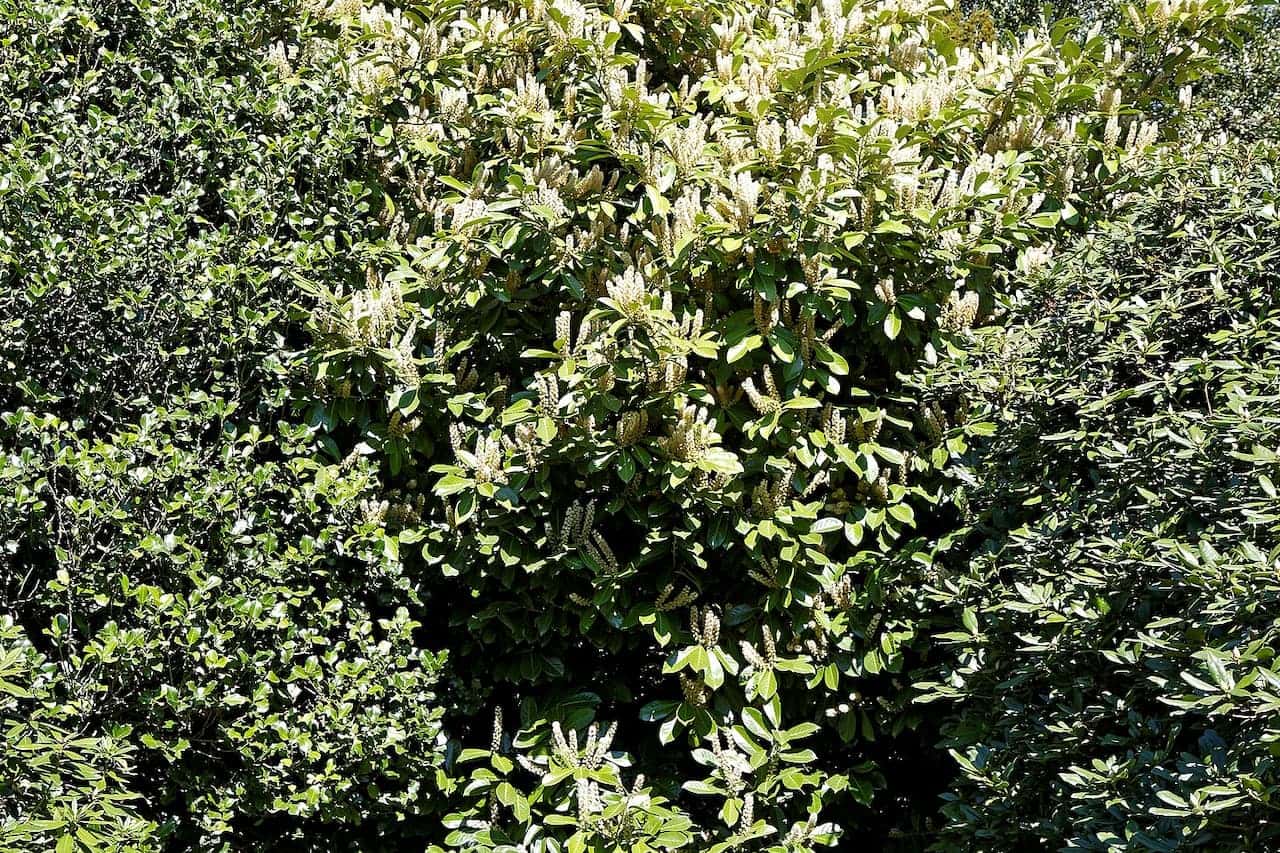
English laurel can quickly become invasive and is toxic to pets and wildlife. You might regret planting it if you want an easy-to-manage garden.
Instead, try growing Bay laurel in a container. It stays smaller, is easier to control, and still gives you fragrant leaves. Keep your Bay laurel in a sunny spot with some afternoon shade, especially if it’s hot.
Black walnut – toxic roots; plant Oak trees for a healthier ecosystem

If you have a black walnut tree, be careful what you plant nearby. Its roots release juglone, a chemical that can harm many plants within 50 to 60 feet.
Instead, consider planting oak trees. Oaks support a wide range of wildlife and don’t produce harmful chemicals in the soil. This choice helps create a healthier and more diverse garden.
Dandelion – weeds out other plants; try creeping thyme as a ground cover

Dandelions can quickly take over your garden, crowding out other plants. They thrive in poor soil and spread easily, making them tough to control.
You might want to try creeping thyme as a ground cover instead. It grows low and spreads well, helping to suppress some weeds while adding a pleasant texture to your garden.
Kudzu – extremely invasive vine; plant Honeysuckle for fragrance and less aggression

If you planted kudzu, you might have noticed how fast it spreads and takes over. It can smother trees and structures quickly, making it hard to control.
Instead, try honeysuckle. It offers a lovely fragrance and grows more manageably. Just remember to prune it regularly to keep it healthy and neat in your garden.
Bindweed – chokes garden plants; grow Sweet pea for a similar look without spreading

Bindweed can quickly take over your garden by spreading aggressively through its roots. It climbs and smothers other plants, making it hard for them to thrive.
If you like the look of bindweed’s flowers, try growing Sweet pea instead. Sweet pea offers similar delicate blooms without the invasive behavior, so your garden stays under control.
Butterfly bush – can become weedy in some regions; try native Summersweet

You might like butterfly bush for its colorful flowers, but it can spread aggressively and out-compete native plants in some areas. This can disrupt local habitats and harm wildlife.
Instead, consider planting native Summersweet. It attracts pollinators like bees and butterflies but stays well-behaved in your garden. This gives you beauty without the risk of invasiveness.
Privet hedge – invasive in many parts; plant Boxwood for formal hedging

Privet hedges grow quickly but can become invasive in many regions, taking over local ecosystems. If you want a tidy, manageable hedge, privet might cause you frustration later.
Boxwood is a better choice for formal hedging. It grows slowly and maintains a neat shape with regular trimming, making your garden look polished without the risk of spreading uncontrollably.