If you have clay soil in your garden, you might have noticed it can be tough on many plants. Clay tends to hold water and compacts easily, which makes it tricky for roots to grow and get the air they need. But that doesn’t mean you can’t have a beautiful garden.
There are plenty of perennials that actually love or tolerate clay soil and can thrive in it with minimal fuss. Choosing the right plants can save you a lot of work and help you enjoy a vibrant garden without constantly battling the soil. This guide will help you find 20 great options for your clay soil garden.
Advertisement
Bee Balm
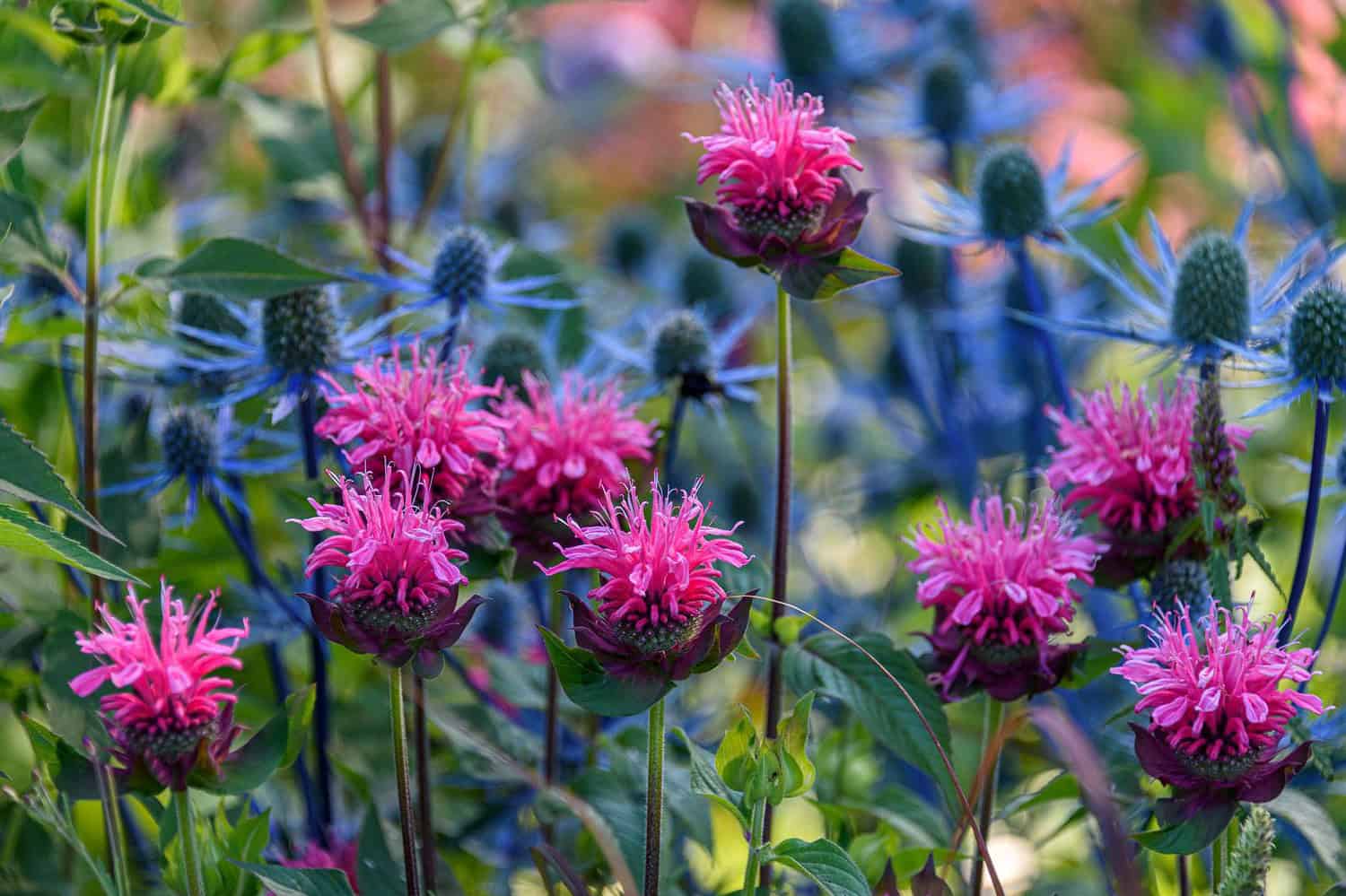
If you have clay soil, bee balm is a solid choice for your garden. It grows well in zones 3-9 and loves sun to part shade.
You’ll enjoy its colorful, shaggy flowers, which come in red, pink, purple, or white. Bee balm also attracts pollinators, adding life to your yard. Its roots handle heavy soil, making it a reliable perennial for clay. Find more details on growing bee balm in clay soil at American Meadows.
Black-Eyed Susan
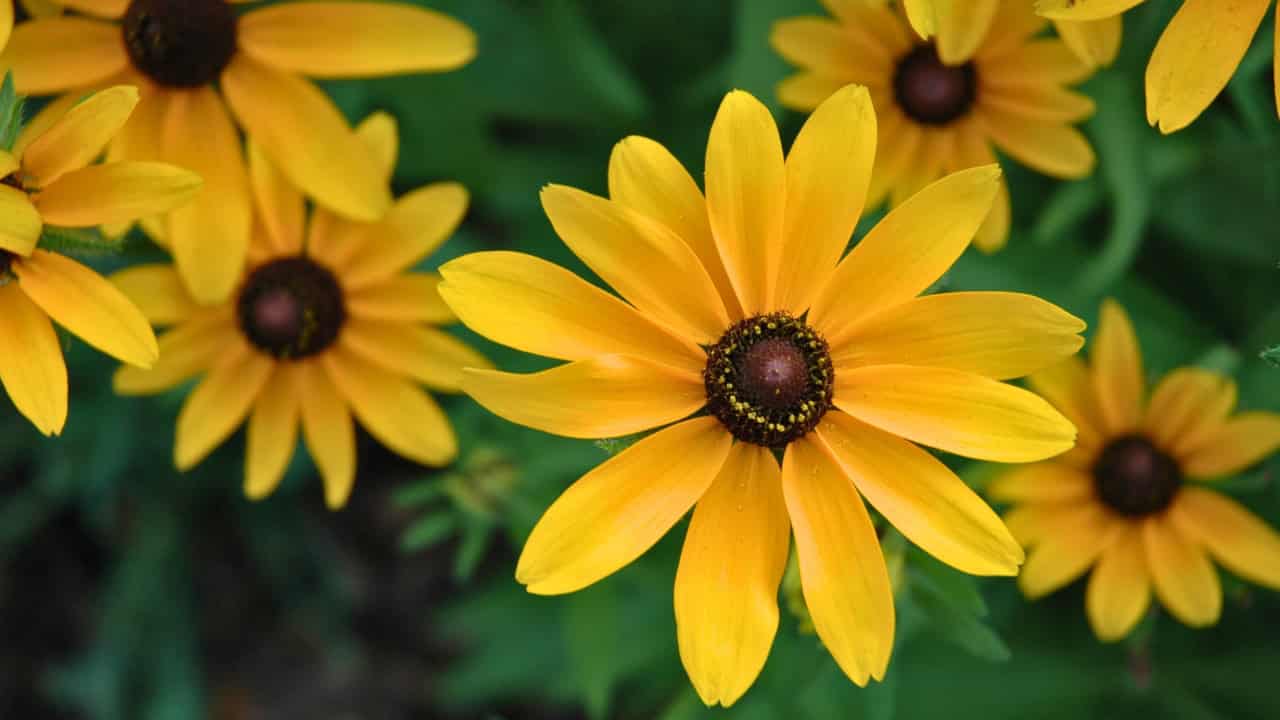
If you have clay soil, Black-Eyed Susans are a solid pick for your garden. They handle heavy soil well and don’t need much fuss once established.
You’ll enjoy their bright yellow petals and dark centers that bring color all summer long. They attract pollinators like bees and butterflies, adding life to your space.
These flowers also tolerate drought and are pretty low-maintenance, making them great if you want easy-care perennials. Learn more about growing Black-Eyed Susans in clay soil here.
Aster
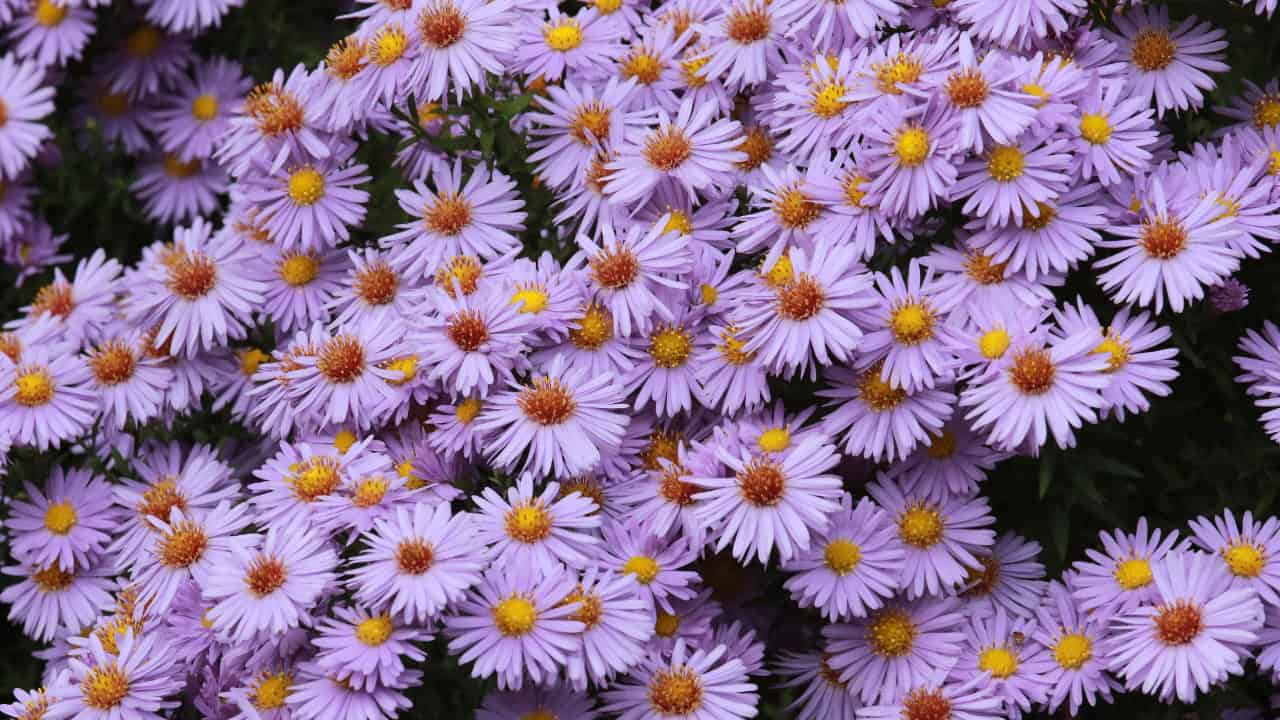
If you have clay soil, asters are a solid pick for your garden. They handle heavy soil well and bring a pop of color in late summer and fall.
You’ll like how asters attract pollinators like bees and butterflies, making your garden lively. They’re also pretty low maintenance, so they won’t demand much from you. Check out more about growing asters in clay soil here.
Baptisia

If you have clay soil, Baptisia is a solid pick. It’s a native prairie plant that grows deep roots, which helps it handle heavy soil.
You’ll see blue or light periwinkle flowers in spring. Baptisia likes rich, well-drained soil but can tolerate clay without issue. It’s low-maintenance and adds a nice pop of color to your garden. Learn more about its growth in clay soil here.
Blazing Star

You’ll find Blazing Star fits nicely in clay soil since it naturally handles heavier ground. It grows tall with showy spikes in shades like pink, purple, and white.
This plant loves well-drained soil and needs regular watering, especially when dry, but watch out for overwatering. Add it to your garden for a splash of color that’s pretty low fuss. More details on growing Blazing Star in clay soil are available at Garden Design.
Bluestar (Amsonia)
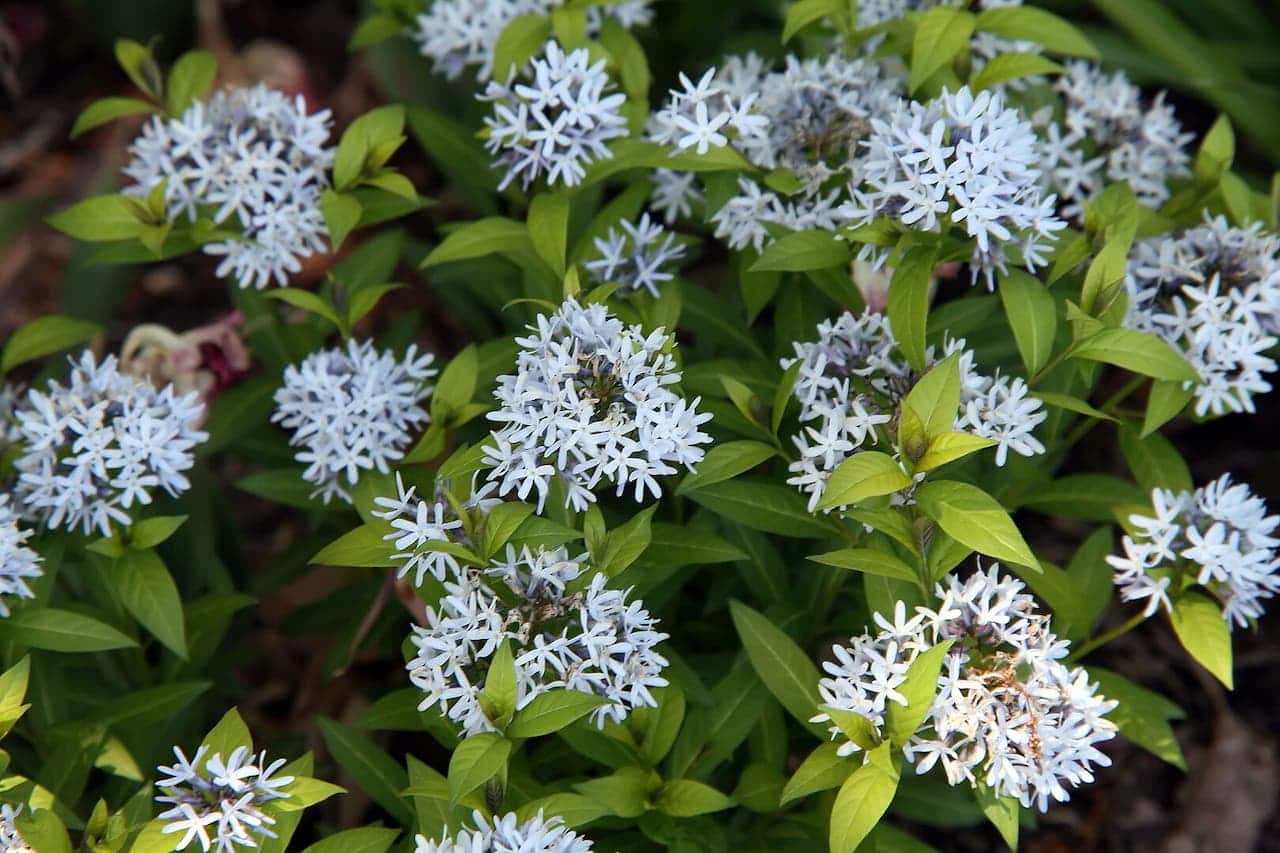
If you have clay soil, Bluestar (Amsonia) is a solid choice. It adapts well to heavy, compacted soils as long as it stays moist.
You’ll get lovely star-shaped blue flowers in late spring that last for weeks. Its mounded shape adds nice structure to your garden without much fuss. Bluestar also offers finely textured foliage that stays interesting through much of the year. For more details, check this Bluestar growing guide.
Canna
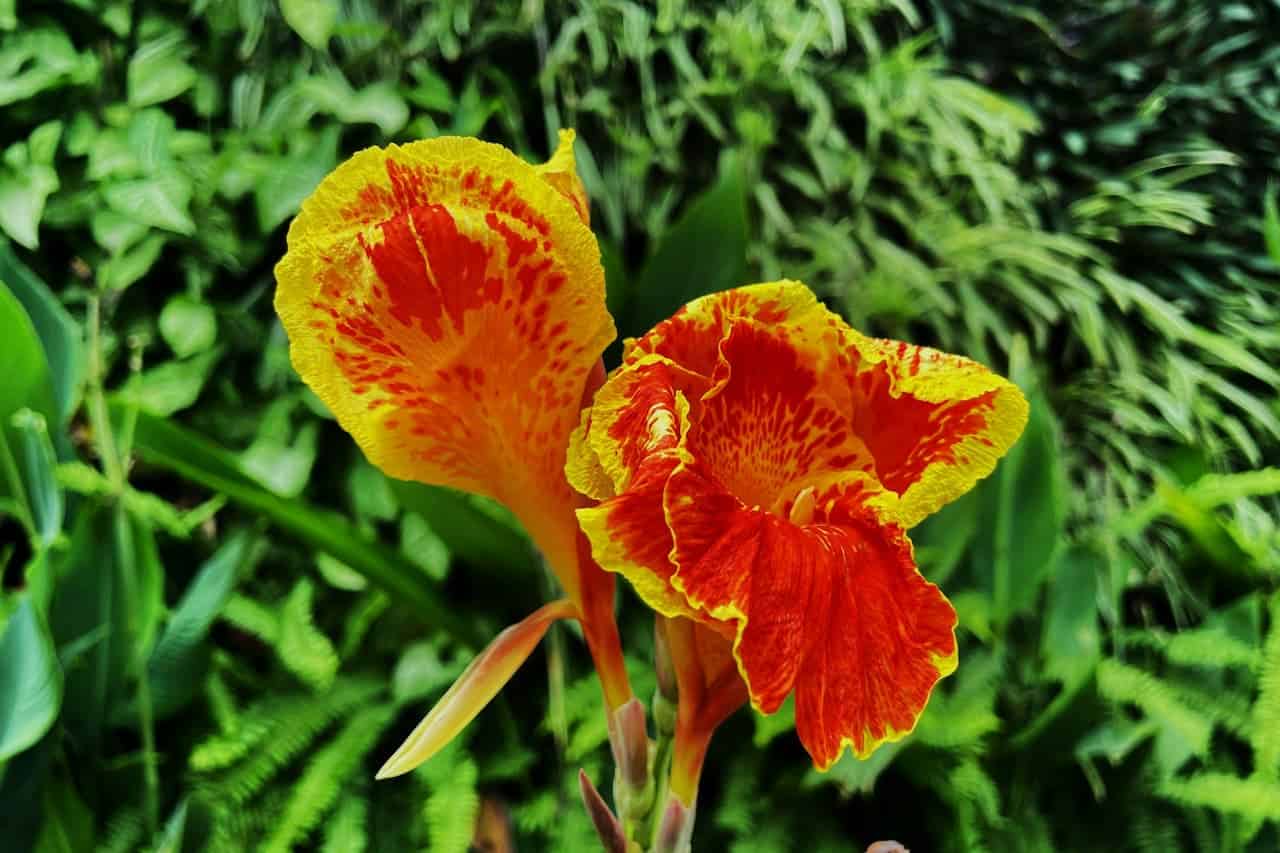
You can grow cannas successfully in clay soil as long as you avoid planting them too deep—an inch or two is enough. They like full sun and plenty of water to look their best.
Make sure to fertilize often, and your cannas will thrive even in heavy clay. For more tips, check this guide on growing cannas in clay soil.
Common Yarrow
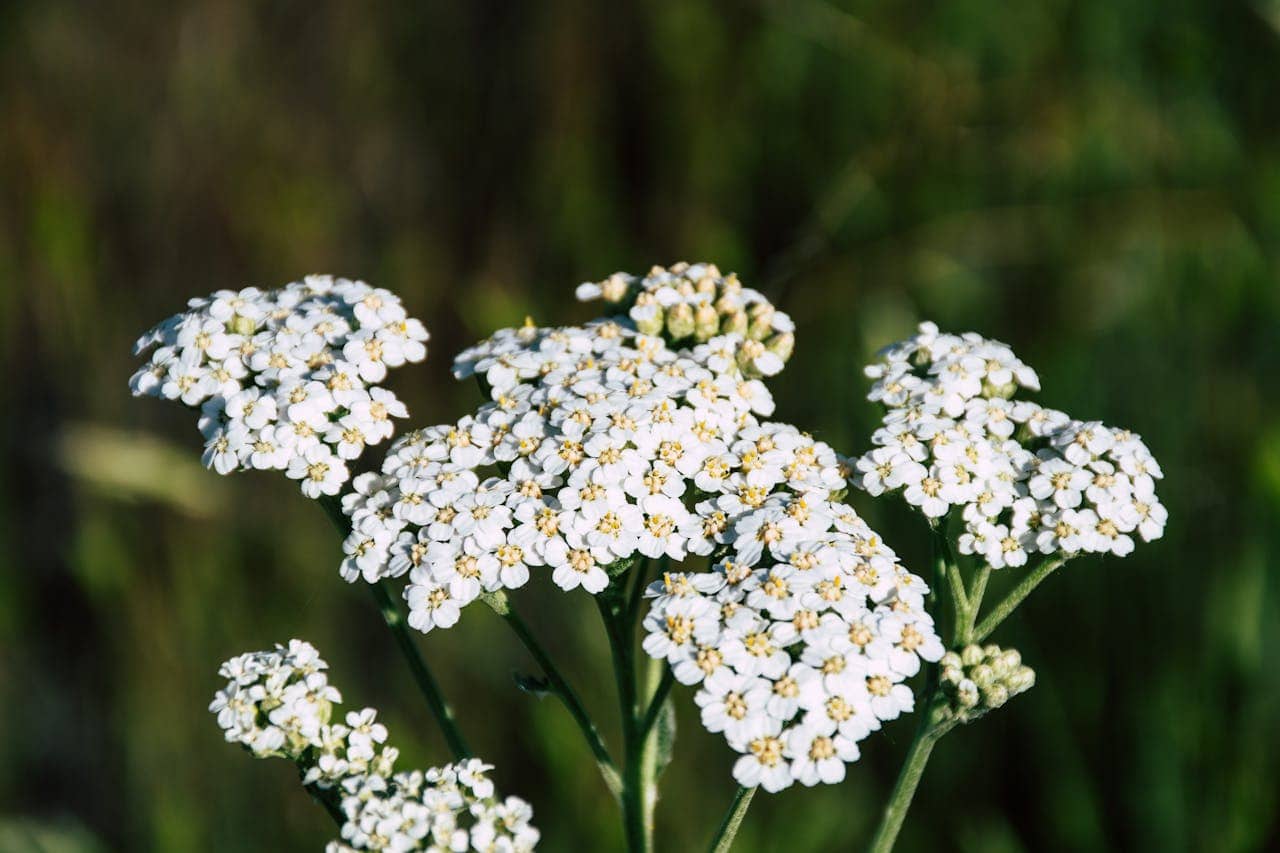
You’ll find common yarrow grows well in clay soil, as long as it isn’t waterlogged. It prefers full sun and can handle tough spots where other plants might struggle.
Yarrow is pretty low-maintenance. Once established, it tolerates drought and doesn’t need much fuss. Deadheading spent flowers helps keep it looking neat and encourages more blooms. Learn more about growing yarrow in clay soil at US Perennials.
Spider Lily
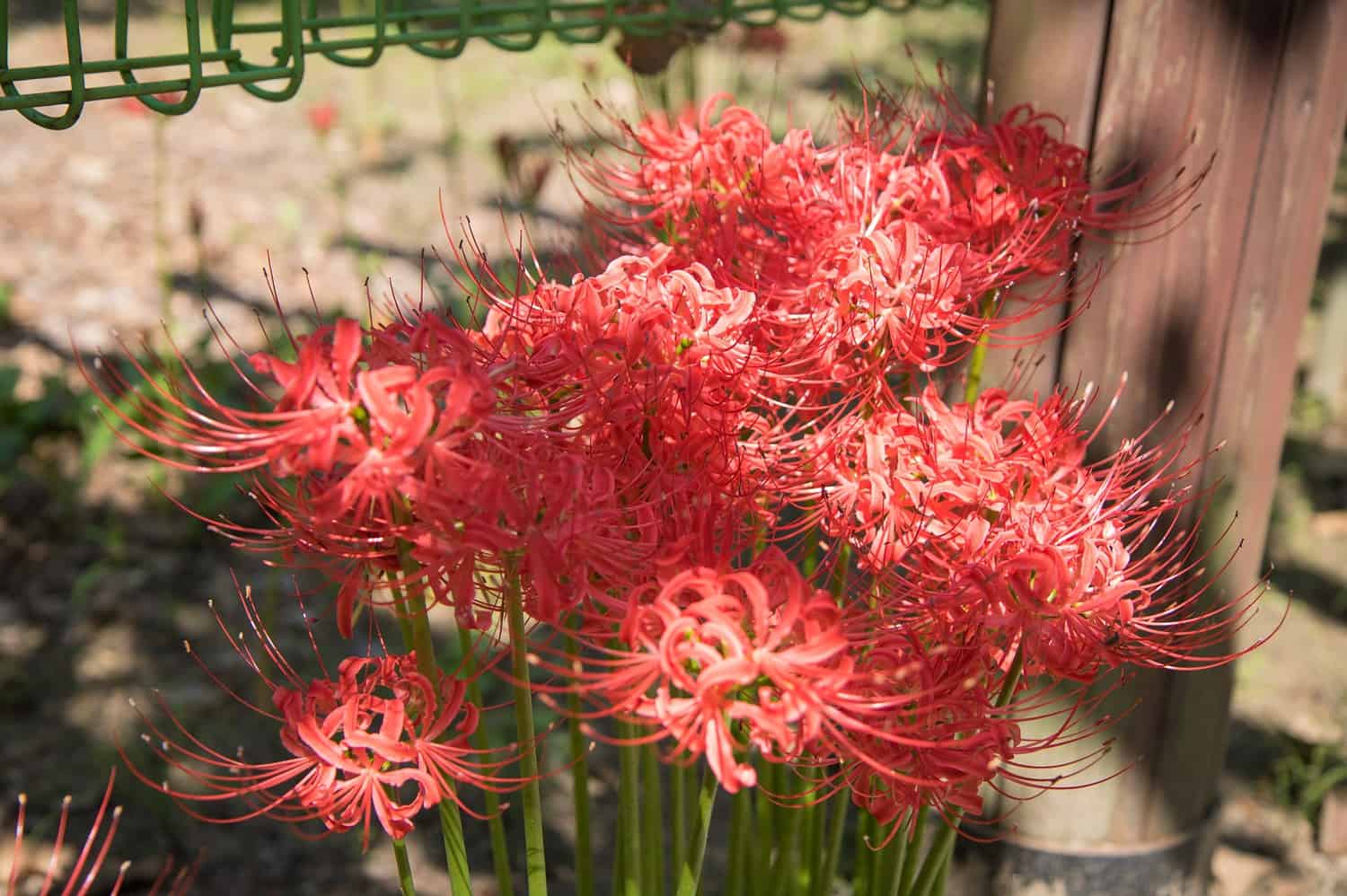
If you have heavy clay soil, spider lilies can be a great choice. They grow from bulbs and often do well in tough, compacted soil.
These plants are pretty low-maintenance and can even thrive with minimal care. You might notice bright, fragrant flowers popping up in red, white, or yellow. For best results, you can improve drainage by adding organic matter, but spider lilies often handle clay soil on their own.
Stonecrop

Stonecrop is a tough perennial that you can easily grow in clay soil. It doesn’t need much water, so it’s perfect if you want low-maintenance plants.
You’ll find it handles cold weather well, making it a reliable choice for different climates. It’s a great option if you want something hardy and simple.
Swamp Milkweed
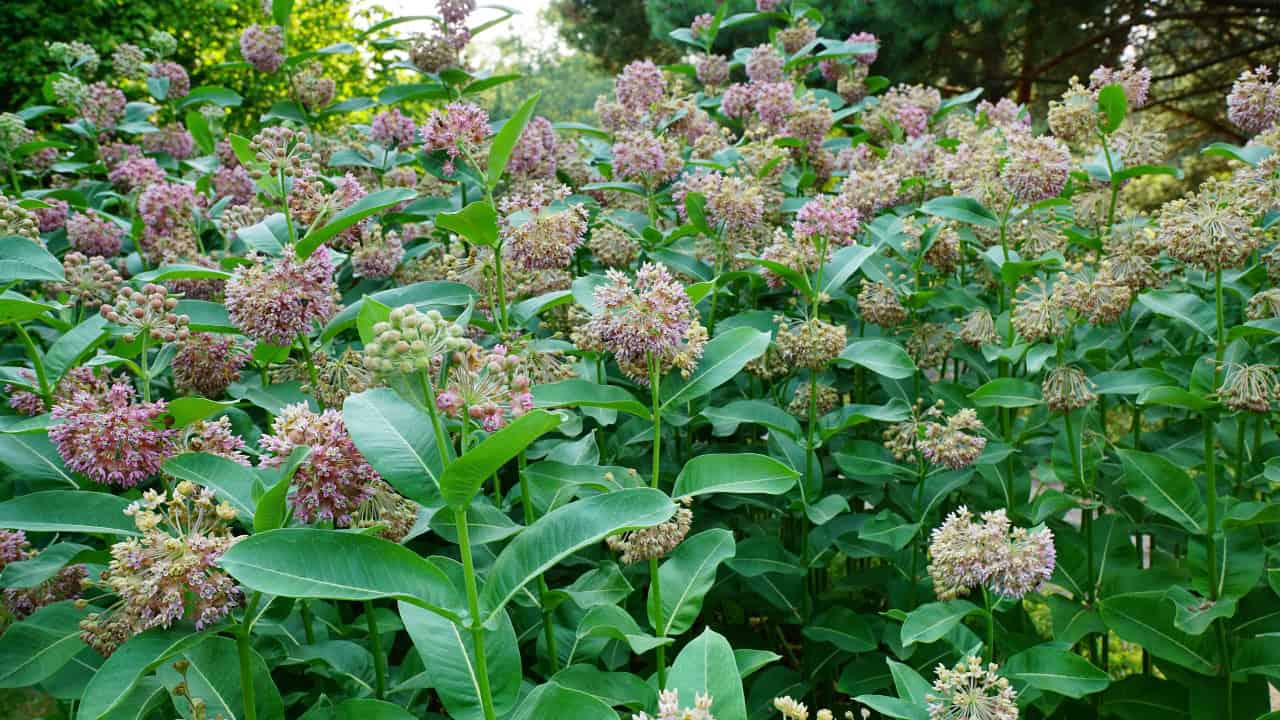
If you have heavy clay soil that holds moisture, swamp milkweed is a solid pick. It handles wet, mucky conditions better than most plants.
You’ll find it fits well in pollinator gardens since butterflies love it. It also tolerates neutral to slightly acidic soil, so your clay doesn’t have to be perfect for this one to do well. Learn more about swamp milkweed’s adaptability in clay soil here.
Cardinal Flower
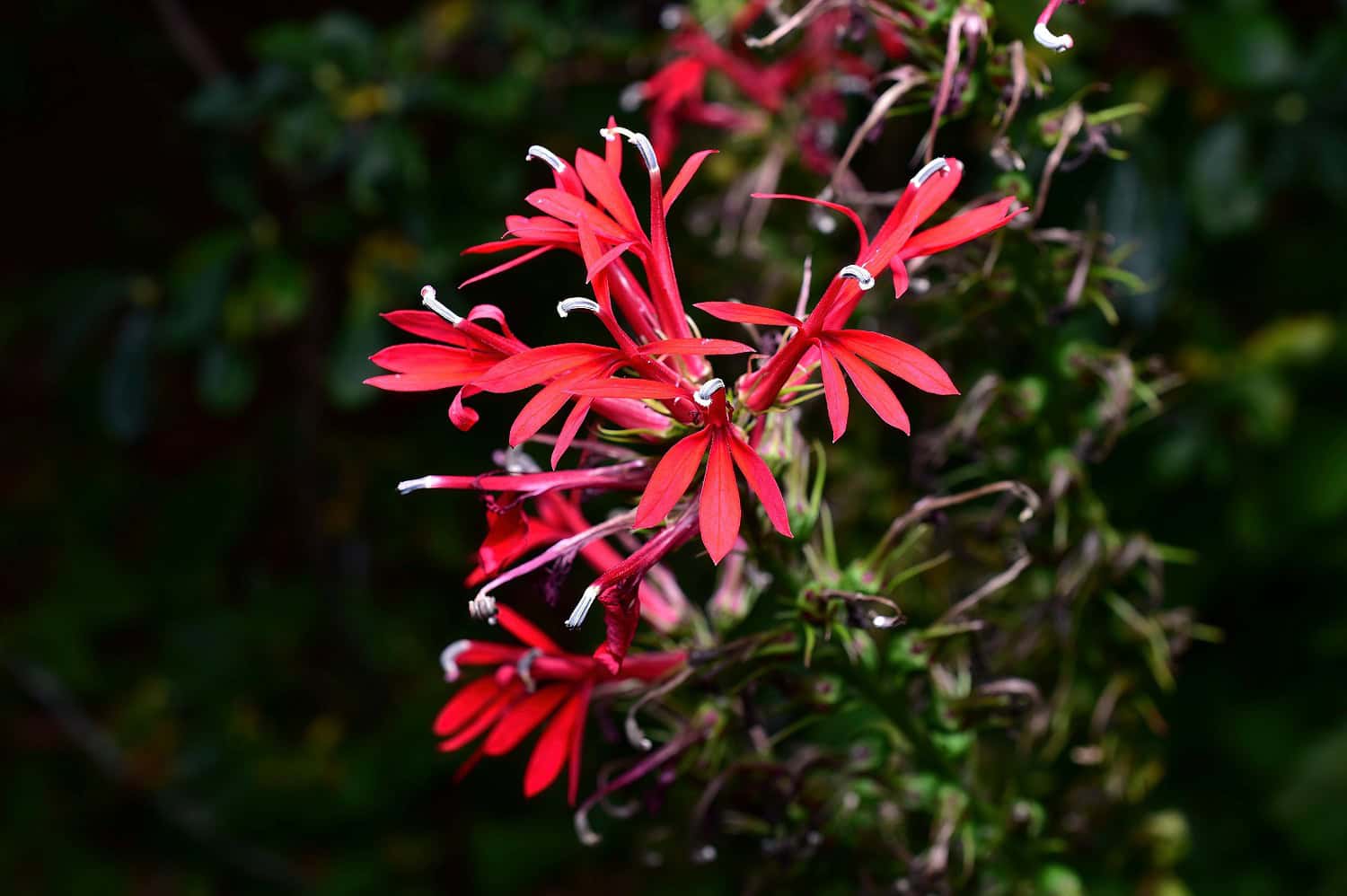
If you have clay soil, cardinal flower is a great choice for your garden. It handles heavy, compacted soil well and adds a bright splash of red.
You’ll notice it blooms mid to late summer, attracting hummingbirds and butterflies. Cardinal flower likes moist areas, so it works well near water features or in low spots. Learn more about growing cardinal flower in clay soil here.
Great Blue Lobelia
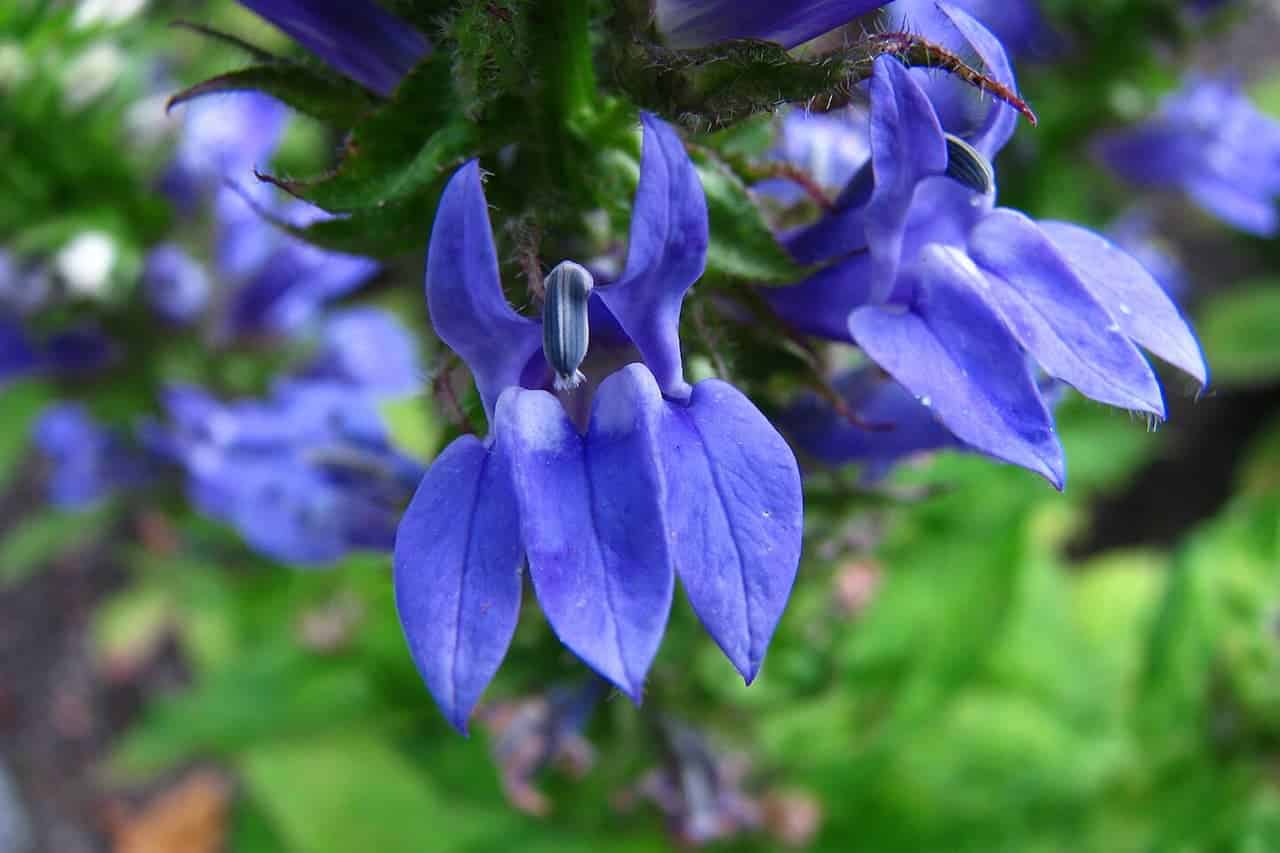
If you have clay soil that stays moist, Great Blue Lobelia is a solid choice. You’ll find it does well even in damp clay and can brighten up shady spots.
These plants love a bit of water but can also handle some dry shade in clay soil, making them pretty flexible for your garden. Pairing them with vivid flowers like cardinal flower brings in hummingbirds too. Learn more about growing it in clay soil here.
Blue Wood Aster
If you’ve got clay soil, Blue Wood Aster is a solid pick. It grows up to 3 feet tall and sports pale blue to violet flowers, adding some nice color to your garden.
This plant prefers well-drained soil but can handle clay and different pH levels. Plus, it supports pollinators, which is a win for your backyard wildlife. Learn more about Blue Wood Aster here.
Bearded Iris

You’ll find Bearded Iris does well in clay soil as long as it drains well. These flowers bring a bright splash of color to your garden with their unique petals.
Plant them where your soil isn’t soggy, and you’ll enjoy blooms in late spring. They need little fuss once established, making them great for low-maintenance gardens.
Patriot Hosta
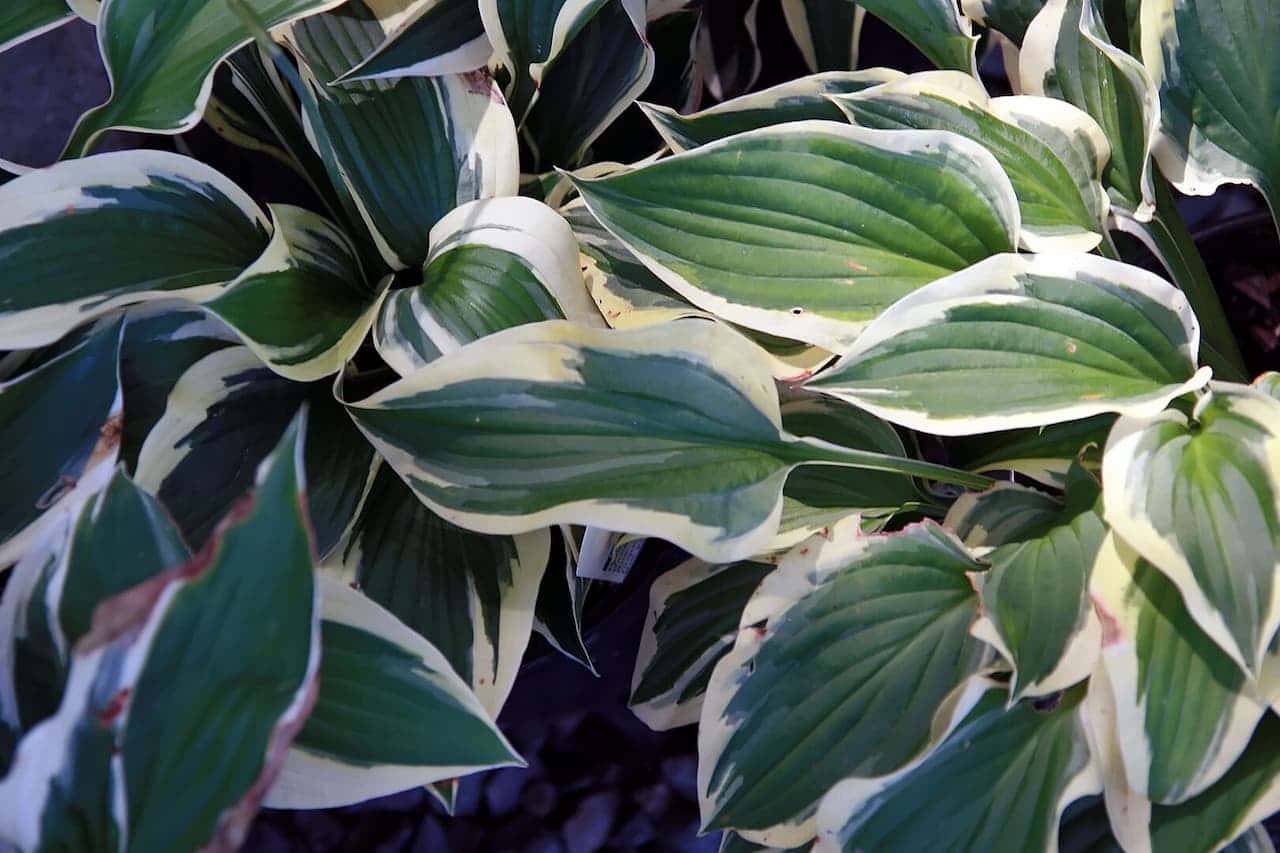
If you have clay soil, Patriot Hosta is a solid choice for your garden. It has striking blue-green leaves edged in white, adding some color contrast.
This plant does well in partial shade and prefers moist, well-drained soil, but it can adapt to clay fairly easily. You’ll see it bloom in early summer with small lavender flowers. Check out more details about Patriot Hosta for clay soil here.
White Bleeding Heart
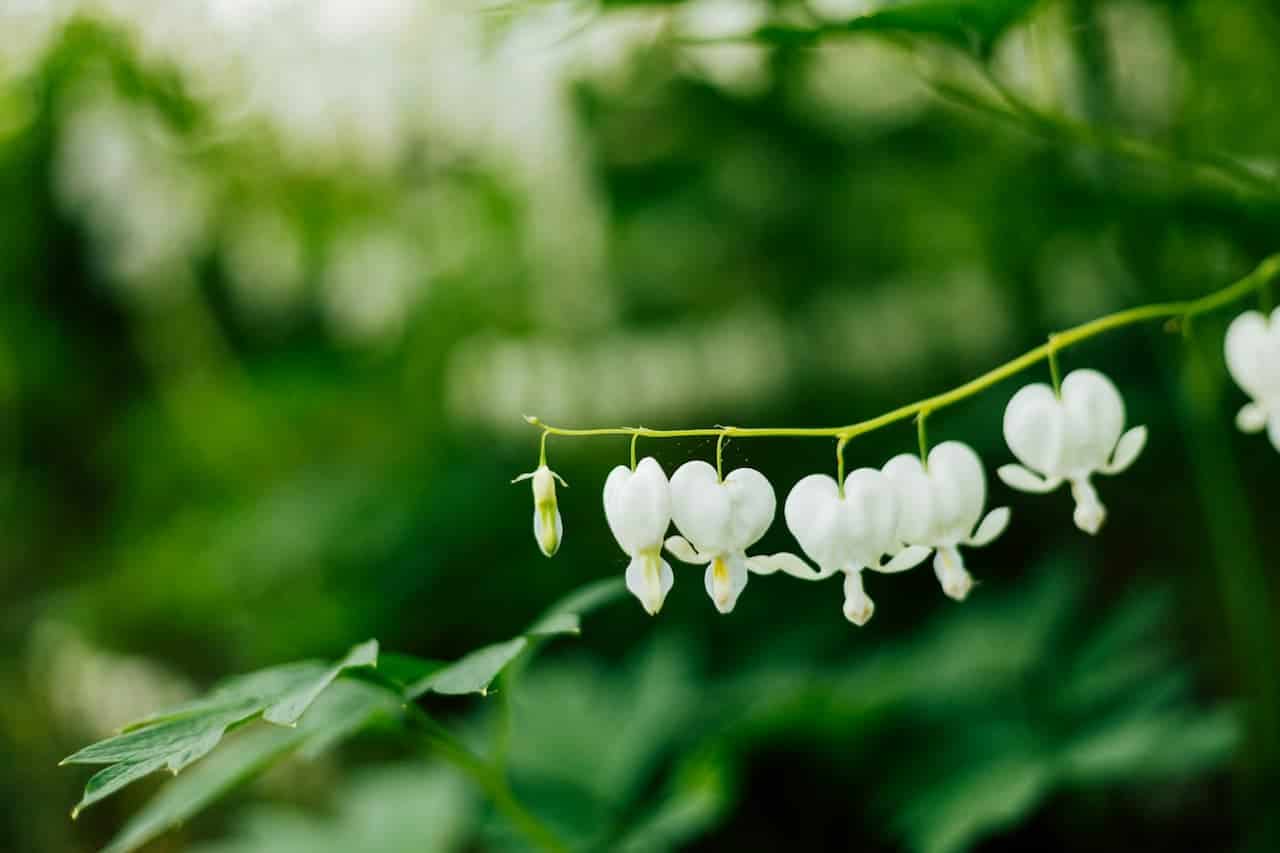
If you have clay soil, white bleeding heart can be a nice choice. It prefers partial to full shade, so it’s great for shadier spots in your garden.
Make sure your clay soil drains well by mixing in compost or peat moss before planting. Space the plants about 18-24 inches apart for best growth.
Purple Dragon Spotted Dead Nettle
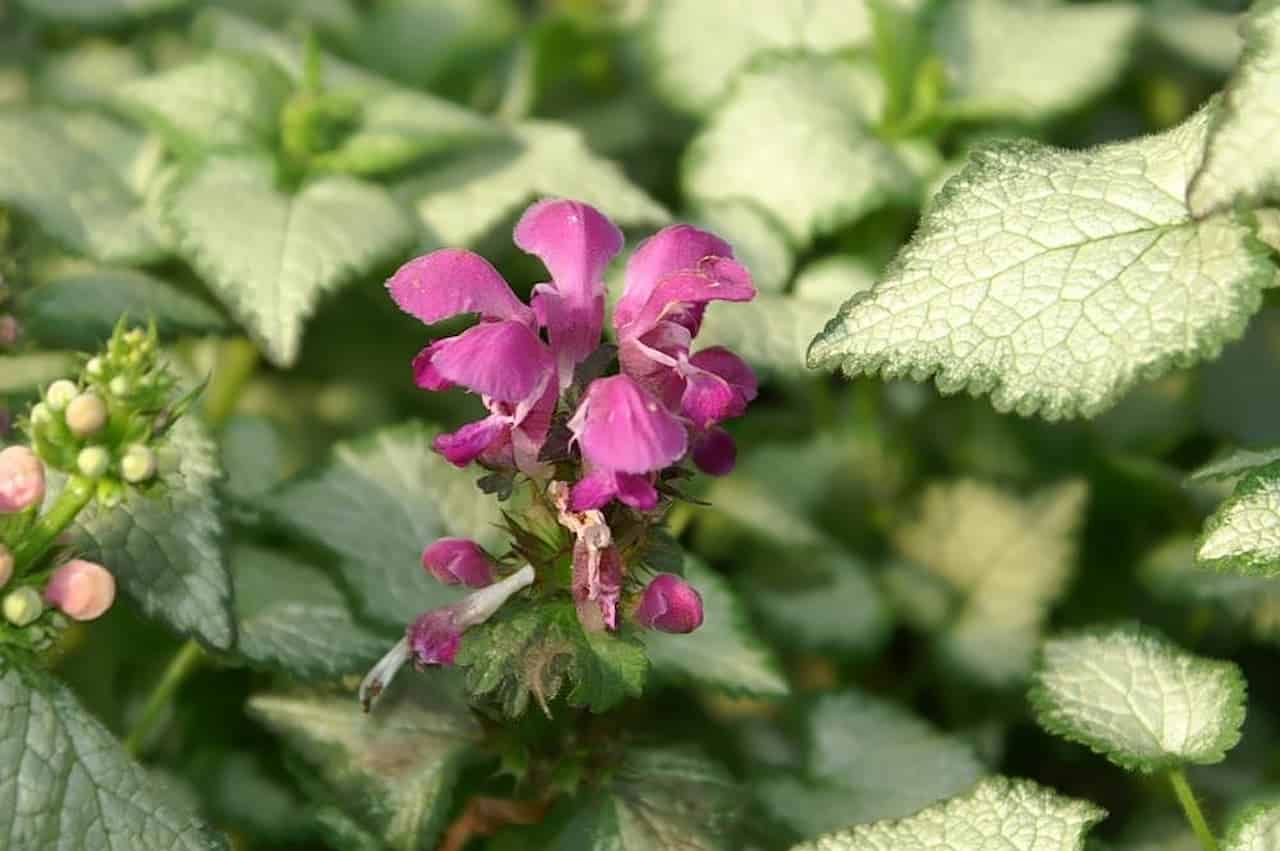
You’ll find Purple Dragon Spotted Dead Nettle is great for clay soil, especially in part to full shade. Its silver leaves with green edges add a cool touch to your garden.
It’s pretty low-maintenance and grows quickly, making a nice weed-suppressing mat. Just avoid hot, humid spots to keep it happy.
Stella de Oro Daylily
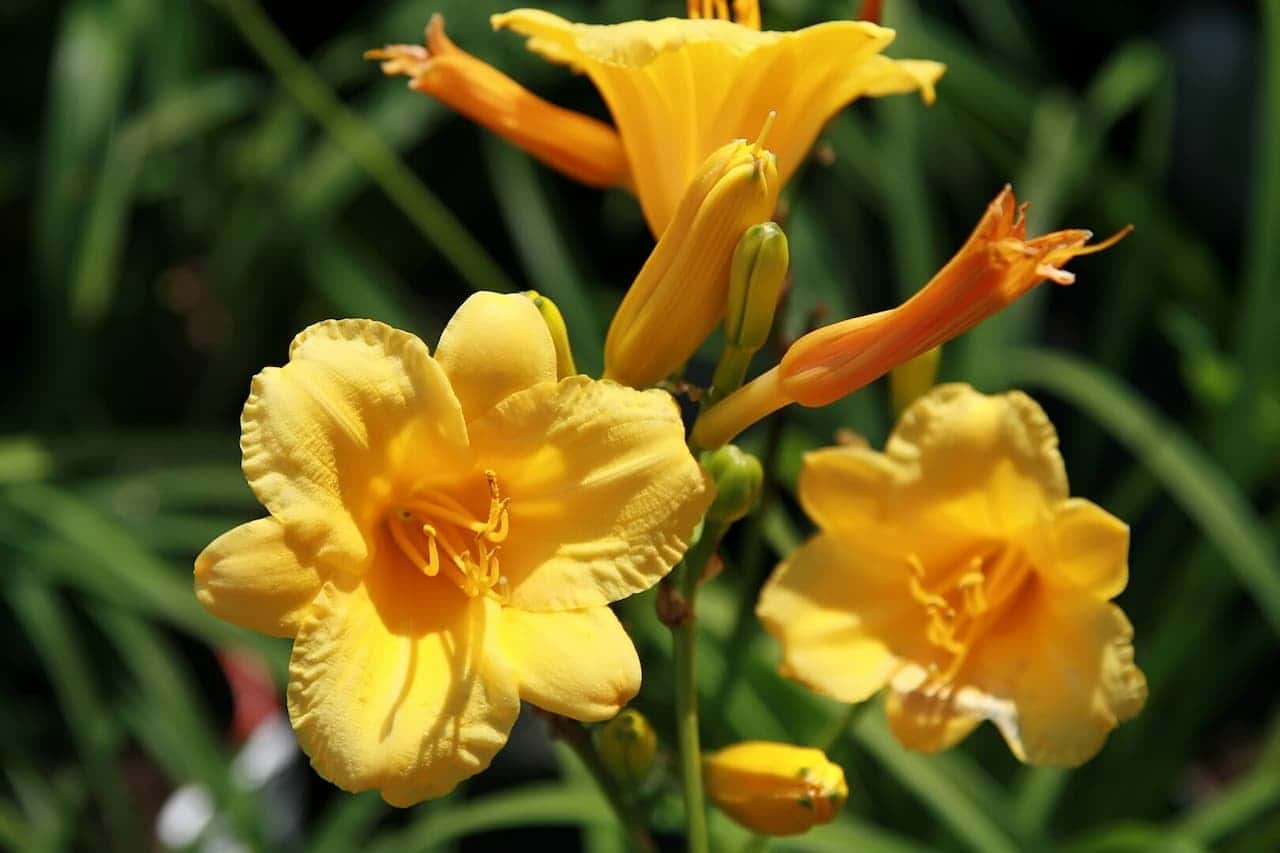
If you have clay soil, the Stella de Oro Daylily is a solid choice. It adapts well to various soils, including clay, and prefers full sun to part shade.
You’ll enjoy its long bloom time from late spring to early fall. Water it deeply but not too often to keep it happy. For more details, check out Hemerocallis Stella D’Oro information.
Rudbeckia
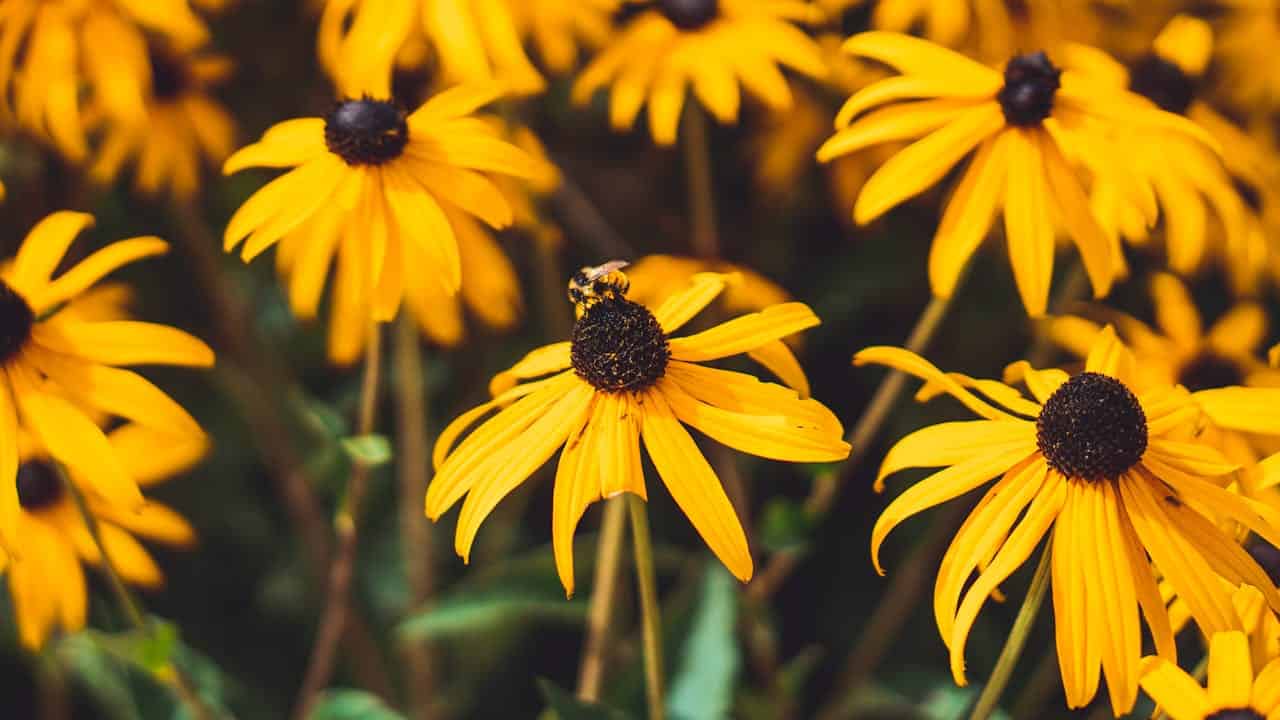
If you have clay soil, Rudbeckia is a solid choice for your garden. It handles heavy, dense soil without much fuss. You’ll enjoy bright, cheerful blooms that attract pollinators and add color all summer long.
This plant is also drought-tolerant, so it doesn’t need constant watering once it’s established. For more details, check out Rudbeckia for clay soil.