Growing organic produce has become increasingly popular over the years due to a multitude of reasons, including environmental sustainability and health benefits. But, like any other topic, it has been surrounded by various myths and misconceptions that can discourage potential growers.
These myths can create an unnecessary veil of intimidation and complexity around organic farming. If you’re considering growing your own organic produce, it’s essential to separate fact from fiction. Let’s debunk 20 common myths about growing organic produce, providing you with an accurate understanding and practical insights.
Advertisement
1. Organic Farming is More Expensive Than Conventional Farming

Many people believe that organic farming is more costly than conventional farming. This may seem true initially, as organic farming requires high-quality seeds, organic fertilizers, and more labor. However, in the long run, organic farming can be more cost-effective.
Conventional farming relies heavily on synthetic pesticides and fertilizers, which are not only expensive but can also degrade the soil quality over time, leading to lower yields and higher costs down the line. On the other hand, organic farming improves soil health and fertility, resulting in sustainable productivity and lower costs in the long term.
2. Organic Produce is Always Healthier
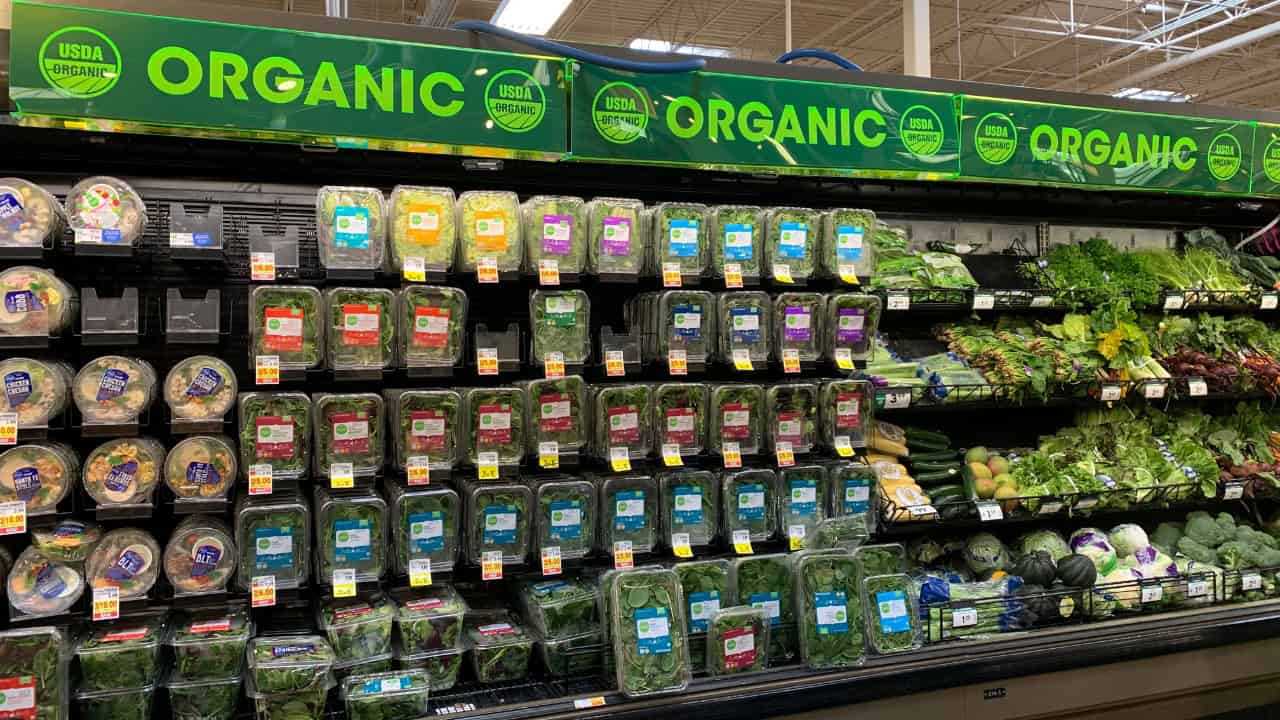
Organic produce is often perceived as being universally healthier than conventionally grown produce. While it’s true that organic farming practices avoid synthetic pesticides and genetically modified organisms, the nutritional content of organic produce isn’t necessarily higher.
The nutritional value of fruits and vegetables depends more on the soil’s quality, the freshness of the produce, and the plant’s specific variety. Therefore, it’s not accurate to say that all organic products are healthier. They are, however, generally safer due to the absence of synthetic chemicals.
3. Organic Farming Cannot Feed the World
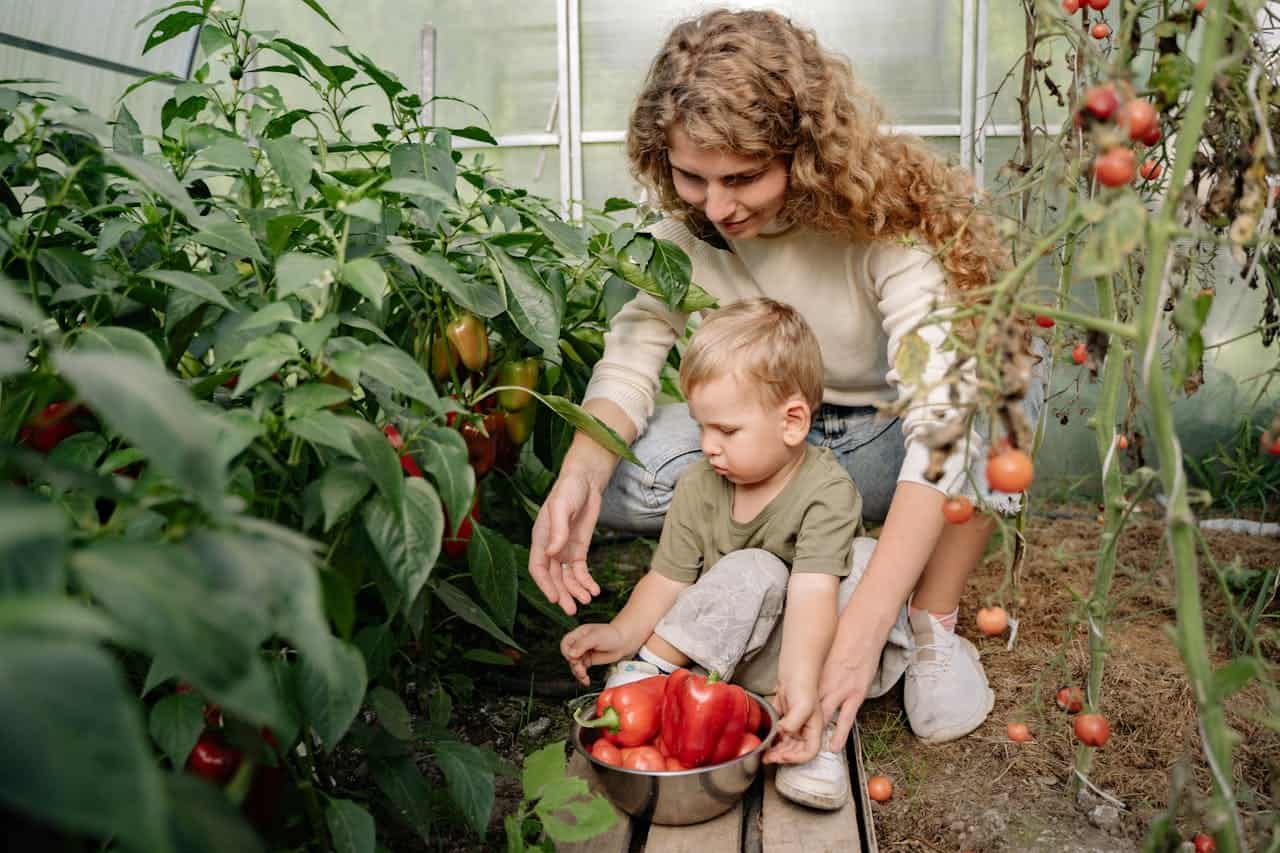
One common myth is that organic farming cannot feed the world because it has lower yields than conventional farming. Several studies, including one published in the journal ‘Nature’, have shown that organic farming can produce nearly as much food as conventional farming.
And with techniques such as crop rotation, cover cropping, and organic fertilizers, these yields can improve significantly. Moreover, organic farming is more sustainable and better for the environment, making it a viable option for feeding the world’s growing population.
4. Organic Farming is Unscientific

Some people believe that organic farming is unscientific and relies on traditional or outdated methods. In reality, organic farming is based on a deep understanding of ecology and soil science. It uses techniques like intercropping, cover cropping, and composting, which are scientifically proven to improve soil health and increase biodiversity.
The organic farming movement embraces innovation and is continually evolving, incorporating new research and technologies.
5. Organic Produce is Always Pesticide-Free

It’s a common misconception that organic produce is entirely pesticide-free. While organic farming avoids synthetic pesticides, it does allow the use of certain natural pesticides. These natural pesticides are generally less harmful and break down more quickly in the environment than their synthetic counterparts.
However, they can still have negative impacts if misused, so organic farmers need to use them responsibly. It’s also worth noting that organic farming prioritizes pest prevention and management techniques to minimize the need for pesticides.
6. Organic Food is a Trend
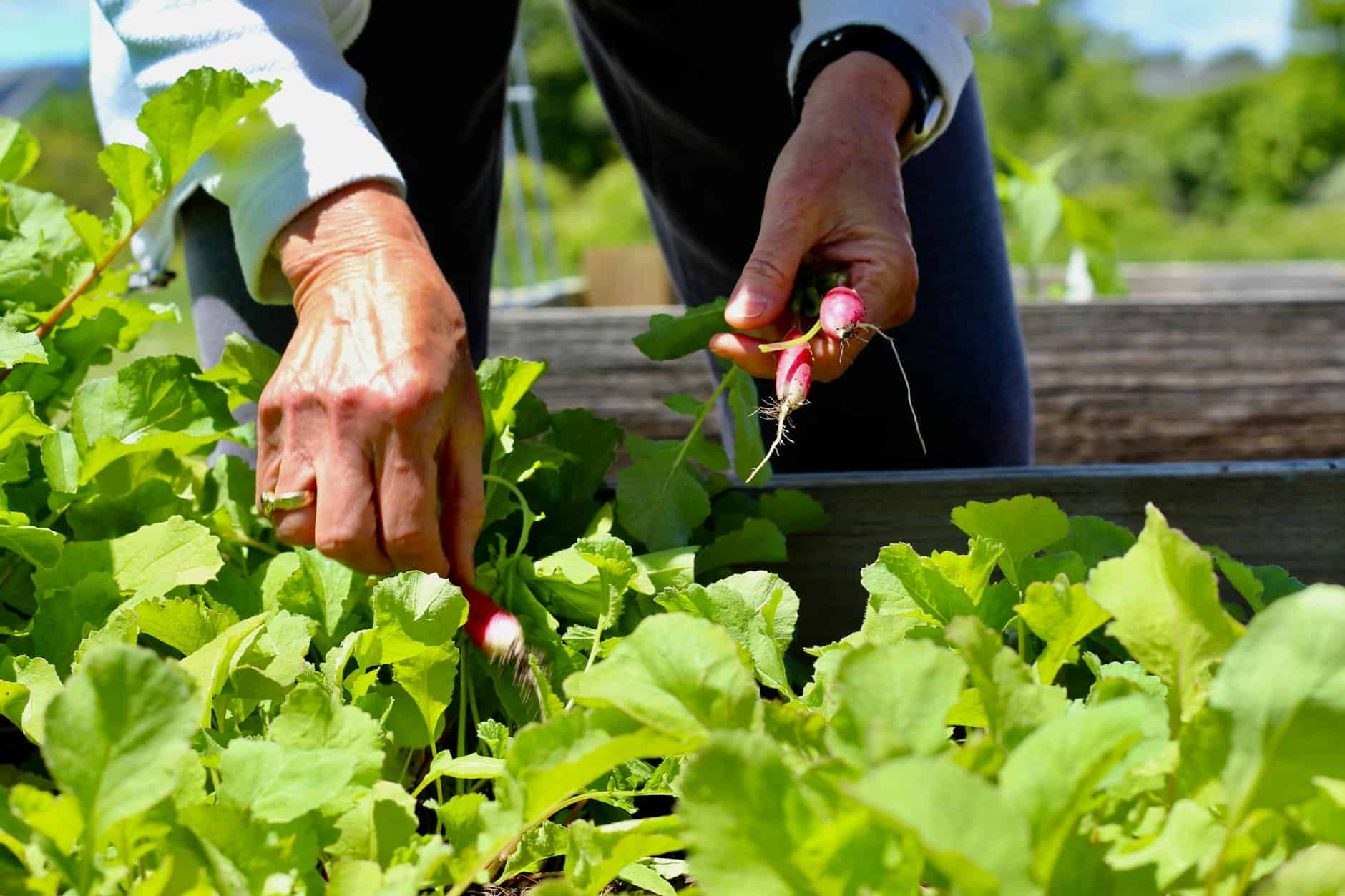
Many people dismiss organic food as a passing trend or a fad. However, the popularity of organic food has been steadily growing over the past few decades. Consumers are becoming more concerned about their health, the environment, and the welfare of farm animals, all of which are addressed by organic farming practices.
The increasing demand for organic food, along with advancements in organic farming techniques, suggests that it’s not just a trend but a long-term shift in how we approach food production.
7. Organic Farming is Only for Small Farms
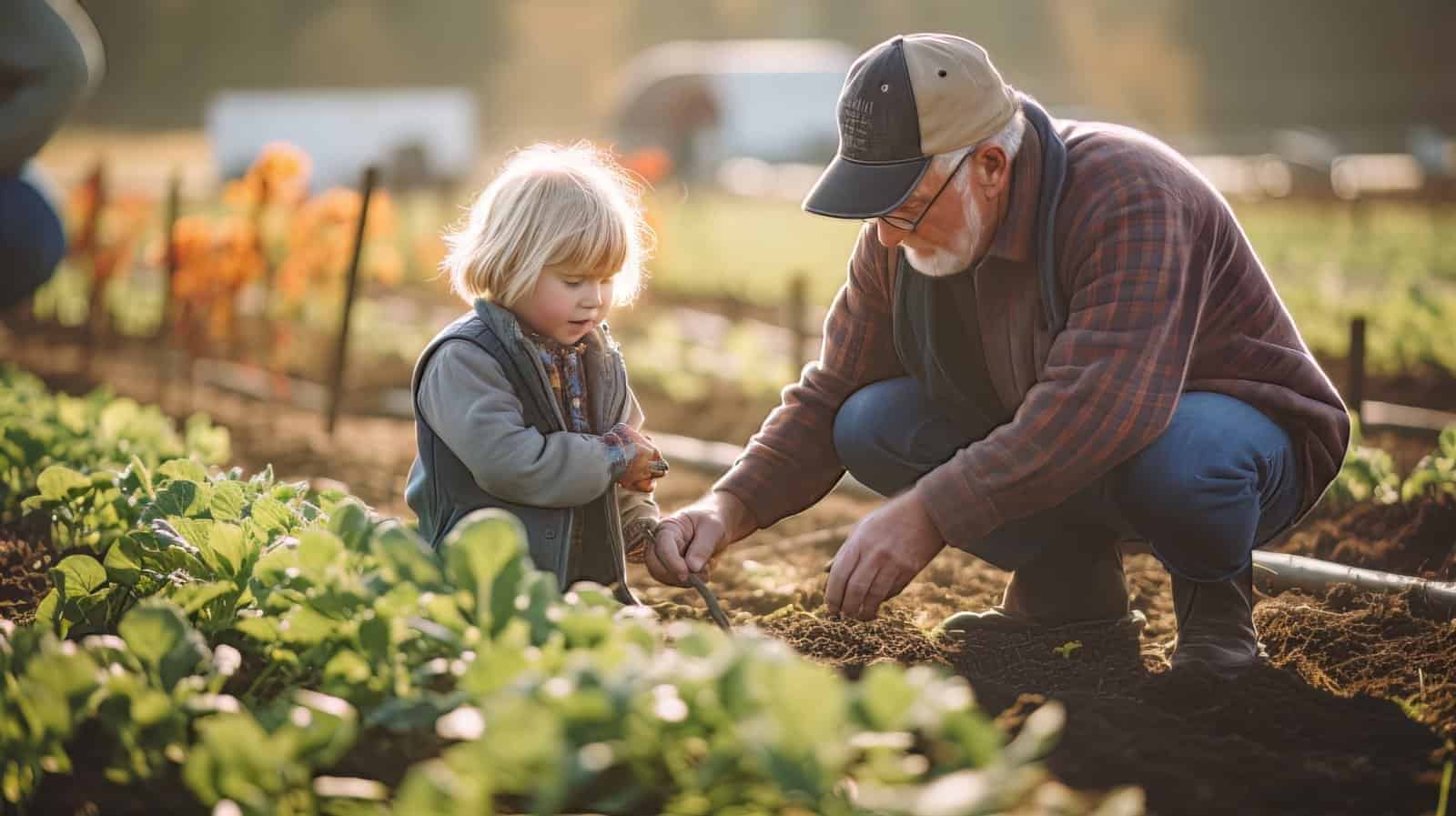
The myth that organic farming is only suitable for small farms is not true. Organic farming practices can be implemented on any scale, from a backyard garden to a large commercial farm.
While it’s true that transitioning to organic farming can be more challenging for larger farms due to the scale of operations, there are many successful examples of large-scale organic farms worldwide. These farms have shown that organic farming can be commercially viable and sustainable on a large scale.
8. Organic Farming is Less Productive

The belief that organic farming is less productive than conventional farming is a common myth. While it’s true that organic farming typically has lower yields initially, this is often offset by the benefits in the long term.
Organic farming practices improve soil health, increase biodiversity, and reduce dependency on synthetic inputs, leading to more sustainable and resilient farming systems. Over time, these benefits can lead to comparable or even higher productivity levels than conventional farming.
9. Organic Farming is Bad for the Environment
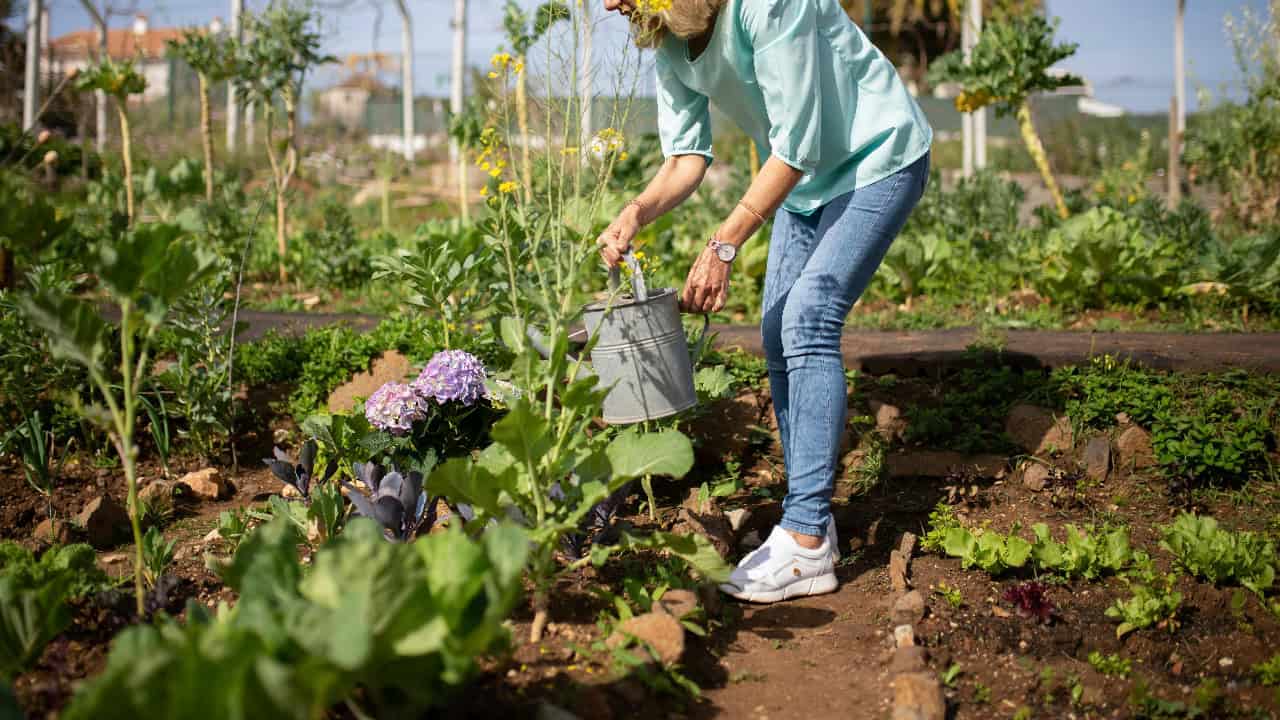
Some people believe that organic farming is bad for the environment because it uses more land and water than conventional farming. However, this is not an accurate representation of organic farming. Organic farming practices, such as crop rotation and cover cropping, improve soil fertility and water retention, reducing the need for irrigation and synthetic fertilizers.
Additionally, organic farming promotes biodiversity and reduces greenhouse gas emissions, making it a more sustainable option for the environment.
10. Organic Farming Doesn’t Use Fertilizers
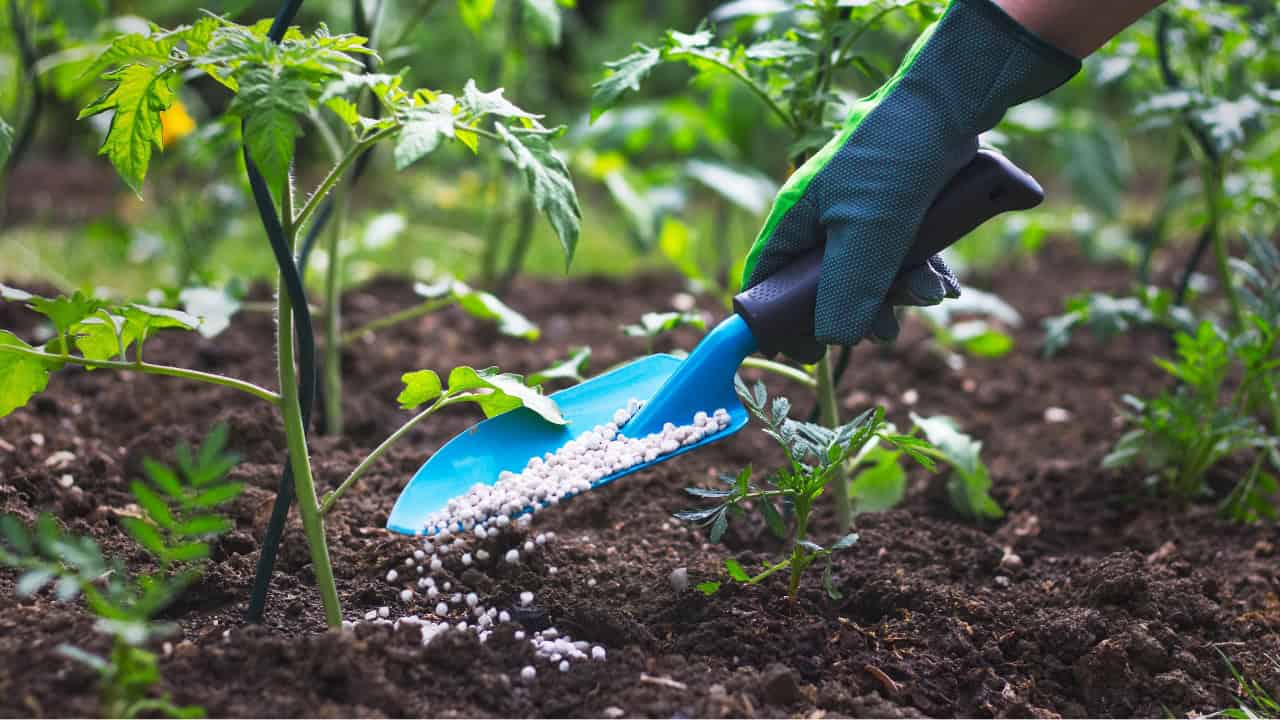
It’s a common misconception that organic farming doesn’t use any fertilizers. The truth is, organic farming does use fertilizers, but they are organic and naturally derived. These fertilizers include compost, manure, and green manure, which are not only safe for the environment but also improve soil structure and fertility.
In contrast, conventional farming often relies on synthetic fertilizers, which can degrade soil health and contaminate groundwater.
11. Organic Farming is Not Profitable

Many people believe that organic farming is not profitable due to the higher costs and lower yields. However, this is not necessarily true. While organic farming can have higher upfront costs and lower yields initially, it often results in lower costs and higher revenues in the long term.
Organic produce often fetches a higher price in the market due to increasing consumer demand. Additionally, organic farming practices improve soil health and reduce dependency on costly synthetic inputs, leading to lower costs over time.
12. Organic Farming is Labour Intensive

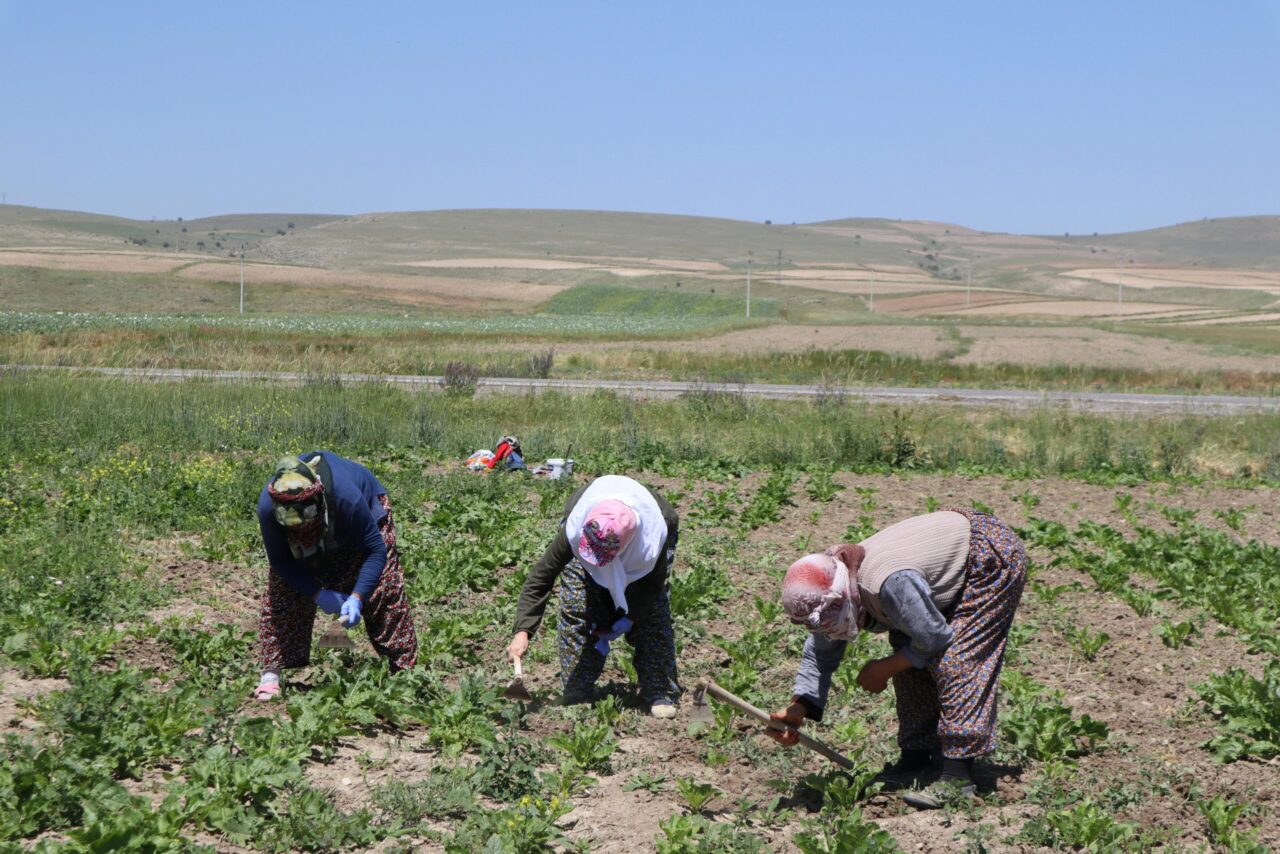
While it’s true that organic farming can be more labour intensive than conventional farming, this is not always a disadvantage. The additional labour often involves tasks that improve soil health and biodiversity, such as composting and cover cropping.
These practices not only create more sustainable farming systems but can also provide opportunities for employment in rural areas. Moreover, with advancements in farming technologies, many of these tasks can be mechanized or automated, reducing the labour intensity.
13. Organic Farming is Inefficient
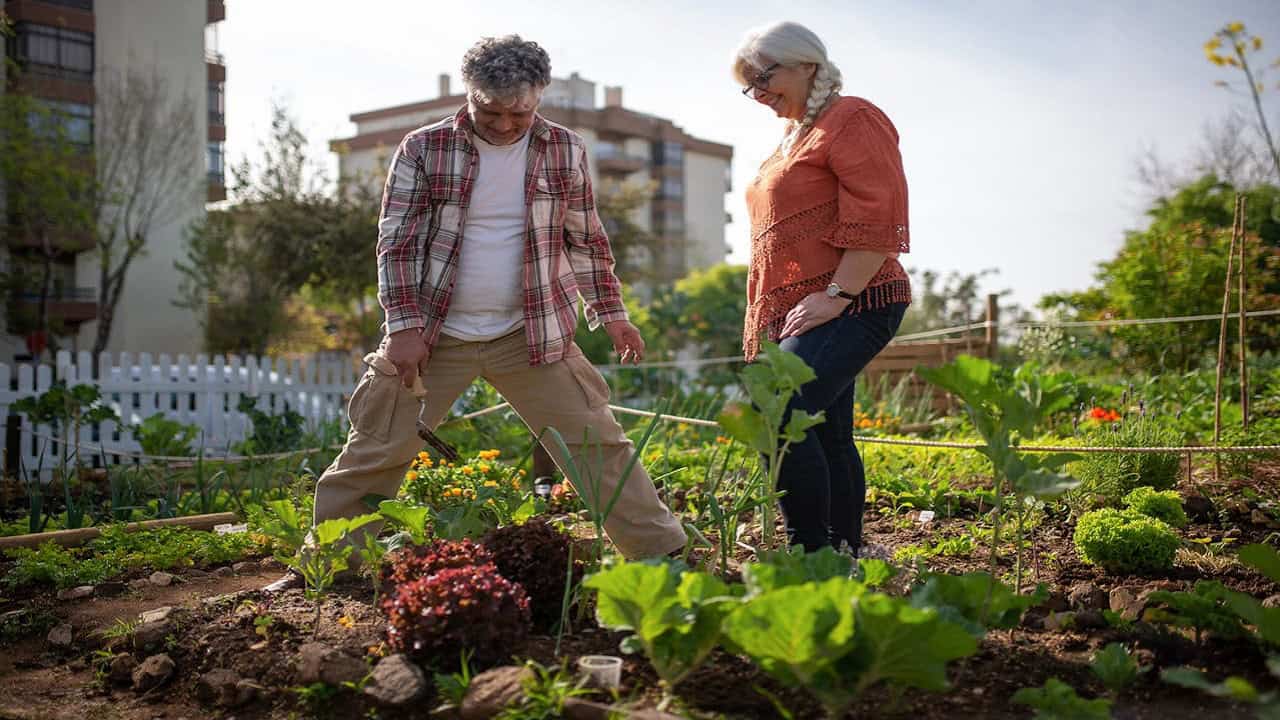
The belief that organic farming is inefficient stems from the misconception that it produces less food per acre than conventional farming. While organic farming may have lower yields initially, it often equals or surpasses conventional yields over time.
Organic farming practices improve soil health and fertility, leading to more resilient and productive farming systems. Moreover, organic farming reduces dependency on synthetic inputs and promotes biodiversity, making it a more efficient and sustainable approach to food production.
14. Organic Farming is a Luxury
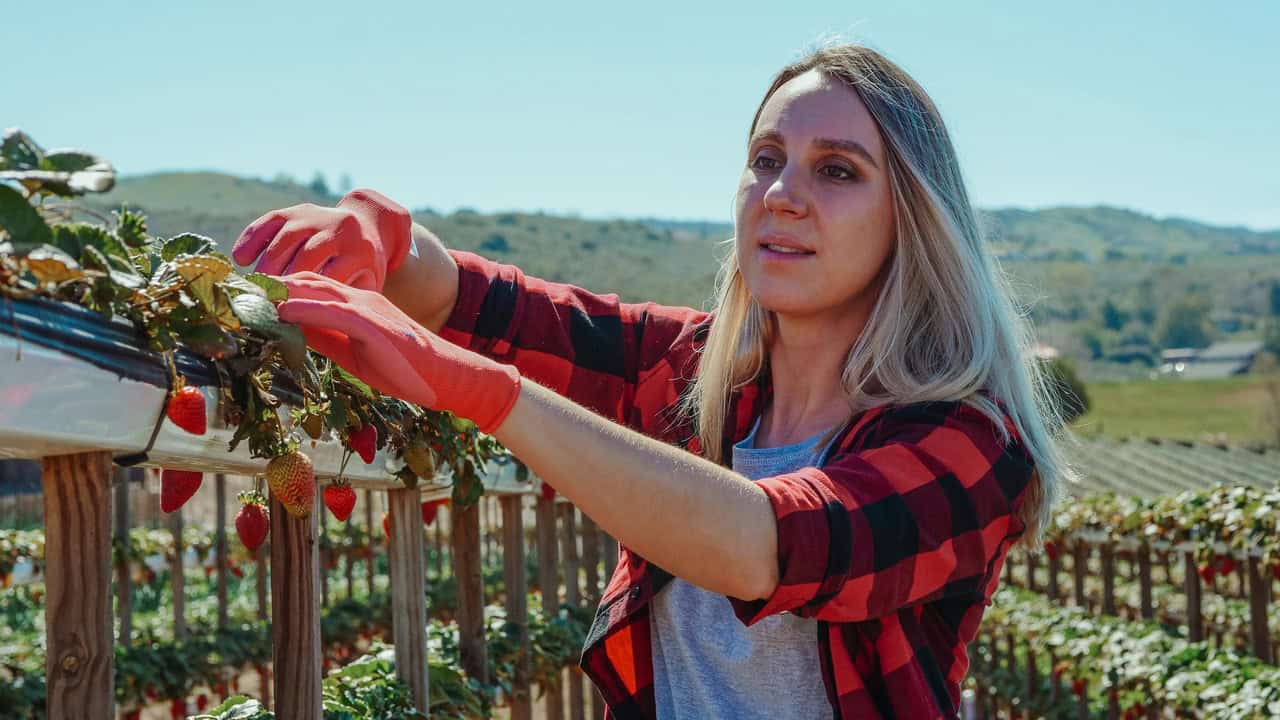
Many people view organic farming as a luxury that only the affluent can afford. However, this is not necessarily true. While organic produce can be more expensive than conventionally grown produce, the price difference is often justified by the higher production costs and the social and environmental benefits of organic farming.
Furthermore, the cost of organic produce can be reduced through local and seasonal buying, home gardening, and community-supported agriculture (CSA) programs.
15. Organic Farming is Not Regulated

The myth that organic farming is not regulated is not true. In many countries, organic farming is heavily regulated to ensure that it meets certain standards. For example, in the United States, the USDA’s National Organic Program sets the standards for organic farming and certifies farms that meet these standards.
These regulations cover everything from soil and water quality to animal welfare and pesticide use, ensuring that organic farming is truly organic.
16. Organic Farming is Hard

Many people are intimidated by the idea of organic farming because they believe it’s hard. While organic farming does require a certain level of knowledge and commitment, it’s not necessarily harder than conventional farming. In fact, many organic farming practices, such as composting and cover cropping, are simple and straightforward. With the right resources and guidance, anyone can learn how to grow organic produce.
17. Organic Farming is Old-Fashioned

Some people view organic farming as old-fashioned or outdated. However, this couldn’t be further from the truth. Organic farming is not about going back to the past, but about moving forward with sustainable and responsible farming practices. Organic farming combines traditional knowledge with modern science and technology to create farming systems that are productive, sustainable, and resilient.
18. Organic Farming Doesn’t Use Modern Technology

It’s a common misconception that organic farming doesn’t use modern technology. While it’s true that organic farming avoids certain technologies, like genetic modification, it embraces many other technologies. These include innovations in composting, irrigation, pest management, and machinery. These technologies can make organic farming more efficient, productive, and sustainable.
19. Organic Farming is Only About Growing Food
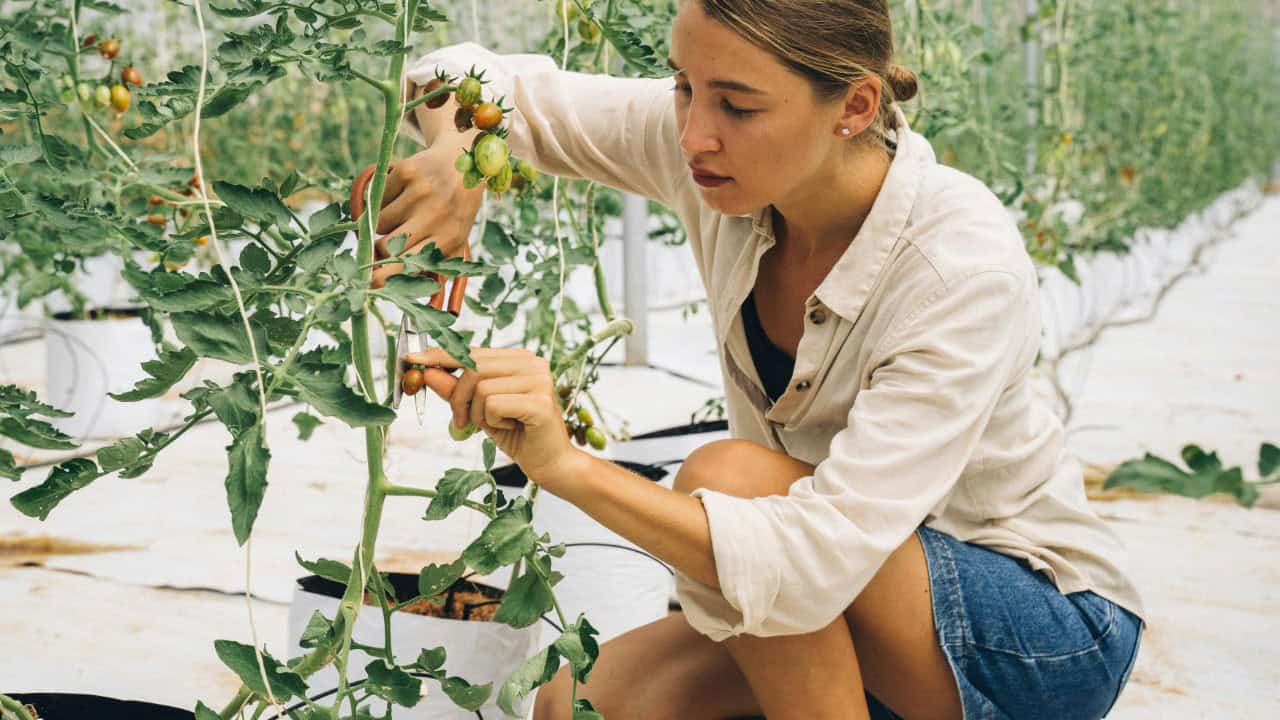
Many people think that organic farming is only about growing food. However, organic farming is about much more than that. It’s about creating a healthy and sustainable food system that respects the environment and promotes biodiversity. It’s about taking care of the soil, the water, and the wildlife. It’s about providing good jobs and fair wages for farm workers. In other words, organic farming is not just about what we grow, but how we grow it.
20. Organic Farming is a Niche Market
The belief that organic farming is a niche market is becoming increasingly outdated. The organic food market has been growing rapidly over the past few decades and is expected to continue growing in the future. This growth is driven by increasing consumer awareness and demand for healthy and sustainable food options. Moreover, with the rise of urban farming and home gardening, organic farming is becoming more accessible and mainstream.