Growing the right plants next to your hydrangeas can make your garden more beautiful and healthy. When you pick good companion plants, they work together to attract helpful insects and create stunning color combinations. Many plants that like the same growing conditions as hydrangeas make perfect garden partners.
Begonias
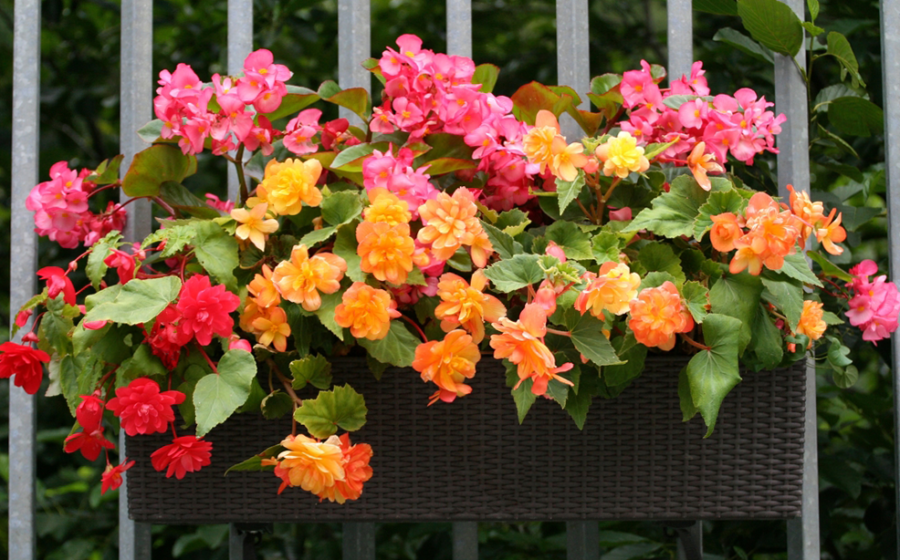
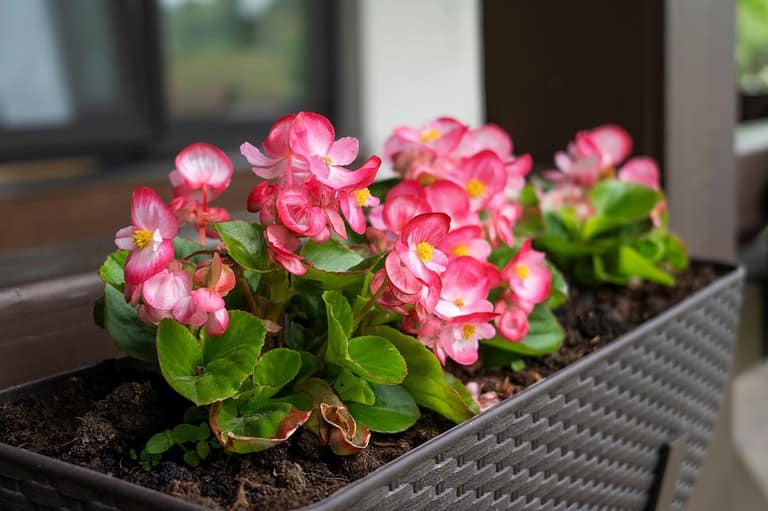
Begonias work well with hydrangeas because they both enjoy shady garden spots. These plants produce masses of colorful flowers that bloom all summer long. They are very easy to care for and often come back on their own each year. They fill spaces between hydrangea bushes with pretty colors.
Advertisement
Geranium Rozanne
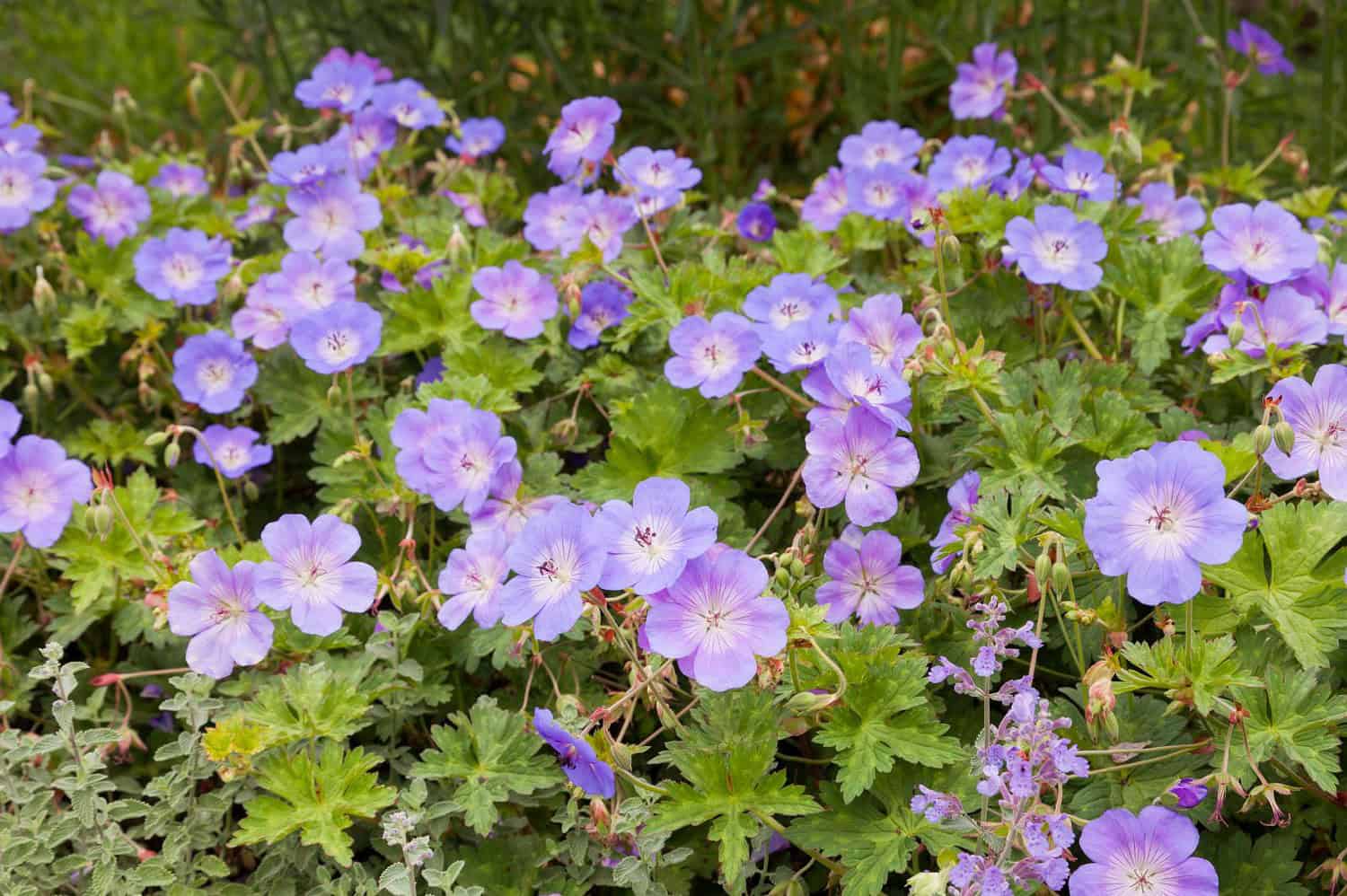
Geranium Rozanne plants spread out to create a carpet of purple-blue flowers from early summer until fall. They naturally keep weeds away by covering the ground densely in your garden. These plants stay green most of the year and do not attract deer or rabbits. This makes them perfect hydrangea companions.
Boxwood
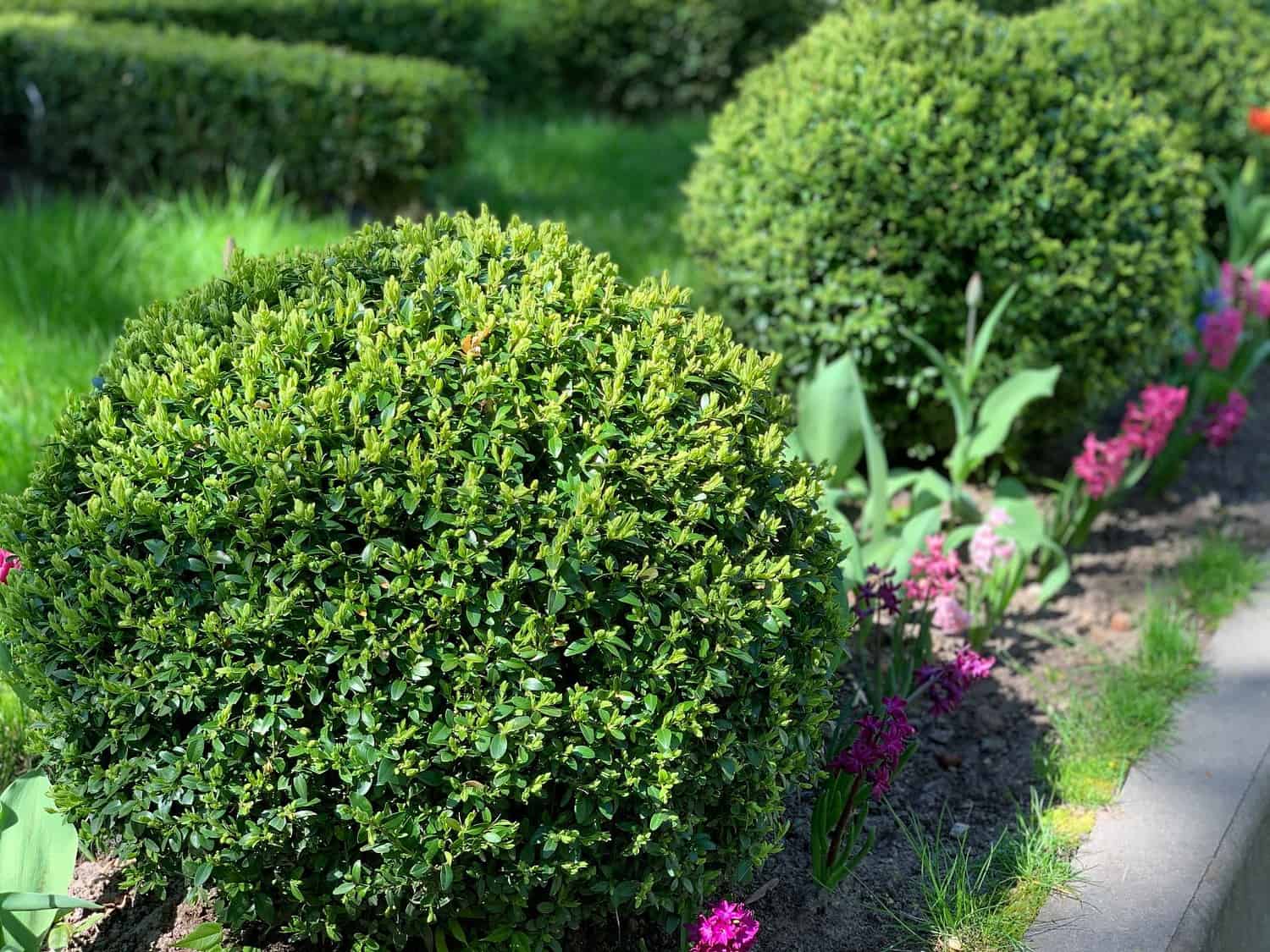
Boxwood shrubs provide your garden with year-round structure and support for hydrangeas. Their dense, evergreen leaves create a clean backdrop that makes hydrangea flowers stand out more. These long-living shrubs need soil conditions similar to hydrangeas and help protect them from strong winds.
Double Reeves Spirea
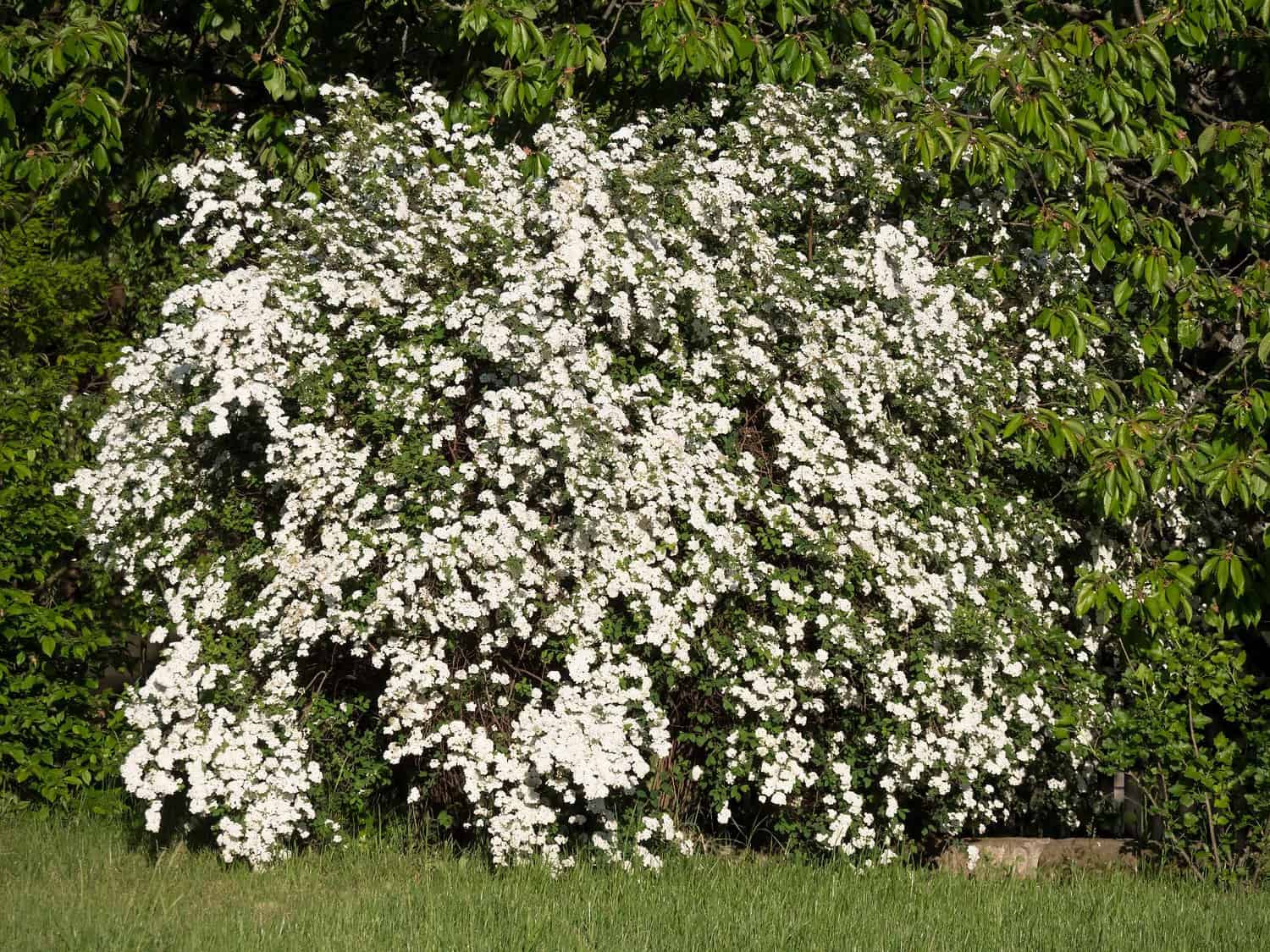
Double reeves spirea grows into a full bush covered with clusters of small white flowers. It grows tall enough to shade hydrangeas that need protection from hot sun. Butterflies love visiting these bushes. This helps bring more pollinators to your whole garden.
Alliums
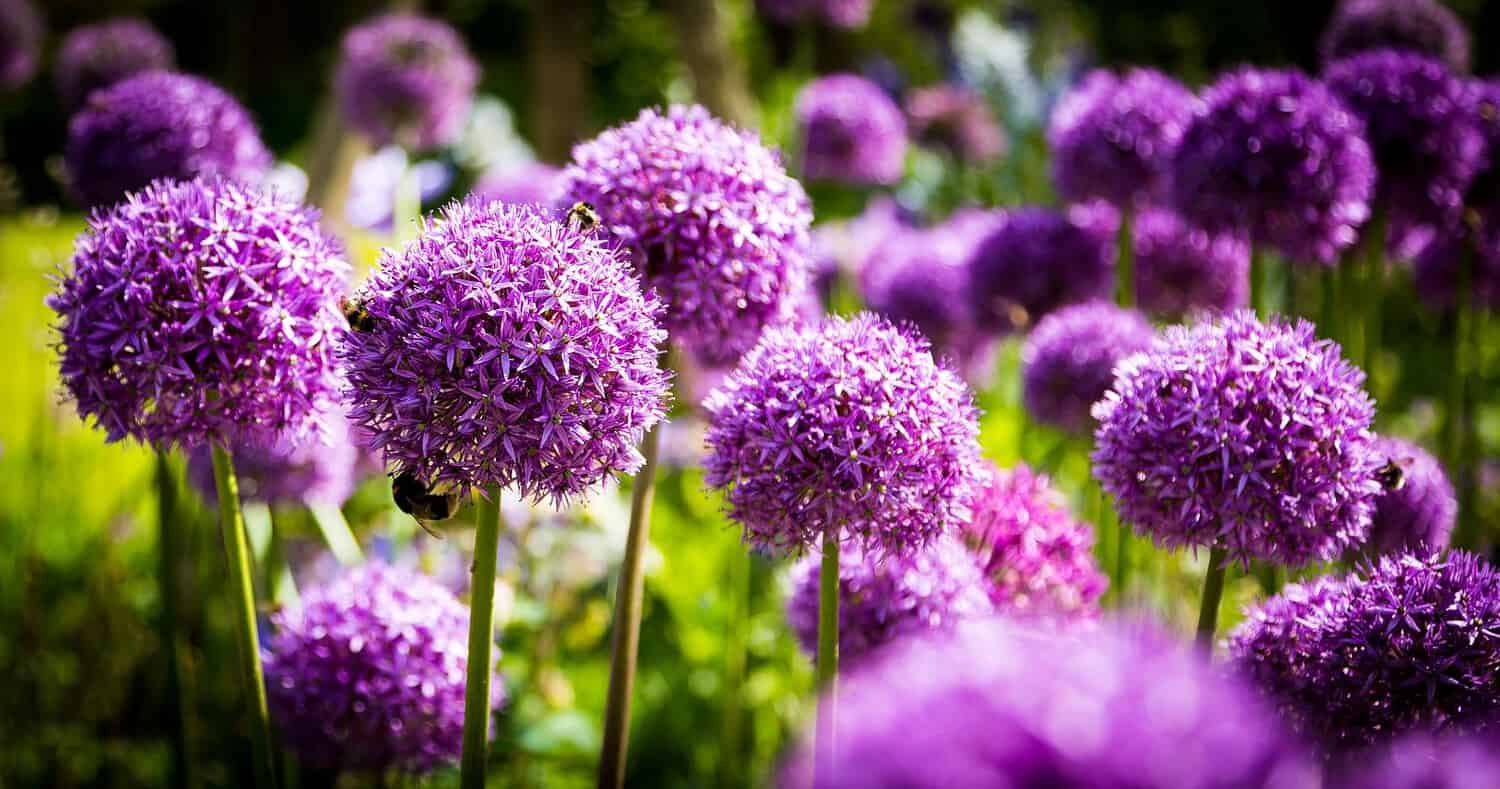
Alliums add height and interest to your hydrangea garden with their round flower heads on tall stems. These onion family members naturally keep away garden pests that might bother your hydrangeas. Their purple blooms look particularly striking next to pink or white hydrangea flowers, and they come back reliably each year.
Hellebore
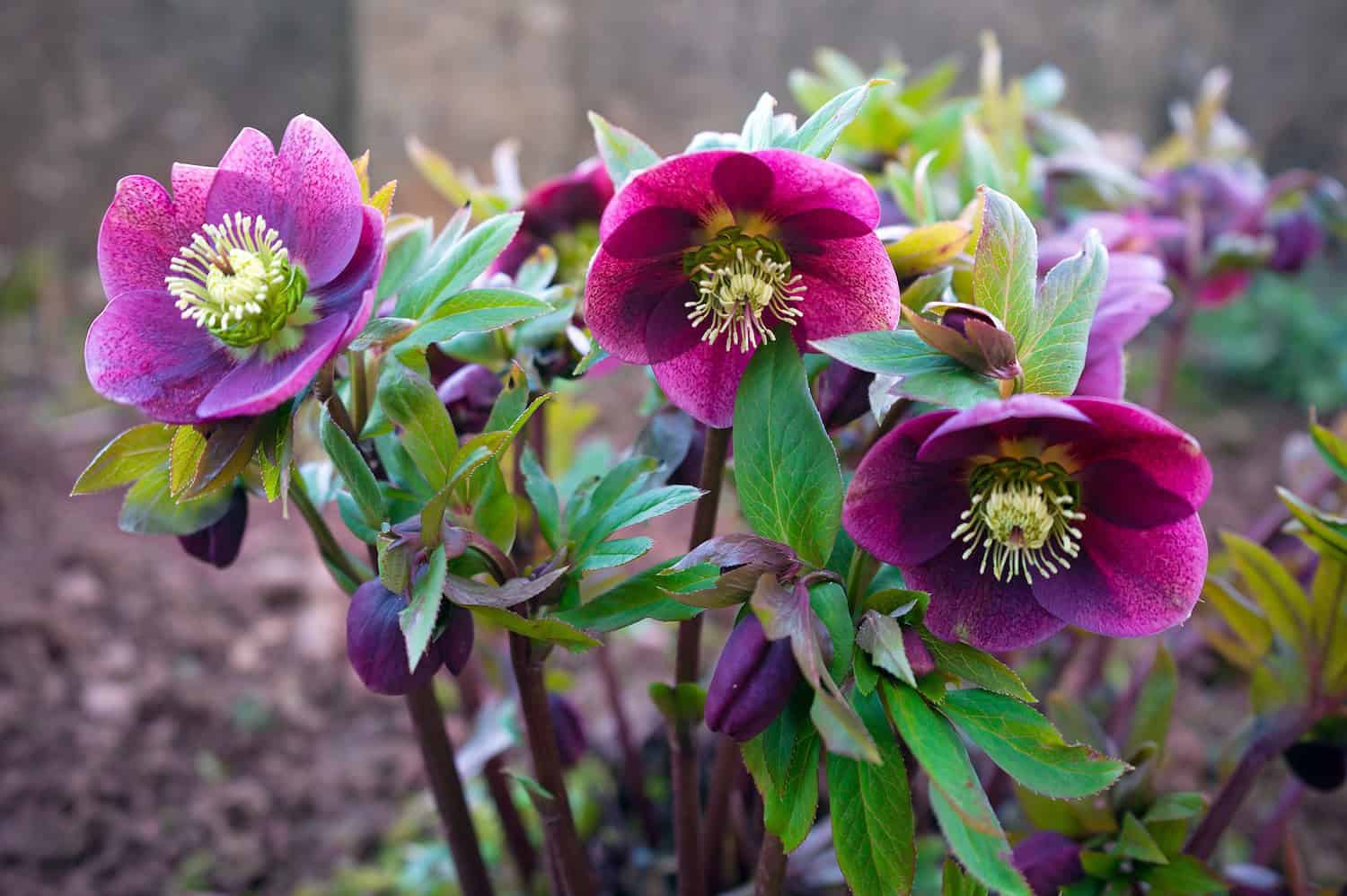
Hellebores are perfect companions because they bloom earlier than hydrangeas, usually between December and April. These early bloomers, sometimes called Lenten roses, keep your garden colorful when hydrangeas are still waking up from winter. They handle shady spots well and like the same rich, moist soil that hydrangeas enjoy.
Daylilies
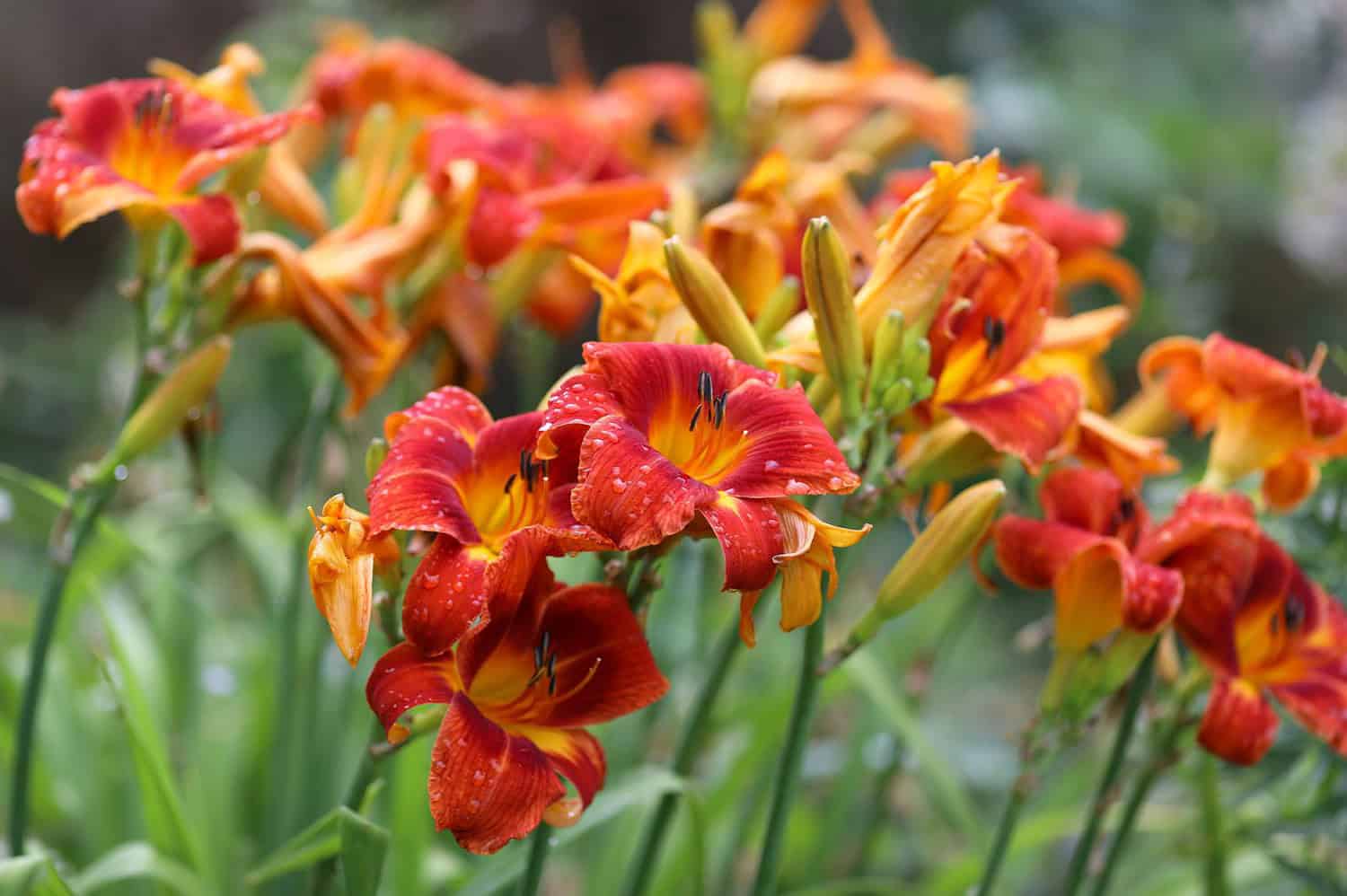
Daylilies are excellent neighbors for hydrangeas because they bring bold splashes of color to your garden. Their flowers come in warm shades of red, orange, yellow, and purple that look stunning next to blue or white hydrangeas. These easy-care plants need similar amounts of water as hydrangeas and will bloom all summer.
Ferns
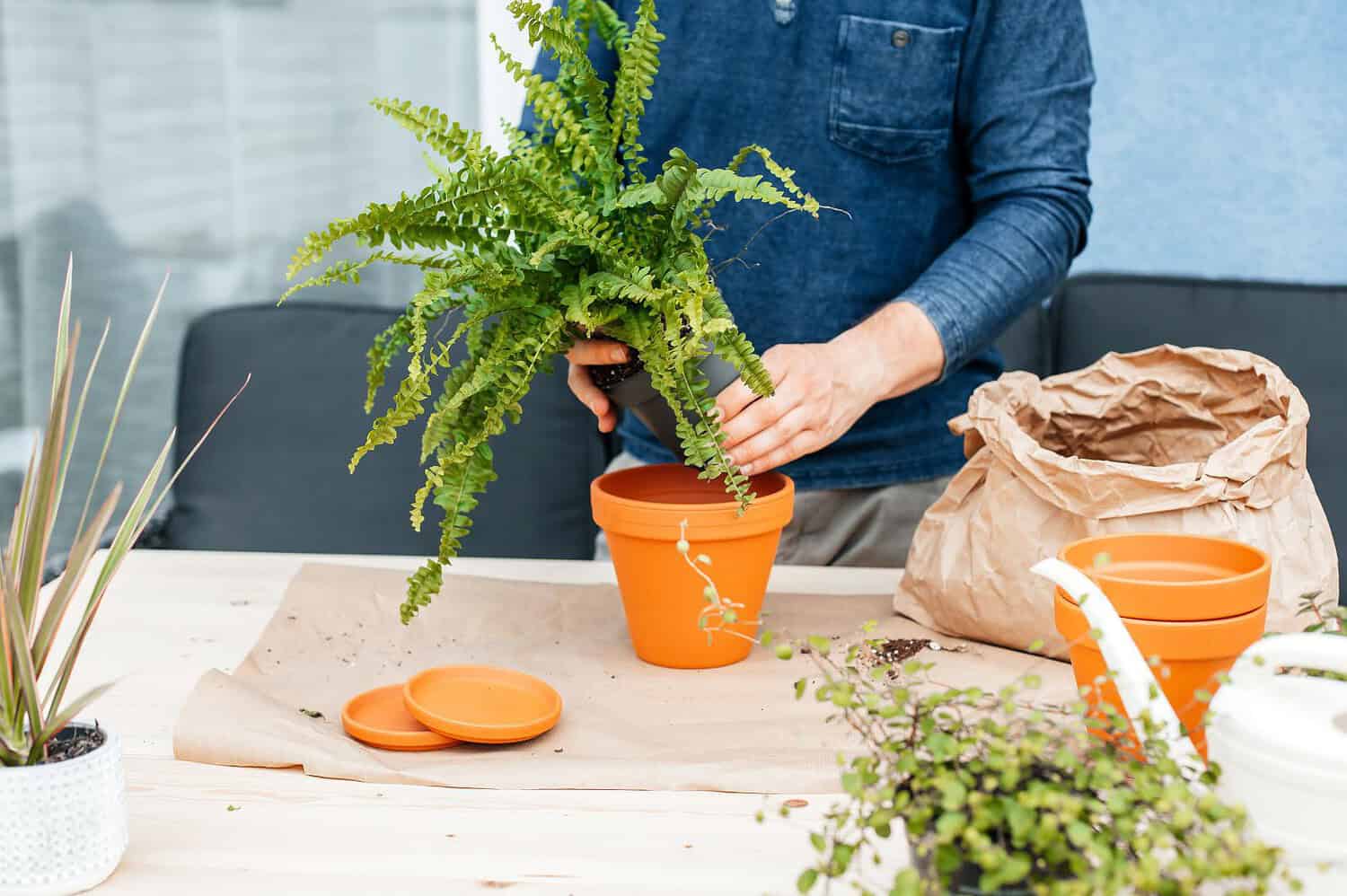
Ferns add texture and green color around hydrangeas even when the flowers aren’t blooming. Their feathery leaves create a woodland garden feel and look natural growing beneath hydrangea bushes. These shade-loving plants keep the soil cool and moist, which helps hydrangeas grow better.
Purple Coneflower

These flowers have deep roots that help break up soil, making it better for hydrangeas to grow. Their purple-pink flowers with orange centers attract lots of butterflies and bees. Purple coneflower blooms all summer long and can handle both sunny and partly shady spots.
Astilbe

Astilbe plants create feathery arrangements of flowers that contrast beautifully with hydrangea blooms. These plants love shades and produce pink, red, white, or purple flowers that look like soft feathers rising above their ferny leaves. They need the same, moist, rich soil that hydrangeas enjoy. This makes them natural garden partners.
Hosta
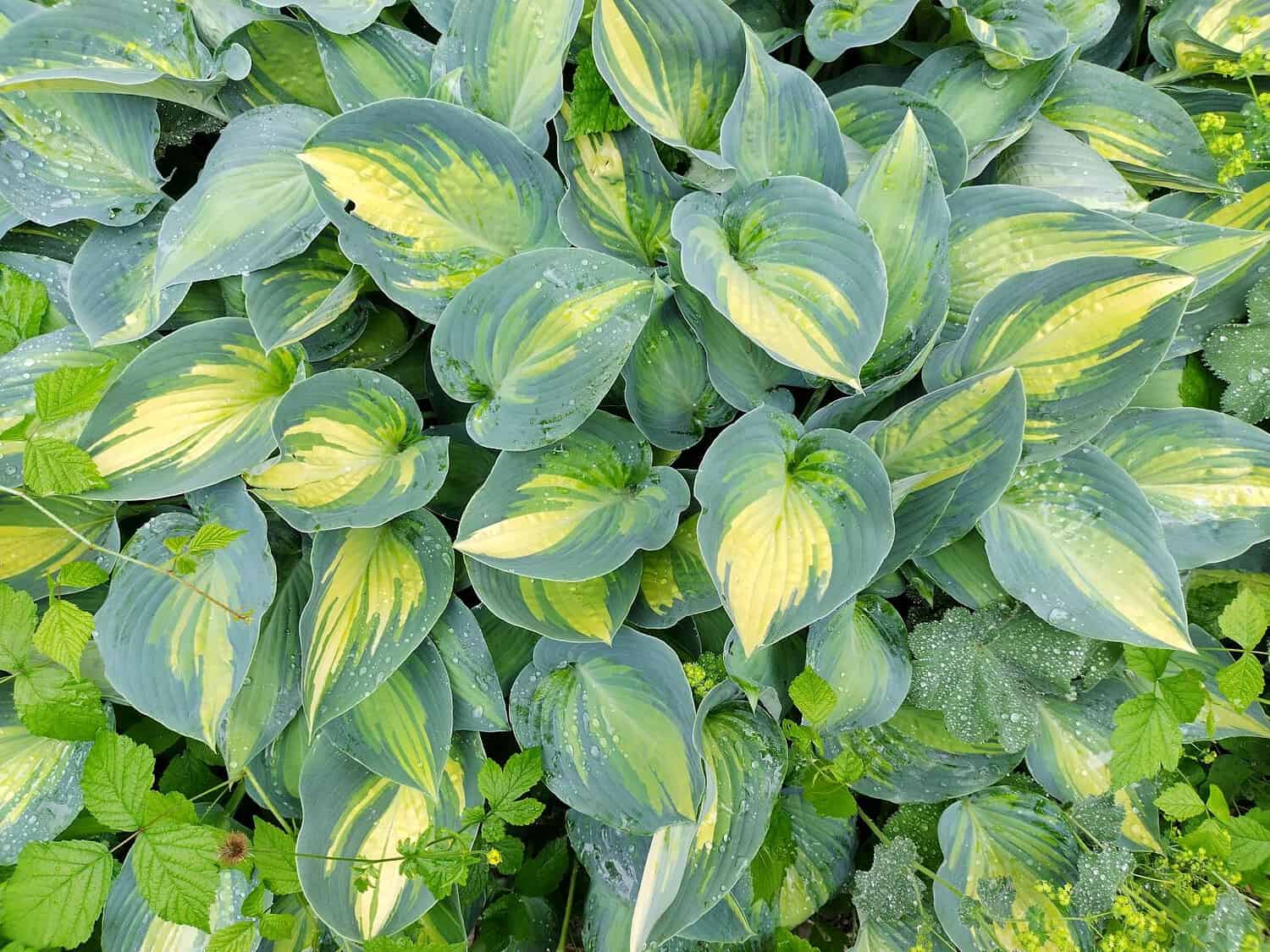
This plant naturally complements hydrangeas. Their large, leafy foliage fills empty spaces between hydrangea bushes, and their small purple flowers add extra color during summer. These hardy plants need very little care and return year after year, making them reliable companions for your garden.
Japanese Maple
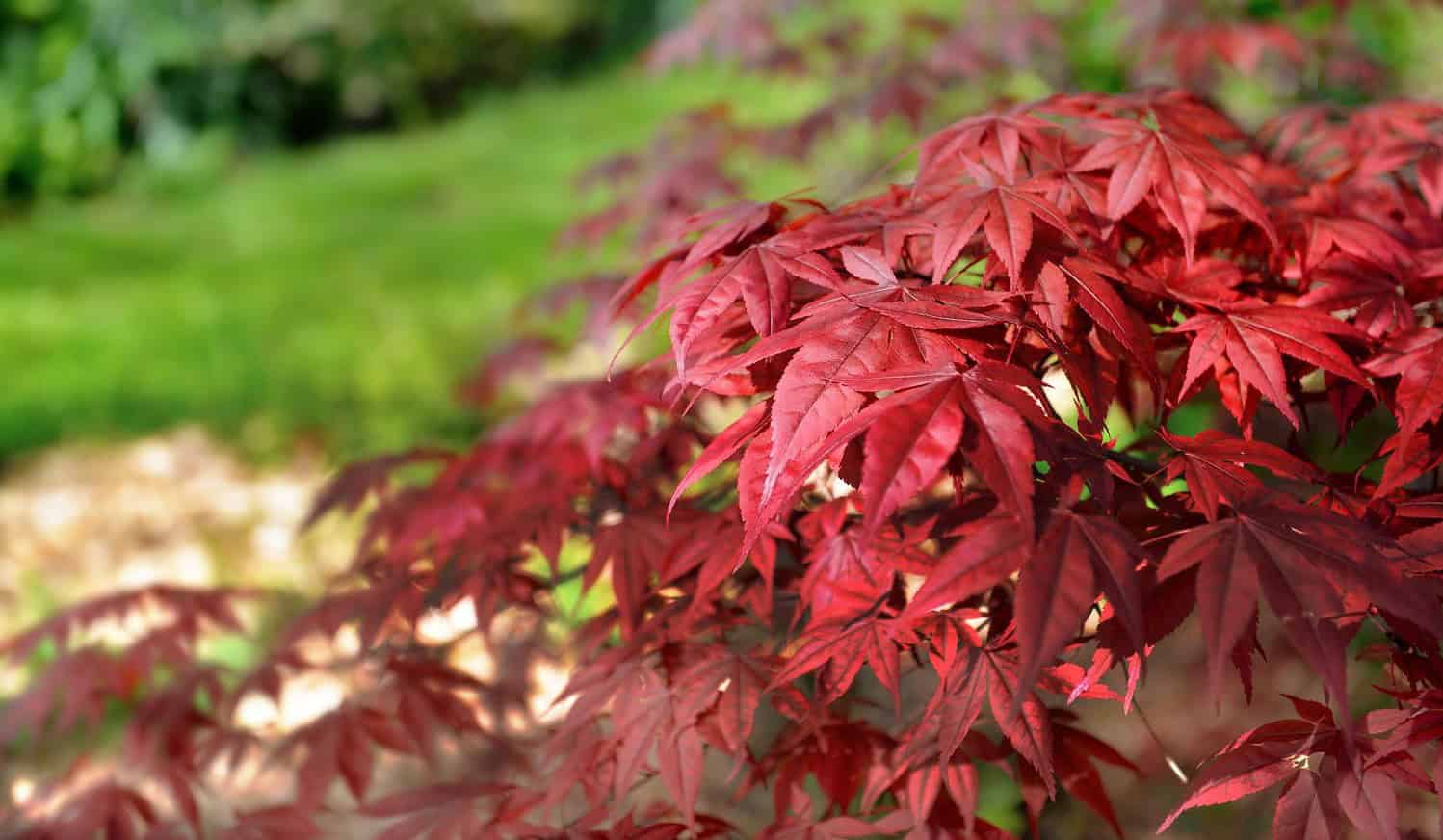
Japanese maple trees make the perfect partners for hydrangeas in rain gardens. Their delicate leaves provide just the right amount of shade that many hydrangeas need. The maple’s colorful leaves, which can be red, purple, or orange create a beautiful contrast with hydrangea flowers all season long.
Nepeta
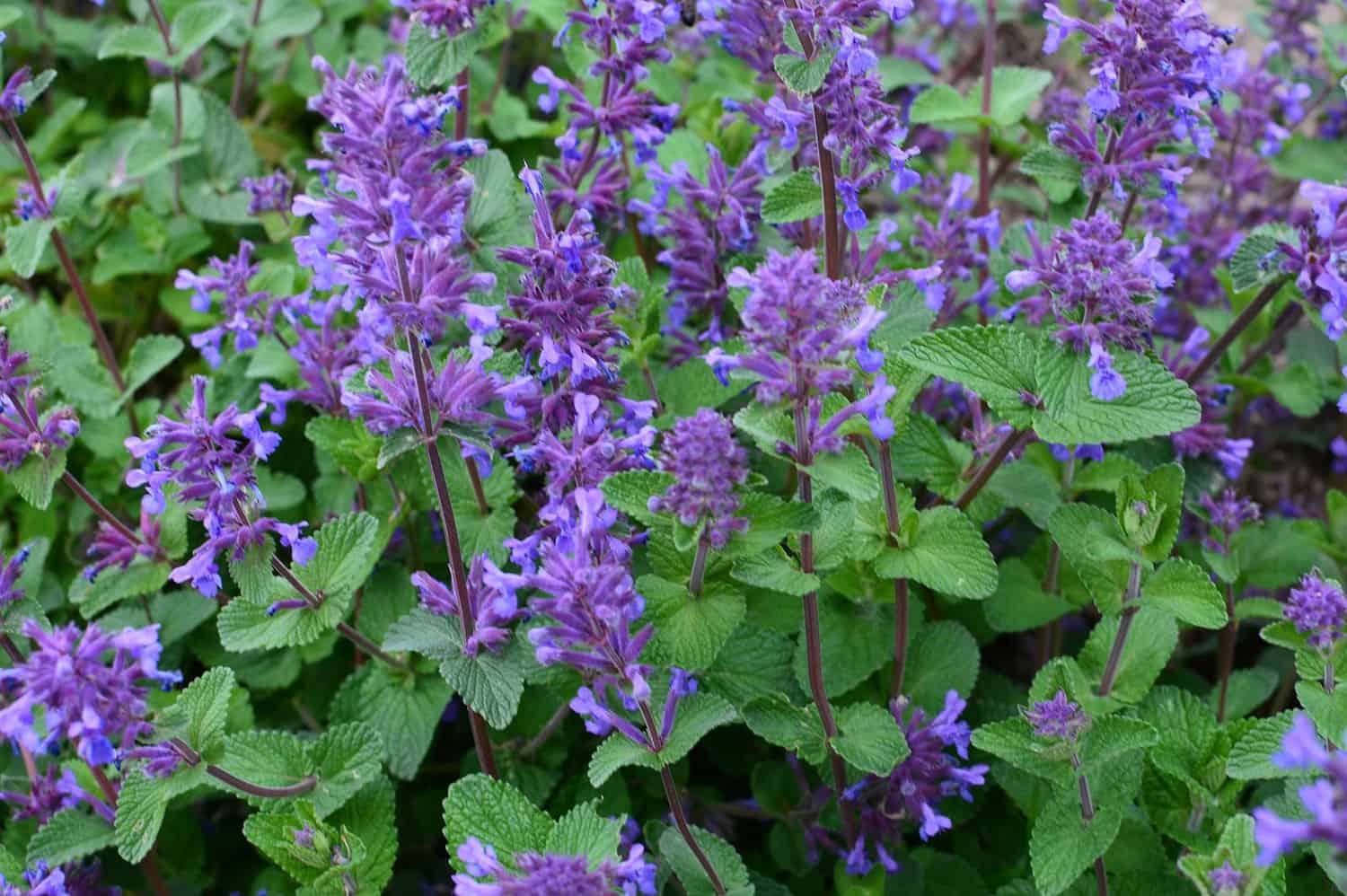
Nepeta, commonly known as catmint, grows well near hydrangeas in sunny gardens. Its gray-green leaves and purple flowers smell nice and keep away harmful insects. This plant spreads naturally to fill empty spaces in your garden and stays neat-looking all season long.
Anise Hyssop
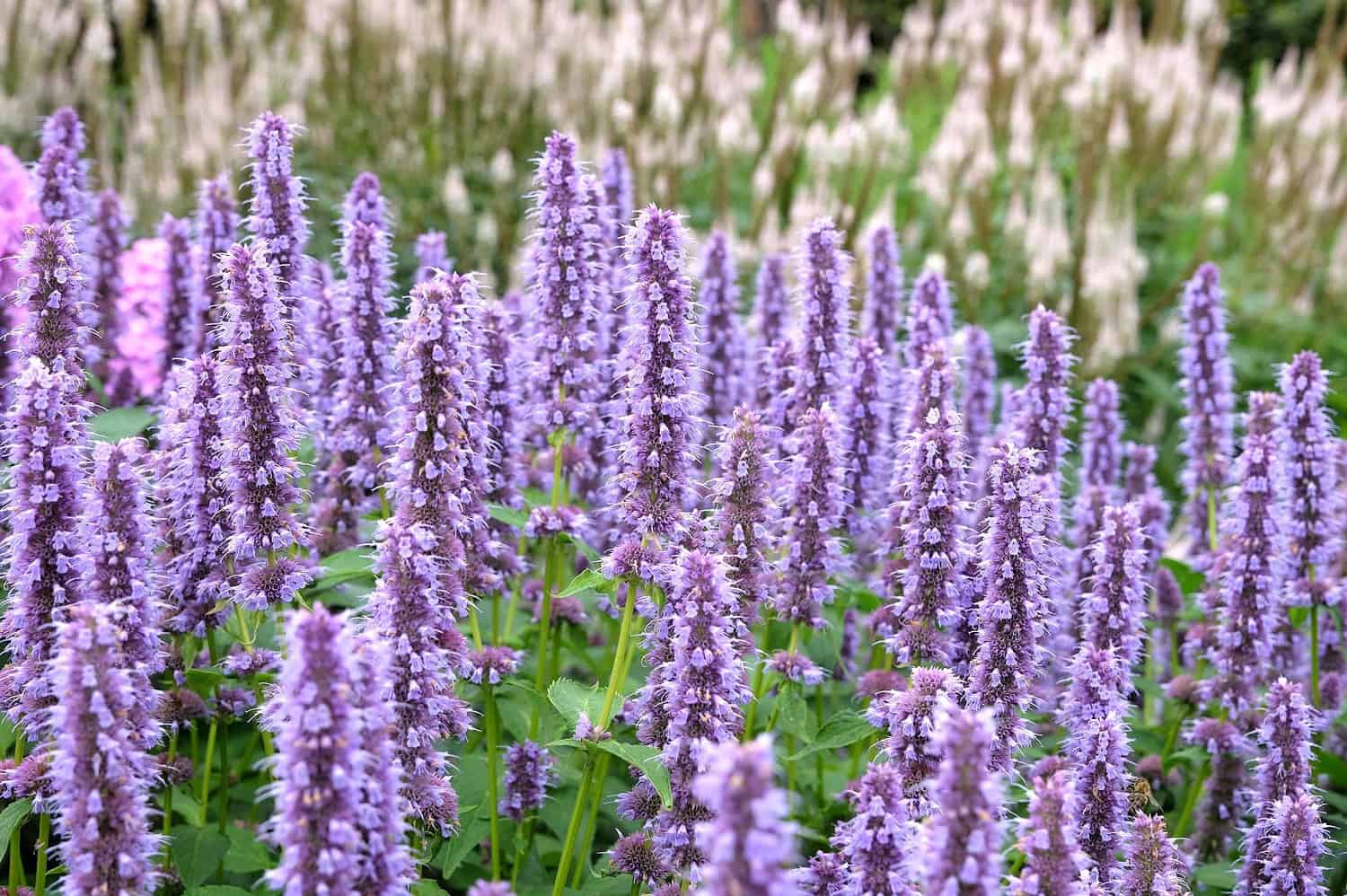
Anise hyssop plants grow tall spikes of blue flowers that attract butterflies and hummingbirds to your garden. They stand straight without needing stakes and bloom for a long time. These sturdy plants naturally keep away garden pests while making your hydrangea garden more lively with helpful pollinators.
Coral Bells
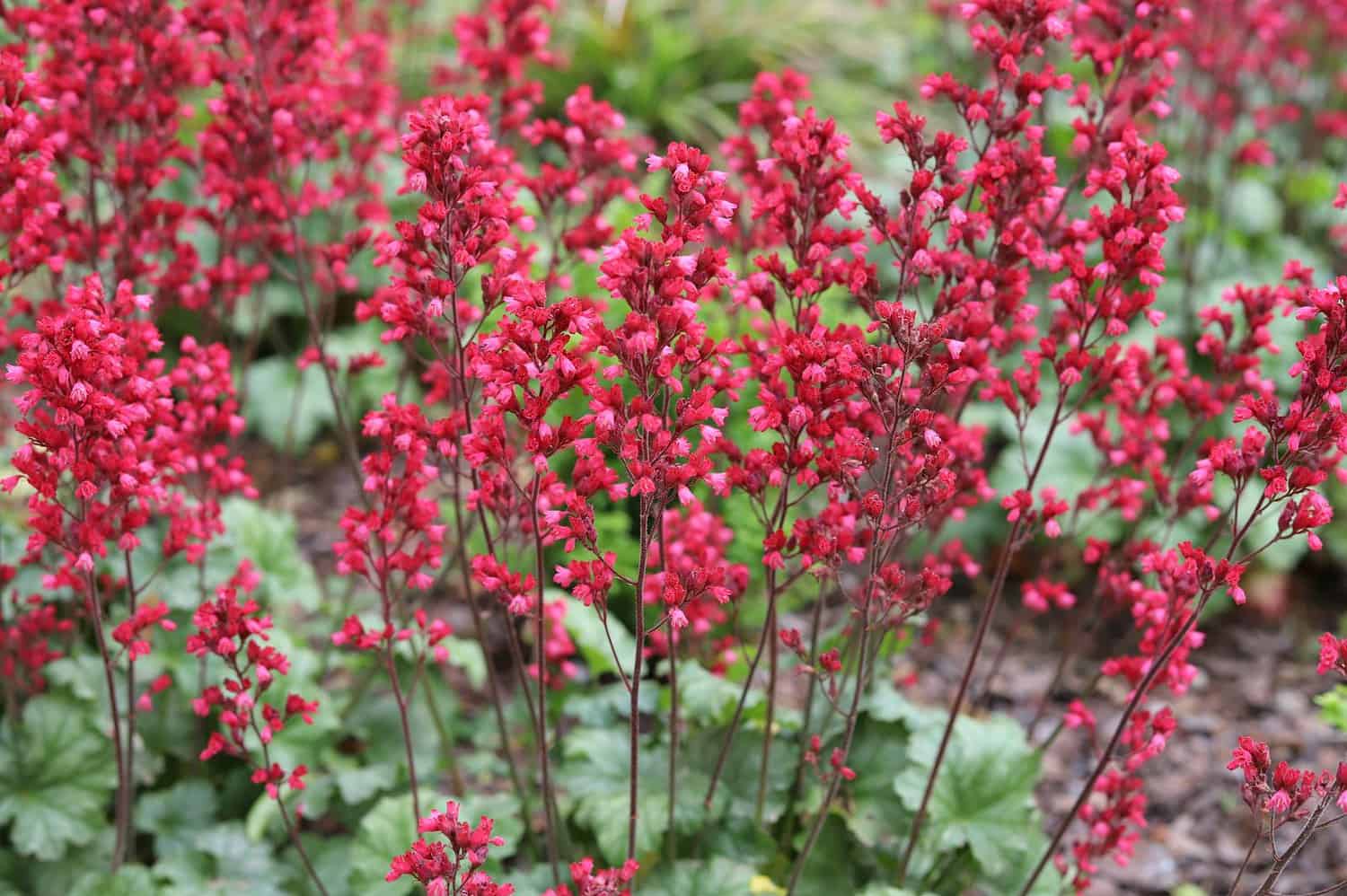
Coral bells offer colorful leaves and tiny bell-shaped flowers that complement hydrangeas perfectly. They spread slowly to cover empty ground, naturally stopping weeds from growing. Their leaves come in many colors, from deep purple to bright orange. They add color and a beautiful look to your garden throughout the growing season.
Lamb’s Ear
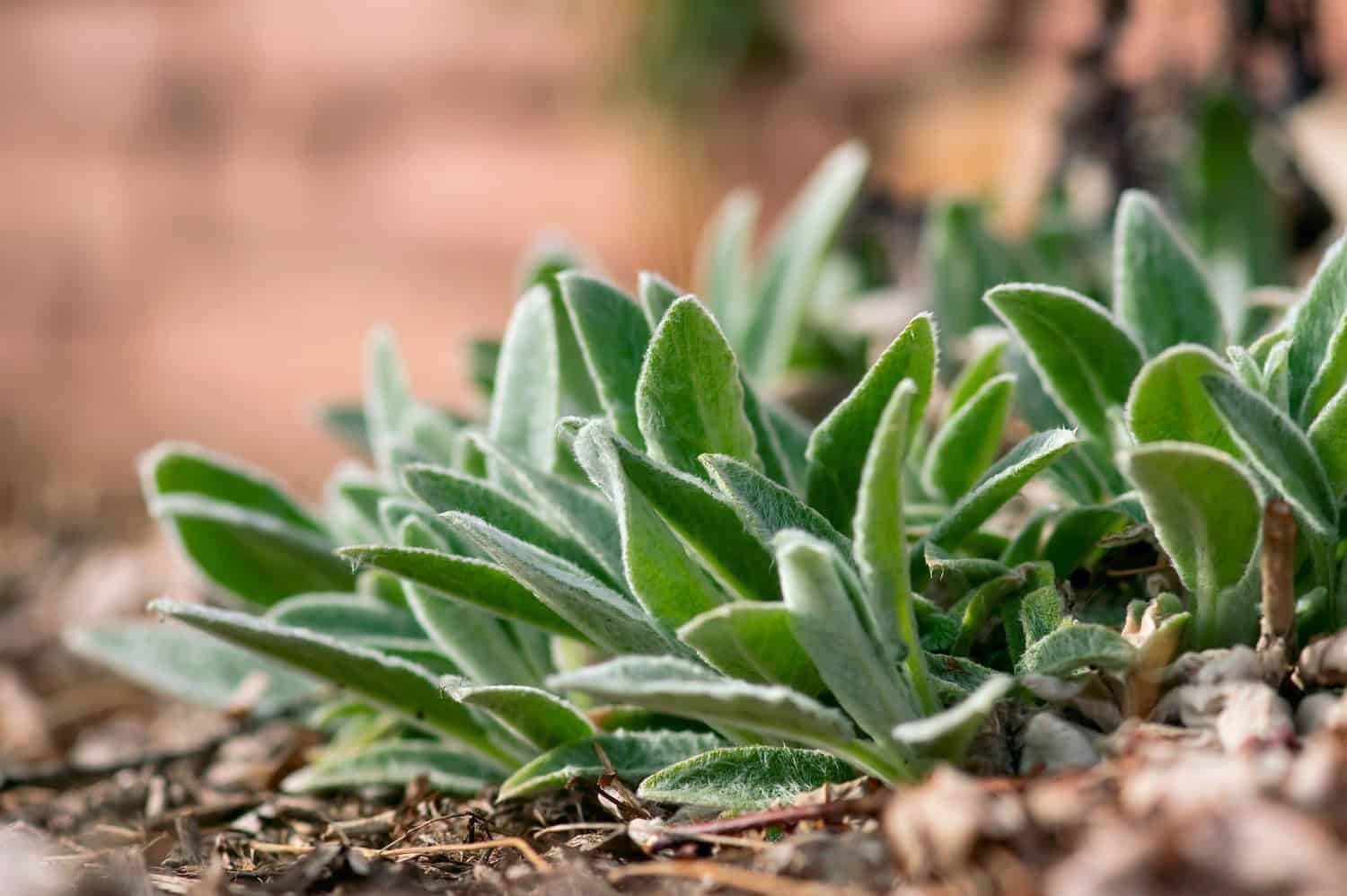
Lamb’s ear plants create soft, silvery ground cover around the hydrangeas. Their fuzzy leaves feel like velvet and spread quickly to fill empty spaces. Their easy-growing plants can handle both sun and shade. It makes these plants flexible companions for different types of hydrangea.
Heuchera
Heuchera plants offer beautiful leaves in colors from deep purple to bright lime green. It makes them perfect for adding color near hydrangeas. These low-growing plants create an attractive ground cover around hydrangea bushes. They work especially well with dark-leaved hydrangea varieties. It creates layers of interesting colors in your garden.
Prairie Dropseed
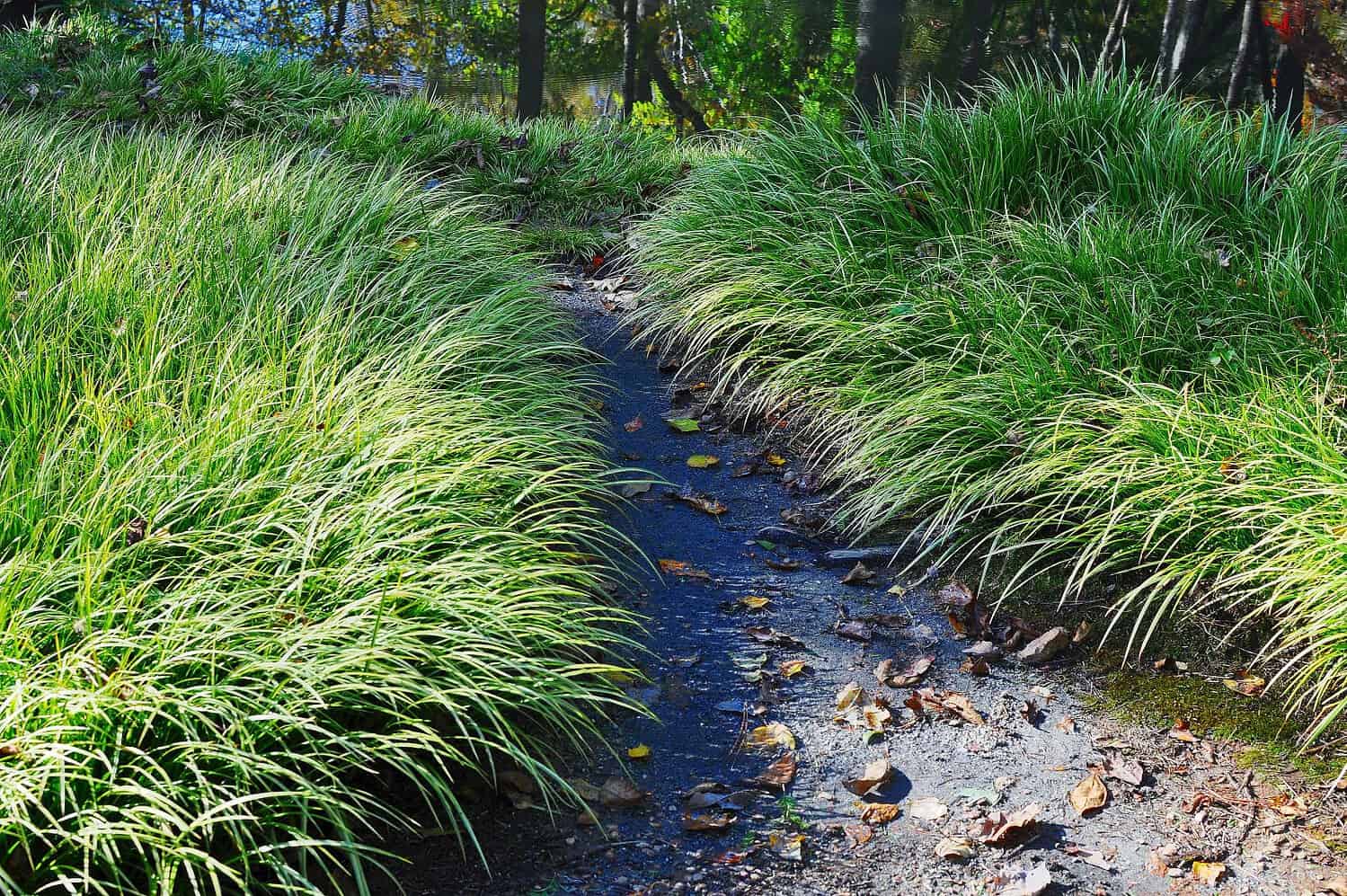
This dropseed grass adds flowing movement to your hydrangea garden. Its thin leaves make clumps that wave in the breeze. It produces seeds that birds love to eat. This grass smells like warm spices and looks beautiful even in winter.
Clematis
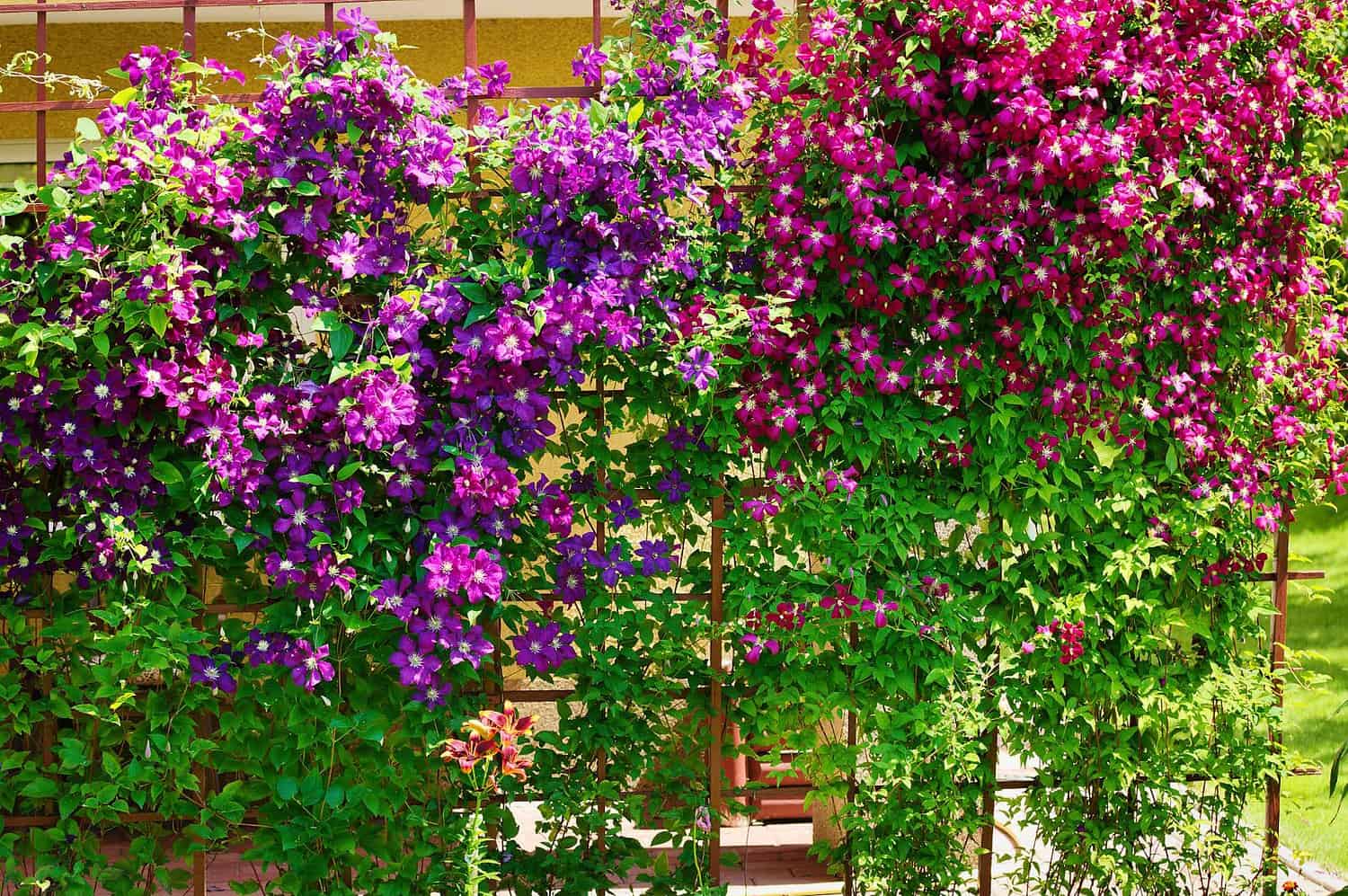
Clematis vines grow beautifully behind hydrangeas when you give them a trellis for support. These climbing plants produce large flowers in purple, pink, white, red, and blue colors. They grow tall and full, creating a living wall of flowers that make hydrangeas stand out even more in your garden.
Petunias
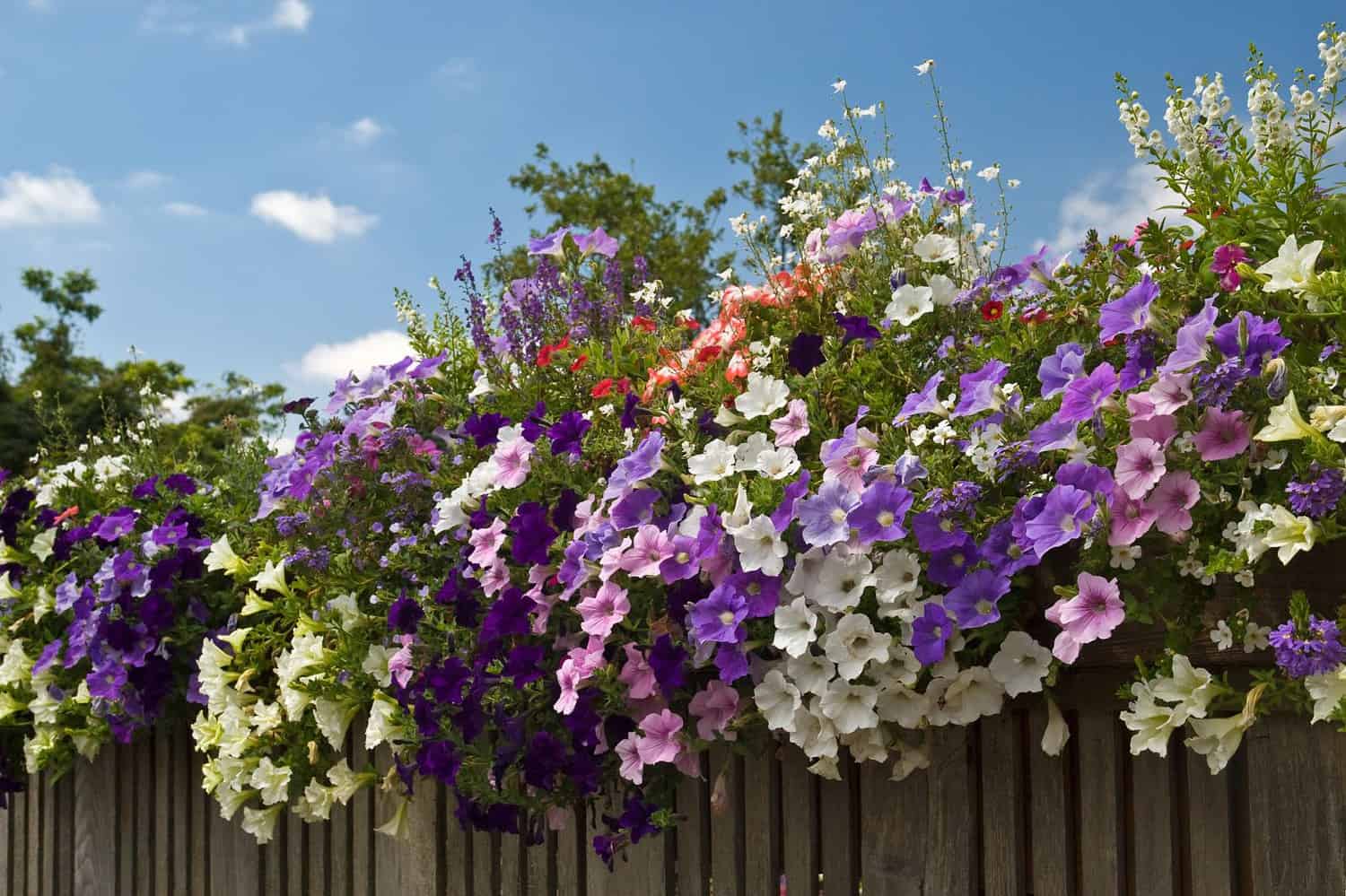
Petunias bring constant color to your hydrangea garden from spring until fall. These flowering plants come in every color imaginable and work especially well near white hydrangeas. They fill empty spaces quickly and can be changed out each year to create new color schemes in your garden.