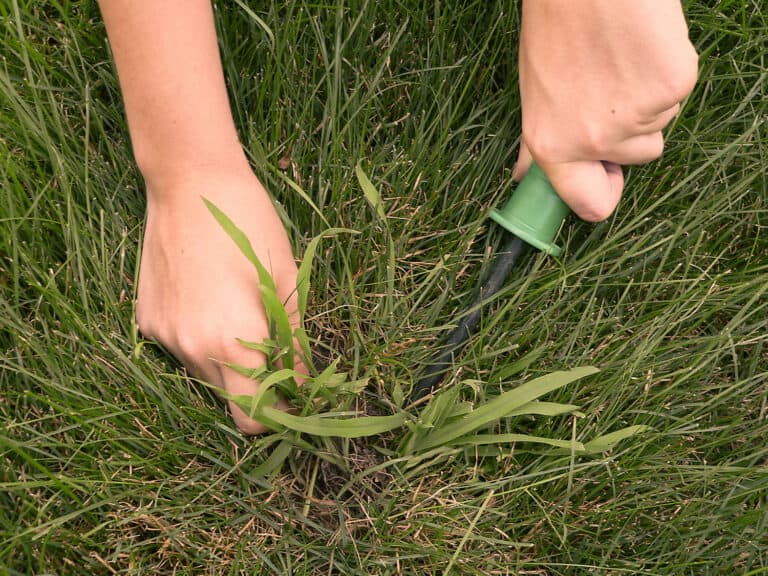
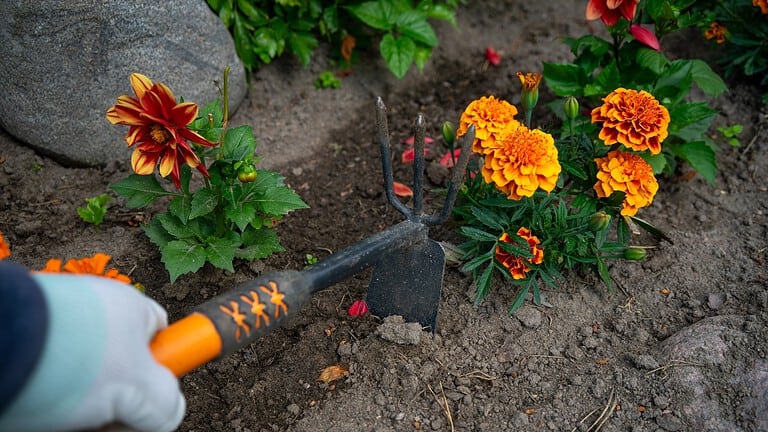
Keeping weeds under control can be a challenge for any gardener. Ground covers offer a natural way to reduce weeds by filling in bare spaces and creating dense mats that block weed growth.
These plants not only reduce the need for mulch and herbicides but also add greenery and texture to your outdoor spaces.
Advertisement
Creeping Thyme
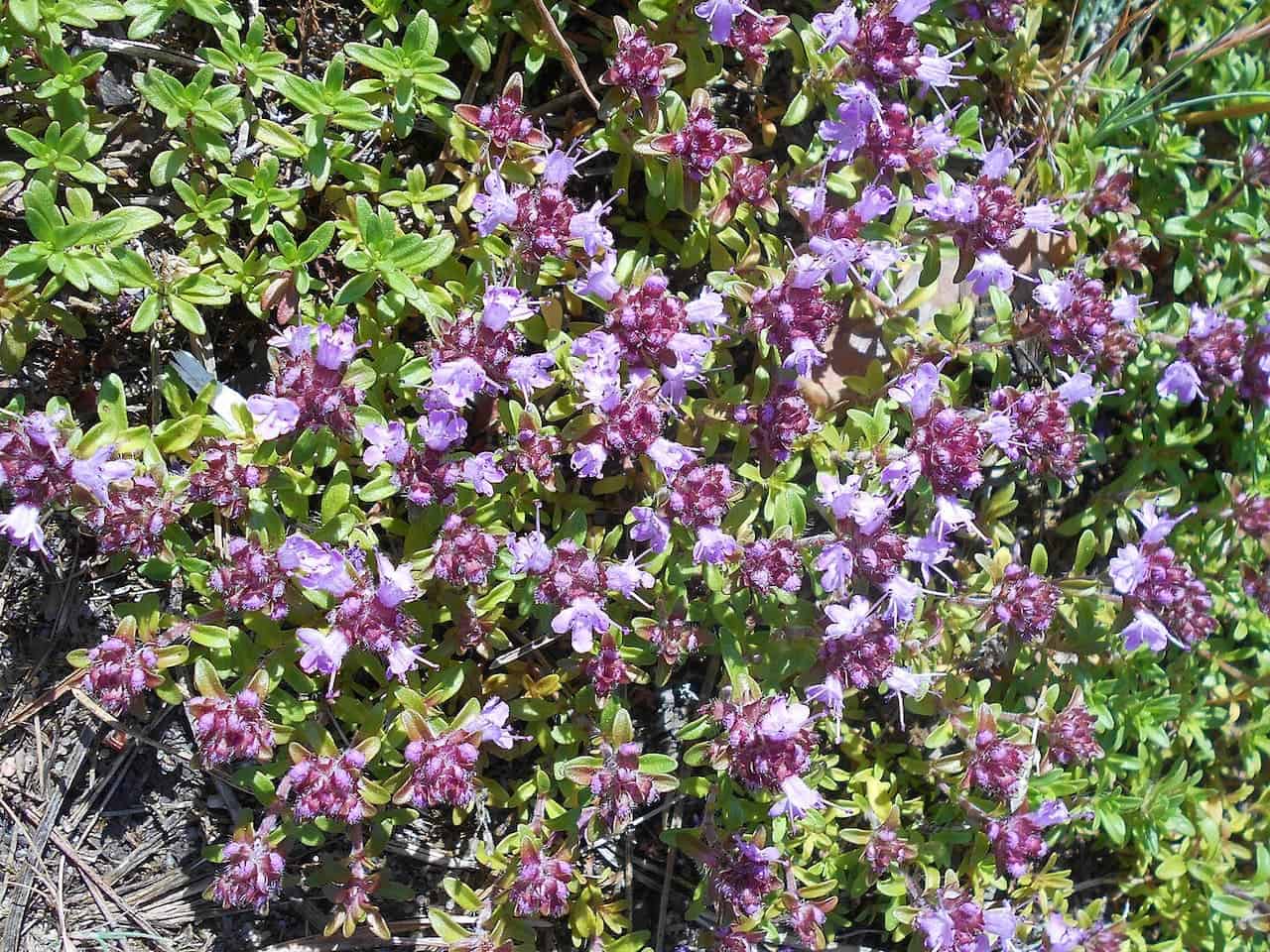
Creeping thyme is a woody perennial ground cover that spreads quickly. You’ll find it helps reduce weeds, though some may still sneak through.
It only lasts about 3-5 years, and older plants can look a bit untidy with dead branches. Regular weed removal will keep your thyme healthy as it grows.
Woolly Thyme
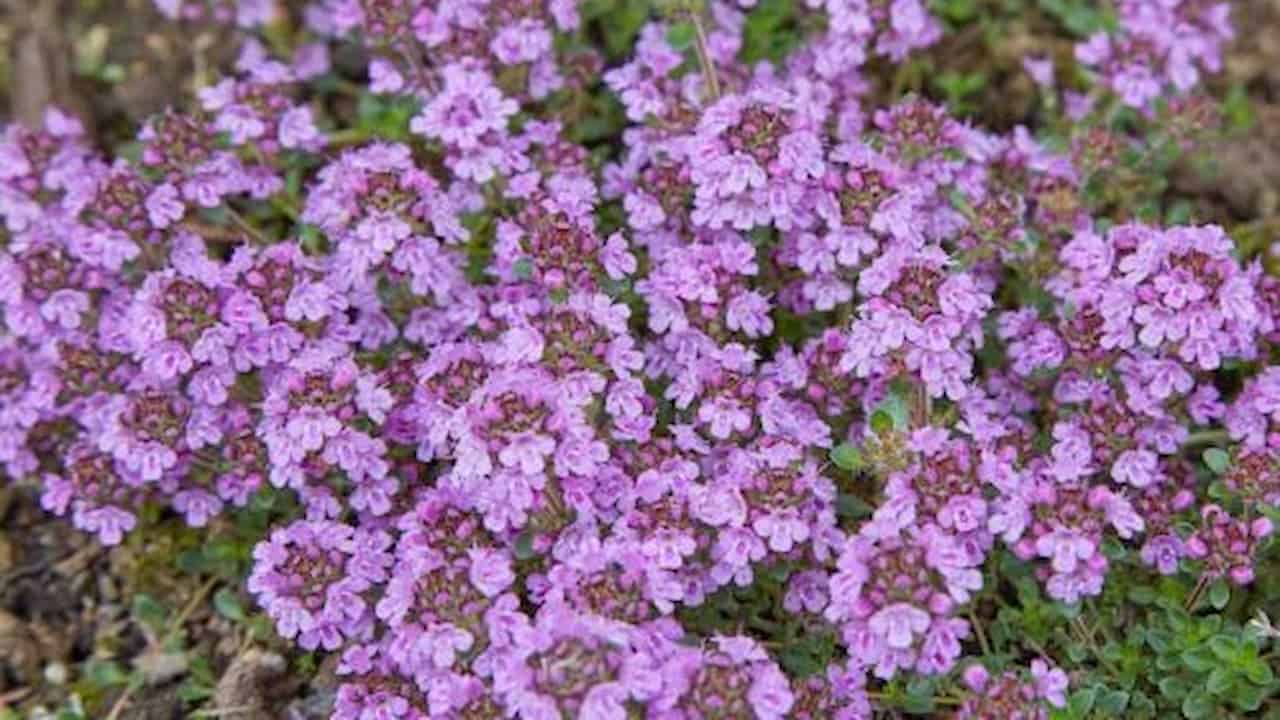
Woolly Thyme is a low-maintenance ground cover with soft, fuzzy gray leaves. You will enjoy its ability to spread quickly, rooting as it goes, which helps fill empty spaces.
While it can suppress some weeds, you should still remove aggressive ones to keep your planting healthy. It adds texture and softness to your garden with minimal effort.
Lemon Thyme

Lemon thyme is a fragrant ground cover that can help crowd out some weeds by growing densely. You’ll find it forms a thick mat, which reduces space for unwanted plants.
While it won’t stop all aggressive weeds, regular weeding will keep your thyme looking its best. Plus, it adds a lovely citrus scent to your garden.
Creeping Mazus
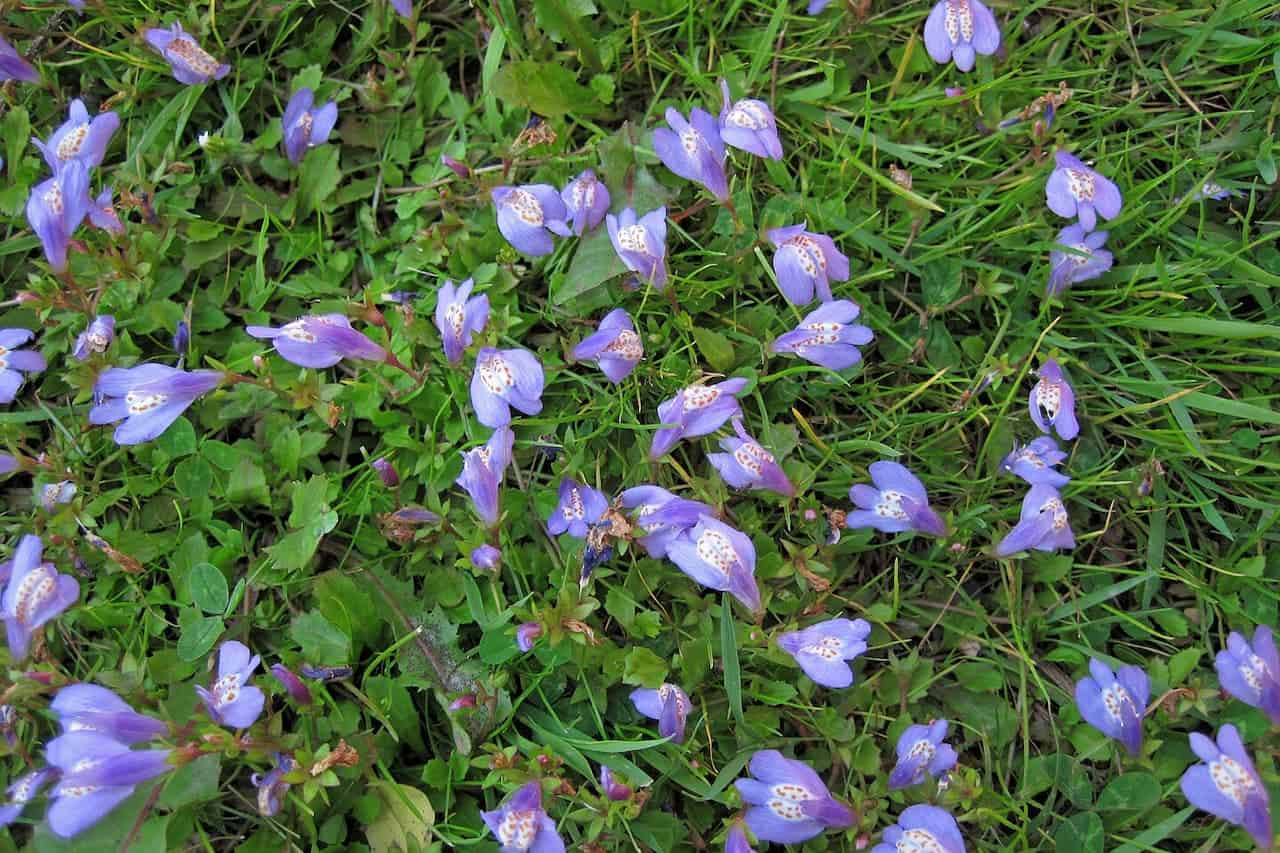
If you’re looking for a fast-spreading ground cover, creeping mazus is a great choice. It creates a dense, low mat that helps crowd out weeds effectively.
You’ll appreciate that it stays green for most of the year and works well in USDA zones 5 to 8. It’s low maintenance and perfect for filling in bare spots in your garden.
Liriope
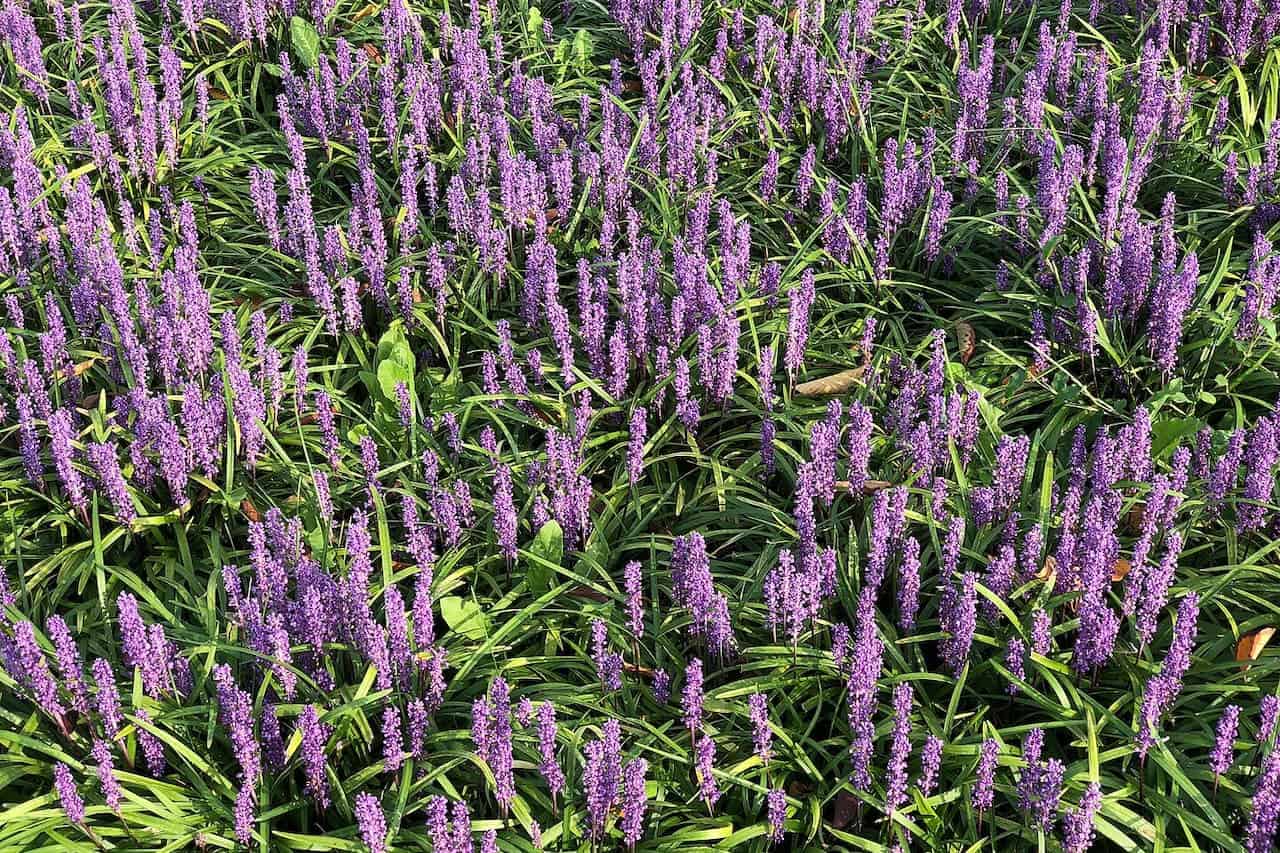
Liriope is a tough ground cover that helps keep weeds at bay by forming dense clumps. You’ll appreciate its low maintenance and drought tolerance, making it great for busy gardeners.
Its grass-like leaves keep your garden looking green year-round, while violet-blue flowers add subtle color. Just be aware it can spread and crowd out other plants if left unchecked.
Comfrey
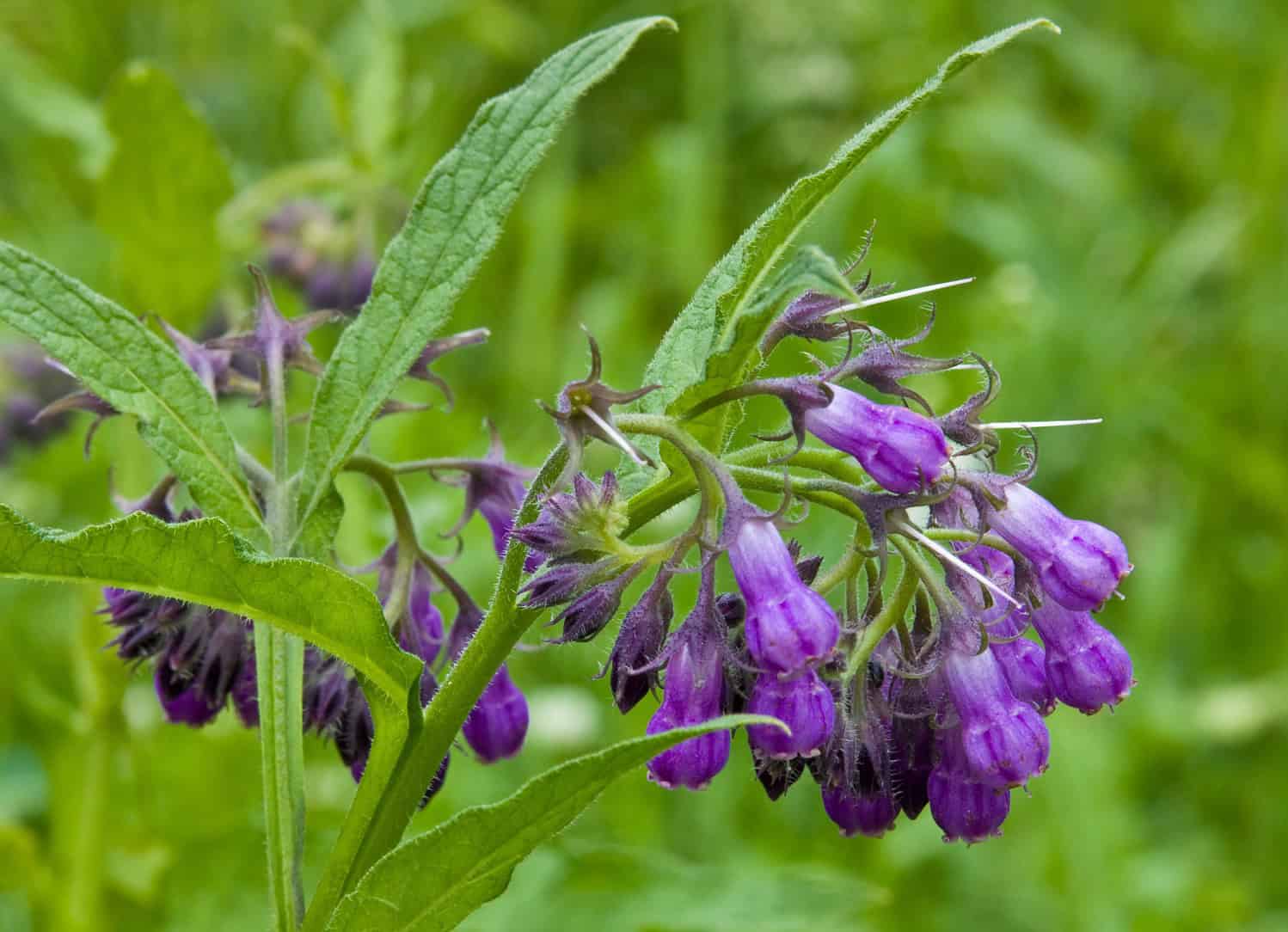
Comfrey spreads quickly and covers ground well, making it effective at reducing weeds. Its dense growth helps block sunlight, which prevents weed seeds from sprouting.
Keep in mind, comfrey can use a lot of soil nutrients, so monitor your plants to avoid competition. You can plant comfrey along garden edges or in strips as a natural weed barrier.
Microclover

Microclover is a low-growing plant that blends well with grass in your lawn. It stays green longer without much watering.
It naturally fixes nitrogen in the soil, which means your grass gets a healthy boost without extra fertilizer. Because it grows densely, microclover helps crowd out weeds, reducing the need for herbicides.
Creeping Phlox
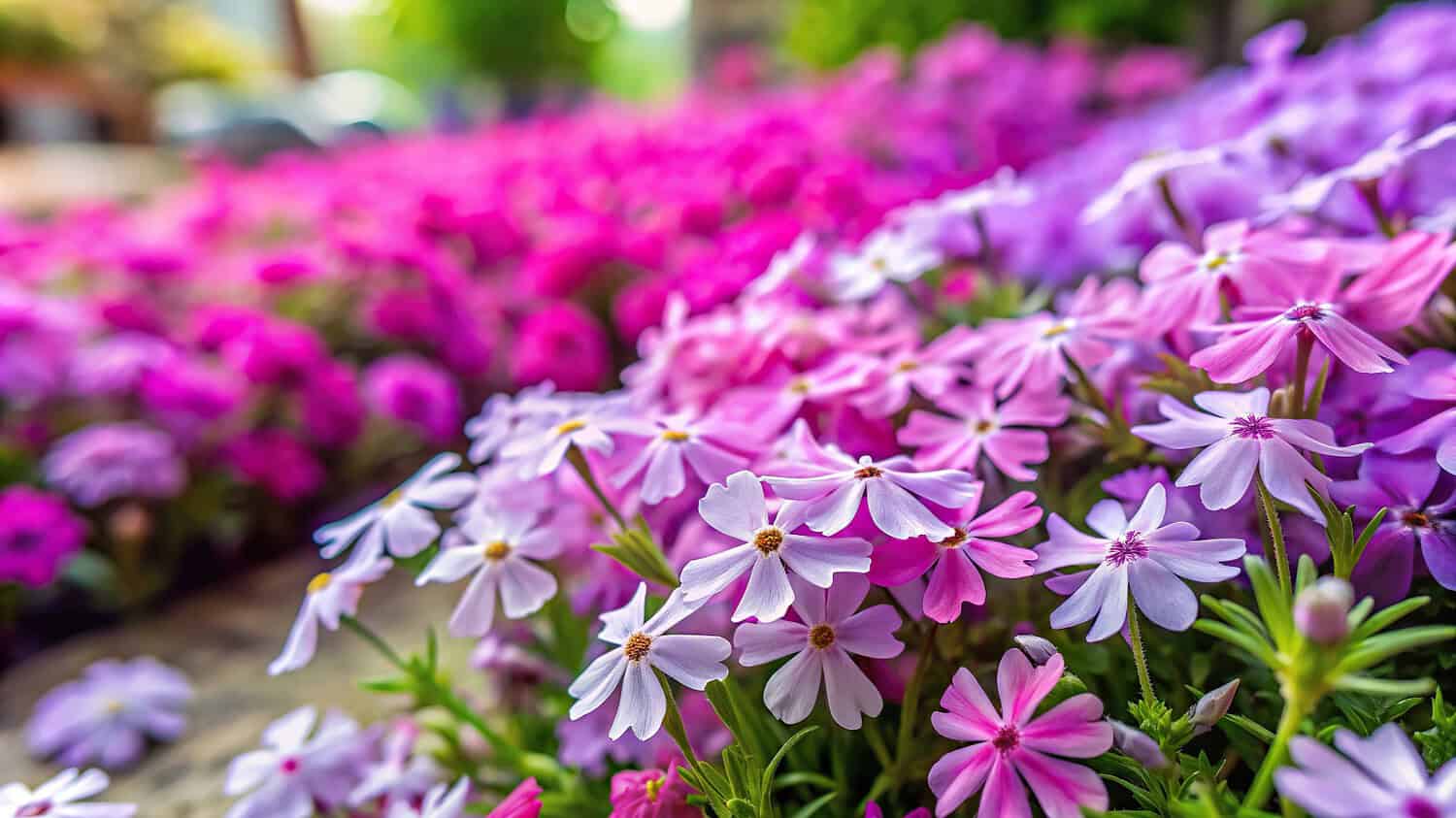
If you’re looking for a ground cover to help keep weeds down, creeping phlox is a solid choice. It spreads by above-ground shoots, filling in space quickly.
You might notice some weeds poking through at first, but as the phlox thickens, it becomes tougher for weeds to establish. Its colorful blooms add charm while doing the work.
Bugleweed (Ajuga)
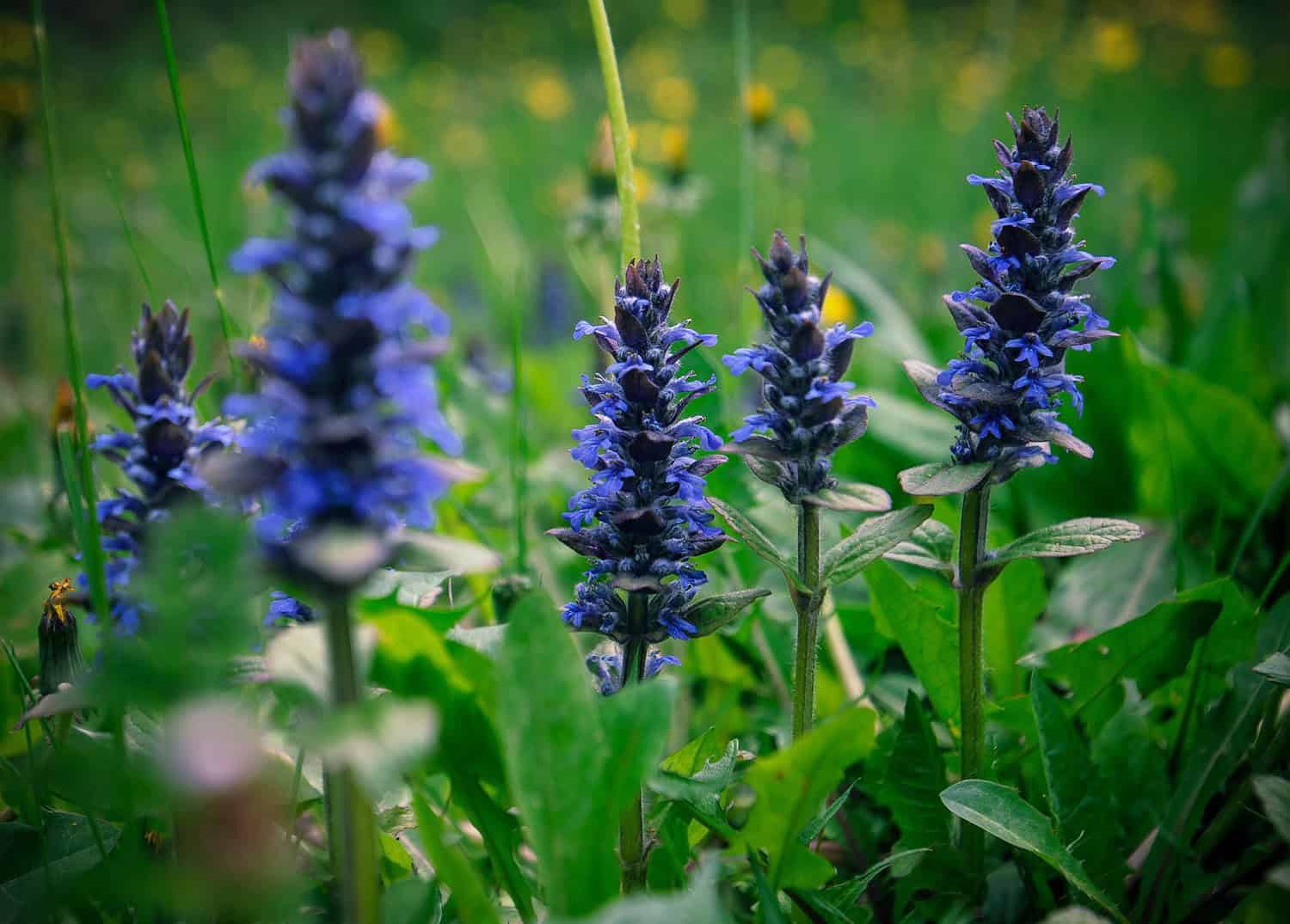
Bugleweed is a dense, fast-spreading ground cover that helps you suppress weeds by filling in empty spaces. It works well under shrubs and in beds where other plants might struggle.
You’ll find it low maintenance, making it easy to keep your garden tidy without much effort.
Deadnettle (Lamium)
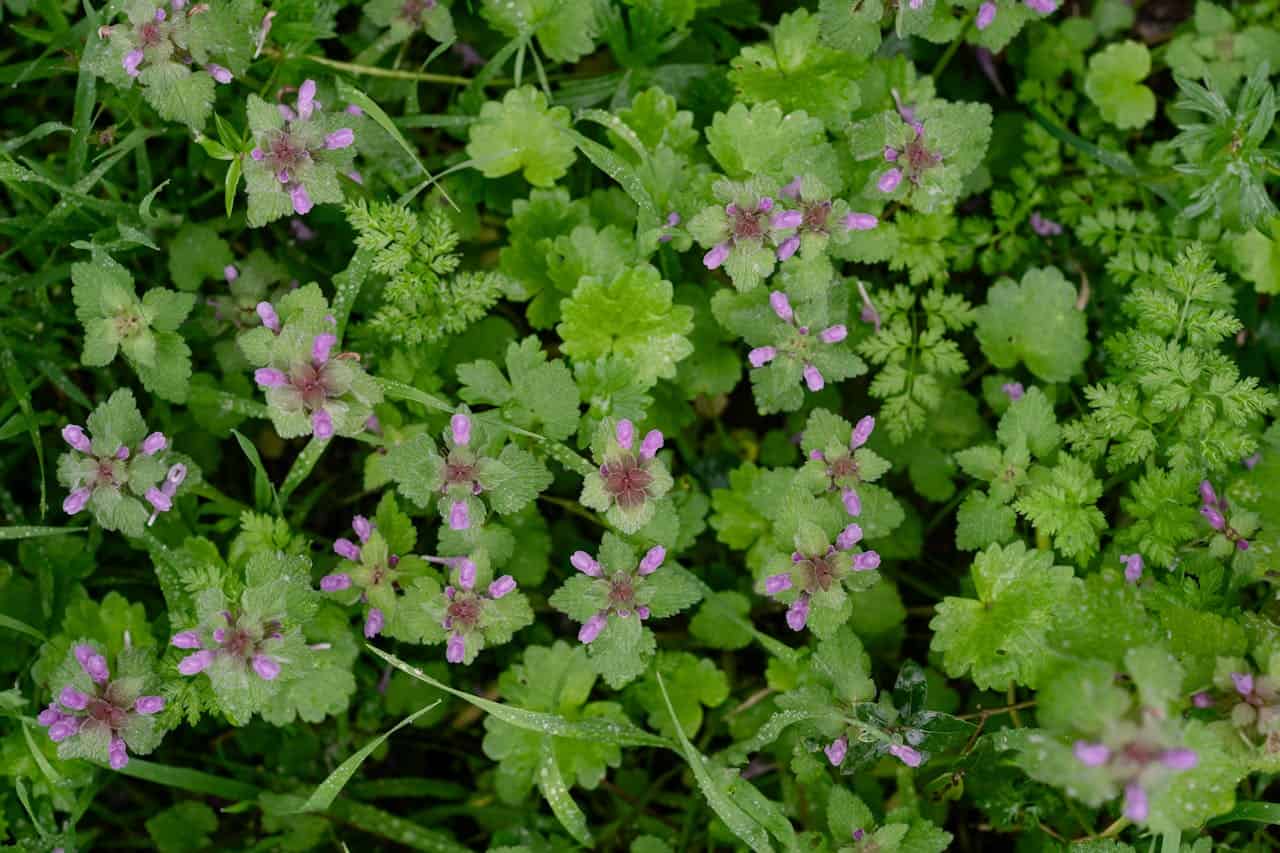
Deadnettle forms a dense, spreading mat that helps keep weeds at bay. You’ll appreciate its variegated leaves and delicate flowers, which add interest to shady spots.
It grows quickly and can root at the nodes, covering ground effectively. Deadnettle needs little care and tolerates dry, shaded areas well, making it a practical choice for low-maintenance gardens.
Angelina Sedum

Angelina Sedum makes a colorful, low-maintenance ground cover. You can grow it in full sun or semi-shade, and it thrives in well-drained, sandy soil.
It spreads quickly, creating a dense mat that helps block weeds. Plus, it needs little water and resists most diseases, making it easy to care for in your garden.
Vinca Minor (Periwinkle)
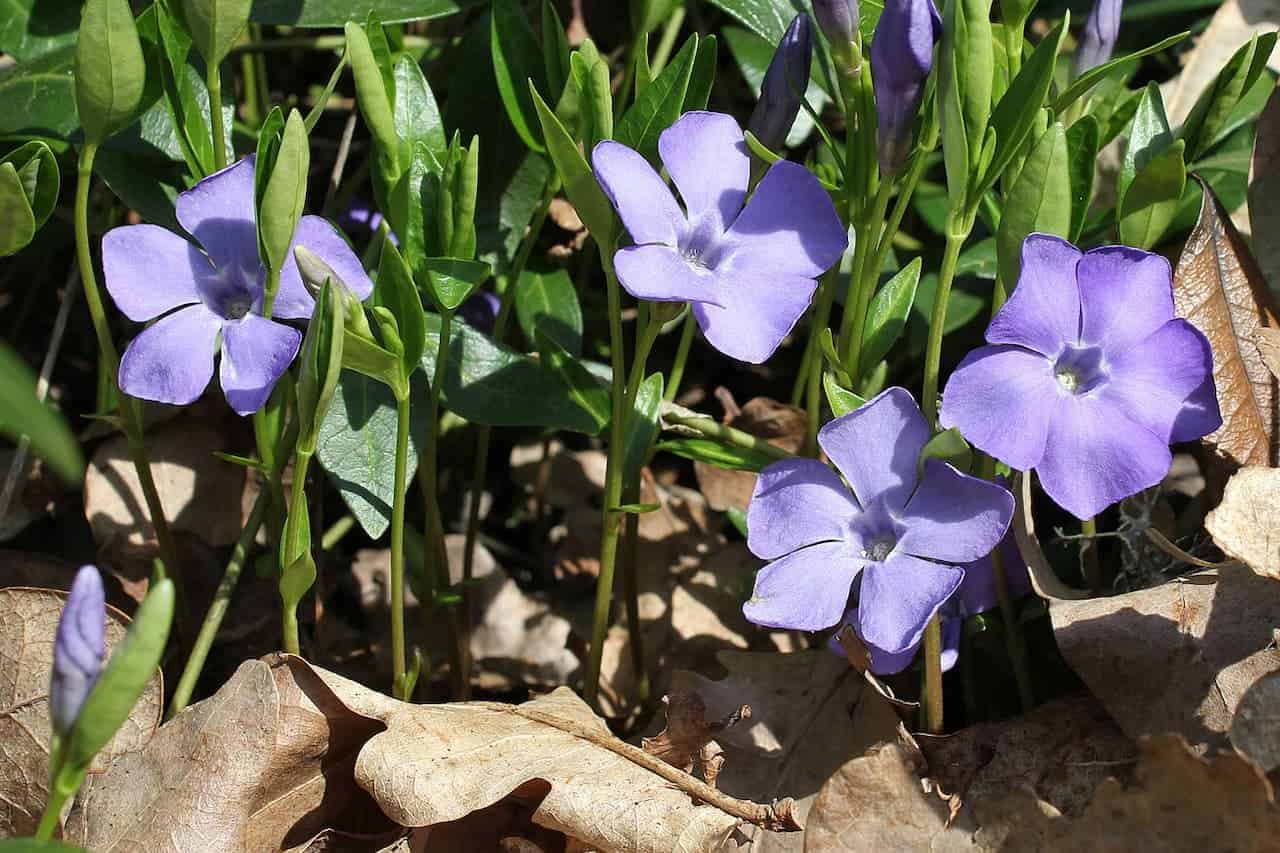
If you’re looking for a low-maintenance ground cover, Vinca Minor is a good choice. It spreads quickly, helping to outcompete many common weeds.
You’ll find it thrives in shady spots where grass struggles. Keep an eye on its runners, though, as it can become somewhat invasive if left unchecked.
Mowing or trimming can help you manage its growth and keep it looking neat.
Lamb’s Ear
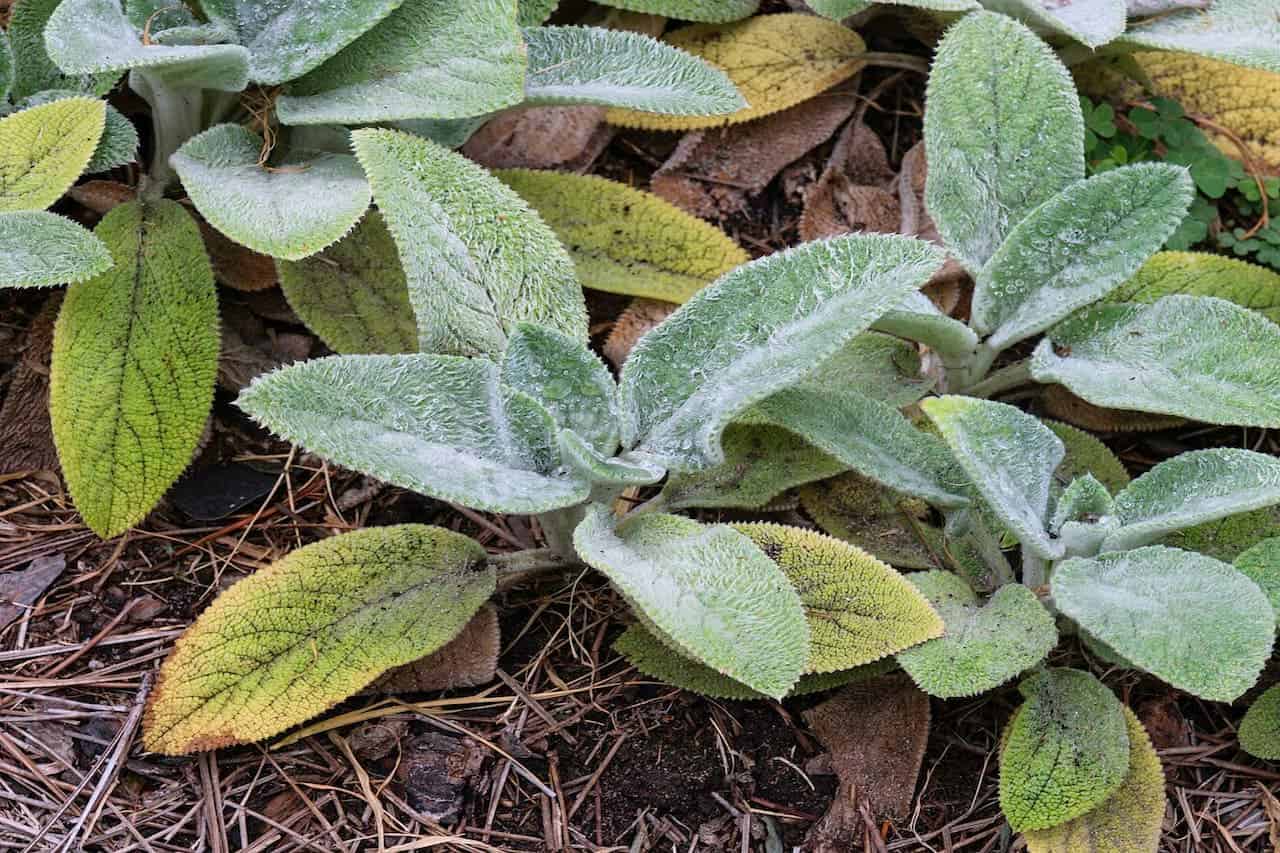
Lamb’s ear is a soft, silvery ground cover that forms a dense mat, making it hard for weeds to grow through. It thrives in sunny spots but can also handle some shade, making it versatile for your garden.
This plant is drought tolerant and low-maintenance, perfect if you want something easy to care for. Its thick leaves create a carpet-like cover that helps suppress weed growth naturally.
Cedar Mulch
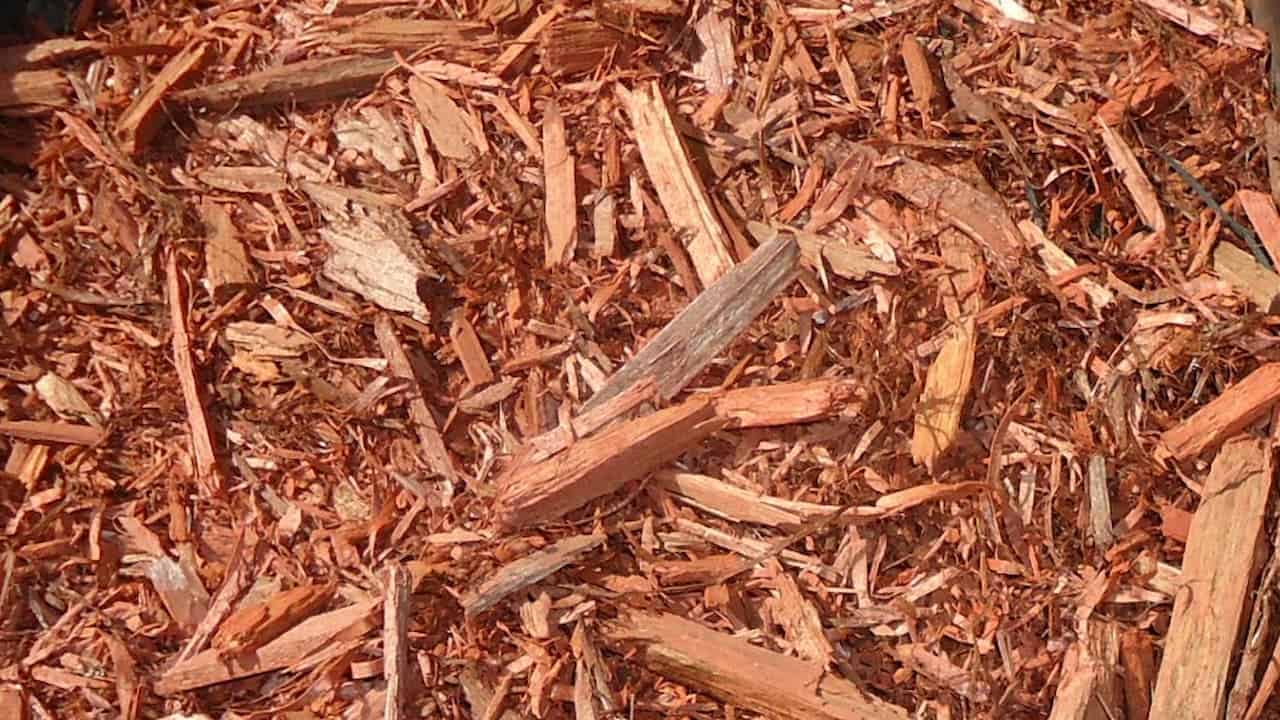
Cedar mulch is a great option if you want to reduce weeds naturally. It breaks down slowly, so you won’t need to replace it often.
Using cedar mulch helps keep soil moist while blocking sunlight that weeds need to grow. It works well on its own or under other ground covers to give your garden extra protection.
Ajuga Reptans
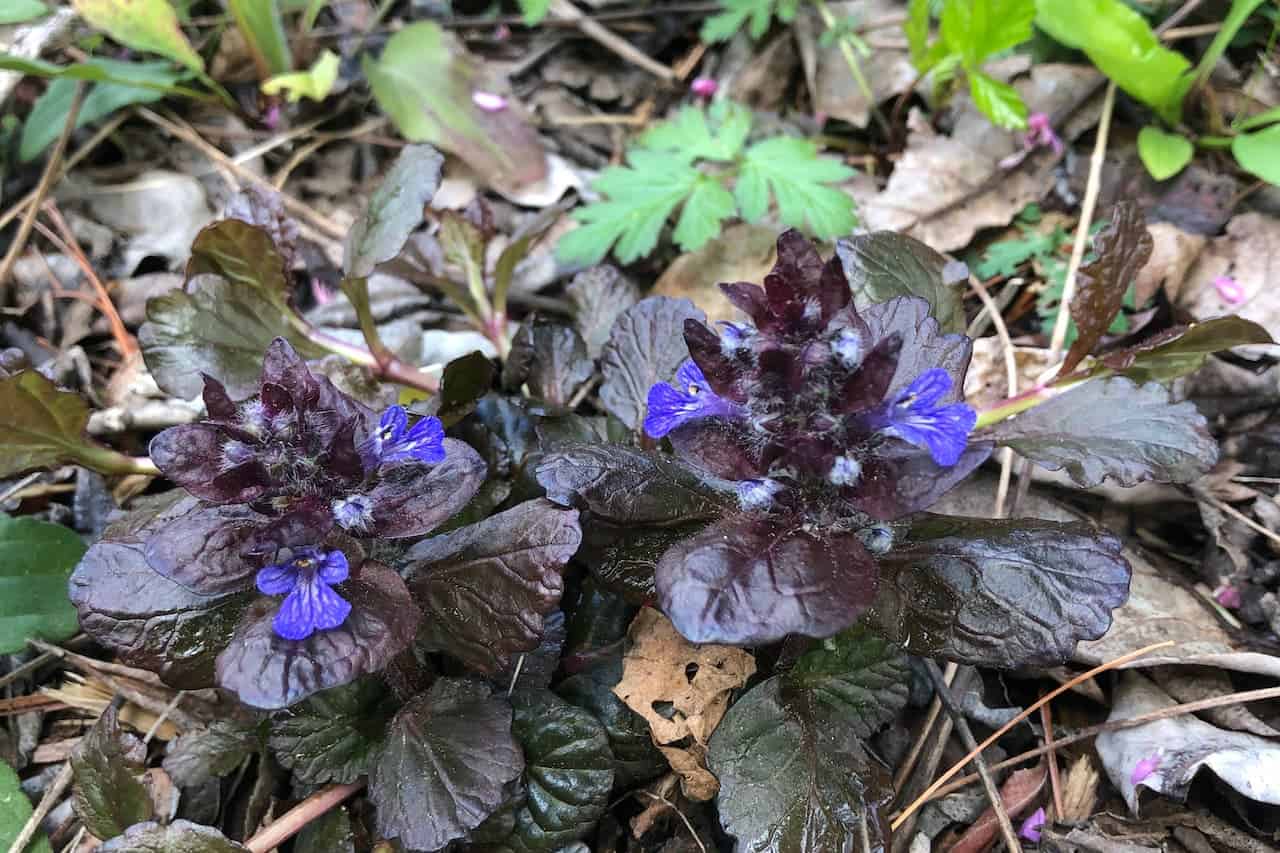
Ajuga Reptans, also called Bugleweed, is a great choice if you want a quick-spreading ground cover. You’ll appreciate its dense foliage that helps block out weeds.
It grows well in many areas, including under shrubs or in garden beds. Plus, its colorful leaves and blue flower spikes add extra interest to your space.
Corsican Mint

If you want a low-growing ground cover with a fresh scent, Corsican mint is a good choice. It forms a dense mat of tiny leaves that spread quickly without becoming invasive.
This mint helps keep weeds down by filling empty spaces and can also repel pests around vegetables like cabbage. It works well in shady spots where grass might struggle.
Sweet Woodruff
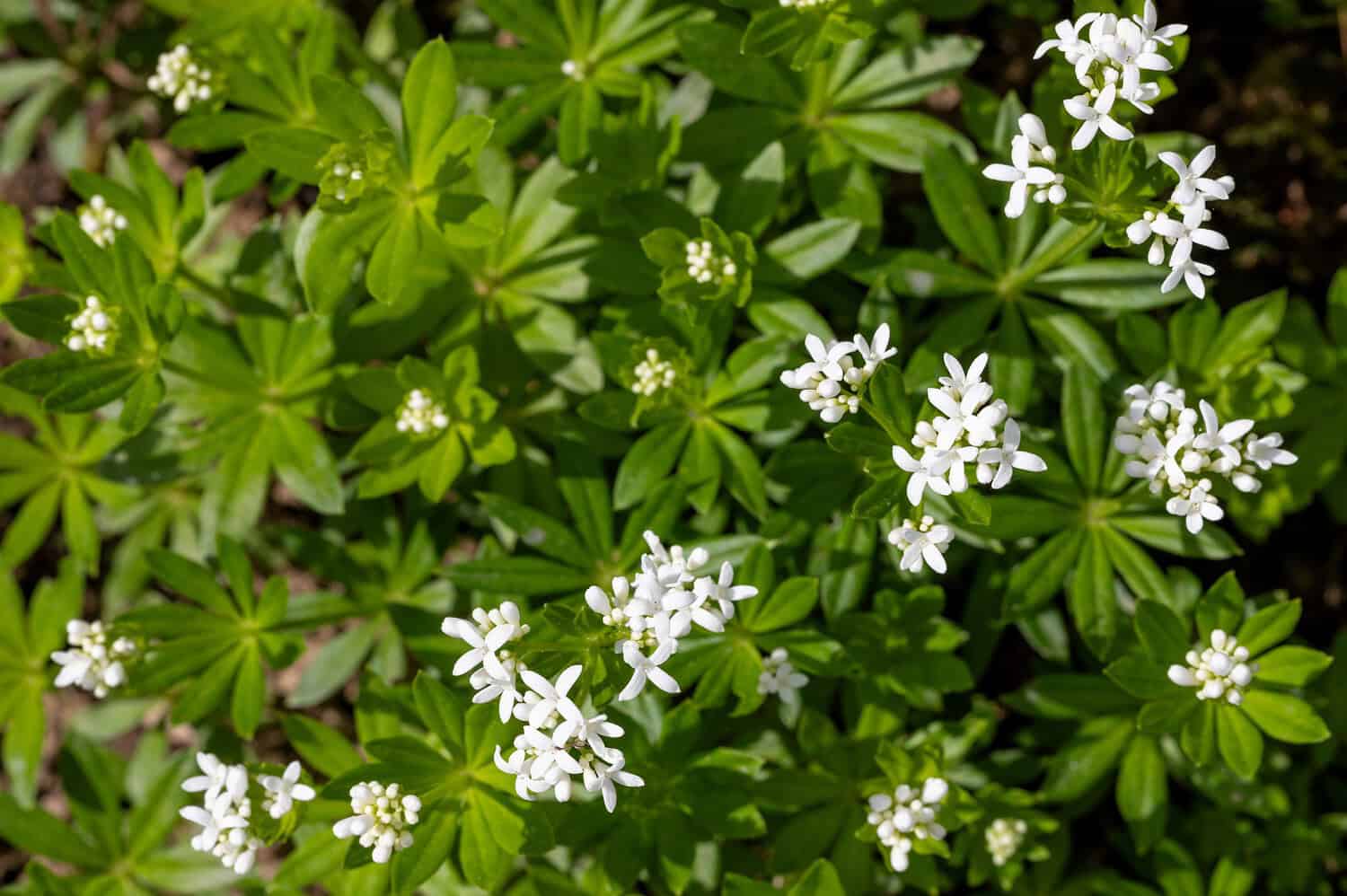
If you need a ground cover for shady spots, sweet woodruff is a great choice. It grows low and spreads slowly, making it perfect under trees or in cool corners of your garden.
You’ll enjoy its delicate white flowers in late spring and the fresh fragrance it brings. It also helps keep weeds down while holding moisture in your soil.
Epimedium
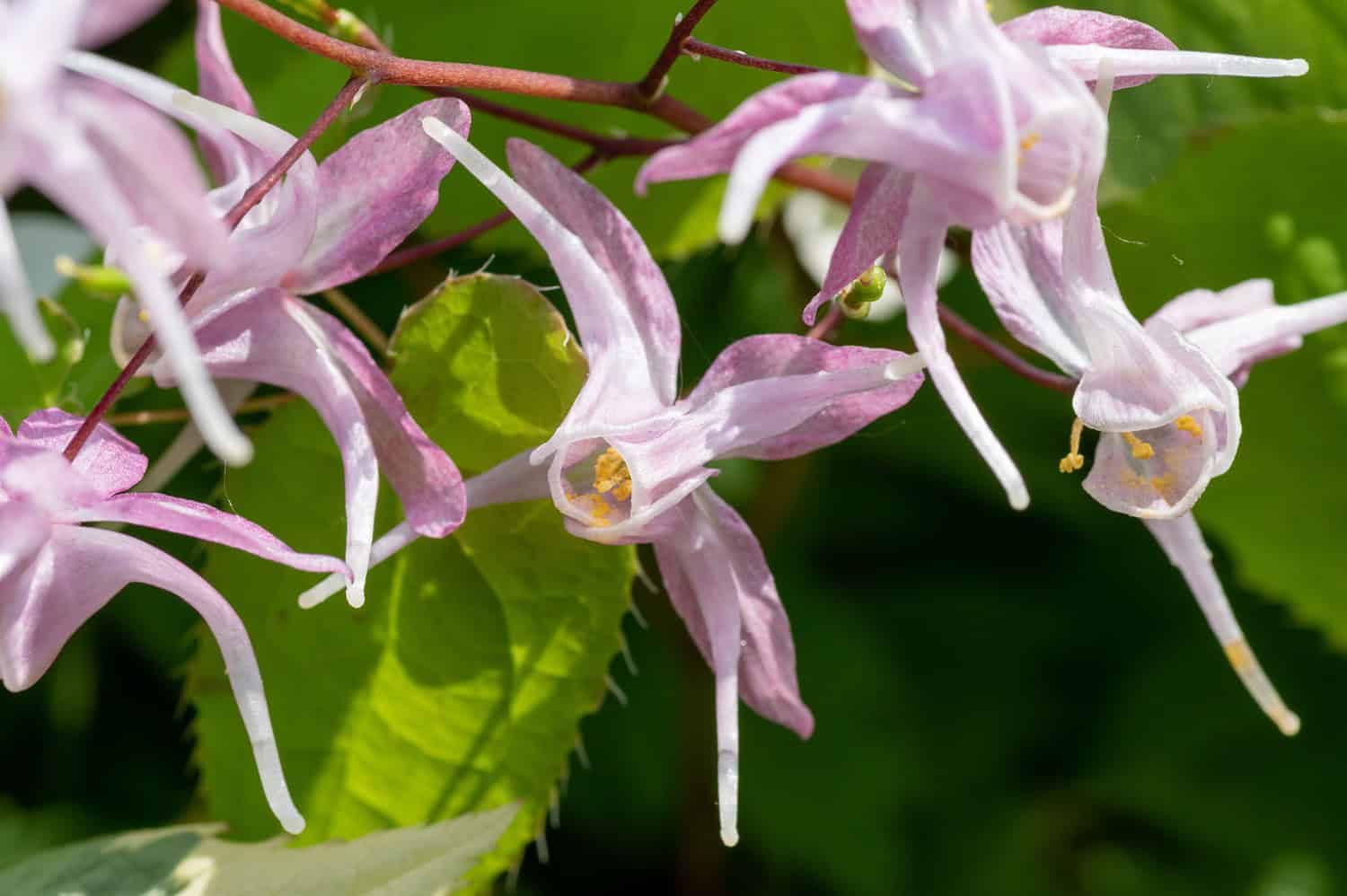
If you need a ground cover for dry, shady spots, Epimedium is a solid choice. You’ll find it’s slow-growing but gradually fills in, helping to reduce weeds naturally.
Its heart-shaped leaves stay evergreen, and in spring, you get delicate flowers. Plus, it’s deer resistant, so your garden stays looking good with less effort.
Pachysandra Terminalis
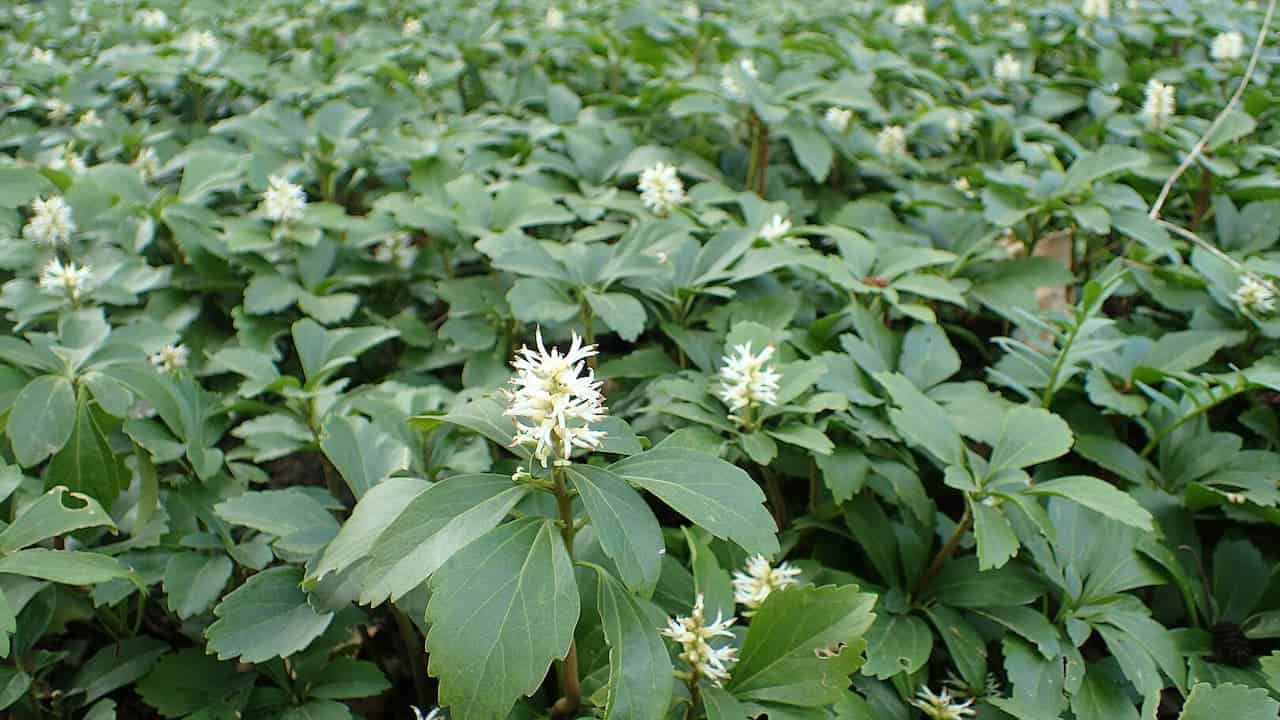
If you have shady, hard-to-grow spots, Pachysandra Terminalis can be a solid choice. It spreads quickly and forms a thick mat that helps keep most weeds at bay.
Once established, you’ll notice fewer weeds competing with your garden. Keep in mind, it can become dominant, so you might need to manage its growth to avoid it taking over more than you want.
Irish Moss
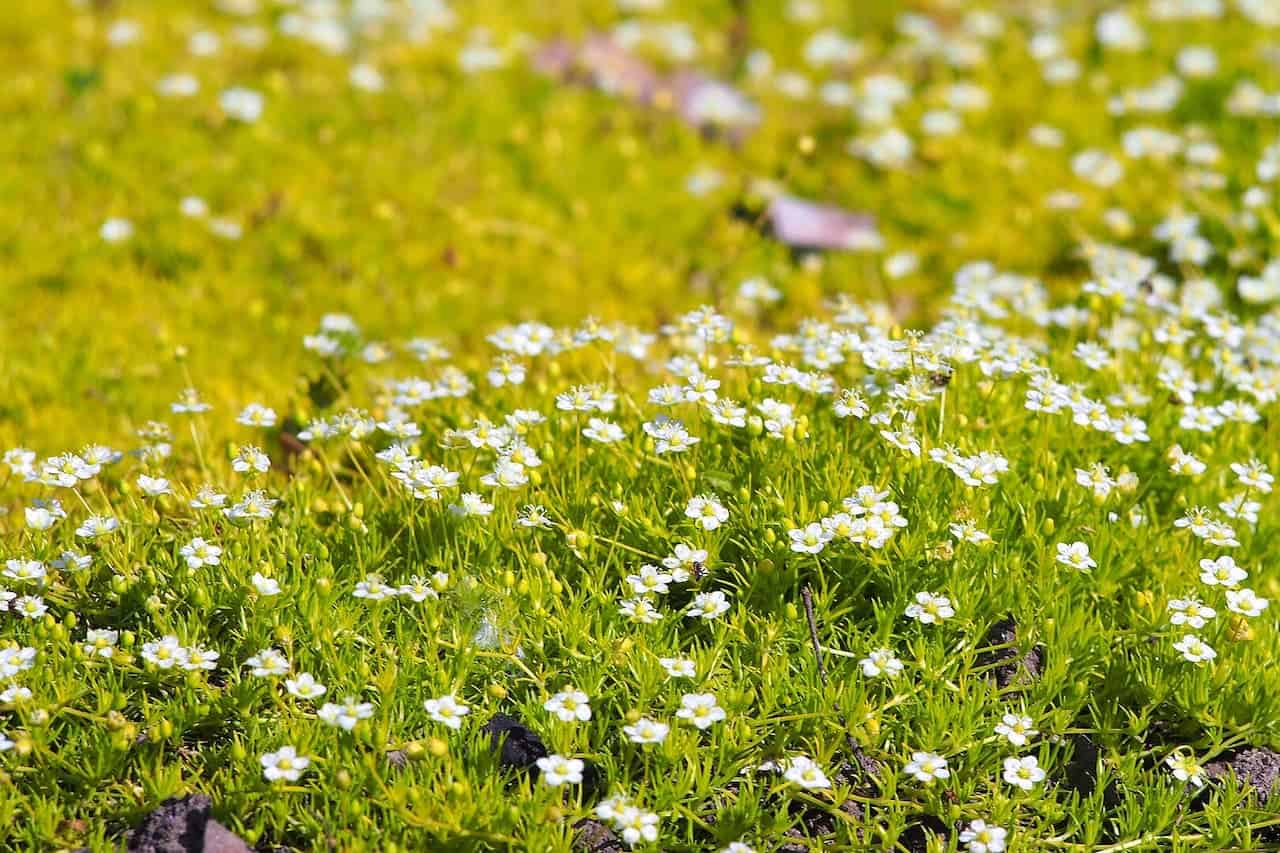
Irish moss is a low-growing ground cover that forms a dense mat, helping to block weeds from gaining space.
You can use it in rock gardens, between pavers, or as a lawn alternative. It spreads slowly but steadily, mainly by tiny flowers that produce seeds.